
The
La
La

Yokohama to Tokyo

  • 29th March 2028
  • 15 Nights
  • Tokyo (Yokohama)
  • Silver Moon
Silversea

Suite price from

$19,850*/per person

* based on twinshare stateroom

Displayed prices exclude Travel Expert Service Fee (as applicable). Fees are calculated at checkout.

World360 Rewards Earn & redeem points on all travel* with World360 Rewards – join free today!

Your itinerary

  • Tokyo (Yokohama)
  • Shimizu
  • Kobe
  • Kobe
  • Kochi, Japan
  • Beppu, Japan
  • Hiroshima, Japan
  • Busan
  • Kanazawa
  • Hakodate
  • Miyako, Japan
  • Tokyo (Yokohama)
Day 1

29th Mar '28

Tokyo (Yokohama)
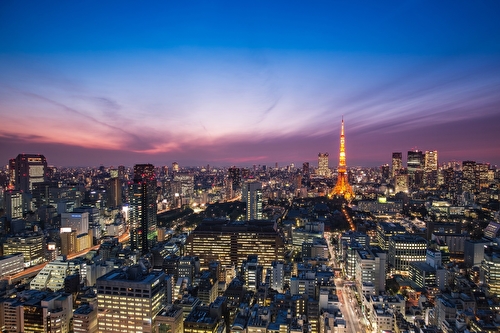
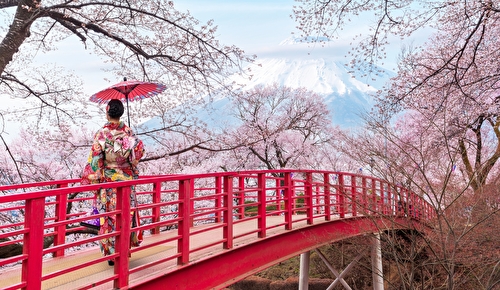
Flying as far under the radar as Japan’s second-biggest city possibly can, only a 30-minute train ride separates Yokohama from Tokyo’s metropolis. Sat a little further to the south of the Bay of Tokyo than the Japanese capital, Yokohama is a place to enjoy waterfront strolls and the warmest of welcomes, as you arrive and acclimatise to this city in the bustling heart of Japan. View less Step into this ocean of urbanity, where major cities merge and blend together, and it’s hard to square Yokohama’s fishing village origins with the vast urban sprawl that you encounter today. An outward-looking place, Yokohama was one of the first to open its harbour to international trade, leading to a rapid transformation from village to big city. The opening of the ports drew many Chinese traders to the bay, and Yokohama houses the country’s biggest Chinatown – a colourful and historic explosion of Chinese shops and more than 250 eateries. Landmark Tower is hard to miss, puncturing the sky as Japan’s second-largest building, it looks out over the water and rises before the distant loom of Mount Fuji. The towering ferris wheel nearby is one of the world’s tallest, and flashes with colour amid the glowing skyline at night. Enjoy breezy strolls along the lively waterfront, with heritage ships, museums and tempting restaurants bordering the sparking bay’s waters. Offering the excitement that only landing on Japanese shores can offer, Yokohama is a great starting point for any adventure to this land of culture, colour and grace. Whether you want to venture onwards to Tokyo’s neon-bathed wonders, see Mount Fuji up close, or find peace and tranquillity in Kyoto’s majestic temples and shrines, Yokohama opens up the best of Japan’s wonders to you. More
Less
Arrive

0:00

Depart

19:00

Day 2

30th Mar '28

Shimizu
Feel your heart thumping, at your first sight of Japan’s most heavenly vision – Mount Fuji’s cone emerging through the haze. With its summit dipped in pure white snow, the iconic volcano’s cone is one of the most famous natural landmarks in the world – and a picturesque backdrop for Shimizu. View less Come ashore to this serene vision of beauty – and whether you head straight for the siren-call of the volcano’s slopes, or the sanctuary of gorgeous, heritage-rich shrines, and tranquil tea plantations – spine-tingling views of Japan’s most tallest mountain are never far away. A perfectly symmetrical spectacle, visible for miles around, Mount Fuji is an adored national symbol of Japan. Travel closer to its slopes to soak in some of the country’s finest panoramas. Or take in the views with a dash of local culture, at the Fujisan Hongu Sengen Shrine – an elegant shrine, that stands in thrall to the salt and pepper volcano close by. The Shiraito Waterfall World Heritage Site flows just beneath the volcano – visit to see the gloriously wide curtain of water gushing through the thick vegetation. Visit Kunozan Toshogu Shrine for another perspective, or to soak up the tranquil site before swinging above on a scenic ropeway. Located on the adjacent Mount Kuno – privileged views of the mountain and Suruga Bay will unroll before you. Nihondaira Plateau is another option, where you can soak in panoramic views of the bay and Mount Fuji dominating behind. However you choose to experience it, Shimizu welcomes you into the heart of Japan, to absorb the mesmerising panoramas of the country’s most famous sight. More
Less
Arrive

8:00

Depart

15:00

Day 3

31st Mar '28

Kobe
The Japanese city of Kobe needs no introduction. The name is synonymous with its home grown superstar. We are not talking of its stunning shrines, cherry trees laden with blossom during sakura or effervescent city, buzzing with life 24/7. We are of course talking of a much more grass roots hero – its eponymous beef. The delicacy might have put the city on the map, but there is far more to Kobe than its meat. Naturally, Kobe wears its cuisine as a badge of honour. View less Its port history has given it a gastronomy that is quite different from its neighbours. Seafood and sushi is naturally some of the freshest and most diverse you can find, but Kobe’s multi-cultural nature (the city is home to 98 different nationalities) means that it has one of the most diverse gastronomic cultures in Japan. Bread and bakeries are also an (unexpected) delicacy. Additionally, Sake is taken very seriously – Kobe even has its own museum dedicated to the national spirit. Historically, Kobe has always been a key city for Japan. Renamed in 1889, it was known as Owada no Tomari during the Nara Period (710-784 C.E.). Kobe’s location on the calm Inland Sea between Osaka and Kyoto has proven to be pivotal in Japanese history; it is mentioned in famous literary works such as The Tale of Genji (from approximately late 9th century) and the Taiheiki (14th century). The city and region are home to many attractions including the Himeji Castle (widely considered to be Japan’s most beautiful feudal castle), a short ride away. More
Less
Arrive

8:00

Depart

0:00

Day 4

1st Apr '28

Kobe
The Japanese city of Kobe needs no introduction. The name is synonymous with its home grown superstar. We are not talking of its stunning shrines, cherry trees laden with blossom during sakura or effervescent city, buzzing with life 24/7. We are of course talking of a much more grass roots hero – its eponymous beef. The delicacy might have put the city on the map, but there is far more to Kobe than its meat. Naturally, Kobe wears its cuisine as a badge of honour. View less Its port history has given it a gastronomy that is quite different from its neighbours. Seafood and sushi is naturally some of the freshest and most diverse you can find, but Kobe’s multi-cultural nature (the city is home to 98 different nationalities) means that it has one of the most diverse gastronomic cultures in Japan. Bread and bakeries are also an (unexpected) delicacy. Additionally, Sake is taken very seriously – Kobe even has its own museum dedicated to the national spirit. Historically, Kobe has always been a key city for Japan. Renamed in 1889, it was known as Owada no Tomari during the Nara Period (710-784 C.E.). Kobe’s location on the calm Inland Sea between Osaka and Kyoto has proven to be pivotal in Japanese history; it is mentioned in famous literary works such as The Tale of Genji (from approximately late 9th century) and the Taiheiki (14th century). The city and region are home to many attractions including the Himeji Castle (widely considered to be Japan’s most beautiful feudal castle), a short ride away. More
Less
Arrive

0:00

Depart

19:00

Day 5

2nd Apr '28

Kochi, Japan
Less
Arrive

8:00

Depart

17:00

Day 6

3rd Apr '28

Beppu, Japan
The lantern-lit hot springs of Beppu, known for its eight scorching “Hells”, is a town that’s prettier than a picture. The town is found in a particularly volcanically active part of Japan (hence the abundance of hot springs, or in Japanese, onsens). The viewing pools have evocative names; think Sea Hell, Blood Pond Hell and Tornado Hell. While the names might seem a little off putting, the reality is stunning; sulphur laced air and vast spectrums of blues and reds, depending on the mineralisation of the earth. As if the gorgeous palette of colours at the onsen was not enough, Beppu is also world famous for its Sakura, or cherry blossom season. More than 2,000 cherry trees near the base of the ropeway to Mount Tsurumi make for one of Beppu’s most impressive hanami (flower viewing) spots. If not lucky enough to be in the area during Sakura, from May to June rhododendrons colour the mountain. The view from this 1,375m mountain is beyond impressive, allowing you to see all the way to the Kuju Mountains, Chugoku and Shikoku. If brave enough to climb all the way to the top, the stone Buddhas that were carved into the mountainside during the Heian Period (794-1185) are a worthy reward! As with much of Japan, duality is ever present. Modernity sits very comfortably by ancient buildings. While Beppu’s biggest pull is by far the hot springs and the thermal baths, nearby (10 km) Yufuin has a wealth of art museums, cafes and boutiques, catering to trend setters and urbanites alike. More
Less
Arrive

8:00

Depart

18:00

Day 7

4th Apr '28

Hiroshima, Japan
History buffs will want to write home Hiroshima. Despite being devastated in 1945, this Japanese city is known to all for its commitment peace – its ruin on the 6th August 1945 led to the end of the war and today, the Peace Memorial (a UNESCO World Heritage Site) , is a constant reminder of the destruction that war brings. A walk in the leafy boulevards of Peace Memorial Park brings quiet contemplation. View less The Flames of Peace – set in the park’s central feature pond – burn brightly and will continue to do so until all the nuclear bombs I the world have been destroyed. There are many other inspiring messages of hope around the city too; the Children’s’ Peace Monument just north of the park is a homage to little Sadako Sasaki, who was just two in 1945. When she developed leukemia in 1956, she believed that if she folded 1,000 paper cranes – a symbol of longevity and happiness in Japan – she would recover. Sadly she died before she finished her task but her classmates finished the rest. If you are lucky enough to visit during the unpredictable and short-lived Sakura (cherry blossom) season, then the extraordinary sight of the delicate pink blossom floating across the water to the red gate, means you can consider yourself one of the luckiest people on the planet. More
Less
Arrive

7:00

Depart

17:00

Day 8

5th Apr '28

At Sea
Less
Arrive

0:00

Depart

0:00

Day 9

6th Apr '28

Busan
“A tapestry of kaleidoscopic colours, intense seafood flavours, and urban beach bliss, Busan rolls across a glorious natural setting on the Korean Peninsula’s south-east. One of the largest and busiest ports in the world, 3.5 million people call South Korea’s second city home, and the amiable locals help to lend the city its quirky, offbeat outlook. A spacious, playful and cosmopolitan place, Busan is a lively, liveable city, cradled by lush mountains and endless ocean scenery. Haedong Yonggung Temple nestles on a dramatic cliffside, just above the crumbling rocks and crashing waves of the East Sea. Dating back to 1376, the temple’s multi-storey pagoda is adorned with lions – each representing a different emotion. Elsewhere, lanterns glitter in the night sky around Mount Geumjeongsan, freshly released from the beautiful Beomeosa Temple, which was established in AD 678. The hillside shantytown of Gamcheon Culture Village has completed an improbable transformation, blossoming from a sea of makeshift homes for Korean war refugees, into a colourful explosion of creativity and curiosity. Local artists have been let loose to create interactive installations, and the entire area is now an expansive canvas for expression. Lose yourself among vibrant alleyways of flamingo-pink, lemon-yellow and baby-blue painted facades in this unique area. Sample bibimbap, fiery-hot beef and rice, from street food vendors, before relaxing on one of South Korea’s best beaches – Haeundae’s banana bend of sand. Metallic skyscrapers offer an unusual backdrop to this pristine expanse of golden powder and are mirrored by elaborate sandcastles and sculptures during the annual sand festival – when spontaneous water fights and firework displays also take place. Gwangalli beach is another urban option, laying out spectacular views of the reaching Gwangan Bridge – the country’s second largest bridge. At night, 16,000 bulbs bathe this engineering marvel in colour.” More
Less
Arrive

7:00

Depart

23:00

Day 10

7th Apr '28

At Sea
Less
Arrive

0:00

Depart

0:00

Day 11

8th Apr '28

Kanazawa
The capital of the Ishikawa Prefecture, Kanazawa once rivalled Kyoto and Edo (Tokyo) as a town rich in cultural achievements. Kanazawa escaped destruction during World War II and accordingly has been able to preserve many of the old districts in good shape. The city is famous because of Kenrokuen. Located next to Kanazawa Castle, Kenrokuen is classified as “One of the Three Gardens of Japan”. The garden has an artificial pond, and hills and houses are dotted within the 11.4 hectares. View less It has Japan’s oldest fountain using natural water pressure and a tea-house dating back to 1774. Close by is the Higashi Chaya Gai Geisha District, designated a National Cultural Asset and the biggest of the Geisha districts of Kanazawa. Some of the houses not only retain the original structure, but still are used as Geisha houses. Some of the streets have traditional shops creating a nostalgic atmosphere. Kanazawa is also known for its lacquer ware, Kutani-style pottery, gold-leaf workmanship and delicately painted silk kimonos. More
Less
Arrive

7:00

Depart

23:00

Day 12

9th Apr '28

At Sea
Less
Arrive

0:00

Depart

0:00

Day 13

10th Apr '28

Hakodate
Gaze down over Hakodate, from the heights of its namesake peak – Mount Hakodate – to see the city stretching out spectacularly, with back-to-back twin bays splitting the ocean. Hakodate port was one of the first to open Japan up to the world, and to international trade in 1859 – a fact reflected in the architecture, with its influences from the West and beyond. The port area is a redbrick wash of warehouses turned shopping malls, all observed by the onion domes of the city’s Russian Orthodox church. More
Less
Arrive

8:00

Depart

18:30

Day 14

11th Apr '28

Miyako, Japan
Miyako is a city located in Iwate Prefecture, Japan. As of 1 April 2020, the city had an estimated population of 51,150, and a population density of 41 persons per km². The total area of the city is 1,259.15 square kilometers. More
Less
Arrive

8:00

Depart

17:00

Day 15

12th Apr '28

At Sea
Less
Arrive

0:00

Depart

0:00

Day 16

13th Apr '28

Tokyo (Yokohama)
Dense and delightful, there’s nowhere else like Japan’s kinetic capital – a city where ancient traditions blend seamlessly with a relentless pursuit for the future’s sharpest edge. See the city from above, as elevators rocket you up to towering viewing platforms, from which you can survey a vast urban ocean, interspersed with sky-scraping needles. Look out as far as the distant loom of Mount Fuji’s cone on clear days. View less Futuristic – second-accurate – transport seamlessly links Tokyo’s 14 districts, while the glow of flashing advertisement boards, clanks of arcade machines, and waves of humanity flowing along its streets, adds to the sense of mesmerising, dizzying and glorious sensory overload. One of Tokyo’s most iconic sights, don’t miss the flood of people scrambling to cross Shibuya’s famous intersection. Join the choreographed dance, as crowds of briefcase-carrying commuters are given the green light to cross at the same time – bathed in the light of massive neon advertisements. The culture is immensely rich and deep, with 7th-century, lantern-decorated temples, stunning palaces and tranquil scarlet shrines waiting below cloaks of incense and nestling between soaring skyscrapers. Restaurants serve up precisely prepared sushi, and wafer-thin seafood slivers, offering a unique taste of the country’s refined cuisine. Settle into traditional teahouses, to witness intricate ceremonies, or join the locals as they fill out karaoke bars to sing the night away. In the spring, cherry blossom paints a delicate pink sheen over the city’s innumerable parks and gardens. More
Less
Arrive

8:00

Depart

0:00

Your ship - The Silver Moon

The
La
La
Description Food and Drink Entertainment Relaxation Fitness Other
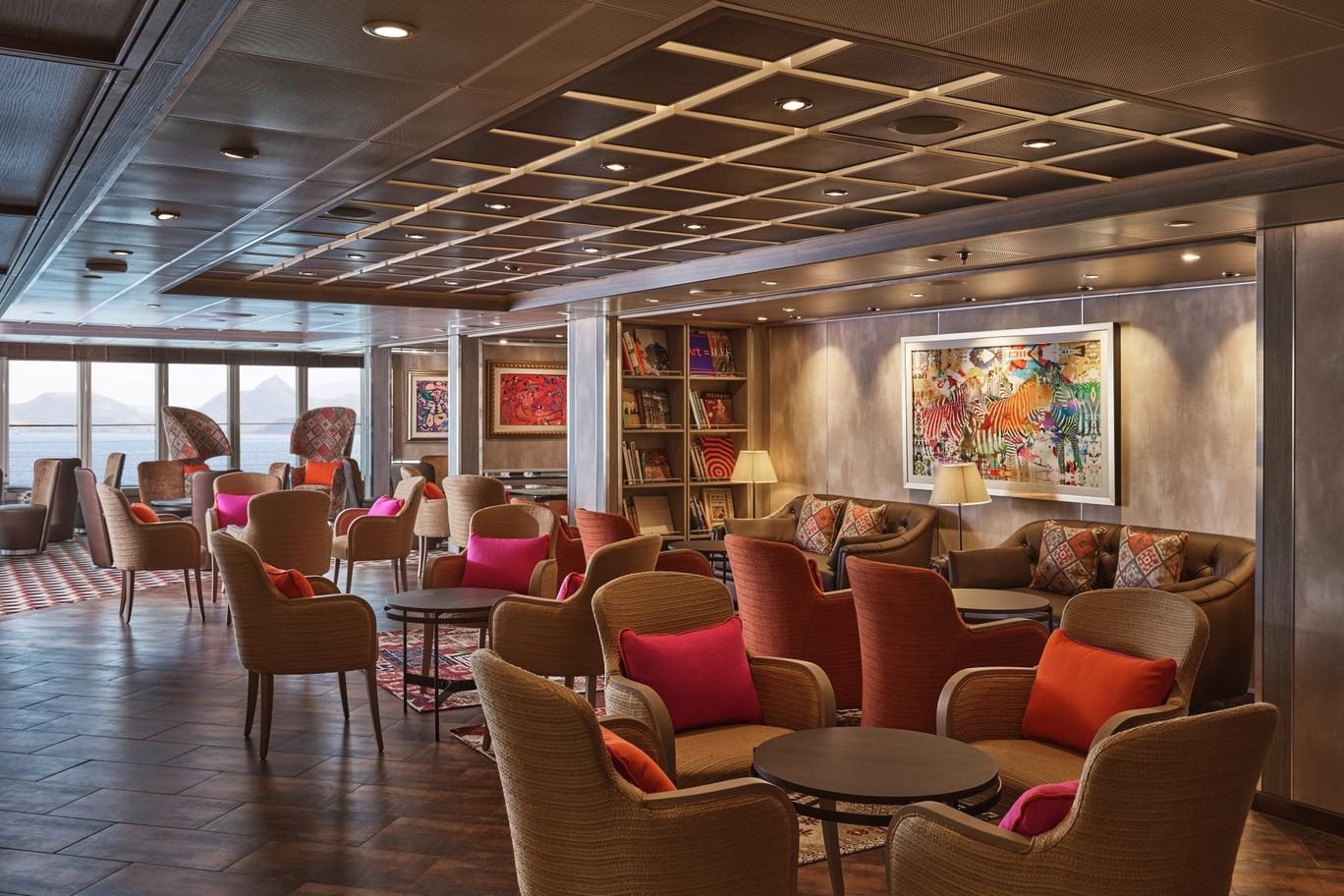
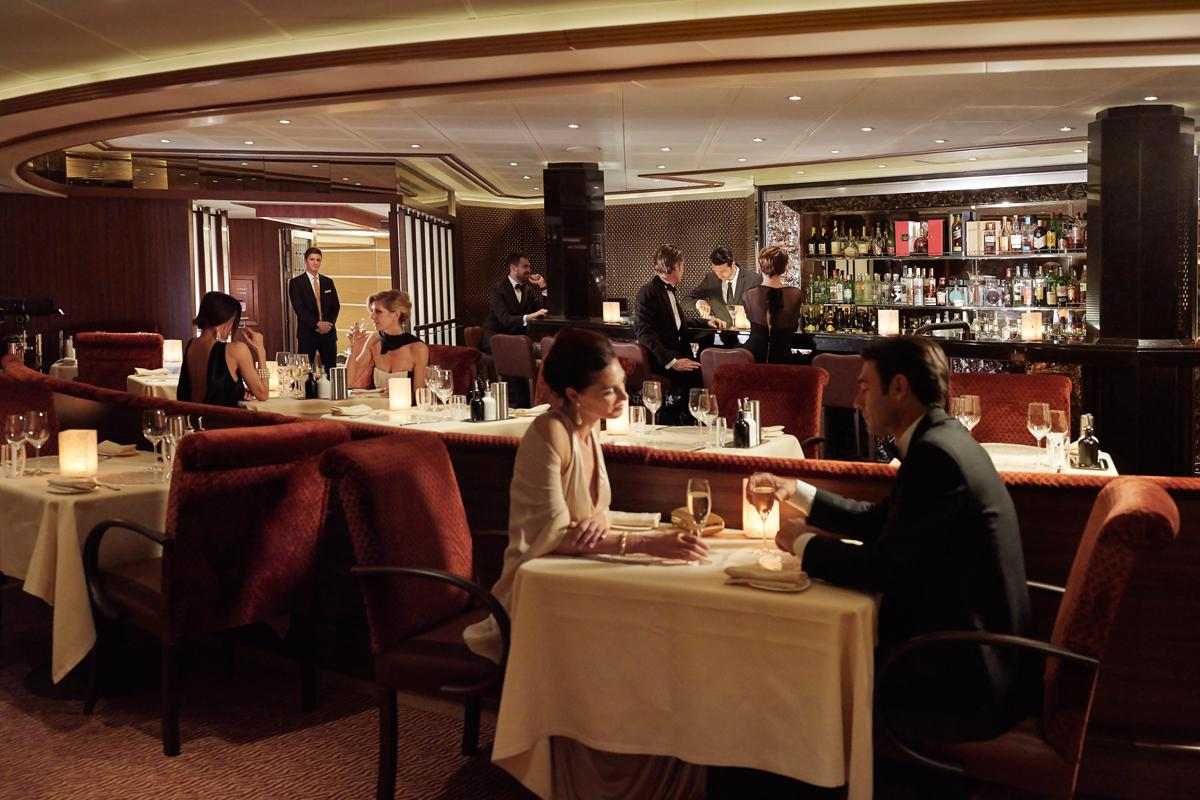
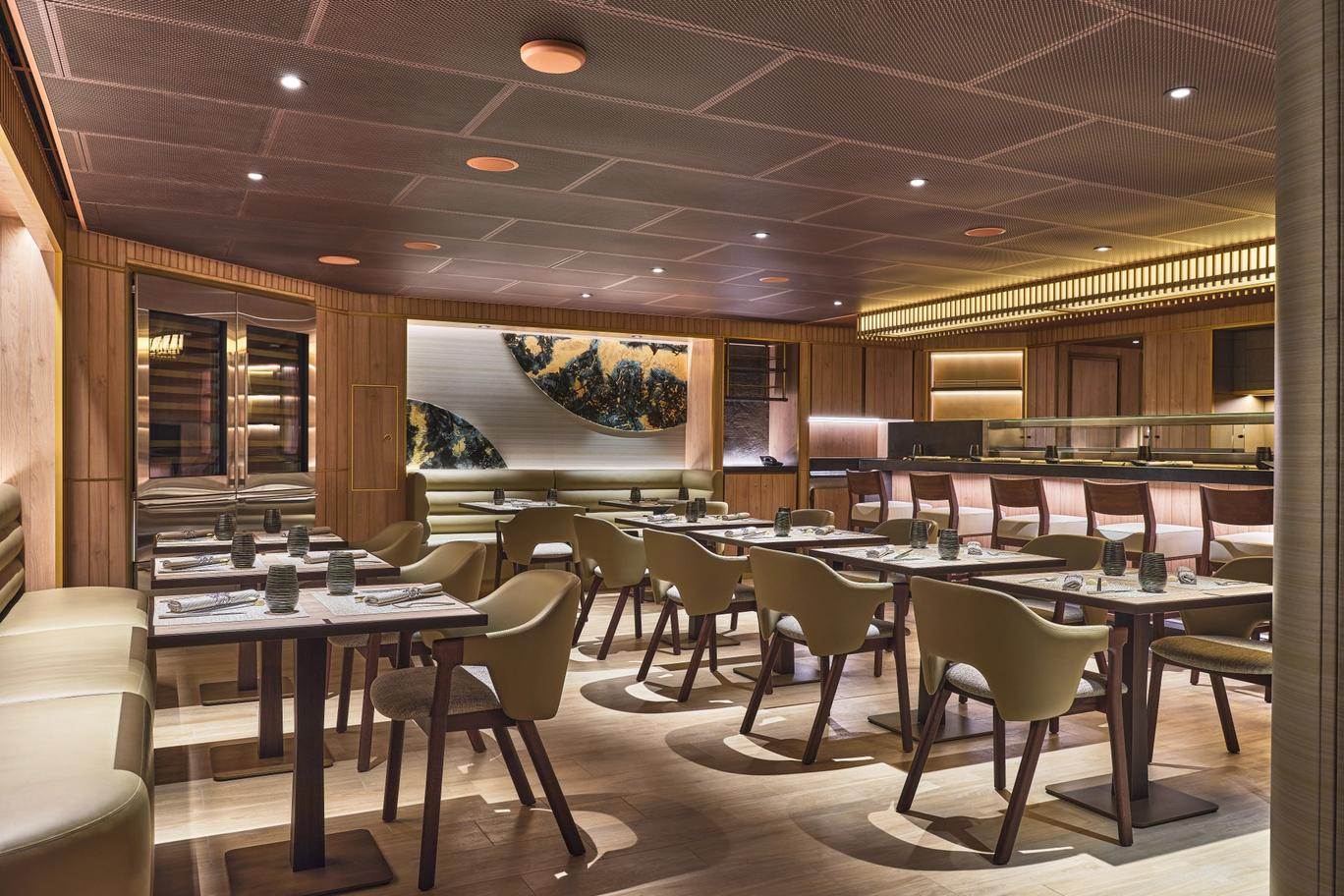
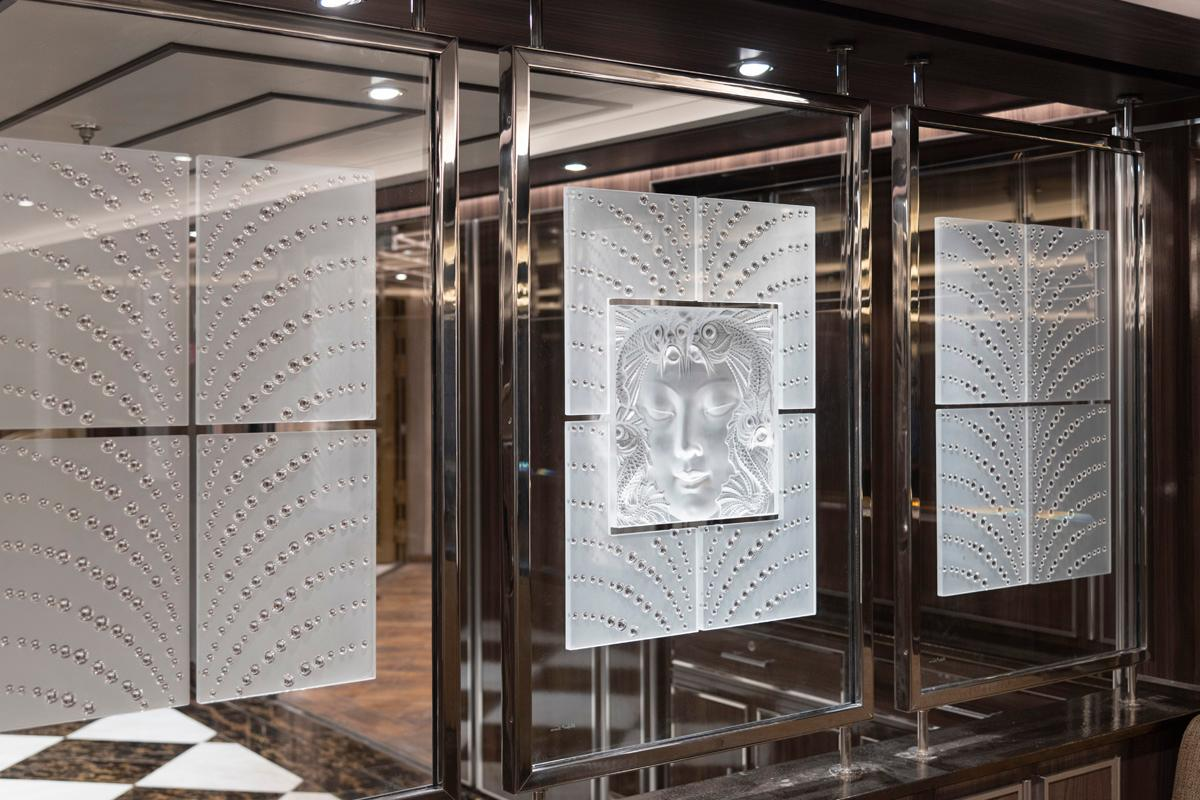
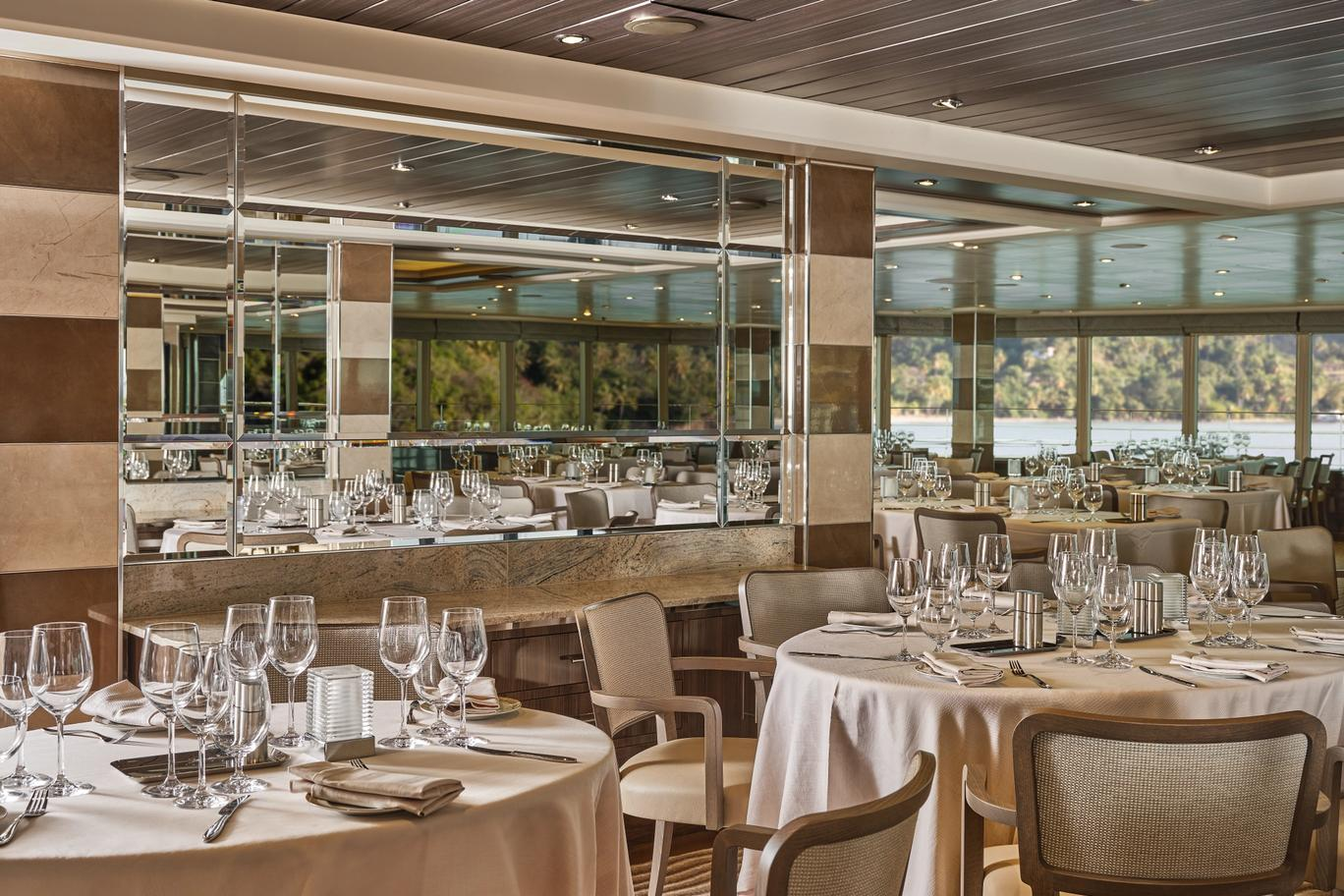
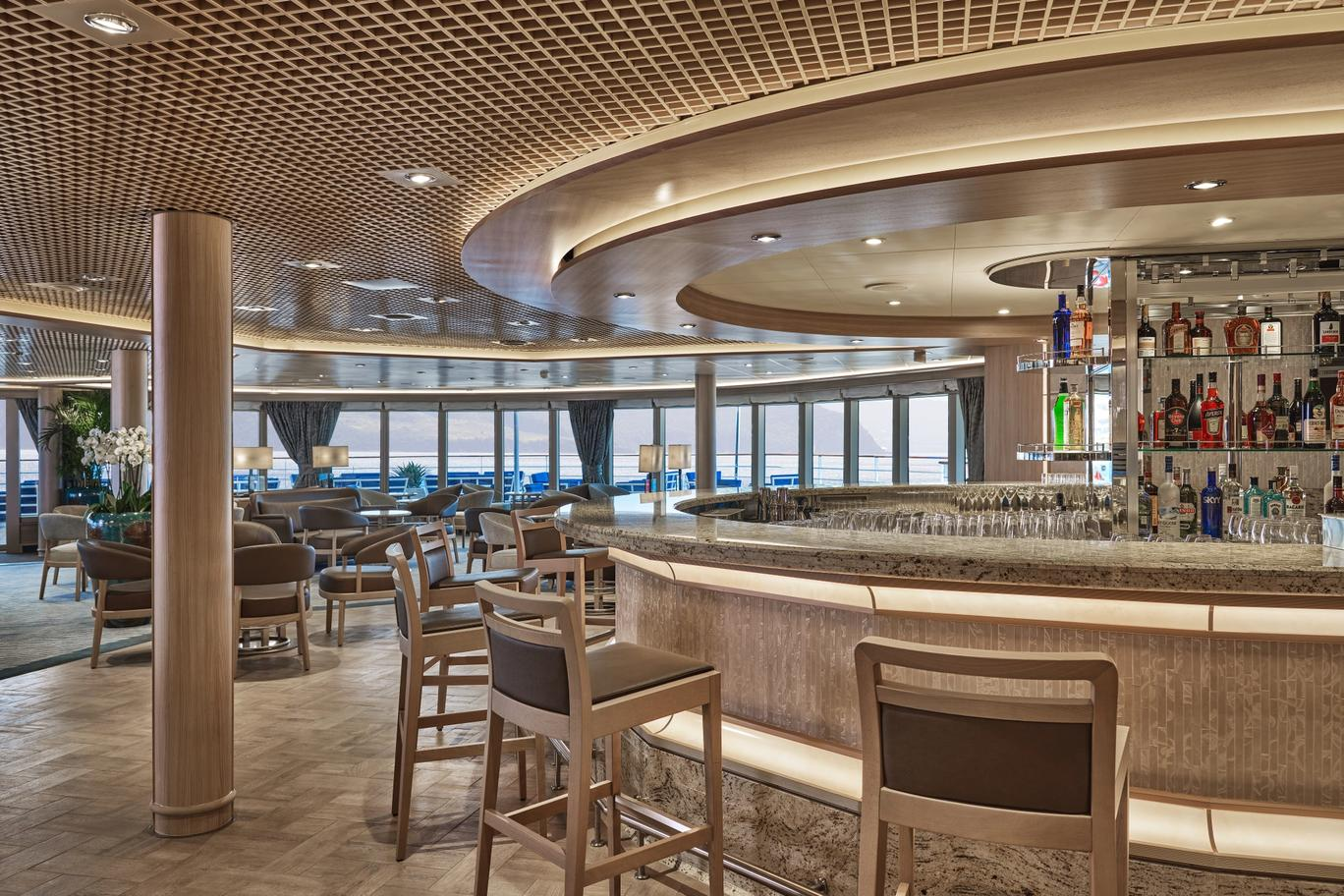
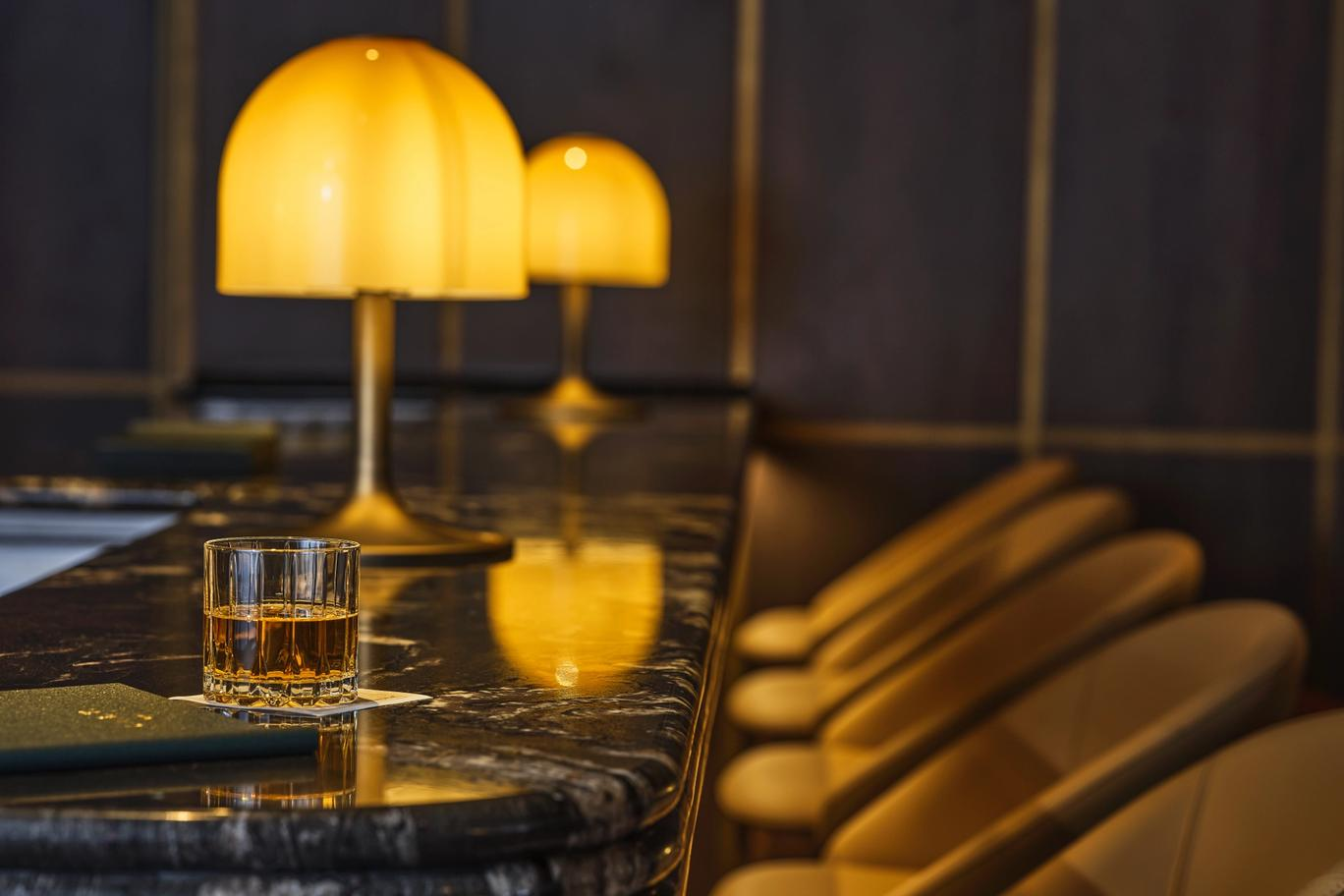
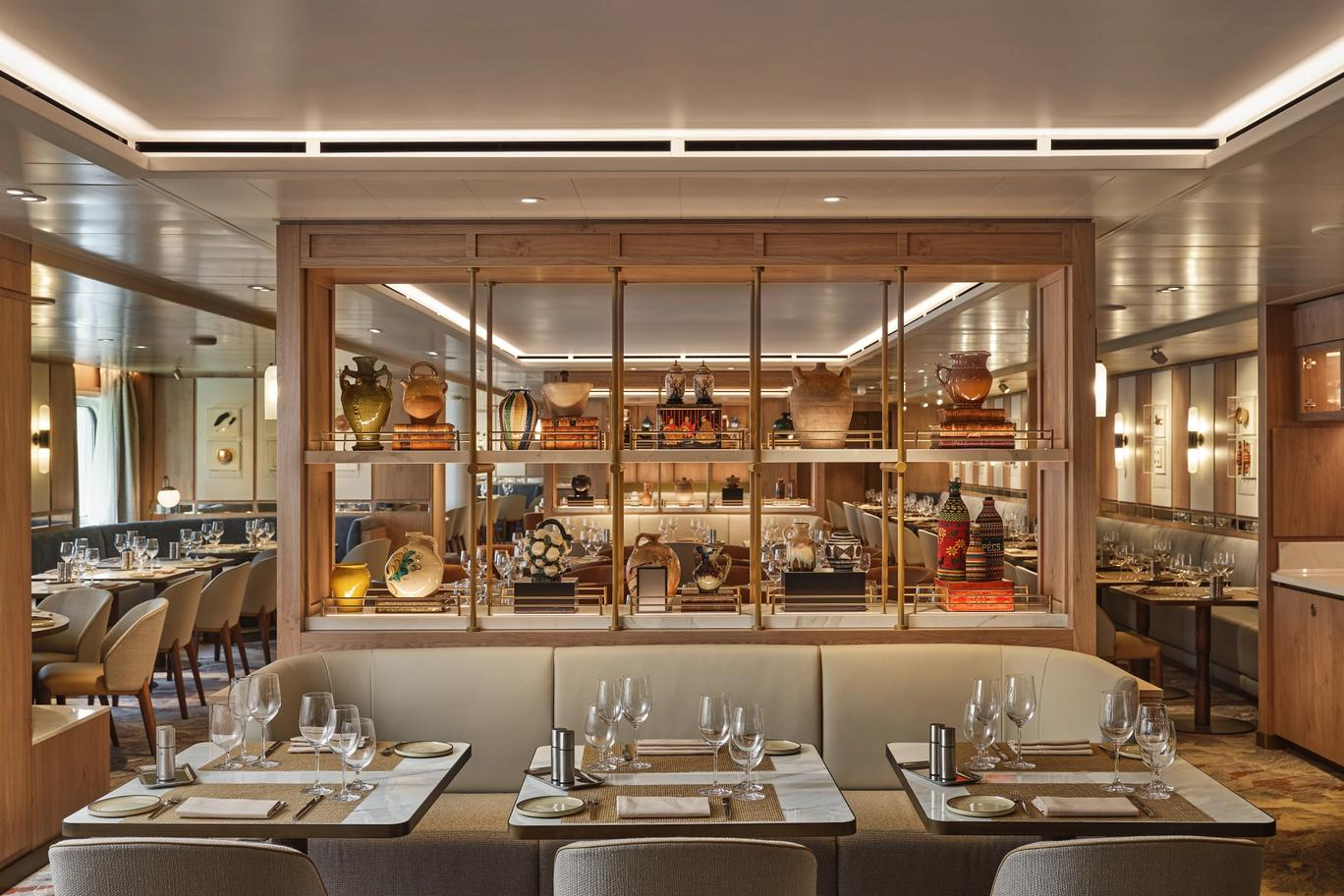
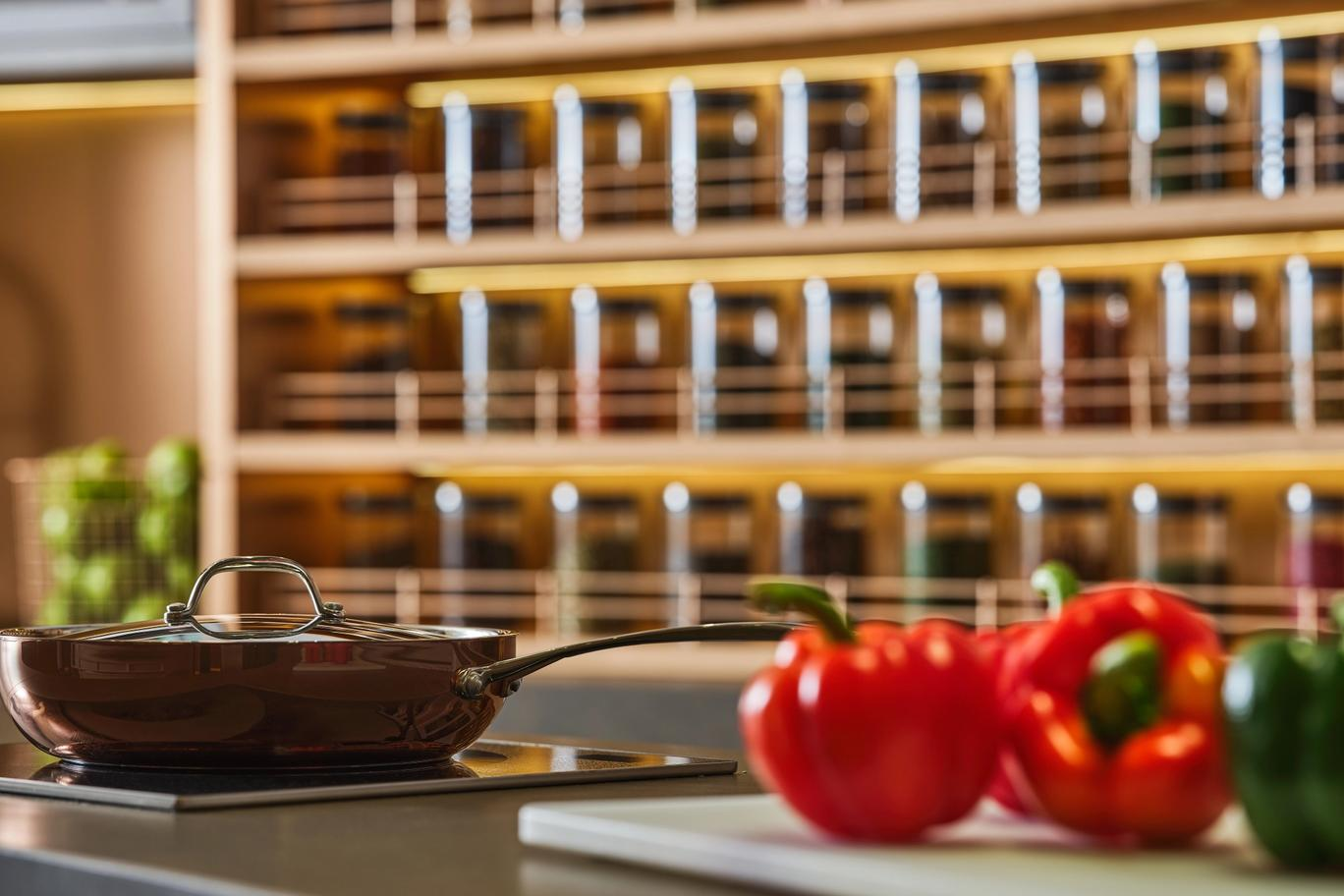
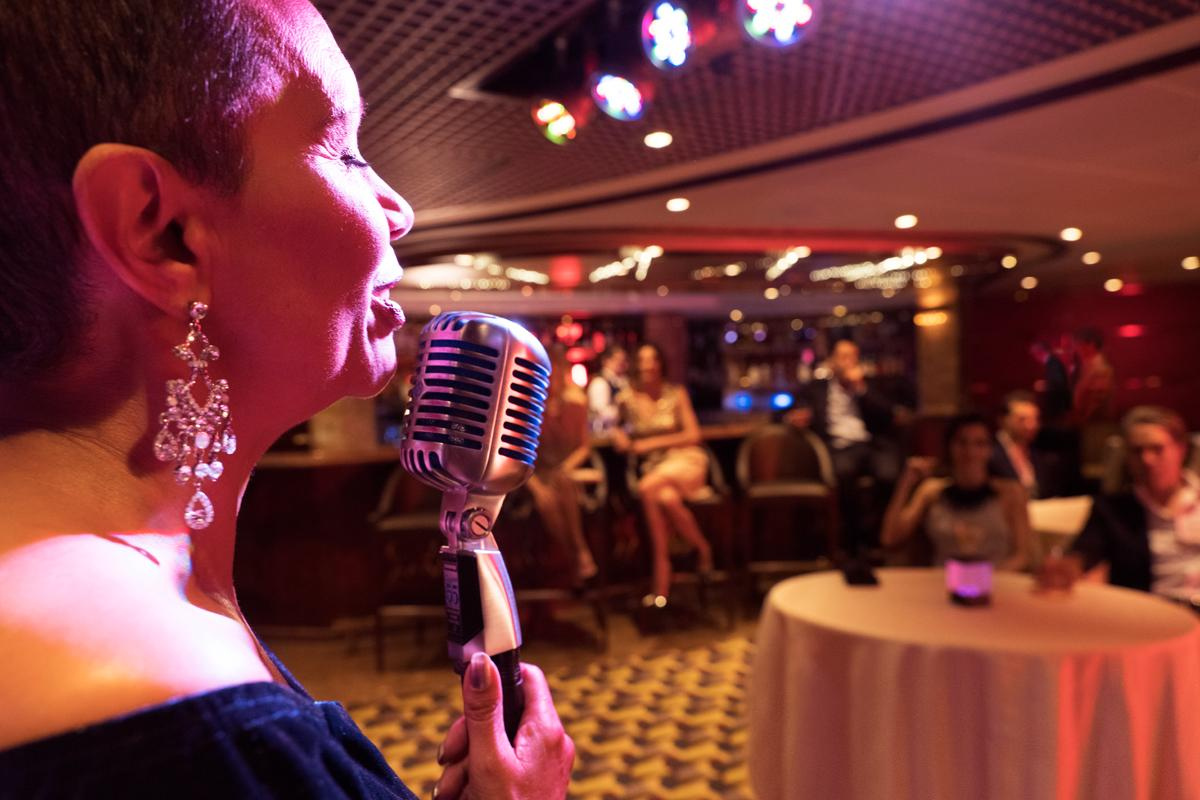
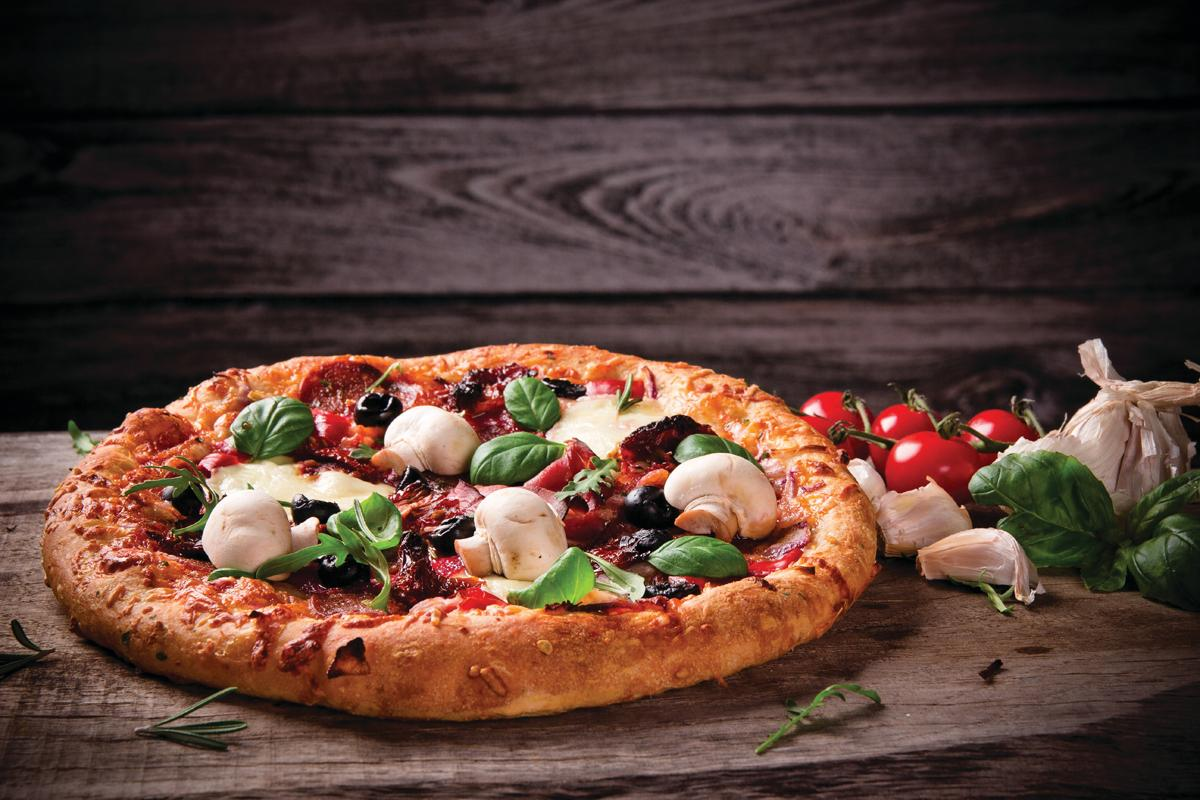
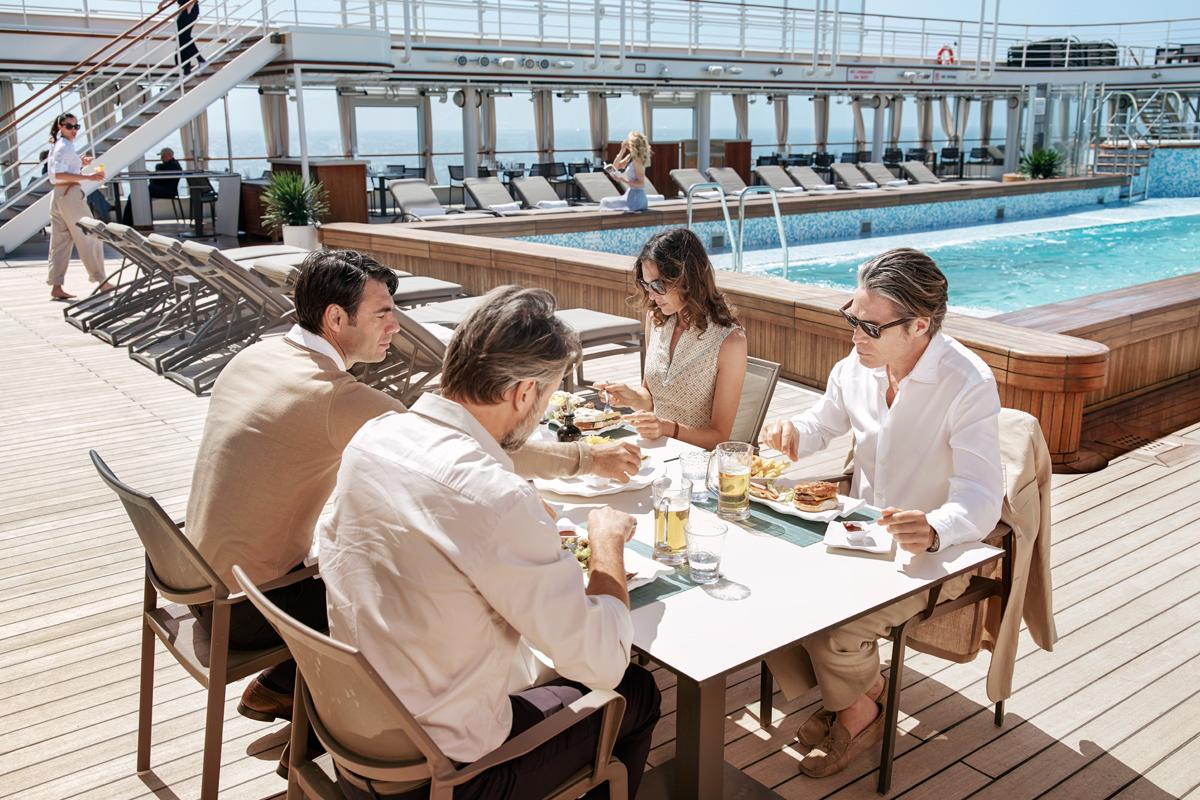
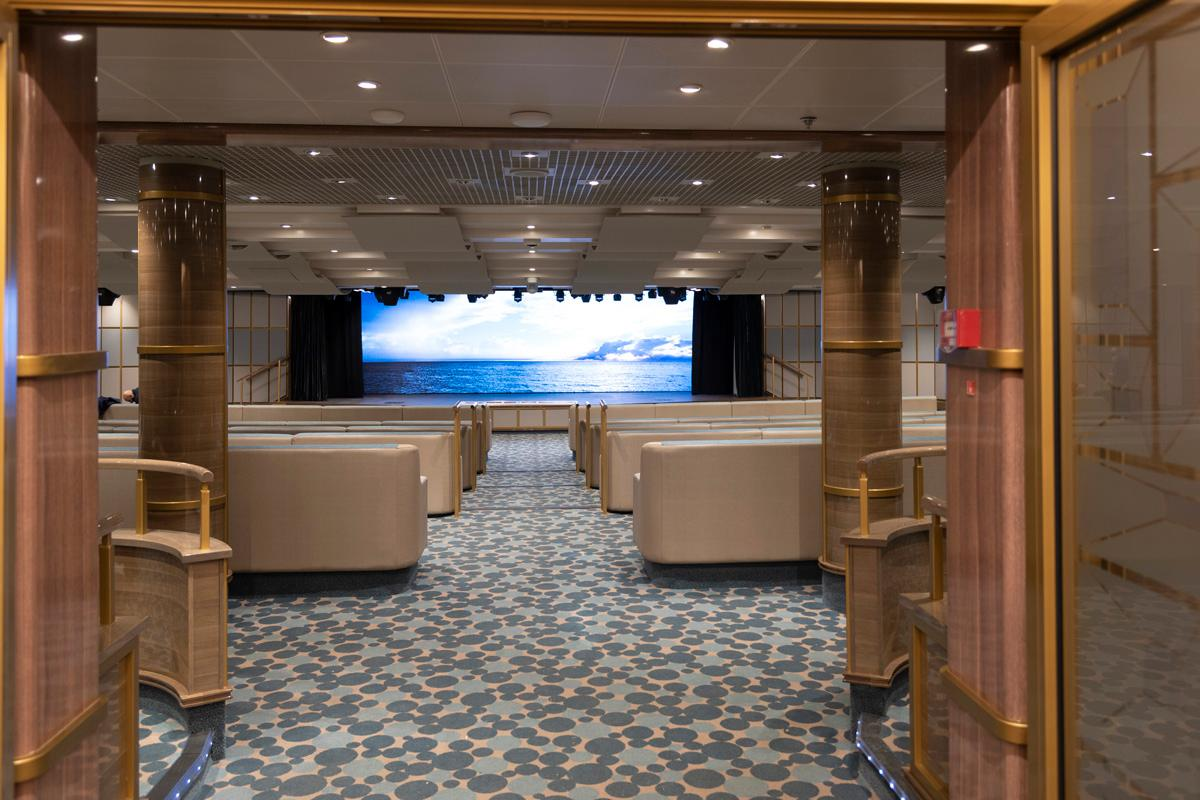
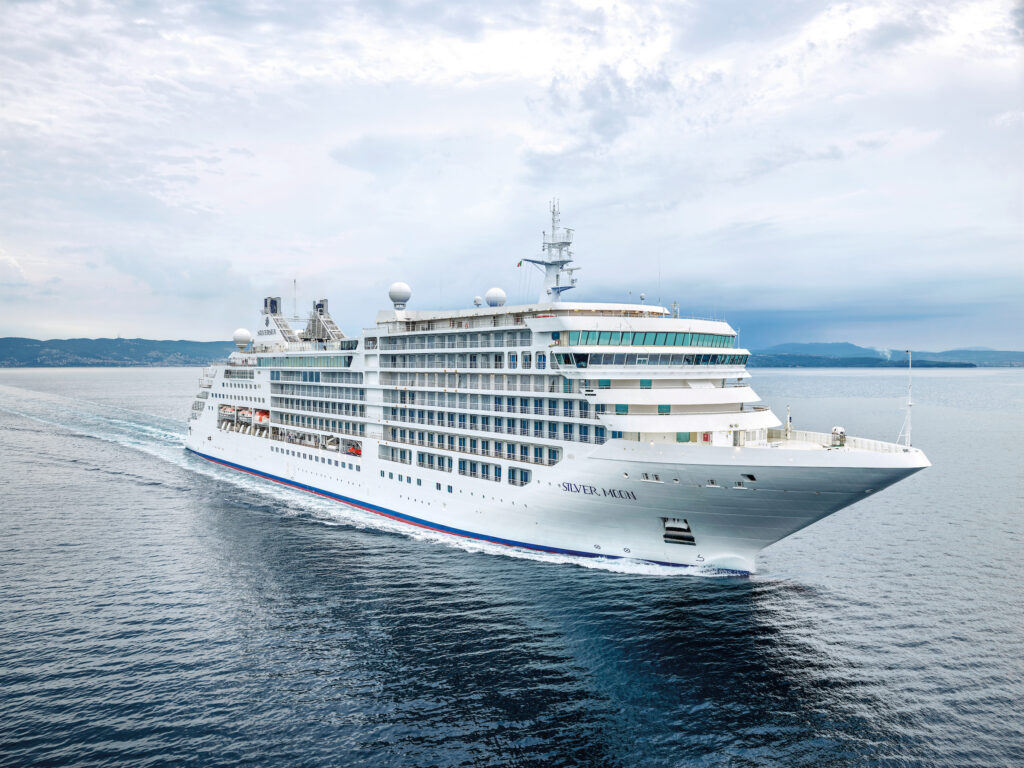
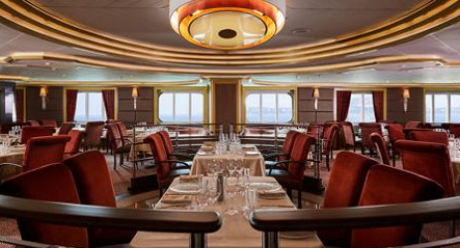
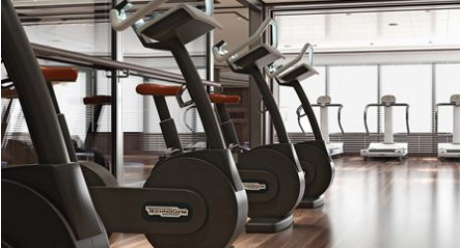
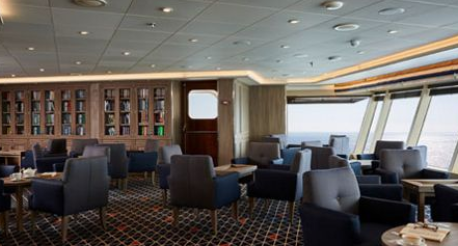
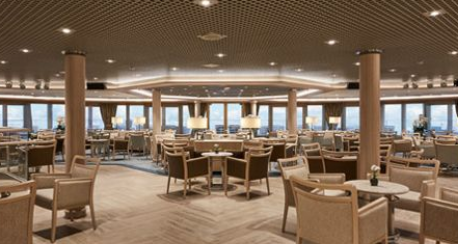
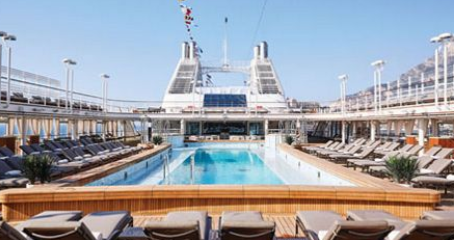
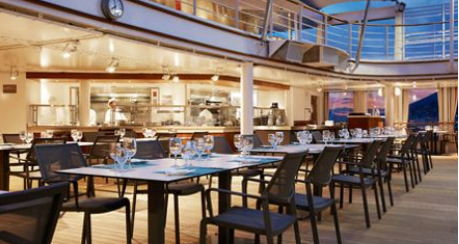
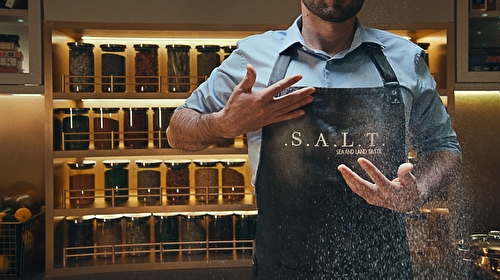
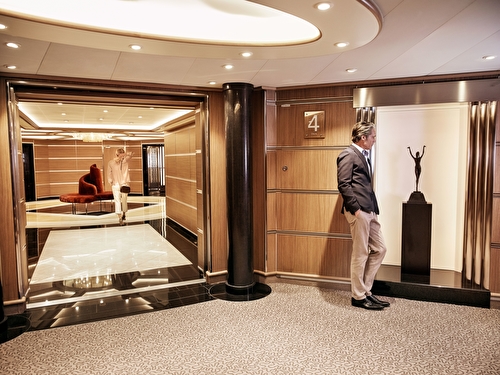
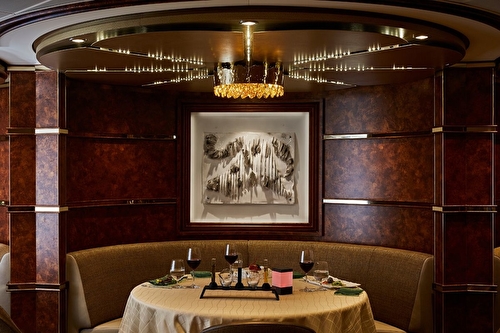
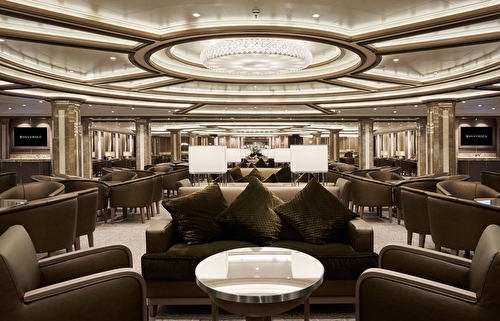
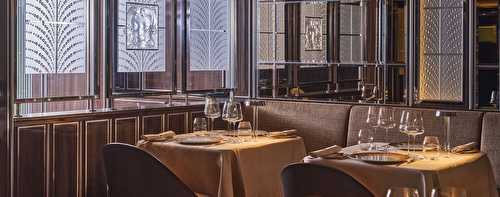
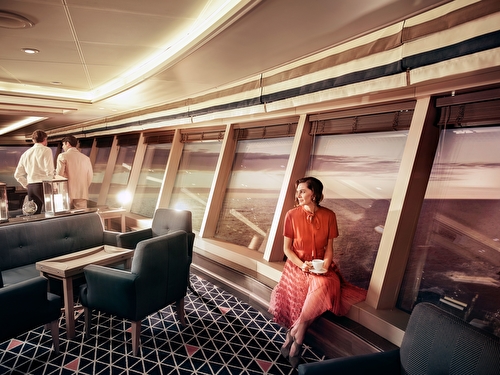
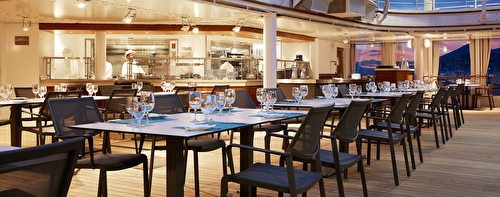
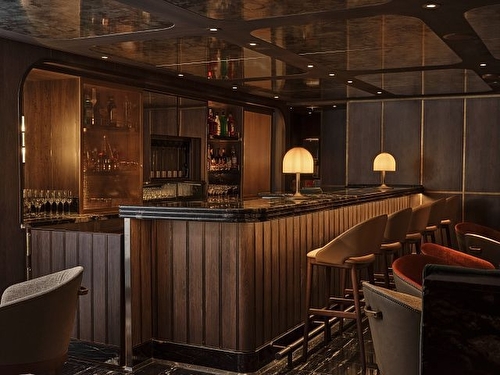
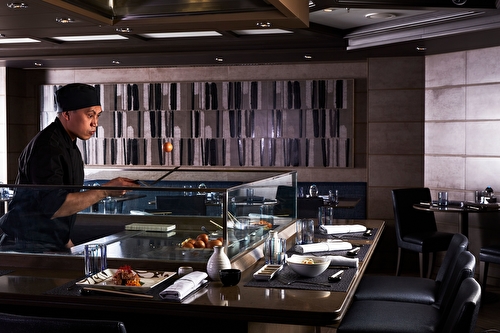
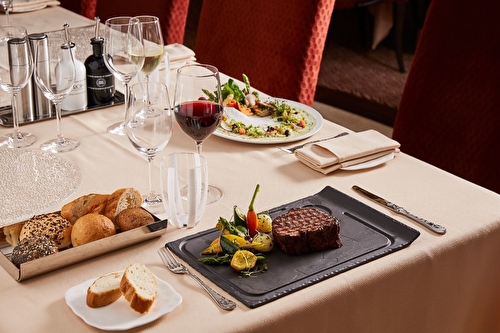
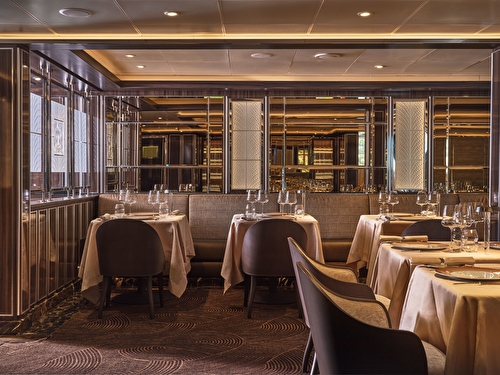
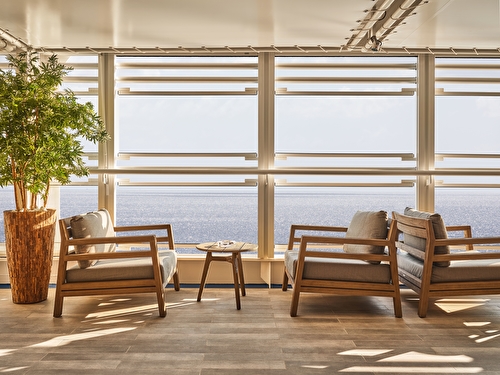
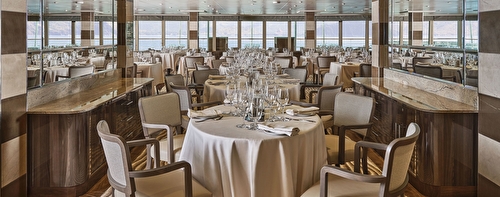
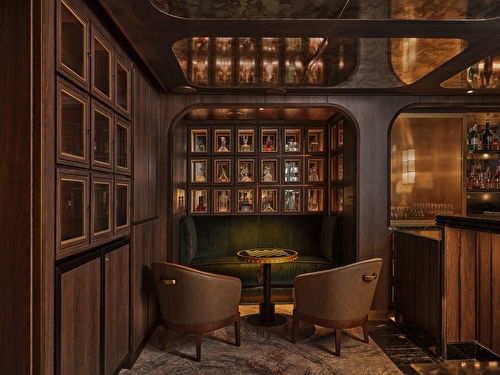
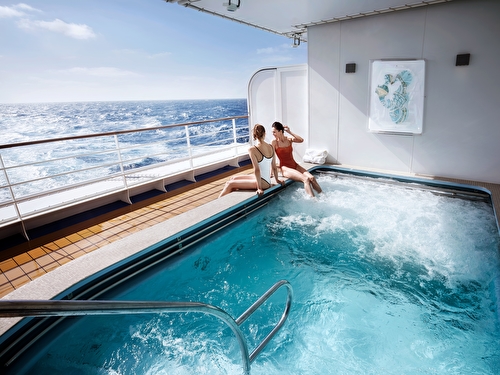
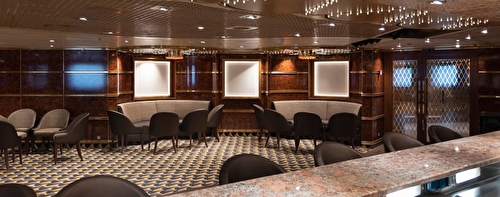
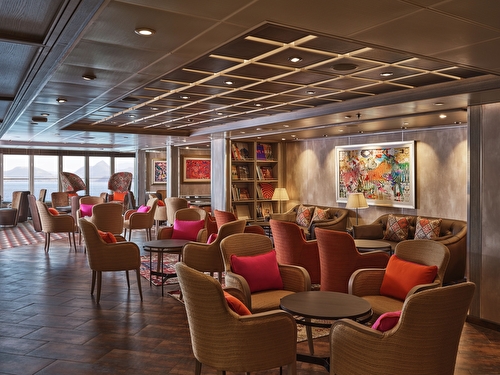
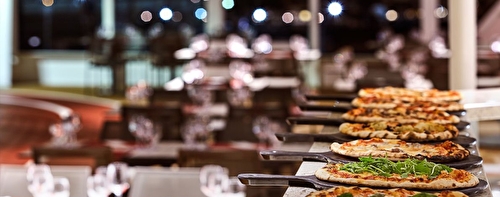
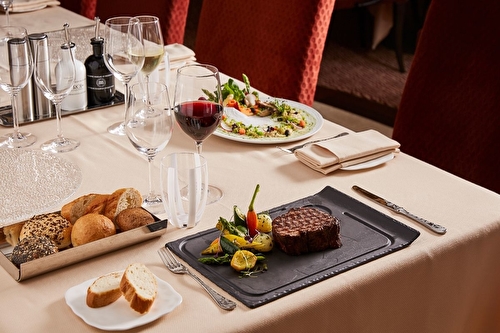
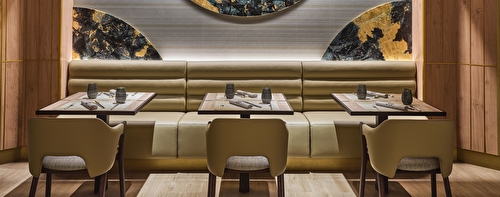
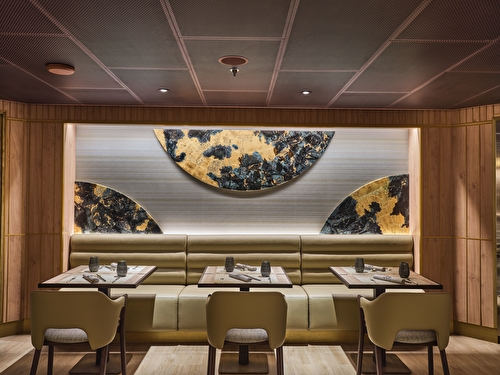
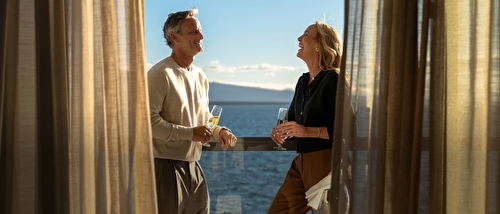
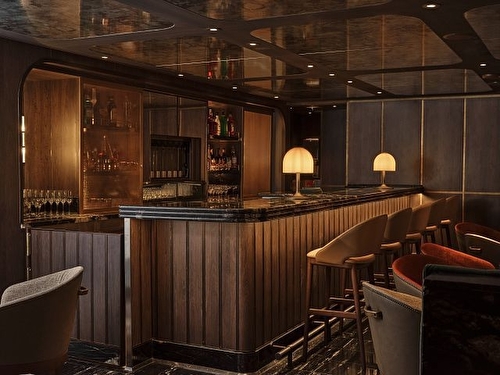
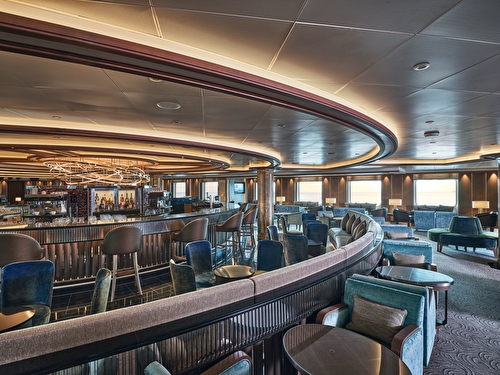
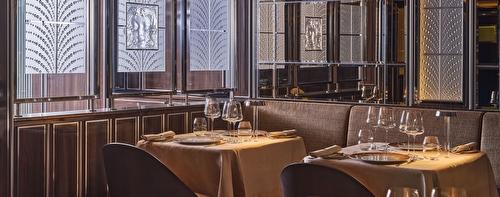
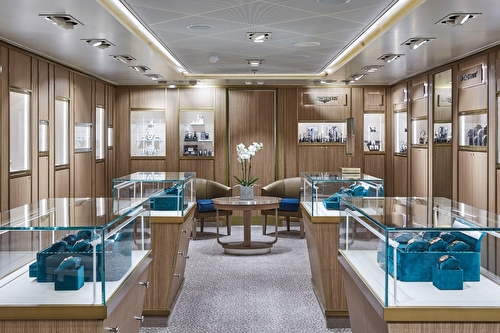
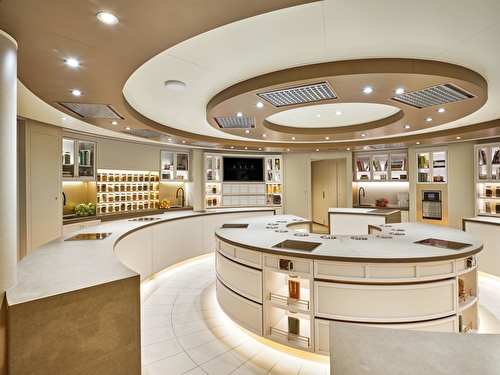
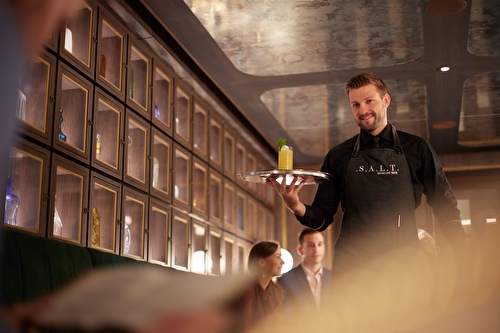
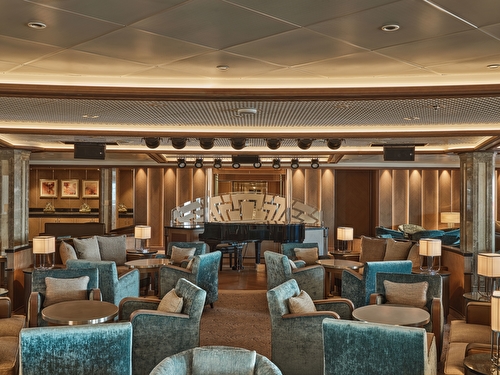
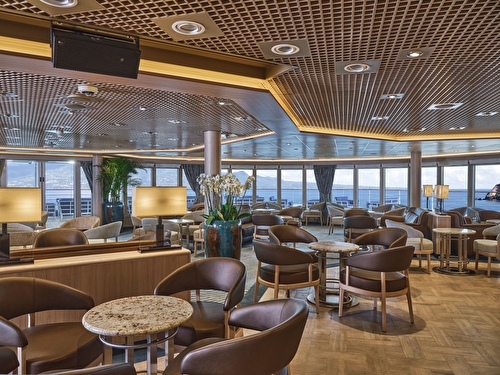
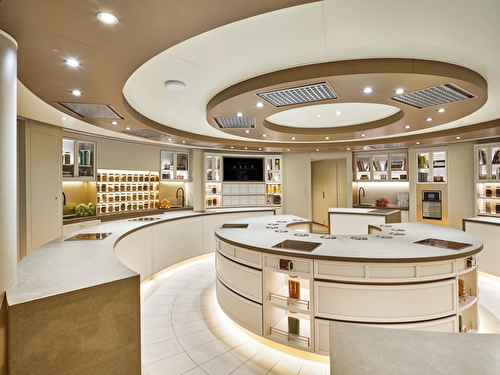
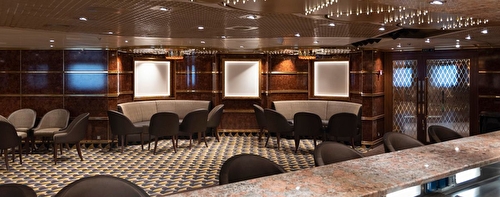
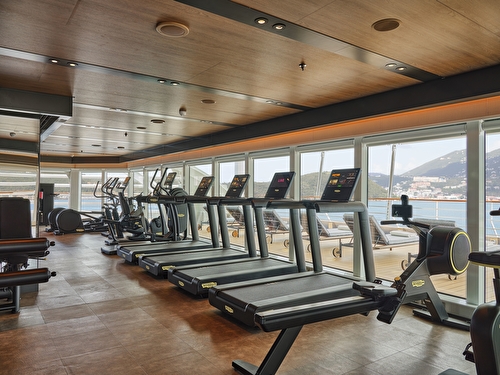
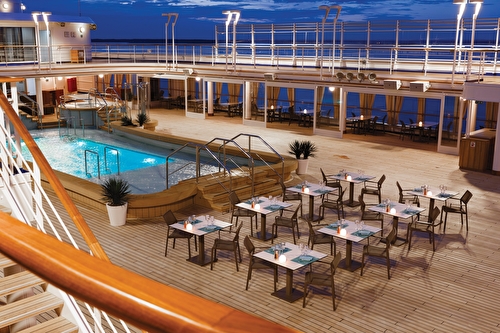
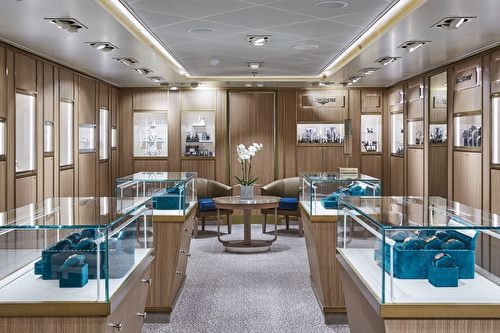
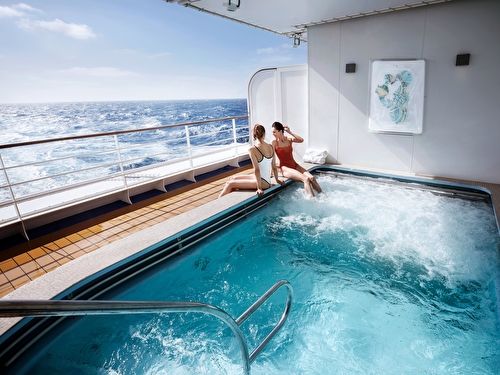
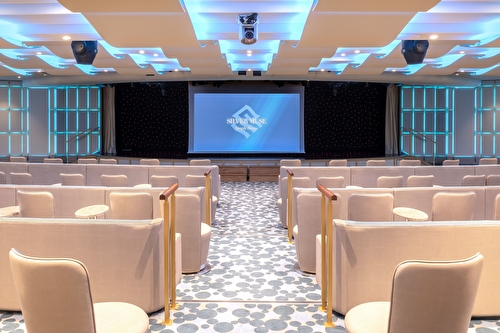
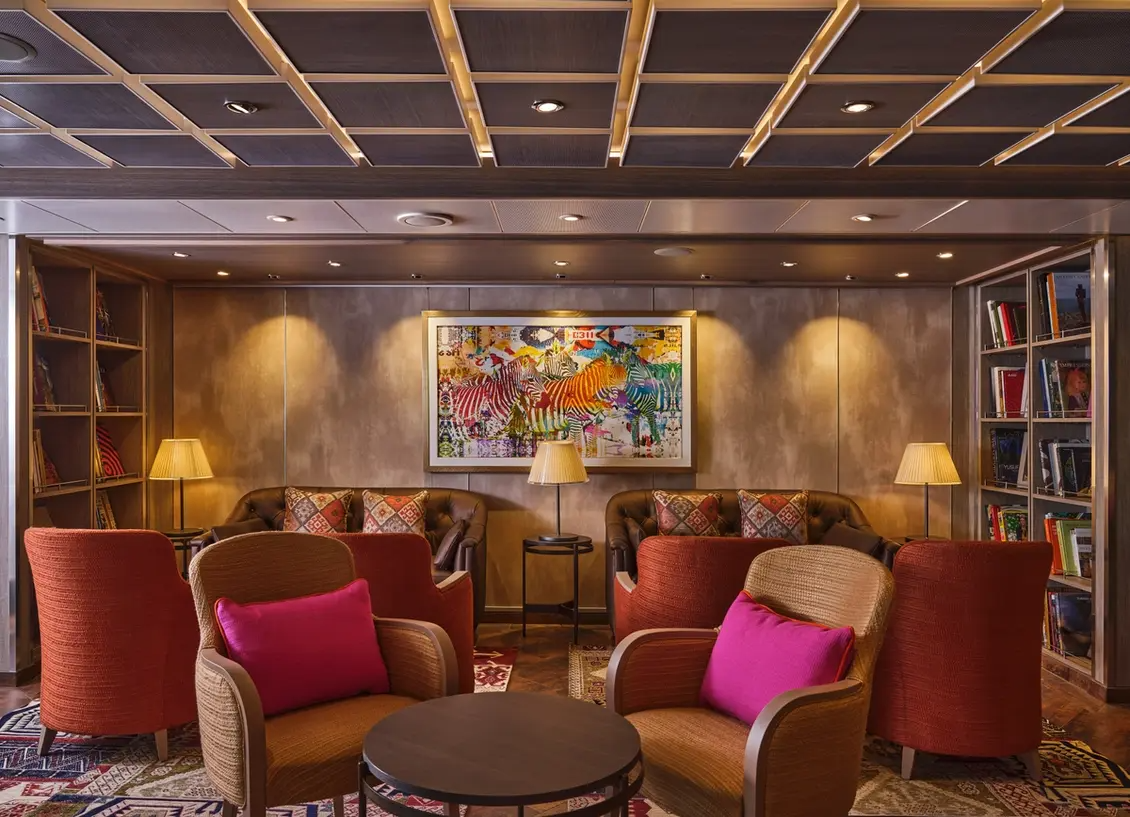
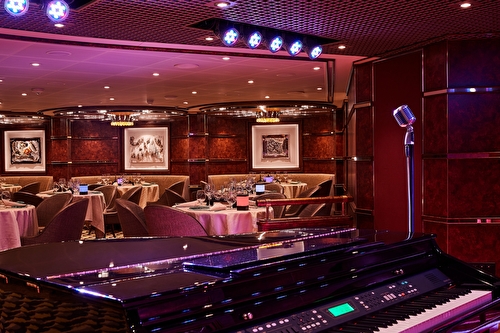
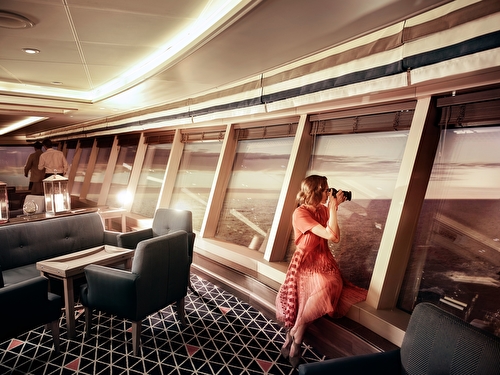
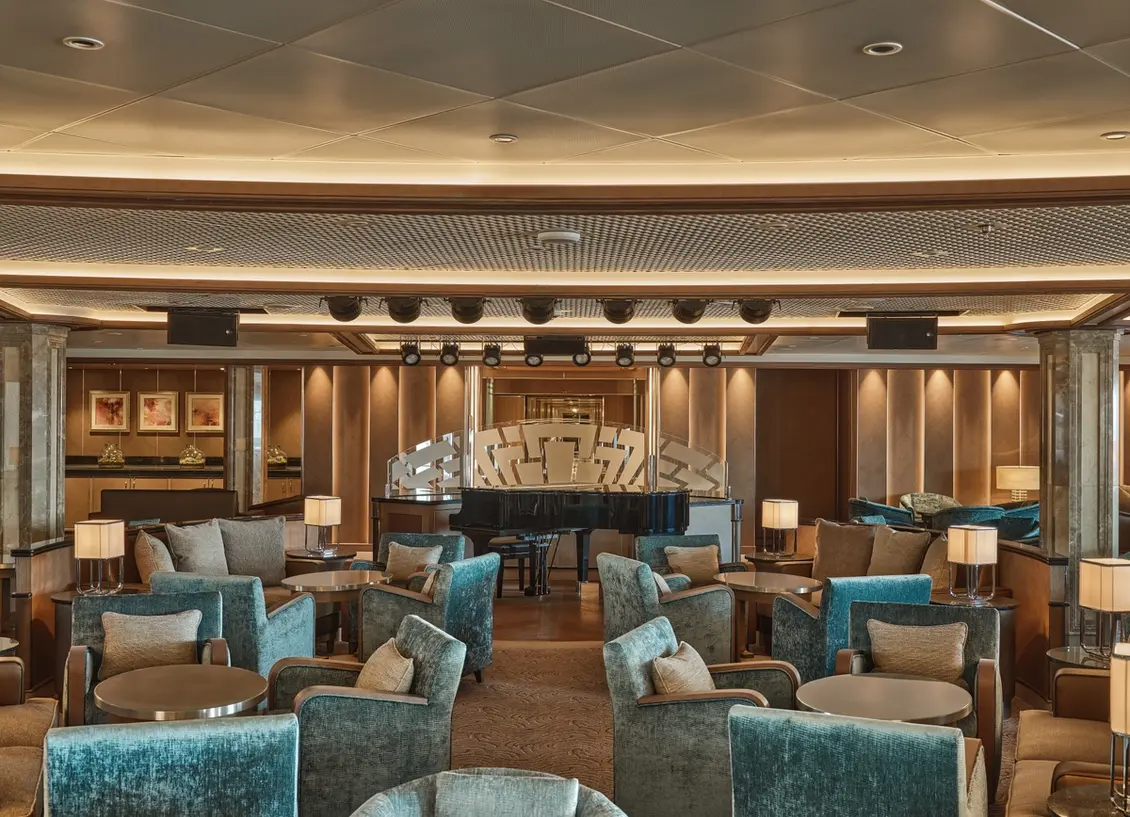
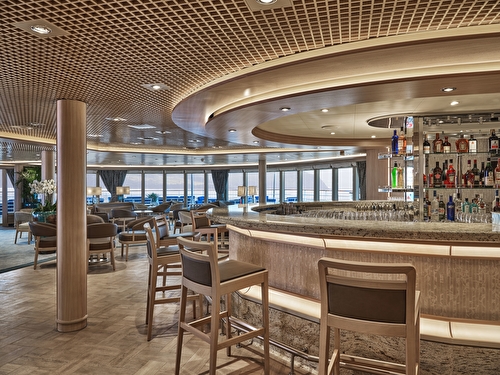
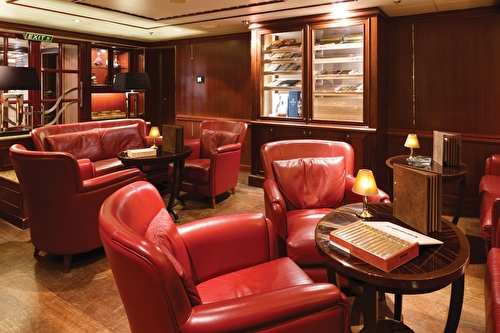
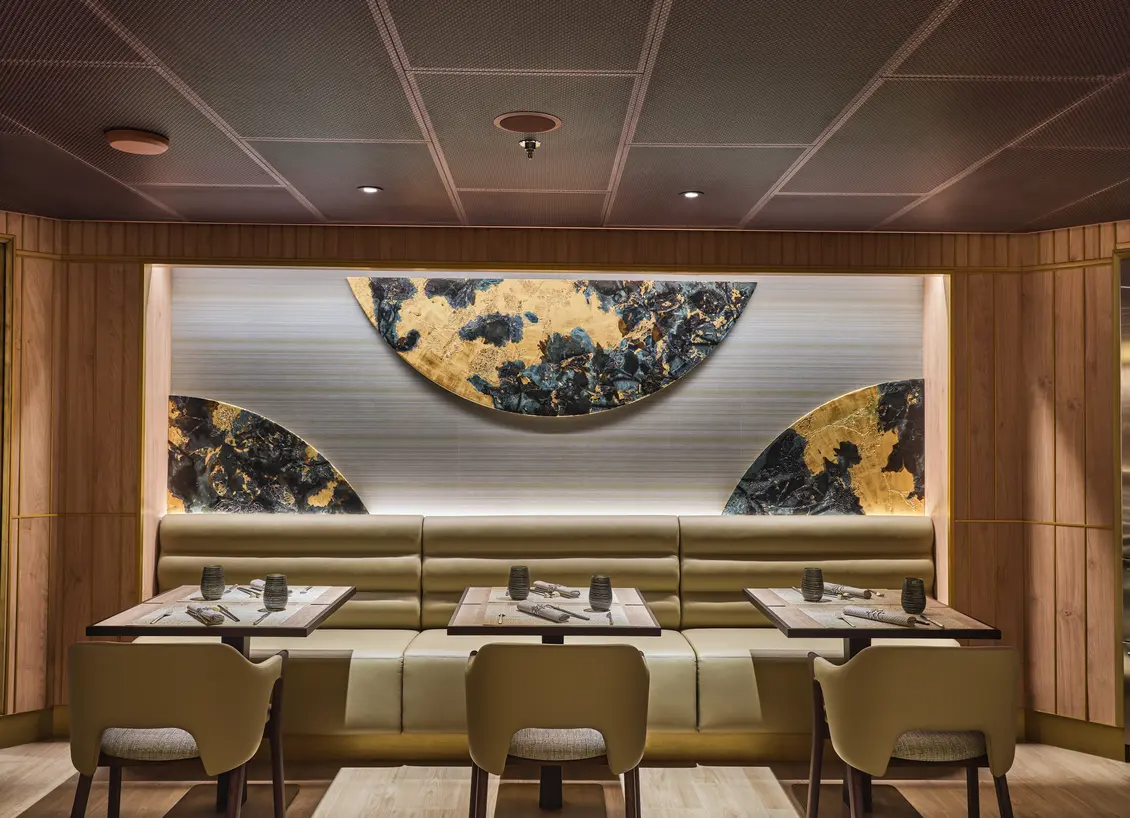
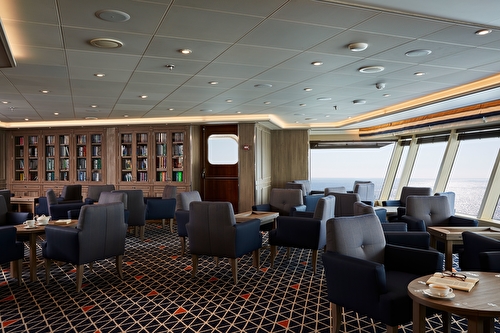
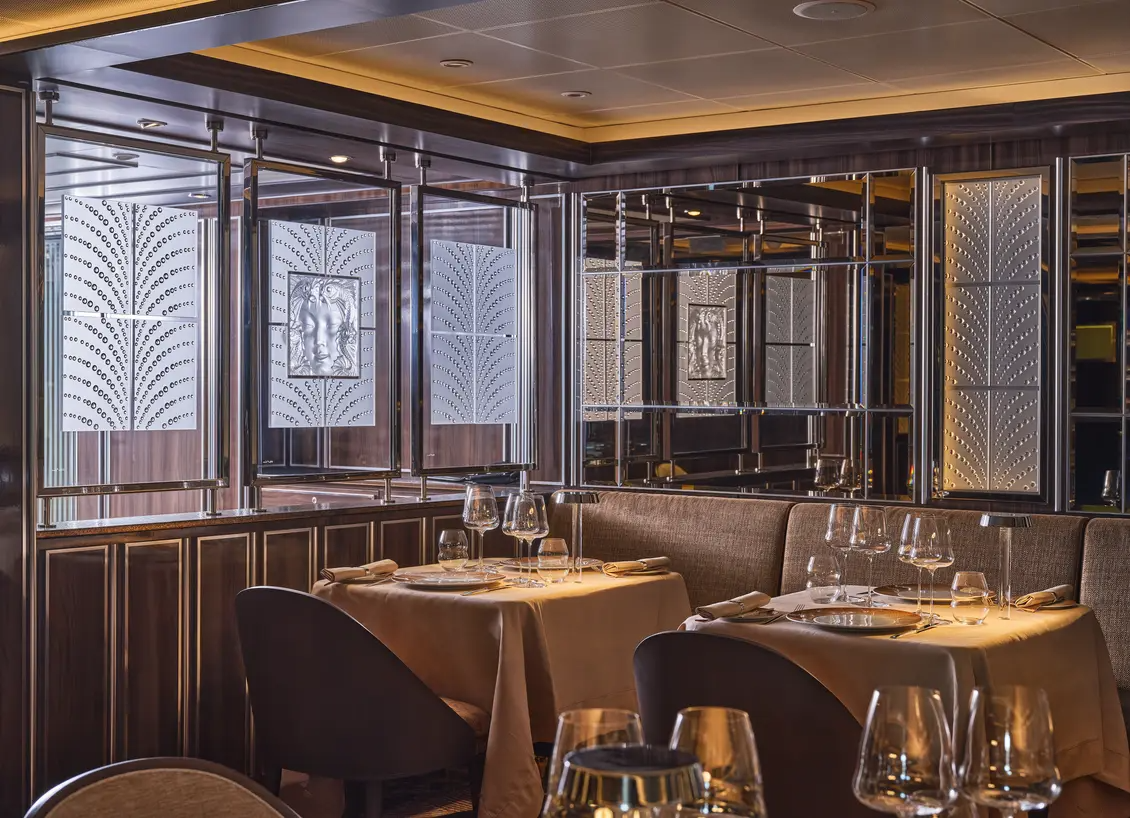
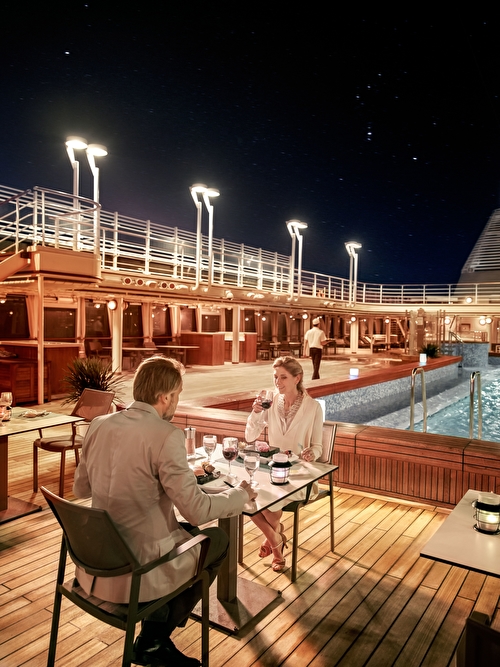
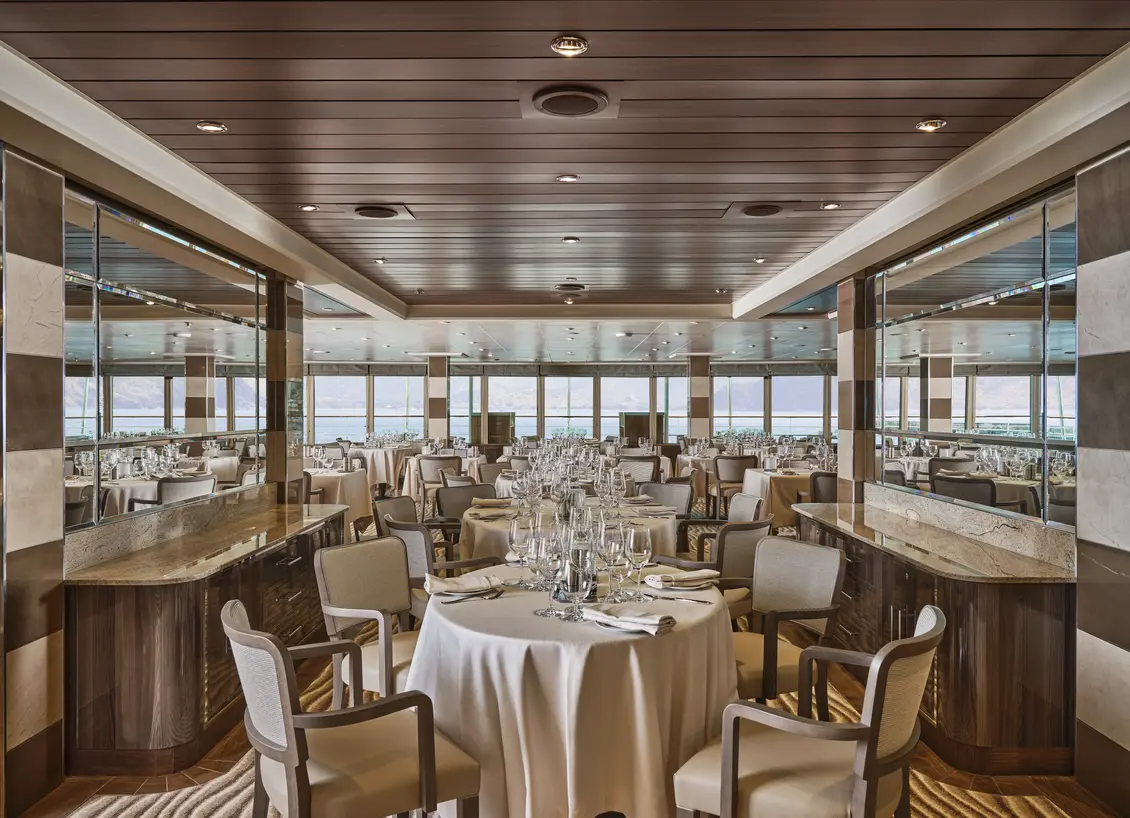
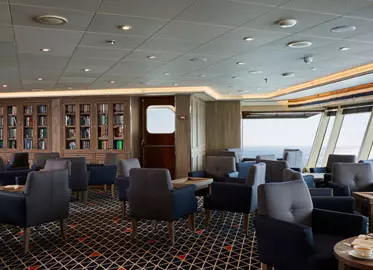
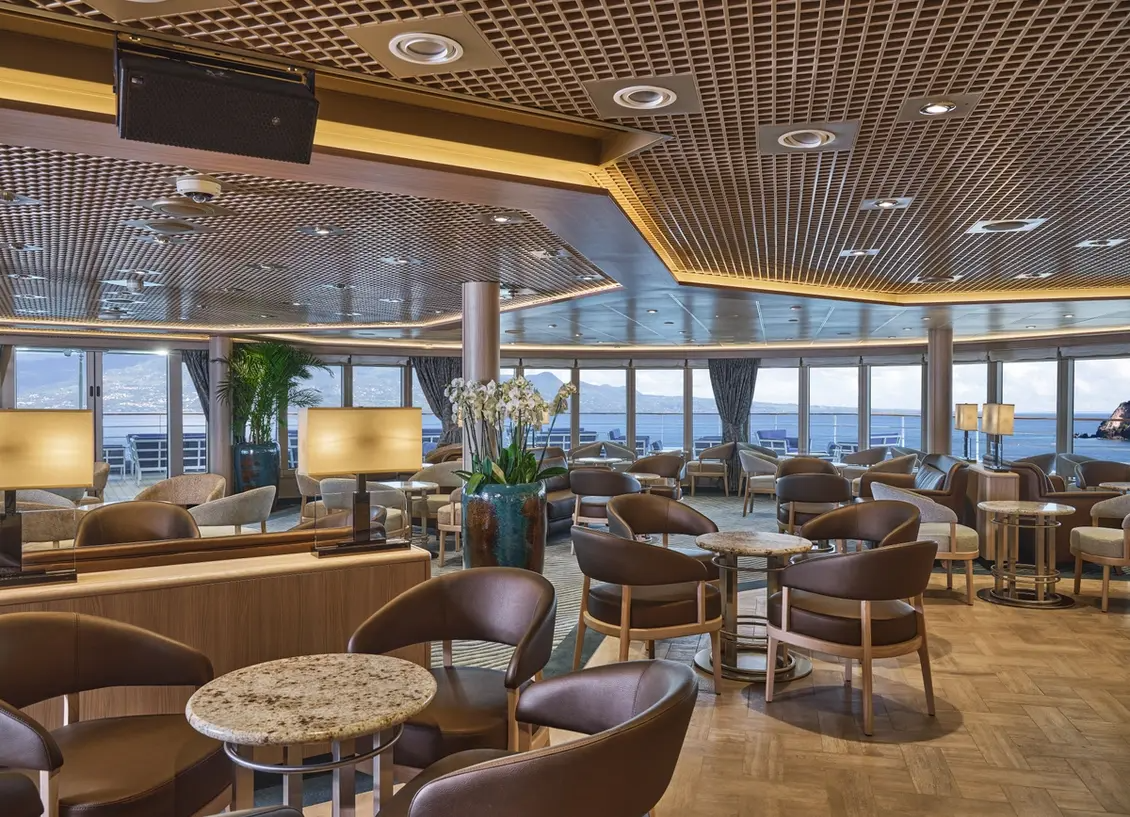
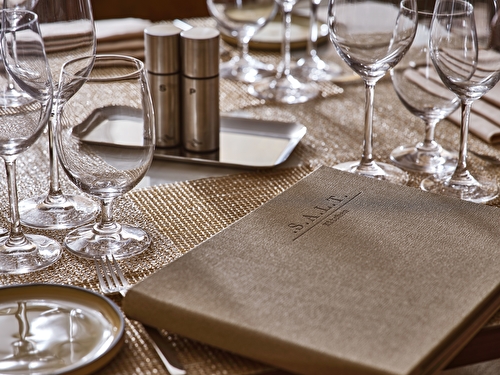
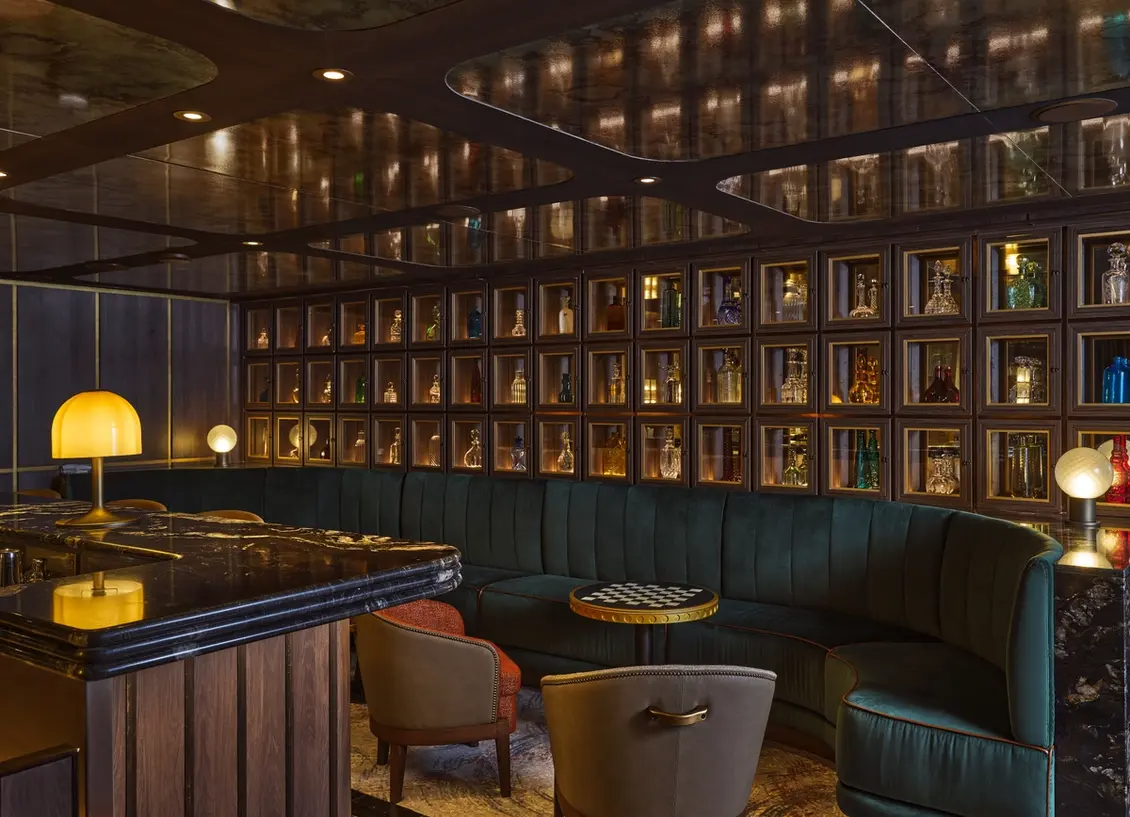
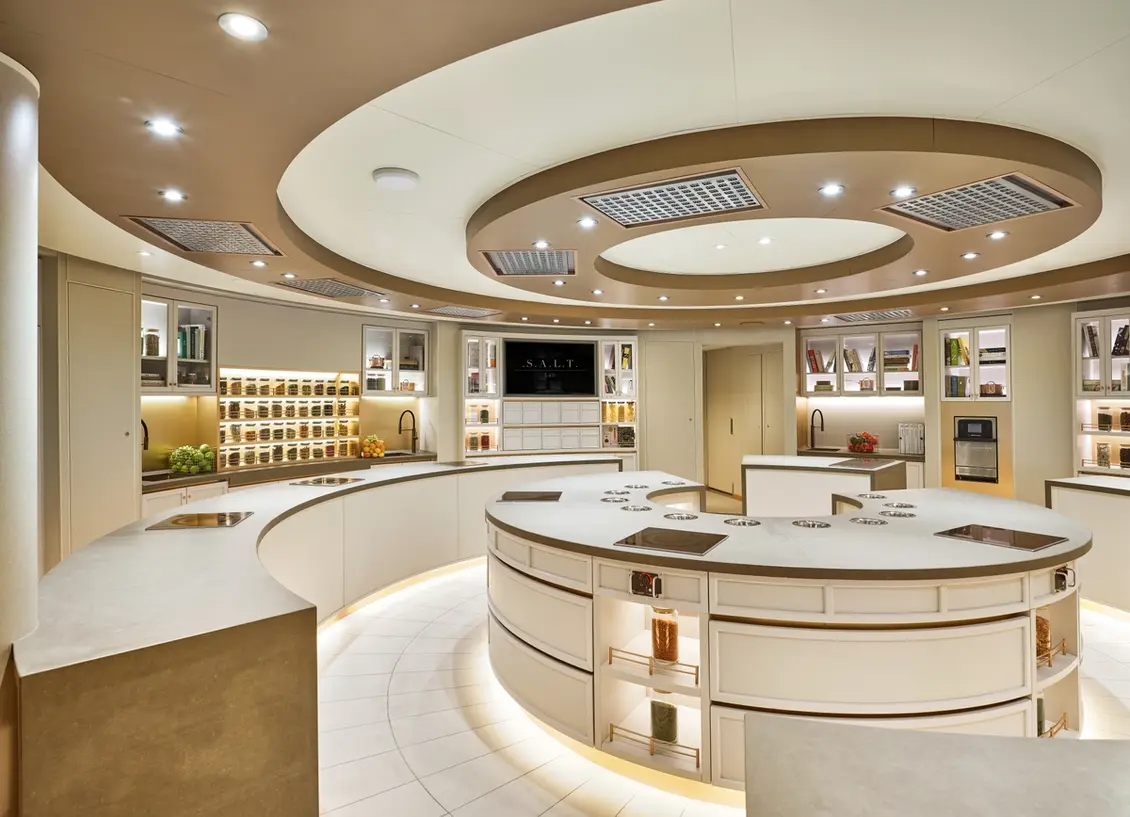
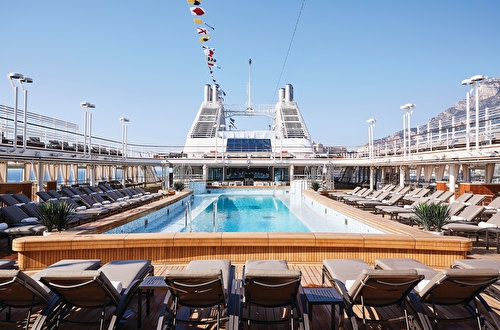
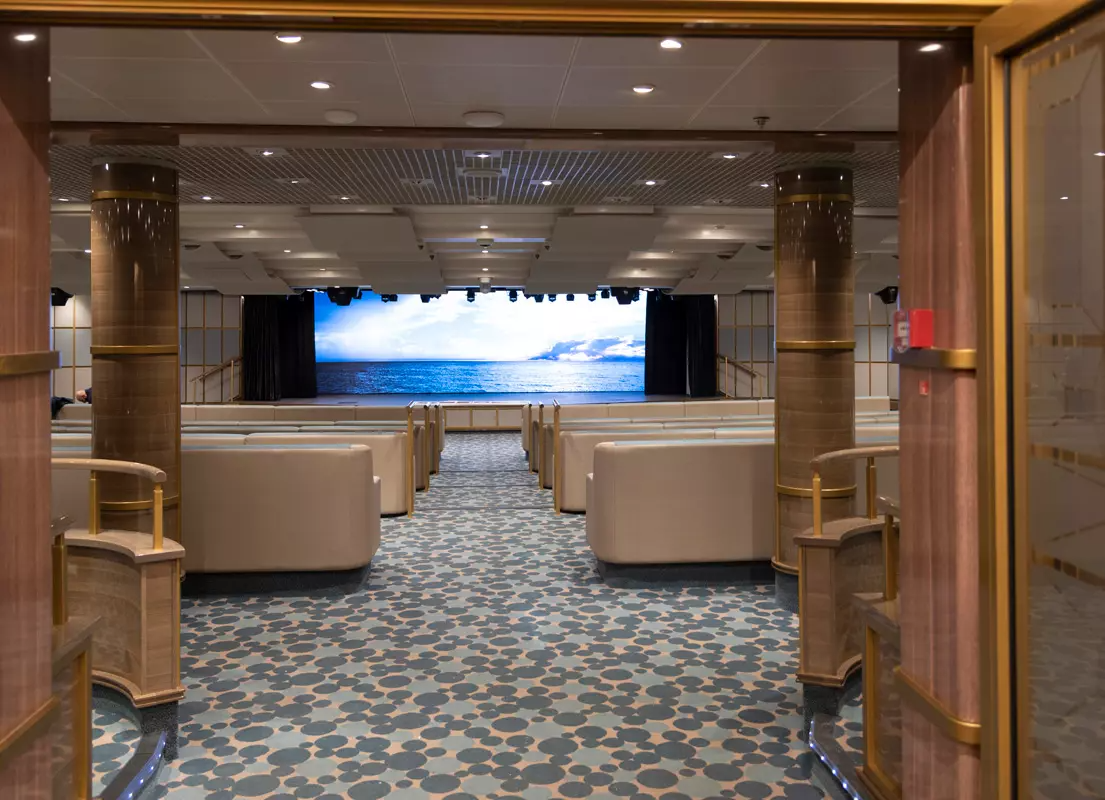
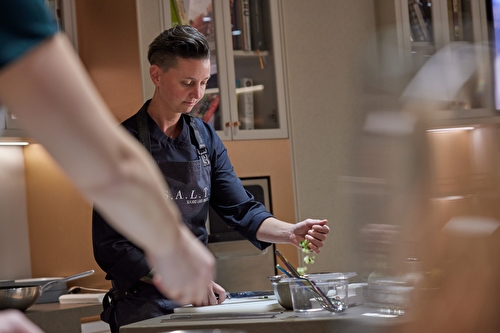
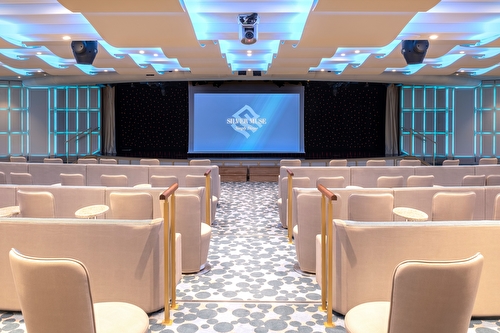
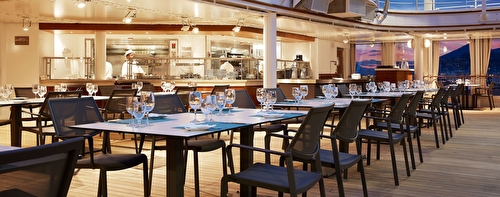
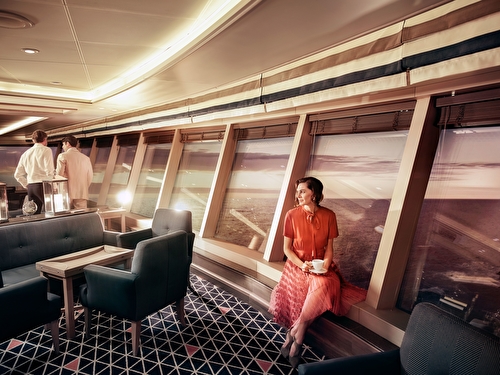
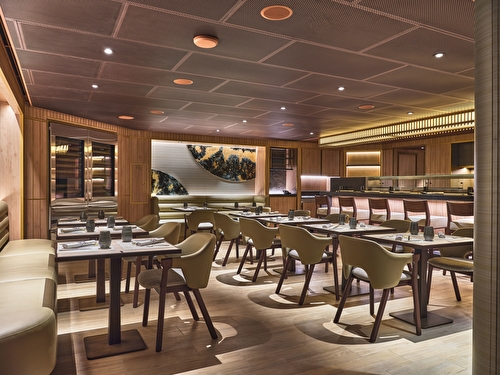
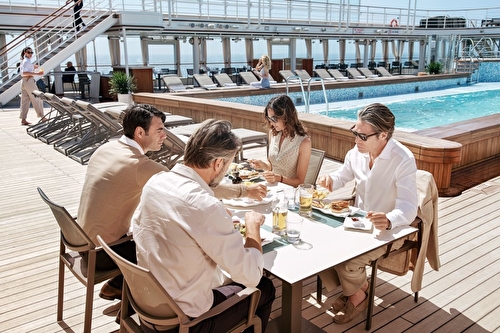
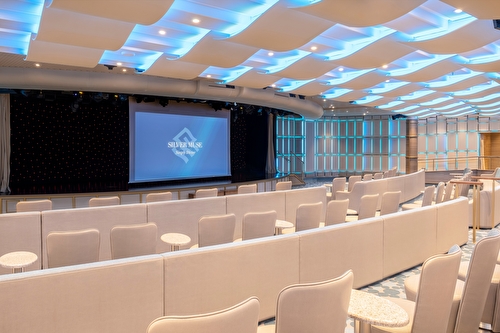
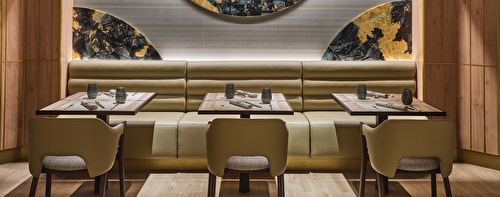
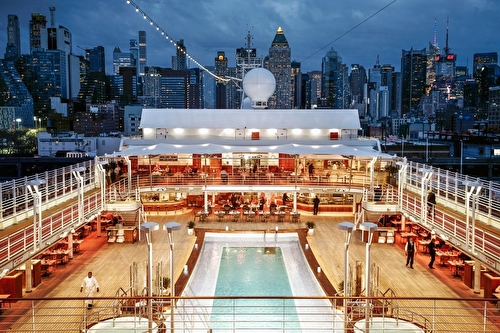
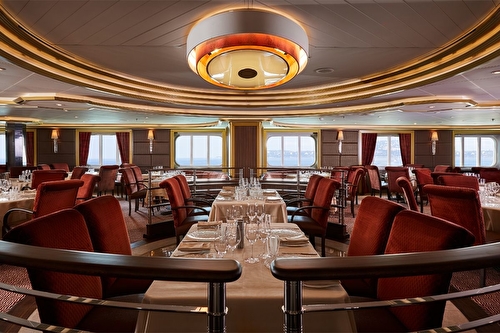
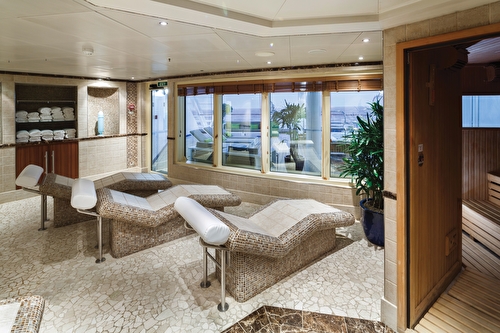
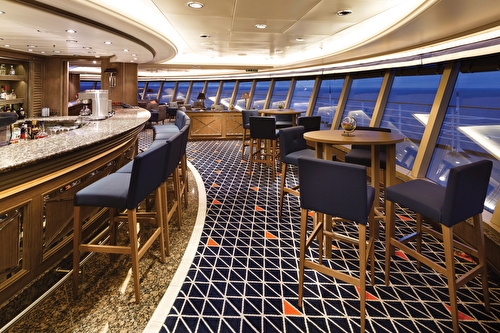
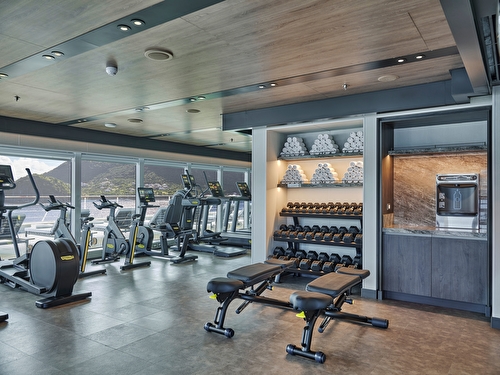
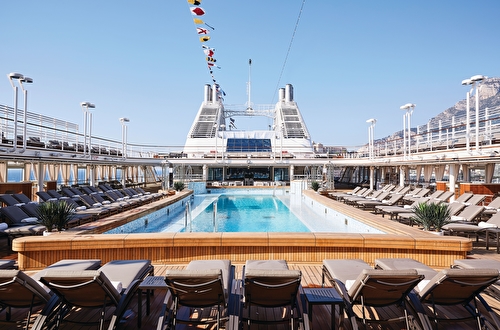
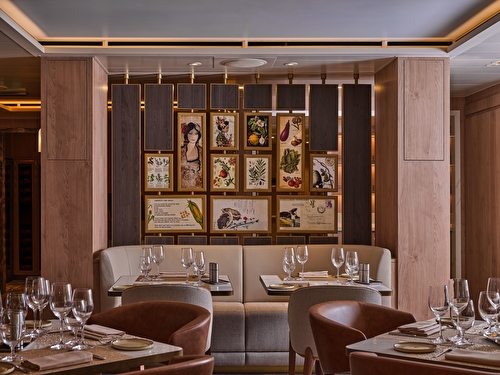
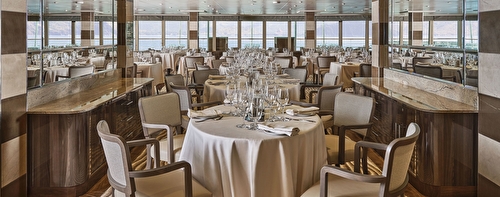
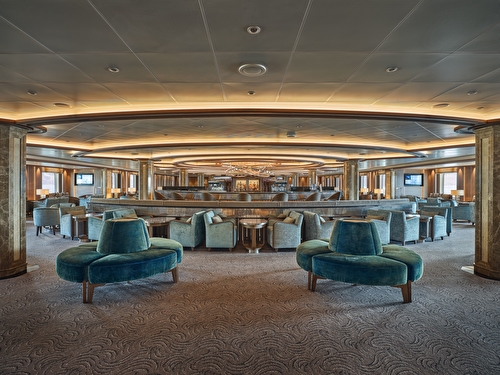
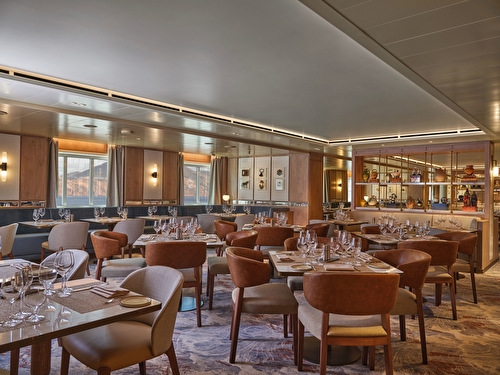
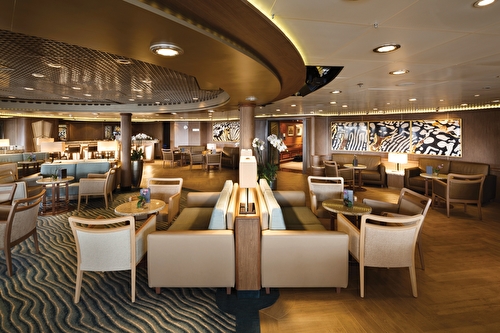
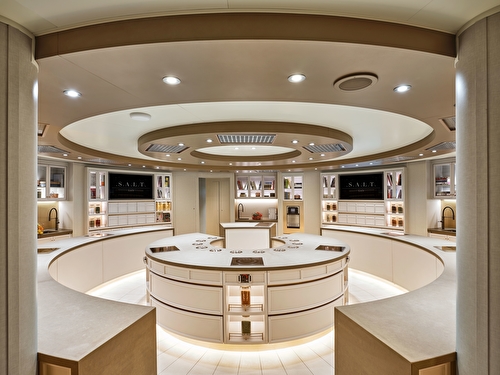
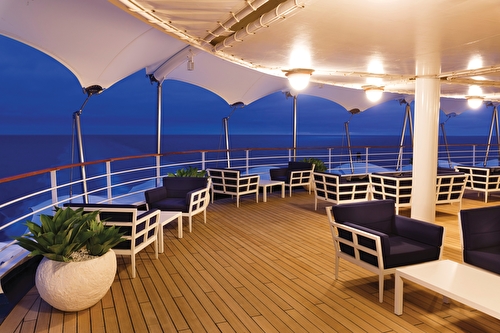
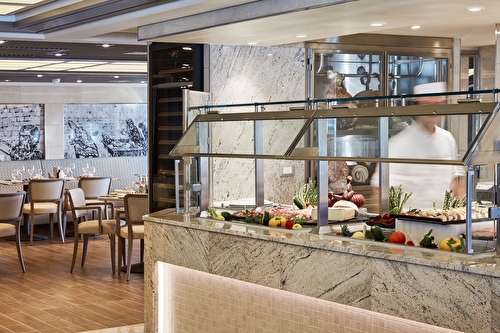
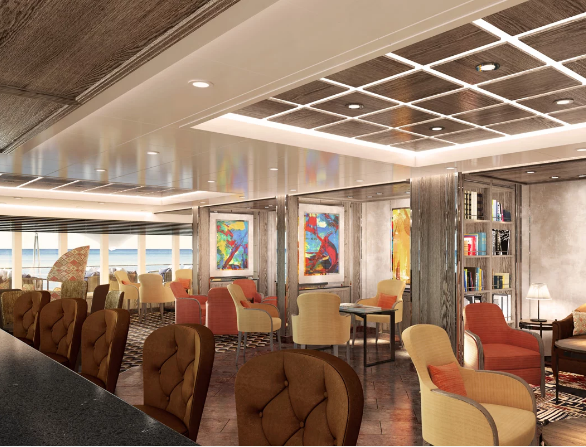
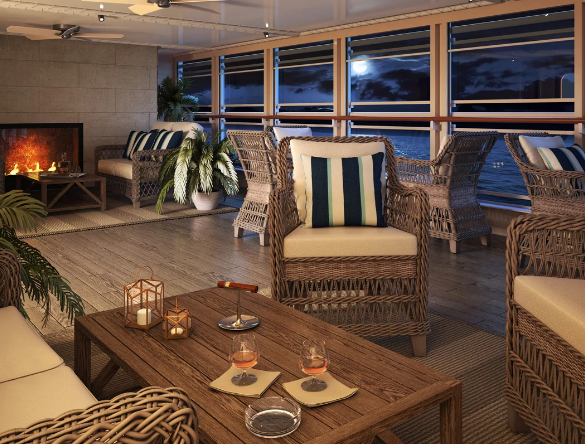
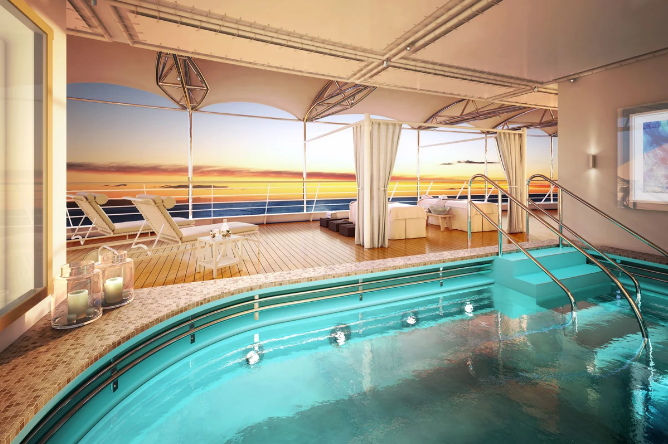
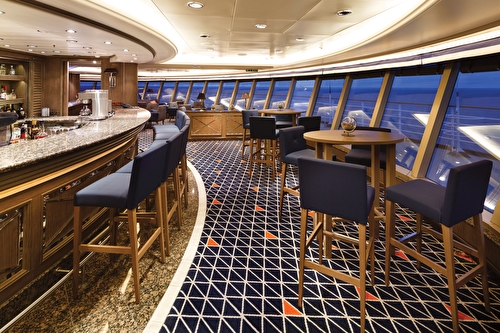
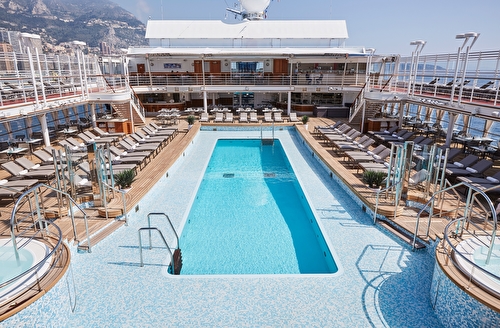
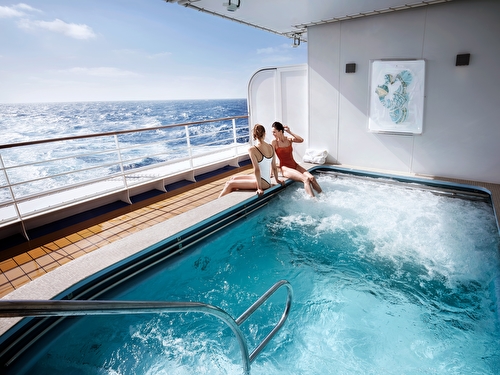
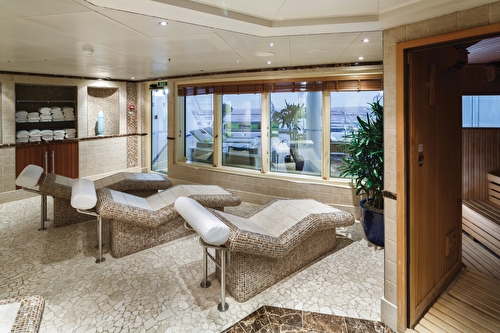
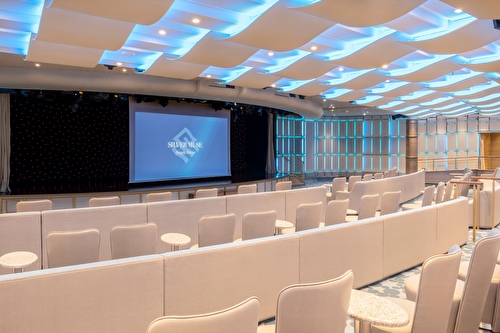
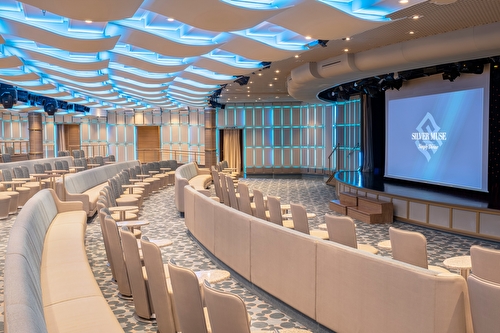
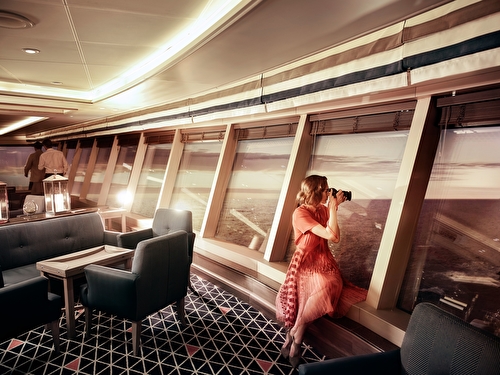
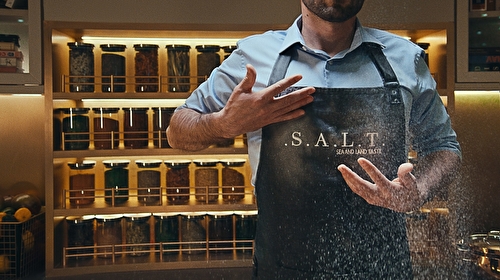
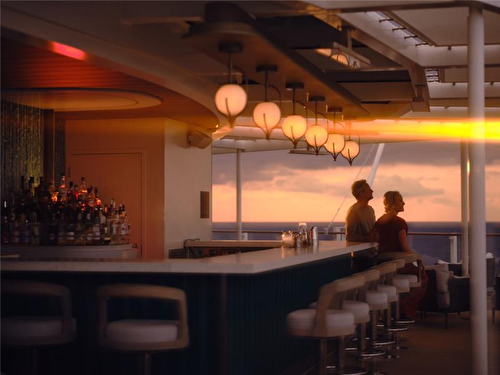
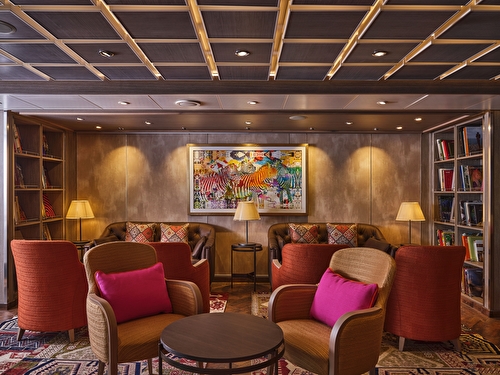
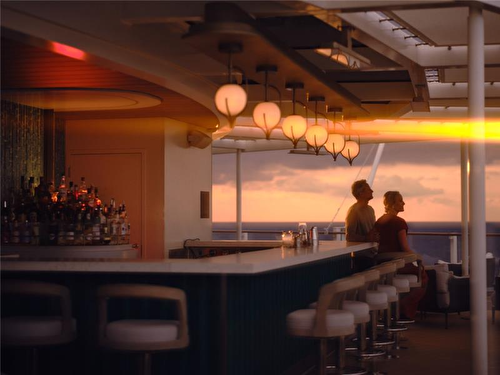
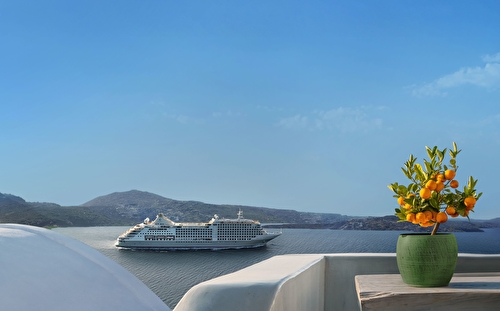
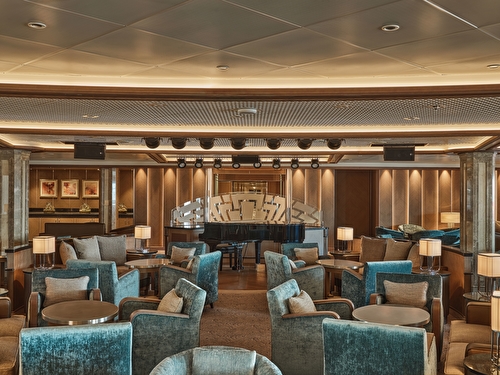
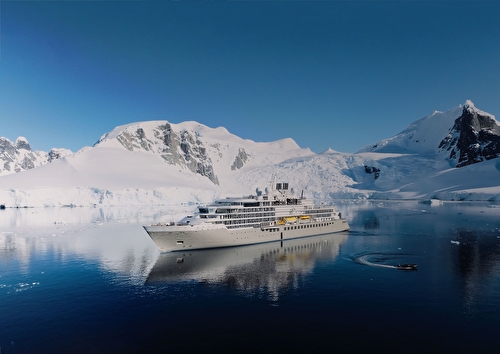
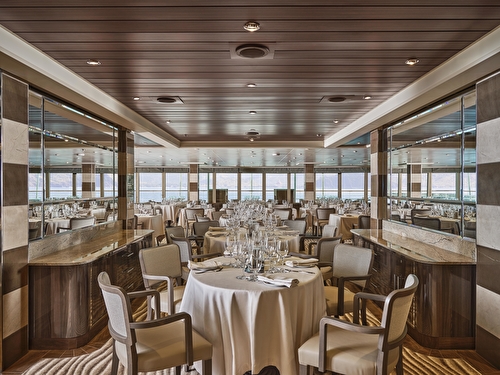
Building on the phenomenal success of Silver Muse, Silver Moon mirrors her sister ship and establishes a new era of Silversea. At 40,700 gross tons and with a capacity to accommodate 596 passengers on...ard, Silver Moon maintains the small-ship intimacy and spacious all-suite accommodation, which are the hallmarks of the Silversea experience. Silver Moon also features the all-new Sea And Land Taste (S.A.L.T.) programme – an immersive culinary concept that enables guests to travel deeper through a range of destination-based gastronomic experiences. Get ready for a new world of travel. More Less
  • Arts café
    arts café
    More
  • Atlantide
    atlantide
    More
  • Kaiseki
    kaiseki
    More
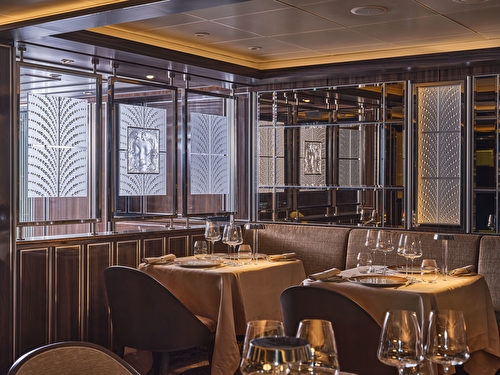
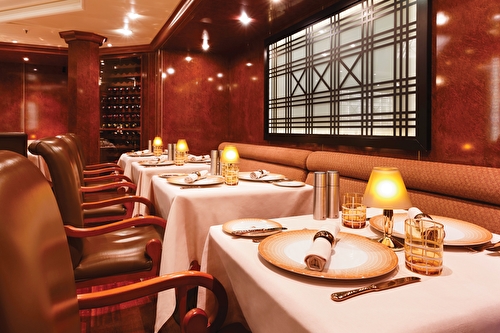
  • La dame
    la dame
    More
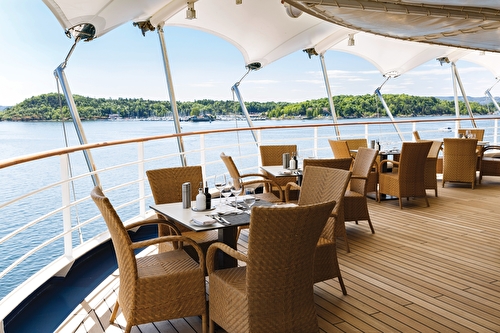
  • La terrazza
    la terrazza
    More
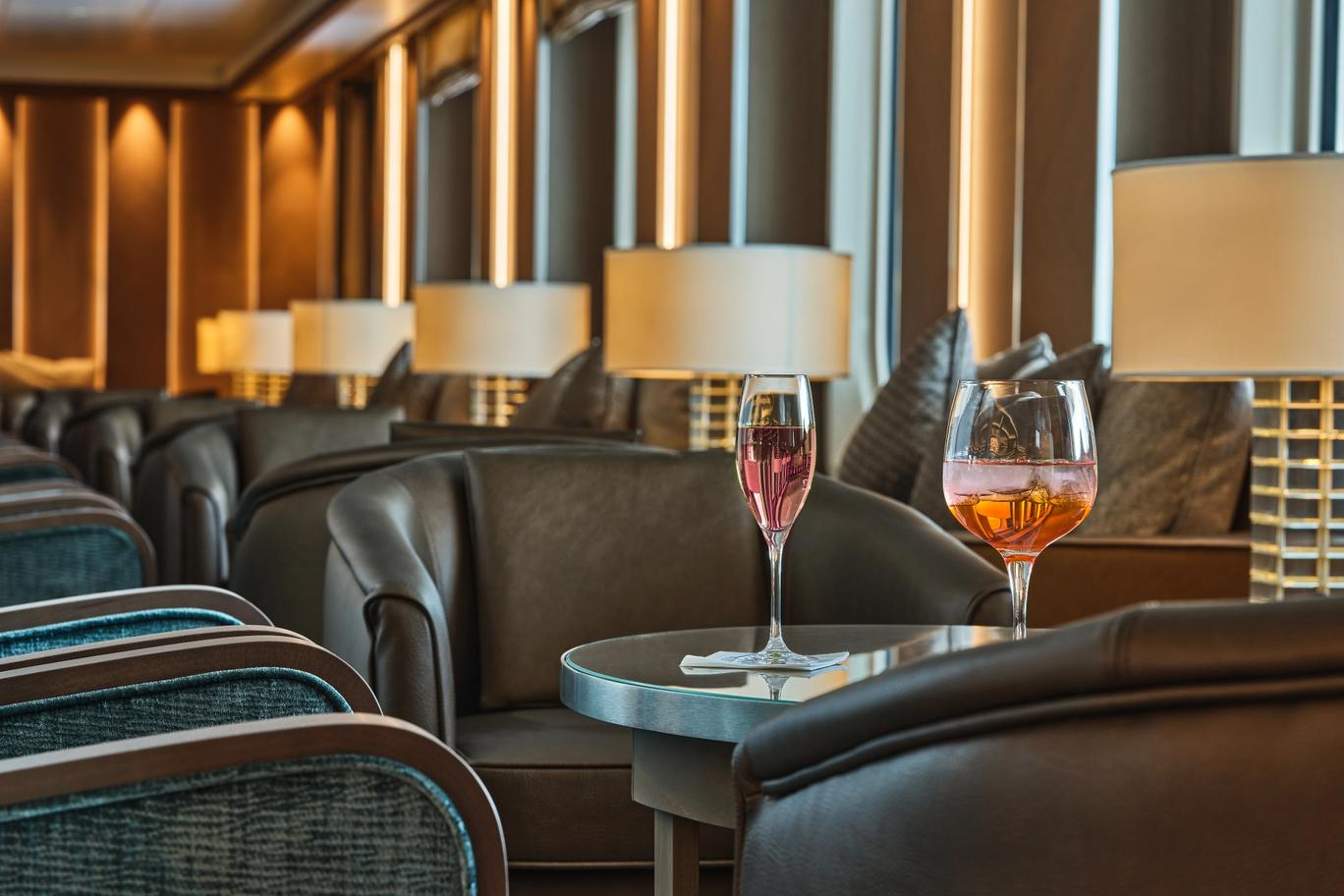
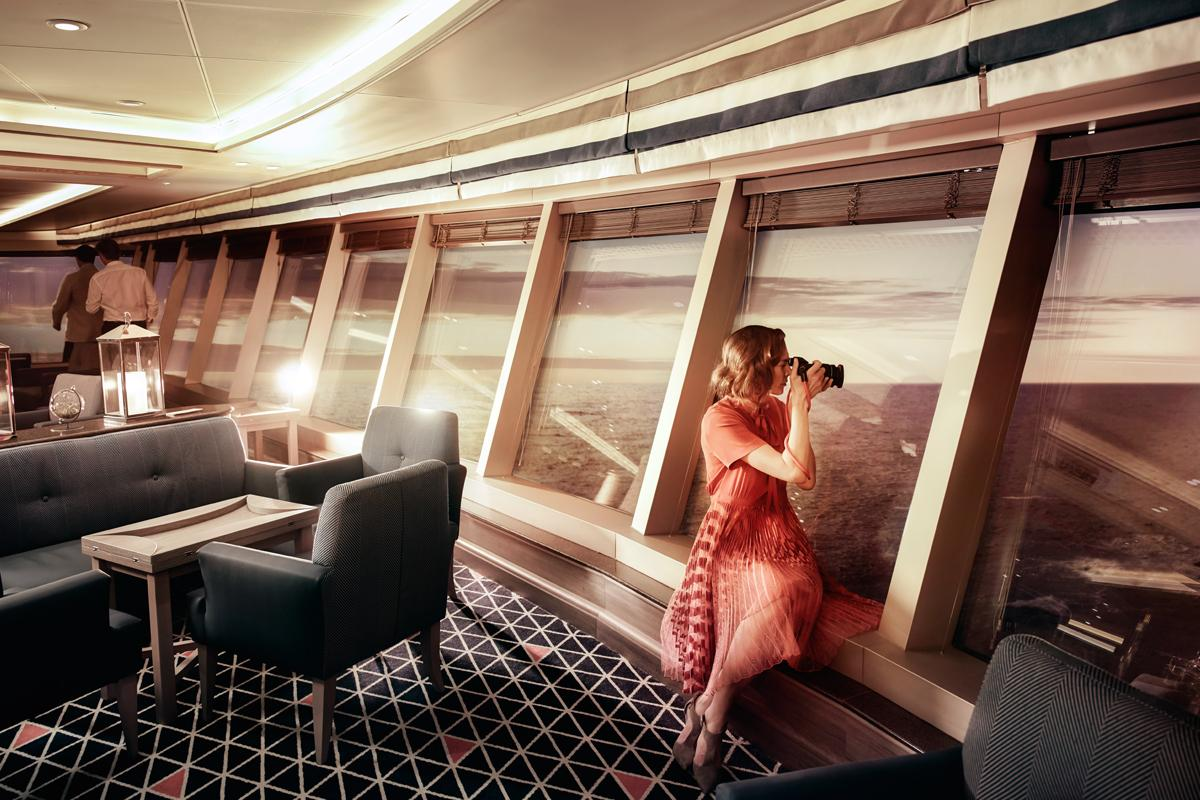
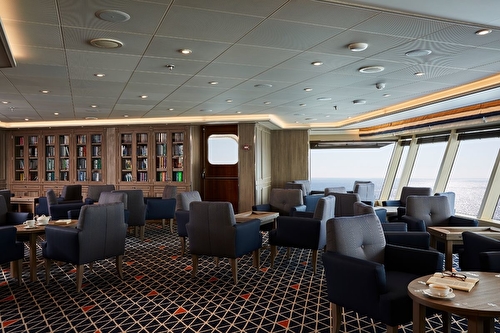
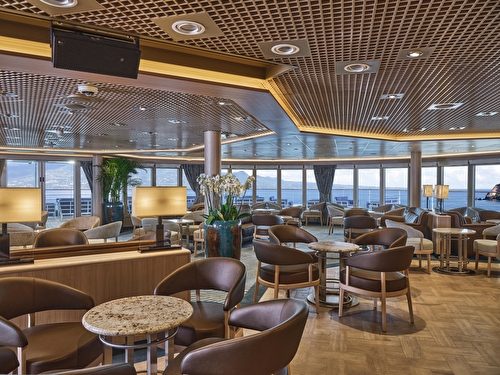
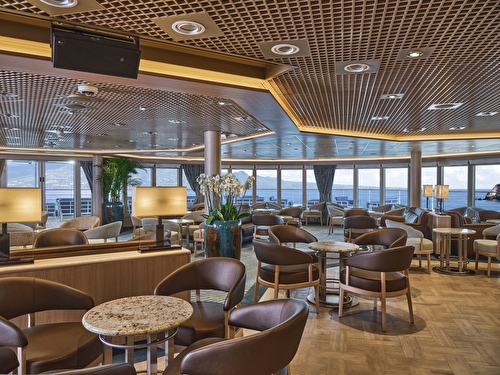
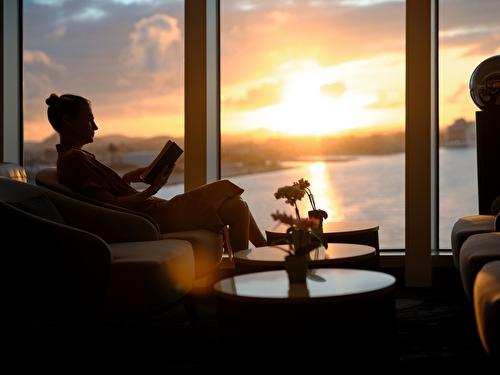
  • Panorama lounge
    panorama lounge
    More
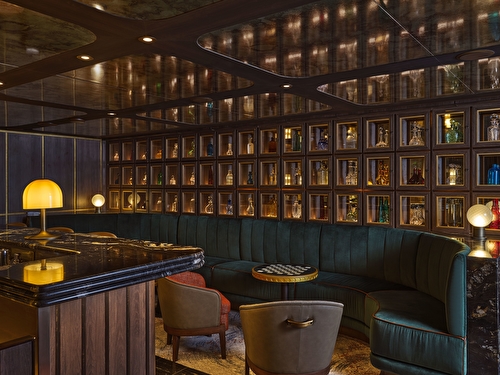
  • S.a.l.t. bar
    s.a.l.t. bar
    More
  • S.a.l.t. kitchen
    s.a.l.t. kitchen
    More
  • S.a.l.t. lab
    s.a.l.t. lab
    More
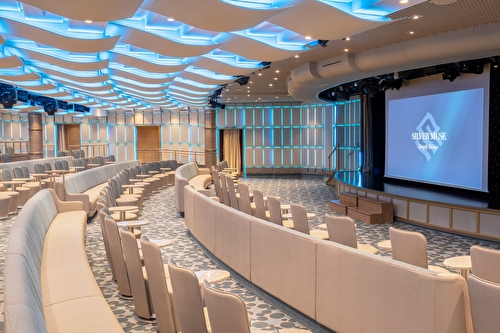
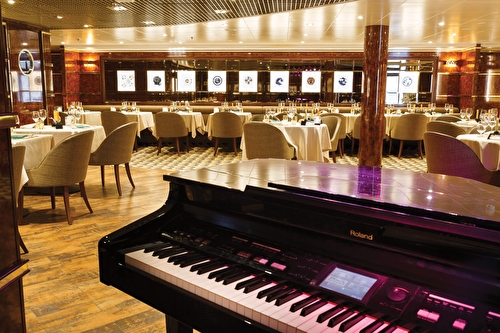
  • Silver note
    silver note
    More
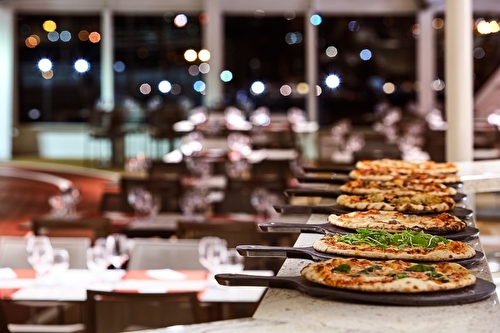
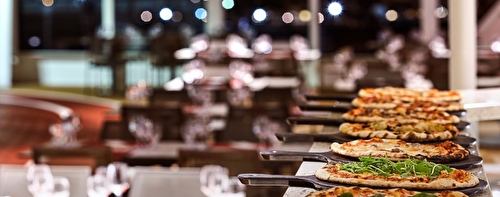
  • Spaccanapoli
    spaccanapoli
    More
  • The grill
    the grill
    More
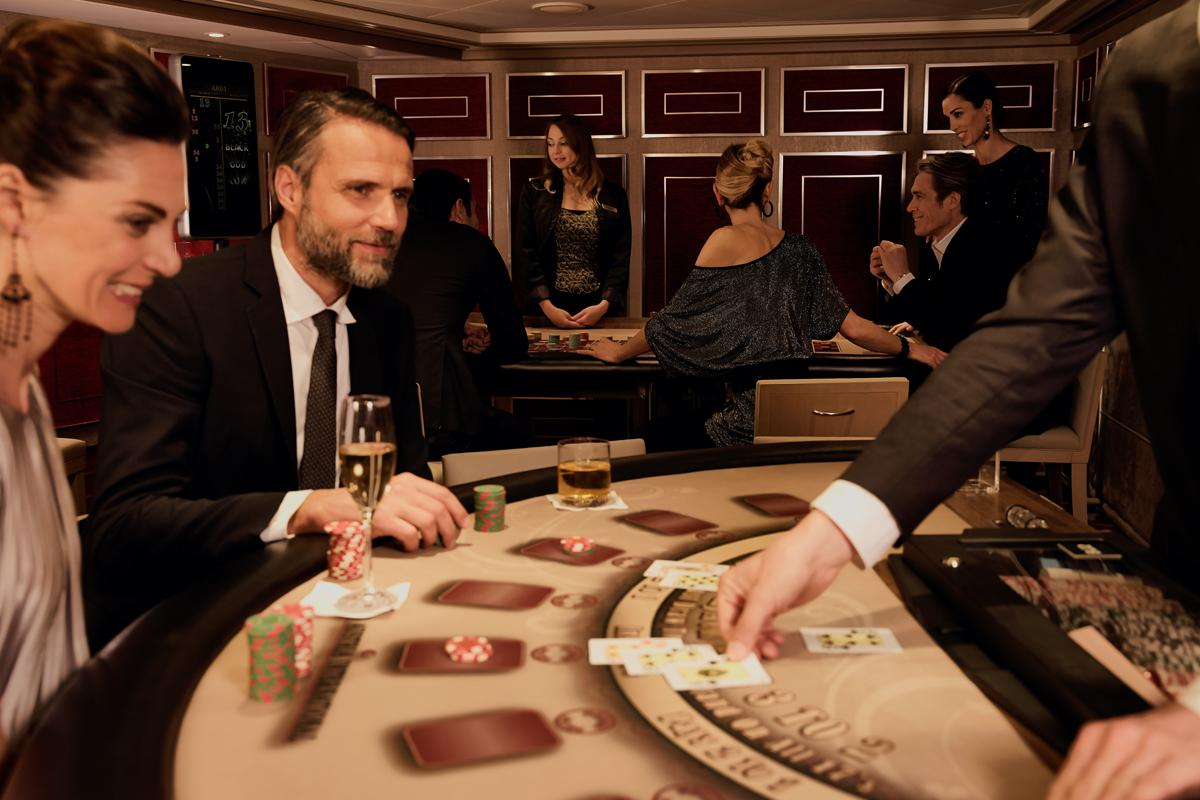
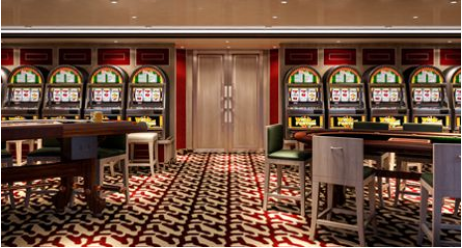
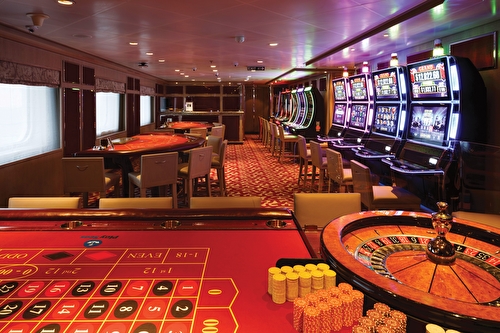
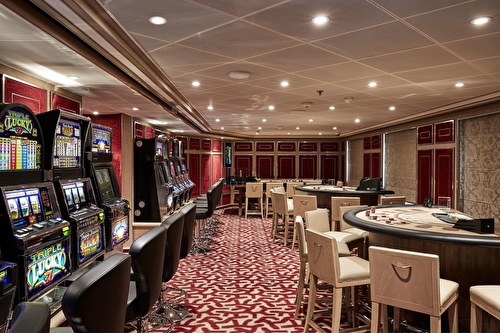
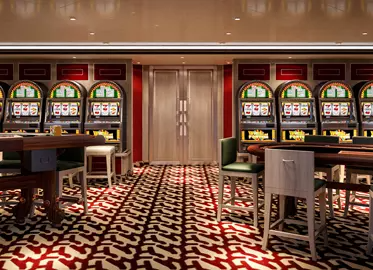
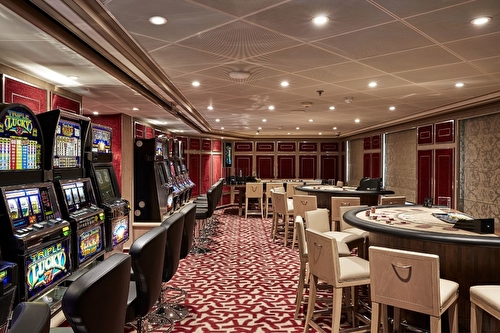
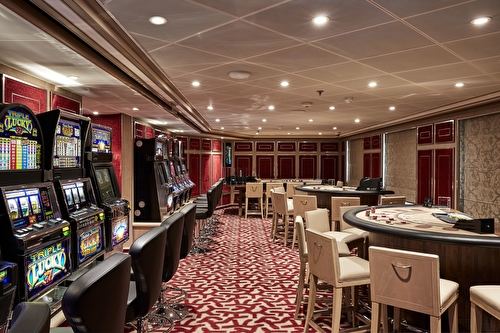
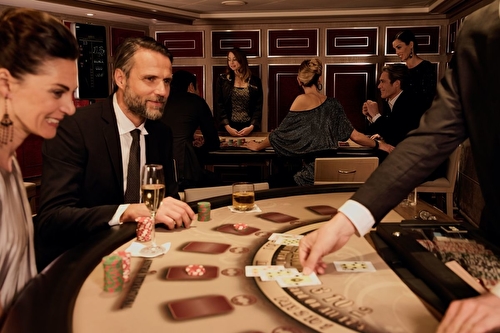
  • Casino
    casino
    More
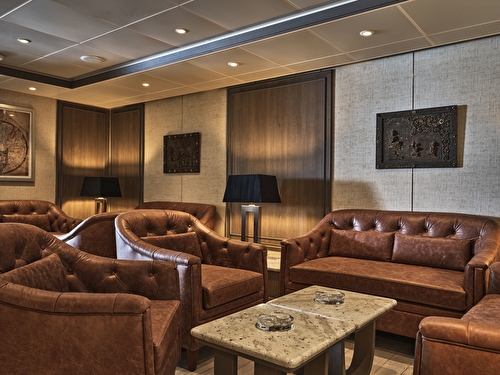
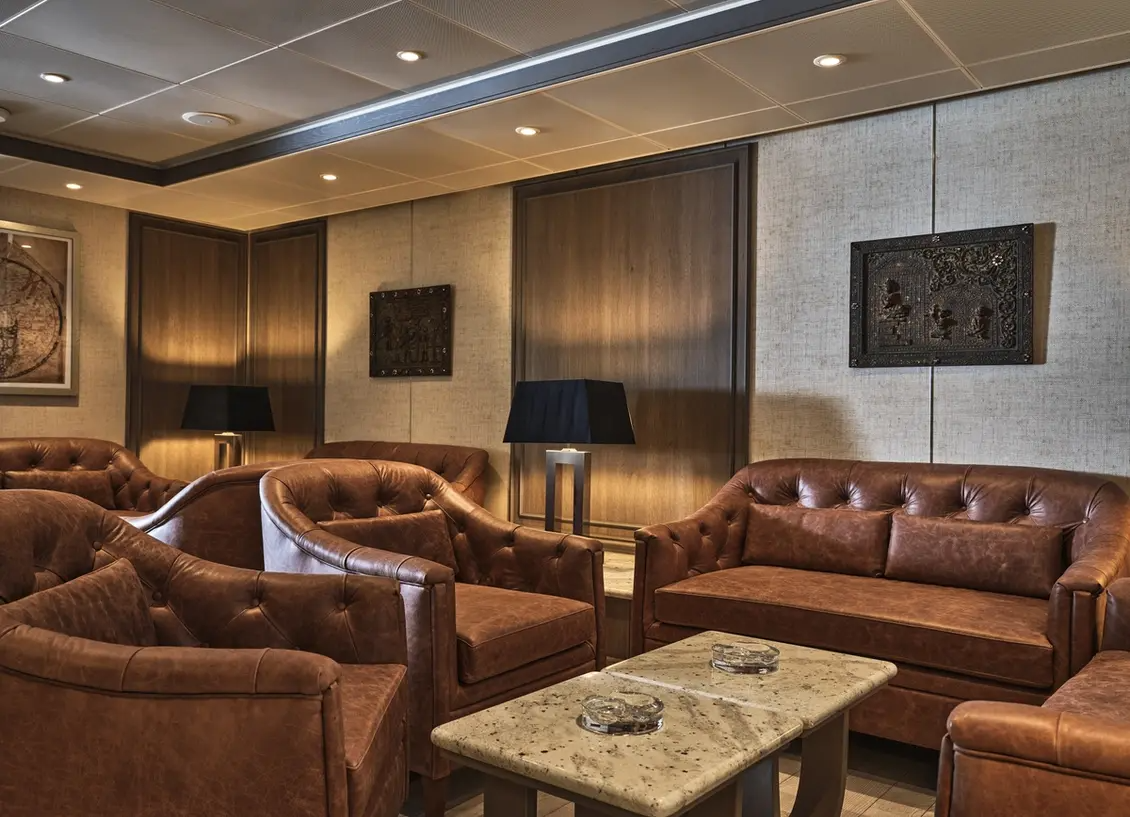
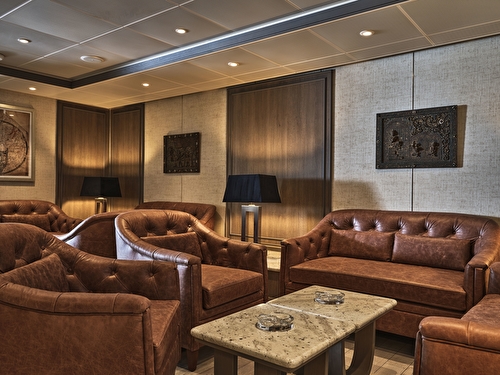
  • Connoisseur’s corner
    connoisseur’s corner
    More
  • Dolce vita
    dolce vita
    More
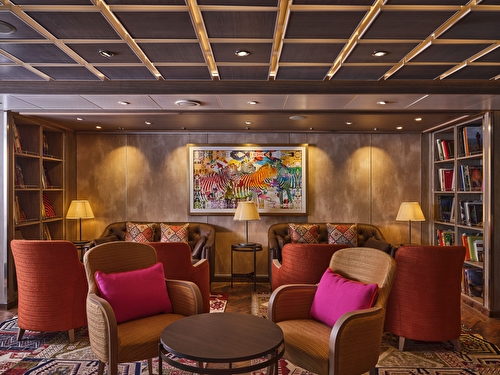
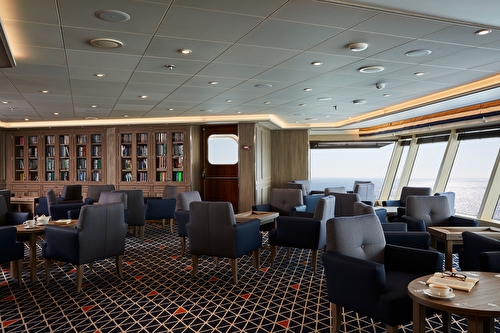
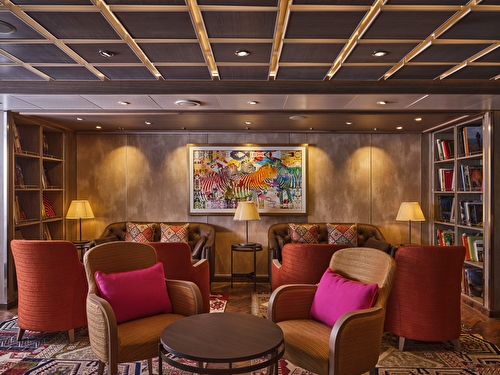
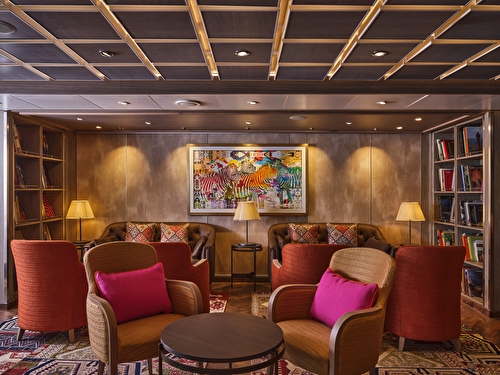
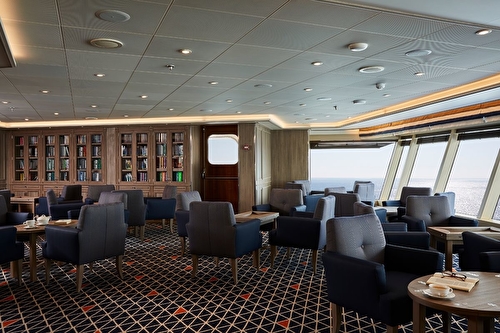
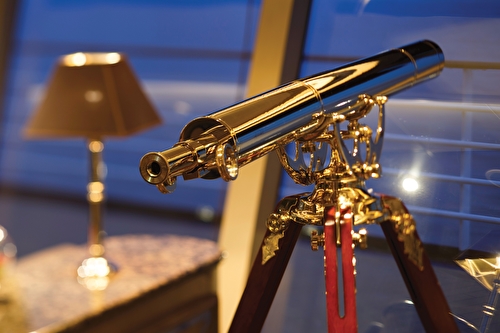
  • Observation library
    observation library
    More
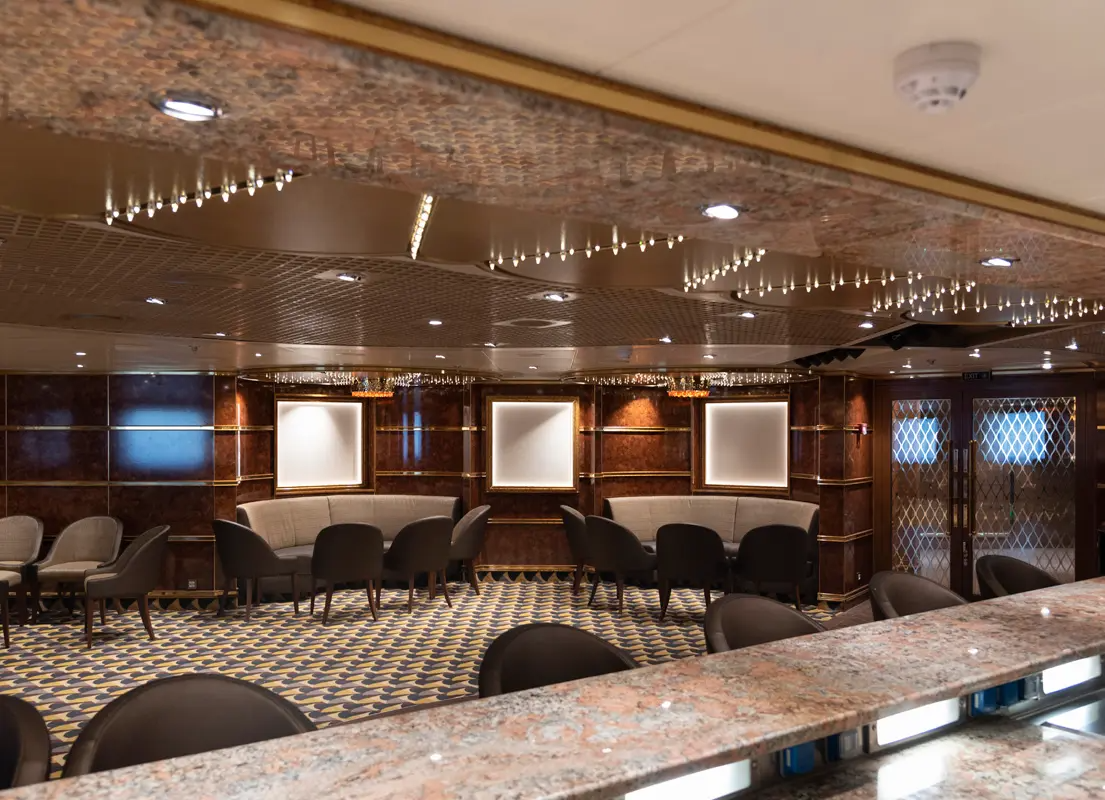
  • Venetian lounge
    venetian lounge
    More
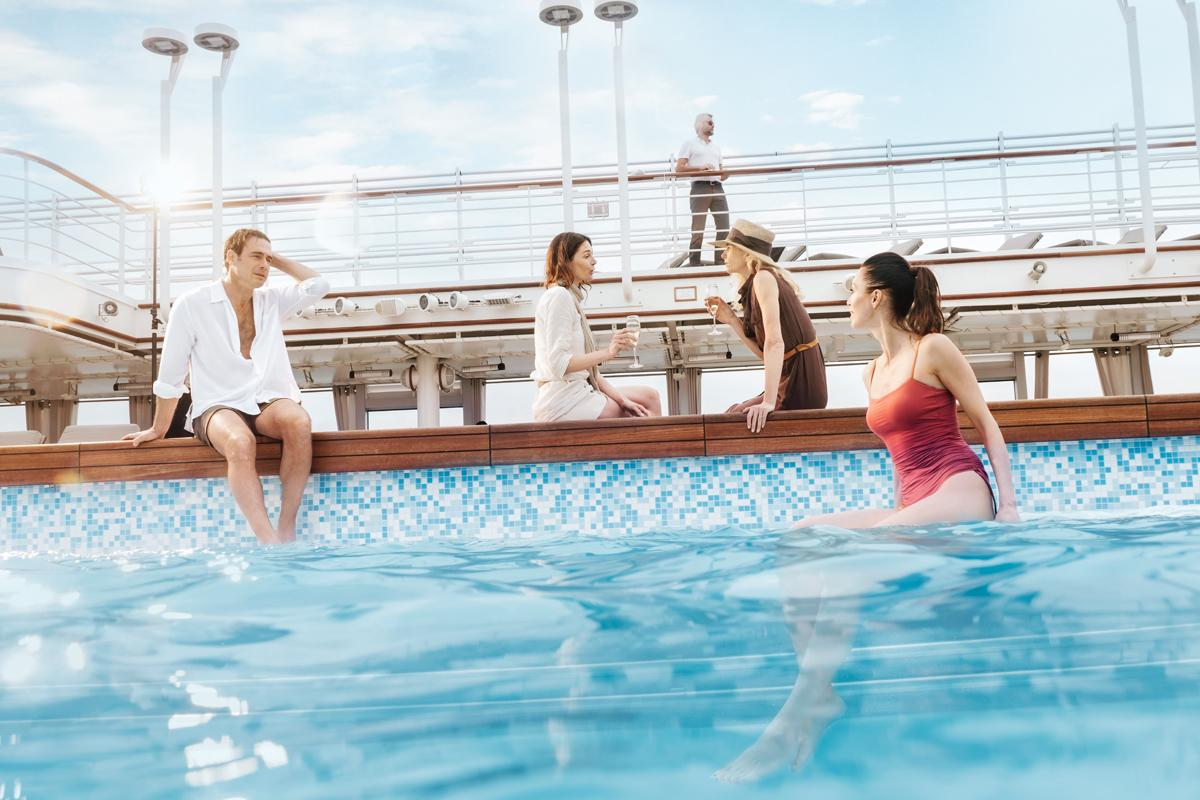
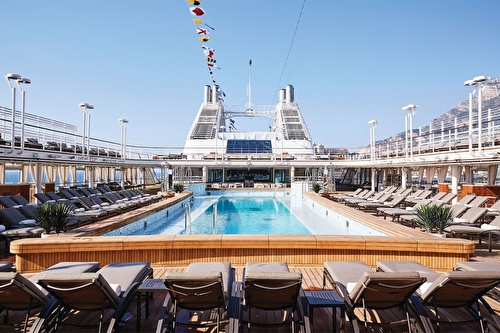
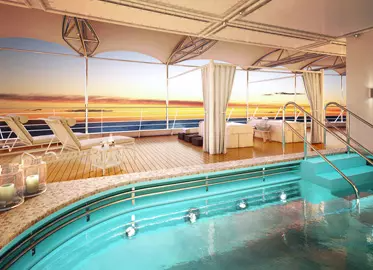
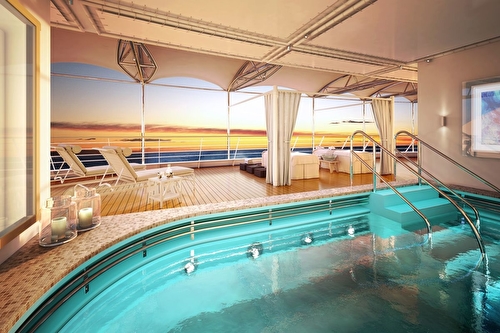
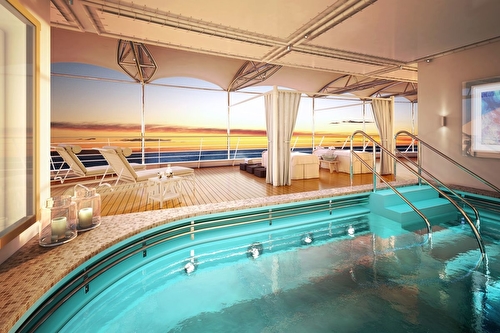
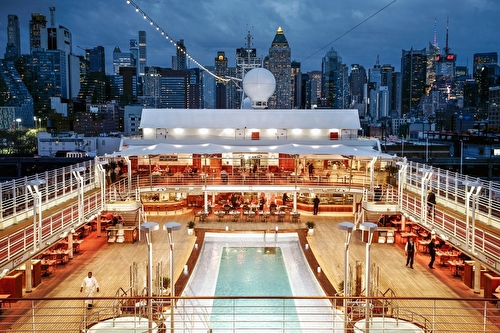
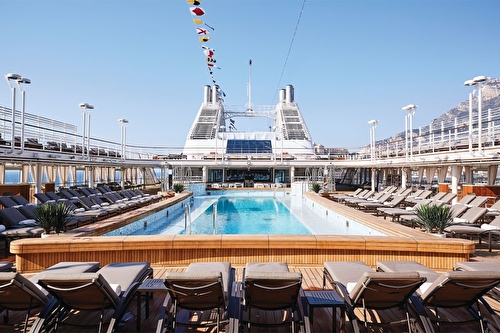
  • Pool deck & jacuzzi area
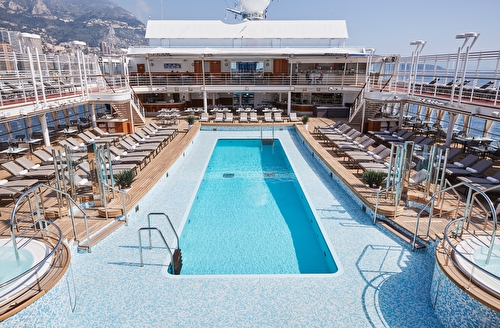
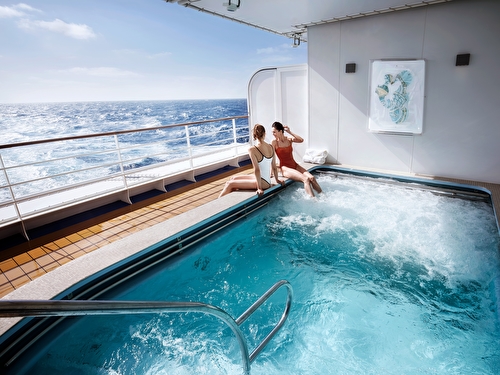
    pool deck & jacuzzi area
    More
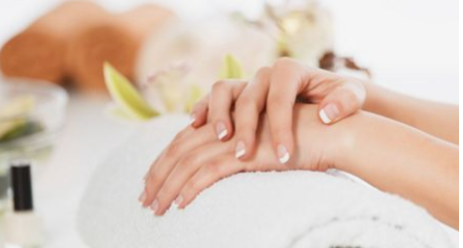
  • Zagara beauty salon
    zagara beauty salon
    More
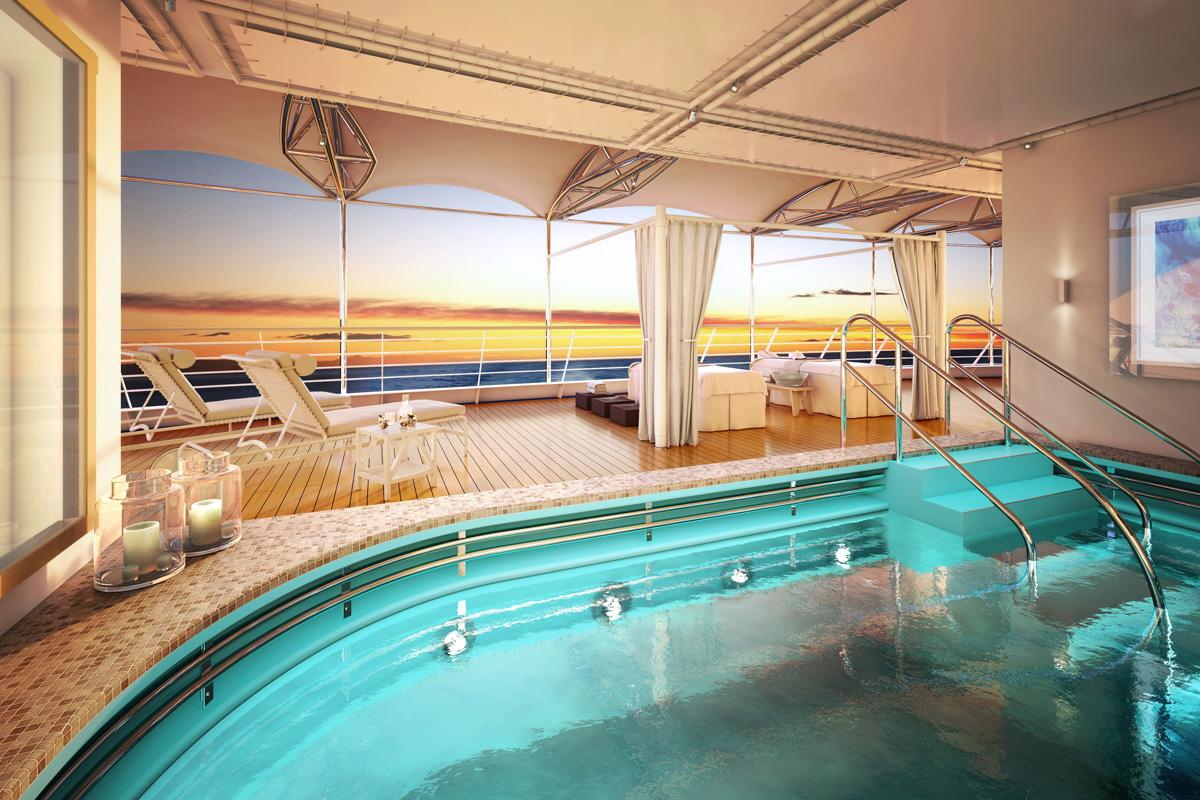
  • Zagara beauty spa
    zagara beauty spa
    More
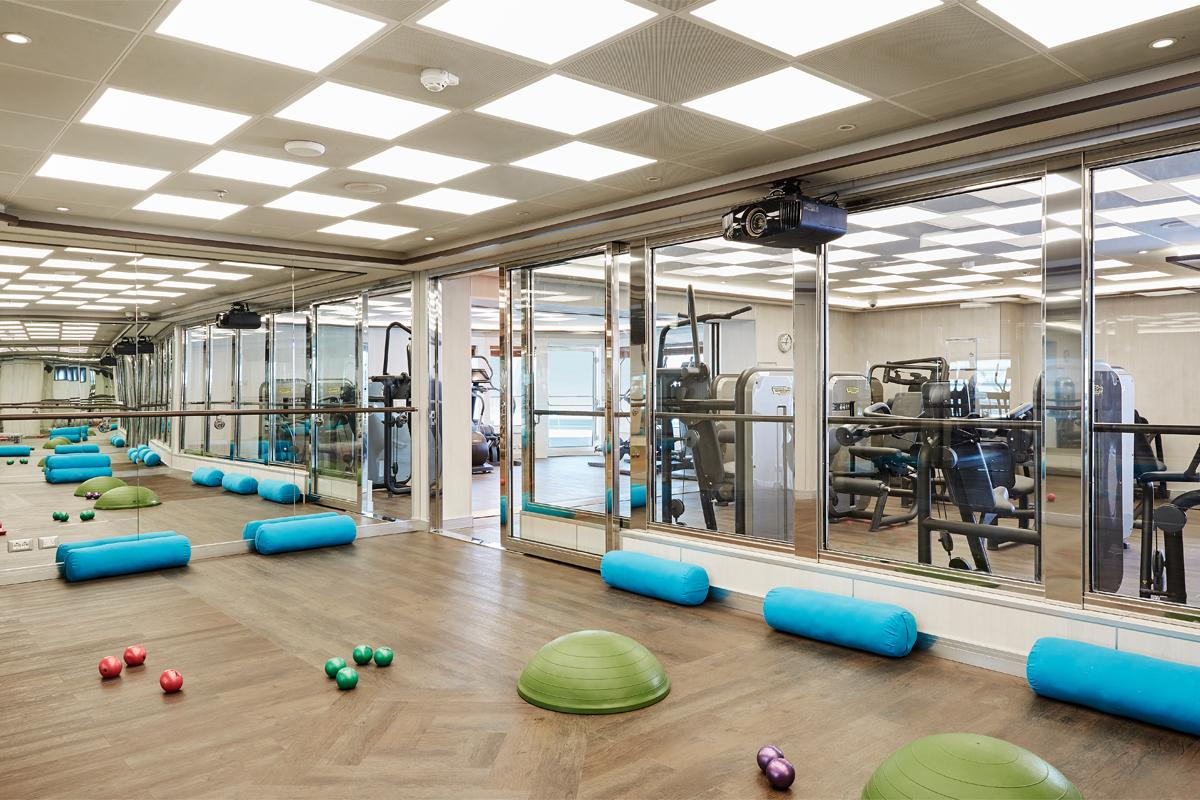
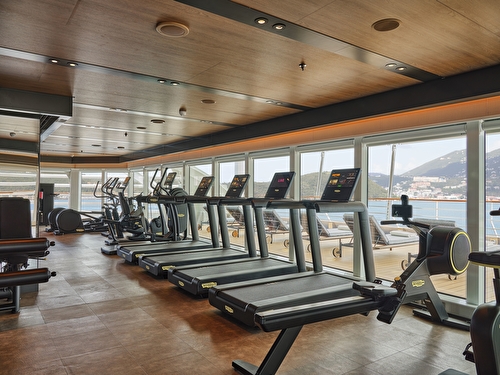
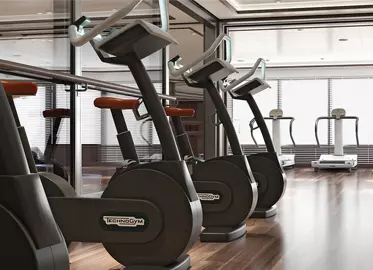
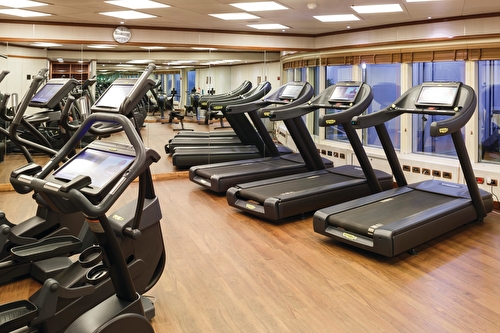
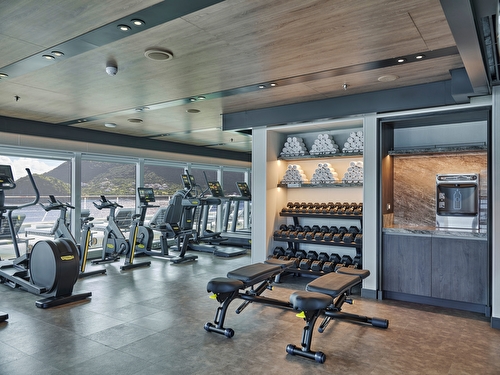
  • Fitness center
    fitness center
    More
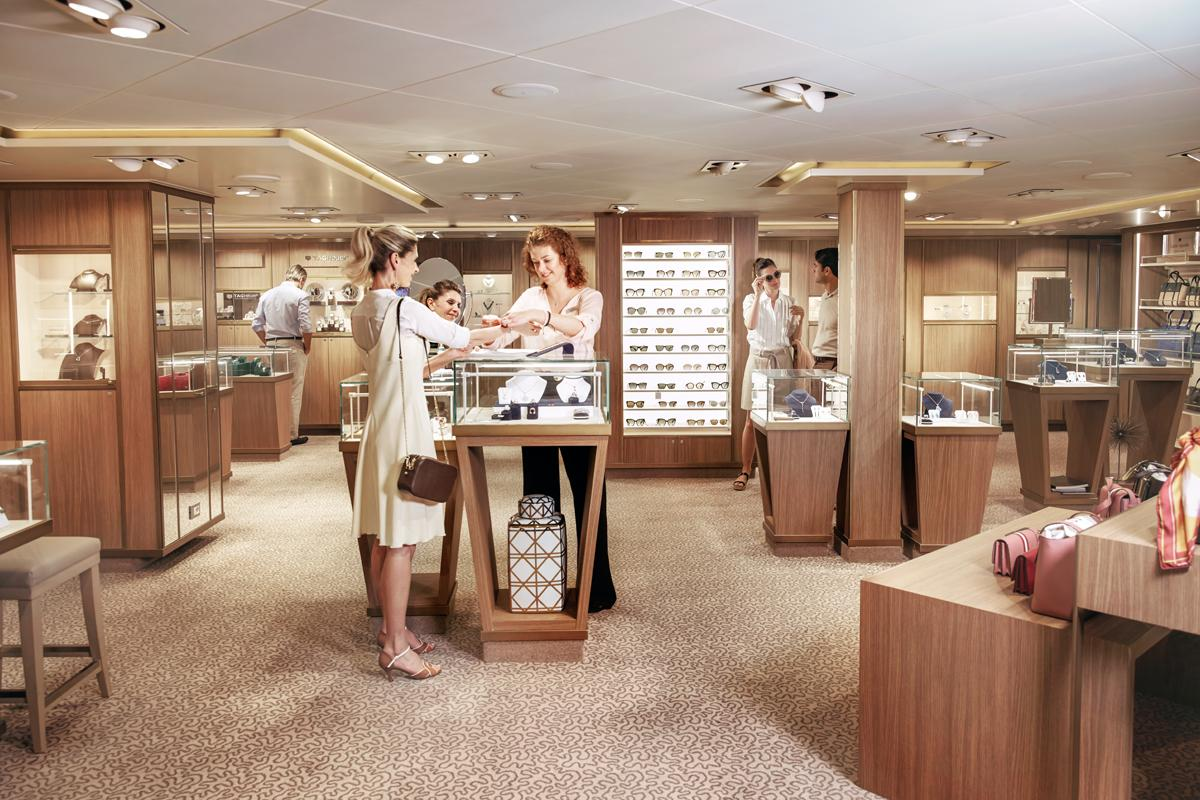
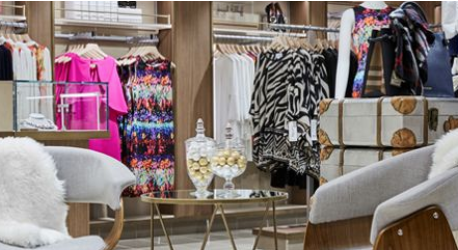
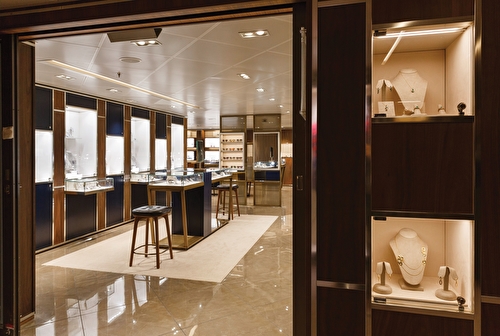
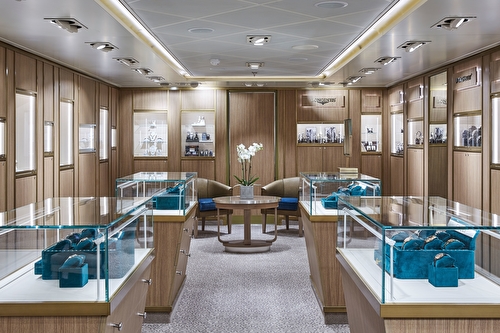
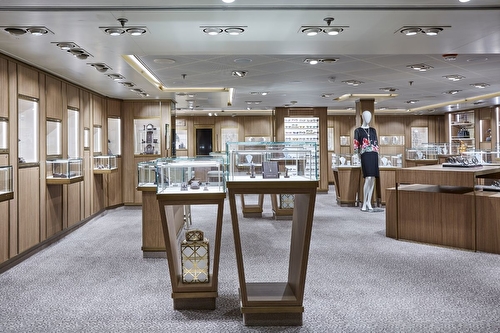
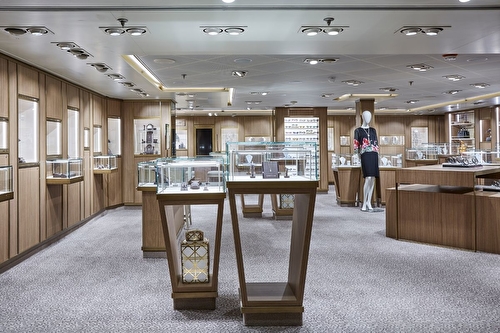
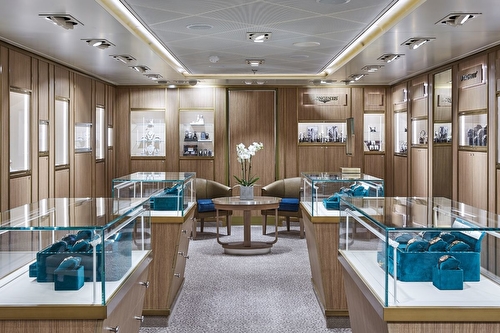
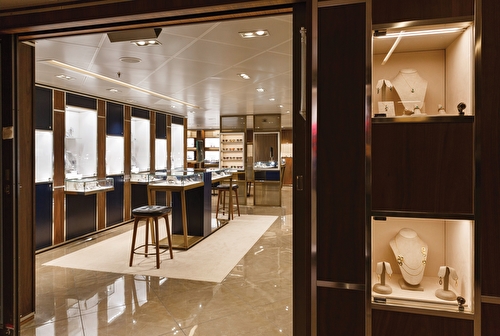
  • Boutique
    boutique
    More

Staterooms

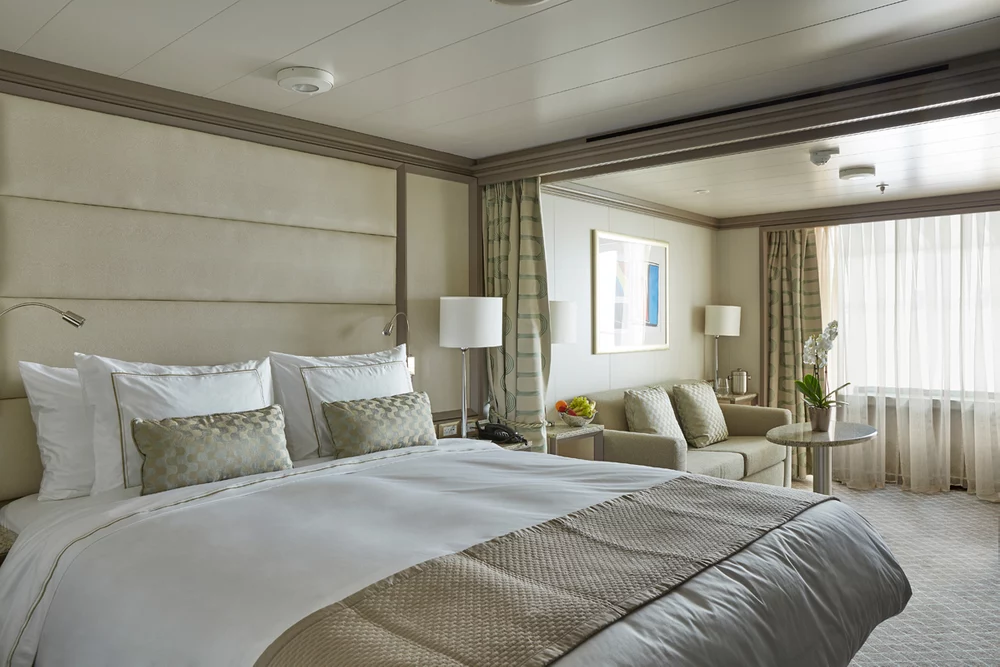
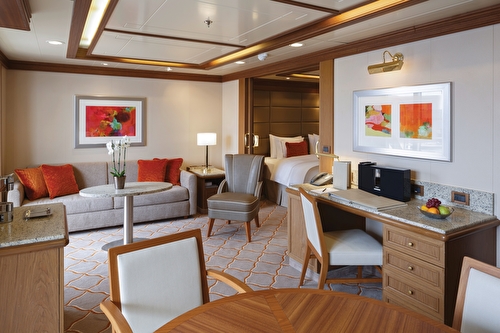
suite

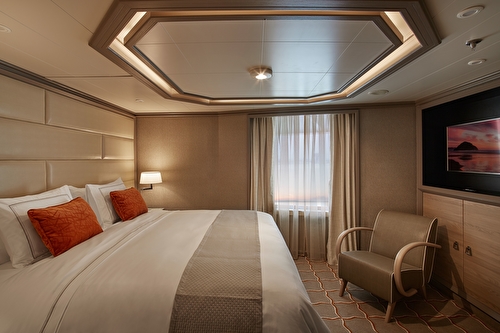
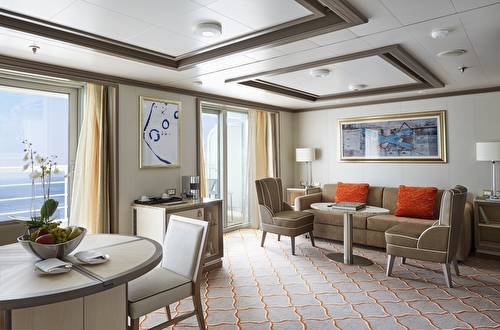
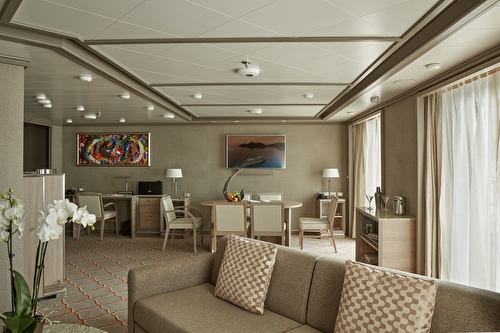
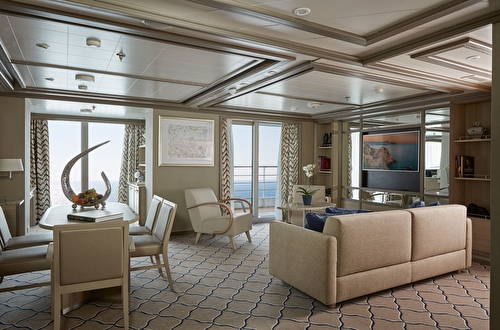
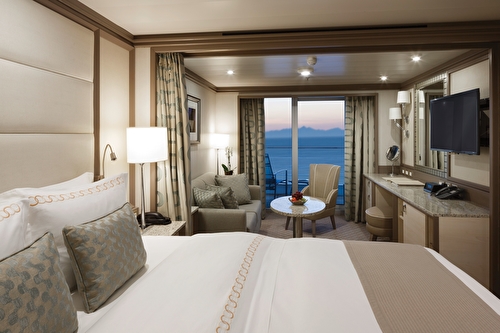
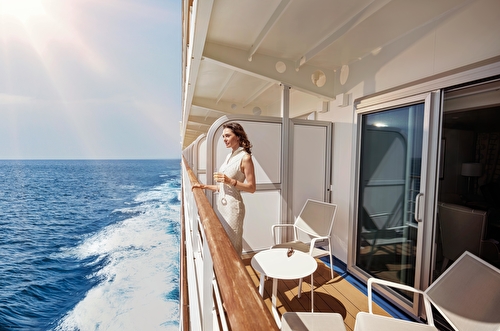
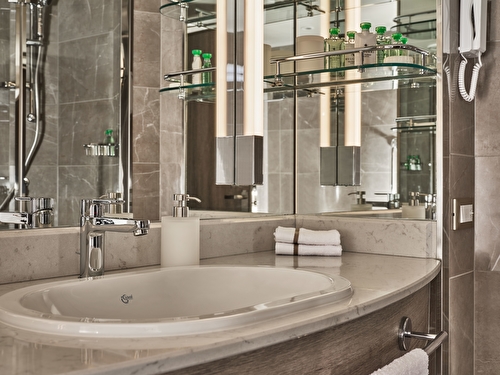
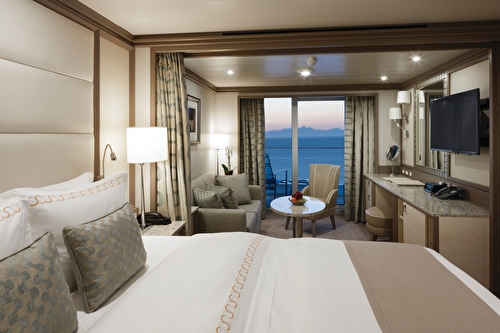
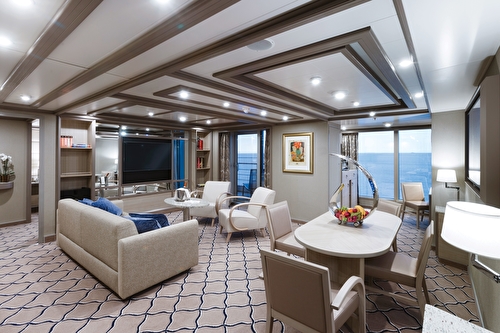
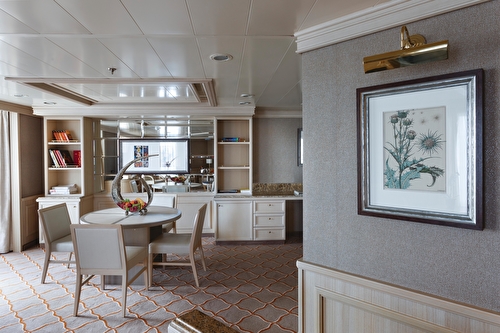
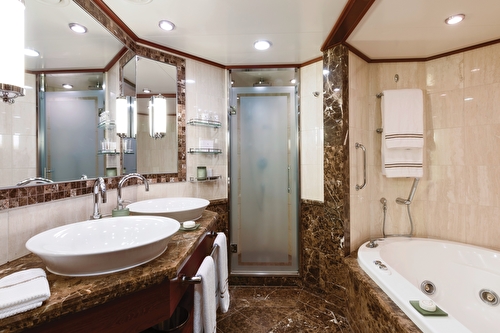
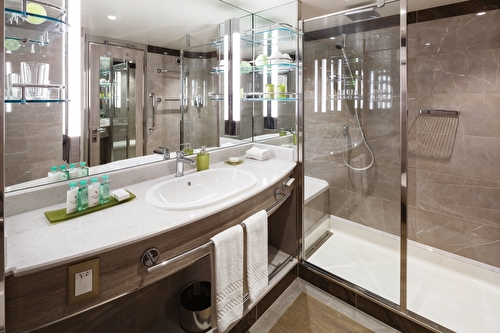
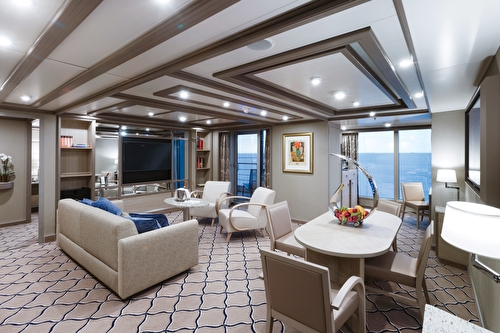
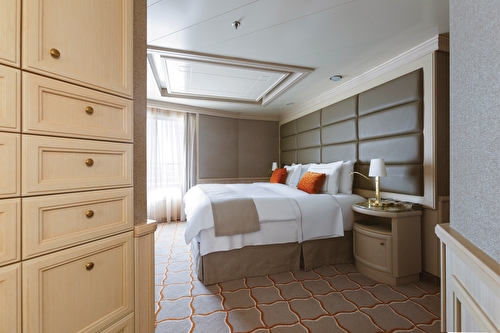
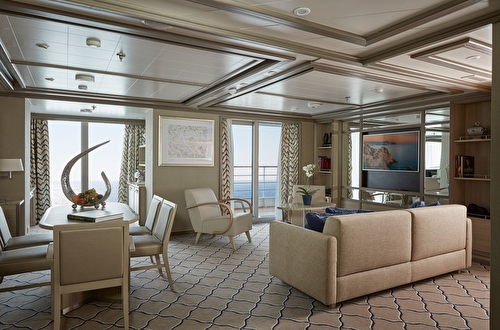
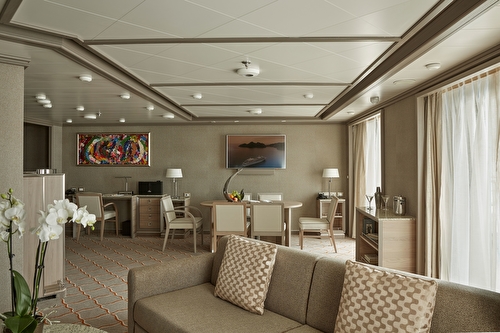
The Vista Suite provides generous living space for all travellers. The Vista Suite offers all the c ... omfort and attention to detail that you can expect aboard. A generous expanse of interior comforts — elegant décor, stunning marble bathroom and ample seating area, make this a cosy home away from home. The seating area of the Vista Suite has plenty of room to relax, while large picture windows frame panoramic ocean views, the perfect backdrop for breakfast in bed! 3 Wheelchair Accessible Suites (407, 409, 417). Sitting area. Twin beds or queen-sized bed. Marble bathroom with vanity, full-sized bath, separate shower. Wheelchair accessible suite has a marble bathroom with vanity and separate shower (no full-sized bath). Walk-in wardrobe with personal safe; wheelchair accessible suites fitted with cupboards and wardrobe with personal safe. Writing desk. One 40” / 102 cm flat-screen HD TV. Interactive Media Library. Unlimited Standard Wifi.

More

Thank you!

I am also interested in the following:

How would you like us to contact you?:

Traveller information

Additional information

Call 13 70 79 or enquire to book this cruise

Passenger first name limit

Due to cruise line restrictions for online bookings, we ask that passengers with first names exceeding 10 characters to please ring us on 1300 269 432 so we can help you complete your booking.

Close
Passenger last name limit

Due to cruise line restrictions for online bookings, we ask that passengers with last names exceeding 15 characters to please ring us on 1300 269 432 so we can help you complete your booking.

Close
Passenger name limit

Due to cruise line restrictions for online bookings, we ask that passengers with first names exceeding 10 characters and/or last names exceeding 15 characters to please ring us on 
1300 269 432 so we can help you complete your booking.

Close