La
The

Transpacific Crossing Featuring Japan & Alaska

  • 2nd May 2029
  • 29 Nights
  • Seoul (Incheon)
  • Silver Muse
Silversea

Suite price from

Sold Out

* based on twinshare stateroom

Displayed prices exclude Travel Expert Service Fee (as applicable). Fees are calculated at checkout.

World360 Rewards Earn & redeem points on all travel* with World360 Rewards – join free today!

Your itinerary

  • Seoul (Incheon)
  • Shanghai, China
  • Shanghai, China
  • Shanghai, China
  • Busan
  • Sakaiminato
  • Maizuru
  • Kanazawa
  • Aomori
  • Miyako, Japan
  • Hitachinaka
  • Tokyo (Yokohama)
  • Hakodate
  • International Date line
  • Kodiak, Alaska, US
  • Sitka
  • Ketchikan
  • Inside Passage Cruising
  • Vancouver
Day 1

2nd May '29

Seoul (Incheon)
The bright lights of neighbouring big city Seoul might burn brightly but Incheon, just 27 kilometres away, has nothing to be ashamed of. The coastal city was the first to open its borders to the world in 1883, and as such has always enjoyed a special relationship with the west. So much so that it was granted “English Status” in 2007, with many residents priding themselves on their command of the language. View less The city’s love of English has made it a business powerhouse so expect soaring skyscrapers and smart technology as part of the landscape. Incheon was also the first to welcome the Chinese and today the city’s Chinatown is one of the most vibrant and welcoming there is. A frenetic and exciting hybrid of Chinese and Korean heritage, it is said that Jjajangmyeon (black soy bean noodles), South Korea’s de facto national dish originates from here. Try a steaming bowl from one of the many vendors, then walk it off with the short 15-minute stroll from Chinatown to the traditional Sinpo Market for different kind of sensational feast. The city is steeped in history, notably in recent times during the Korean War. In 1950, the US general General MacArthur led UN forces behind enemy lines in freeing the city from North Korean pressure. MacArthur’s victory is commemorated by a statue in the Jaya (Freedom) Park. The city’s history of course goes back much further, with the first historical record dating as far back as 475 CE. At the time the city was called Michuhol, only changing its name to Incheon in 1413. More
Less
Arrive

0:00

Depart

0:00

Day 2

3rd May '29

At Sea
Less
Arrive

0:00

Depart

0:00

Day 3

4th May '29

Shanghai, China
Strategically located where the Yangtze River, Grand Canal and Pacific Ocean meet, Shanghai has served as a major commercial port since the Song Dynasty (10th century). From here, the region’s substantial cotton crop was shipped to Beijing and more remote regions in China and Japan. By the Qing Dynasty, vast mercantile guilds, organized by trade, had established economic and a considerable amount of political control of the city. In the 1840s Shanghai was described by a representative of the British East India Company as “the principal emporium of Eastern Asia.” Not surprisingly, after the Opium Wars the British moved in under the Treaty of Nanking, followed by the French, and set up the first foreign concessions in the city. More
Less
Arrive

0:00

Depart

0:00

Day 4

5th May '29

Shanghai, China
Strategically located where the Yangtze River, Grand Canal and Pacific Ocean meet, Shanghai has served as a major commercial port since the Song Dynasty (10th century). From here, the region’s substantial cotton crop was shipped to Beijing and more remote regions in China and Japan. By the Qing Dynasty, vast mercantile guilds, organized by trade, had established economic and a considerable amount of political control of the city. In the 1840s Shanghai was described by a representative of the British East India Company as “the principal emporium of Eastern Asia.” Not surprisingly, after the Opium Wars the British moved in under the Treaty of Nanking, followed by the French, and set up the first foreign concessions in the city. More
Less
Arrive

0:00

Depart

0:00

Day 5

6th May '29

Shanghai, China
Strategically located where the Yangtze River, Grand Canal and Pacific Ocean meet, Shanghai has served as a major commercial port since the Song Dynasty (10th century). From here, the region’s substantial cotton crop was shipped to Beijing and more remote regions in China and Japan. By the Qing Dynasty, vast mercantile guilds, organized by trade, had established economic and a considerable amount of political control of the city. In the 1840s Shanghai was described by a representative of the British East India Company as “the principal emporium of Eastern Asia.” Not surprisingly, after the Opium Wars the British moved in under the Treaty of Nanking, followed by the French, and set up the first foreign concessions in the city. More
Less
Arrive

0:00

Depart

0:00

Day 6

7th May '29

At Sea
Less
Arrive

0:00

Depart

0:00

Day 7

8th May '29

Busan
“A tapestry of kaleidoscopic colours, intense seafood flavours, and urban beach bliss, Busan rolls across a glorious natural setting on the Korean Peninsula’s south-east. One of the largest and busiest ports in the world, 3.5 million people call South Korea’s second city home, and the amiable locals help to lend the city its quirky, offbeat outlook. A spacious, playful and cosmopolitan place, Busan is a lively, liveable city, cradled by lush mountains and endless ocean scenery. Haedong Yonggung Temple nestles on a dramatic cliffside, just above the crumbling rocks and crashing waves of the East Sea. Dating back to 1376, the temple’s multi-storey pagoda is adorned with lions – each representing a different emotion. Elsewhere, lanterns glitter in the night sky around Mount Geumjeongsan, freshly released from the beautiful Beomeosa Temple, which was established in AD 678. The hillside shantytown of Gamcheon Culture Village has completed an improbable transformation, blossoming from a sea of makeshift homes for Korean war refugees, into a colourful explosion of creativity and curiosity. Local artists have been let loose to create interactive installations, and the entire area is now an expansive canvas for expression. Lose yourself among vibrant alleyways of flamingo-pink, lemon-yellow and baby-blue painted facades in this unique area. Sample bibimbap, fiery-hot beef and rice, from street food vendors, before relaxing on one of South Korea’s best beaches – Haeundae’s banana bend of sand. Metallic skyscrapers offer an unusual backdrop to this pristine expanse of golden powder and are mirrored by elaborate sandcastles and sculptures during the annual sand festival – when spontaneous water fights and firework displays also take place. Gwangalli beach is another urban option, laying out spectacular views of the reaching Gwangan Bridge – the country’s second largest bridge. At night, 16,000 bulbs bathe this engineering marvel in colour.” More
Less
Arrive

0:00

Depart

0:00

Day 8

9th May '29

Sakaiminato
Sakaiminato is a city in Tottori Prefecture, Japan More
Less
Arrive

0:00

Depart

0:00

Day 9

10th May '29

Maizuru
Maizuru is a city in south-central Japan. The Goro Sky Tower has panoramic views over the islands of Maizuru Bay. Maizuru Park contains the ruins of Tanabe Castle, and is known for spring cherry blossoms. East, Brick Park is a group of Meiji-era warehouses, now home to the World Brick Museum. Kongō-in Temple is known for its ornate pagoda and fall colors. On the north coast, Ryuguhama Beach faces the sea. ― Google More
Less
Arrive

0:00

Depart

0:00

Day 10

11th May '29

Kanazawa
The capital of the Ishikawa Prefecture, Kanazawa once rivalled Kyoto and Edo (Tokyo) as a town rich in cultural achievements. Kanazawa escaped destruction during World War II and accordingly has been able to preserve many of the old districts in good shape. The city is famous because of Kenrokuen. Located next to Kanazawa Castle, Kenrokuen is classified as “One of the Three Gardens of Japan”. The garden has an artificial pond, and hills and houses are dotted within the 11.4 hectares. View less It has Japan’s oldest fountain using natural water pressure and a tea-house dating back to 1774. Close by is the Higashi Chaya Gai Geisha District, designated a National Cultural Asset and the biggest of the Geisha districts of Kanazawa. Some of the houses not only retain the original structure, but still are used as Geisha houses. Some of the streets have traditional shops creating a nostalgic atmosphere. Kanazawa is also known for its lacquer ware, Kutani-style pottery, gold-leaf workmanship and delicately painted silk kimonos. More
Less
Arrive

0:00

Depart

0:00

Day 11

12th May '29

At Sea
Less
Arrive

0:00

Depart

0:00

Day 12

13th May '29

Aomori
From fiery festivals to spectacular mountain scenery, soaring temples to castles surrounded by cherry blossom blooms, Aomori is one of Japan’s most enchanting destinations. Framed by dark peaks clad with dense forestry, the city enjoys a picturesque location on Japan’s main island Honshu. While there are gorgeous pink tinted parks, tiered castles and towering Buddha statues to explore, the Aomori Prefecture’s capital is perhaps best known for the summer festival of fire that lights it up each year. Lavish illuminated floats fill the streets during Nebuta Matsuri festival, as dancing locals wave flickering lanterns through the night sky – and drummers pound out pulsating rhythms. Nebuta Matsuri has a euphoric and energetic atmosphere which makes it stand out as an unmissable experience compared with some of Japan’s more restrained festivals. At other times of the year, places like the stunning Hirosaki Castle bloom with rose-pink cherry blossom, as spring’s sunshine clears away winter’s plentiful snowfall. The castle’s moat, glowing with the pale hue of fallen blossom, is a truly mesmerising sight to behold. Don’t worry if you’re too late though, you might be able to catch the pink-flush of the apple blossom – which comes slightly later. Extraordinary prehistoric Jomon period history is waiting to be unearthed at the living archaeological site, Sannai-Maruyama Ruins. Or, the untouched wilderness of UNESCO World Heritage Site Shirakami Sanchi is within reach. This sprawling mass of beech trees covers a third of the Shirakami mountain range, and the dense forestry once blanketed the majority of northern Japan’s land. Visit to scratch the surface of this untamed landscape’s beauty and see sprawling waterfalls cascading down mountainsides, in a beautiful off-bounds landscape, where black bears roam freely. More
Less
Arrive

0:00

Depart

0:00

Day 13

14th May '29

Miyako, Japan
Miyako is a city located in Iwate Prefecture, Japan. As of 1 April 2020, the city had an estimated population of 51,150, and a population density of 41 persons per km². The total area of the city is 1,259.15 square kilometers. More
Less
Arrive

0:00

Depart

0:00

Day 14

15th May '29

Hitachinaka
Less
Arrive

0:00

Depart

0:00

Day 15

16th May '29

Tokyo (Yokohama)
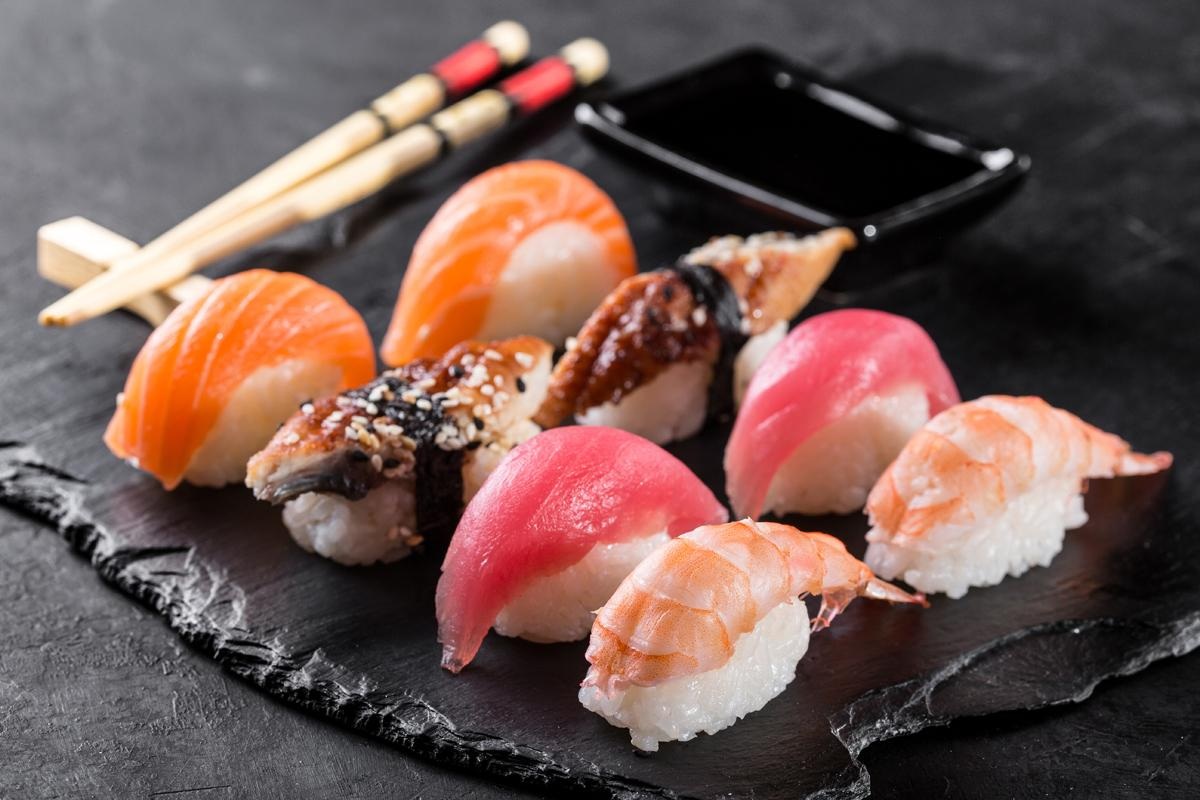
Dense and delightful, there’s nowhere else like Japan’s kinetic capital – a city where ancient traditions blend seamlessly with a relentless pursuit for the future’s sharpest edge. See the city from above, as elevators rocket you up to towering viewing platforms, from which you can survey a vast urban ocean, interspersed with sky-scraping needles. Look out as far as the distant loom of Mount Fuji’s cone on clear days. View less Futuristic – second-accurate – transport seamlessly links Tokyo’s 14 districts, while the glow of flashing advertisement boards, clanks of arcade machines, and waves of humanity flowing along its streets, adds to the sense of mesmerising, dizzying and glorious sensory overload. One of Tokyo’s most iconic sights, don’t miss the flood of people scrambling to cross Shibuya’s famous intersection. Join the choreographed dance, as crowds of briefcase-carrying commuters are given the green light to cross at the same time – bathed in the light of massive neon advertisements. The culture is immensely rich and deep, with 7th-century, lantern-decorated temples, stunning palaces and tranquil scarlet shrines waiting below cloaks of incense and nestling between soaring skyscrapers. Restaurants serve up precisely prepared sushi, and wafer-thin seafood slivers, offering a unique taste of the country’s refined cuisine. Settle into traditional teahouses, to witness intricate ceremonies, or join the locals as they fill out karaoke bars to sing the night away. In the spring, cherry blossom paints a delicate pink sheen over the city’s innumerable parks and gardens. More
Less
Arrive

0:00

Depart

0:00

Day 16

17th May '29

At Sea
Less
Arrive

0:00

Depart

0:00

Day 17

18th May '29

Hakodate
Gaze down over Hakodate, from the heights of its namesake peak – Mount Hakodate – to see the city stretching out spectacularly, with back-to-back twin bays splitting the ocean. Hakodate port was one of the first to open Japan up to the world, and to international trade in 1859 – a fact reflected in the architecture, with its influences from the West and beyond. The port area is a redbrick wash of warehouses turned shopping malls, all observed by the onion domes of the city’s Russian Orthodox church. More
Less
Arrive

7:00

Depart

17:00

Day 18

19th May '29

At Sea
Less
Arrive

0:00

Depart

0:00

Day 19

20th May '29

At Sea
Less
Arrive

0:00

Depart

0:00

Day 20

21st May '29

At Sea
Less
Arrive

0:00

Depart

0:00

Day 21

22nd May '29

At Sea
Less
Arrive

0:00

Depart

0:00

Day 22

23rd May '29

At Sea
Less
Arrive

0:00

Depart

0:00

Day 23

24th May '29

At Sea
Less
Arrive

0:00

Depart

0:00

Day 23

24th May '29

International Date line
Less
Arrive

0:00

Depart

0:00

Day 23

24th May '29

At Sea
Less
Arrive

0:00

Depart

0:00

Day 24

25th May '29

At Sea
Less
Arrive

0:00

Depart

0:00

Day 25

26th May '29

Kodiak, Alaska, US
The domain of grizzlies, brown and black bears, Kodiak Island is a raw, wild, and utterly authentic Alaskan wilderness. The Emerald Isle is the USA’s second-largest island, and with a wilderness stretching out over 3,670 square miles, it’s a thrilling voyage into the Alaskan unknown. The weather may get a little cloudy at times, but the locals actively welcome a covering of cloud – perhaps partly because the clouds and fog are said to have deterred Japanese attacks during World War II’s hostilities. View less Be sure to bring your camera with you; it’s nigh on impossible to take a bad photo of these irresistible vistas – and you’ll quickly see why Kodiak Island is the destination of choice for wildlife documentary producers. Cinematic setpieces regularly play out, as eagles soar over expansive sweeps of fir-tree forested mountains and still lakes, releasing occasional piercing calls. Some of the animal kingdom’s most feared and revered creatures call Kodiak Island home, and your first sight of a bear reaching a massive paw into the water, or treading through a gently burbling stream, will live with you forever. Soar in a seaplane to track the bears with an expert guide. Masters of disguise, it often takes a trained eye to spot the bears in their natural habitats. Brush up on the skills you’ll need in advance, with a read of our bear watching blog. [Insert blog: 7 tips for bear watching in Alaska]. The waters of Kodiak Island are also home to some of the world’s most productive fishing. Try out your own skills, or accompany a seafaring fishing vessel, to witness life on the waves first-hand, as they plunder the depths of the ocean. More
Less
Arrive

8:00

Depart

17:00

Day 26

27th May '29

At Sea
Less
Arrive

0:00

Depart

0:00

Day 27

28th May '29

Sitka
Sitka began as a major Tlingit Indian village and was called “Shee Atika,” which translates roughly as “settlement on the outside of Shee.” “Shee” is the Tlingit name of Baranof Island. In 1799, Alexander Baranof, the general manager of the Russian American Company, decided to move his base of operations from Kodiak and set up camp at what is now called Old Sitka, 7.5 miles north of the present-day town. He called the settlement St. Archangel Michael. The Tlingit Indians of the area resisted the occupation and, in 1802, with Baranof away, burned the fort and massacred the Russian settlers. Two years later, Baranof returned and besieged the Indian fort. The Tlingits withdrew and the area was once again in Russian hands. This time, the Russians built the new city on a different site and called it New Archangel. For over six decades, New Archangel was the capital of the Russian empire in Alaska. By 1867, the Alaska colony had become too much of a financial burden to Russia. William Seward, U.S. Secretary of State, negotiated with the Russian Czar to purchase the Territory of Alaska for $7.2 million. The American press scoffed at Seward and the U.S. government for purchasing what they called “Seward’s Folly,” “Seward’s Icebox,” and “Walrussia.” On October 18, 1867, the Russian flag was lowered at New Archangel and the Stars and Stripes were raised over newly renamed Sitka. The name comes from the Tlingit word “Sheetkah,” which means “in this place.” All Russian citizens living in the former colony were given the opportunity to become American citizens. Many went home, although a few stayed or migrated to California. Sitka remained the capital of the Territory of Alaska from 1867 to 1906, when it was moved to Juneau. The move was a direct result of the gold rush. In plain terms, Sitka did not have any and Juneau did. After the Japanese attack on Pearl Harbor, Sitka became a full-scale naval base. At one time during the war, Sitka had a total population of 37,000. With the end of World War II, however, the city settled into a quieter existence. The biggest boom in modern days for Sitka came in 1959 when the Alaska Lumber and Pulp Company built a pulp mill at Silver Bay, near the city. Today, picturesque Sitka is known for its fishing and of course its many historic attractions. More
Less
Arrive

7:00

Depart

18:00

Day 28

29th May '29

Ketchikan
The Salmon Capital of the World is a thrilling introduction to wild and wonderful Alaska, sitting at the southern gateway to the Inside Passage’s famed route of larger than life scenery. Cruise through the waters, or soar just above in a sightseeing plane, to take in the full majesty of the magnificent Misty Fjords National Monument. Home to grizzly and black bears – as well as cruising whales and swimming seals – the wildlife spotting opportunities in this majestic corner of the world are nothing short of spectacular. View less Towered over by steep banks and valley walls, Ketchikan’s ocean inlet is peppered with granite stacks, looming from the waters. Surrounded by glorious landscapes, head to the Alaska Rainforest Sanctuary, which is alive with bald eagles, black bears and remarkable, thick, yellow banana slugs – the squeamish are advised to keep well clear. Visit Ketchikan’s Heritage Centre, where a collection of intricately carved totem poles rise up, preserving the heritage of the indigenous Tlingit and Haida people of these lands. Ketchikan has the world’s largest collection, and some of the oldest and most precious totems in existence. This frontier city hasn’t always been so wholesome, however. See the colourful historic street that is built on crooked stilts over Ketchikan Creek, which has a crude history as the main red-light district in the city. The brothels closed in the 1950s, but you can explore this legendarily seedy past at Dolly’s House – a brothel turned museum. See the Married Man trail, a historical route used to enter Creek Street away from prying eyes. More
Less
Arrive

8:00

Depart

18:00

Day 29

30th May '29

Inside Passage Cruising
Less
Arrive

0:00

Depart

0:00

Day 30

31st May '29

Vancouver
Less
Arrive

7:00

Depart

0:00

Your ship - The Silver Muse

La
The
Description Food and Drink Entertainment Relaxation Fitness Recreational Other
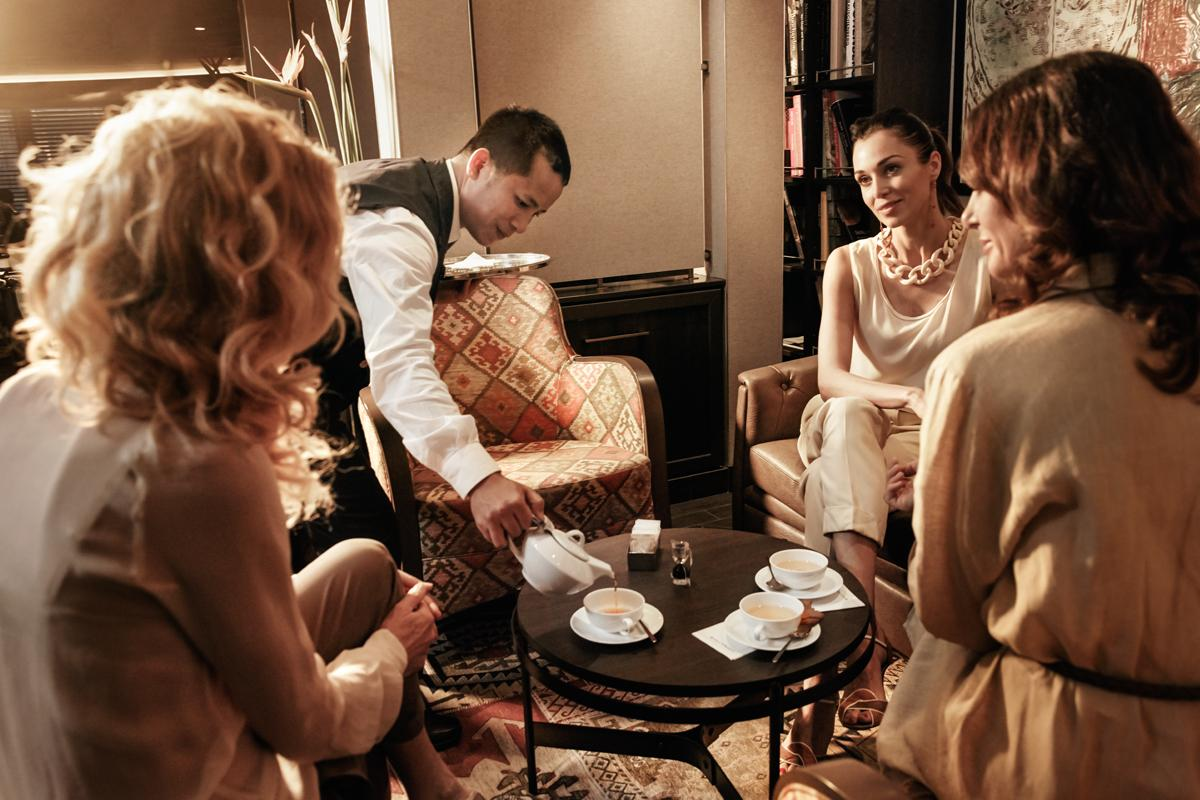
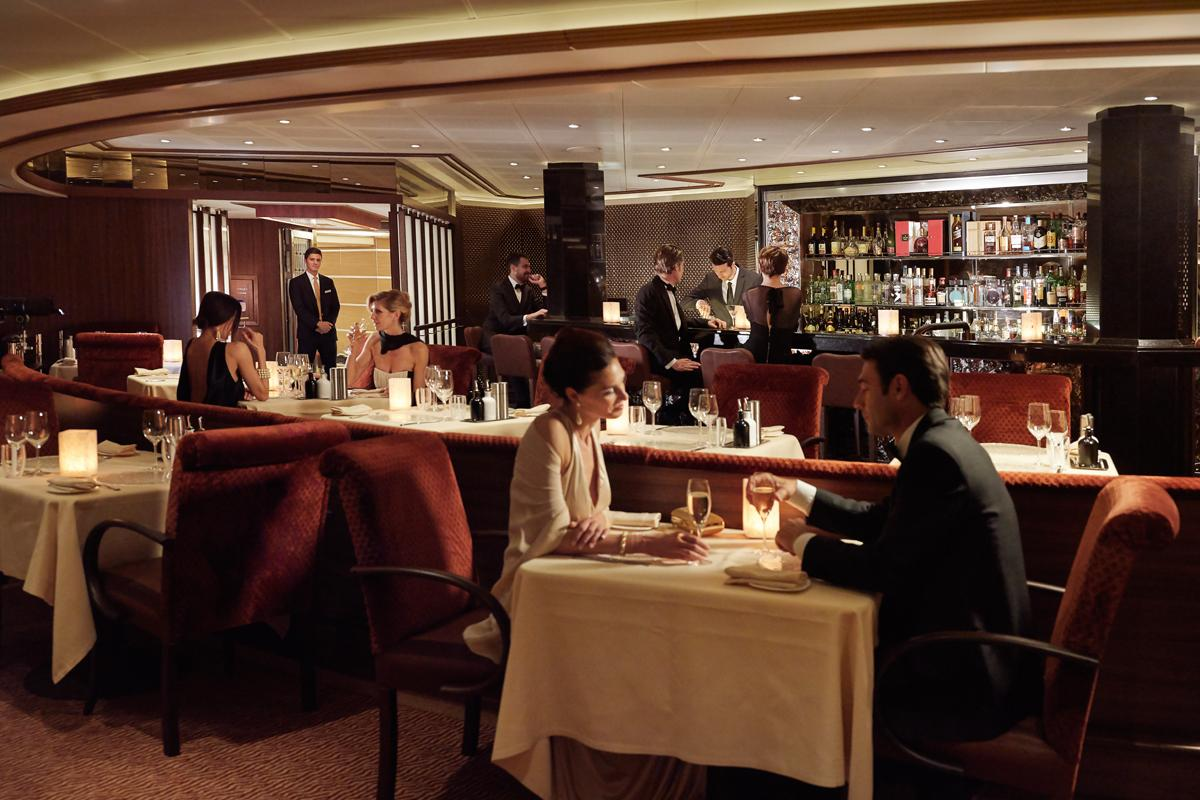
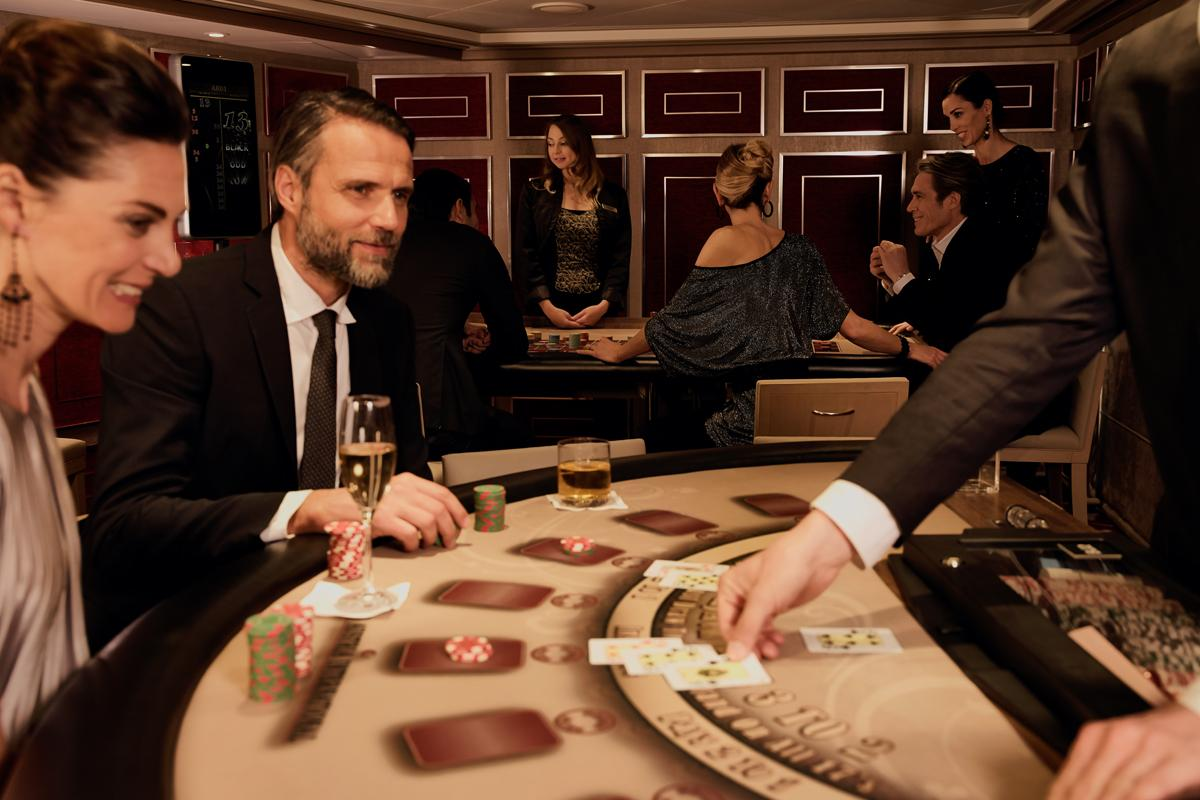
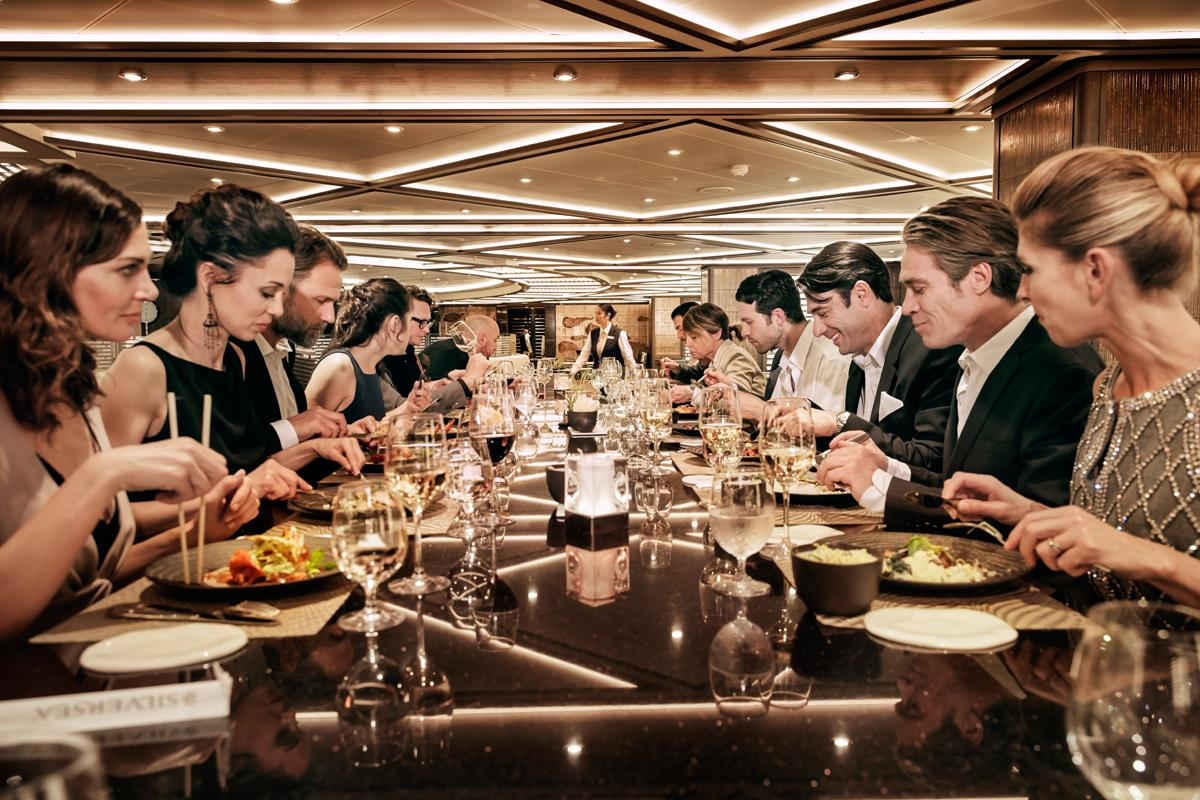
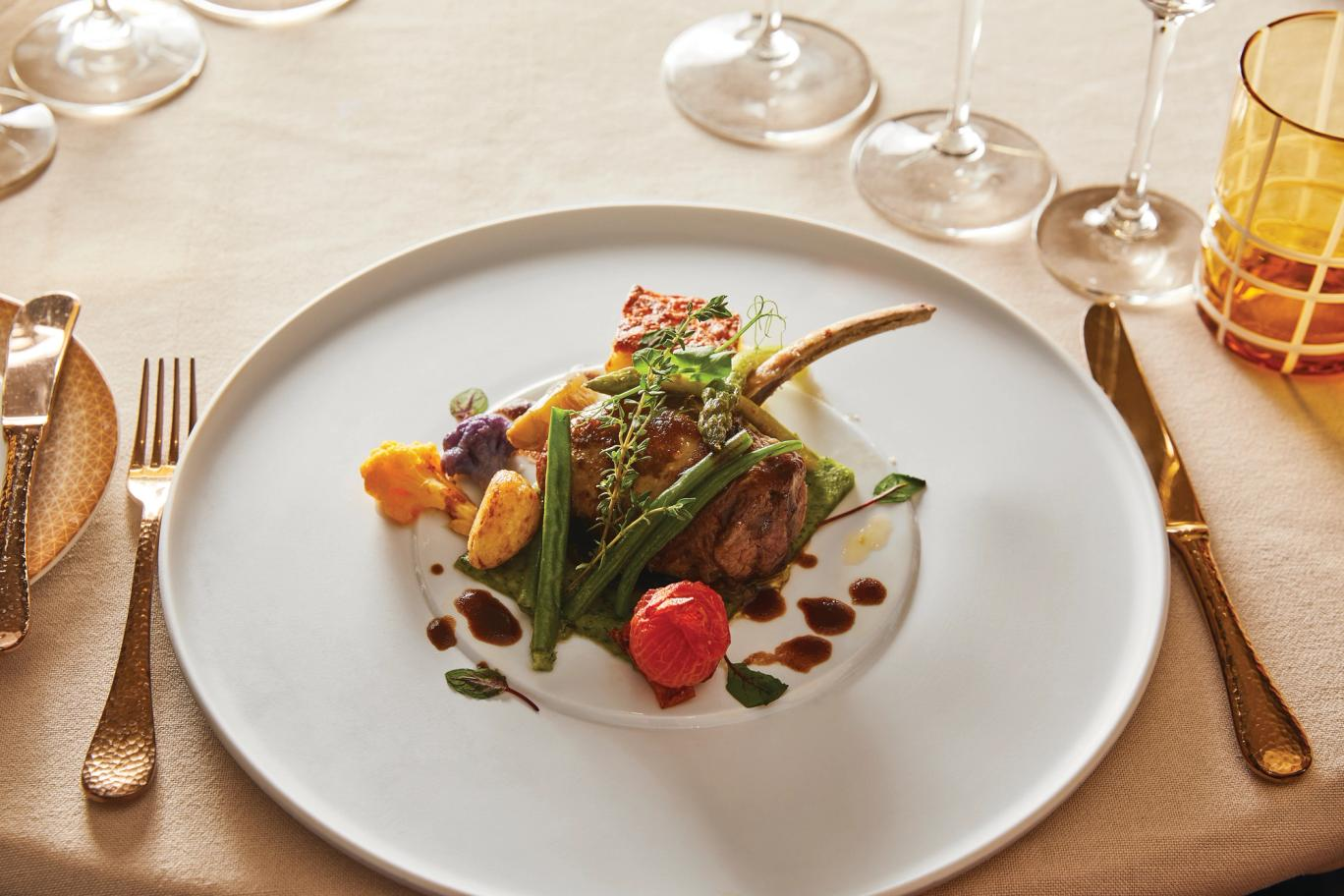
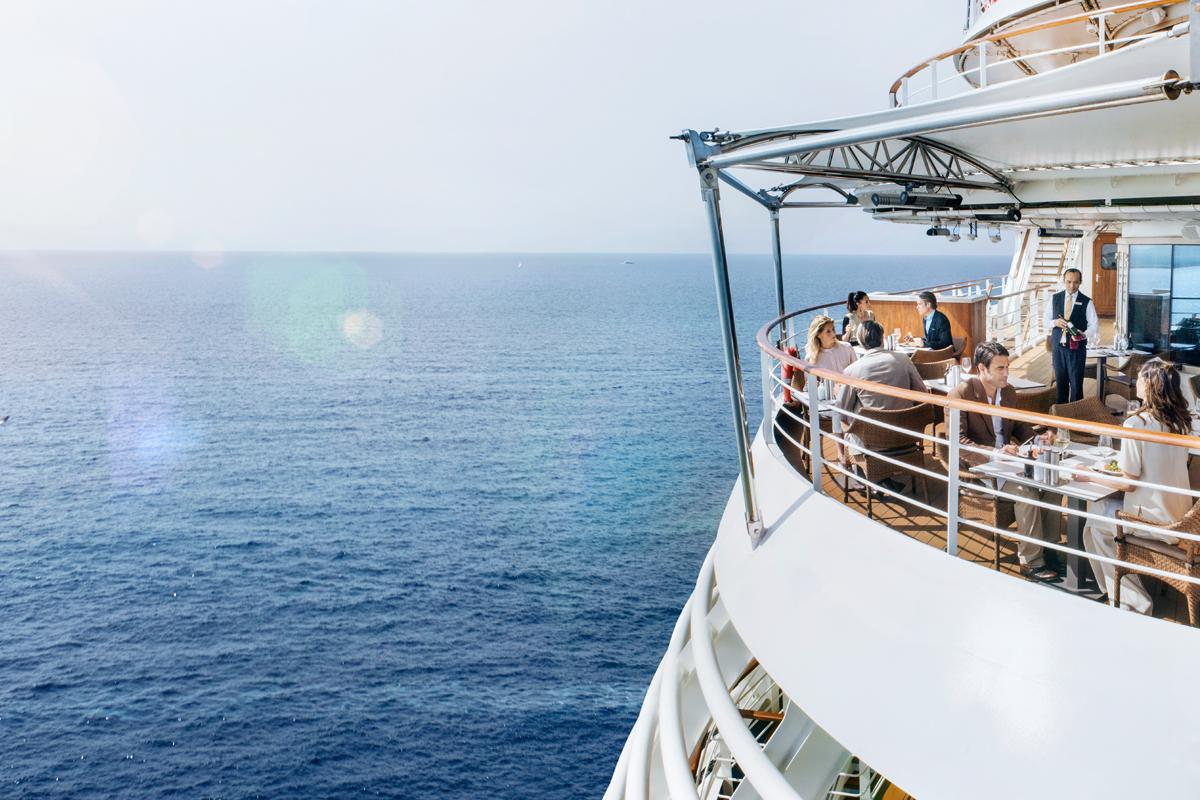
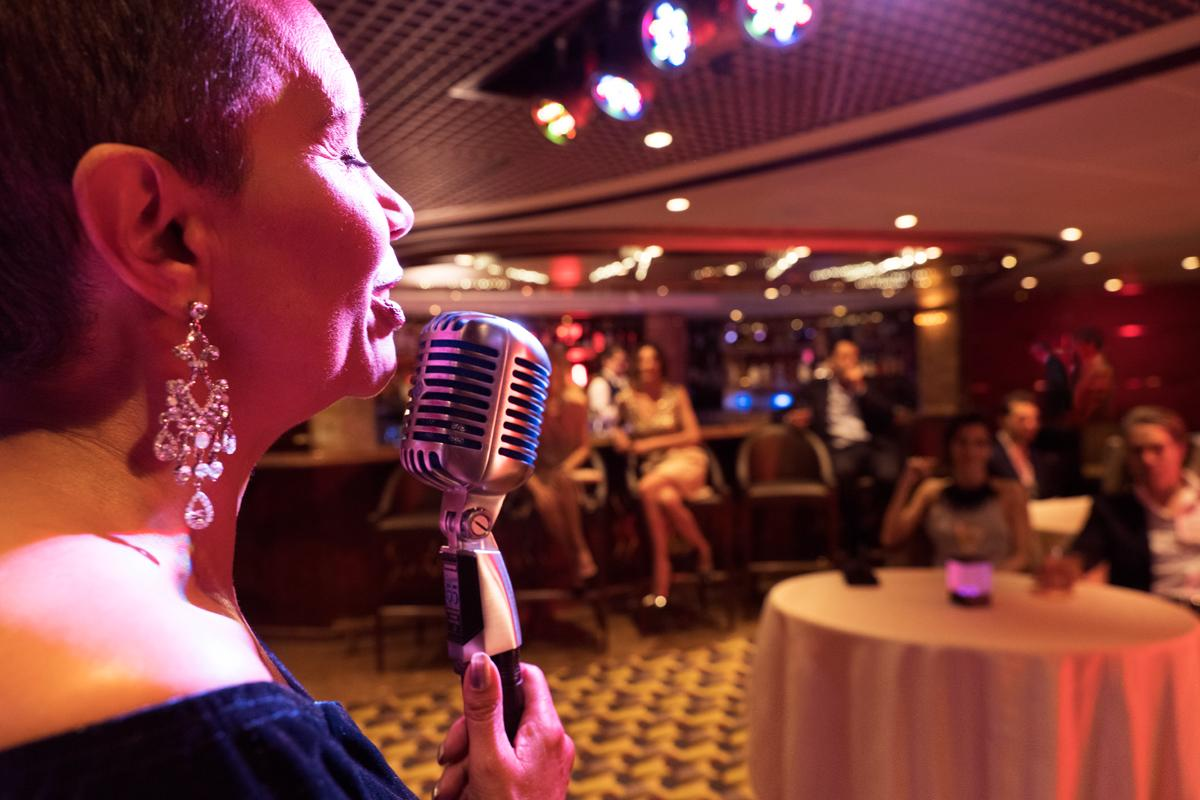
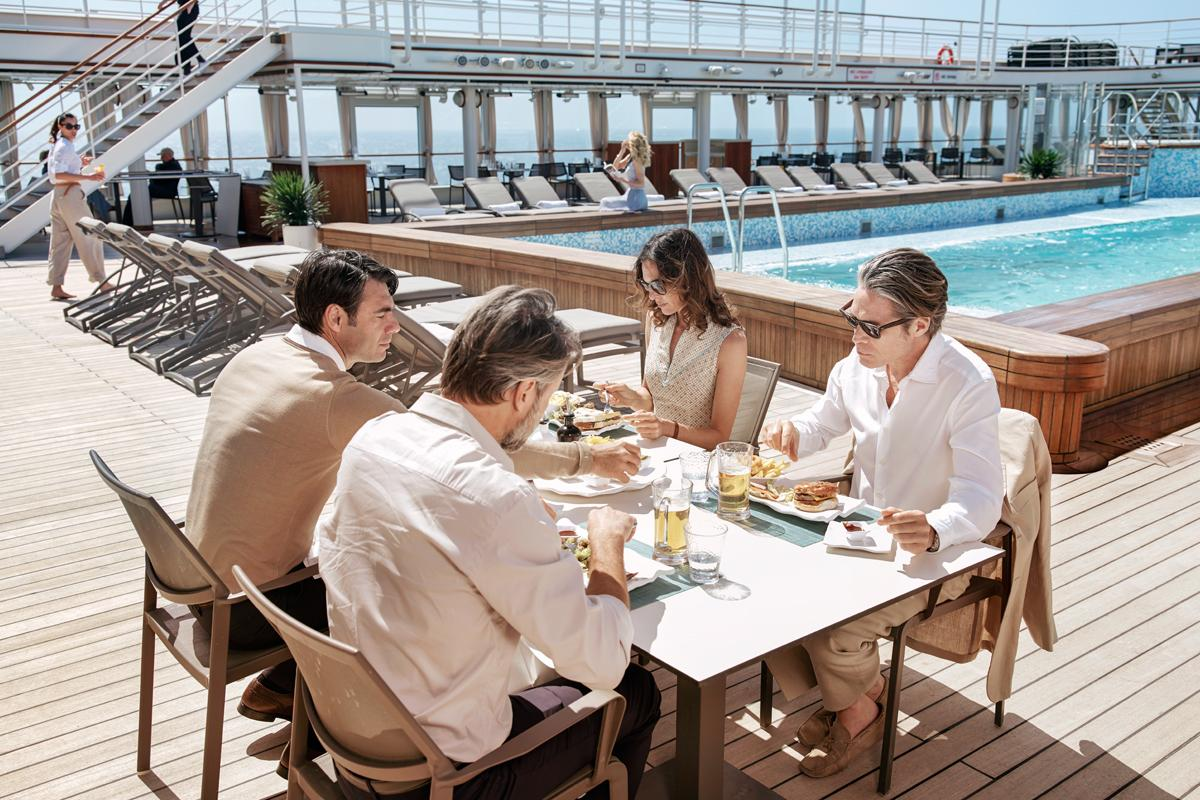
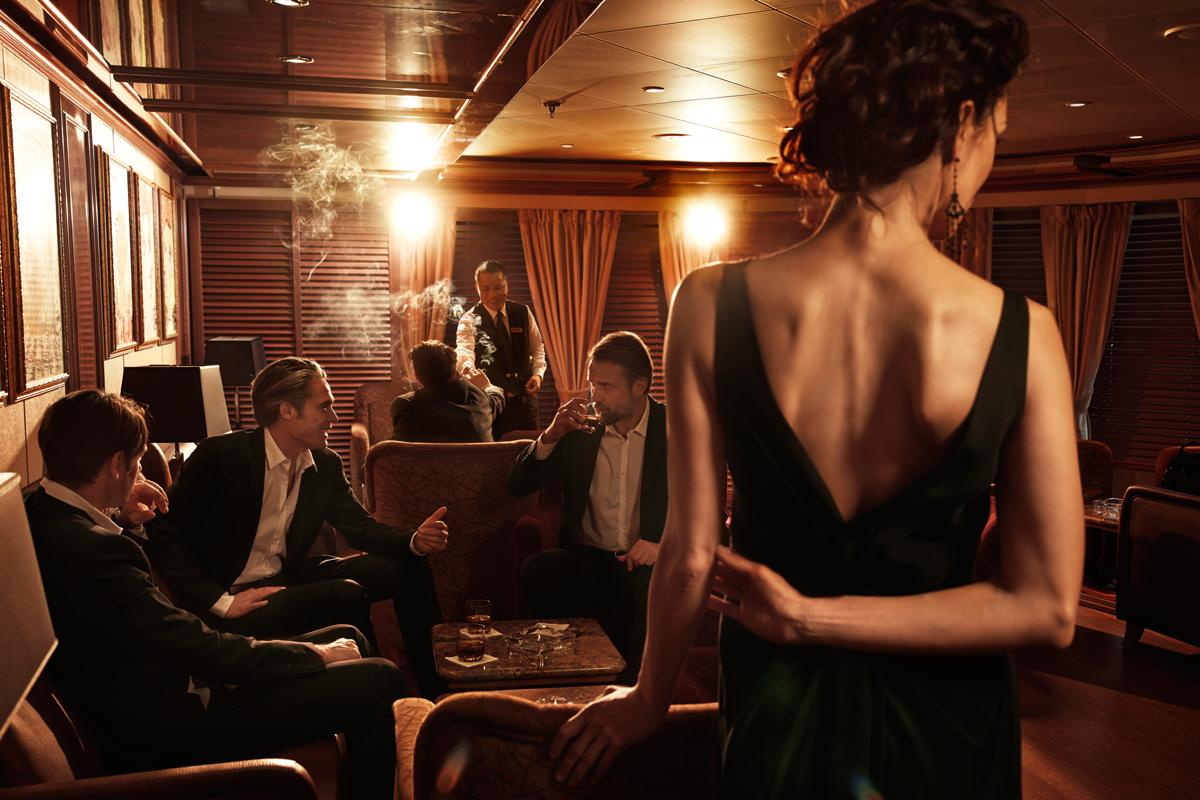
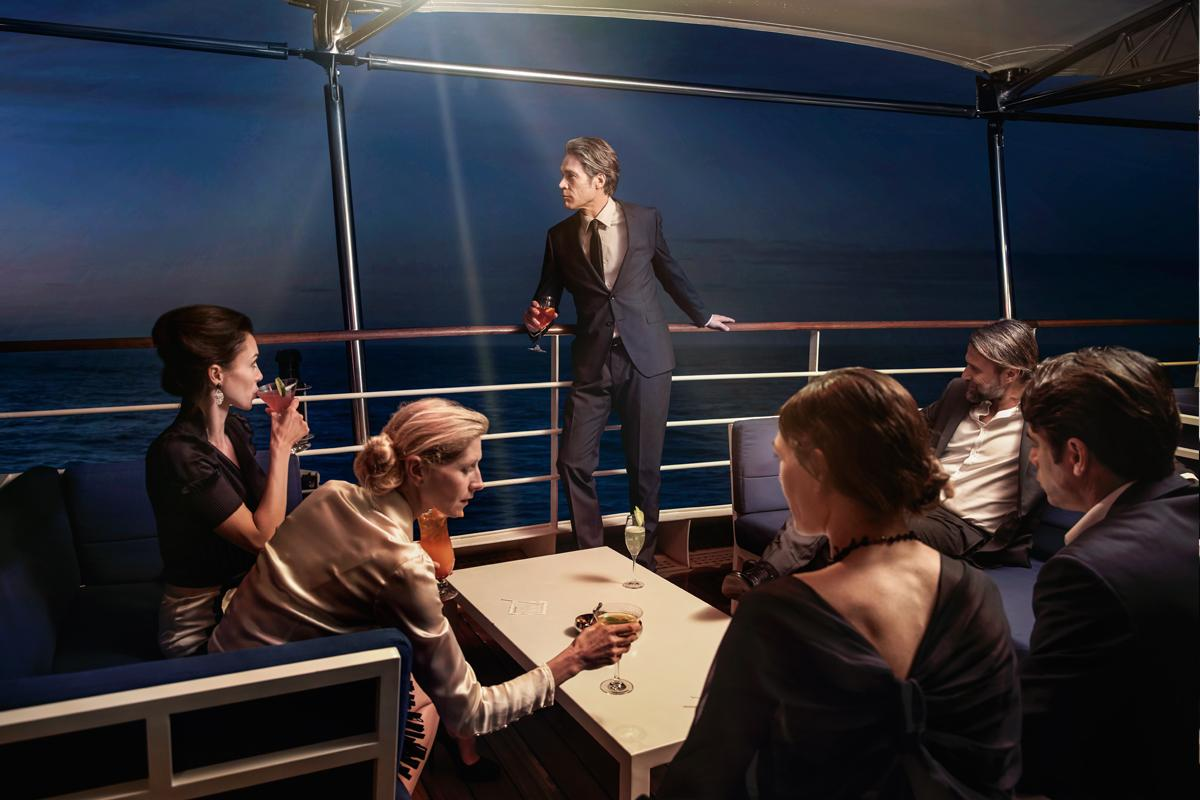
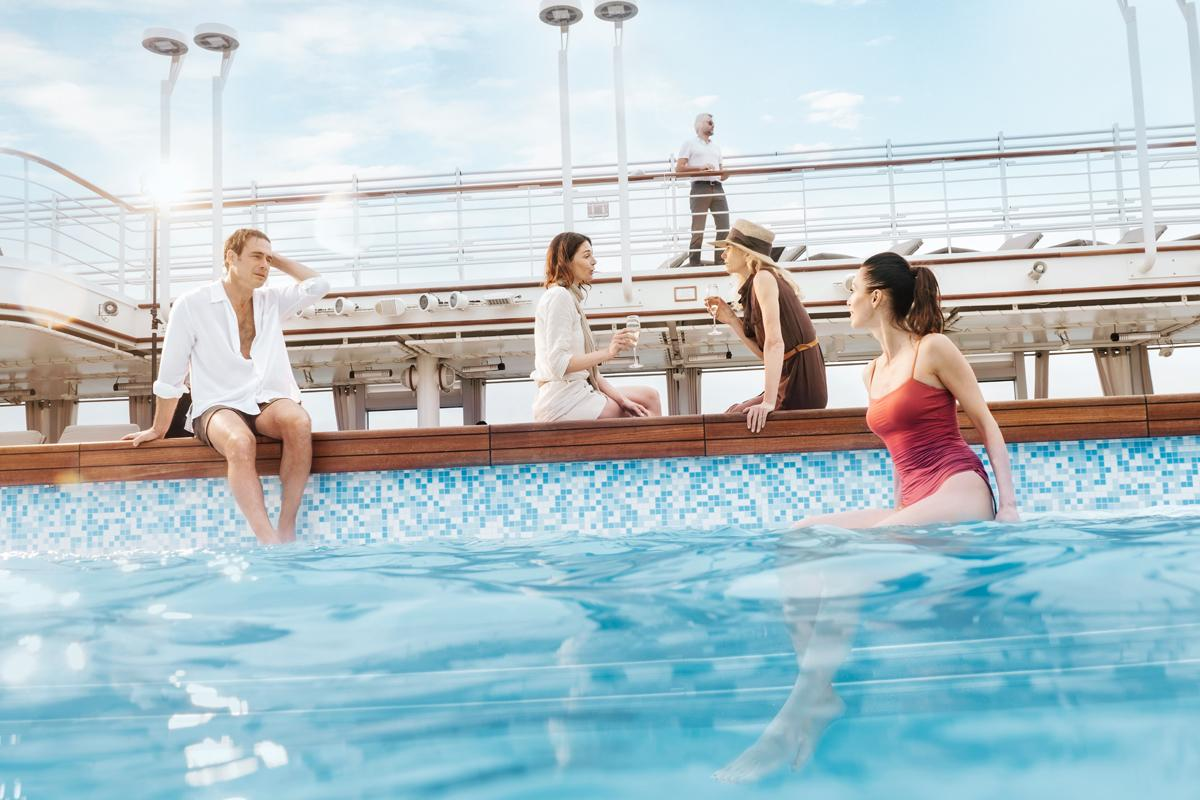
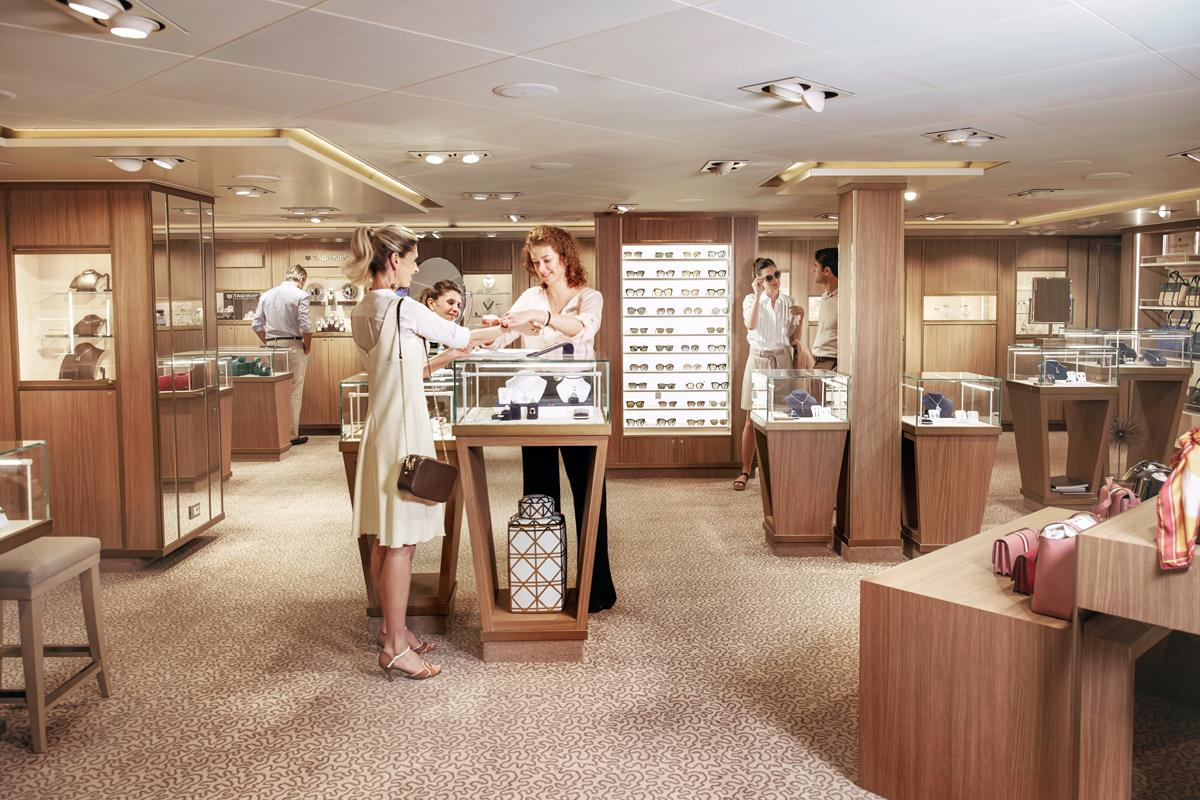
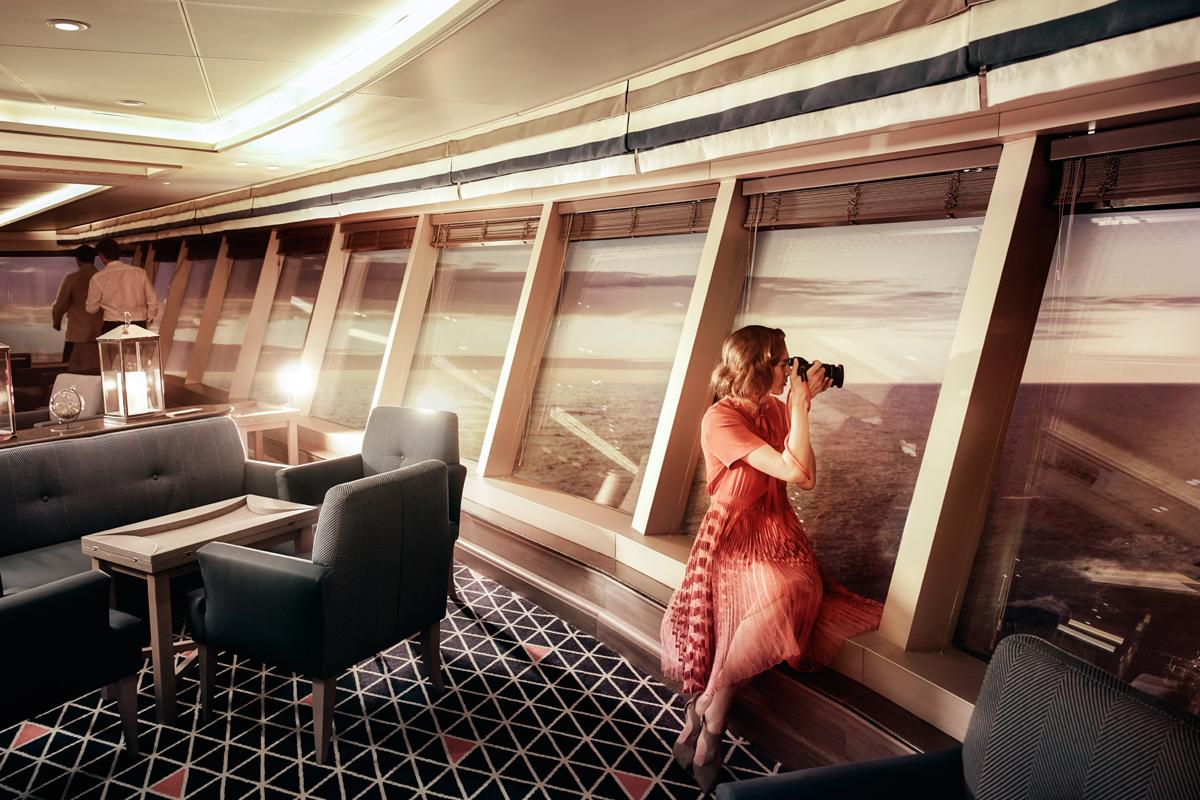
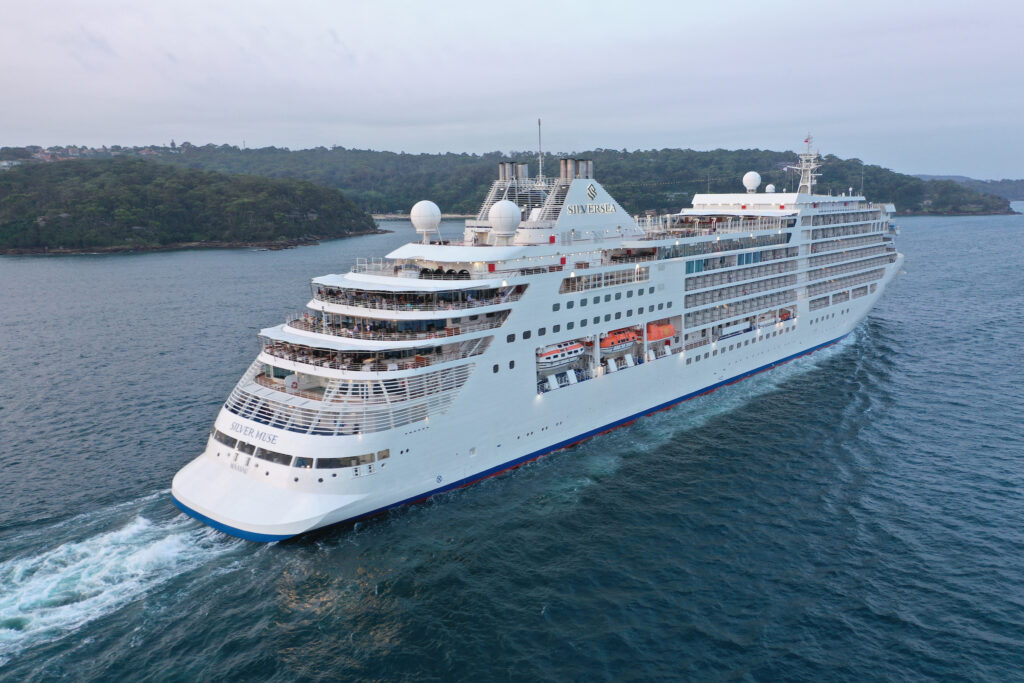
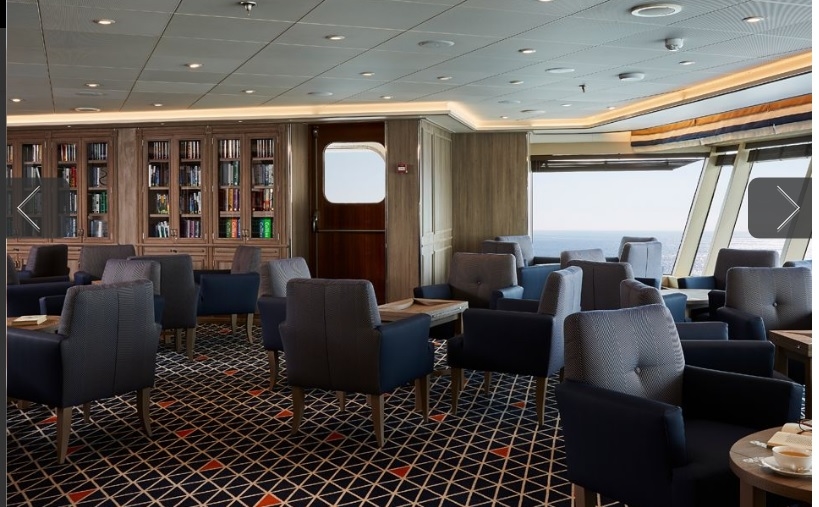
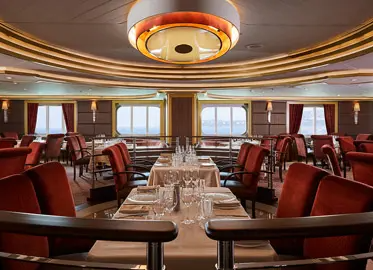
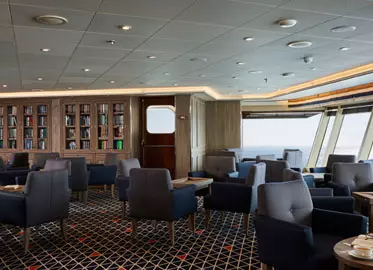
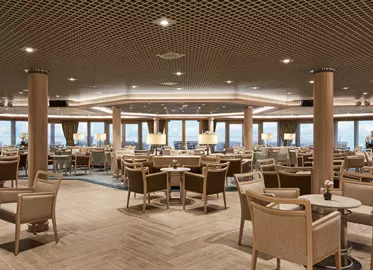
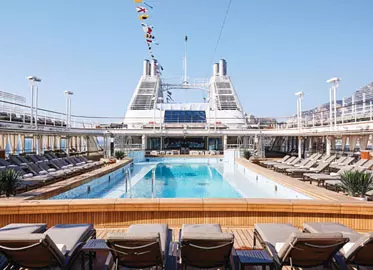
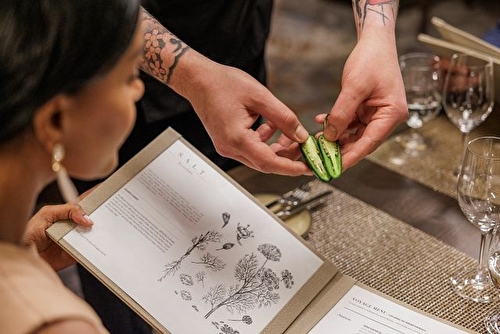
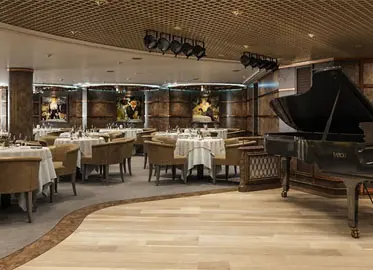
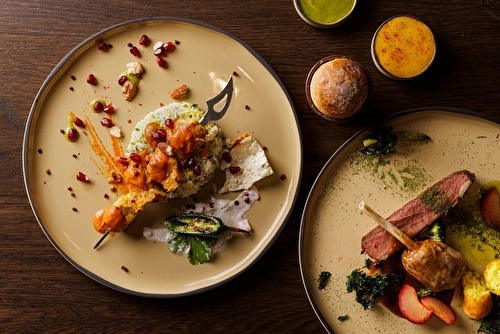
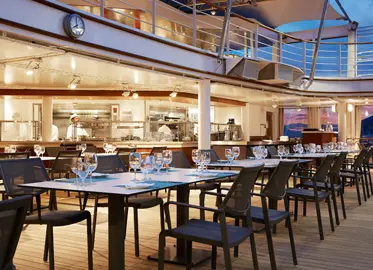
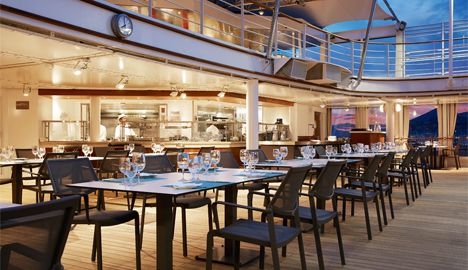
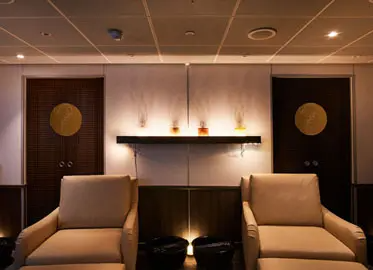
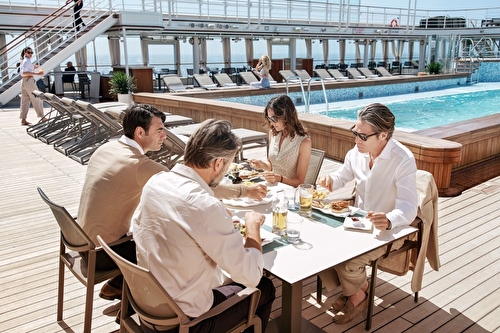
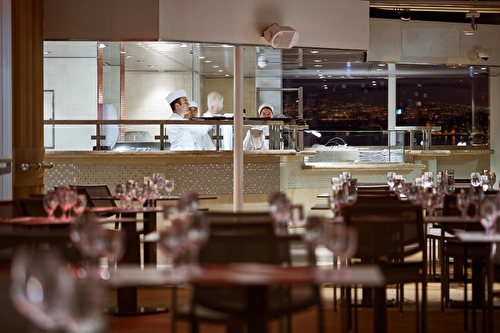
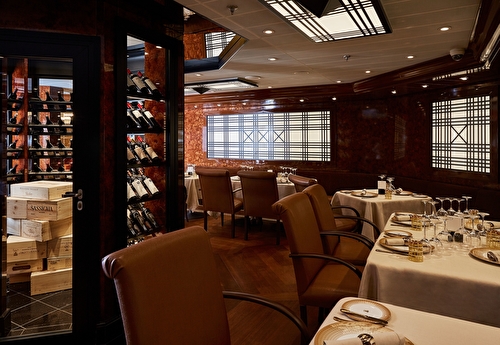
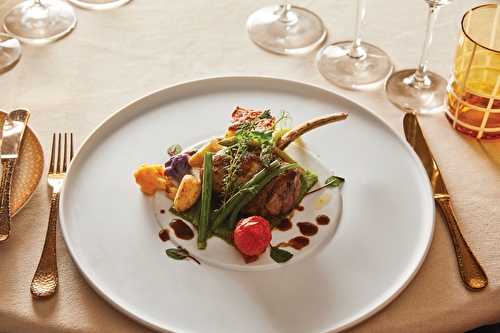
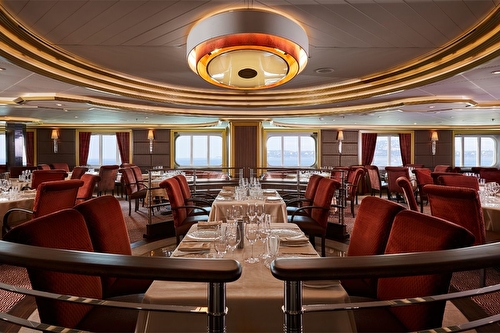
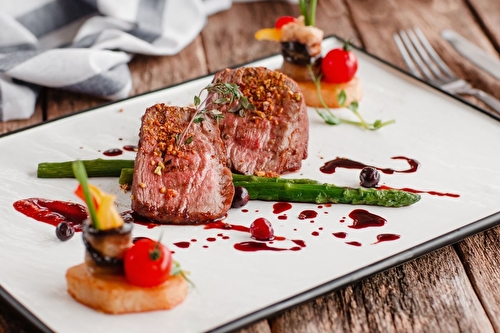
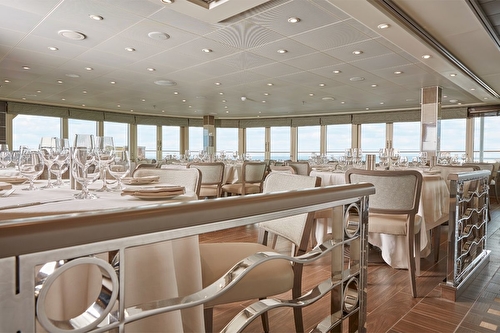
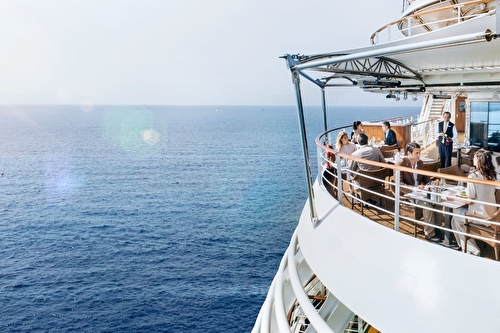
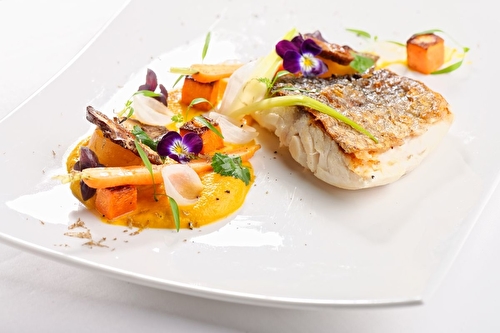
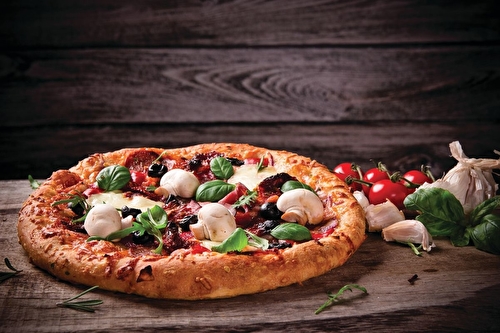
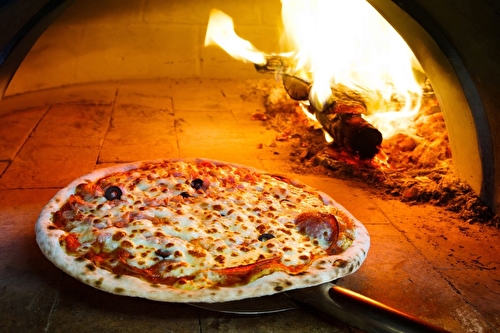
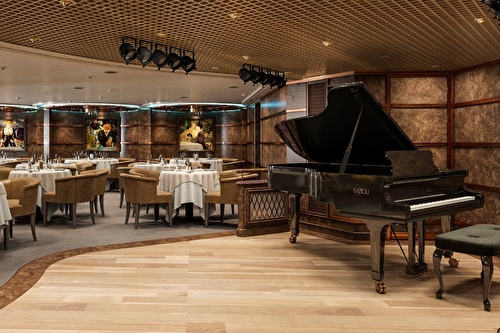
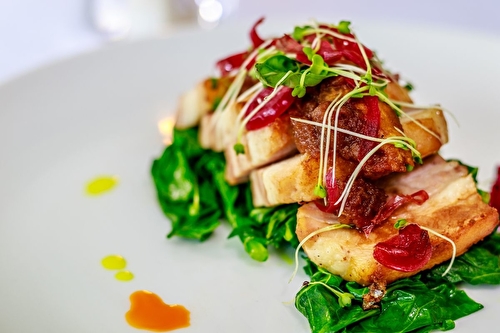
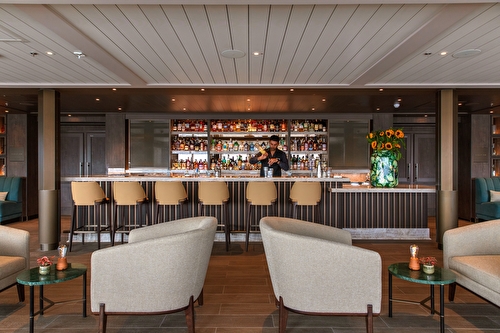
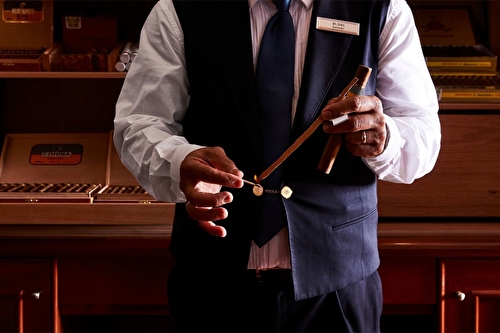
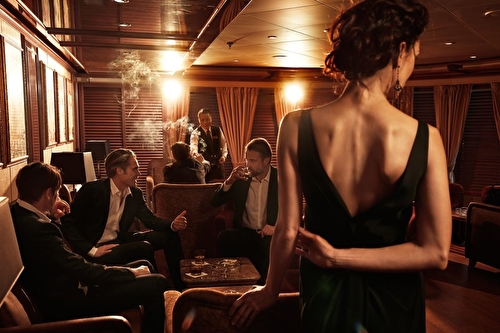
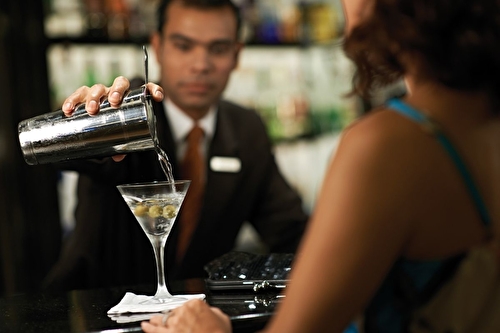
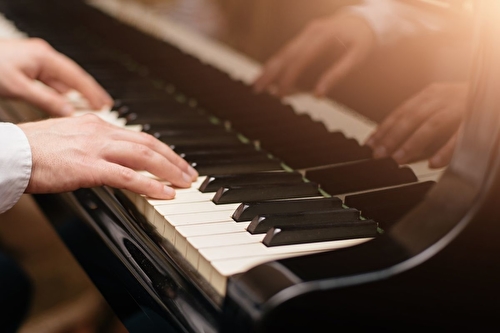
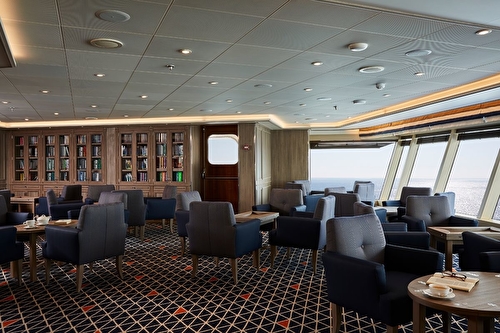
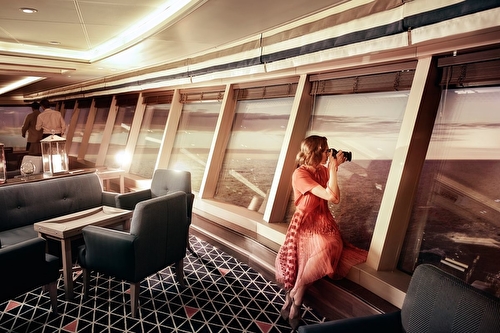
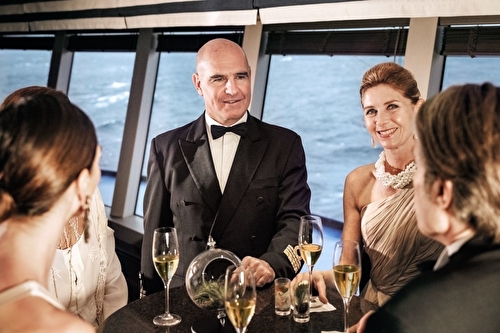
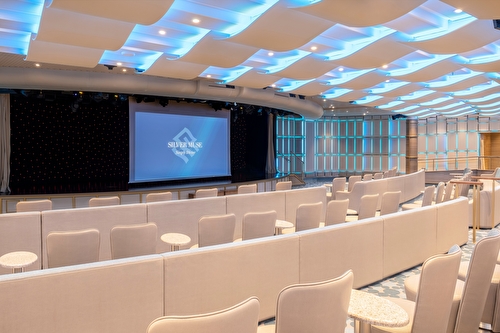
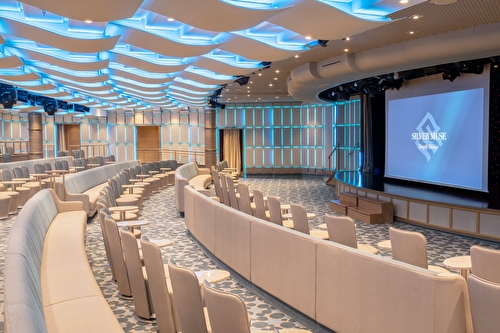
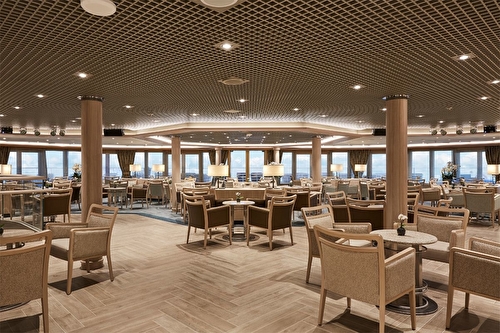
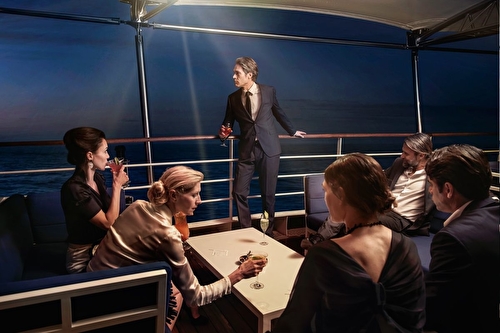
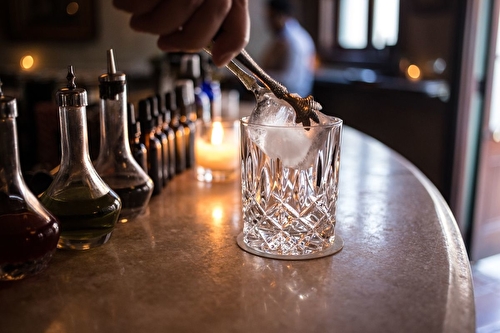
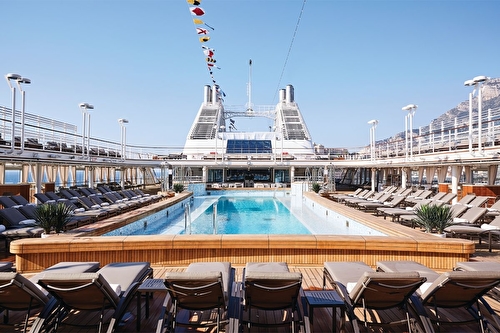
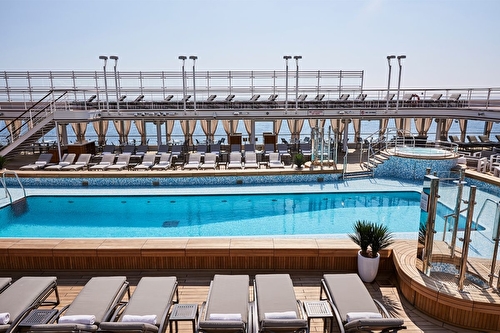
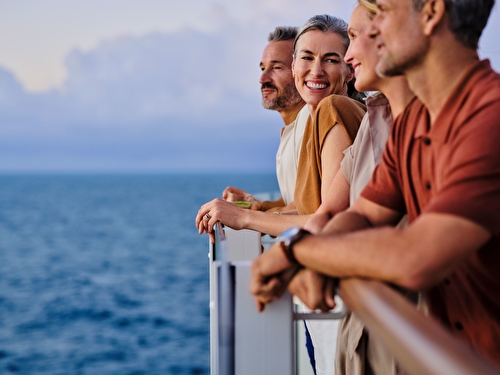
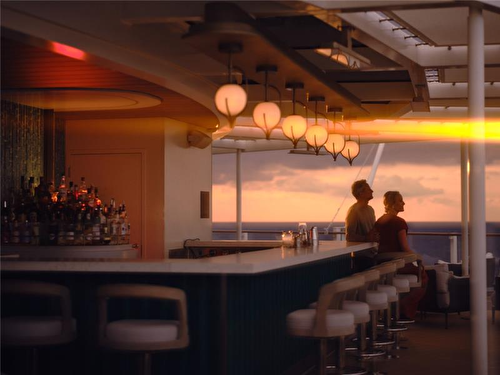
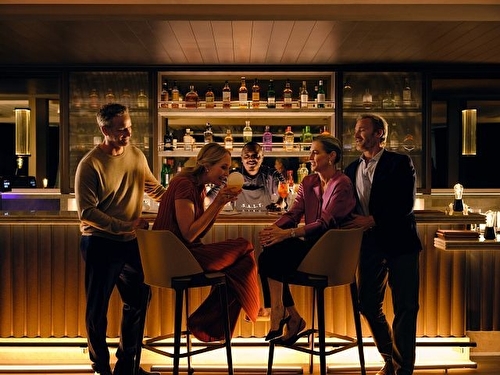
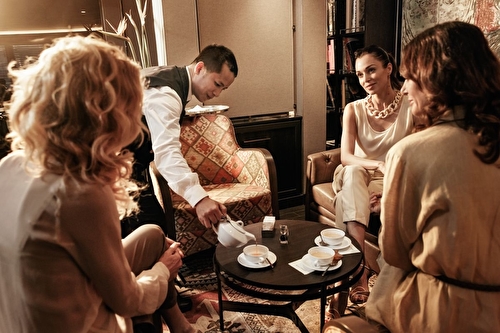
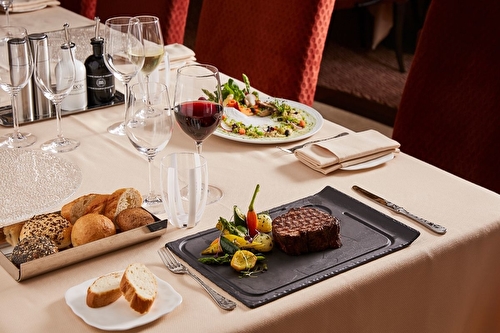
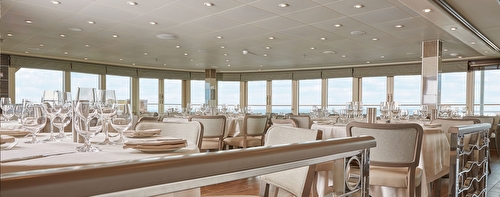
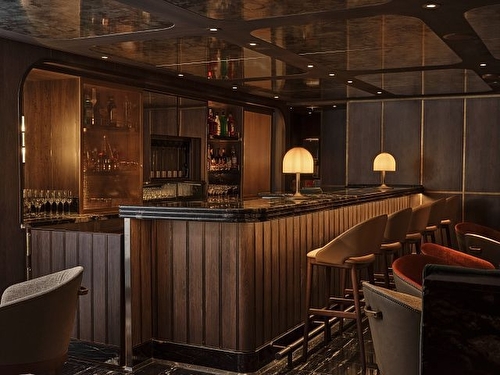
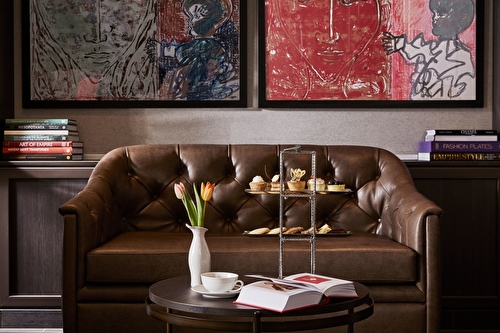
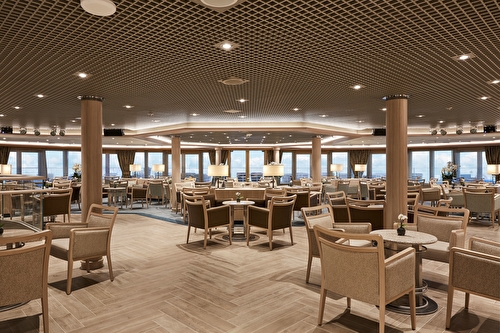
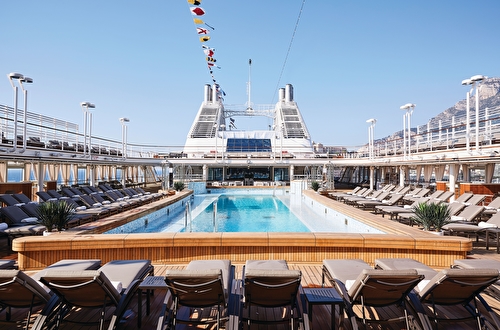
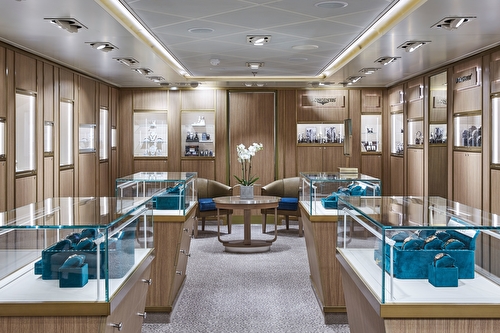
Silver Muse is without question an inspirational work of art. The best place between sea and sky, eight dining venues, spacious outdoor areas and up-to-the-minute technology makes her simply divine. ...versea Cruises is happy to present our new flagship, Silver Muse. Delivered in spring of 2017, the new ultra-luxury ship was built by Fincantieri and at 40,700 grt accommodates 596 guests. Representing an exciting evolution of Silver Spirit, Silver Muse redefines ultra-luxury ocean travel – enhancing the small-ship intimacy and spacious all-suite accommodations that are the hallmarks of the Silversea experience. The addition of Silver Muse expands Silversea’s fleet to nine ships, and once again significantly raises the bar in the ultra-luxury cruise market with a wealth of enhancements to the onboard experience, while satisfying the uncompromising requirements for comfort, service, and quality of the world’s most discerning travellers. More Less
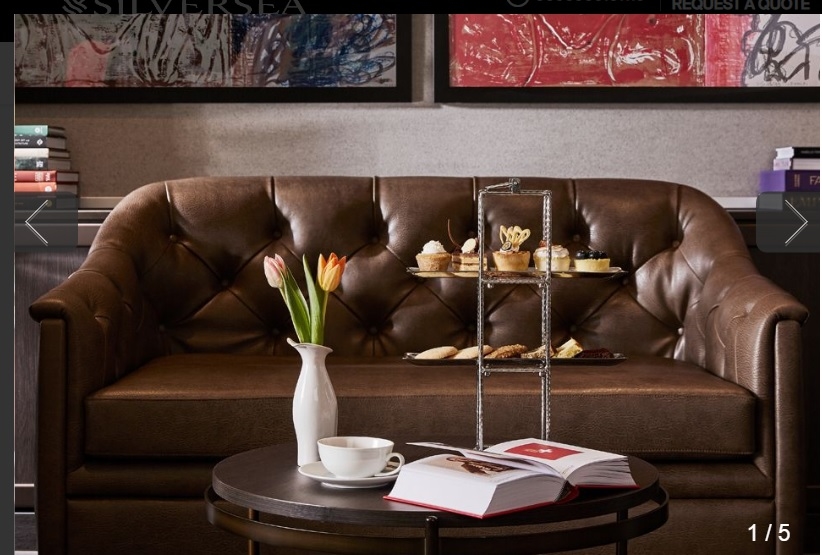
  • Arts café
    arts café
    More
  • Atlantide
    atlantide
    More
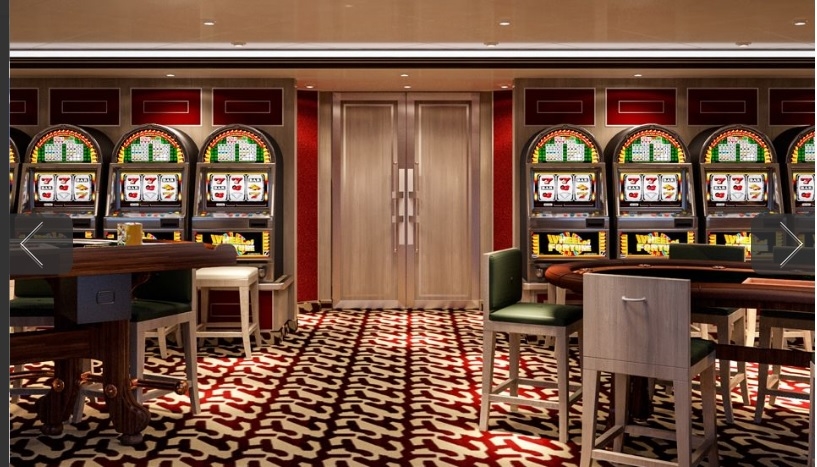
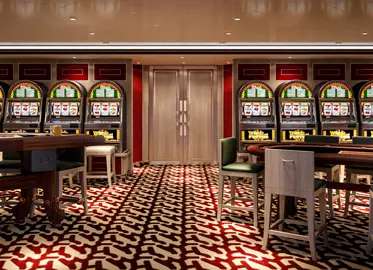
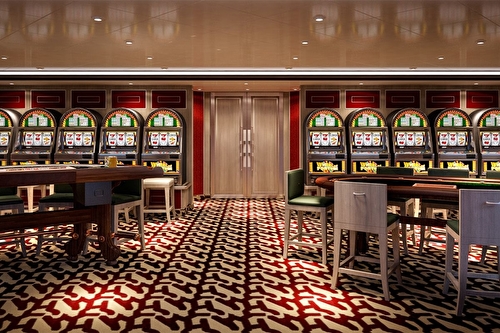
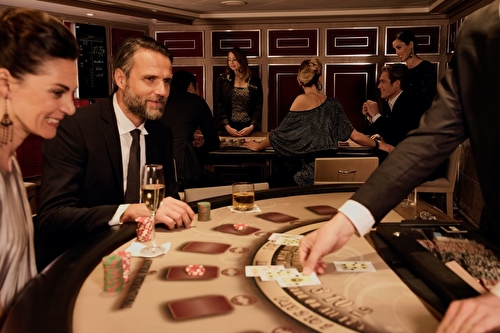
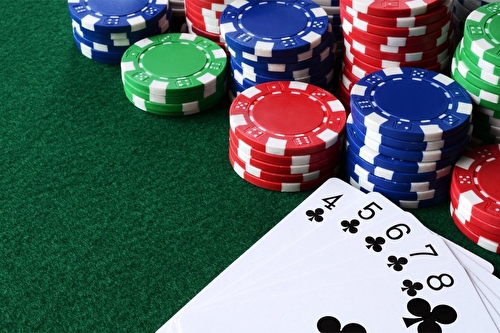
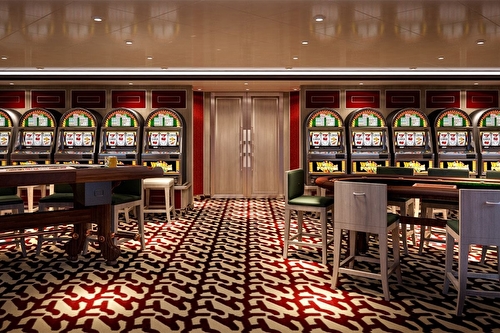
  • Casino
    casino
    More
  • Dolce vita
    dolce vita
    More
  • Indochine
    indochine
    More
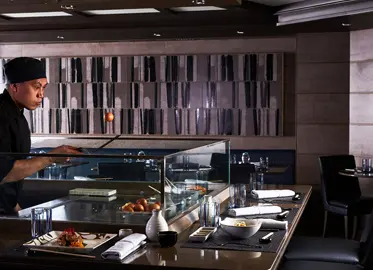
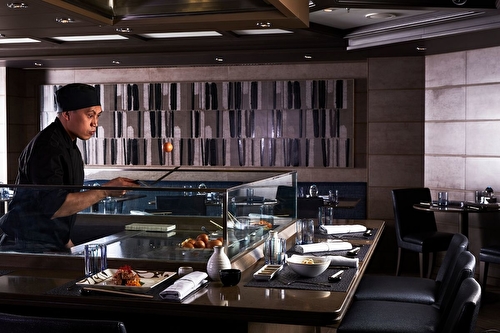
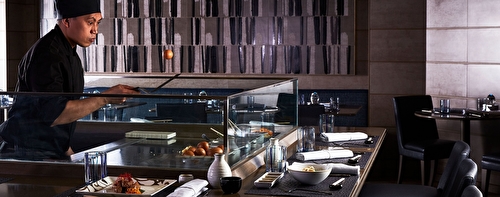
  • Kaiseki
    kaiseki
    More
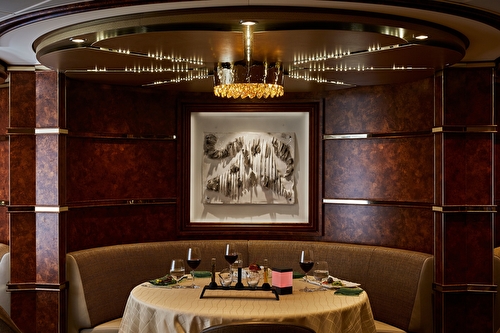
  • La dame
    la dame
    More
  • La terrazza
    la terrazza
    More
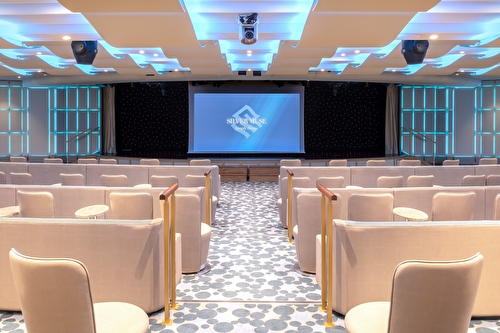
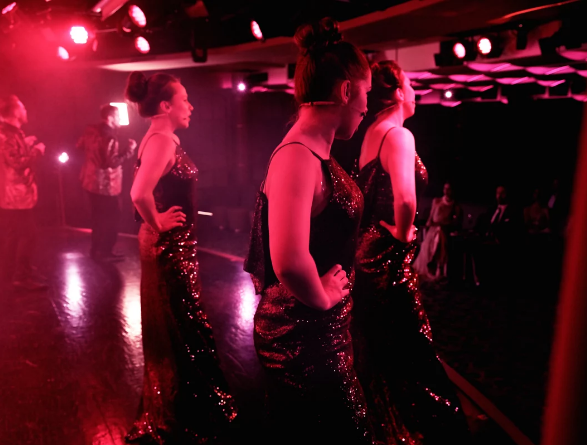
  • Silver note
    silver note
    More
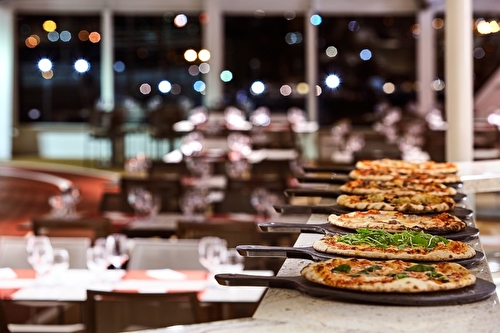
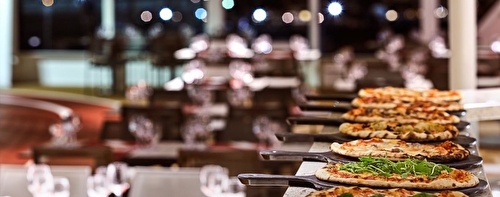
  • Spaccanapoli
    spaccanapoli
    More
  • The grill
    the grill
    More
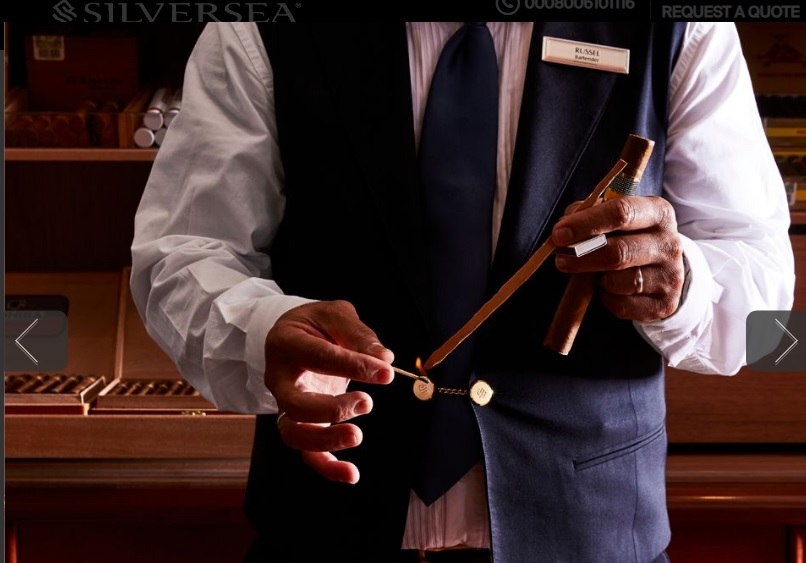
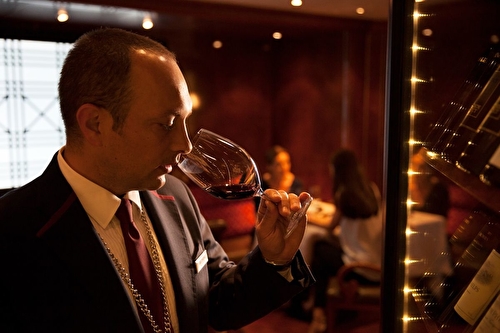
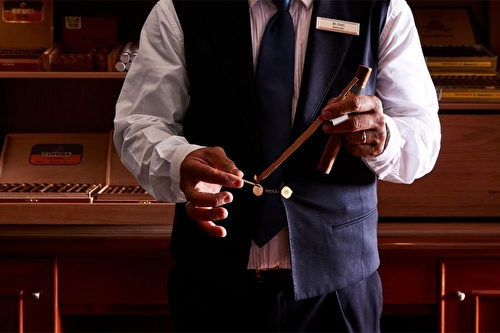
  • Connoisseur’s corner
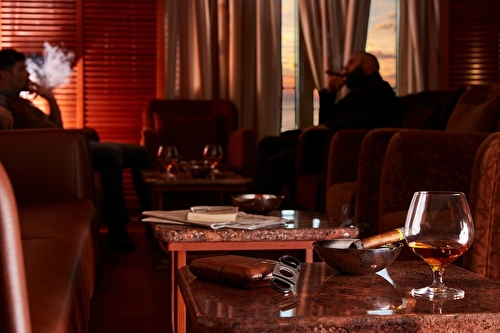
    connoisseur’s corner
    More
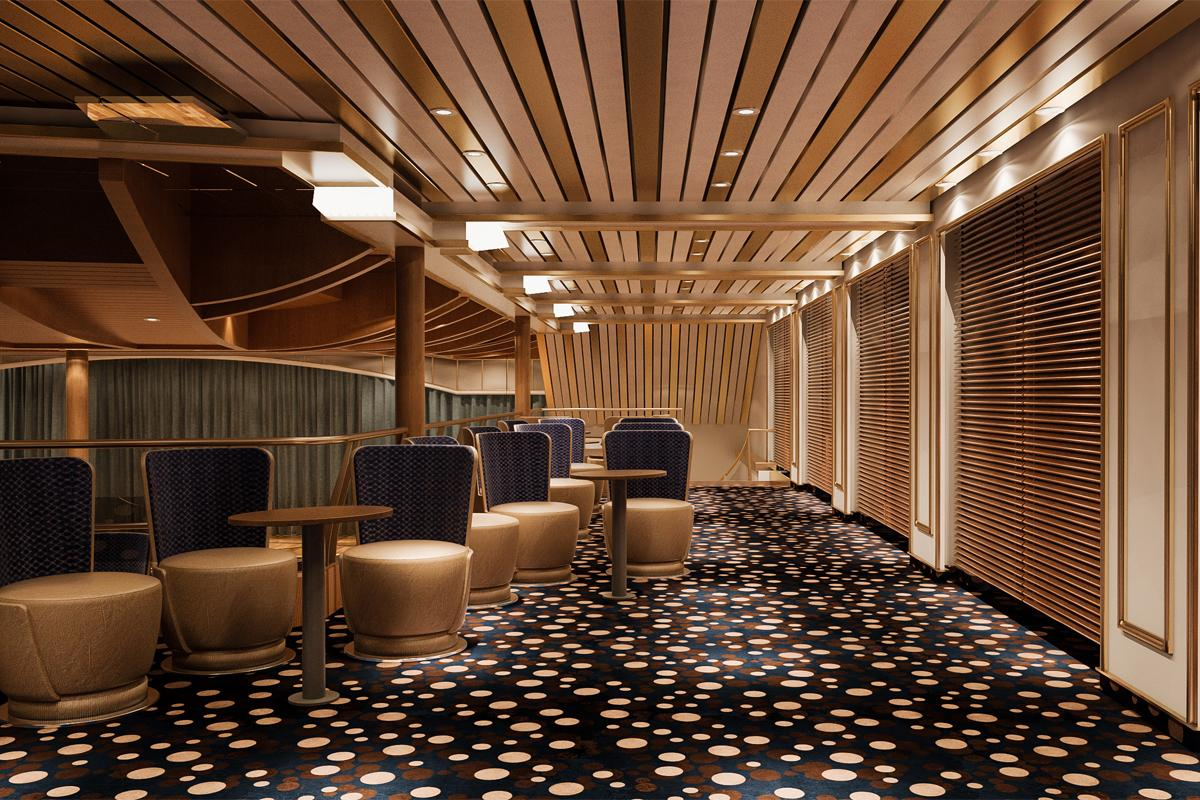
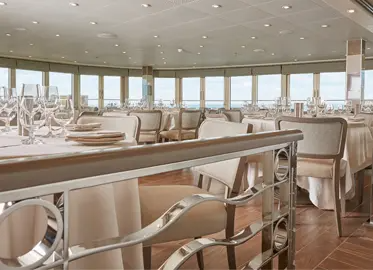
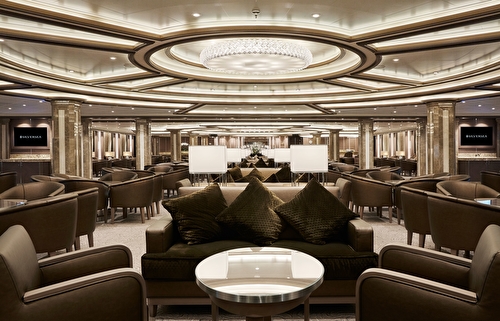
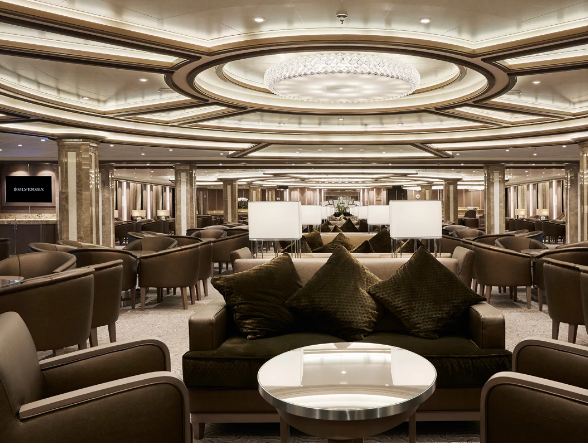
  • Panorama lounge
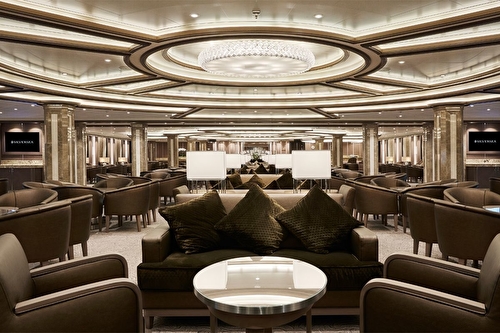
    panorama lounge
    More
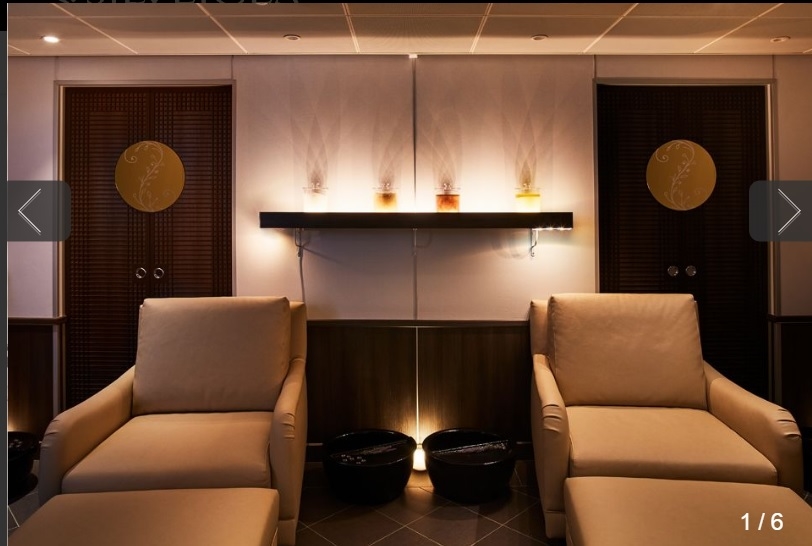
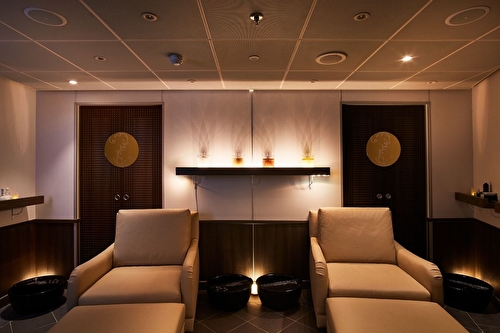
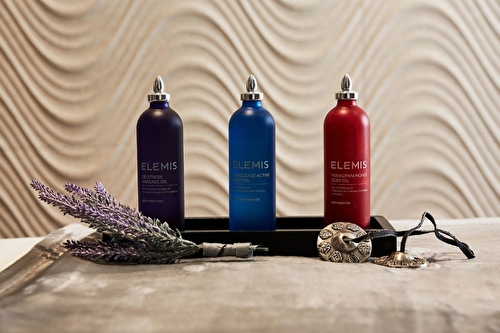
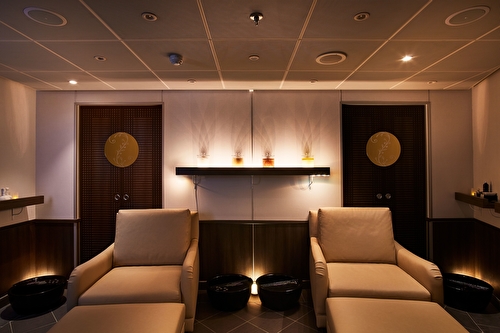
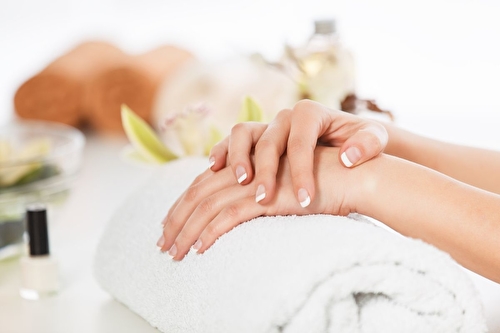
  • Zagara beauty spa
    zagara beauty spa
    More
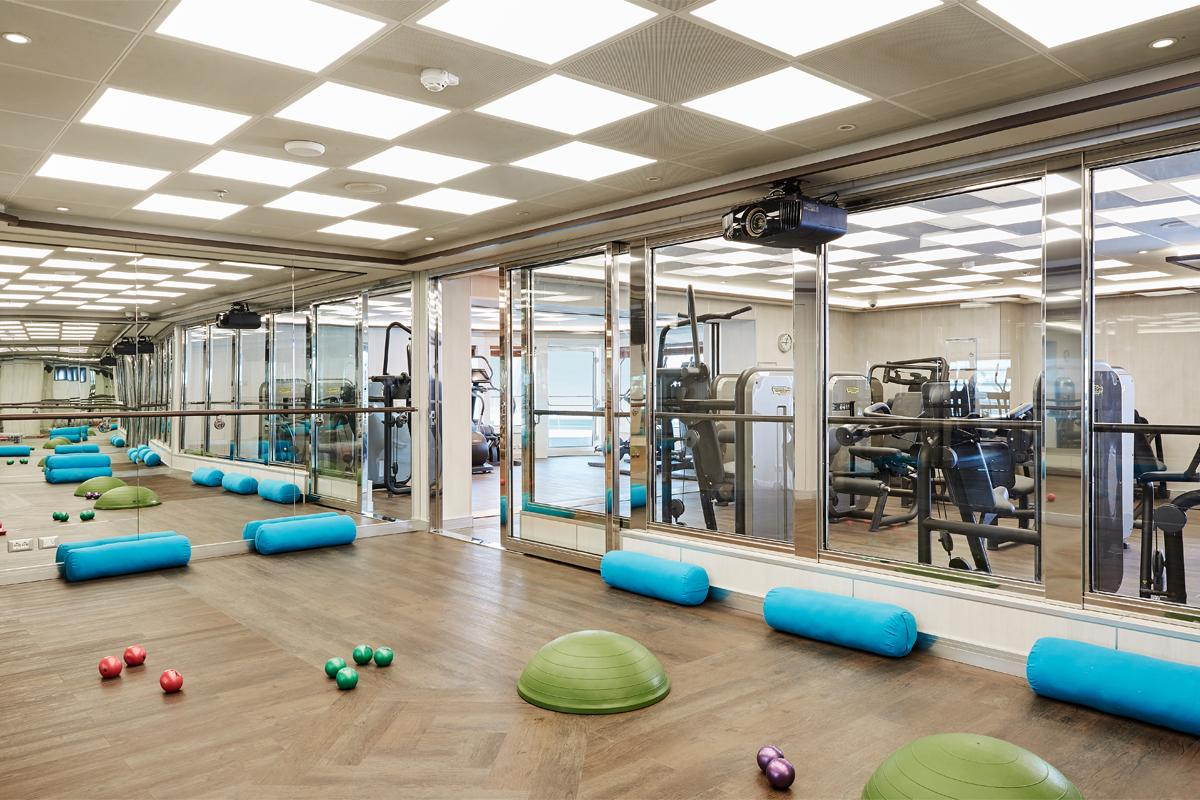
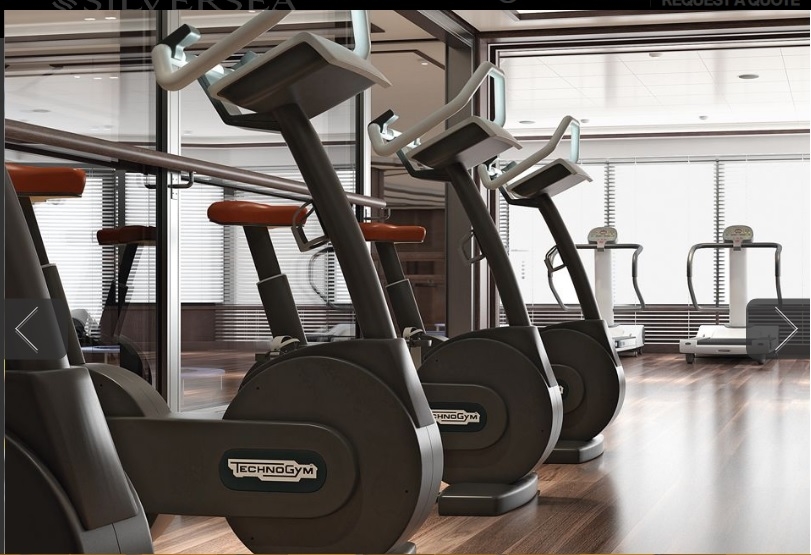
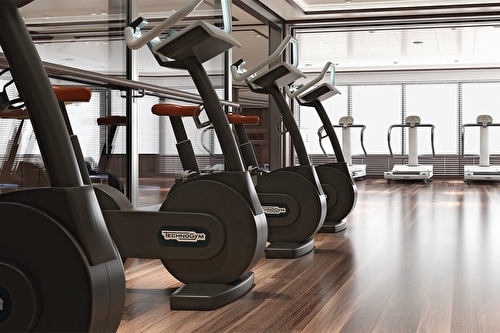
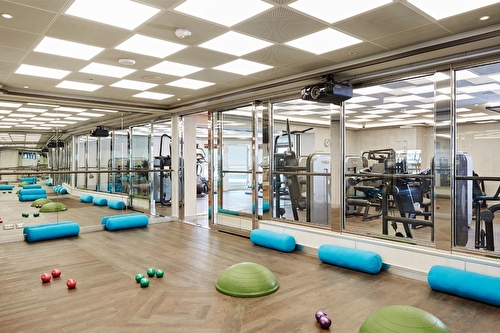
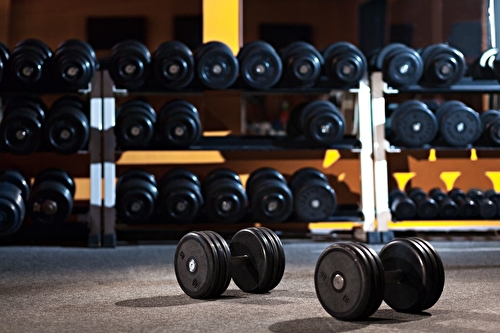
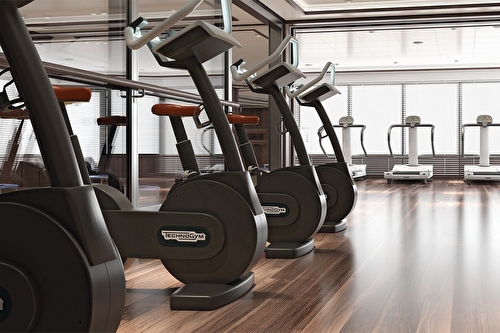
  • Fitness center
    fitness center
    More
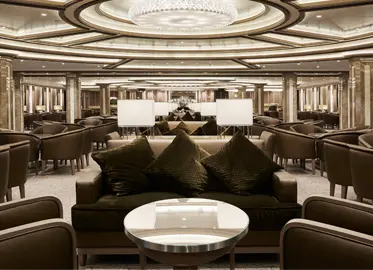
  • Venetian lounge
    venetian lounge
    More
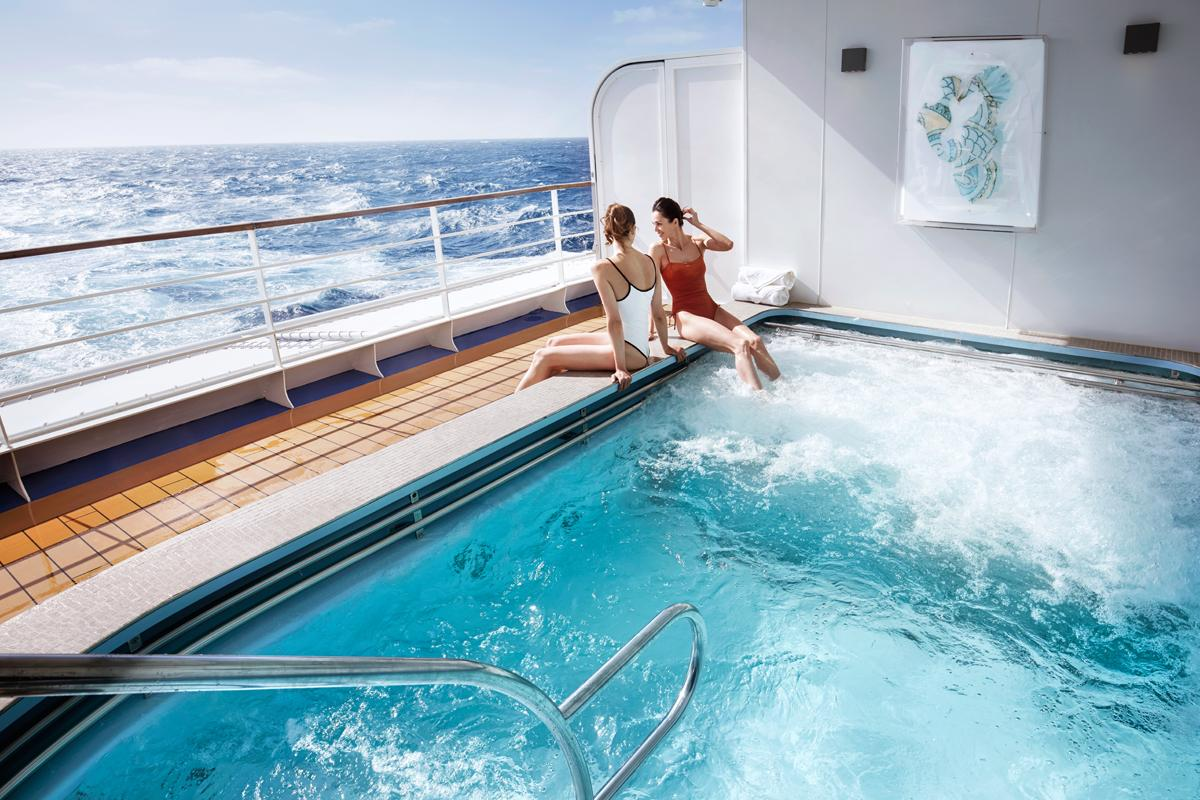
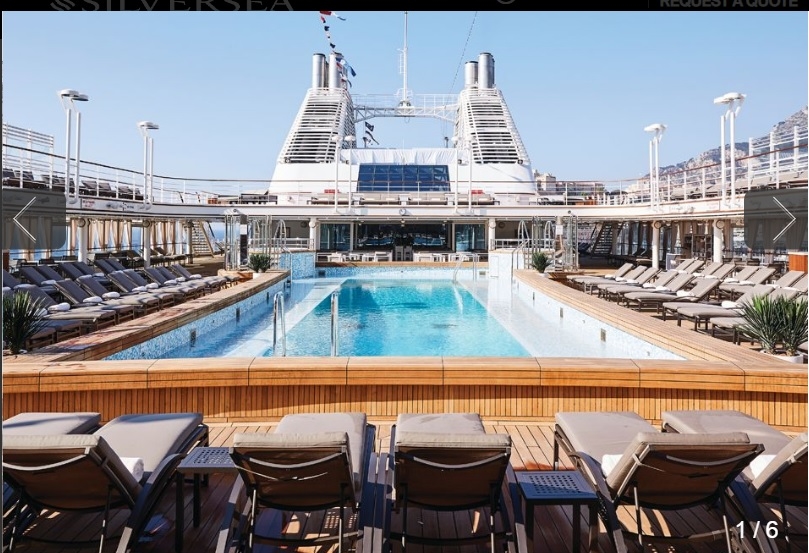
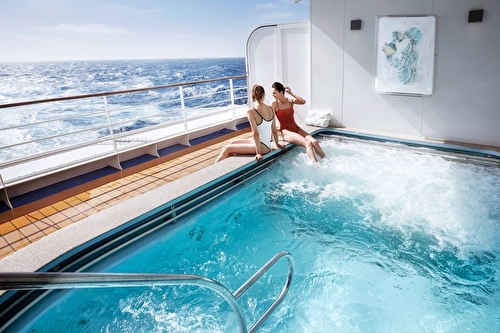
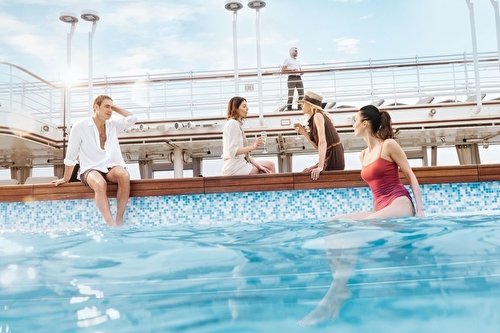
  • Pool deck & jacuzzi area
    pool deck & jacuzzi area
    More
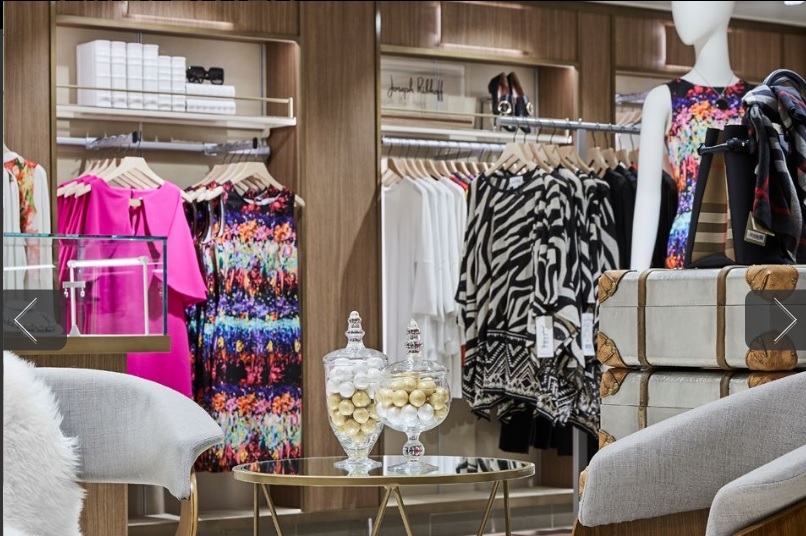
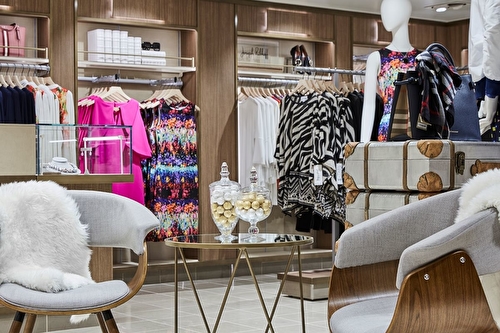
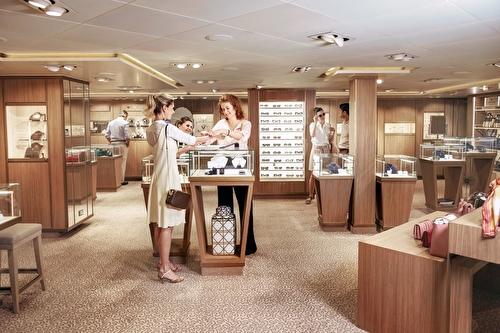
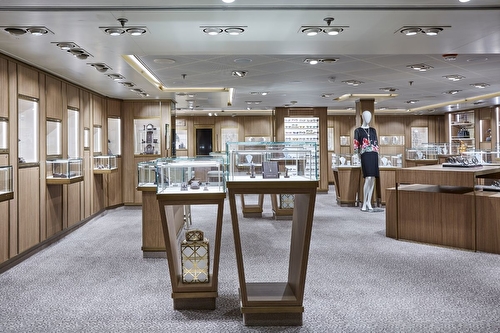
  • Boutique
    boutique
    More
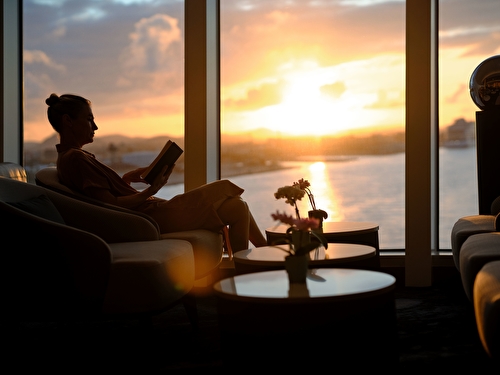
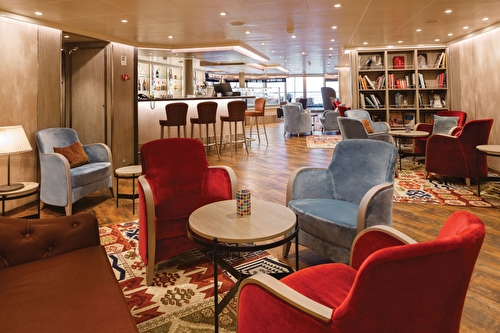
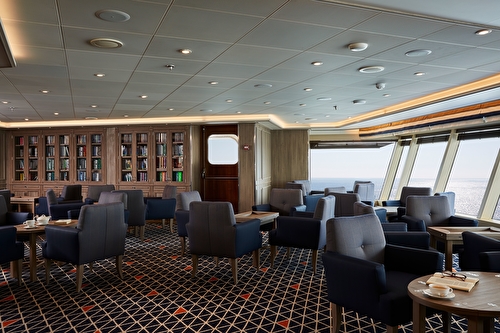
  • Observation library
    observation library
    More
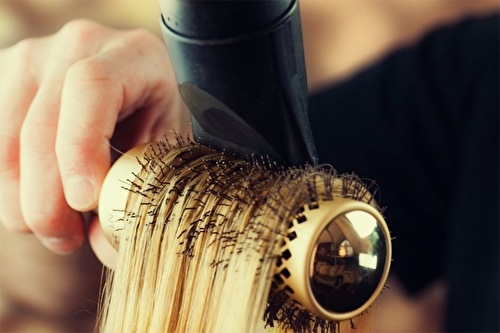
  • Zagara beauty salon
    zagara beauty salon
    More

Staterooms

suite

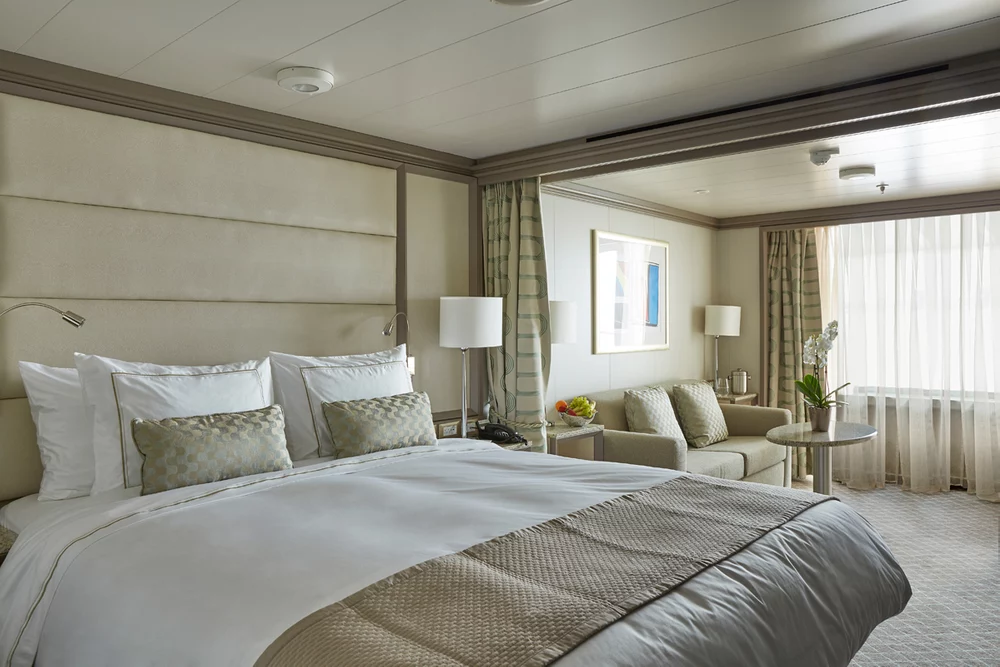
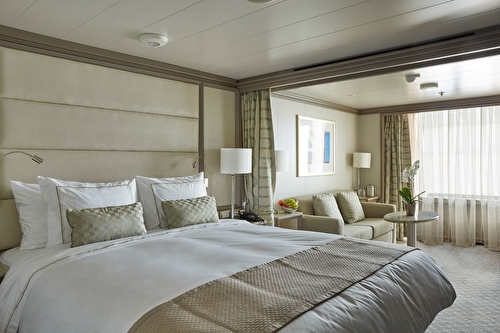
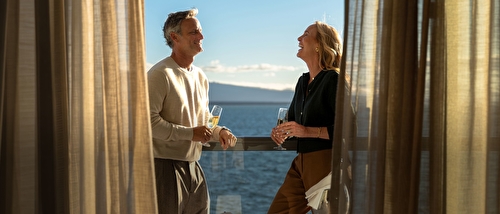
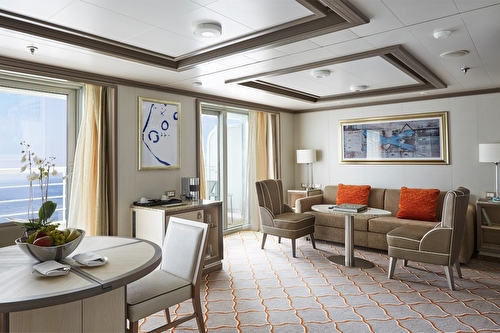
The Vista Suite provides generous living space for all travellers. The Vista Suite offers all the c ... omfort and attention to detail that you can expect aboard. A generous expanse of interior comforts — elegant décor, stunning marble bathroom and ample seating area, make this a cosy home away from home. The seating area of the Vista Suite has plenty of room to relax, while large picture windows frame panoramic ocean views, the perfect backdrop for breakfast in bed! 3 Wheelchair Accessible Suites (407, 409, 417) Sitting area. Twin beds or queen-sized bed. Marble bathroom with vanity, full-sized bath, separate shower. Wheelchair accessible suite has a marble bathroom with vanity and separate shower (no full-sized bath). A choice of pillows. Walk-in wardrobe with personal safe. Writing desk. Two 42” / 106 cm flat-screen HD TVs. Interactive Media Library. Unlimited Standard Wifi.

More

Thank you!

I am also interested in the following:

How would you like us to contact you?:

Traveller information

Additional information

Call 13 70 79 or enquire to book this cruise

Passenger first name limit

Due to cruise line restrictions for online bookings, we ask that passengers with first names exceeding 10 characters to please ring us on 1300 269 432 so we can help you complete your booking.

Close
Passenger last name limit

Due to cruise line restrictions for online bookings, we ask that passengers with last names exceeding 15 characters to please ring us on 1300 269 432 so we can help you complete your booking.

Close
Passenger name limit

Due to cruise line restrictions for online bookings, we ask that passengers with first names exceeding 10 characters and/or last names exceeding 15 characters to please ring us on 
1300 269 432 so we can help you complete your booking.

Close