Spain & Italy Featuring – Barcelona to Barcelona

  • 5th December 2028
  • 17 Nights
  • Barcelona
  • Silver Dawn
Silversea

Suite price from

Sold Out

* based on twinshare stateroom

Displayed prices exclude Travel Expert Service Fee (as applicable). Fees are calculated at checkout.

World360 Rewards Earn & redeem points on all travel* with World360 Rewards – join free today!

Your itinerary

  • Barcelona, Spain
  • Palamos
  • Palma de Mallorca
  • Palermo
  • Siracusa
  • Naples (Pompeii)
  • Naples (Pompeii)
  • Rome (tours from Civitavecchia)
  • Livorno, Italy
  • Livorno, Italy
  • Genoa
  • Genoa
  • Palma de Mallorca
  • Roses, Spain
  • Barcelona, Spain
Day 1

5th Dec '28

Barcelona, Spain
The infinite variety of street life, the nooks and crannies of the medieval Barri Gòtic, the ceramic tile and stained glass of Art Nouveau facades, the art and music, the throb of street life, the food (ah, the food!)—one way or another, Barcelona will find a way to get your full attention. The capital of Catalonia is a banquet for the senses, with its beguiling mix of ancient and modern architecture, tempting cafés and markets, and sun-drenched Mediterranean beaches. A stroll along La Rambla and through waterfront Barceloneta, as well as a tour of Gaudí’s majestic Sagrada Famíliaand his other unique creations, are part of a visit to Spain’s second-largest city. Modern art museums and chic shops call for attention, too. Barcelona’s vibe stays lively well into the night, when you can linger over regional wine and cuisine at buzzing tapas bars. More
Less
Arrive

0:00

Depart

0:00

Day 2

6th Dec '28

Palamos
Less
Arrive

0:00

Depart

0:00

Day 3

7th Dec '28

Palma de Mallorca
The Balearics are comprised of 16 islands; the three principal ones are Mallorca, Ibiza and Minorca. Carthaginians, Romans, Vandals and Arabs have invaded these islands over the centuries. Ruins show evidence of the prehistoric Talayot civilization, a megalithic culture that flourished here between 1500 BC and the Roman conquest. Today the islands are besieged by invaders of a different sort – hordes of tourists. Lying 60 miles (97 km) off the Spanish mainland, the islands’ lush and rugged landscape combined with an extremely mild, sunny climate proves irresistible, especially to northern Europeans. As a result, the Balearics boast cosmopolitan resorts with lively nightlife and plenty of sports activities. Mallorca (also spelled Majorca) is the largest of the islands, with an area of more than 1,400 square miles (3626 sq.km). The scenery is magnificent, with cliffs along indented shorelines jutting out of the sea and mountain ranges sheltering the plains from harsh sea breezes. The fertile plain in the centre is covered with almond and fig trees plus olive groves with some trees more than 1,000 years old. Tall pines, junipers and oaks line the mountain slopes. Palma de Mallorca is the capital of the archipelago. A cosmopolitan city with sophisticated shops and restaurants, it also offers buildings of spectacular Moorish and Gothic architecture. In the western part of Mallorca, nestled into the mountains, lies the village of Valldemosa. It is known for its Carthusian Monastery where Frédéric Chopin and George Sand spent the winter of 1838-39. More
Less
Arrive

0:00

Depart

0:00

Day 4

8th Dec '28

At Sea
Less
Arrive

0:00

Depart

0:00

Day 5

9th Dec '28

Palermo
The capital of Sicily is situated on a crescent-shaped bay on the island’s north coast. Once the intellectual capital of southern Europe, Palermo has always been at the crossroads of civilization. Due to its favourable location, Sicily’s most interesting city has attracted almost every people and culture touching the Mediterranean world. Its most unique characteristic is a harmonious blend of Arab-Norman cultures mixed with Byzantine and Jewish elements, which created some unforgettable and resplendent works of art. Phoenician traders first colonized Palermo in the 6th-century BC, but it was the Carthaginians, who built the important fortress here that caught the covetous eye of the Romans. After the first Punic War, the Romans took control of the city in the 3rd-century BC. Following several invasions by the Vandals, Sicily was settled by Arabs, who made the country an emirate and Palermo a showpiece capital that rivalled in splendour both Cordoba and Cairo. The city became a magical place of palaces and mosques, minarets and palm trees. In the 11th-century Palermo was conquered by the Norman ruler, Roger de Hauteville. During the Normans’ hundred-year occupation, the city experienced a remarkable period of enlightenment and a flourishing of the arts. Counting a population of more than 300,000, Palermo became the centre of Norman rule and one of the most important trading centres between East and West. Eventually, Palermo was incorporated into the “Kingdom of the Two Sicilies” under the Swabian ruler Frederick II, known as the Holy Roman Emperor. After the bloody Sicilian Vespers uprising in 1282, the Spanish took control and brought the Inquisition to Palermo. Some historians believe that the nature of the Inquisition helped foster the protective secret societies that eventually evolved into the Mafia. Today, visitors can still experience the legacy of Palermo’s rich past. Great Arab-Norman buildings include the Cappella Palatina, La Martorana, San Giovanni degli Eremiti and, a few miles outside the city, the Cathedral of Monreale. Palermo’s bustling streets and animated markets give the town an Oriental feel. The Quattro Canti, or Four Corners, is the monumental crossroads laid out in 1608-1620 at the central intersection of the four longest and straightest streets of the city. North of Piazza Castelnuovo lie the avenues of the new city. Most sights are scattered along three major streets: Corso Vittorio Emanuele, Via Maqueda and Via Roma. A vigorous metropolis with a strong historical profile, Palermo is packed with interesting sights, which make it an enriching and enjoyable place to explore. More
Less
Arrive

0:00

Depart

0:00

Day 6

10th Dec '28

Siracusa
Honey-coloured Siracusa is a staggering UNESCO World Heritage Site, and an extraordinary Sicilian city of immense ancient history. The modern population is a fraction of what it was at the city’s heyday around 400 BC, when Athens’ might was successfully challenged and faced down, reinforcing the city’s incredible power and status. Siracusa’s historical nucleus waits to be discovered on the compact islet of Ortygia. The city was founded here, but grew over time, spreading across to the mainland. View less A small channel separates the two, which is now spanned by twin bridges. Wander the atmospheric streets of this time warp, to reach the shining elegance of Piazza Duomo. The Baroque cathedral rises like a giant sandcastle, and you can settle opposite to cradle a glass of wine and enjoy the view over the immaculate square – people watching before the glorious baroque façade. Dig deep into its history at the mainland’s archaeological park. Here you can wander between the remains of a Greek theatre, constructed in the 5th century BC, and now used as a grandiose, atmospheric venue for events and performances. You’ll also encounter a Roman Amphitheatre – where gladiators battled brutally, and the spectacular ear-shaped cave, which is famed for its extraordinary, secret-revealing acoustics. It was given its name – the Ear of Dionysius – by Caravaggio. Visit the legendary Fonte Arethusa, or lose yourself in the Ortygia Market – you’ll find everything here, from fresh fish, to spices and local bottles of wines. Look out for a flavour-filled jar of real Sicilian u strattu – an intense tomato paste that is the secret ingredient to many Sicilian recipes. The local ingredients are imbued with flavour by this volcanic land’s fertile soils and the firepower of Europe’s most active volcano Mount Etna, waits just to the north. More
Less
Arrive

0:00

Depart

0:00

Day 7

11th Dec '28

At Sea
Less
Arrive

0:00

Depart

0:00

Day 8

12th Dec '28

Naples (Pompeii)
The region of Campania was home to Greeks settlers some 300 years before Rome was founded. Pompeii, too, was a Greek town before being conquered by the Romans during the 5th century BC. It was under the Romans that Pompeii flourished and grew prosperous. When Mount Vesuvius erupted in 79 AD, the population of 20,000 was wiped out, but dozens of buildings were preserved under layers of cinder more than 20 feet deep. The most important finds from Pompeii are displayed in Naples’ National Archaeological Museum. A visit here will no doubt enhance a visit to ancient Pompeii. More
Less
Arrive

0:00

Depart

0:00

Day 9

13th Dec '28

Naples (Pompeii)
The region of Campania was home to Greeks settlers some 300 years before Rome was founded. Pompeii, too, was a Greek town before being conquered by the Romans during the 5th century BC. It was under the Romans that Pompeii flourished and grew prosperous. When Mount Vesuvius erupted in 79 AD, the population of 20,000 was wiped out, but dozens of buildings were preserved under layers of cinder more than 20 feet deep. The most important finds from Pompeii are displayed in Naples’ National Archaeological Museum. A visit here will no doubt enhance a visit to ancient Pompeii. More
Less
Arrive

0:00

Depart

0:00

Day 10

14th Dec '28

Rome (tours from Civitavecchia)
All roads lead to Rome, and with good reason – this city is one of the world’s most thrilling, offering unmatched history along every street. An evocative, inspiring and utterly artistic capital of unrivalled cultural impact, Rome is a city of back-to-back landmarks, which will take you on an exhilarating journey through the ages. This may be one of the world’s oldest cities, but it’s well and truly lived in. The ruins are punctuated with murmuring cafes, and the outdoor seating of restaurants sprawls out across piazzas, enticing you to sample tangles of creamy pasta and crispy pizzas. Rome’s incredible Roman Forum is littered with the ruins of its ancient administrations, which have stood firm for 2,000 years, since the times when the area was the centre of the Western world. Few sites are more simultaneously beautiful and haunting than that of the storied Colosseum, which looms deep into Rome’s rich blue sky. Take a tour to learn details of the grisly goings-on within. The best way to experience Rome is to wander its streets, gelato in hand. There is a lot to see here – whether it’s the domed spectacle of the Pantheon, or the elaborate flowing waters and artistry of the Trevi Fountain. Vatican City is an astonishing, colossal display of Catholic grandeur, while the Spanish Steps – crowned by the Trinità dei Monti church – offer a beautiful spot to gather and soak up the lively atmosphere of this humming city. With so much on the to-do list, you’ll relish the breaks you take, enjoying simple pleasures like a strong espresso, or fresh pasta with tomato sauce and ripped basil. More
Less
Arrive

0:00

Depart

0:00

Day 11

15th Dec '28

Livorno, Italy
There are few more elegant places to salute the sunset than Terrazza Mascagni, Livorno’s refined chessboard piazza. A historic port, and a beachy gateway to Tuscany, Livorno welcomes you ashore to explore this enchanted Italian region’s sun-soaked beauty, rich flavours and world-renowned fine art. Stay in Livorno to explore ‘Piccolo Venezia’, or ‘Little Venice’ – a quarter of the town that’s laced with canals, little marble bridges and plenty of tempting eateries. View less With its bustling market, fortresses and iconic waterfront, there’s plenty to keep you busy here, but most will be tempted to venture inland to explore more of Tuscany’s many charms and artistic wonders. Test your nose, as you breathe in the subtleties of Tuscany’s vineyard-draped scenery, and visit wineries showcasing the best of the renowned flavours of the Bolgheri wine-growing area. Or head out to Prato, where you’ll find tightly-woven textile history. Pisa’s showpiece tower is within reach, as is Florence’s city of immense and imaginative renaissance beauty. Admire the delicate carving of Michelangelo’s masterpiece, the David statue, and note the provocative stance as he casts a dismissive glance towards Rome. Stand before the city’s majestic black and white cathedral – the Cathedral of Santa Maria del Fiore – with its colossal brick dome. The view down over Florence’s river and grand dome from Piazzale Michelangelo, meanwhile, is one of Italy’s finest. However you choose to spend your time in Tuscany, you’ll discover an artistic region, filled with beauty designed to appeal to every sense. More
Less
Arrive

8:00

Depart

0:00

Day 12

16th Dec '28

Livorno, Italy
There are few more elegant places to salute the sunset than Terrazza Mascagni, Livorno’s refined chessboard piazza. A historic port, and a beachy gateway to Tuscany, Livorno welcomes you ashore to explore this enchanted Italian region’s sun-soaked beauty, rich flavours and world-renowned fine art. Stay in Livorno to explore ‘Piccolo Venezia’, or ‘Little Venice’ – a quarter of the town that’s laced with canals, little marble bridges and plenty of tempting eateries. View less With its bustling market, fortresses and iconic waterfront, there’s plenty to keep you busy here, but most will be tempted to venture inland to explore more of Tuscany’s many charms and artistic wonders. Test your nose, as you breathe in the subtleties of Tuscany’s vineyard-draped scenery, and visit wineries showcasing the best of the renowned flavours of the Bolgheri wine-growing area. Or head out to Prato, where you’ll find tightly-woven textile history. Pisa’s showpiece tower is within reach, as is Florence’s city of immense and imaginative renaissance beauty. Admire the delicate carving of Michelangelo’s masterpiece, the David statue, and note the provocative stance as he casts a dismissive glance towards Rome. Stand before the city’s majestic black and white cathedral – the Cathedral of Santa Maria del Fiore – with its colossal brick dome. The view down over Florence’s river and grand dome from Piazzale Michelangelo, meanwhile, is one of Italy’s finest. However you choose to spend your time in Tuscany, you’ll discover an artistic region, filled with beauty designed to appeal to every sense. More
Less
Arrive

0:00

Depart

19:00

Day 13

17th Dec '28

Genoa
Genoa’s location is wedged between a mountain ridge and the seashore like an amphitheater. Medieval churches, 16th-century palaces, modern commercial streets and an enormous port justify the city’s nickname of La Superba (The Proud). Famous Genovese include Christopher Columbus, the navy admiral Andrea Doria and Nicolo Paganini, composer and violin virtuoso. The old port area has recently been renovated and features now Italy’s largest aquarium, the luxury hotel Jolly Marina and a variety of shops. More
Less
Arrive

8:00

Depart

0:00

Day 14

18th Dec '28

Genoa
Genoa’s location is wedged between a mountain ridge and the seashore like an amphitheater. Medieval churches, 16th-century palaces, modern commercial streets and an enormous port justify the city’s nickname of La Superba (The Proud). Famous Genovese include Christopher Columbus, the navy admiral Andrea Doria and Nicolo Paganini, composer and violin virtuoso. The old port area has recently been renovated and features now Italy’s largest aquarium, the luxury hotel Jolly Marina and a variety of shops. More
Less
Arrive

0:00

Depart

19:00

Day 15

19th Dec '28

At Sea
Less
Arrive

0:00

Depart

0:00

Day 16

20th Dec '28

Palma de Mallorca
The Balearics are comprised of 16 islands; the three principal ones are Mallorca, Ibiza and Minorca. Carthaginians, Romans, Vandals and Arabs have invaded these islands over the centuries. Ruins show evidence of the prehistoric Talayot civilization, a megalithic culture that flourished here between 1500 BC and the Roman conquest. Today the islands are besieged by invaders of a different sort – hordes of tourists. Lying 60 miles (97 km) off the Spanish mainland, the islands’ lush and rugged landscape combined with an extremely mild, sunny climate proves irresistible, especially to northern Europeans. As a result, the Balearics boast cosmopolitan resorts with lively nightlife and plenty of sports activities. Mallorca (also spelled Majorca) is the largest of the islands, with an area of more than 1,400 square miles (3626 sq.km). The scenery is magnificent, with cliffs along indented shorelines jutting out of the sea and mountain ranges sheltering the plains from harsh sea breezes. The fertile plain in the centre is covered with almond and fig trees plus olive groves with some trees more than 1,000 years old. Tall pines, junipers and oaks line the mountain slopes. Palma de Mallorca is the capital of the archipelago. A cosmopolitan city with sophisticated shops and restaurants, it also offers buildings of spectacular Moorish and Gothic architecture. In the western part of Mallorca, nestled into the mountains, lies the village of Valldemosa. It is known for its Carthusian Monastery where Frédéric Chopin and George Sand spent the winter of 1838-39. More
Less
Arrive

8:00

Depart

18:00

Day 17

21st Dec '28

Roses, Spain
Roses is a municipality in the comarca of the Alt Empordà, located on the Costa Brava, in Catalonia, Spain. It is the site of the former bishopric of Rotdon, now a Latin Catholic titular see. It is situated on the coast at the northern end of the Gulf of Roses, and is an important fishing port and tourist centre. More
Less
Arrive

8:00

Depart

18:00

Day 18

22nd Dec '28

Barcelona, Spain
The infinite variety of street life, the nooks and crannies of the medieval Barri Gòtic, the ceramic tile and stained glass of Art Nouveau facades, the art and music, the throb of street life, the food (ah, the food!)—one way or another, Barcelona will find a way to get your full attention. The capital of Catalonia is a banquet for the senses, with its beguiling mix of ancient and modern architecture, tempting cafés and markets, and sun-drenched Mediterranean beaches. A stroll along La Rambla and through waterfront Barceloneta, as well as a tour of Gaudí’s majestic Sagrada Famíliaand his other unique creations, are part of a visit to Spain’s second-largest city. Modern art museums and chic shops call for attention, too. Barcelona’s vibe stays lively well into the night, when you can linger over regional wine and cuisine at buzzing tapas bars. More
Less
Arrive

8:00

Depart

0:00

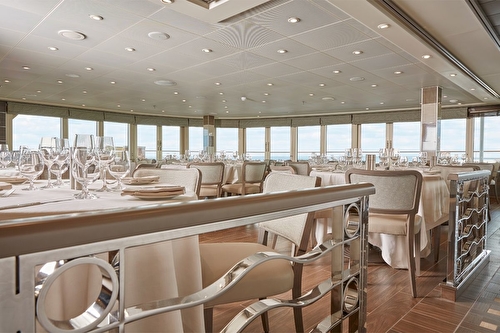
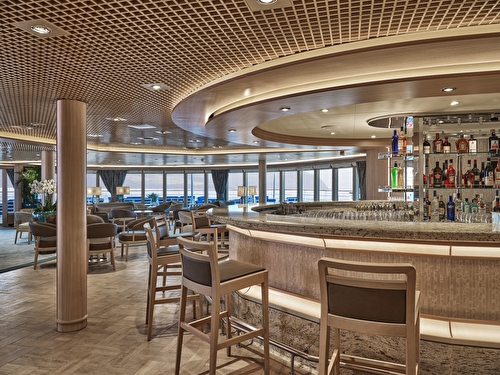
Your ship - The Silver Dawn

Description Food and Drink Entertainment Relaxation Fitness Recreational Other
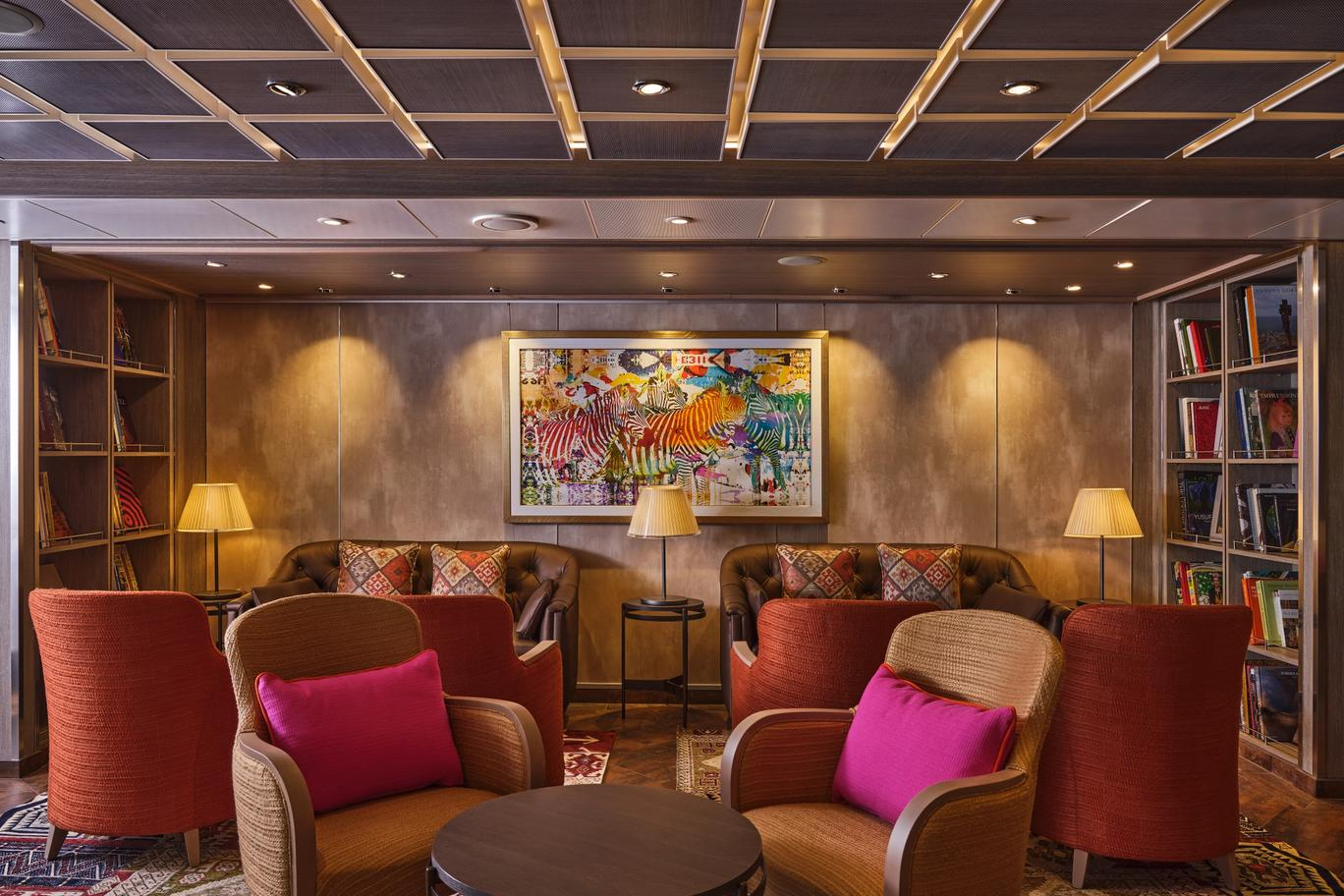
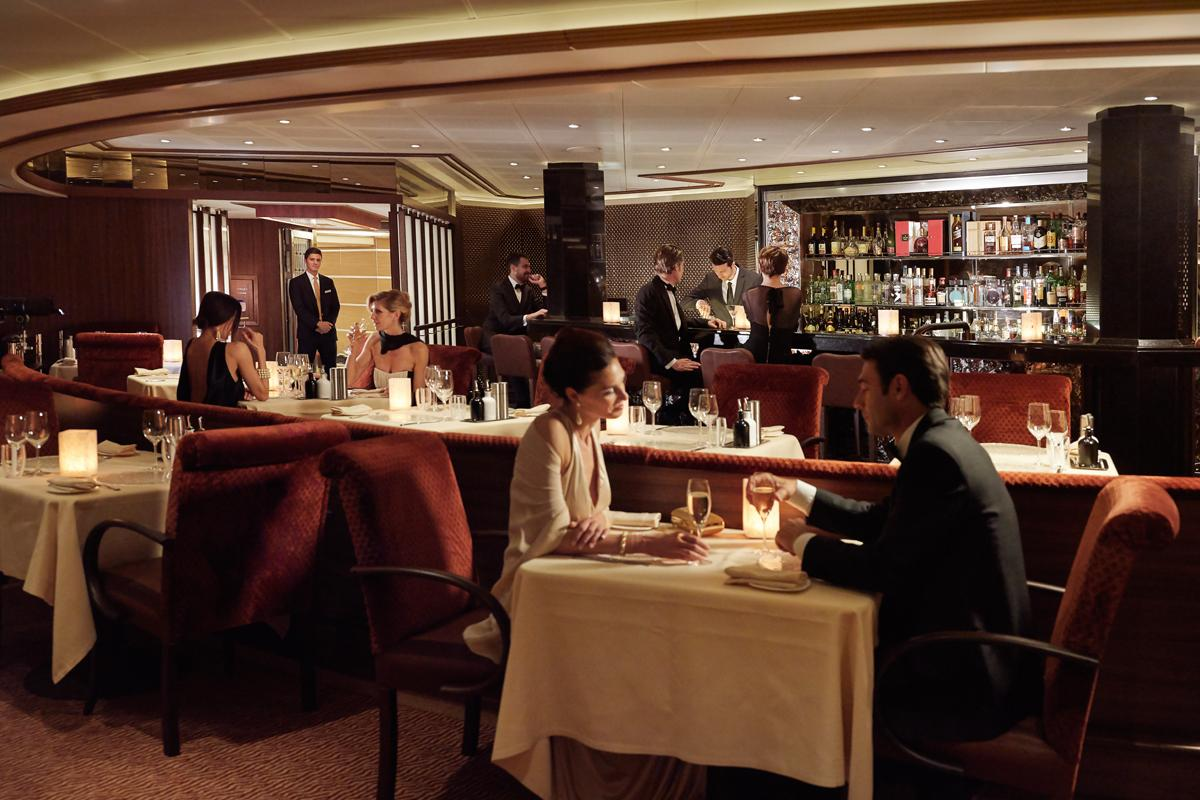
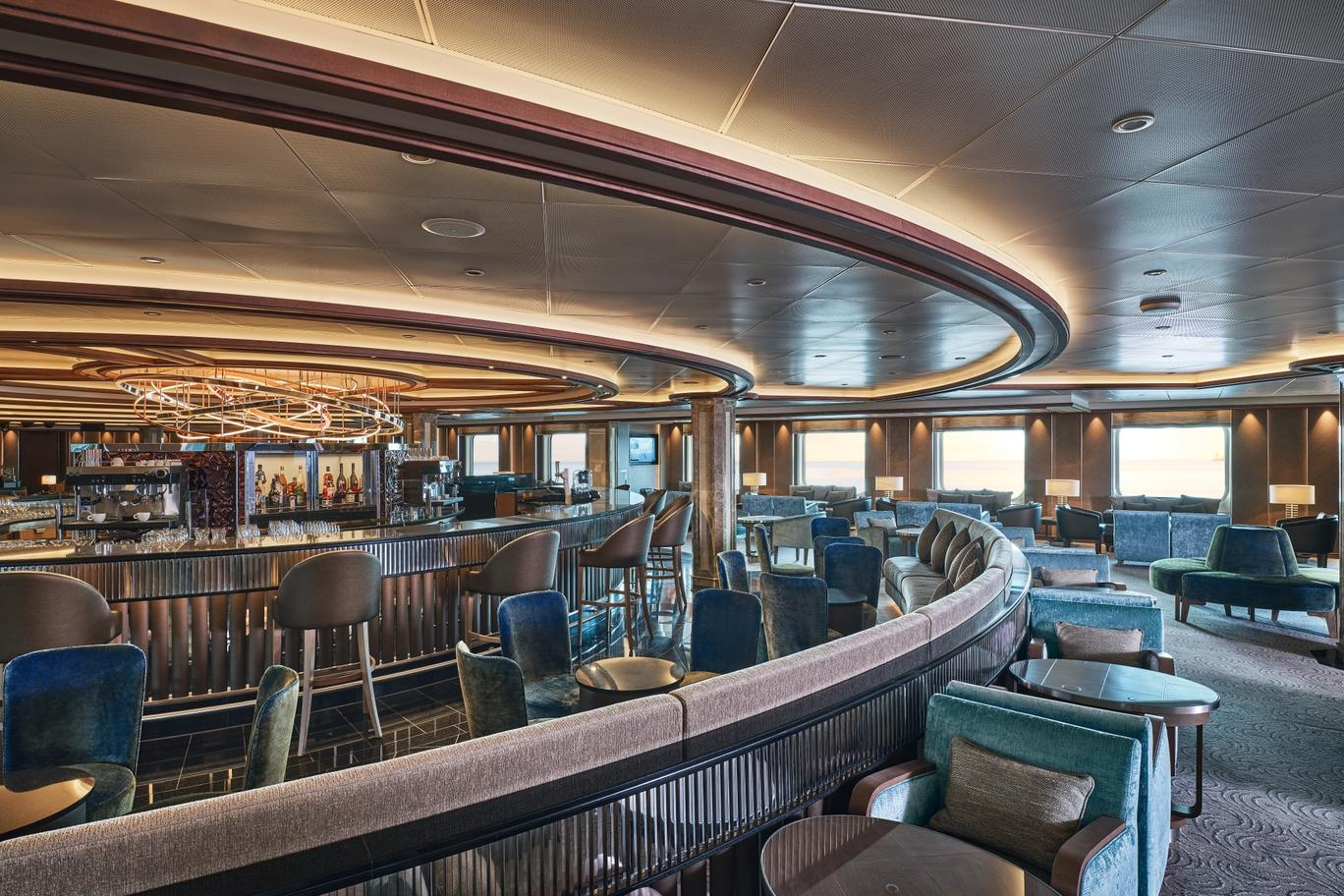
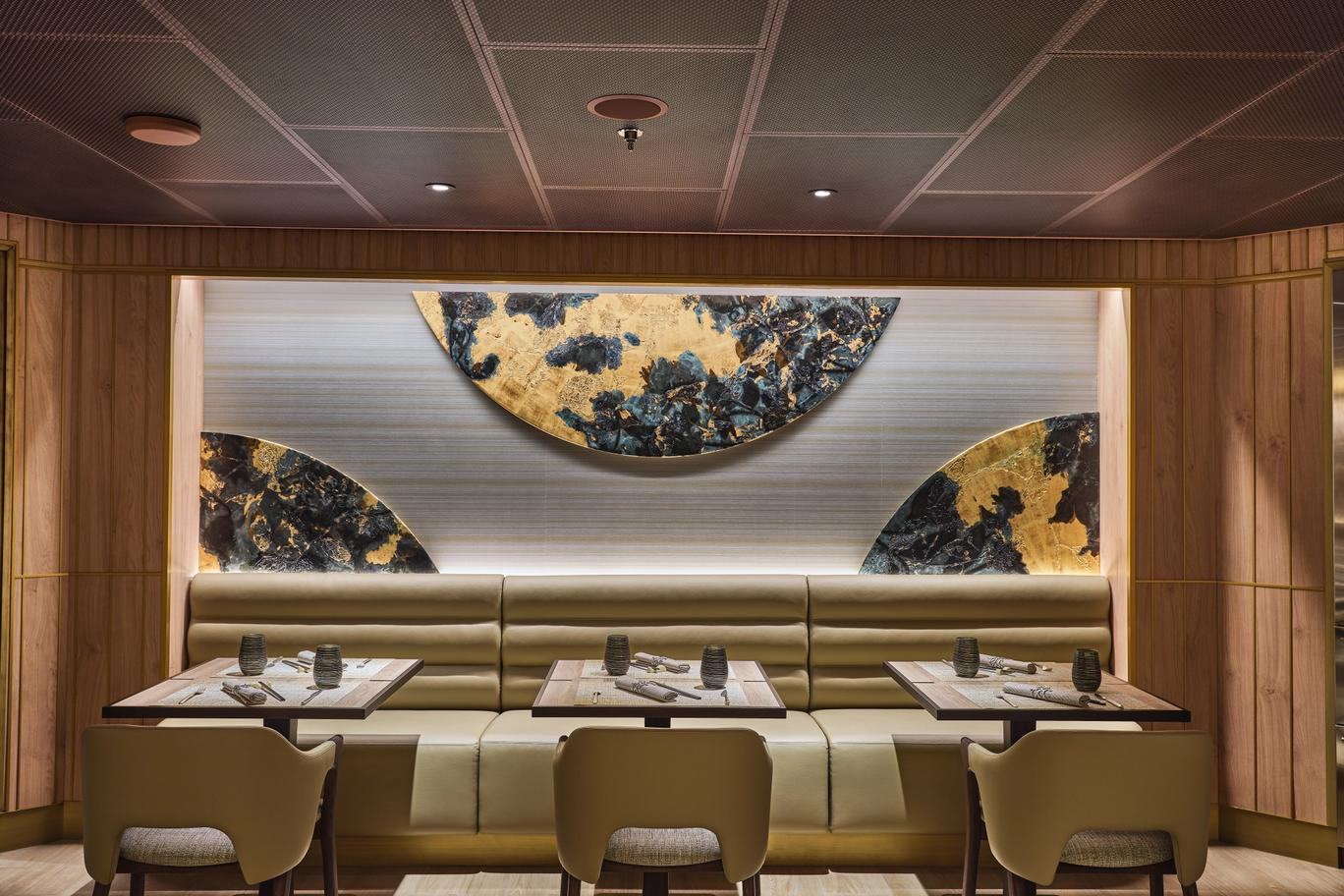
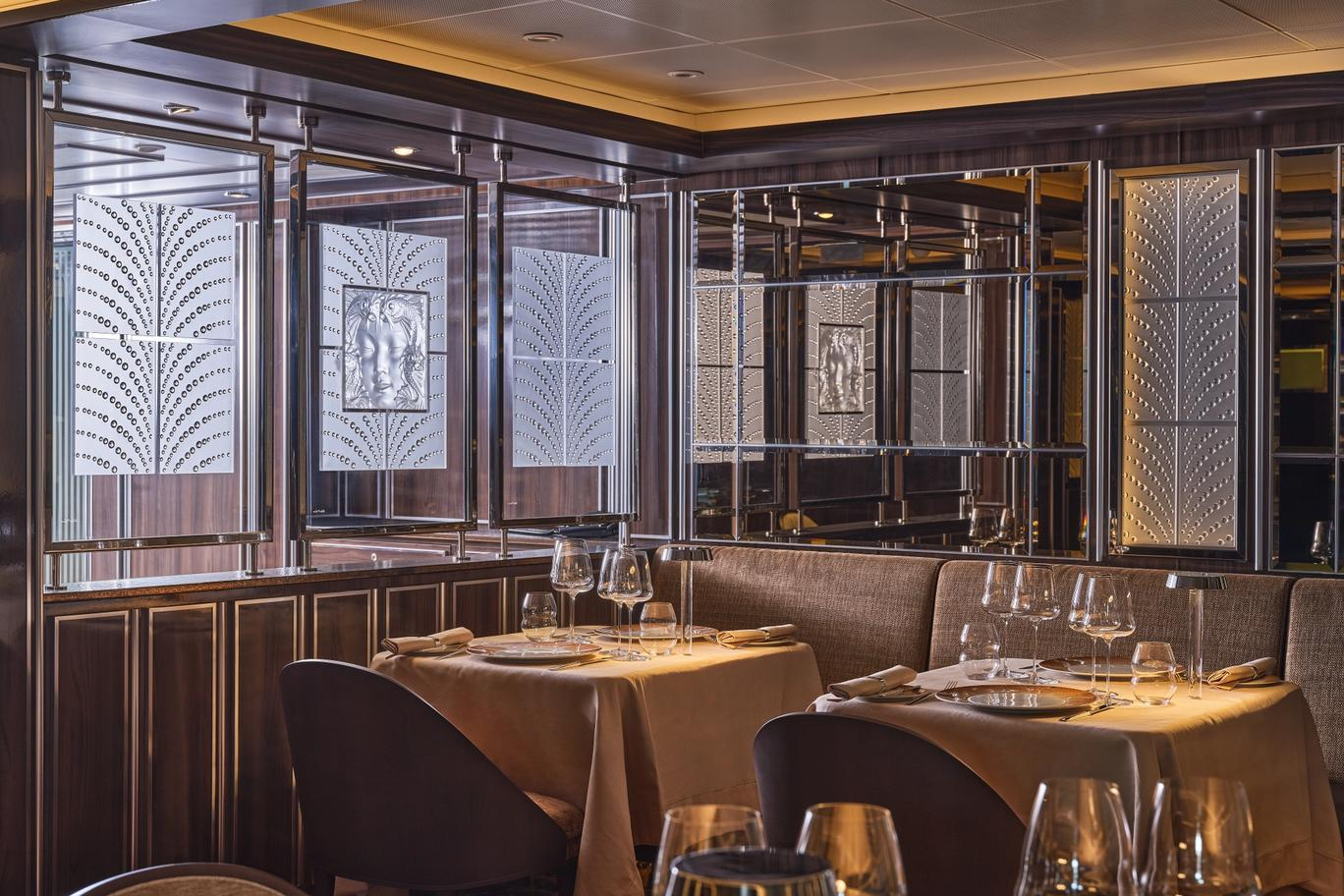
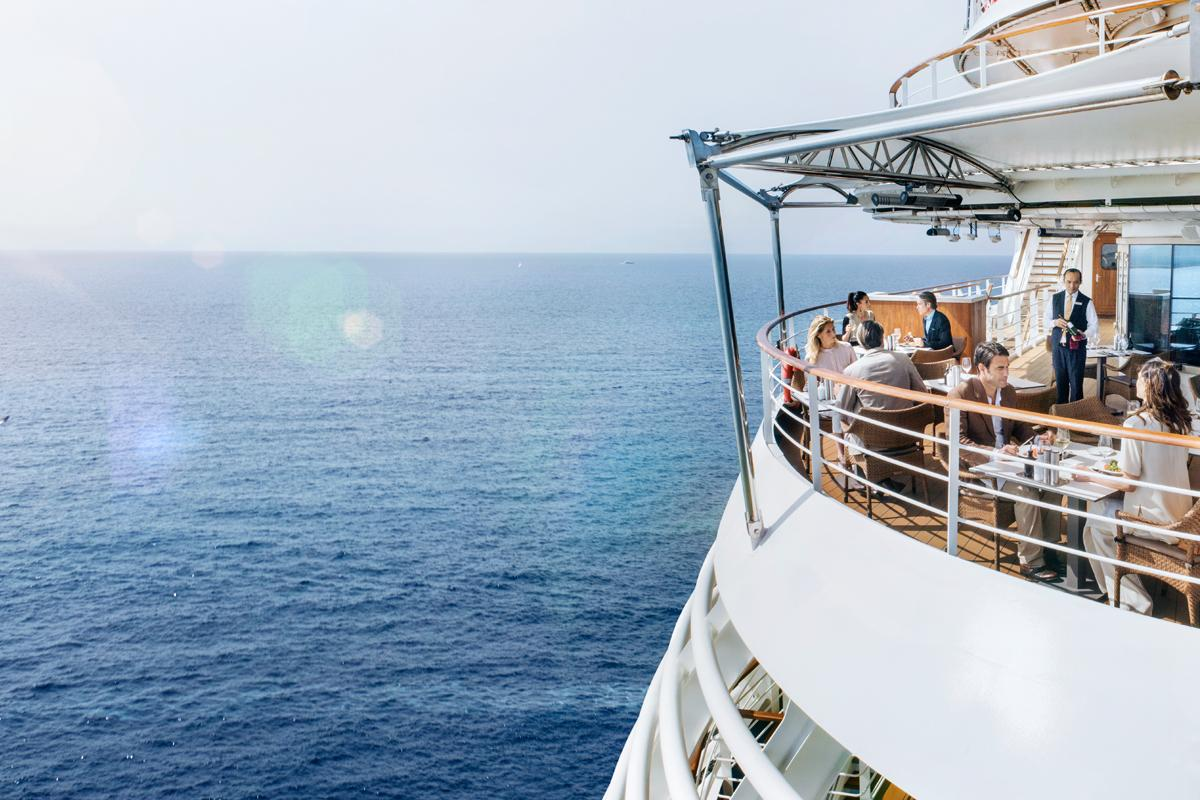
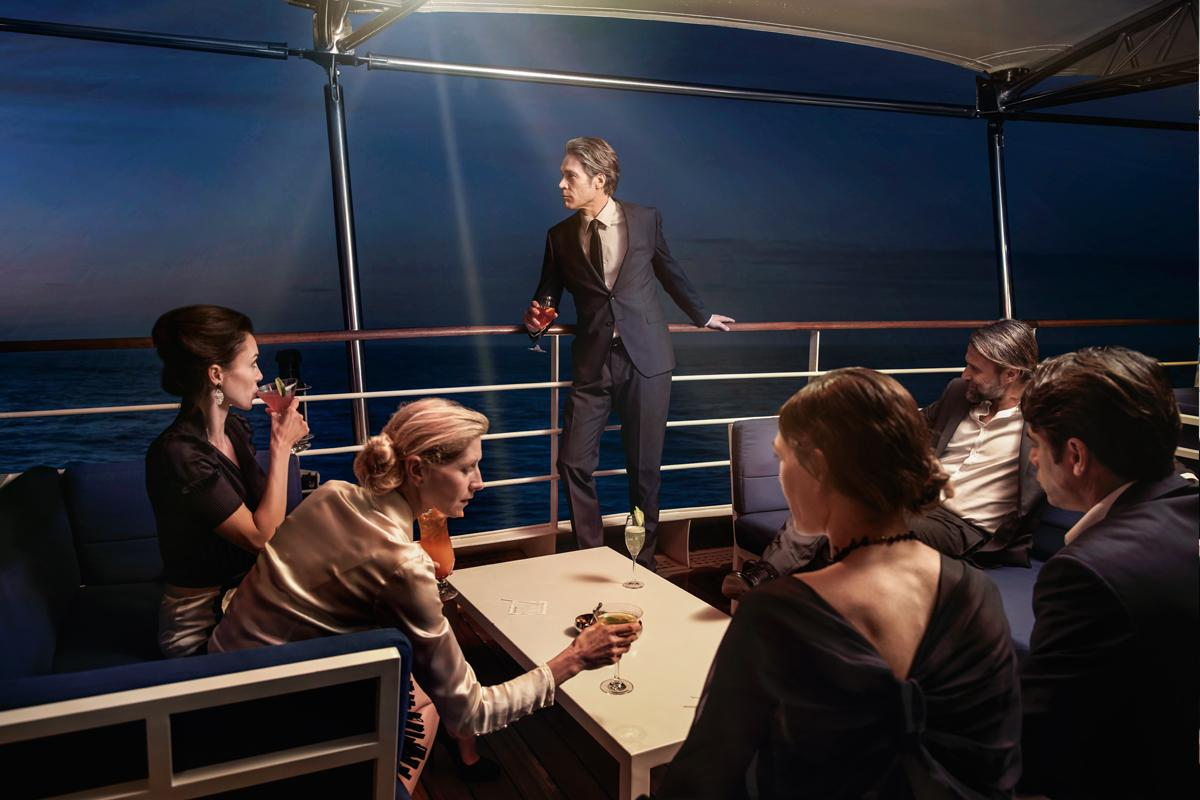
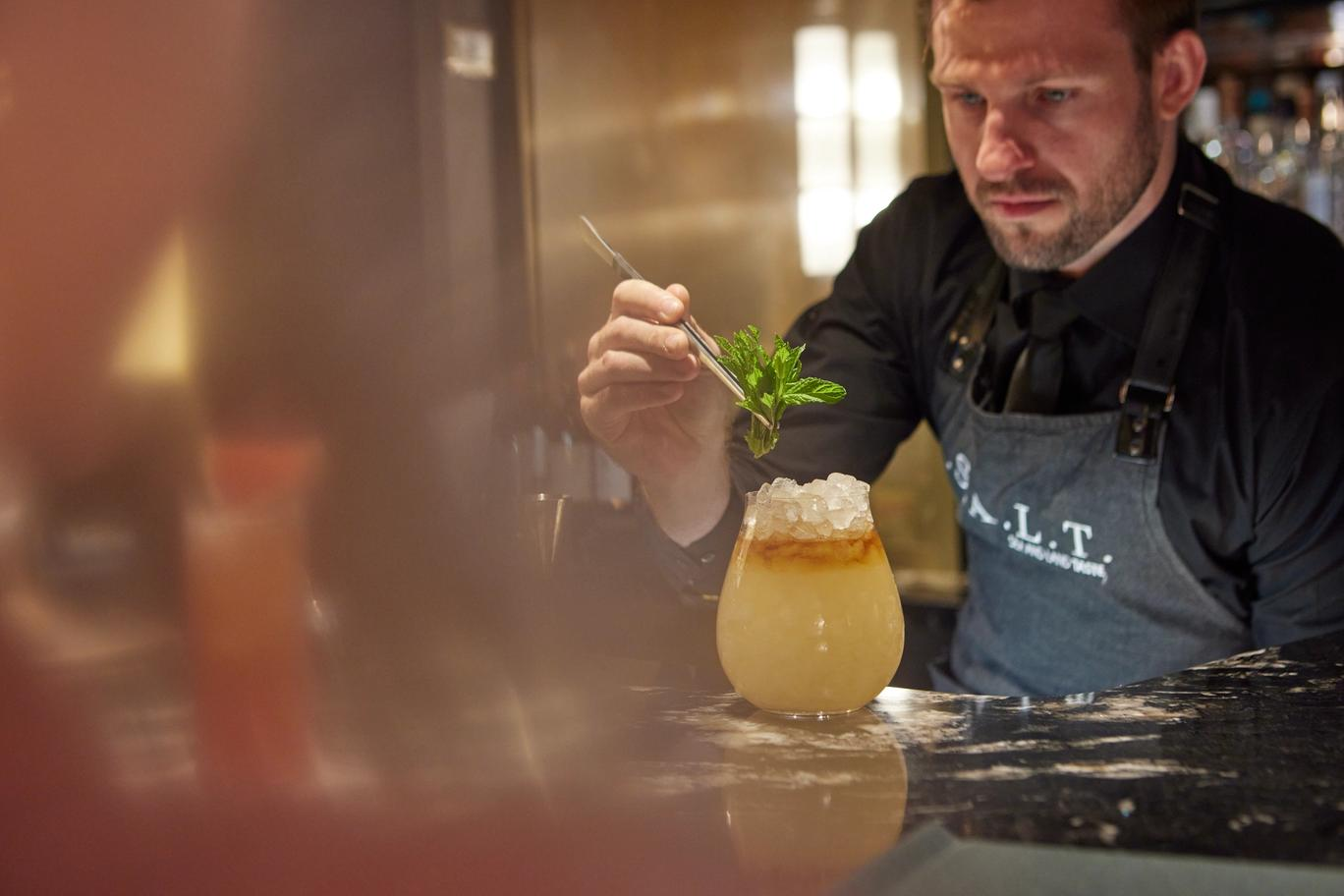
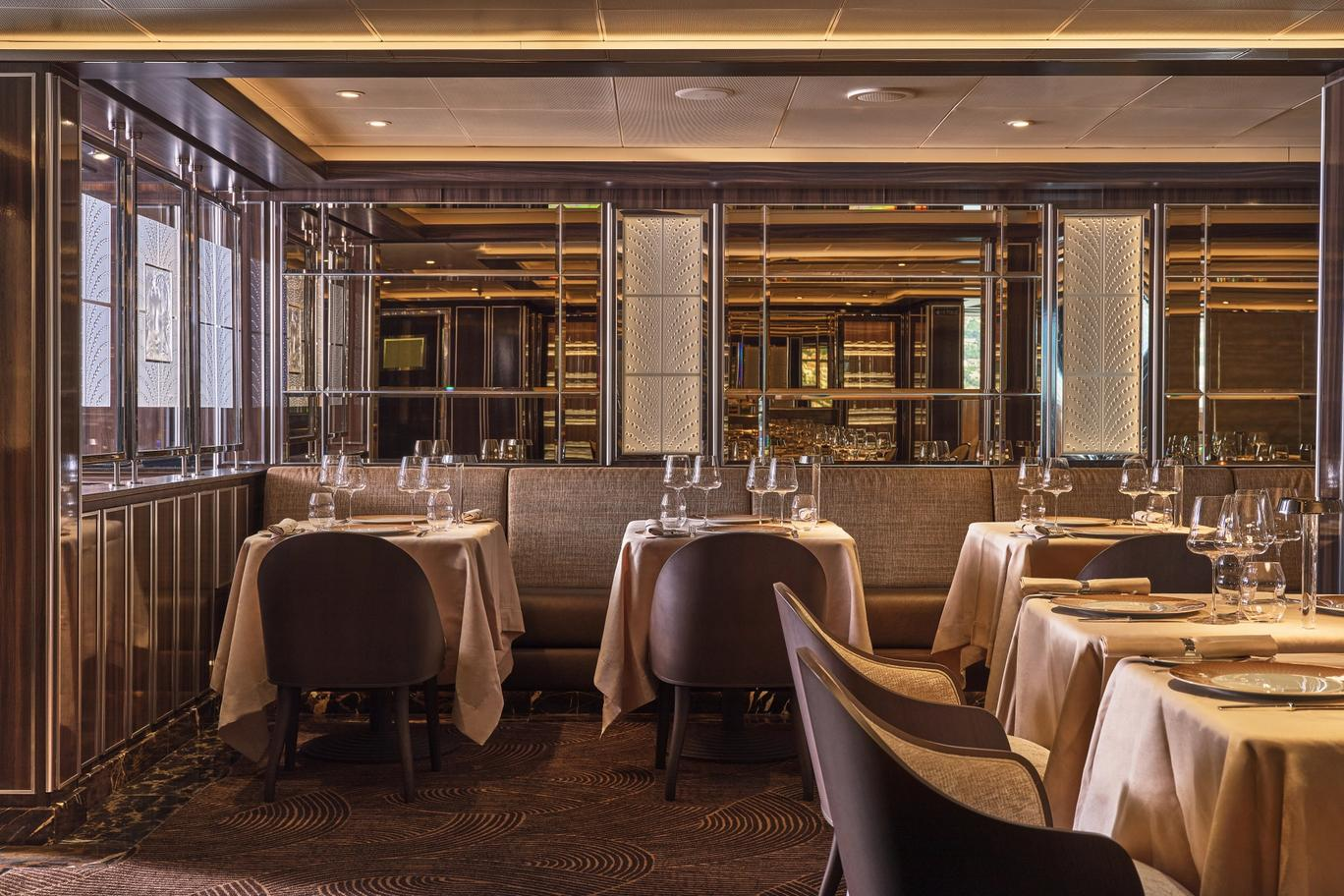
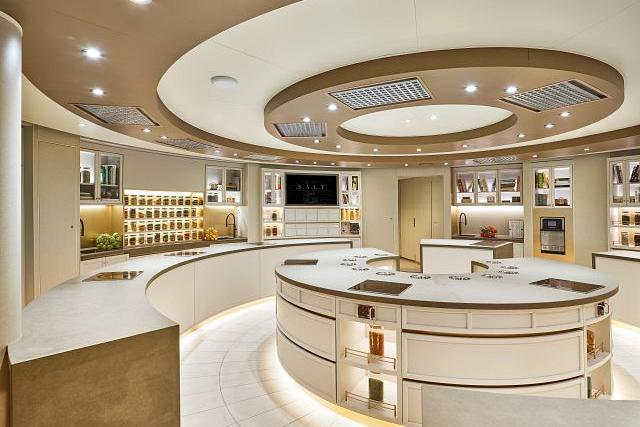
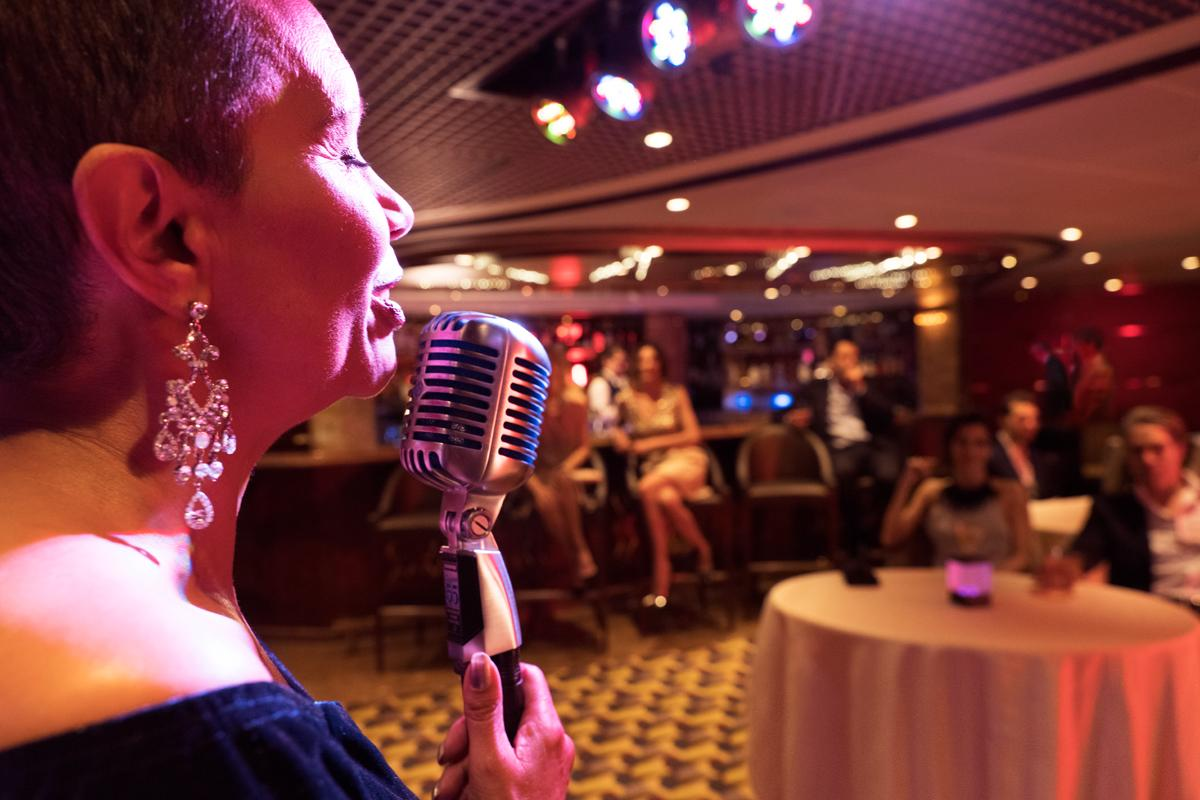
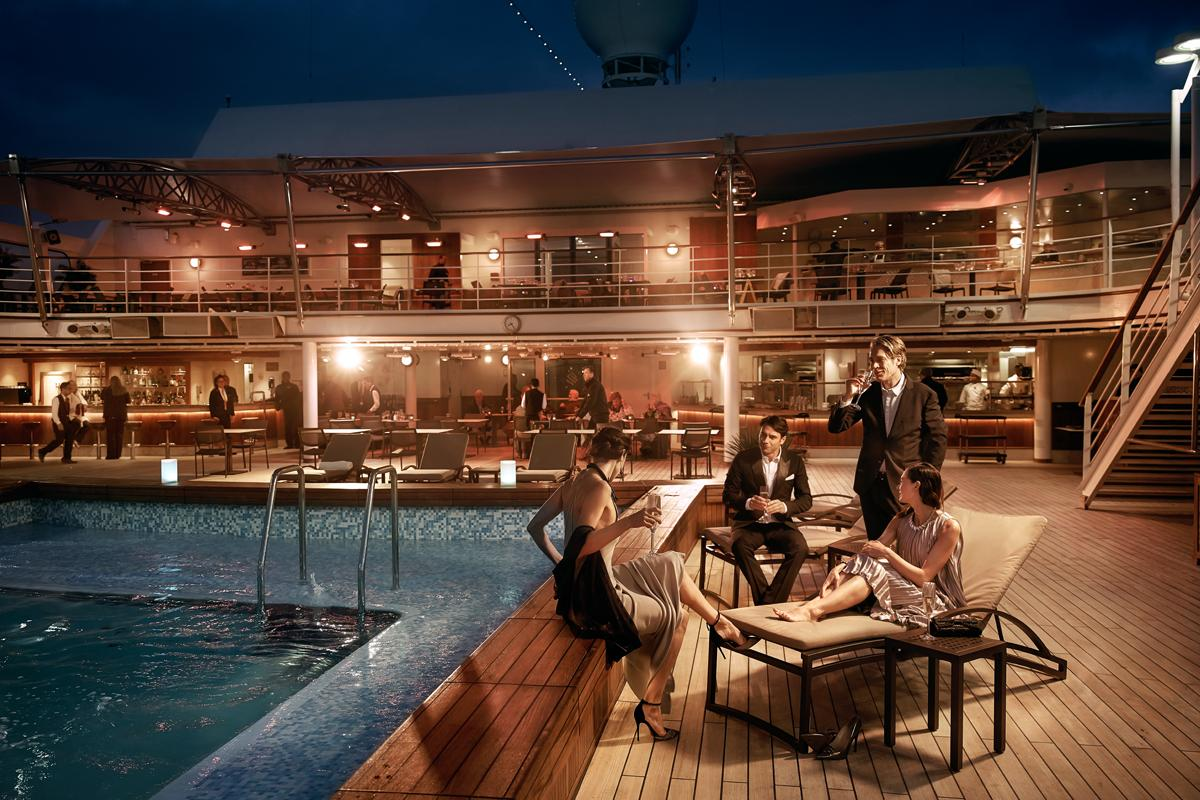
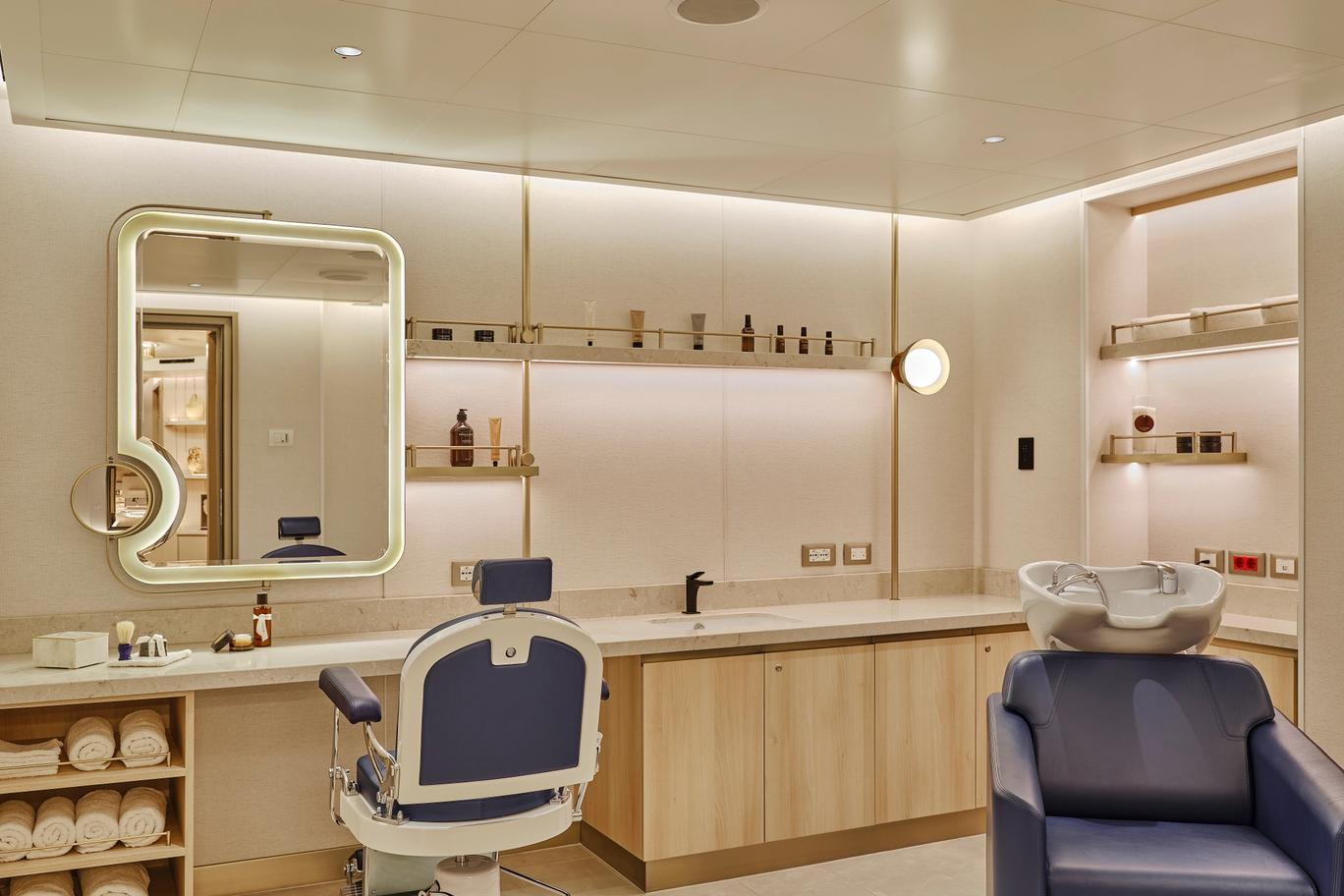
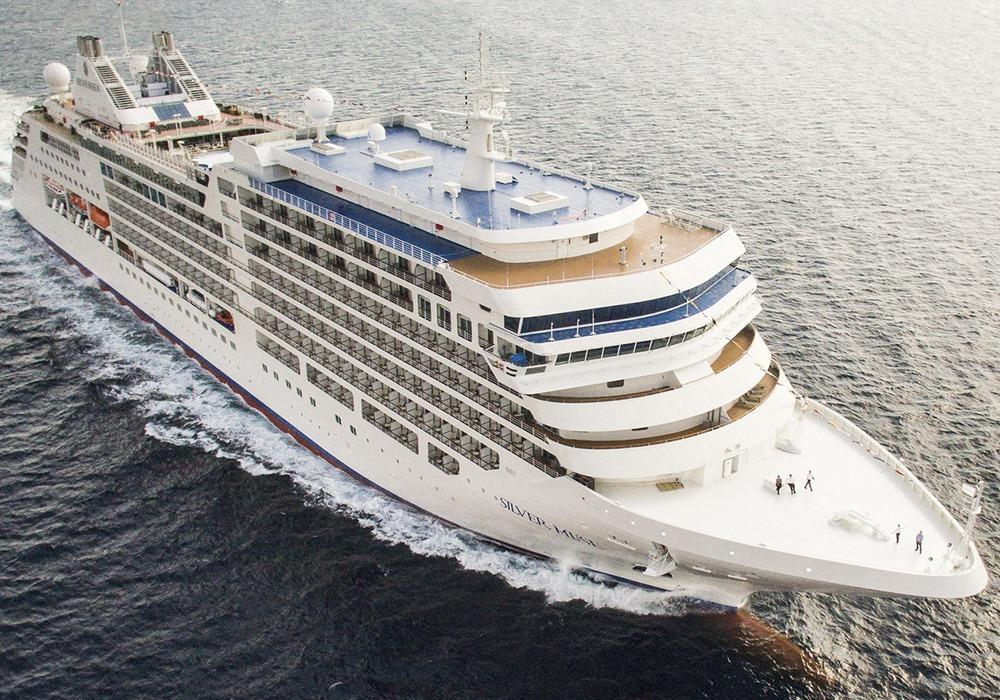
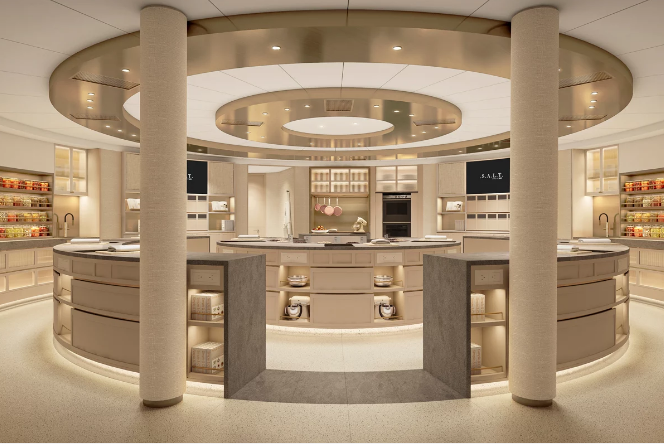
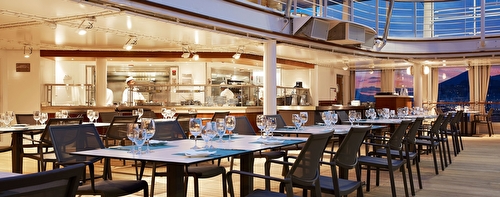
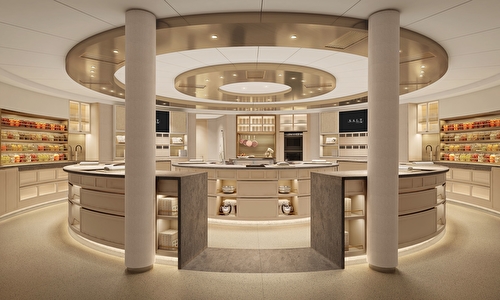
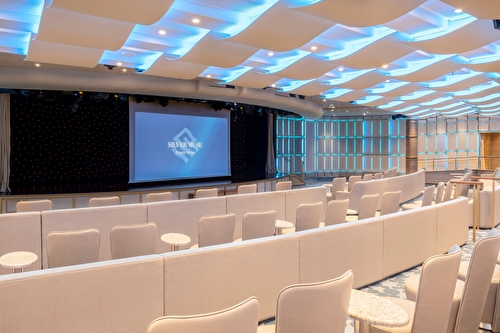
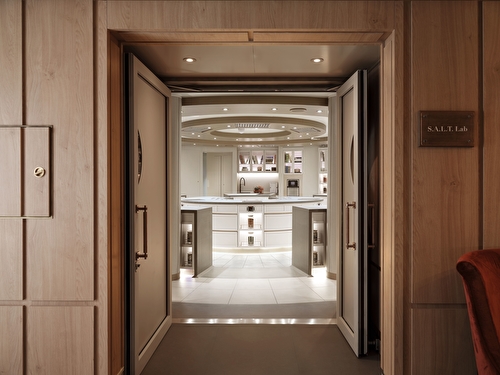
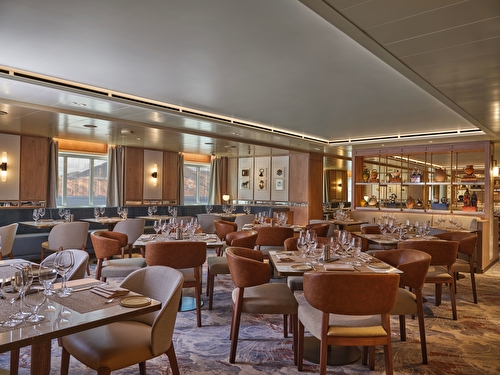
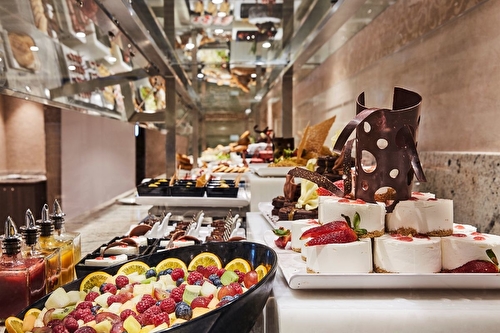
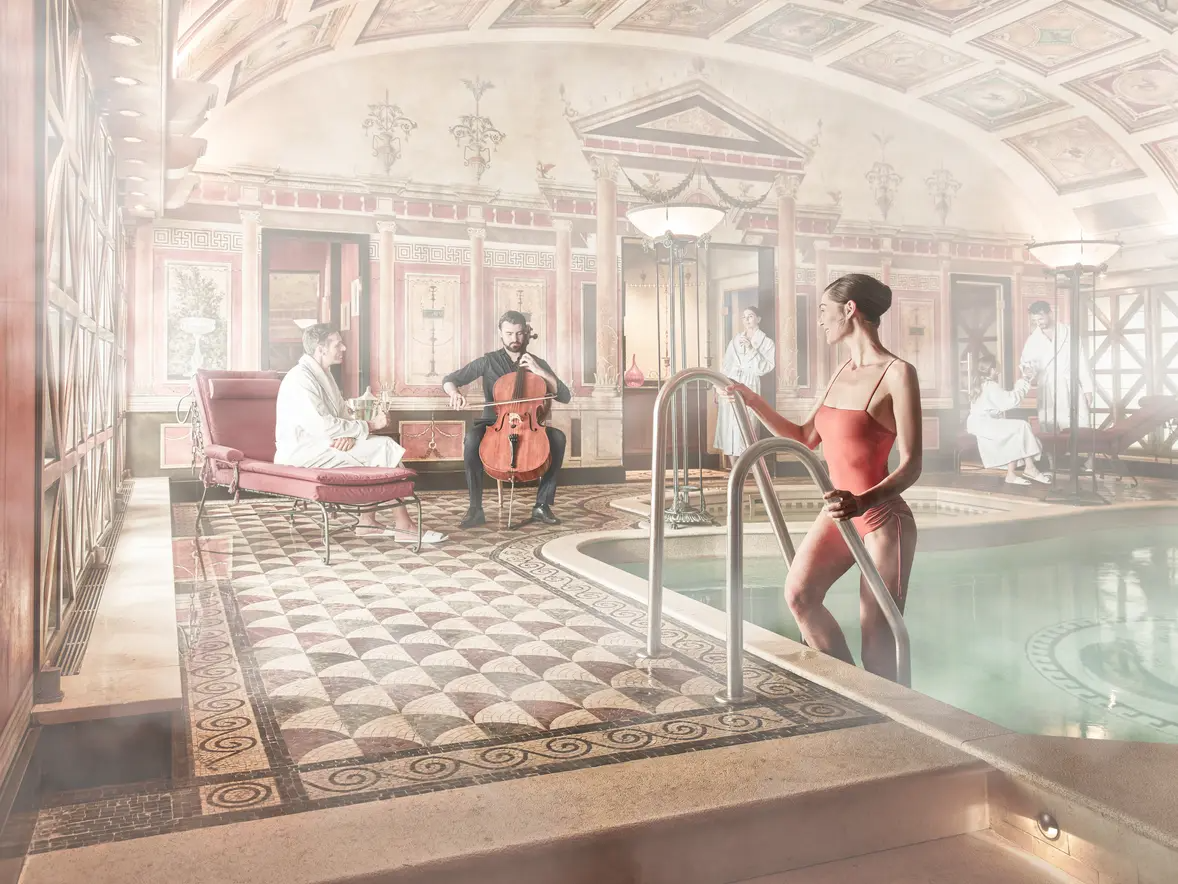
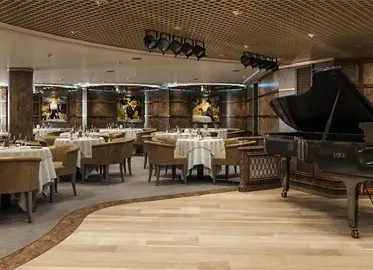
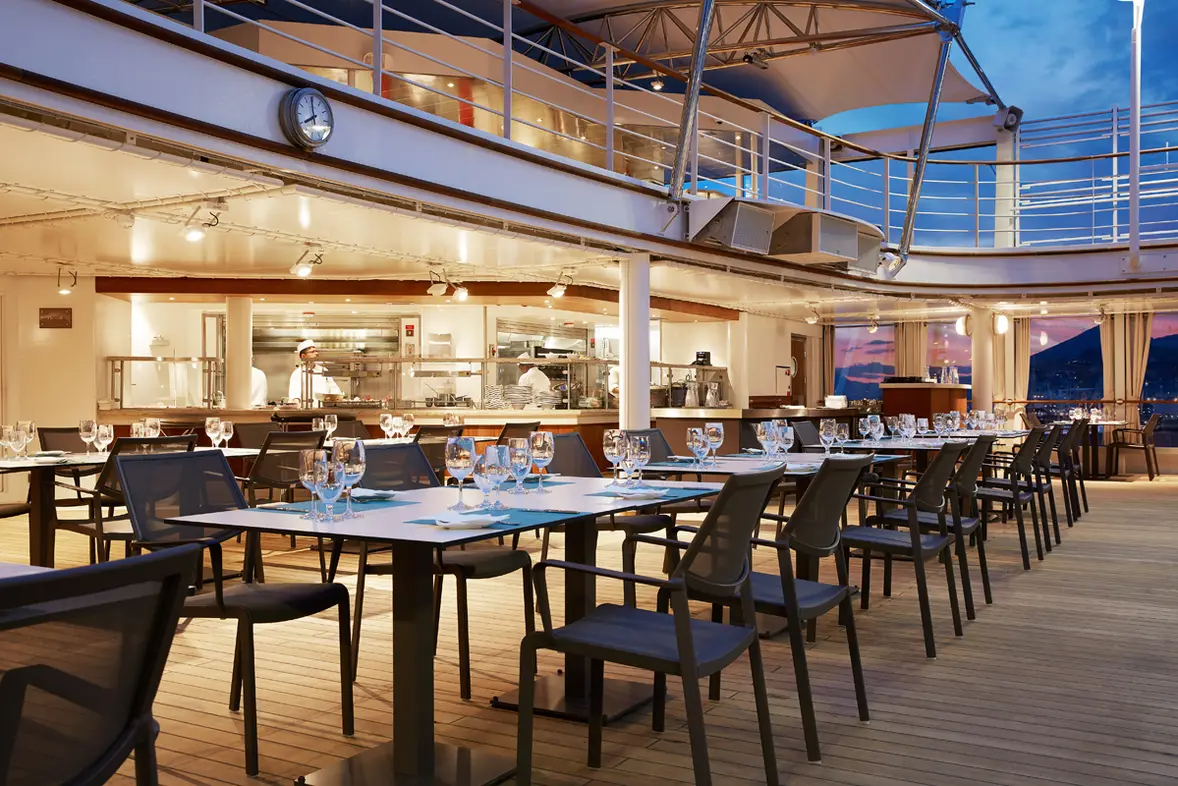
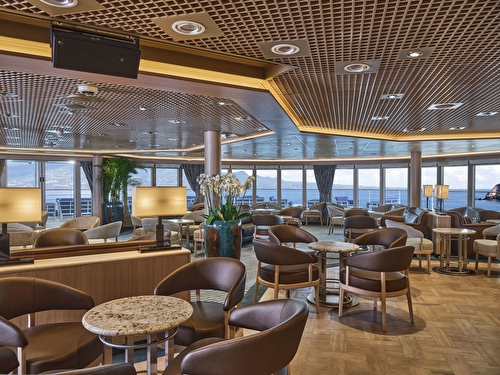
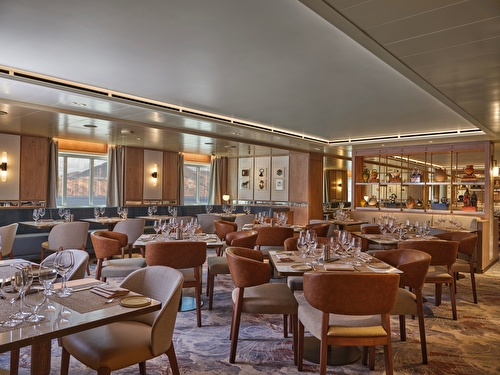
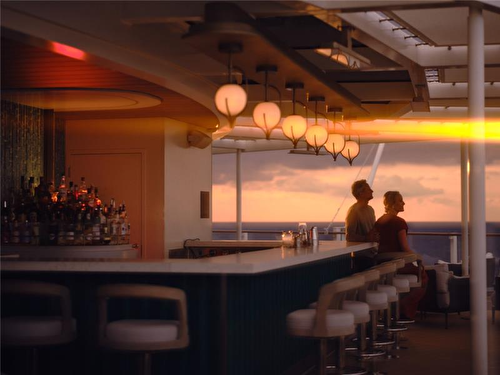
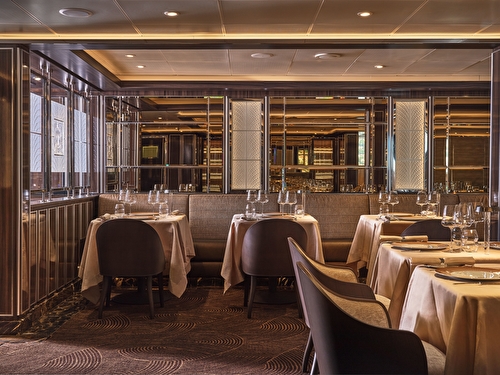
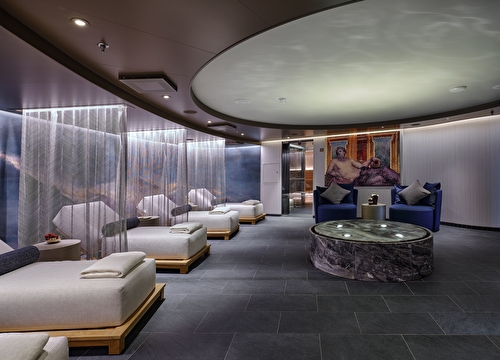
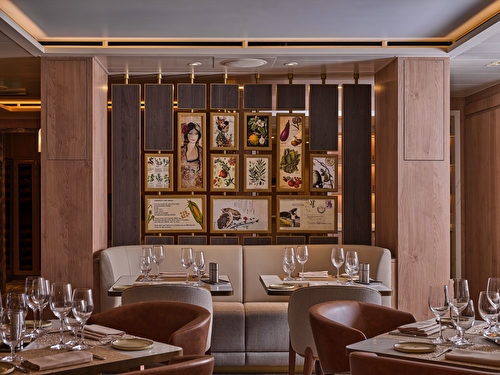
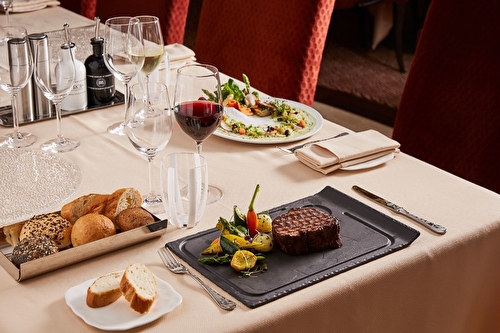
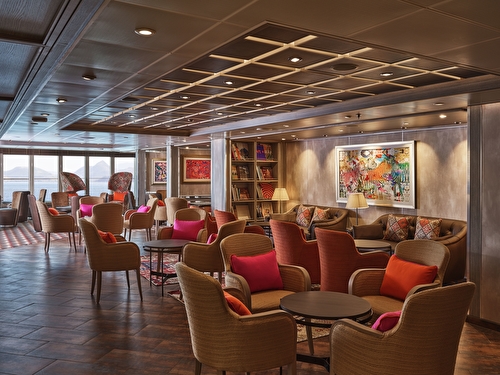
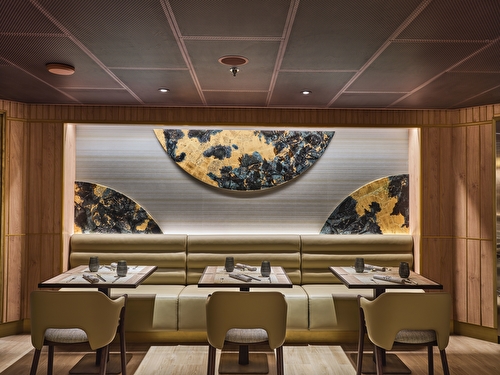
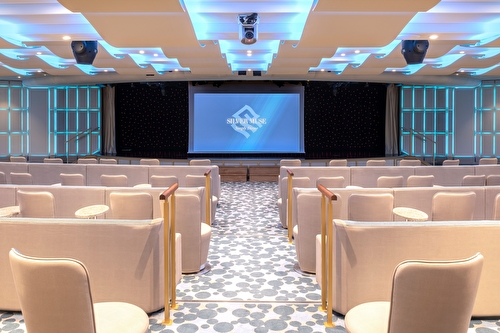
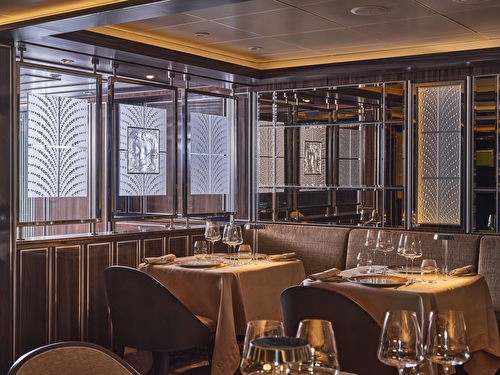
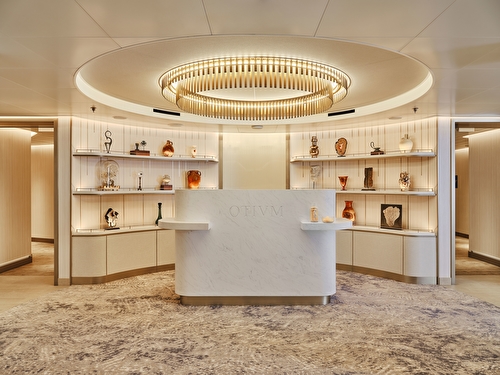
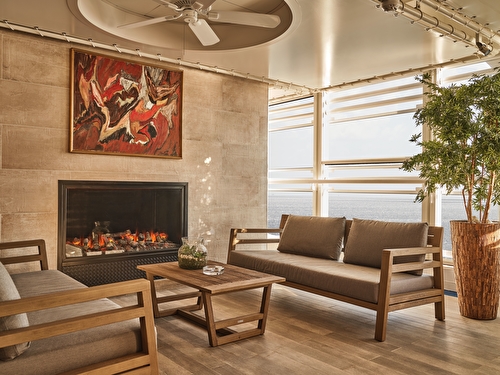
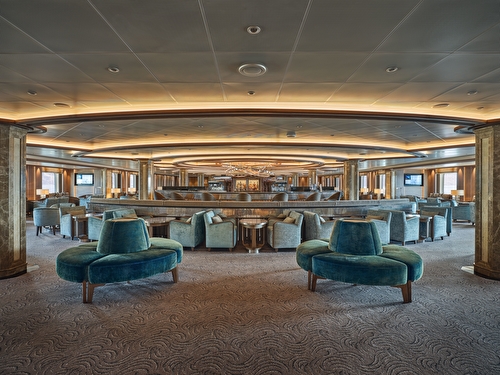
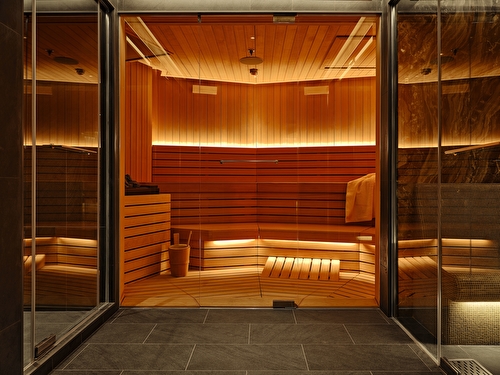
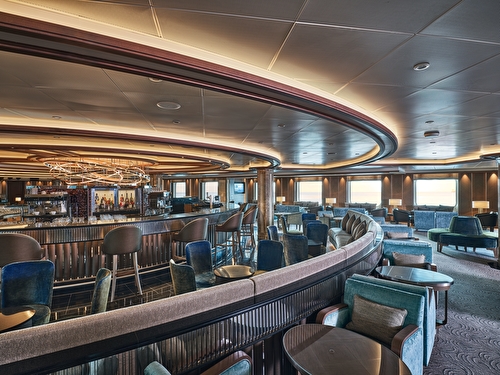
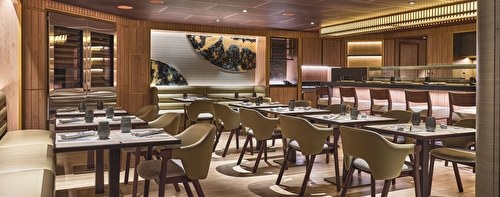
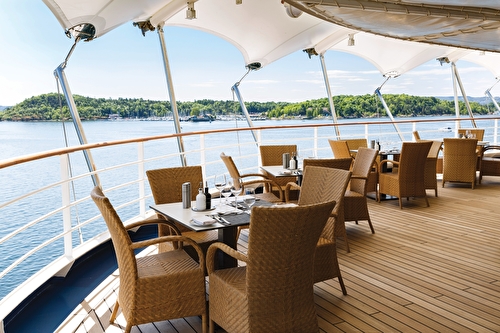
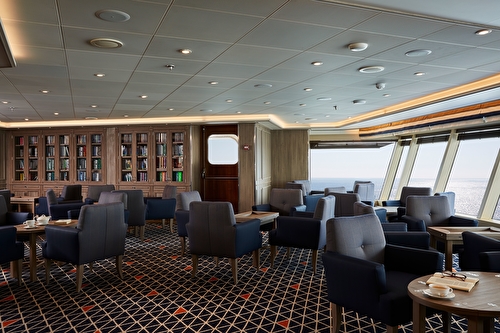
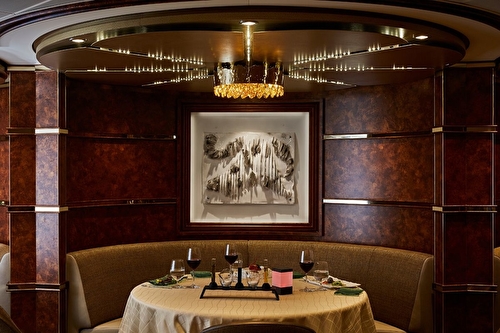
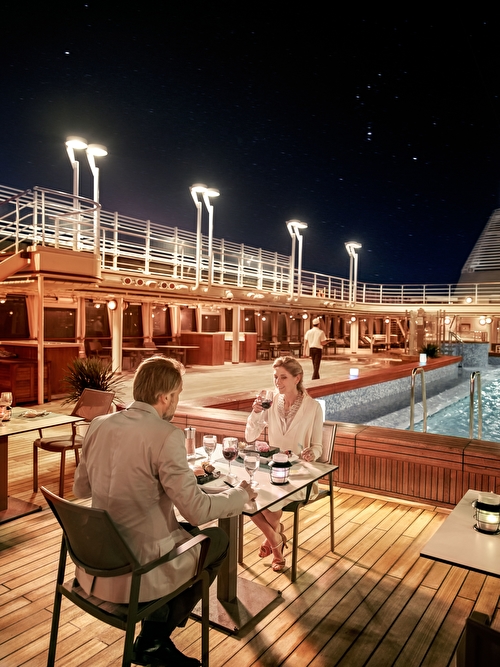
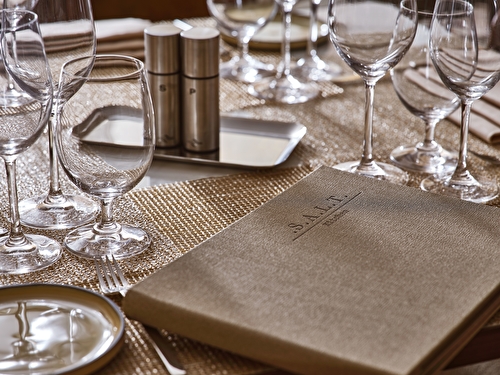
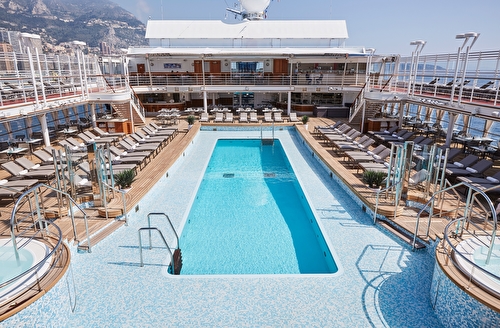
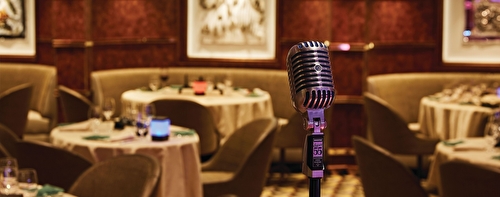
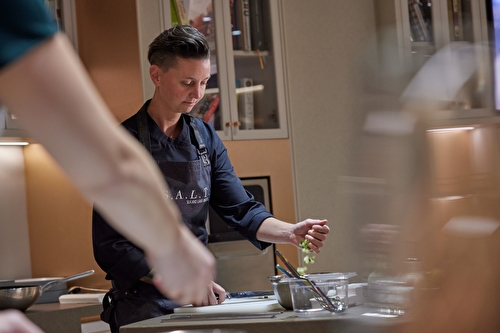
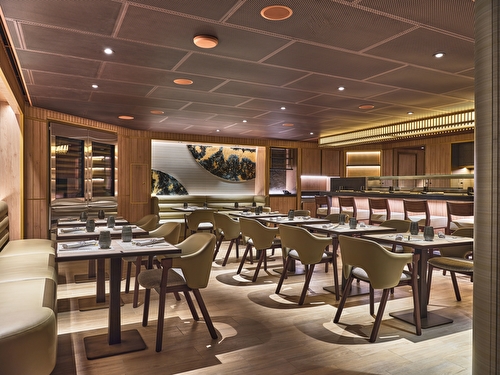
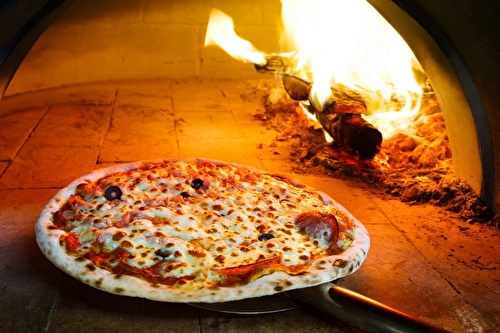
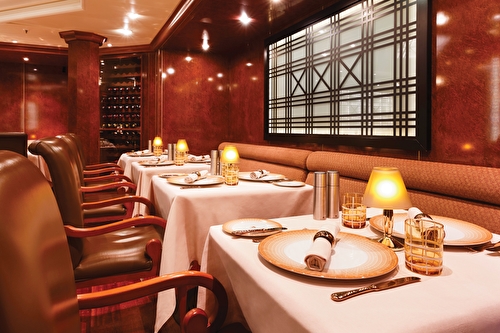
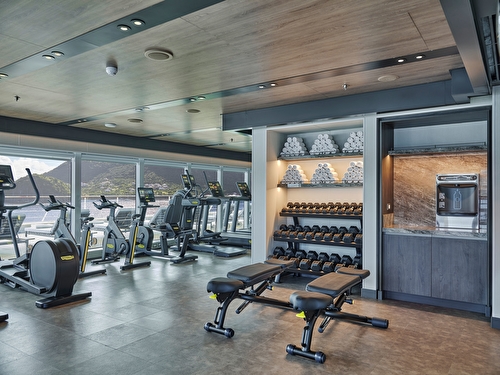
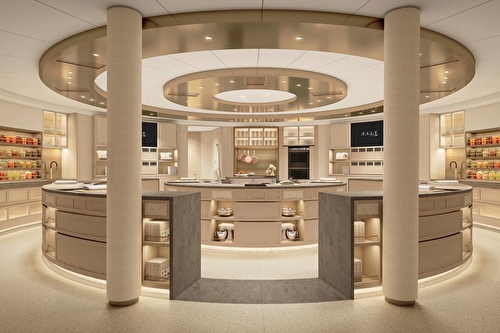
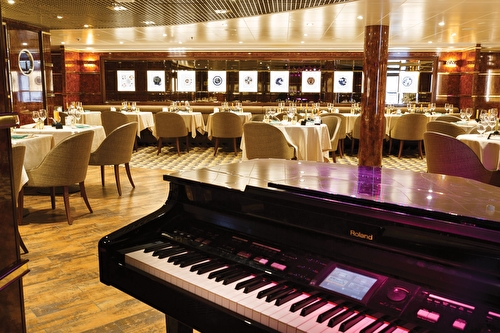
A new world of luxury is waiting aboard Silver Dawn. Elegant and modern, Silver Dawn is the natural evolution of our fleet. Large enough to offer eight dining options – including the superb Sea...d Land Taste (S.A.L.T.) programme – yet small enough for the famed Silversea onboard ambience, Silver Dawn inherits the best features of her sister ships Silver Muse and Silver Moon, but is in a class all of her own. With sumptuous suites, outstanding itineraries, plus cutting-edge design and technology and the outstanding OTIVM wellness concept, Silver Dawn sets new standards of luxury. Wake up to a new dawn with Silversea. More Less
  • Arts café
    arts café
    More
  • Atlantide
    atlantide
    More
  • Dolce vita
    dolce vita
    More
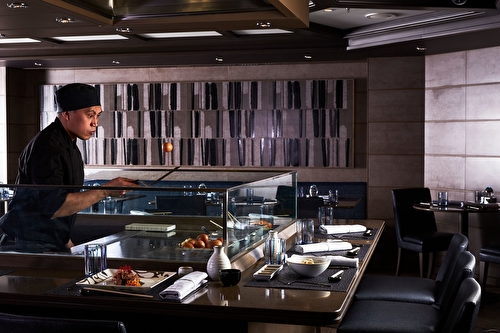
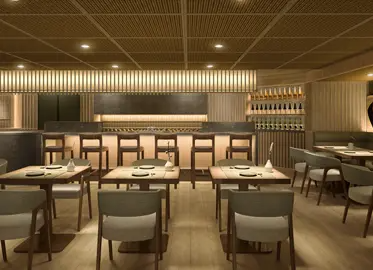
  • Kaiseki
    kaiseki
    More
  • La dame
    la dame
    More
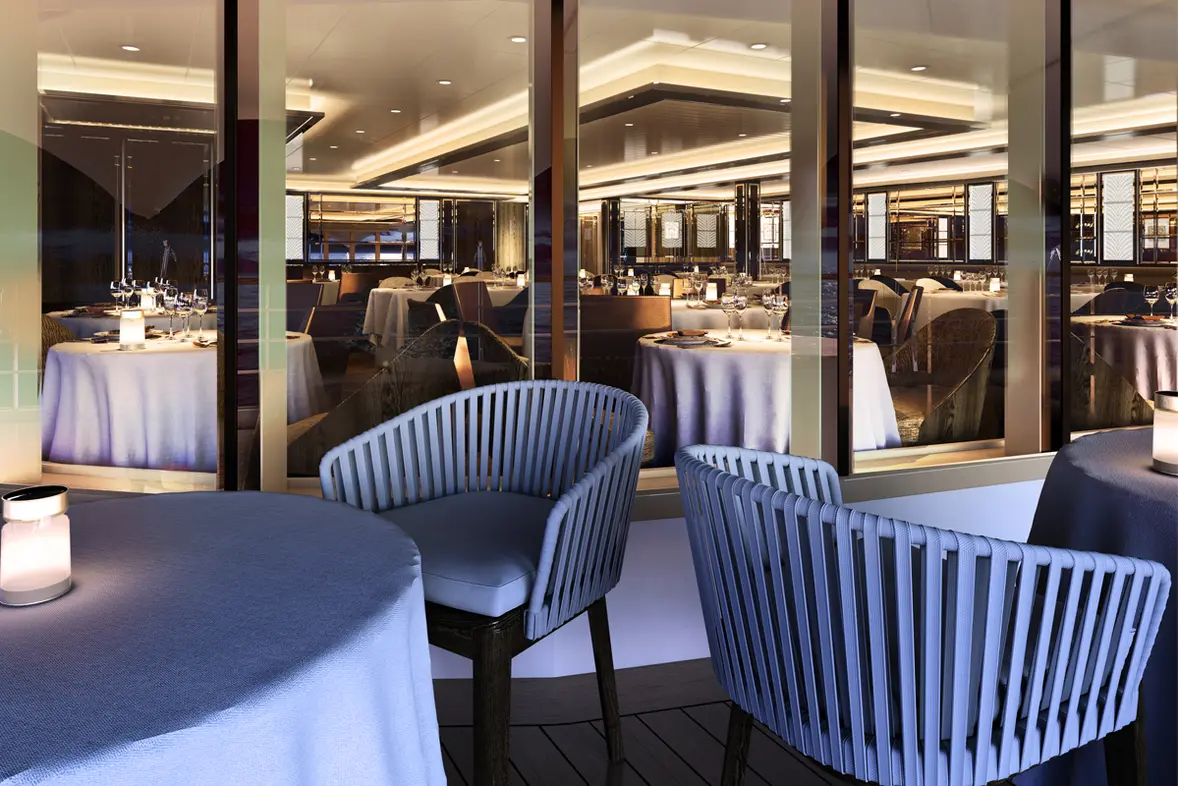
  • La terrazza
    la terrazza
    More
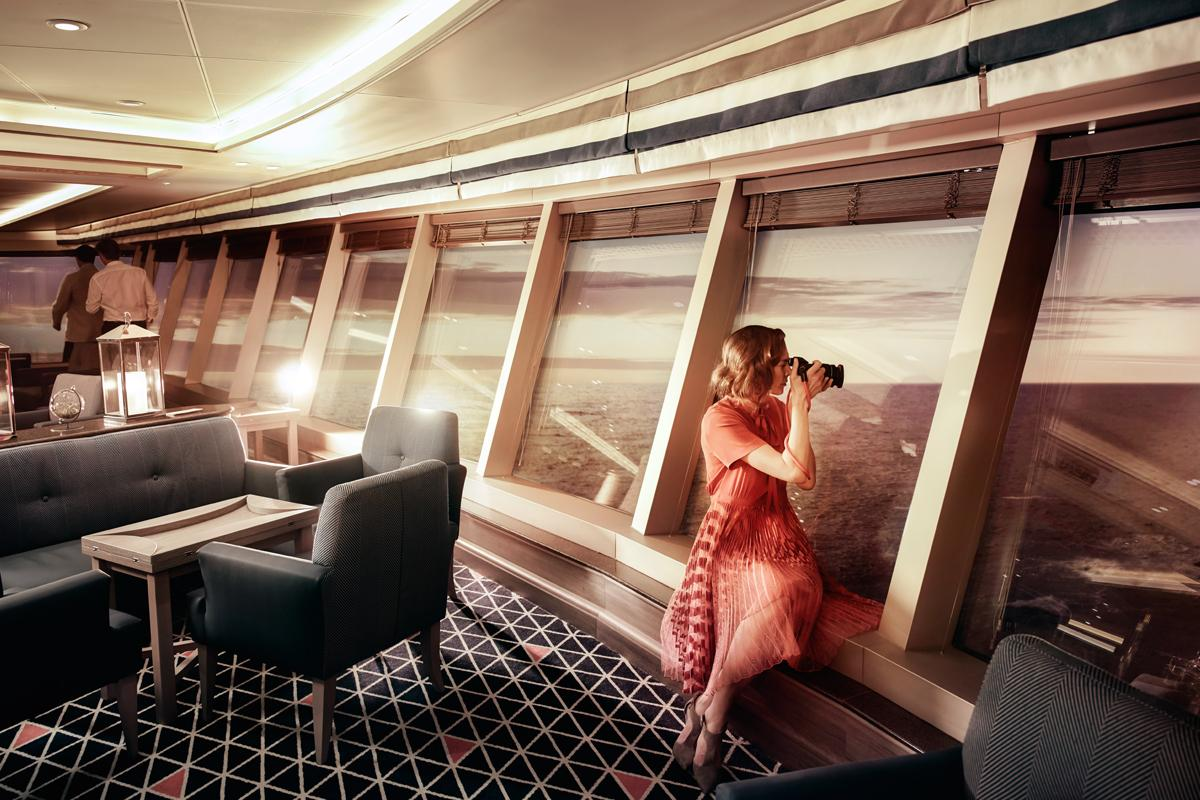
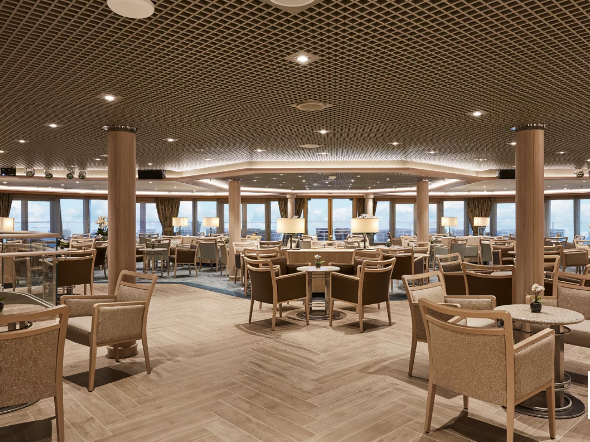
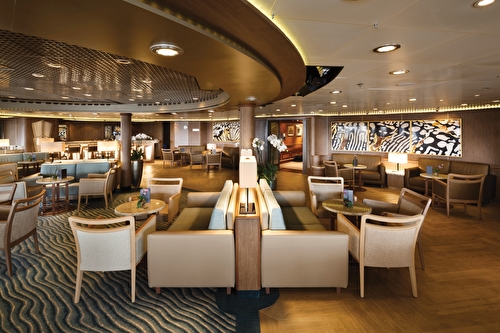
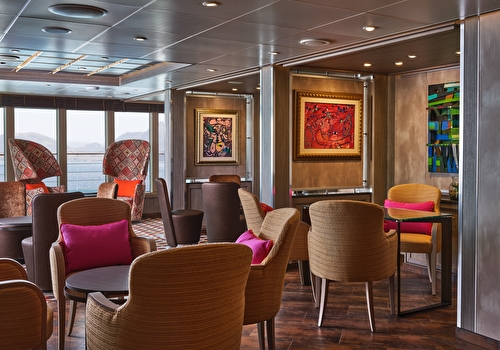
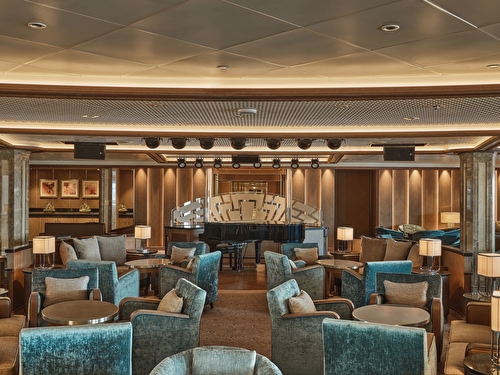
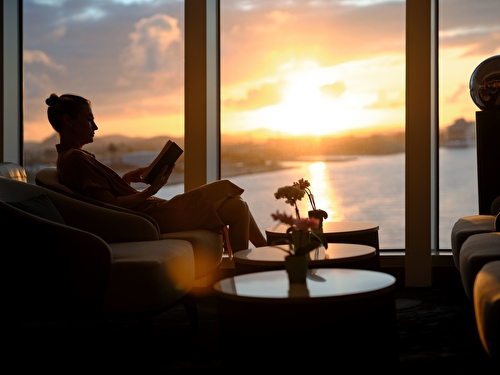
  • Panorama lounge
    panorama lounge
    More
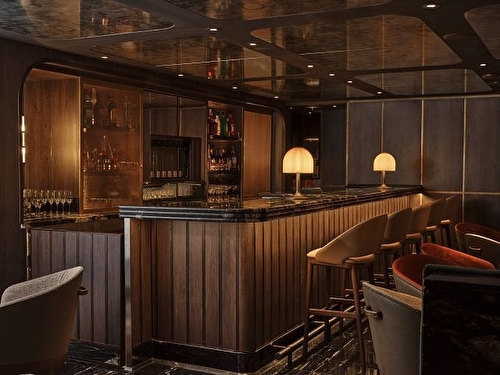
  • S.a.l.t. bar
    s.a.l.t. bar
    More
  • S.a.l.t. kitchen
    s.a.l.t. kitchen
    More
  • S.a.l.t. lab
    s.a.l.t. lab
    More
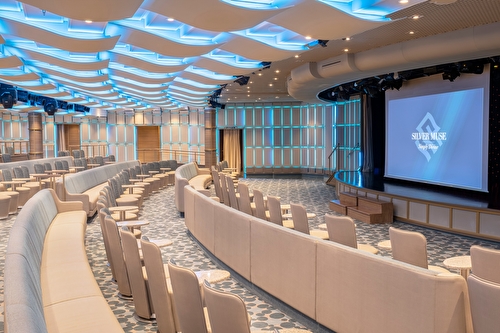
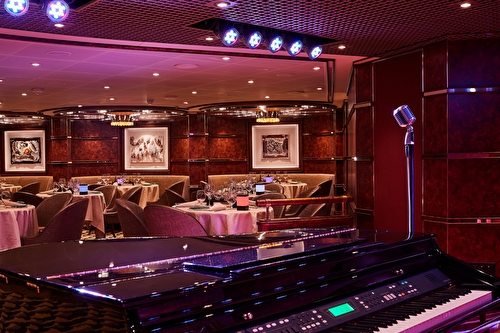
  • Silver note
    silver note
    More
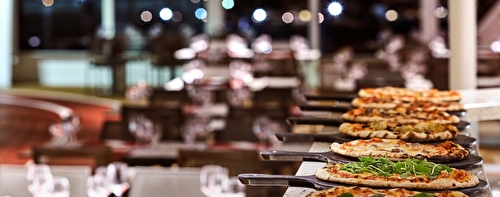
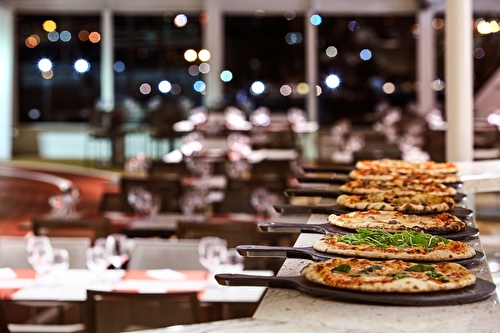
  • Spaccanapoli
    spaccanapoli
    More
  • The grill
    the grill
    More
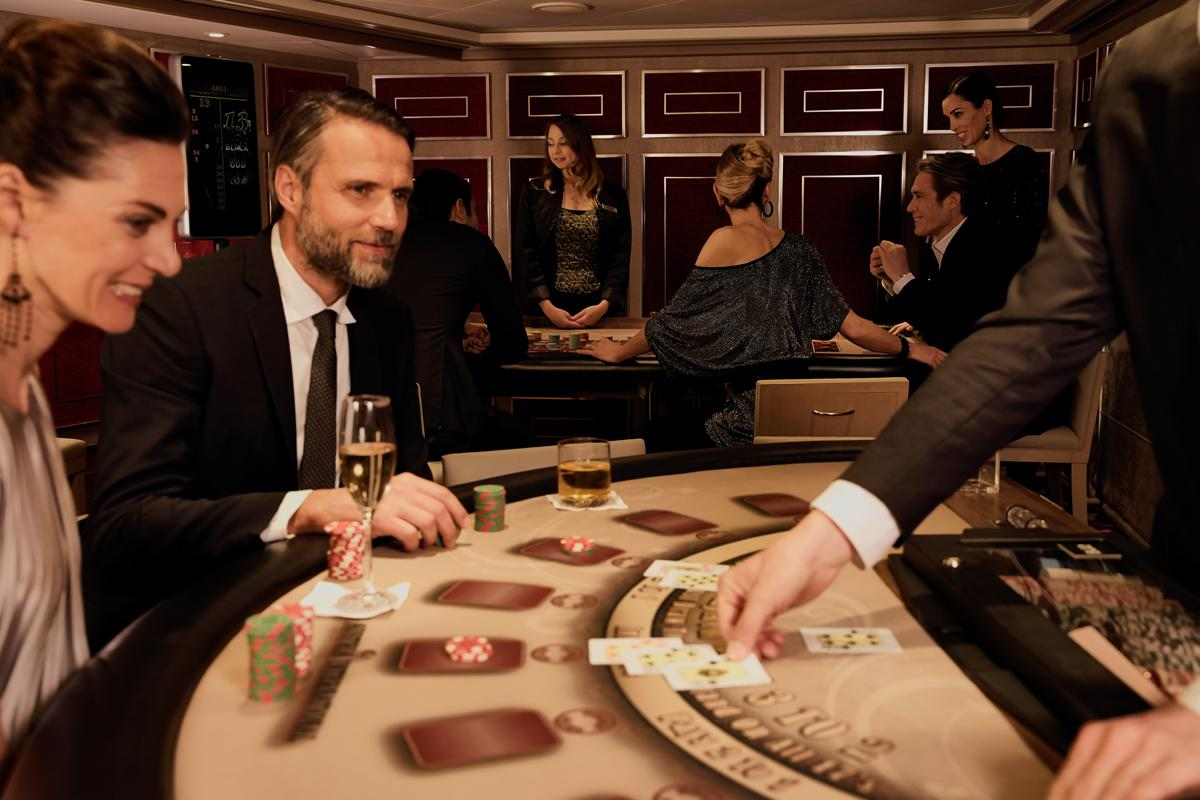
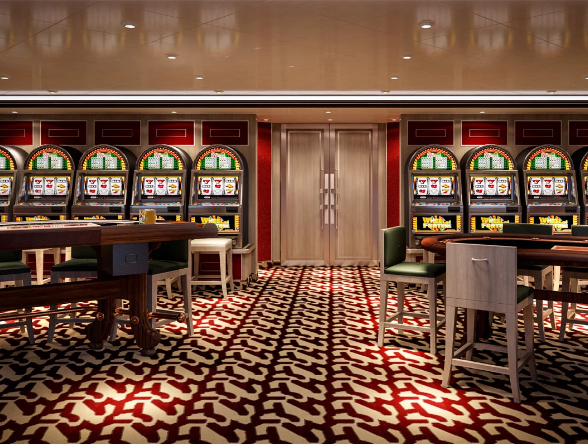
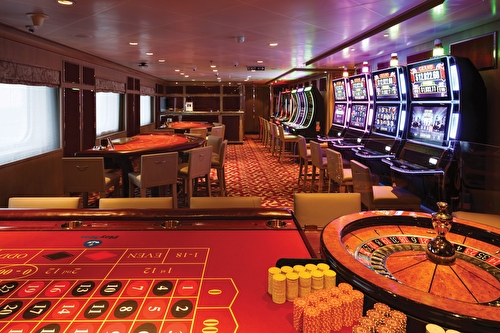
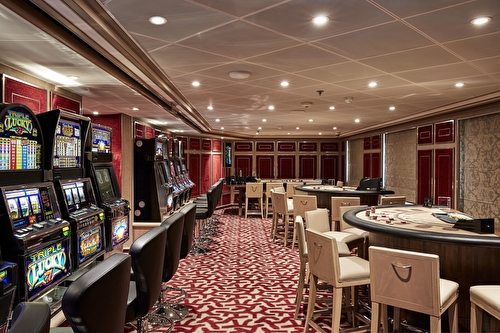
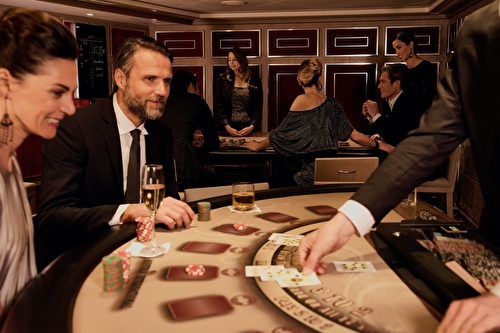
  • Casino
    casino
    More
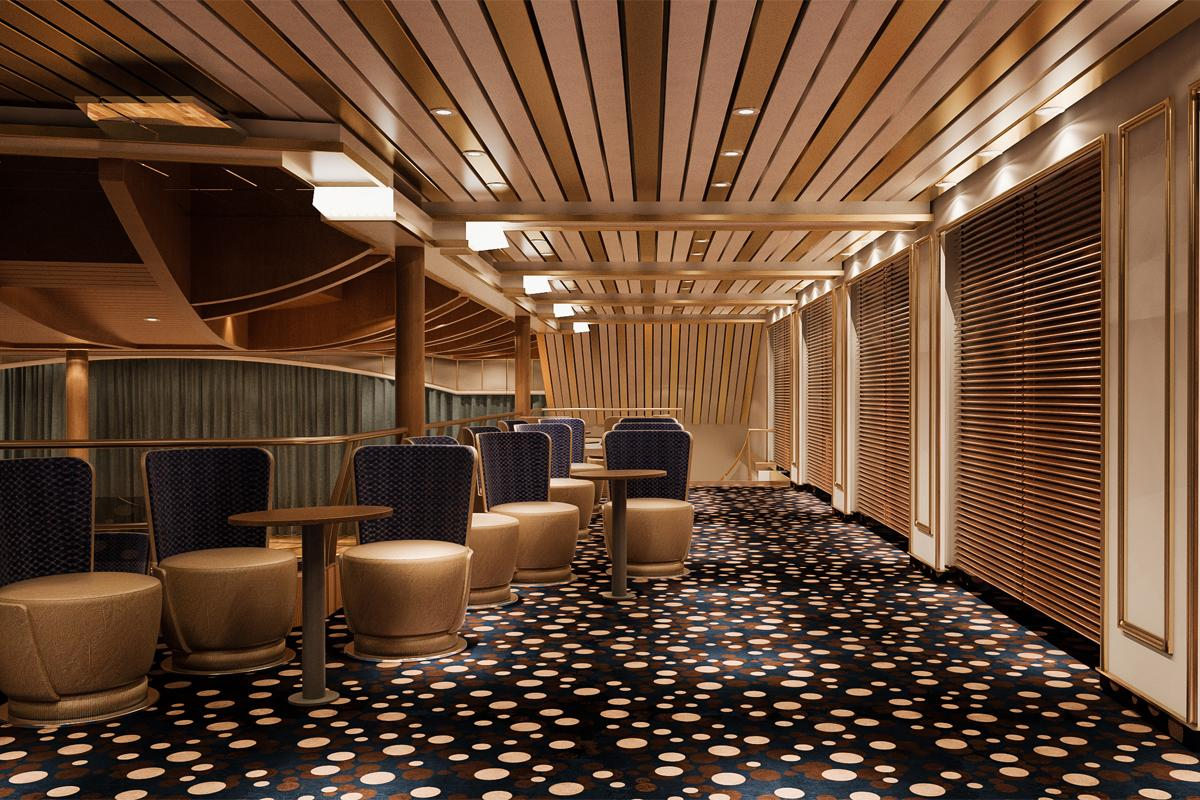
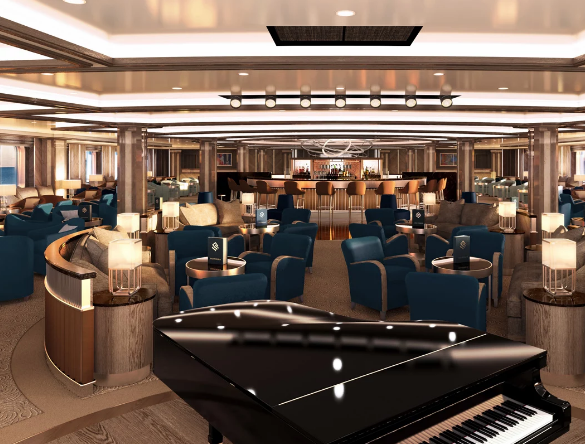
  • Venetian lounge
    venetian lounge
    More
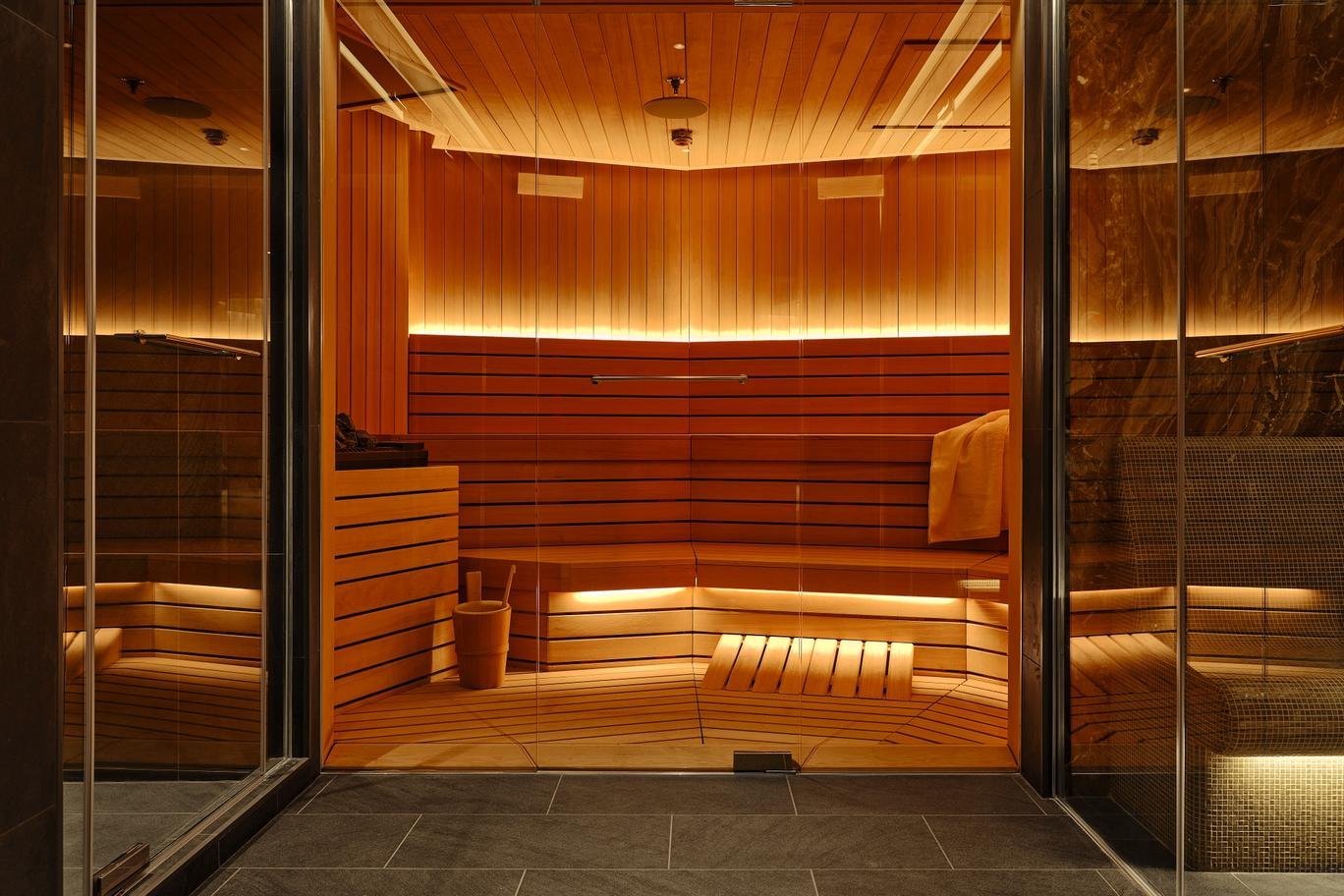
  • Otium spa
    otium spa
    More
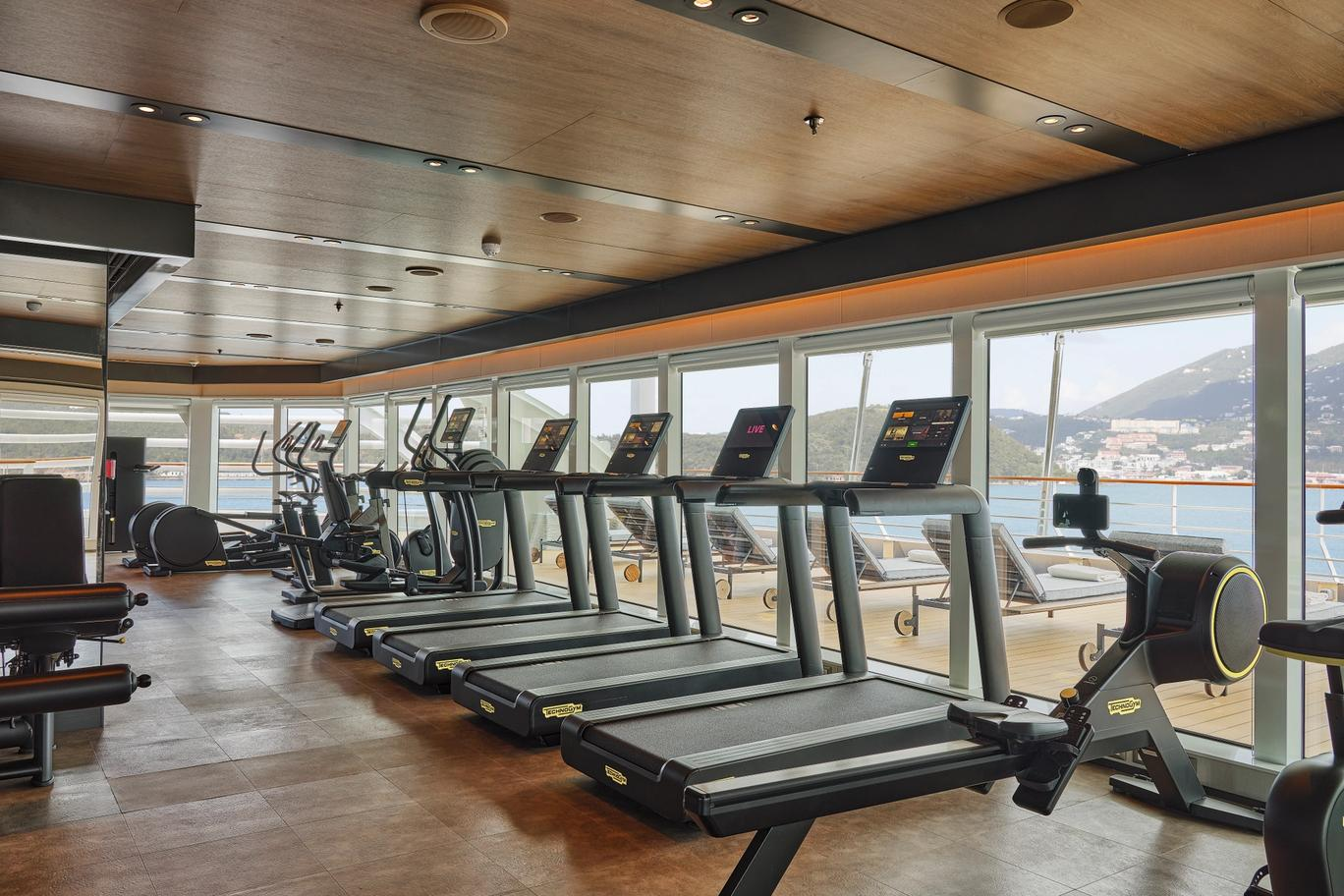
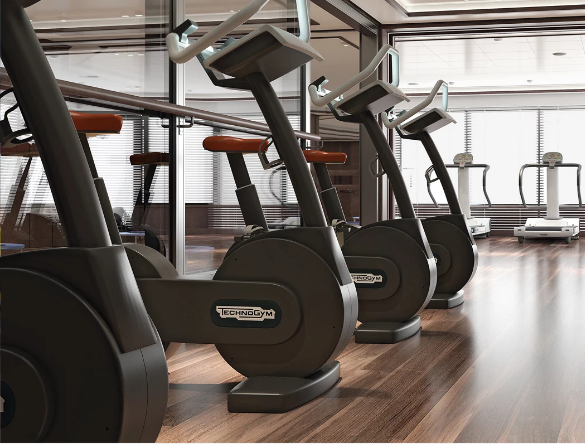
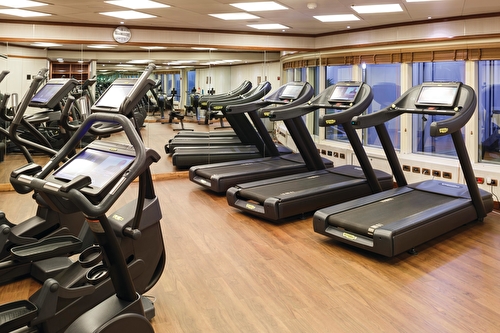
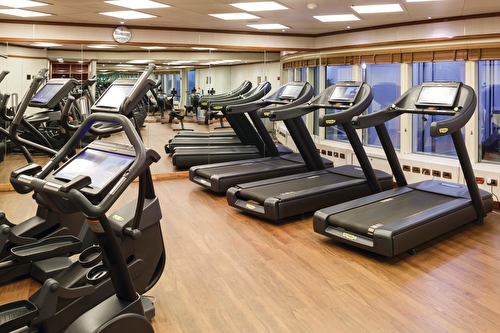
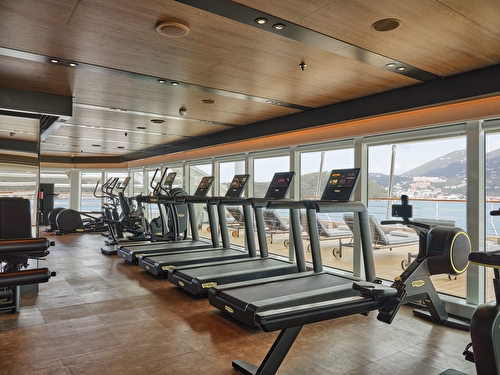
  • Fitness centre
    fitness centre
    More
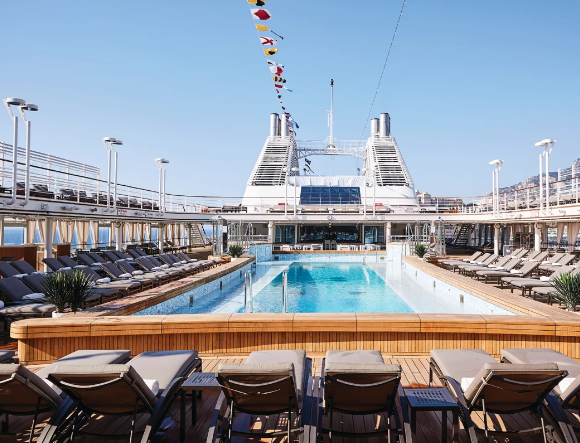
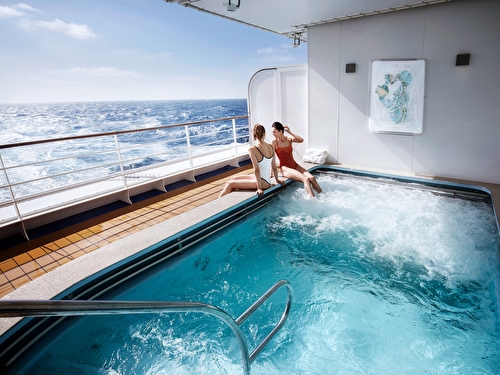
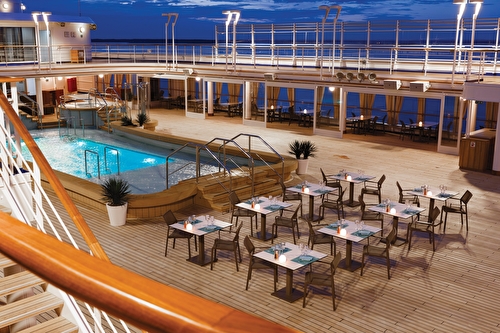
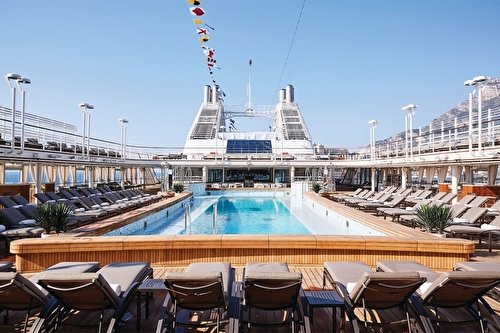
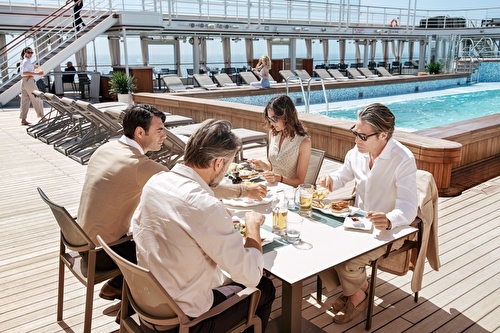
  • Pool deck & jacuzzi area
    pool deck & jacuzzi area
    More
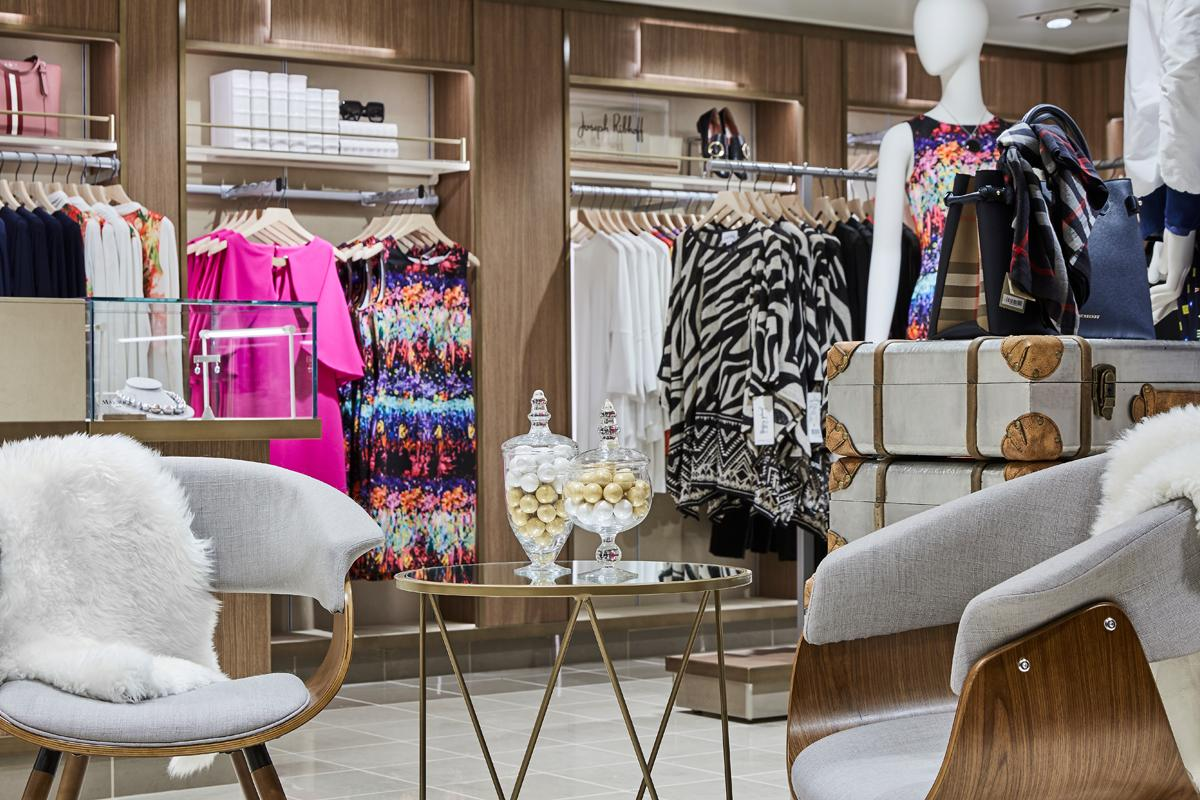
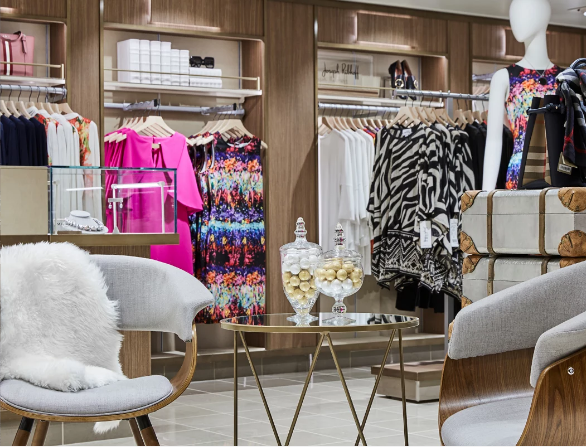
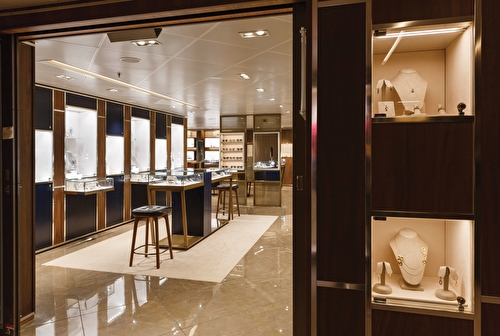
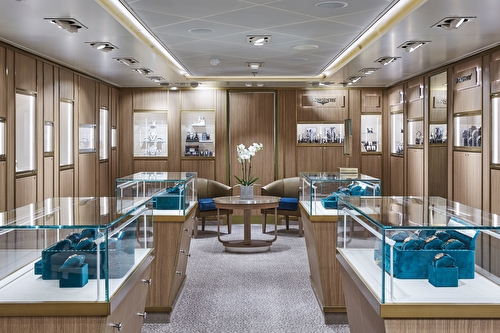
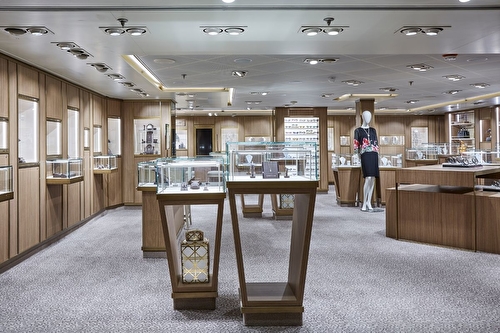
  • Boutique
    boutique
    More
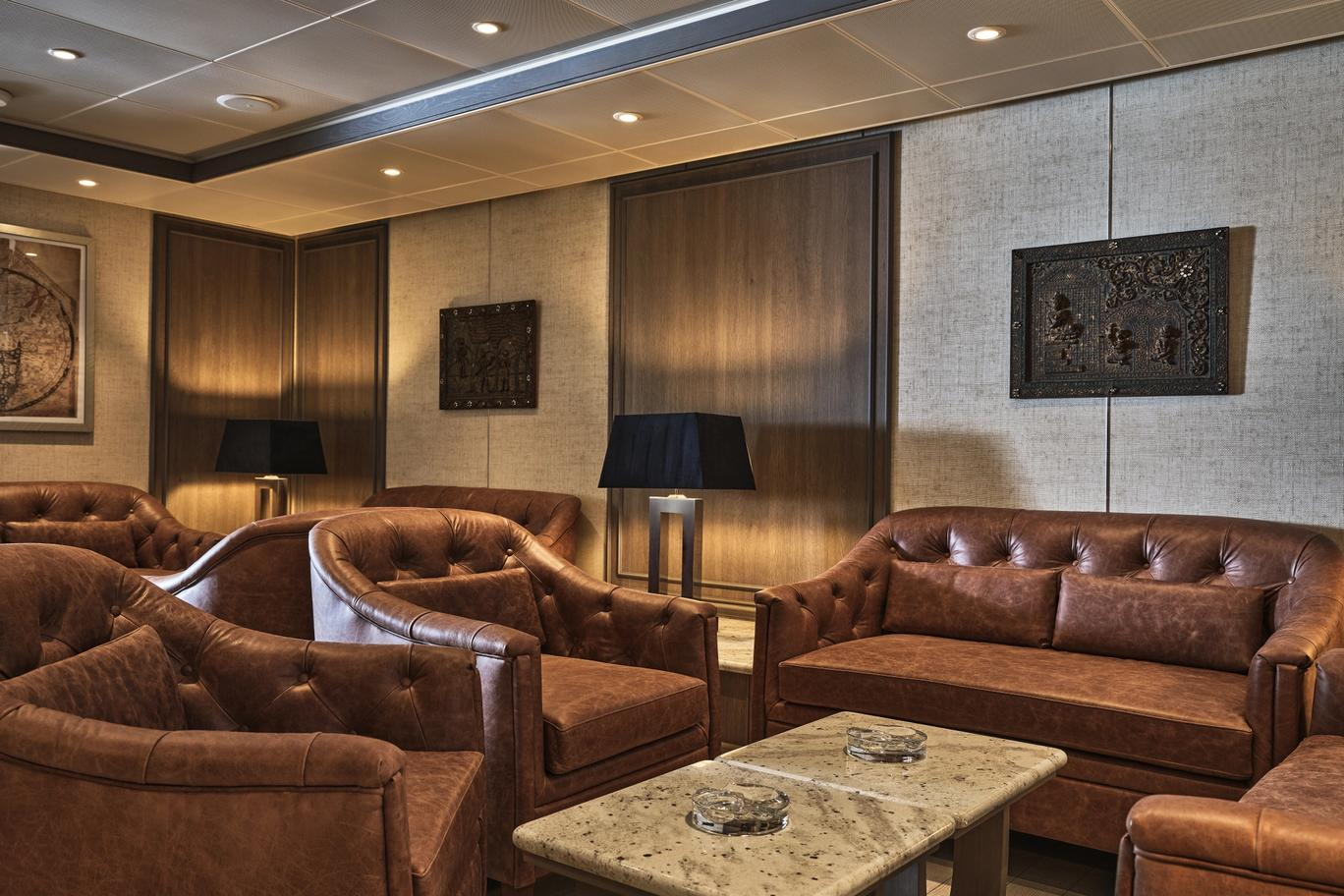
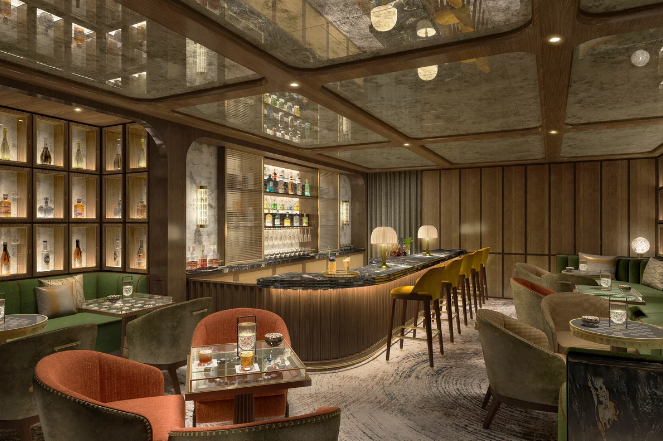
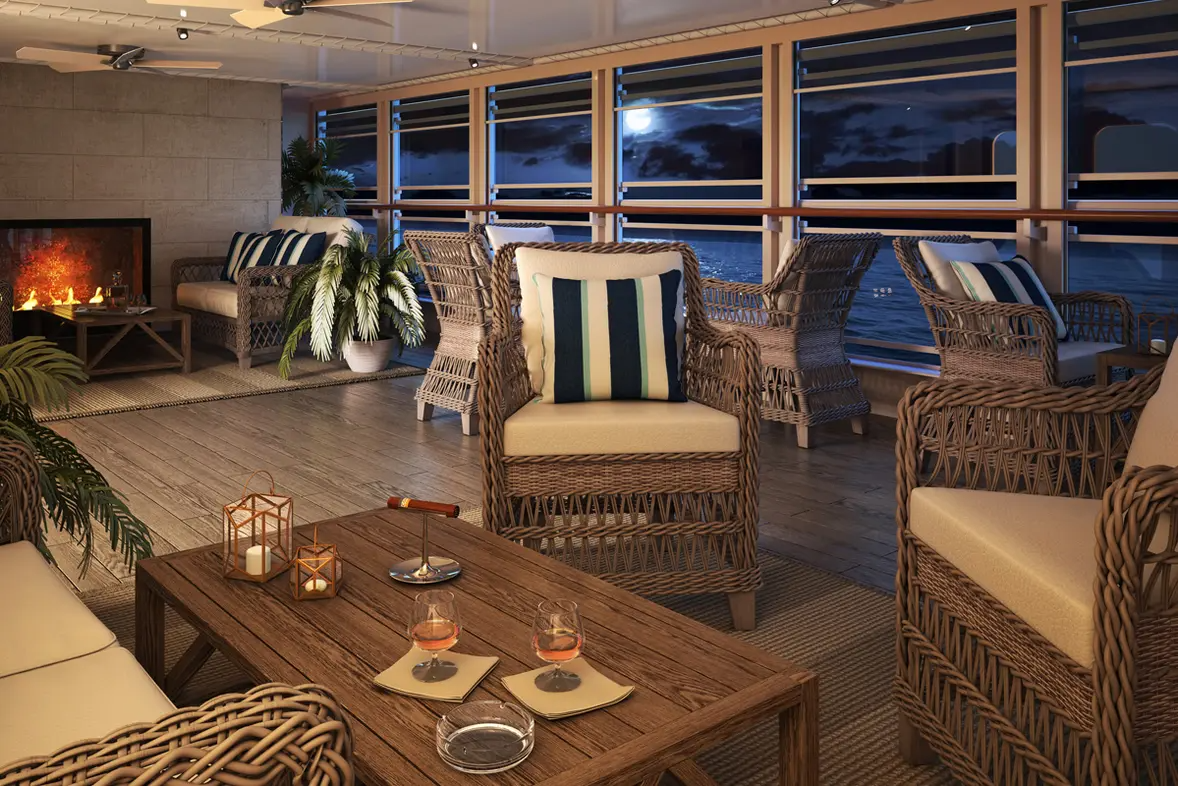
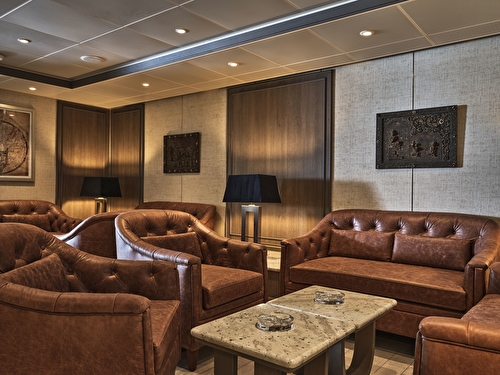
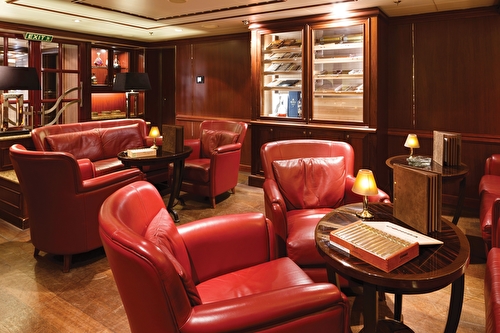
  • Connoisseur’s corner
    connoisseur’s corner
    More
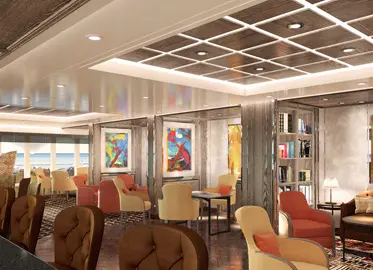
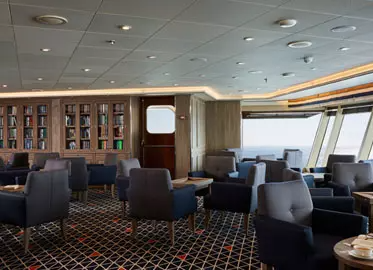
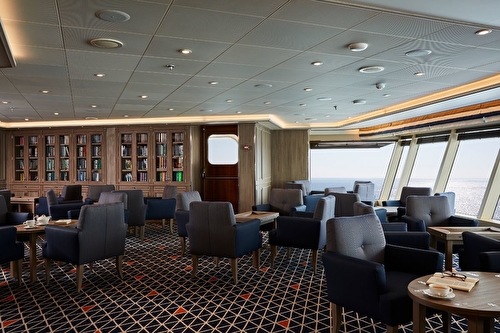
  • Observation library
    observation library
    More
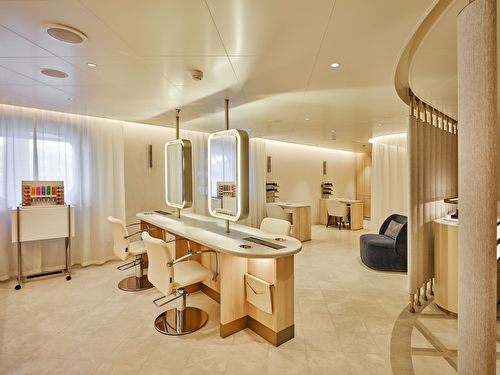
  • Otium beauty salon
    otium beauty salon
    More

Staterooms

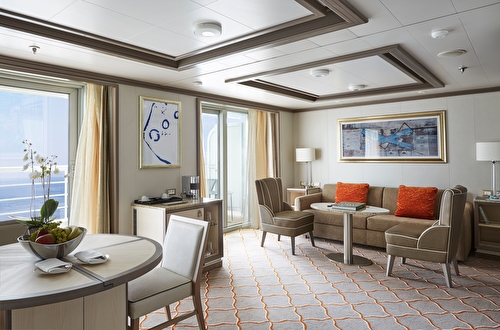
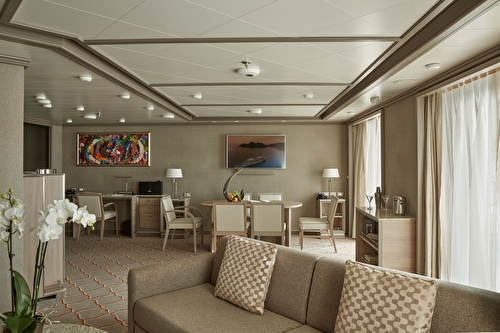
suite

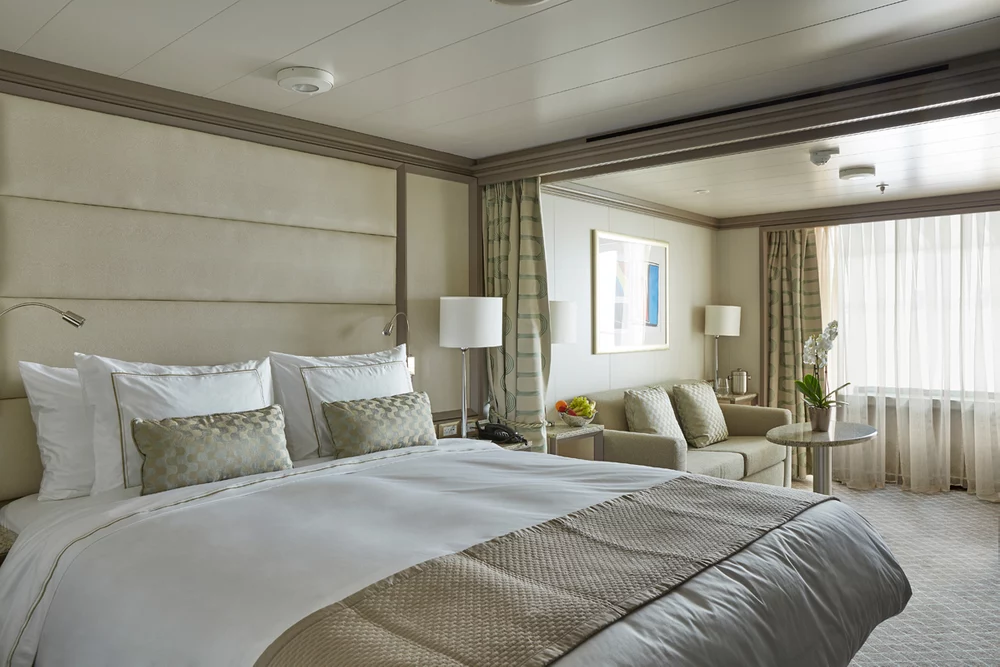
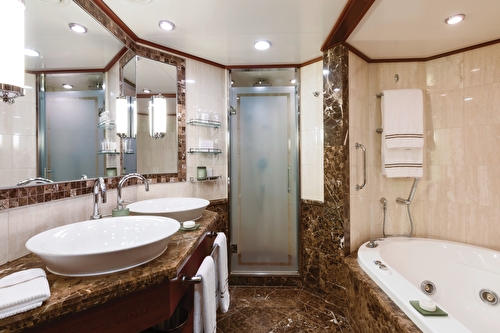
Comfortable, spacious and offering stupendous ocean views, the Vista Suite carries its name very we ... ll! Wake up to wide ocean views, breakfast to the sound of the waves lapping at the side of the ship or simply relax with the in-suite entertainment system and comfy sofas. Some Vista Suites are a little larger than standard – perfect for our guests with limited mobility. If you have ever wanted a home away from home on the high seas, the vista Suite is it. Sitting Area. Twin beds or queen-sized bed. Marble bathroom with vanity, full-sized bath, separate shower. Wheelchair accessible suite has a marble bathroom with vanity and separate shower (no full-sized bath). Walk-in wardrobe with personal safe; wheelchair accessible suites fitted with cupboards and wardrobe with personal safe. Writing desk. One 40” / 102 cm flat-screen HD TV. Interactive Media Library. Unlimited Standard Wifi.

More

Thank you!

I am also interested in the following:

How would you like us to contact you?:

Traveller information

Additional information

Call 13 70 79 or enquire to book this cruise

Passenger first name limit

Due to cruise line restrictions for online bookings, we ask that passengers with first names exceeding 10 characters to please ring us on 1300 269 432 so we can help you complete your booking.

Close
Passenger last name limit

Due to cruise line restrictions for online bookings, we ask that passengers with last names exceeding 15 characters to please ring us on 1300 269 432 so we can help you complete your booking.

Close
Passenger name limit

Due to cruise line restrictions for online bookings, we ask that passengers with first names exceeding 10 characters and/or last names exceeding 15 characters to please ring us on 
1300 269 432 so we can help you complete your booking.

Close