Roundtrip San Cristobal to San Cristobal

  • 14th February 2026
  • 7 Nights
  • San Cristobal
  • Silver Origin
Silversea

Inside price from

Sold Out

Balcony price from

Sold Out

Outside price from

Sold Out

Suite price from

Sold Out

* based on twinshare stateroom

Your itinerary

  • San Cristobal, Ecuador
  • Kicker Rock, Ecuador
  • Prince Philips Steps
  • Darwin Bay (Genovesa)
  • North Seymour
  • Sullivan Bay (Santiago)
  • Bolivar Canal Cruising
  • Punta Mangle, Fernandina
  • Punta Moreno, Isabela
  • Santa Cruz Highlands, Ecuador
  • Breeding Center, Pto Ayora, Santa Cruz
  • Punta Suarez, Espanola, Ecuador
  • Isla Lobos De Tierra
  • San Cristobal, Ecuador
Day 1

14th Feb '26

San Cristobal, Ecuador
An impressive tuff cone has been carved by erosion into an outstanding natural sculpture, being a resting place for marine birds such as blue-footed bobbies and brown pelicans. One of the most beautiful white sand beaches of the Galapagos (swim or snorkel). View sea lions, sally lightfooted crabs, blue-footed bobbies. Behind the dunes, you find a coastal lagoon, which was visited in the past by the locals to extract salt, today it is home to some shorebirds such as stilts and plovers. The vegetation (as it is one of the oldest islands) shows some endemic species such as Scalesia incisa (flowering plant) only found on this island. More
Less
Arrive

0:00

Depart

16:30

Day 1

14th Feb '26

Kicker Rock, Ecuador
Less
Arrive

0:00

Depart

0:00

Day 2

15th Feb '26

Prince Philips Steps
Genovesa is one of the northernmost islands of the archipelago. Genovesa’s southern side of the shield volcano’s crater collapsed and a protected bay known as Darwin Bay was formed. The island is often referred to as the “Bird Island” as the numbers and species of land and seabirds on Genovesa are quite extraordinary. There are two visitor sites, and Prince Philip’s Steps give access to the flat plateau above the bay. Named after Prince Philip who visited the Galapagos on two occasions, the “steps” are mostly natural. View less The steep cliffs are home to Red-billed Tropicbirds, while Magnificent Frigatebirds, Nazca and Red-footed Boobies prefer the top. The plateau above Prince Philip’s Steps has a palo santo forest and an extensive lava field. This is an area where one of the Galapagos’ top predators, the Short-eared Owl, is hunting storm petrels. The Short-eared Owls are extremely well camouflaged and are not always easy to spot in between the rocks. More
Less
Arrive

5:30

Depart

12:00

Day 2

15th Feb '26

Darwin Bay (Genovesa)
At Genovesa Island the ship tucks into Darwin Bay, an ancient volcanic crater now flooded by the sea. Zodiacs land on a picturesque sandy beach where Galapagos sea lions often rest on the fine, white sand. Explorations along the shore may reveal marine iguanas looking like prehistoric dinosaurs in miniature. By heading inland a short distance visitors could encounter seabirds of all shapes and sizes nesting in the vegetation. Scores of immature Red-footed Boobies perch on branches within an arm’s reach of the path. In addition, watch for Great Frigatebirds and Yellow-crowned Night Herons along the walk. There is also fantastic snorkeling in the waters of Darwin Bay with the opportunity to see large schools of reef fish and brightly colored sea stars. More
Less
Arrive

12:30

Depart

23:00

Day 3

16th Feb '26

North Seymour
The landing at North Seymour Island is onto black lava rock. After a short climb, visitors arrive on the island’s flat plateau where a number of sea lions nurse pups and frigatebirds nest. The island is dry, and so the predominant tree is the prickly pear cactus favored by the yellow Conolophus land iguanas that live here in number. The undulating terrain is littered with red-brown volcanic boulders and large male Magnificent Frigatebirds can be seen inflating their vivid red gular sacs in hopes of impressing females flying overhead. View less At certain times of the year, pairs of Blue-footed Boobies dance here in a ritualized mating dance that reinforces their pair bond and shows off their vivid blue feet. The snorkeling here is well-known for schools of colorful creole wrasses and parrot fish. More
Less
Arrive

4:15

Depart

12:30

Day 3

16th Feb '26

Sullivan Bay (Santiago)
The lava fields of Sullivan Bay on Santiago Island will inevitably remind visitors of the surface of the moon. As brilliant red Sally Lightfoot crabs scuttle along the black volcanic shores, learn about the formation of the islands through geological forces from your guides. The lava flows here are just over one hundred years old and date back to 1897. The lava took on a rope-like appearance and geologists have adopted a Hawaiian word, pahoehoe, as the technical name for this kind of volcanic rock. View less After walking the exposed rocky terrain, it is a welcoming sensation to return to the sandy beach and get ready for a swim or a snorkel. More
Less
Arrive

14:30

Depart

18:00

Day 4

17th Feb '26

Bolivar Canal Cruising
Less
Arrive

0:00

Depart

0:00

Day 4

17th Feb '26

Punta Mangle, Fernandina
Among the impressive new lava fields of Fernandina Island hides a cove surrounded by mangroves. A rewarding place for bird-watching as the bay is the point where the land meets the sea, joining the two environments, with sea birds, shorebirds and land birds all in the same place. The different species of mangroves: Red, White and Black, have formed a root system that serves as a nursery for many species of fish, including juveniles’ sharks and green sea turtles. View less Snorkeling is as rewarding with some unique sightings as Marine Iguanas feeding on algae, or flightless cormorants diving for their prey. More
Less
Arrive

6:45

Depart

12:00

Day 4

17th Feb '26

Punta Moreno, Isabela
Impressive Pahoehoe lava field that lies between two active volcanoes, Sierra Negra and Cerro Azul, on the south coast of Isabela Island. The rich waters of Cromwell current wash the shores, and as a result, you can see the largest marine iguanas of the archipelago basking on the rocks, flightless cormorants and Galapagos penguins diving for food. Snorkeling can be one of the coldest of the trip, but also one of the most rewarding experiences with good chances to see penguins “flying” underwater, Green Sea Turtles, and Marine Iguanas feeding. View less During the walk you will experience, as an oasis in a desert of lava, some coastal lagoons in the middle of the field, here you can find shorebirds such as White-cheeked Pintail Ducks, Black-necked Stilts and even sometimes Flamingos. More
Less
Arrive

14:30

Depart

18:00

Day 5

18th Feb '26

Santa Cruz Highlands, Ecuador
Los Gemelos (The Twins) is a visitor site in the Santa Cruz highlands. Found some 15 kilometers northwest of Puerto Ayora, the road leading from Puerto Ayora in the south of Santa Cruz to Itabaca in the north dissects the twin pit craters. Pit craters are formed when the roof of an underground void collapses. The smaller pit crater is on the eastern side of the road, while the larger one is on the western side. See from above, the two openings in the ground are not at all identical. View less Their layout might imply an elongated magma chamber or a lava tube leading further west and the larger twin actually having formerly been two small pit craters whose connecting wall collapsed as well. Trails through a Scalesia forest not only give access to good views of the pit craters, but also permit to observe some of the smaller land birds. Vermilion Flycatchers, Yellow Warblers, Galapagos Doves, Medium Ground Finches and several other finch species can often be seen there. More
Less
Arrive

5:30

Depart

11:00

Day 5

18th Feb '26

Breeding Center, Pto Ayora, Santa Cruz
Less
Arrive

12:30

Depart

22:30

Day 6

19th Feb '26

At Sea
Isla Champion is a small islet off Floreana Island’s northeast coast. To cruise by it reveals a bare, rocky island without much allure, but to enter the infinitely blue waters around this small landmass is to discover a spectacular underwater realm. The visibility is generally impressive and thanks to this water clarity snorkelers often spot reef sharks patrolling the reef wall, cruising Pacific green turtles, and playful Galapagos sea lions. Encounters in the blue with thousands of small silver minnows, large tuna fish, or oceanic sunfish are not unheard of either. More
Less
Arrive

3:30

Depart

13:00

Day 6

19th Feb '26

Punta Suarez, Espanola, Ecuador
Punta Suárez lies at the western point of Española, the oldest island in the Galápagos. Sheer cliffs provide superb thermals for seabirds and you may spot Swallow-tailed Gulls, Nazca Boobies and Blue-footed Boobies on the breeze. The largest seabird to nest in the Galapagos Islands is the Waved Albatross. These ocean wanderers can be seen seasonally here from April through December, when pairs reunite on Española, going through an elaborate pair-bonding display. View less Mockingbirds, doves, and occasional Galápagos Hawks can also be seen on the point, along with sea lions and colorful marine iguanas. More
Less
Arrive

13:45

Depart

23:30

Day 7

20th Feb '26

Isla Lobos De Tierra
Isla Lobos de Tierra and Lobos de Afuera are steep and rocky islands that protrude more than 200 feet from the surface of the deep blue Pacific. An abundant array of marine mammals and seabirds surround these two islands. Sea lions bask on the beach and hundreds of Blue-footed Boobies can be viewed ashore as well, while Peruvian Pelicans pass overhead. Lucky visitors may see the rare blue whale pass by these islands. More
Less
Arrive

7:00

Depart

12:00

Day 7

20th Feb '26

At Sea
Less
Arrive

14:30

Depart

22:00

Day 8

21st Feb '26

San Cristobal, Ecuador
An impressive tuff cone has been carved by erosion into an outstanding natural sculpture, being a resting place for marine birds such as blue-footed bobbies and brown pelicans. One of the most beautiful white sand beaches of the Galapagos (swim or snorkel). View sea lions, sally lightfooted crabs, blue-footed bobbies. Behind the dunes, you find a coastal lagoon, which was visited in the past by the locals to extract salt, today it is home to some shorebirds such as stilts and plovers. The vegetation (as it is one of the oldest islands) shows some endemic species such as Scalesia incisa (flowering plant) only found on this island. More
Less
Arrive

1:45

Depart

0:00

Your ship - The Silver Origin

Description Food and Drink Entertainment Fitness Other
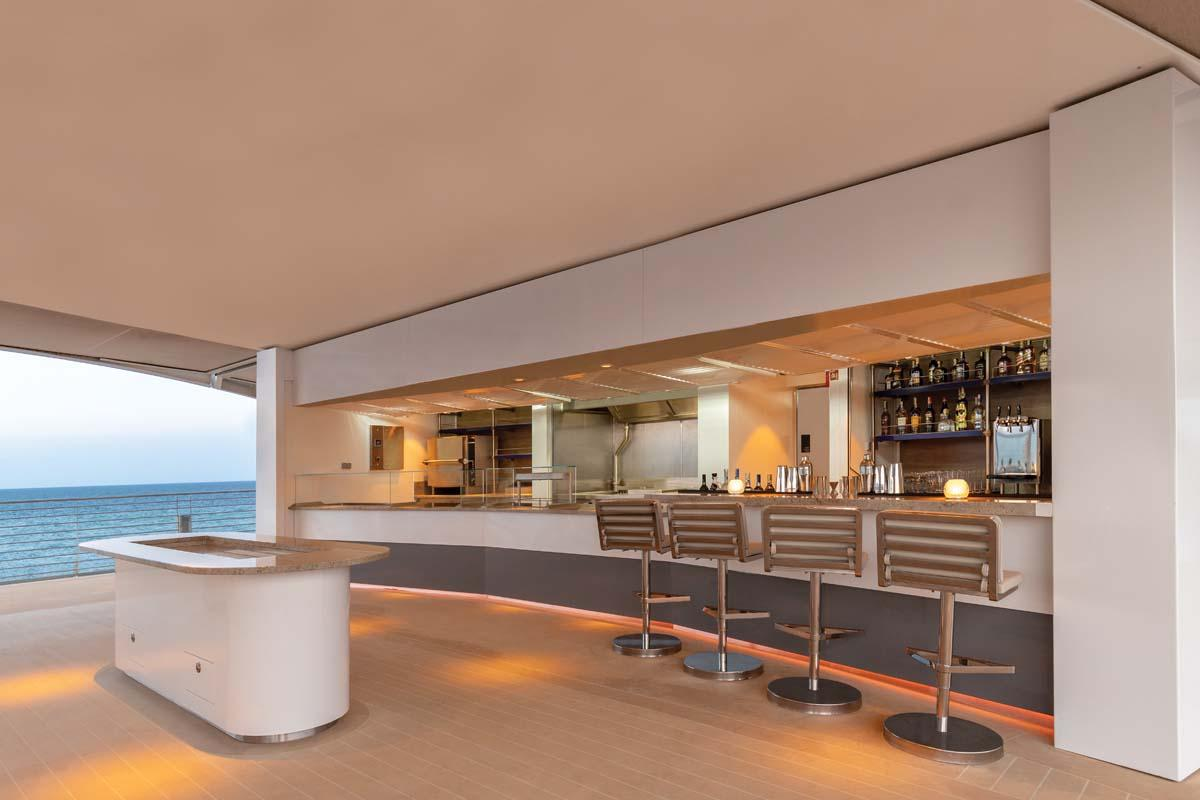
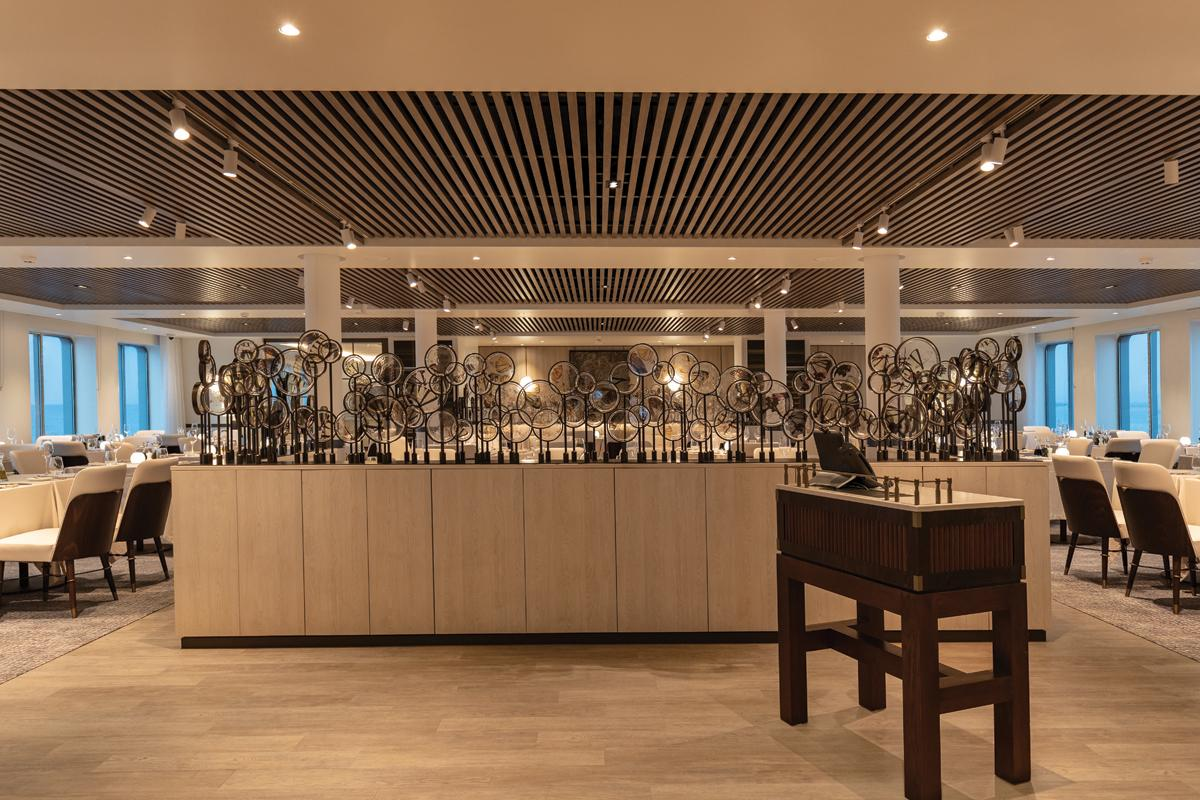
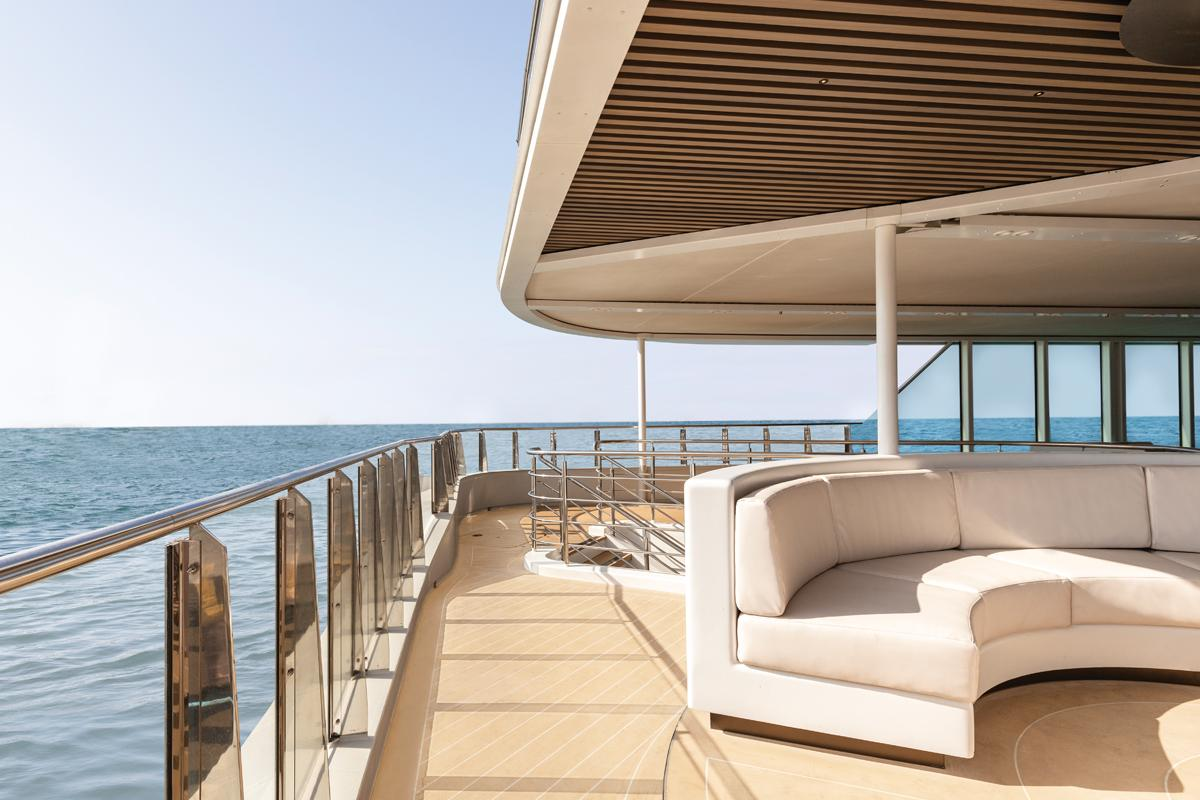
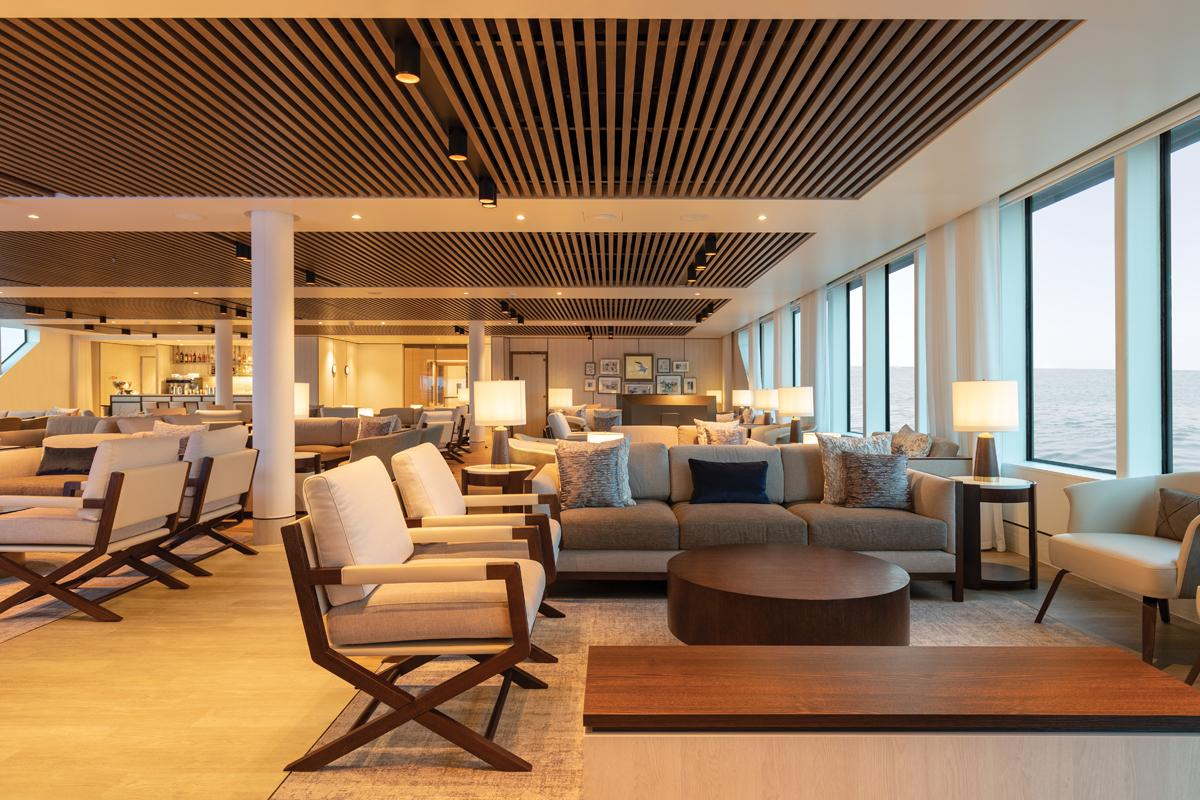
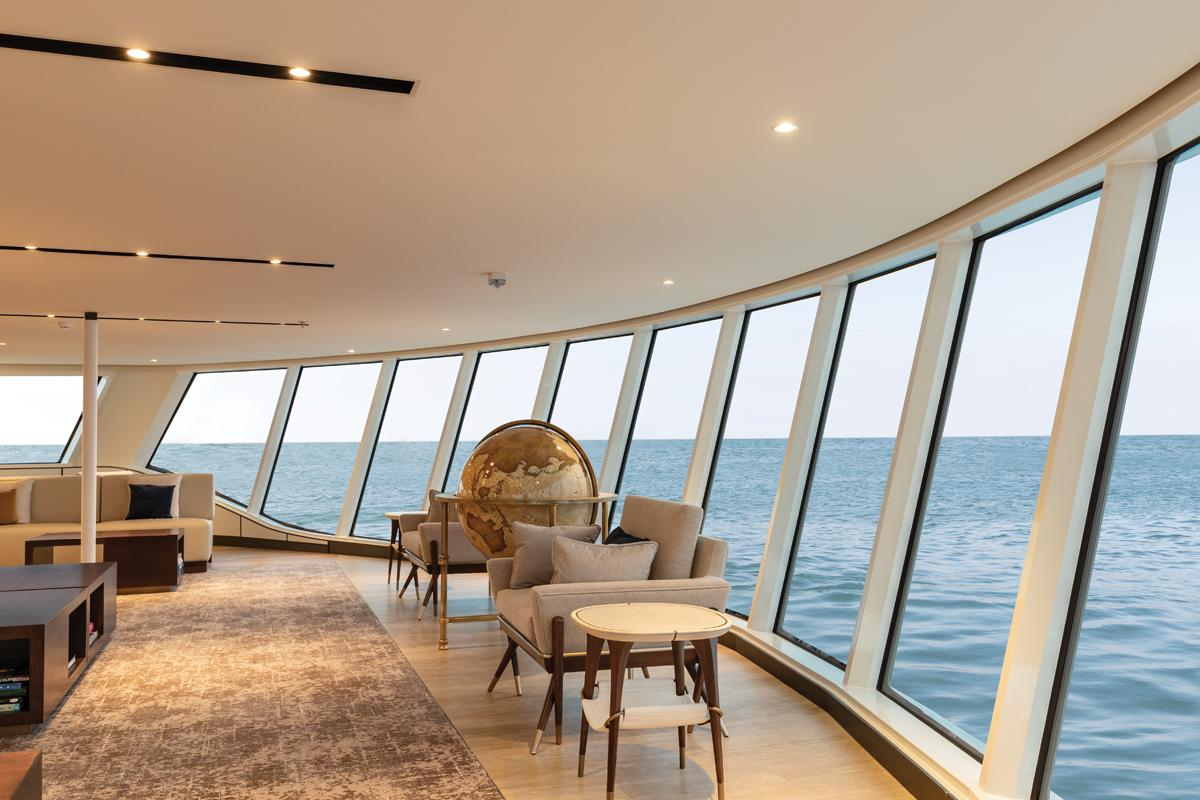
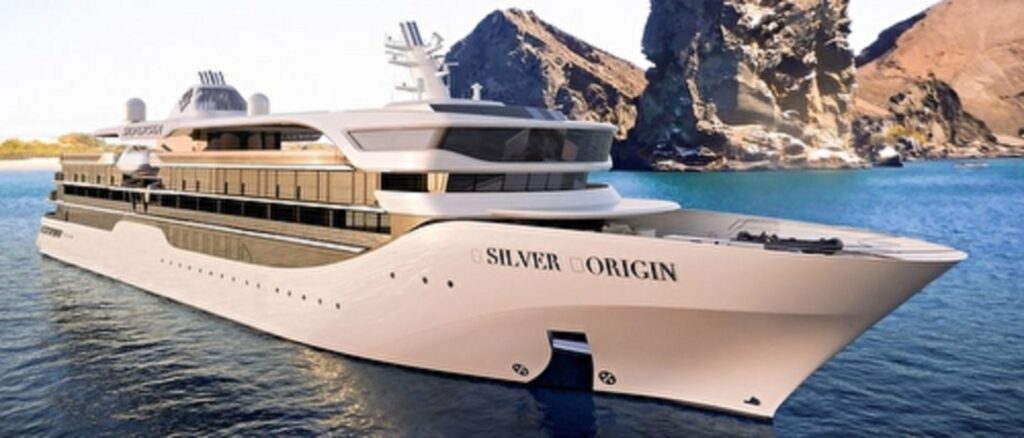
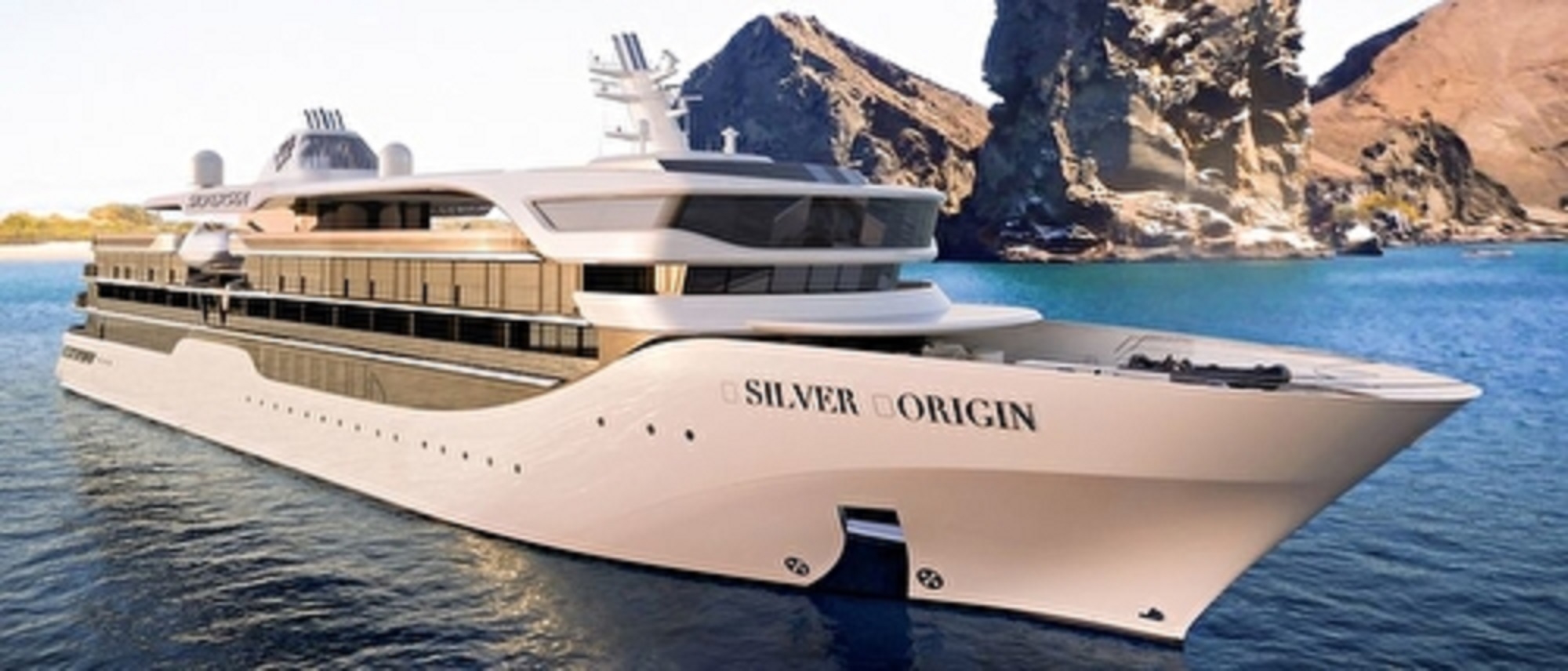
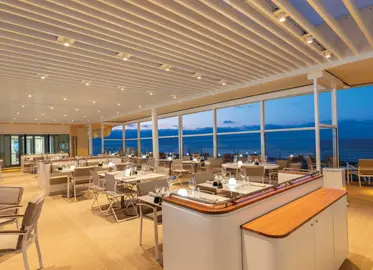
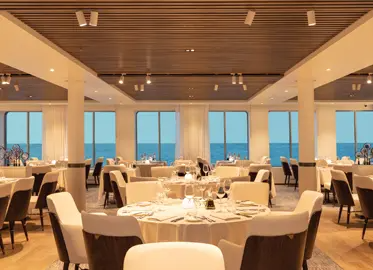
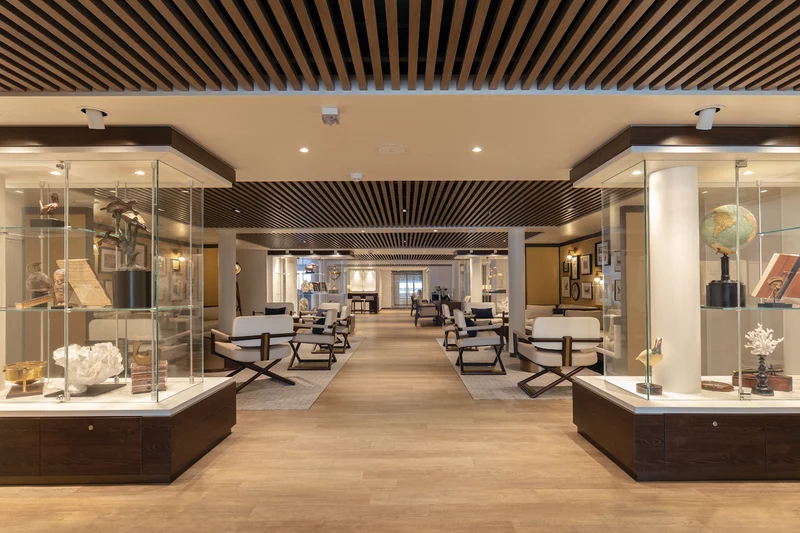
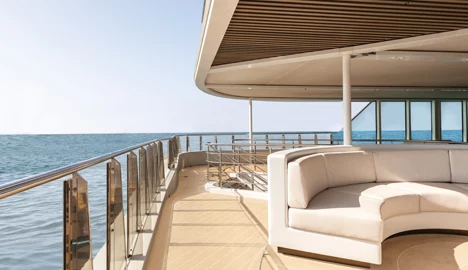
The most elegant ship ever to sail the Galapagos. The first destination specific ship built by Silversea, Silver Origin is the height of experiential travel in the Galapagos. Never before have the is...ds been so superbly presented: a team of Ecuadorian national expert guides, the highest crew-to-guest ratio in the Galapagos, 8 Zodiacs, seamless hybrid spaces that offer an extraordinary voyage – for extraordinary people. All-suite accommodation, Horizon Balconies, butler service, sophisticated interiors, interactive basecamp, Ecuadorian inspired cuisine … no aspect of Silver Origin has been left to chance. The most environmentally conscious ship we have ever built, take a vertical leap and transform your idea of travel with Silver Origin. More Less
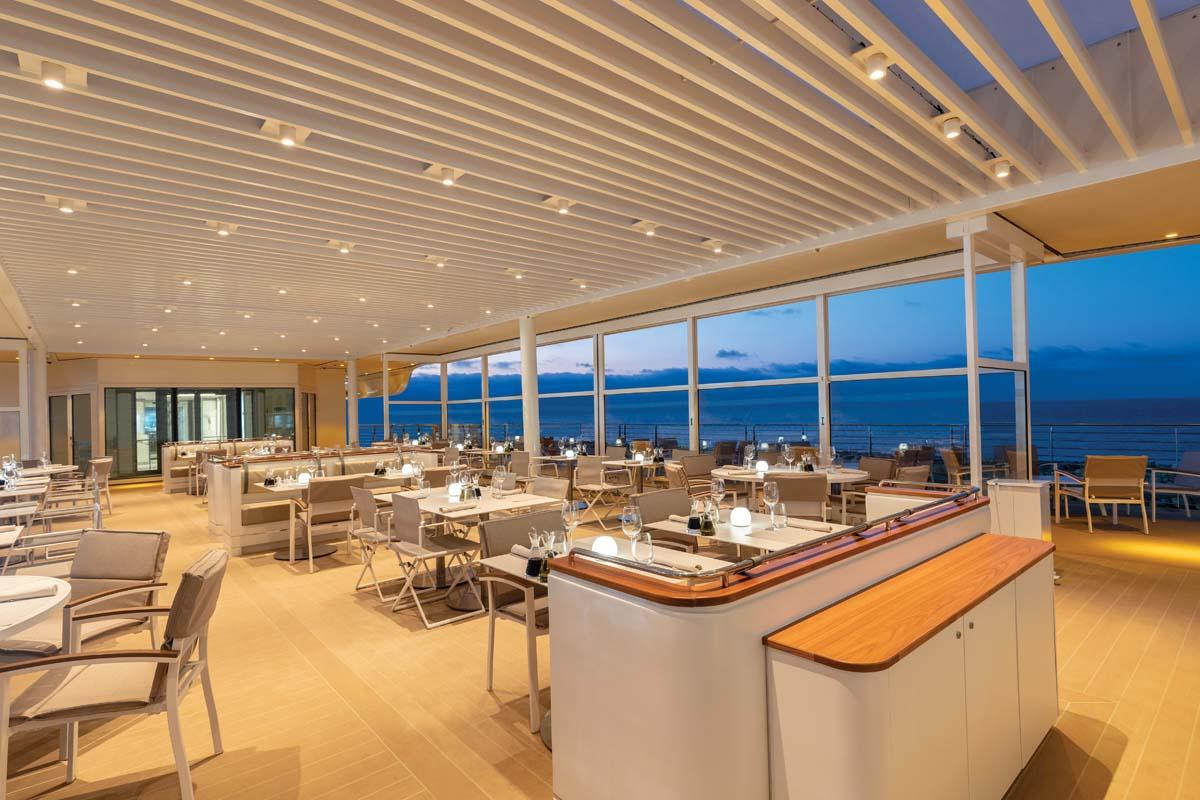
  • The grill
    the grill
    More
  • The restaurant
    the restaurant
    More
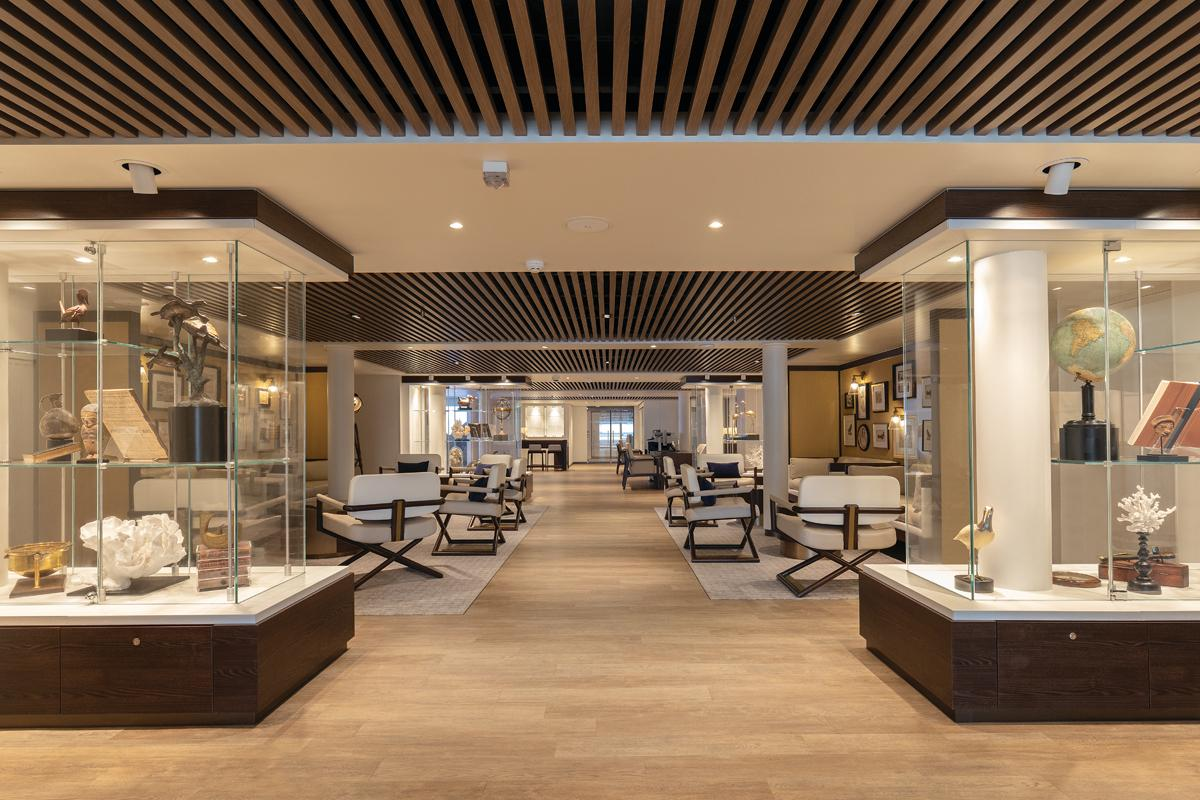
  • Explorer lounge
    explorer lounge
    More
  • Explorer lounge
    explorer lounge
    More
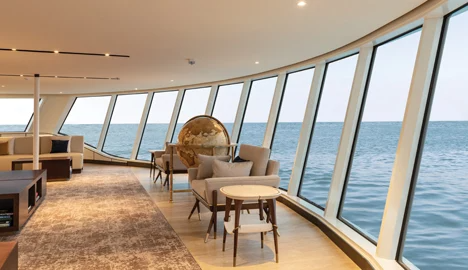
  • Observation lounge
    observation lounge
    More
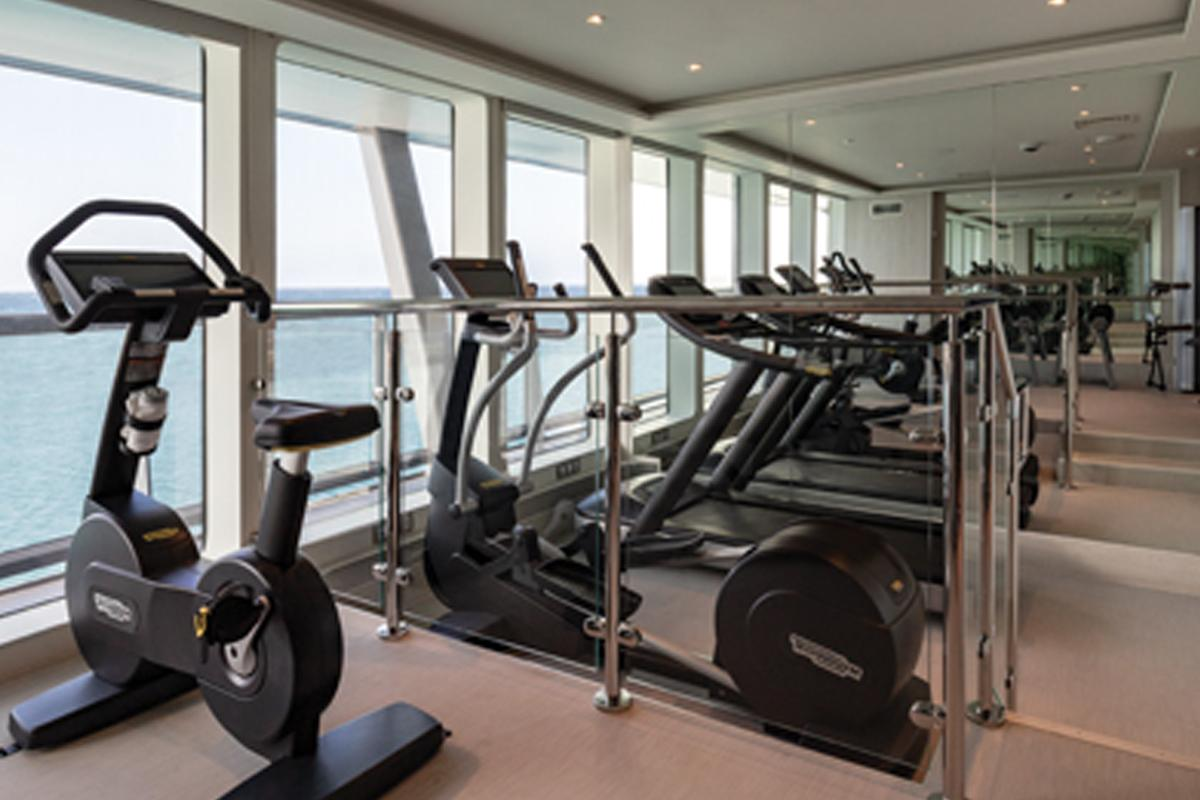
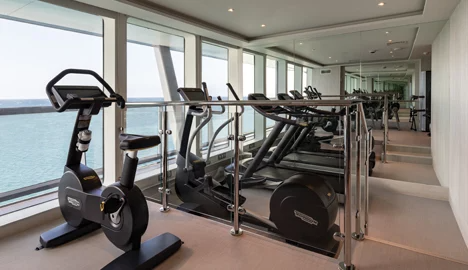
  • Fitness center
    fitness center
    More
  • Basecamp
    basecamp
    More
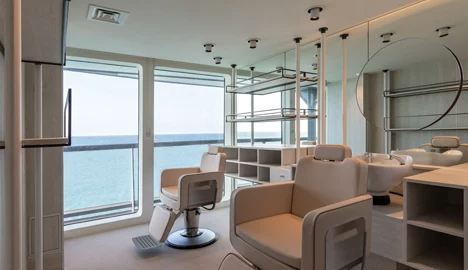
  • Beauty salon
    beauty salon
    More
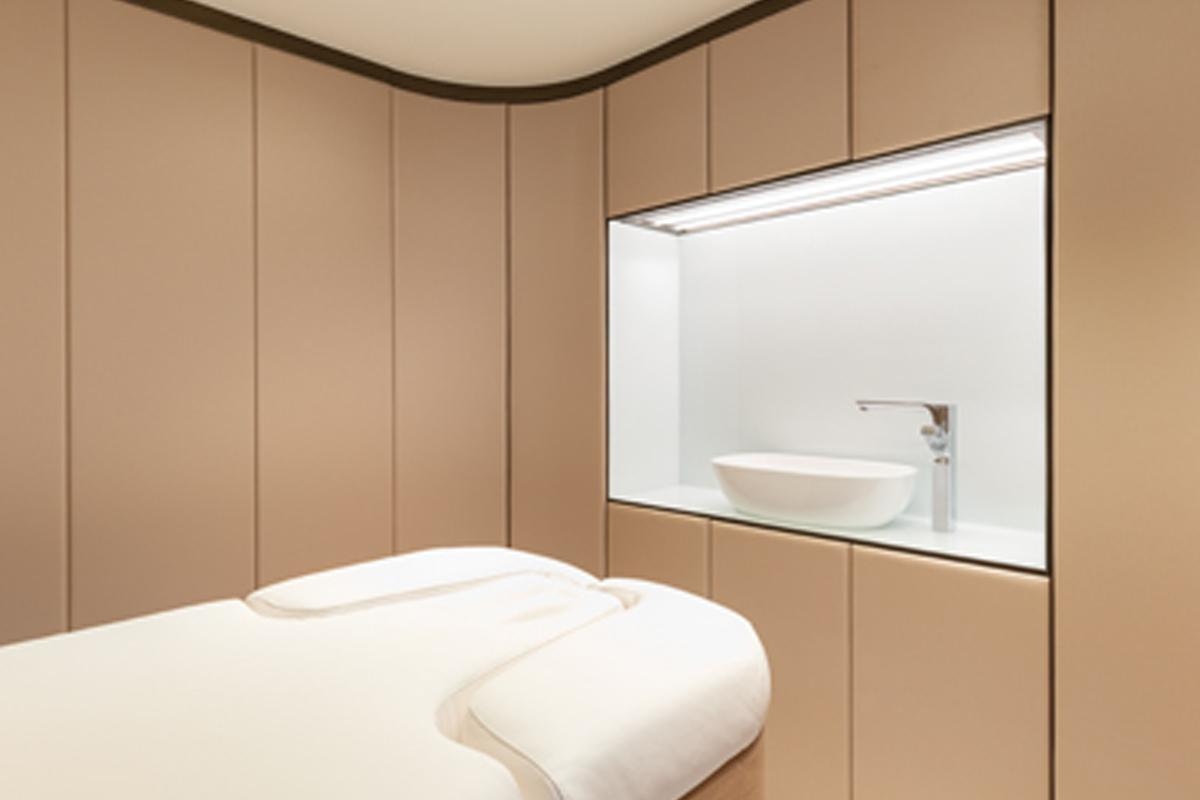
  • Beauty spa
    beauty spa
    More

Staterooms

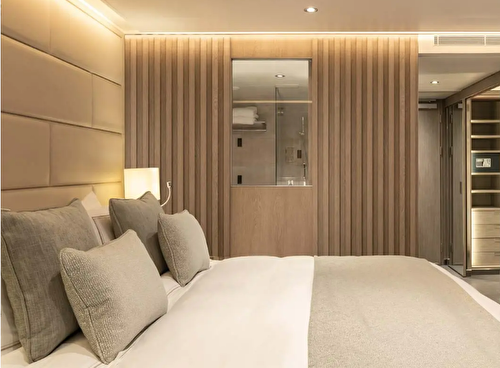
suite

Our Superior Veranda Suite is designed to give you immersion far beyond excursion in the Galapagos. ... Silver Origin’s unique Horizon Balcony converts your suite at the touch of a button, transforming your balcony into inside seating area. A large bathroom with window into the suite makes this an enviable option when choosing your Galapagos cruise. Private veranda with Horizon Balcony. Sitting area. Twin beds or queen-sized bed. A choice of pillows. Bathroom with large vanity and walk-in shower. Walk-in wardrobe(s) with personal safe. Writing desk. 1 large flat screen TV. Unlimited Standard Wifi.

More

Similar Cruises

  • Date
    Trip
    Cruise Ship
    Nights
    Price
  • 28 Feb 2026
    Roundtrip San Cristobal to San Cristobal
    Silver Origin- 7Nights
    7
    Inside price from
    Enquire for Price
  • 14 Mar 2026
    Roundtrip San Cristobal to San Cristobal
    Silver Origin- 7Nights
    7
    Inside price from
    Enquire for Price
  • 28 Mar 2026
    Roundtrip San Cristobal to San Cristobal
    Silver Origin- 7Nights
    7
    Inside price from
    $18,100* /per person

*Based on Twinshare cabin

Thank you!

I am also interested in the following:

How would you like us to contact you?:

Traveller information

Additional information

Call 13 70 79 or enquire to book this cruise

Passenger first name limit

Due to cruise line restrictions for online bookings, we ask that passengers with first names exceeding 10 characters to please ring us on 1300 269 432 so we can help you complete your booking.

Close
Passenger last name limit

Due to cruise line restrictions for online bookings, we ask that passengers with last names exceeding 15 characters to please ring us on 1300 269 432 so we can help you complete your booking.

Close
Passenger name limit

Due to cruise line restrictions for online bookings, we ask that passengers with first names exceeding 10 characters and/or last names exceeding 15 characters to please ring us on 
1300 269 432 so we can help you complete your booking.

Close