





La
The

China / Japan / Korea

  • 18th April 2029
  • 14 Nights
  • Tokyo (Yokohama)
  • Silver Muse
Silversea

Suite price from

$14,150*/per person

* based on twinshare stateroom

Displayed prices exclude Travel Expert Service Fee (as applicable). Fees are calculated at checkout.

World360 Rewards Earn & redeem points on all travel* with World360 Rewards – join free today!

Your itinerary

  • Tokyo (Yokohama)
  • Kobe
  • Kobe
  • Kochi, Japan
  • Beppu, Japan
  • Aburatsu
  • Kagoshima
  • Nagasaki
  • Jeju (Cheju) City
  • Tianjin (Beijing), China
  • Tianjin (Beijing), China
  • Seoul (Incheon)
Day 1

18th Apr '29

Tokyo (Yokohama)
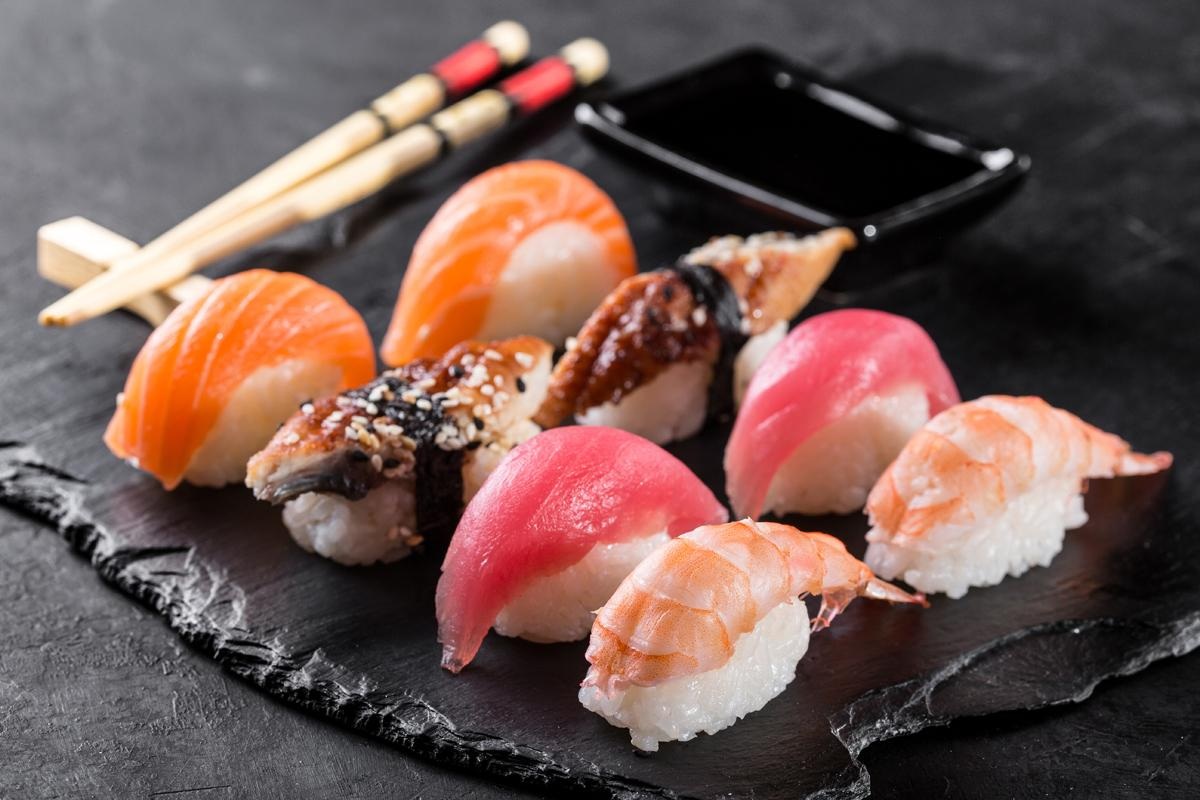
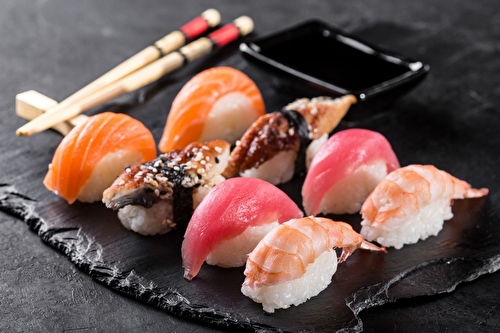
Dense and delightful, there’s nowhere else like Japan’s kinetic capital – a city where ancient traditions blend seamlessly with a relentless pursuit for the future’s sharpest edge. See the city from above, as elevators rocket you up to towering viewing platforms, from which you can survey a vast urban ocean, interspersed with sky-scraping needles. Look out as far as the distant loom of Mount Fuji’s cone on clear days. View less Futuristic – second-accurate – transport seamlessly links Tokyo’s 14 districts, while the glow of flashing advertisement boards, clanks of arcade machines, and waves of humanity flowing along its streets, adds to the sense of mesmerising, dizzying and glorious sensory overload. One of Tokyo’s most iconic sights, don’t miss the flood of people scrambling to cross Shibuya’s famous intersection. Join the choreographed dance, as crowds of briefcase-carrying commuters are given the green light to cross at the same time – bathed in the light of massive neon advertisements. The culture is immensely rich and deep, with 7th-century, lantern-decorated temples, stunning palaces and tranquil scarlet shrines waiting below cloaks of incense and nestling between soaring skyscrapers. Restaurants serve up precisely prepared sushi, and wafer-thin seafood slivers, offering a unique taste of the country’s refined cuisine. Settle into traditional teahouses, to witness intricate ceremonies, or join the locals as they fill out karaoke bars to sing the night away. In the spring, cherry blossom paints a delicate pink sheen over the city’s innumerable parks and gardens. More
Less
Arrive

0:00

Depart

0:00

Day 2

19th Apr '29

At Sea
Less
Arrive

0:00

Depart

0:00

Day 3

20th Apr '29

Kobe
The Japanese city of Kobe needs no introduction. The name is synonymous with its home grown superstar. We are not talking of its stunning shrines, cherry trees laden with blossom during sakura or effervescent city, buzzing with life 24/7. We are of course talking of a much more grass roots hero – its eponymous beef. The delicacy might have put the city on the map, but there is far more to Kobe than its meat. Naturally, Kobe wears its cuisine as a badge of honour. View less Its port history has given it a gastronomy that is quite different from its neighbours. Seafood and sushi is naturally some of the freshest and most diverse you can find, but Kobe’s multi-cultural nature (the city is home to 98 different nationalities) means that it has one of the most diverse gastronomic cultures in Japan. Bread and bakeries are also an (unexpected) delicacy. Additionally, Sake is taken very seriously – Kobe even has its own museum dedicated to the national spirit. Historically, Kobe has always been a key city for Japan. Renamed in 1889, it was known as Owada no Tomari during the Nara Period (710-784 C.E.). Kobe’s location on the calm Inland Sea between Osaka and Kyoto has proven to be pivotal in Japanese history; it is mentioned in famous literary works such as The Tale of Genji (from approximately late 9th century) and the Taiheiki (14th century). The city and region are home to many attractions including the Himeji Castle (widely considered to be Japan’s most beautiful feudal castle), a short ride away. More
Less
Arrive

0:00

Depart

0:00

Day 4

21st Apr '29

Kobe
The Japanese city of Kobe needs no introduction. The name is synonymous with its home grown superstar. We are not talking of its stunning shrines, cherry trees laden with blossom during sakura or effervescent city, buzzing with life 24/7. We are of course talking of a much more grass roots hero – its eponymous beef. The delicacy might have put the city on the map, but there is far more to Kobe than its meat. Naturally, Kobe wears its cuisine as a badge of honour. View less Its port history has given it a gastronomy that is quite different from its neighbours. Seafood and sushi is naturally some of the freshest and most diverse you can find, but Kobe’s multi-cultural nature (the city is home to 98 different nationalities) means that it has one of the most diverse gastronomic cultures in Japan. Bread and bakeries are also an (unexpected) delicacy. Additionally, Sake is taken very seriously – Kobe even has its own museum dedicated to the national spirit. Historically, Kobe has always been a key city for Japan. Renamed in 1889, it was known as Owada no Tomari during the Nara Period (710-784 C.E.). Kobe’s location on the calm Inland Sea between Osaka and Kyoto has proven to be pivotal in Japanese history; it is mentioned in famous literary works such as The Tale of Genji (from approximately late 9th century) and the Taiheiki (14th century). The city and region are home to many attractions including the Himeji Castle (widely considered to be Japan’s most beautiful feudal castle), a short ride away. More
Less
Arrive

0:00

Depart

0:00

Day 5

22nd Apr '29

Kochi, Japan
Less
Arrive

0:00

Depart

0:00

Day 6

23rd Apr '29

Beppu, Japan
The lantern-lit hot springs of Beppu, known for its eight scorching “Hells”, is a town that’s prettier than a picture. The town is found in a particularly volcanically active part of Japan (hence the abundance of hot springs, or in Japanese, onsens). The viewing pools have evocative names; think Sea Hell, Blood Pond Hell and Tornado Hell. While the names might seem a little off putting, the reality is stunning; sulphur laced air and vast spectrums of blues and reds, depending on the mineralisation of the earth. As if the gorgeous palette of colours at the onsen was not enough, Beppu is also world famous for its Sakura, or cherry blossom season. More than 2,000 cherry trees near the base of the ropeway to Mount Tsurumi make for one of Beppu’s most impressive hanami (flower viewing) spots. If not lucky enough to be in the area during Sakura, from May to June rhododendrons colour the mountain. The view from this 1,375m mountain is beyond impressive, allowing you to see all the way to the Kuju Mountains, Chugoku and Shikoku. If brave enough to climb all the way to the top, the stone Buddhas that were carved into the mountainside during the Heian Period (794-1185) are a worthy reward! As with much of Japan, duality is ever present. Modernity sits very comfortably by ancient buildings. While Beppu’s biggest pull is by far the hot springs and the thermal baths, nearby (10 km) Yufuin has a wealth of art museums, cafes and boutiques, catering to trend setters and urbanites alike. More
Less
Arrive

0:00

Depart

0:00

Day 7

24th Apr '29

Aburatsu
Aburatsu Port is a natural port located on the Nichinan Coast in scenic Miyazaki Prefecture. More
Less
Arrive

0:00

Depart

0:00

Day 8

25th Apr '29

Kagoshima
One of Japan’s most southerly major cities, Kagoshima is dominated by the imposing Sakurajima volcano’s cone – a legendary active volcano that broods, churns and puffs out ash nearby. A pretty old-time ferry chugs across the still waters to the gently sloping foothills of the volcano’s cone, and it’s easy to imagine where the comparisons with its sister city Naples materialised, as you sail the glorious sweeping Kinko Bay, below beaming sunshine, towards the immense volcanic spectacle. View less This is certainly no historic relic, and the volcano remains revered and feared, with the most dramatic recent eruption taking place in 1914, and spewing out a new bridge of land into the sea. Make the most of the geothermal activity in the area by indulging in a stress-simmering black sand bath. Incredibly relaxing, you’ll be submerged in the warm sand, as you feel your muscles relaxing in the heat, and rejuvenating blood pumping around your body. Enjoy a privileged view of the iconic volcano’s loom from the terraced garden of Senganen Garden. Built in 1658, this elegant, traditional garden has belonged to the Shimadzu family for 350 years. Wander the gardens – which bloom with Japan’s renowned cherry tree blossoms and feature tiny bridges looping over ponds and rock pools – before sitting back and sipping a wholesome green matcha latte. Elsewhere, museums offer Feudal Era and Satsuma Province history, as well as insights into the Kamikaze squadrons of World War II. Lake Ikeda is also close by, so be sure to keep an eye out for the legendary Issie monster. More
Less
Arrive

0:00

Depart

0:00

Day 9

26th Apr '29

Nagasaki
You will want to be on deck as the ship cruises into this splendid natural harbor, which has played such an important role in the history of this city, and Japan as a whole. The accidental arrival of an off-course Portuguese ship in 1543 was the beginning of Nagasaki’s longtime role as Japan’s “Door to the West.” The missionary St. Francis Xavier visited briefly, and there was a substantial number of converts during the period known as the “Christian Century.” Eventually the Japanese authorities perceived the growing influence of Christianity to be a threat, leading to the banning of the religion. The Catholic Spanish and Portuguese were expelled in favor of the Dutch, who were felt to be more interested in trade than religion. All contact with foreigners was forbidden, and no Japanese were allowed to travel abroad. The only exception was the closely watched Dutch enclave of Dejima. Through this small outpost a trickle of Western thought and science continued to filter into the country, and Nagasaki became an important scientific and artistic center. When the city was again opened to the West in 1859, Nagasaki was quickly reestablished as a thriving industrial center, especially in shipbuilding, the industry that made it a prime target in World War II. More
Less
Arrive

0:00

Depart

0:00

Day 10

27th Apr '29

Jeju (Cheju) City
Jeju province encompasses the South Korean island of Jeju in the Korea Strait. It’s known for its beach resorts and volcanic landscape of craters and cavelike lava tubes. Hallasan Mountain, a dormant volcano, features hiking trails, a crater lake at the 1,950m summit and nearby Gwaneumsa Temple. The Geomunoreum Lava Tube System includes 7km-long Manjanggul Cave, created centuries ago when Hallasan was still active More
Less
Arrive

0:00

Depart

0:00

Day 11

28th Apr '29

At Sea
Less
Arrive

0:00

Depart

0:00

Day 12

29th Apr '29

Tianjin (Beijing), China
Set on the north-east coast of the Bohai Sea, Tianjin’s port opens up the city and serves as a gateway to Beijing – which lies approximately three-hours drive inland. Tianjin is a vast and impressive city in its own right, with oodles of character and charm – especially since it received a comprehensive facelift for China’s Olympic Games in 2008. There is deep international history here, as the area was conceded to foreign powers during the Opium Wars. View less As a result, it’s peppered with historical buildings, temples and palaces, and you’ll encounter a dizzying swirl of cultures. There is a distinctive European flavour in places – notably the architecture of the Five Avenues, which features a blend of historical buildings from Europe’s past empires. The skyscrapers of modern China’s booming economy have also sprung up, along with ambitious structures like the flowing curves of the library. Unique creations like the Tianjin Eye span the river – a fusion between a ferris wheel and a bridge, it glows brightly over the river’s water at night. The Ancient Culture Street is a traditional Qing Dynasty style stretch of bustling, living history. For most, however, the allure of one of China and the world’s mega-cities, Beijing, will be too strong a draw. Visit immense cultural treasures like the extraordinary Forbidden City, an incredible central labyrinth of 800 palaces. The vast and iconic Tiananmen Square stretches out close by – watched over by a ginormous Chairman Mao portrait – where you can see the Chinese flag ceremonially hoisted high into the sky each day, and a venue where dramatic and iconic events of Chinese history have played out. You’re also within reach of one of the world’s most recognisable landmarks – the undulating expanse of the Great Wall of China, which snakes across the area’s mountains. More
Less
Arrive

0:00

Depart

0:00

Day 13

30th Apr '29

Tianjin (Beijing), China
Set on the north-east coast of the Bohai Sea, Tianjin’s port opens up the city and serves as a gateway to Beijing – which lies approximately three-hours drive inland. Tianjin is a vast and impressive city in its own right, with oodles of character and charm – especially since it received a comprehensive facelift for China’s Olympic Games in 2008. There is deep international history here, as the area was conceded to foreign powers during the Opium Wars. View less As a result, it’s peppered with historical buildings, temples and palaces, and you’ll encounter a dizzying swirl of cultures. There is a distinctive European flavour in places – notably the architecture of the Five Avenues, which features a blend of historical buildings from Europe’s past empires. The skyscrapers of modern China’s booming economy have also sprung up, along with ambitious structures like the flowing curves of the library. Unique creations like the Tianjin Eye span the river – a fusion between a ferris wheel and a bridge, it glows brightly over the river’s water at night. The Ancient Culture Street is a traditional Qing Dynasty style stretch of bustling, living history. For most, however, the allure of one of China and the world’s mega-cities, Beijing, will be too strong a draw. Visit immense cultural treasures like the extraordinary Forbidden City, an incredible central labyrinth of 800 palaces. The vast and iconic Tiananmen Square stretches out close by – watched over by a ginormous Chairman Mao portrait – where you can see the Chinese flag ceremonially hoisted high into the sky each day, and a venue where dramatic and iconic events of Chinese history have played out. You’re also within reach of one of the world’s most recognisable landmarks – the undulating expanse of the Great Wall of China, which snakes across the area’s mountains. More
Less
Arrive

0:00

Depart

0:00

Day 14

1st May '29

At Sea
Less
Arrive

0:00

Depart

0:00

Day 15

2nd May '29

Seoul (Incheon)
The bright lights of neighbouring big city Seoul might burn brightly but Incheon, just 27 kilometres away, has nothing to be ashamed of. The coastal city was the first to open its borders to the world in 1883, and as such has always enjoyed a special relationship with the west. So much so that it was granted “English Status” in 2007, with many residents priding themselves on their command of the language. View less The city’s love of English has made it a business powerhouse so expect soaring skyscrapers and smart technology as part of the landscape. Incheon was also the first to welcome the Chinese and today the city’s Chinatown is one of the most vibrant and welcoming there is. A frenetic and exciting hybrid of Chinese and Korean heritage, it is said that Jjajangmyeon (black soy bean noodles), South Korea’s de facto national dish originates from here. Try a steaming bowl from one of the many vendors, then walk it off with the short 15-minute stroll from Chinatown to the traditional Sinpo Market for different kind of sensational feast. The city is steeped in history, notably in recent times during the Korean War. In 1950, the US general General MacArthur led UN forces behind enemy lines in freeing the city from North Korean pressure. MacArthur’s victory is commemorated by a statue in the Jaya (Freedom) Park. The city’s history of course goes back much further, with the first historical record dating as far back as 475 CE. At the time the city was called Michuhol, only changing its name to Incheon in 1413. More
Less
Arrive

0:00

Depart

0:00

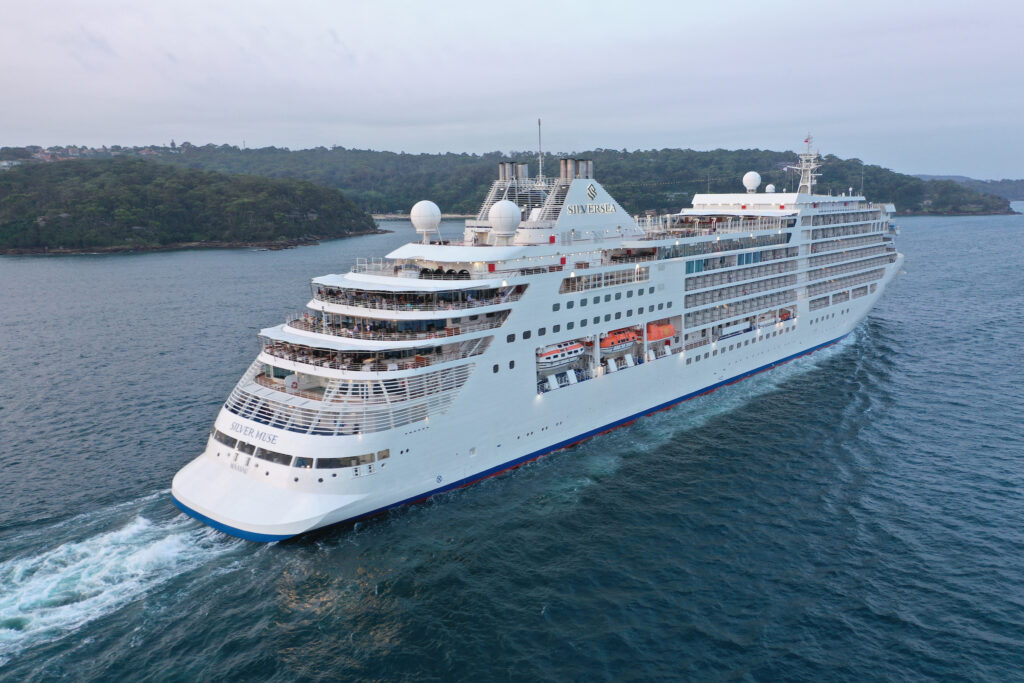
Your ship - The Silver Muse

La
The
Description Food and Drink Entertainment Relaxation Fitness Recreational Other
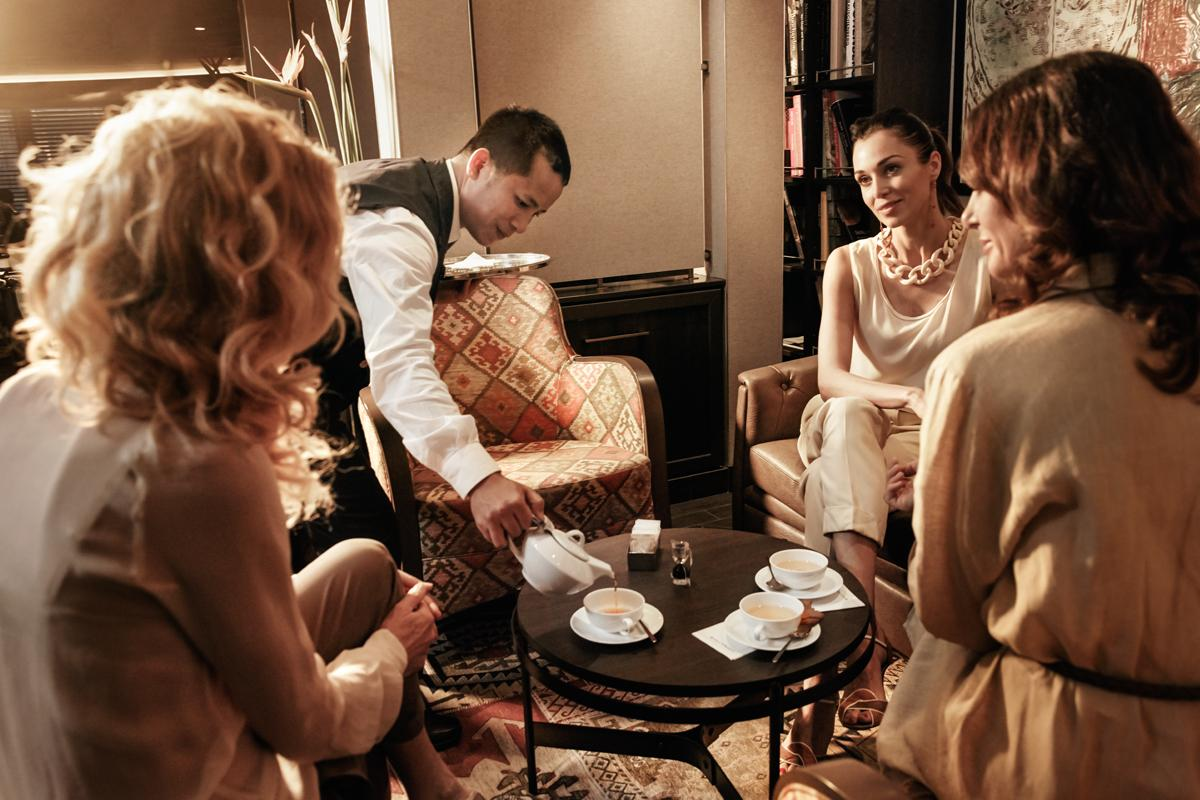
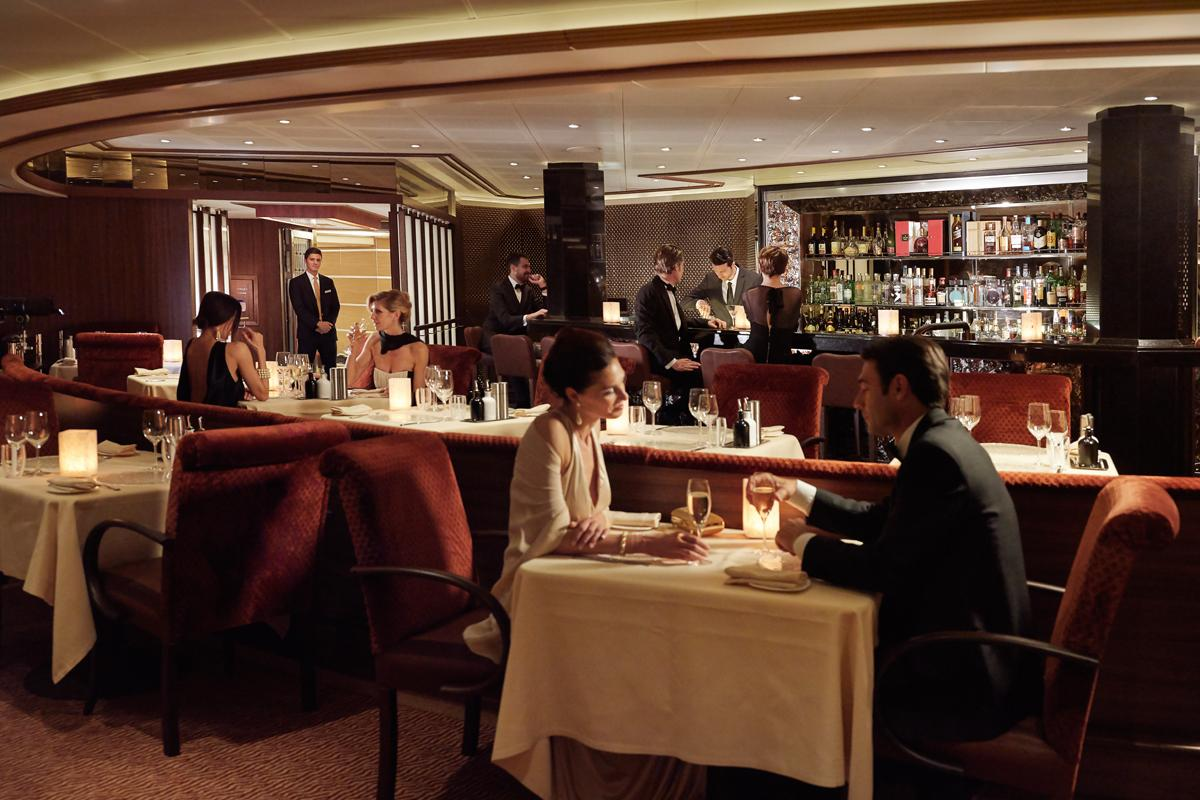
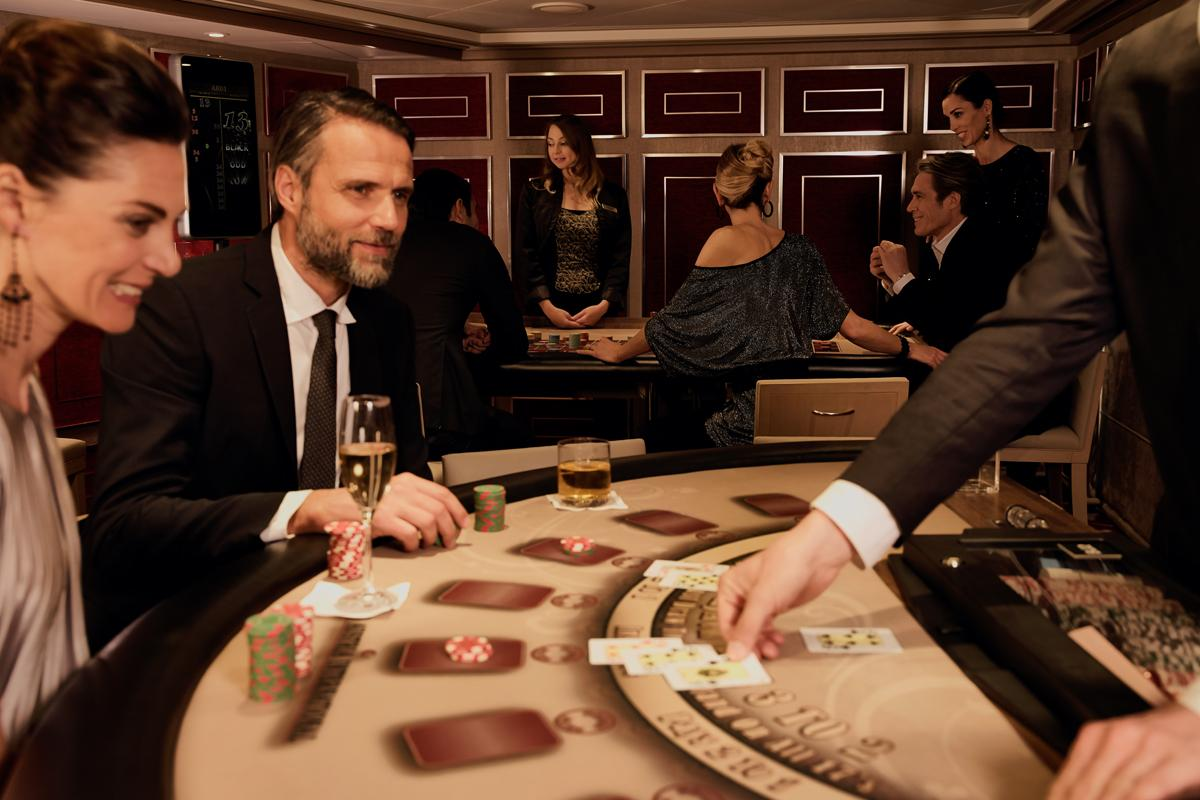
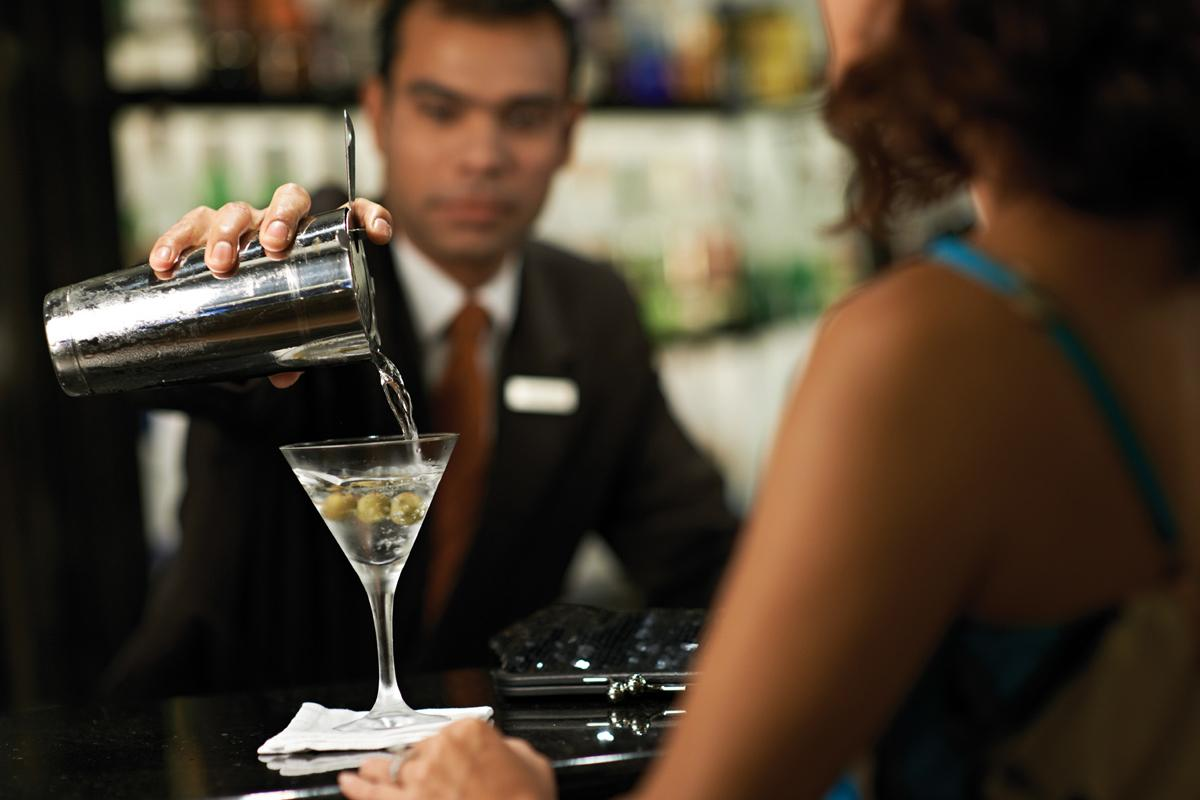
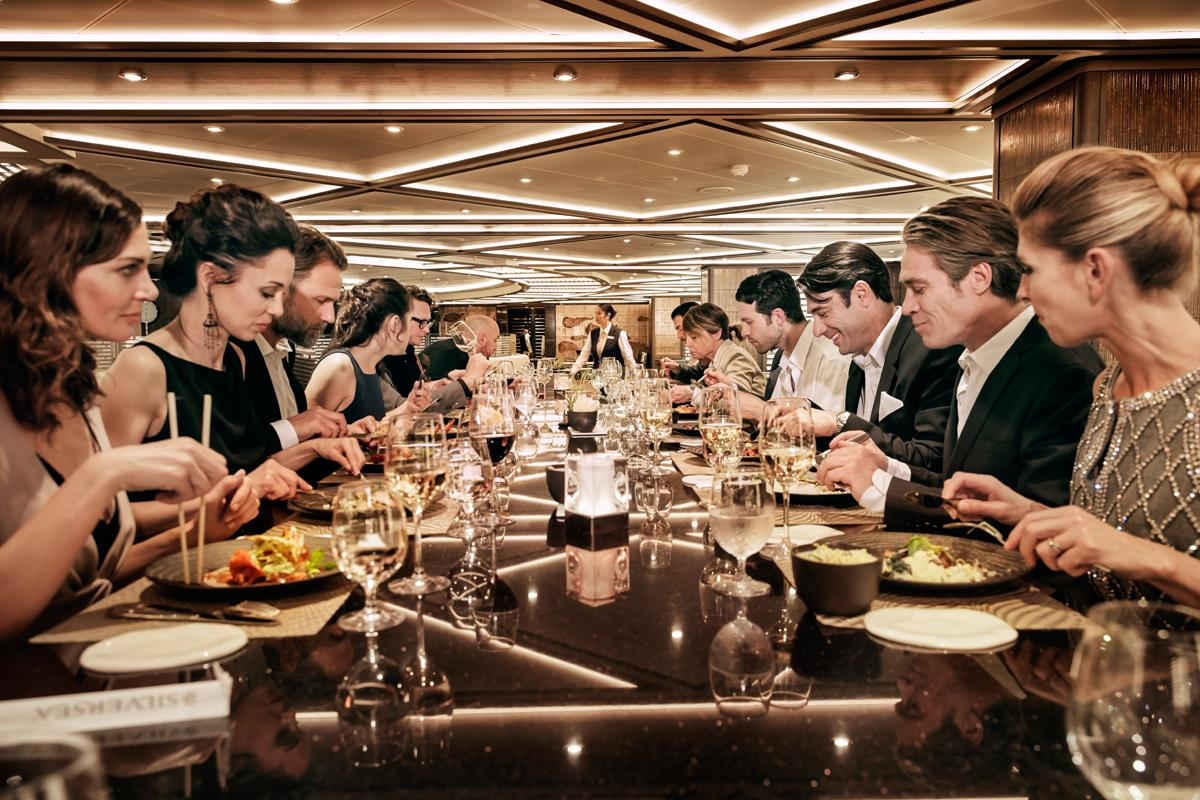
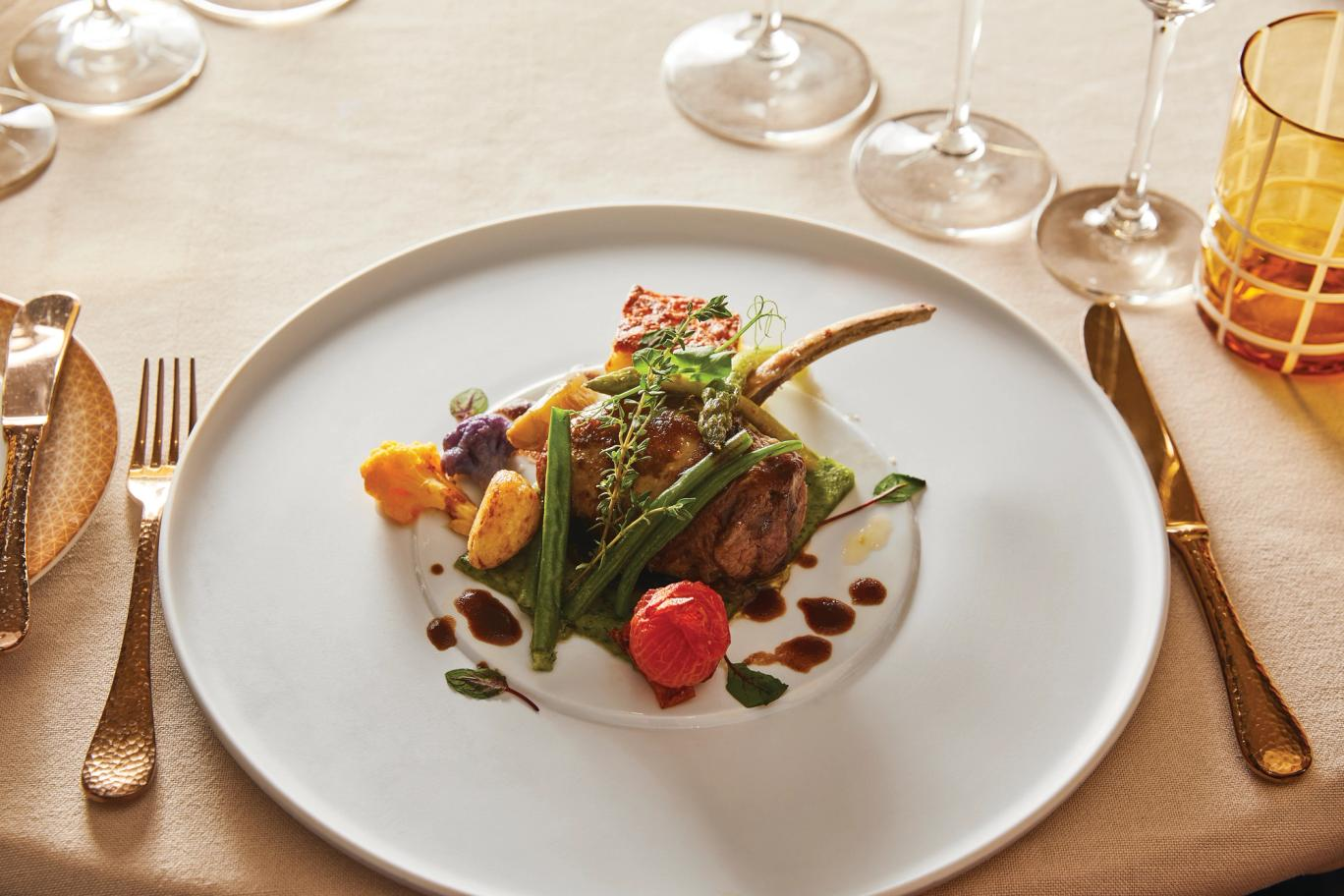
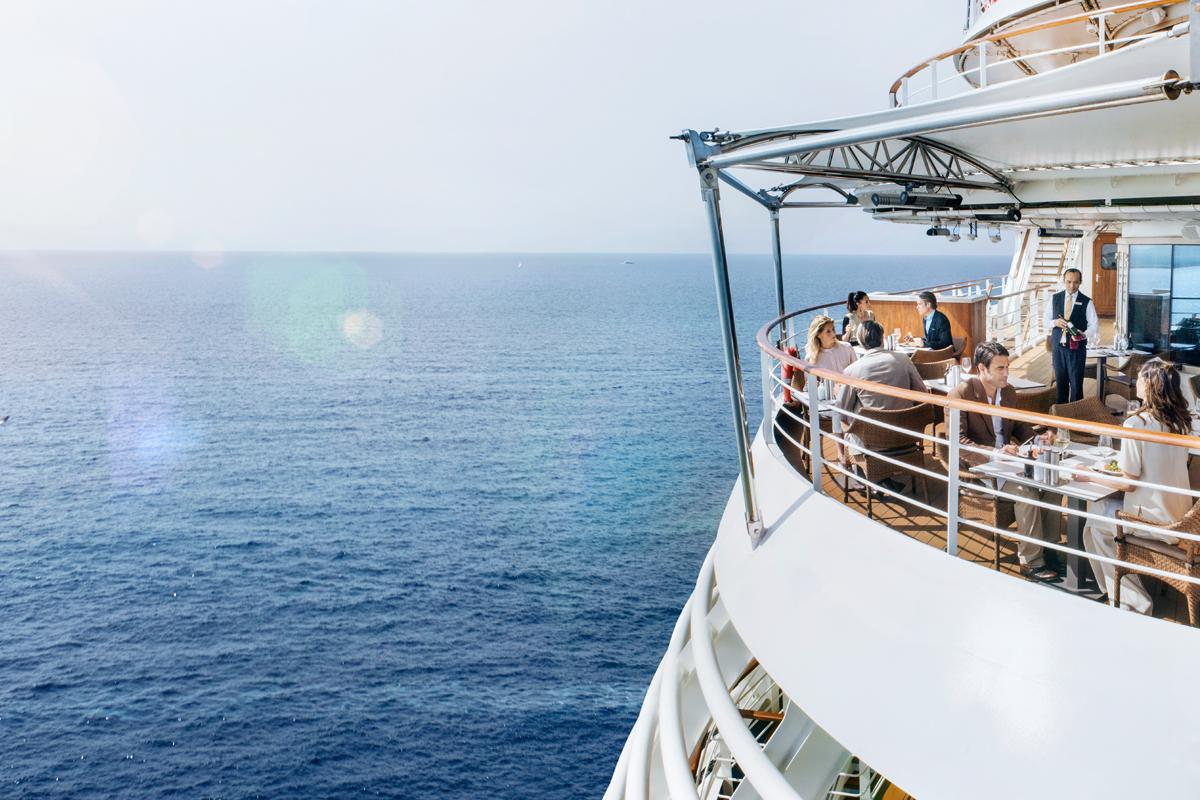
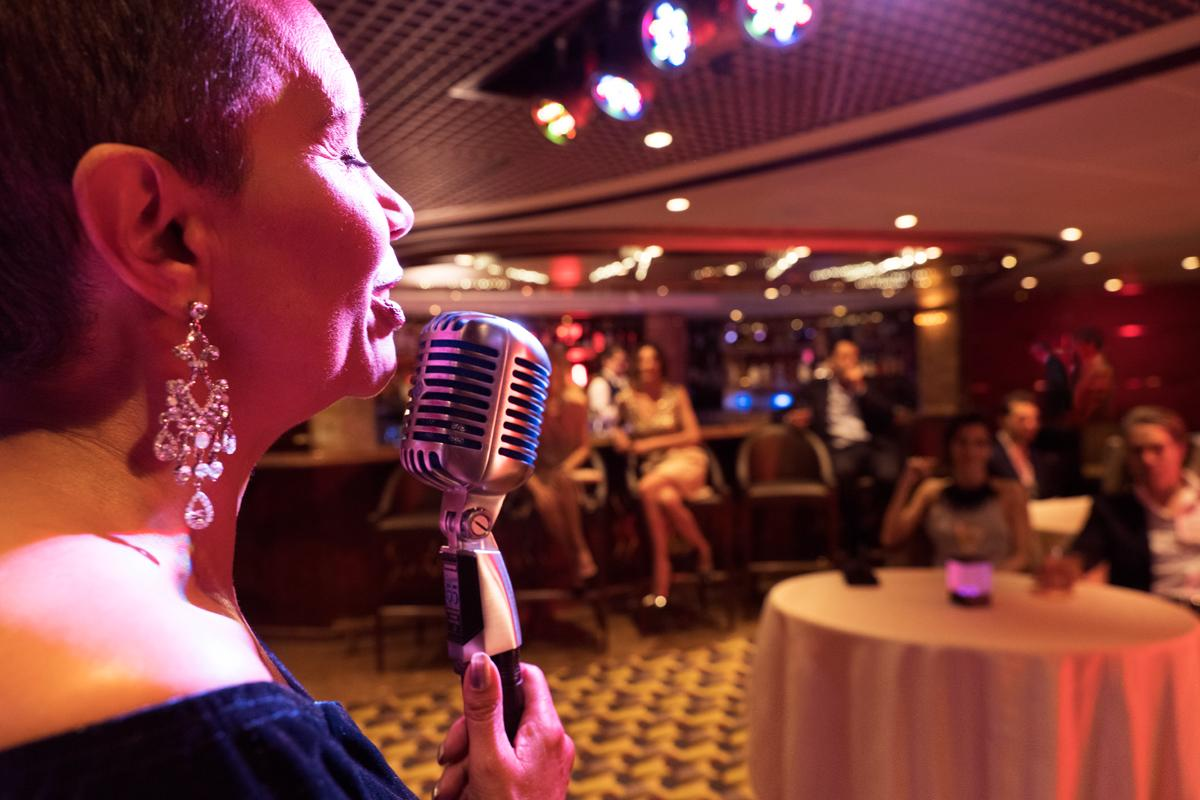
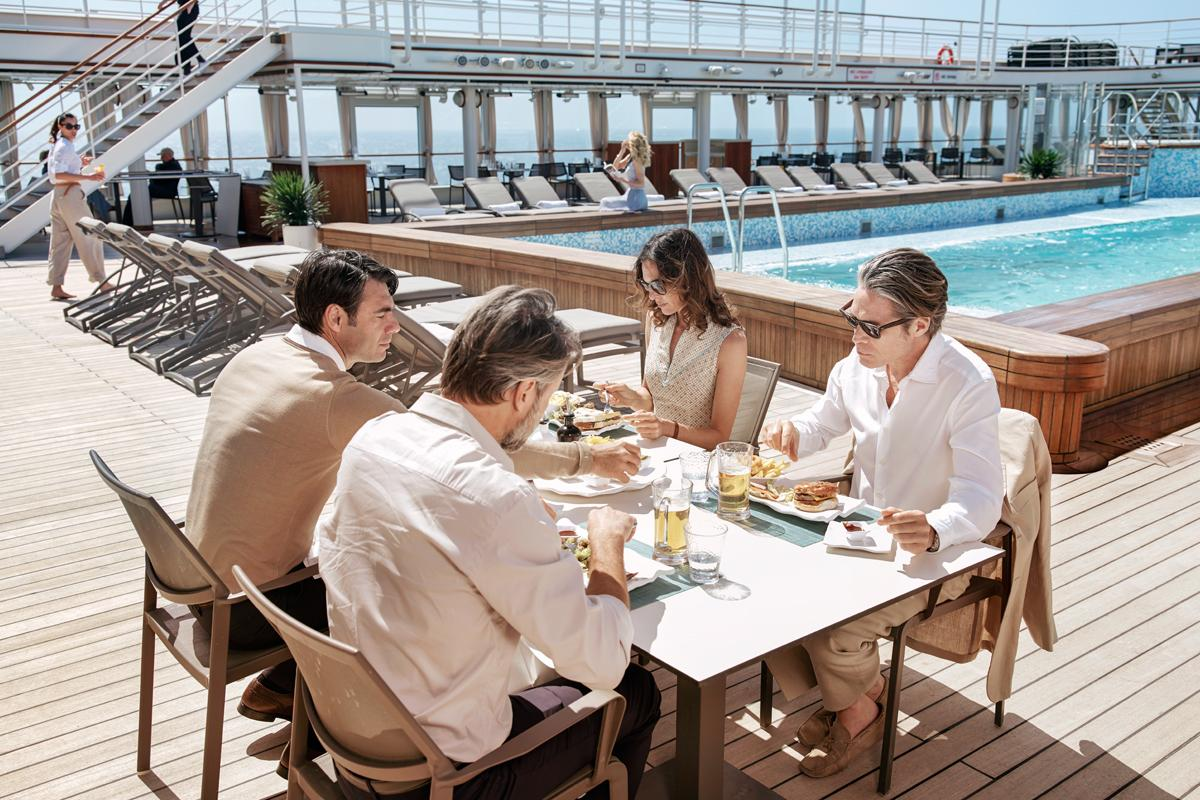
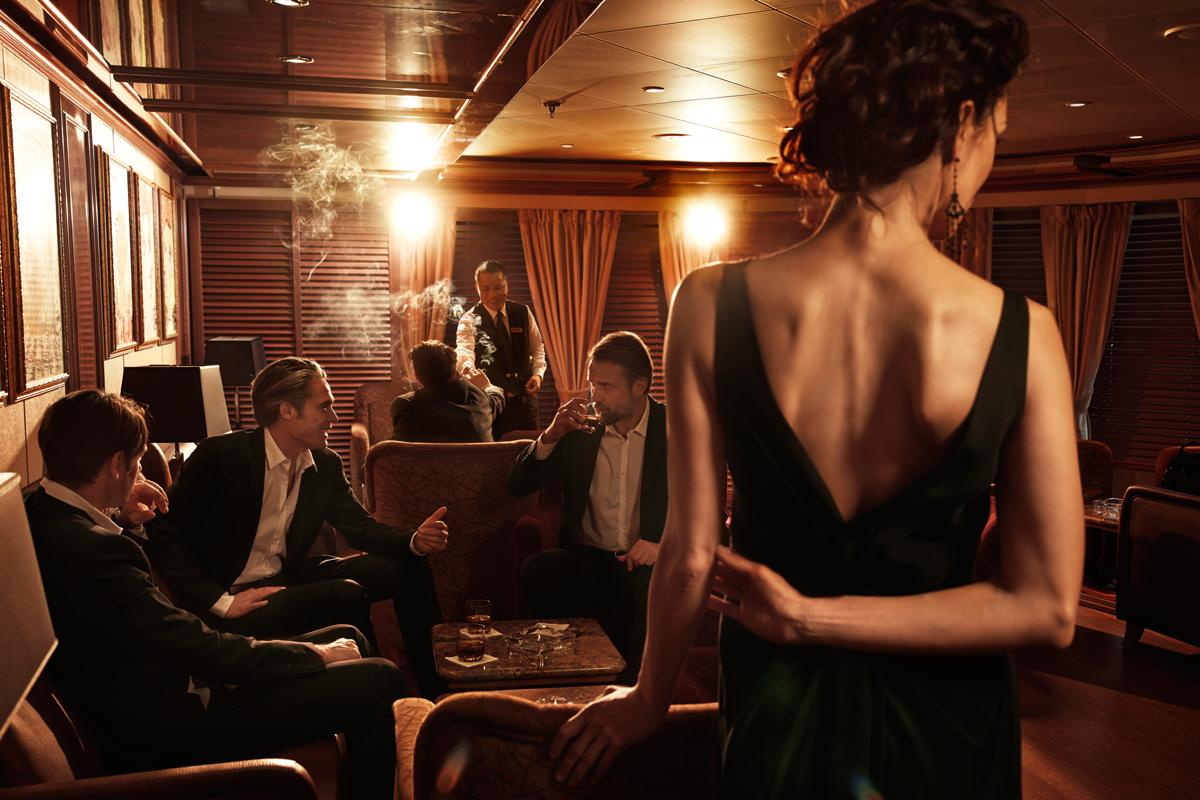
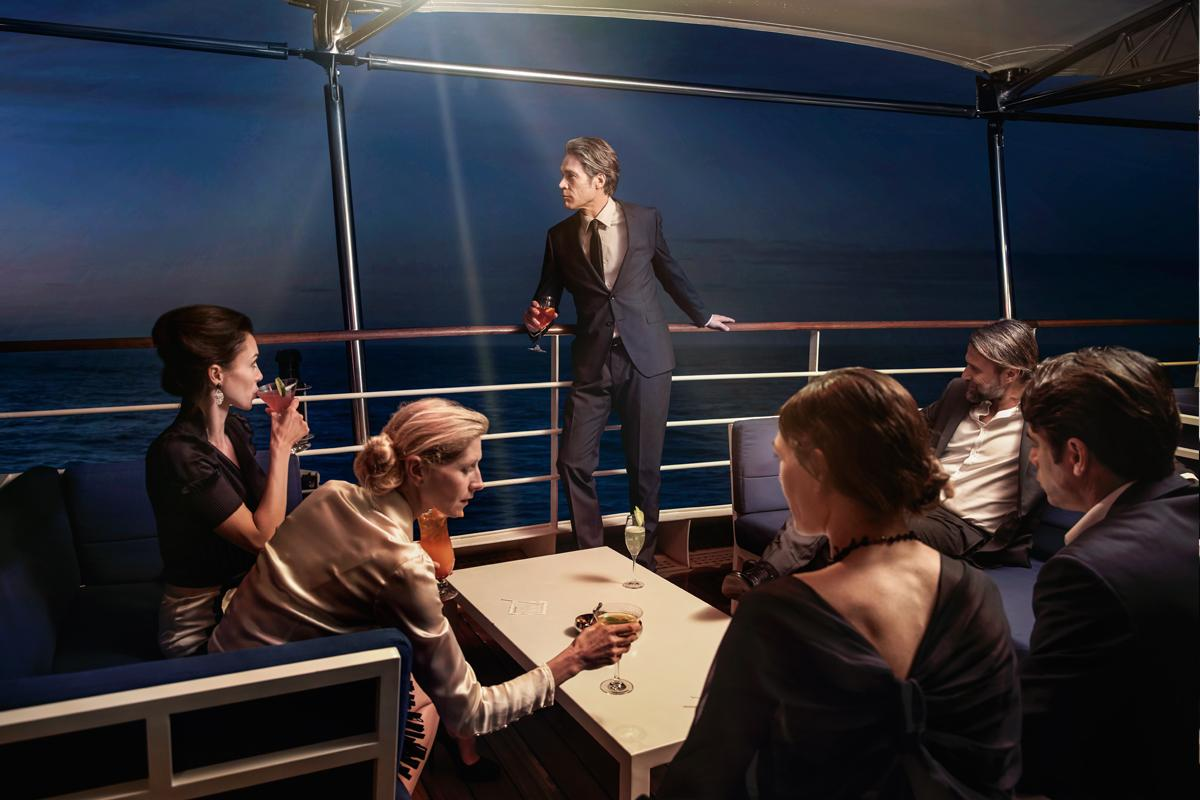
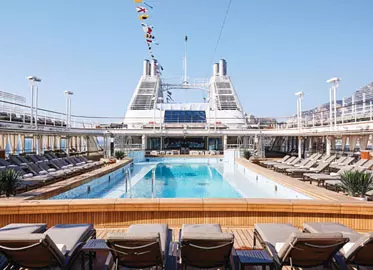
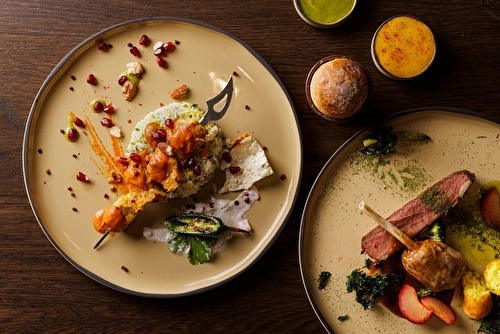
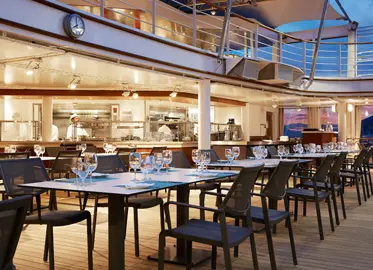
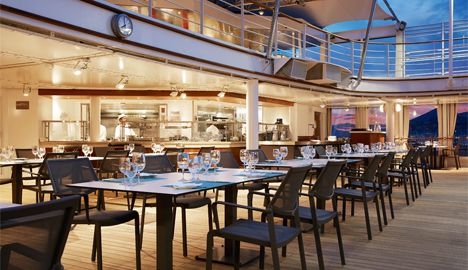
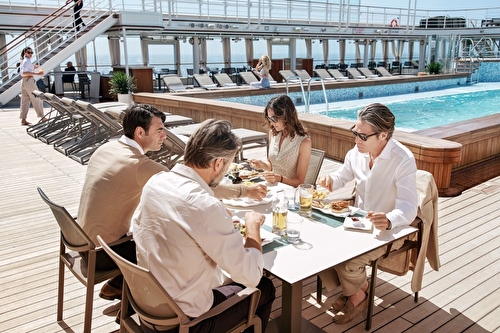
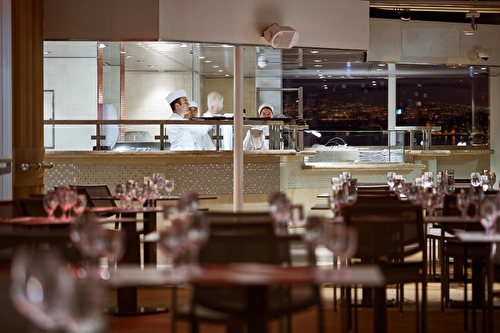
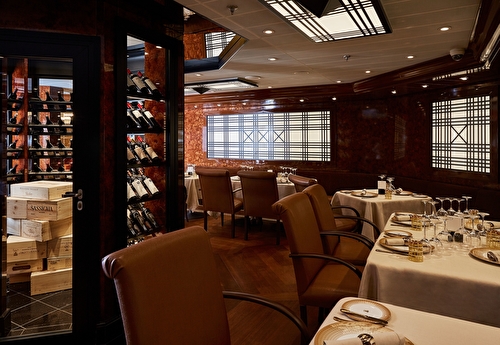
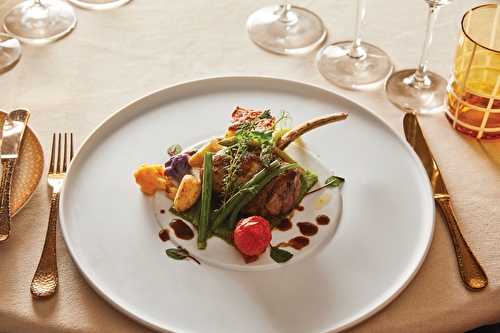
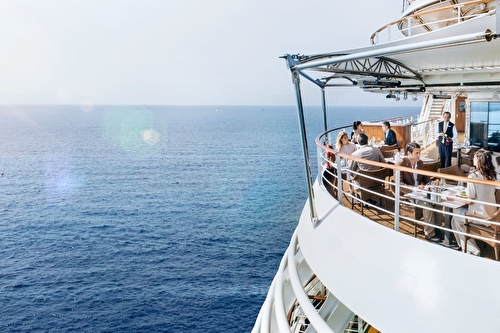
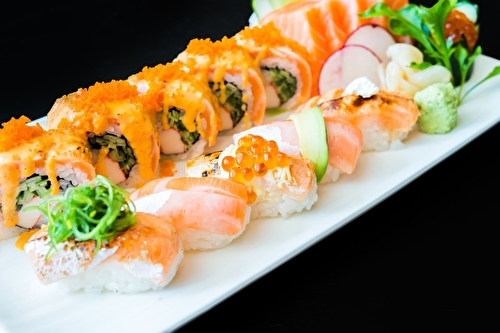
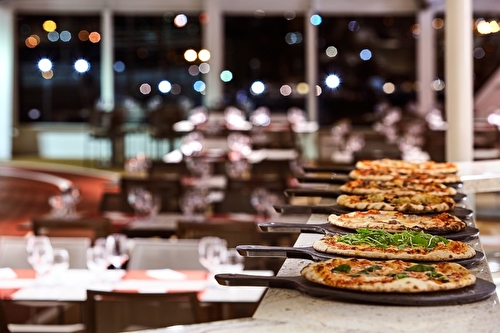
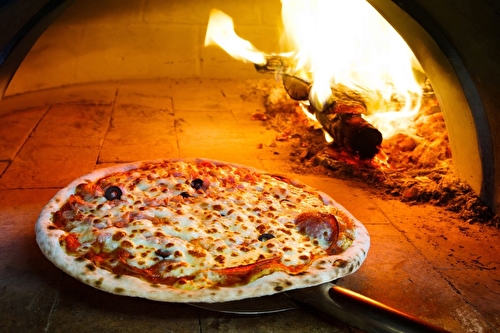
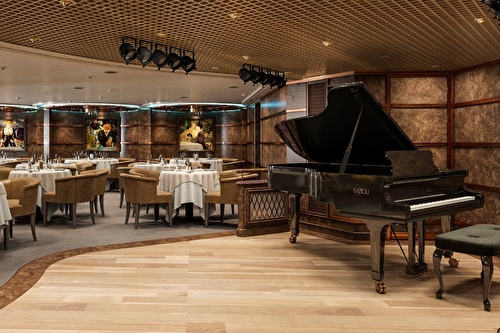
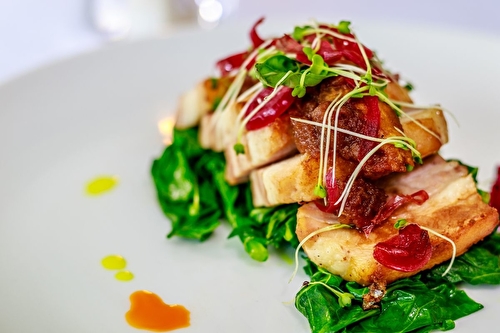
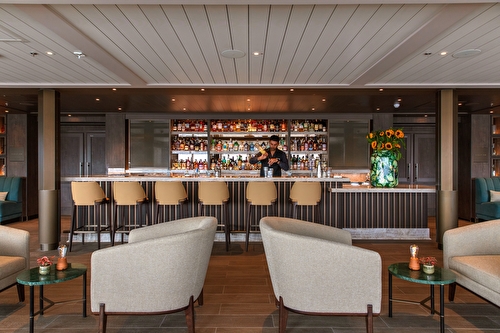
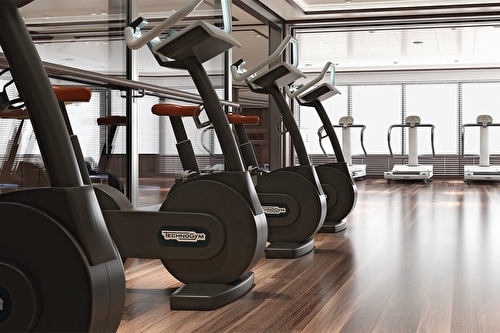
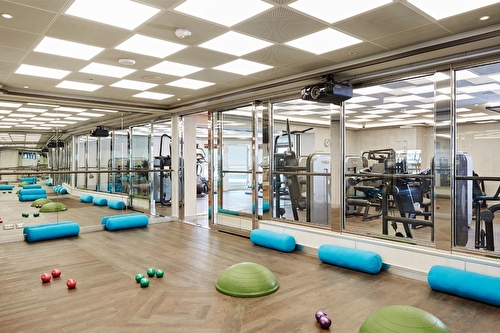
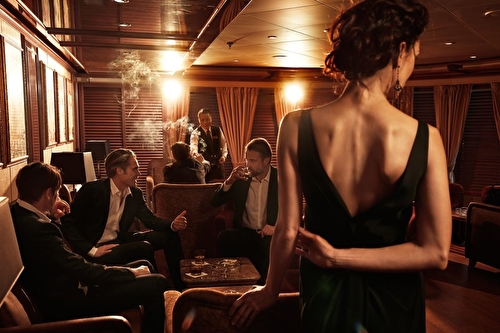
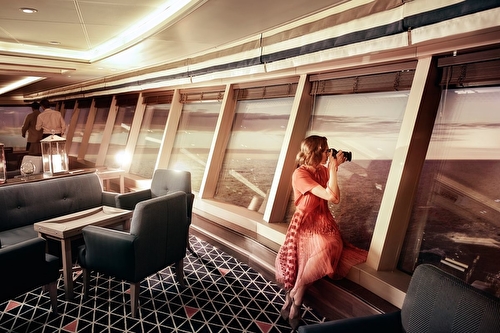
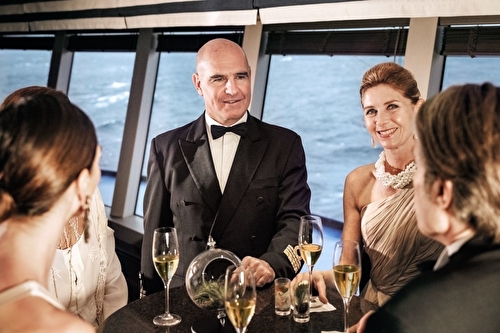
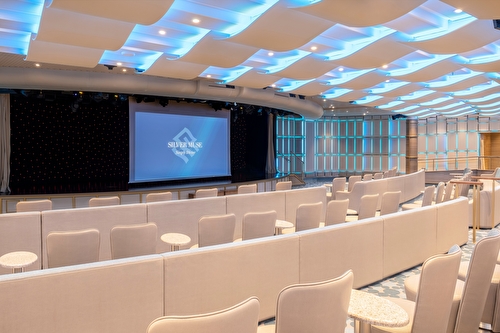
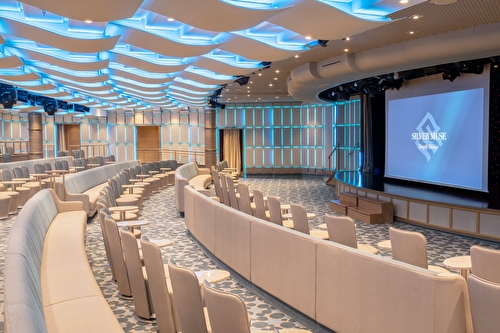
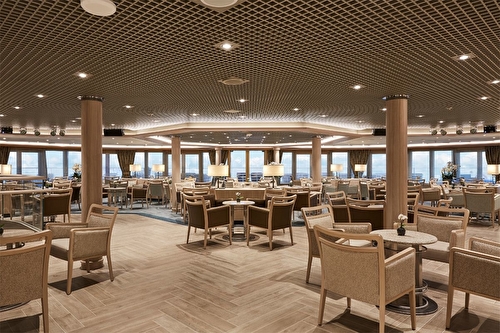
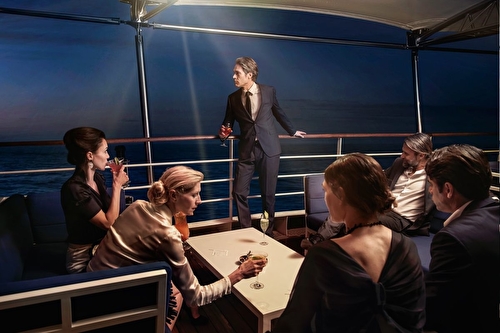
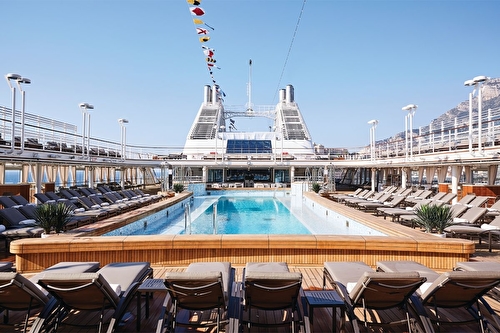
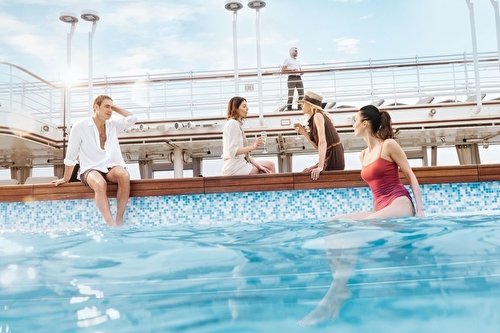
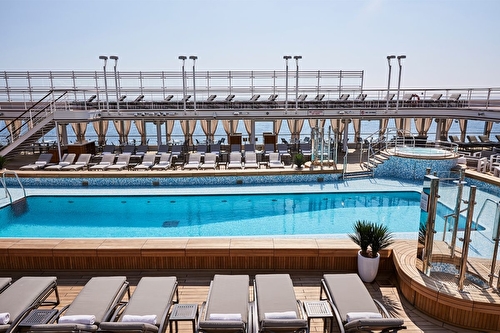
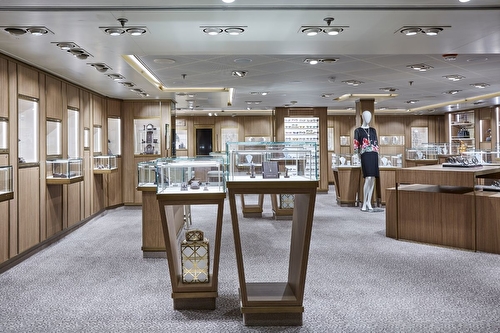
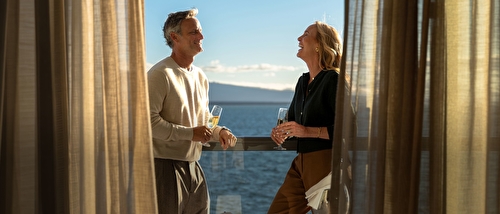
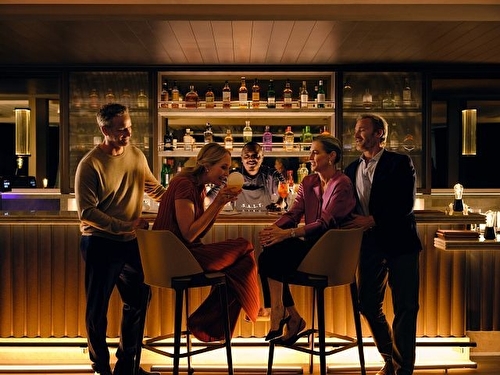
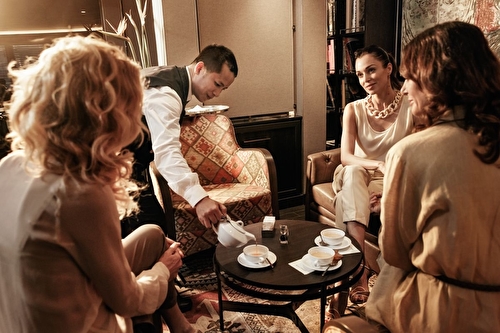
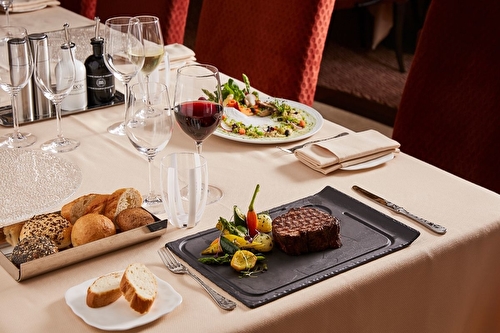
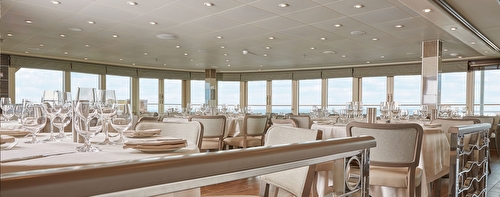
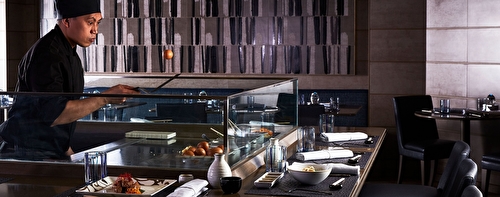
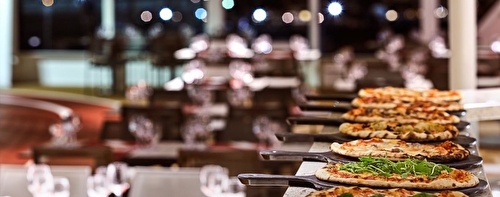
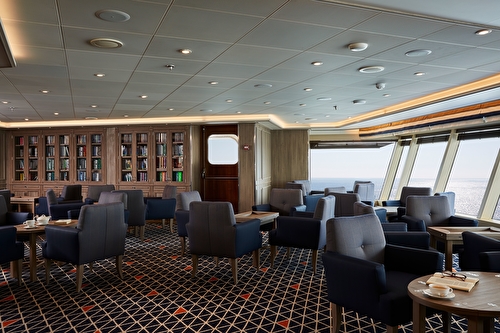
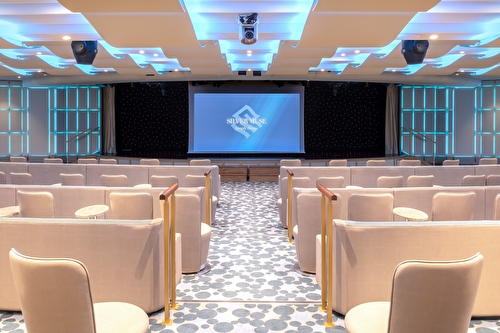
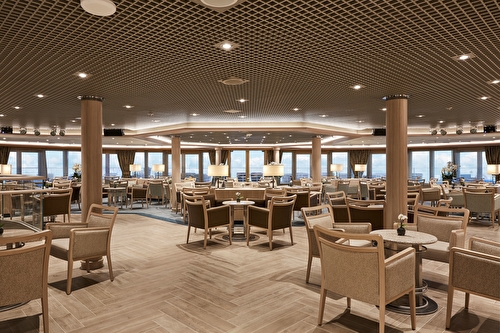
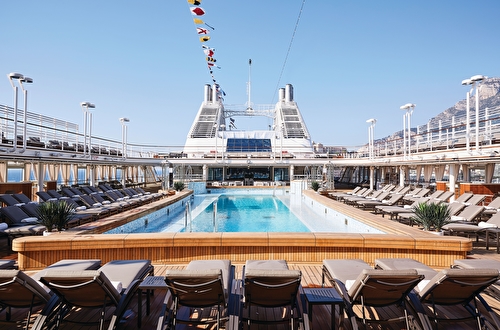
Silver Muse is without question an inspirational work of art. The best place between sea and sky, eight dining venues, spacious outdoor areas and up-to-the-minute technology makes her simply divine. ...versea Cruises is happy to present our new flagship, Silver Muse. Delivered in spring of 2017, the new ultra-luxury ship was built by Fincantieri and at 40,700 grt accommodates 596 guests. Representing an exciting evolution of Silver Spirit, Silver Muse redefines ultra-luxury ocean travel – enhancing the small-ship intimacy and spacious all-suite accommodations that are the hallmarks of the Silversea experience. The addition of Silver Muse expands Silversea’s fleet to nine ships, and once again significantly raises the bar in the ultra-luxury cruise market with a wealth of enhancements to the onboard experience, while satisfying the uncompromising requirements for comfort, service, and quality of the world’s most discerning travellers. More Less
  • Arts café
    arts café
    More
  • Atlantide
    atlantide
    More
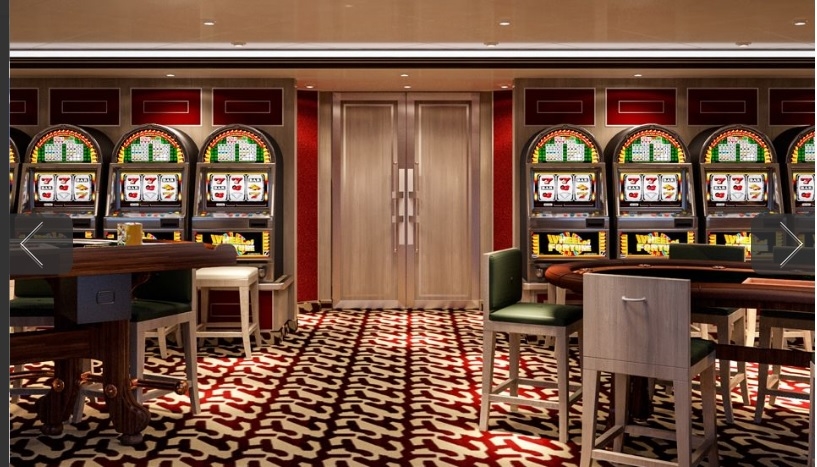
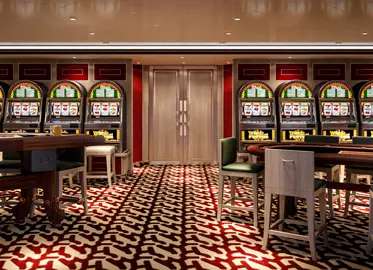
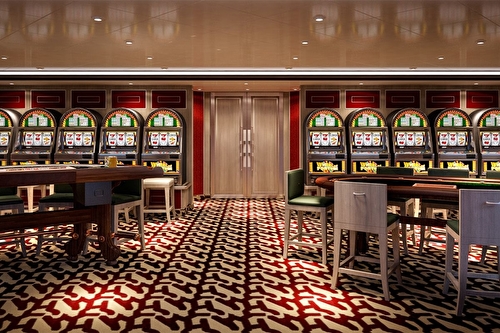
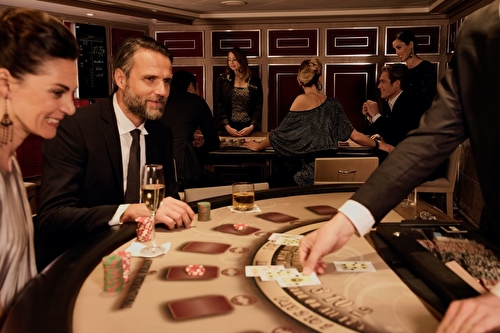
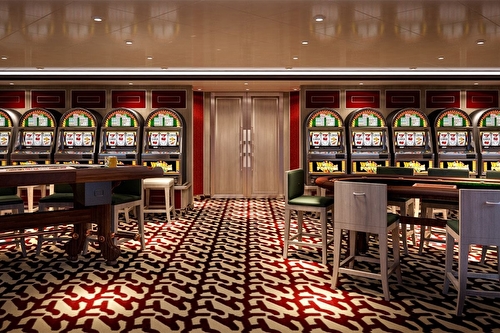
  • Casino
    casino
    More
  • Dolce vita
    dolce vita
    More
  • Indochine
    indochine
    More
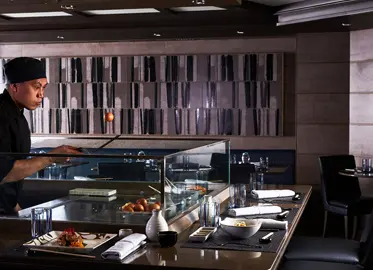
  • Kaiseki
    kaiseki
    More
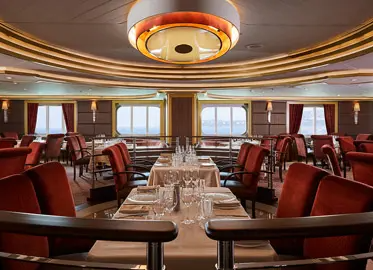
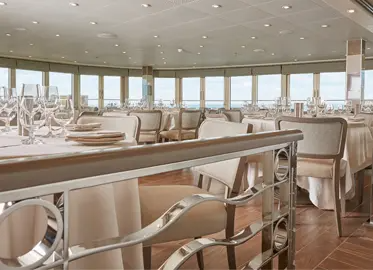
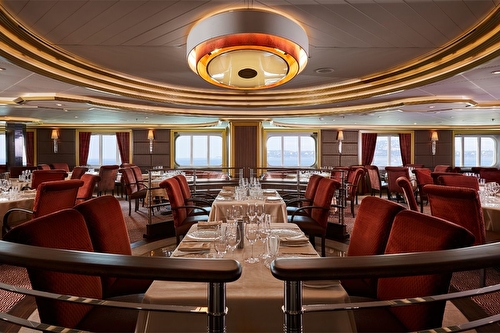
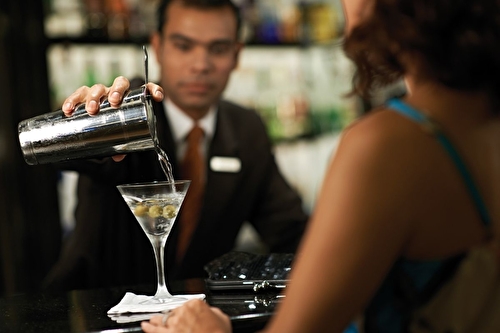
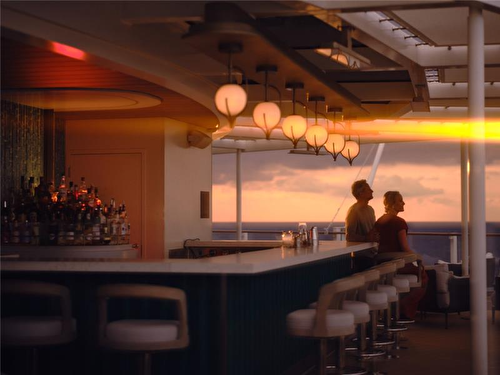
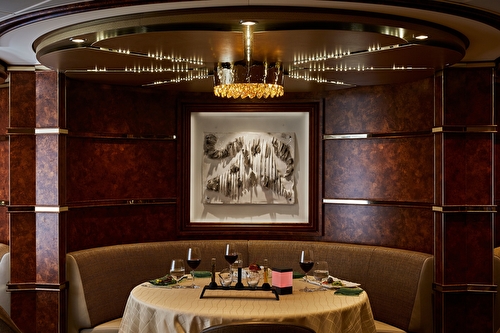
  • La dame
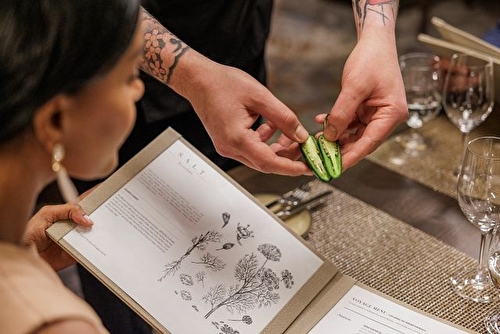
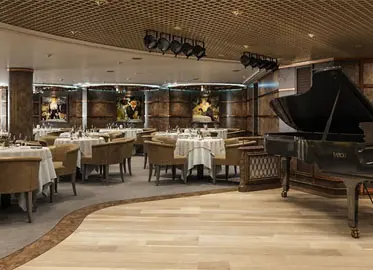
    la dame
    More
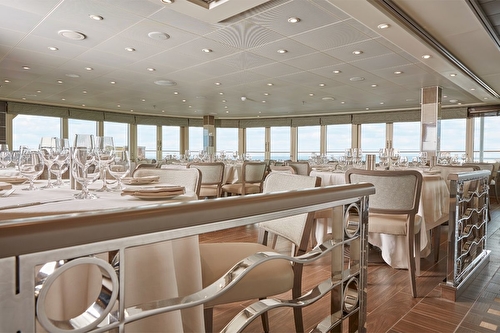
  • La terrazza
    la terrazza
    More
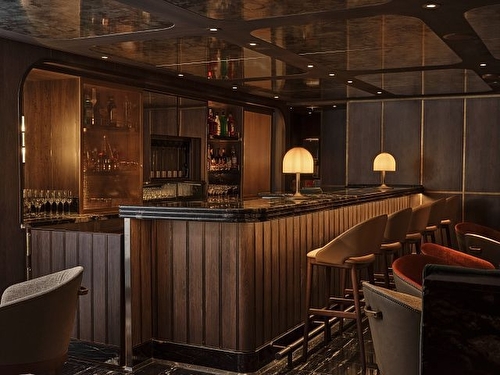
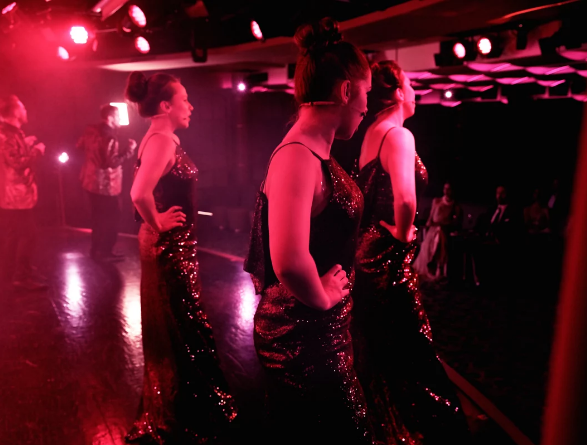
  • Silver note
    silver note
    More
  • Spaccanapoli
    spaccanapoli
    More
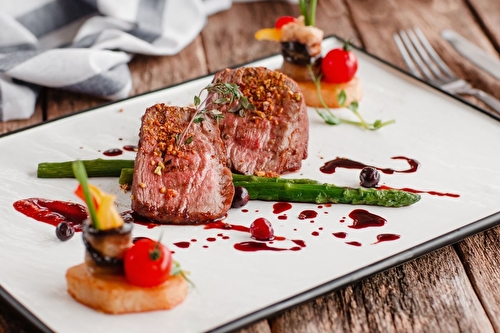
  • The grill
    the grill
    More
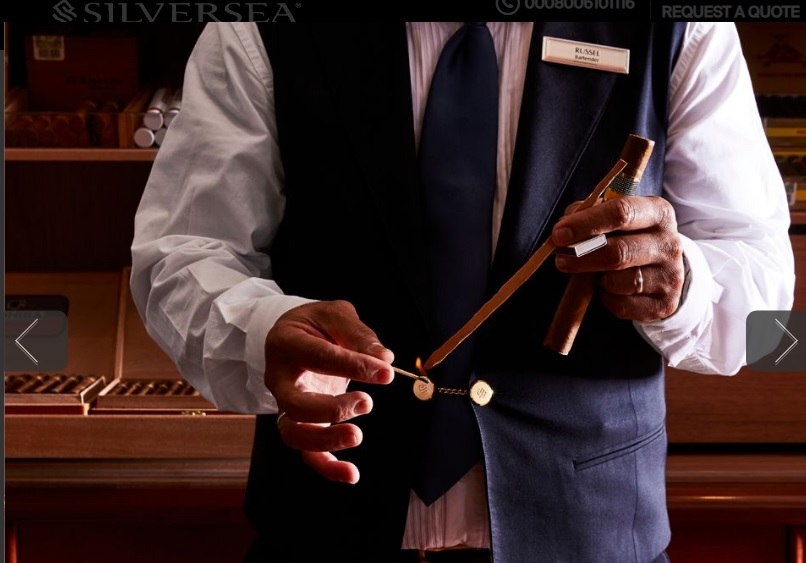
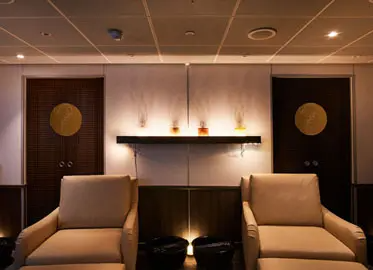
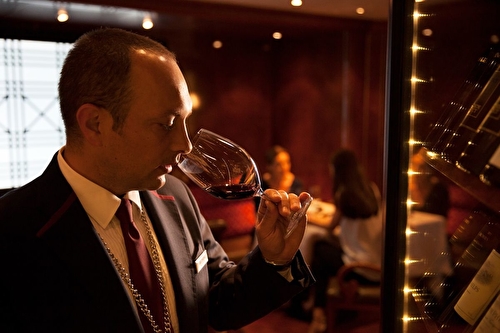
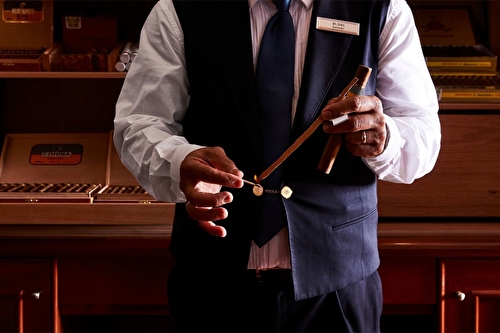
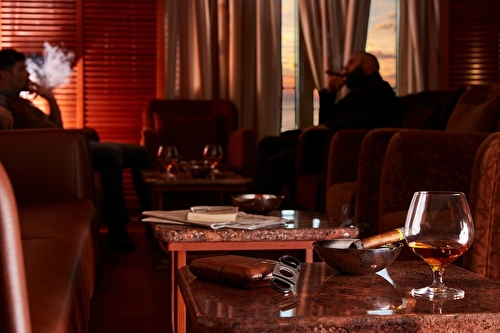
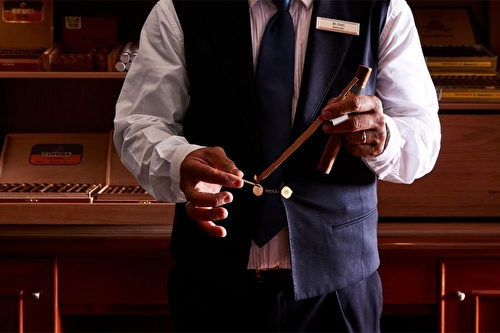
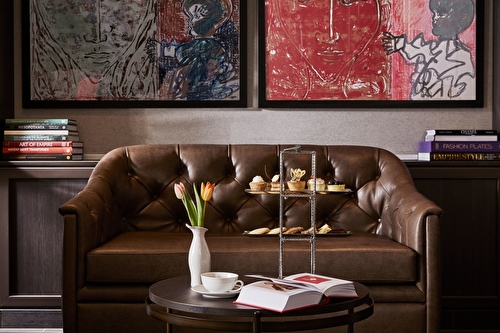
  • Connoisseur’s corner
    connoisseur’s corner
    More
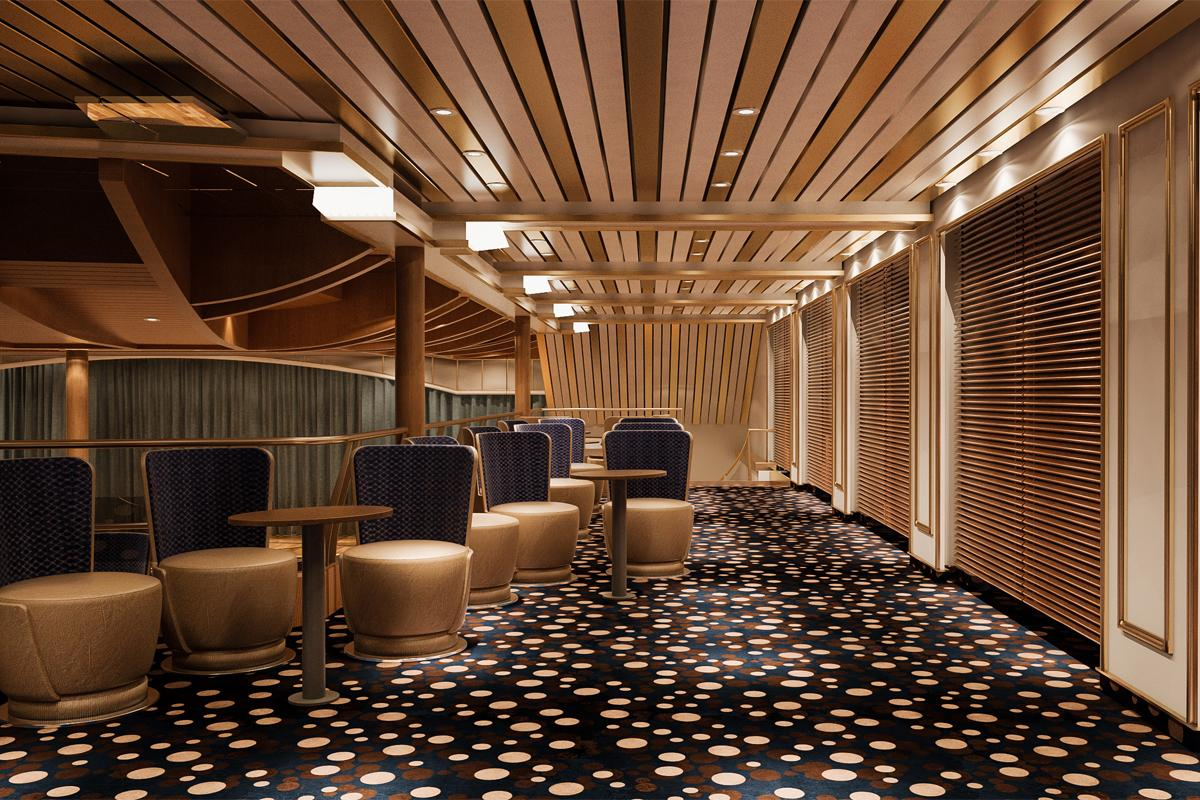
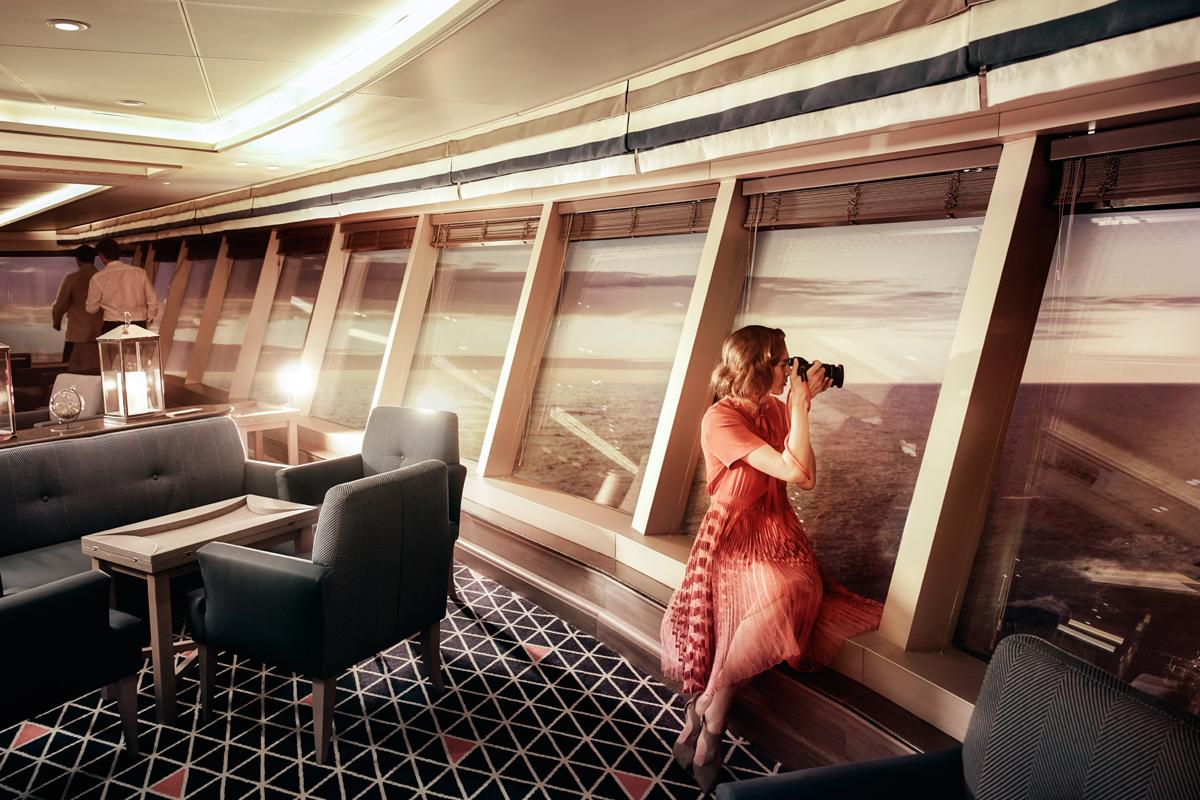
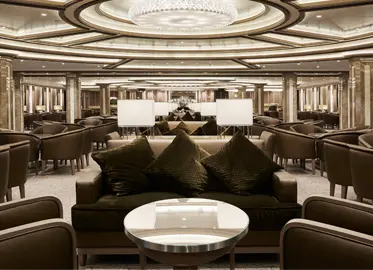
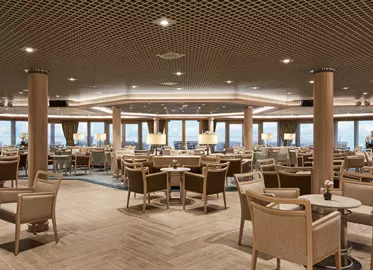
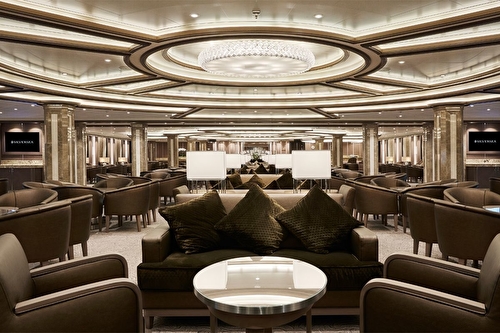
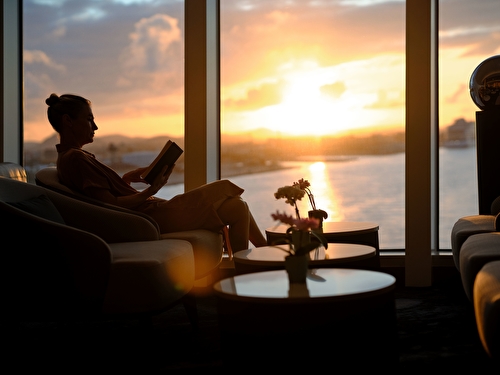
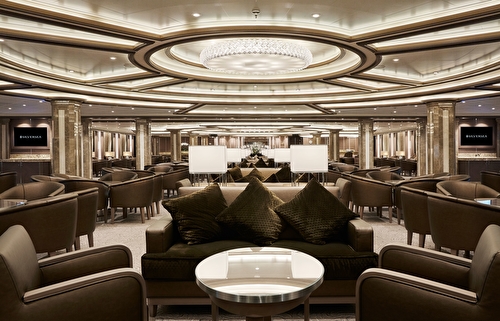
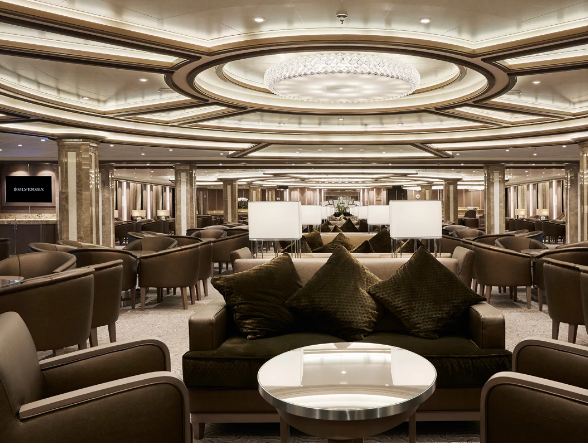
  • Panorama lounge
    panorama lounge
    More
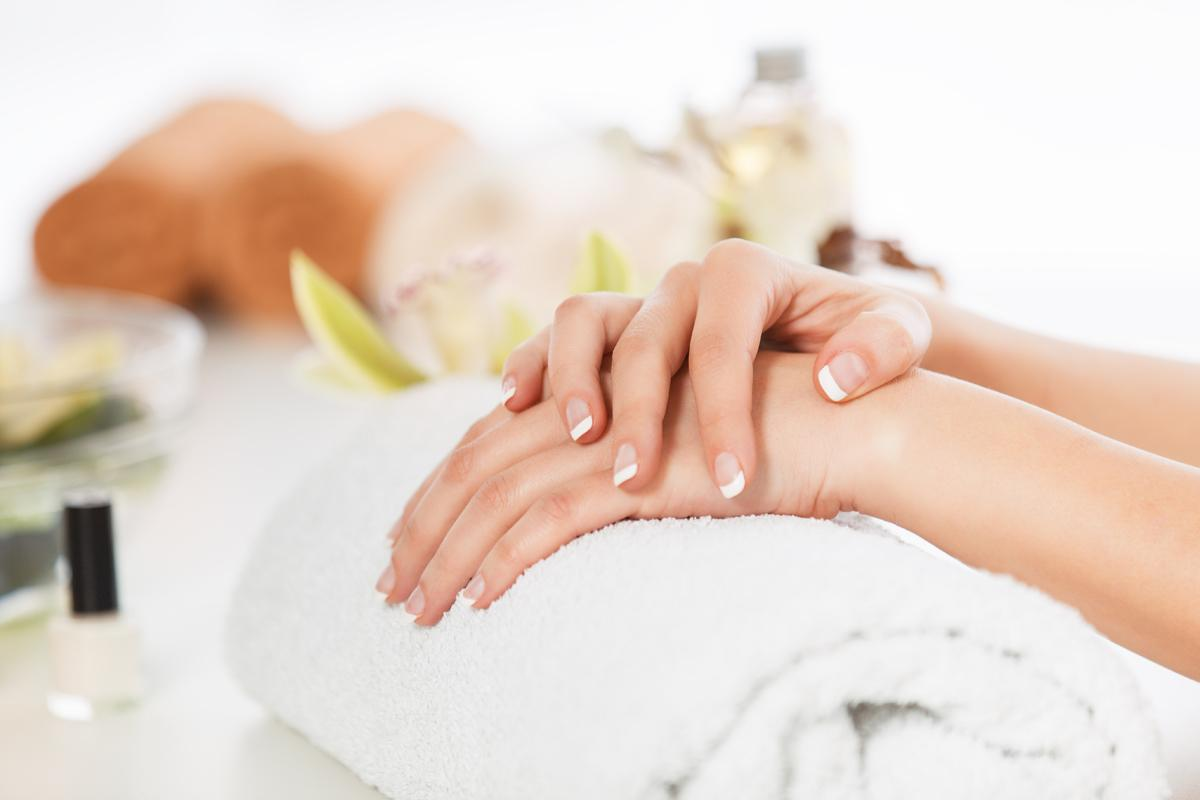
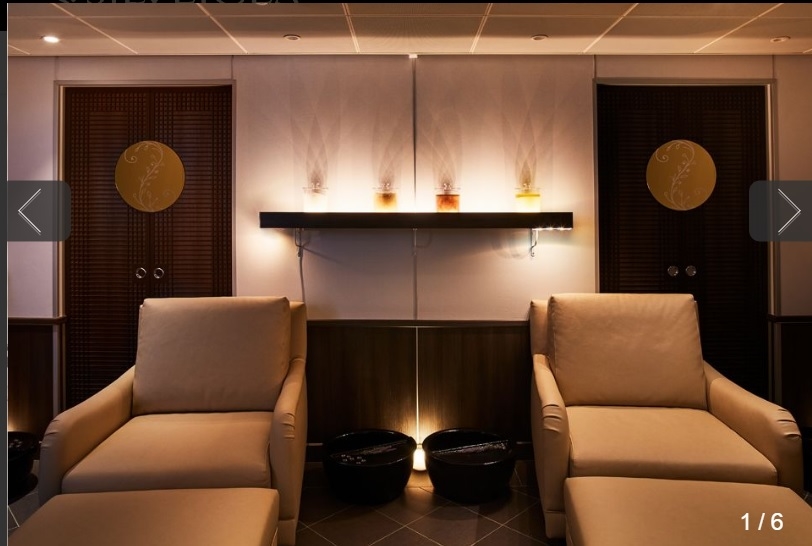
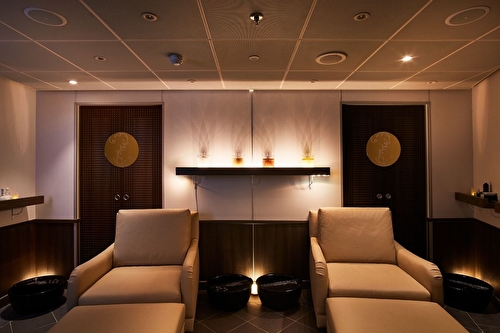
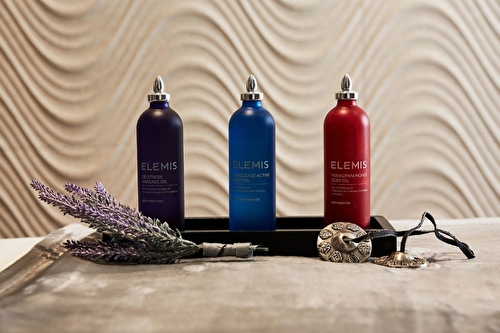
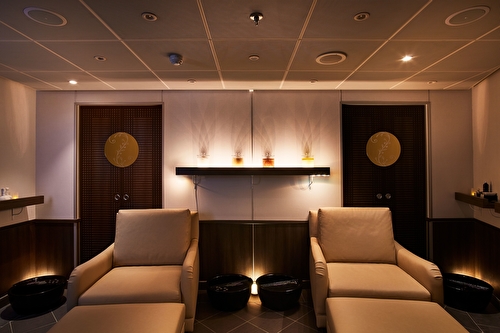
  • Zagara beauty spa
    zagara beauty spa
    More
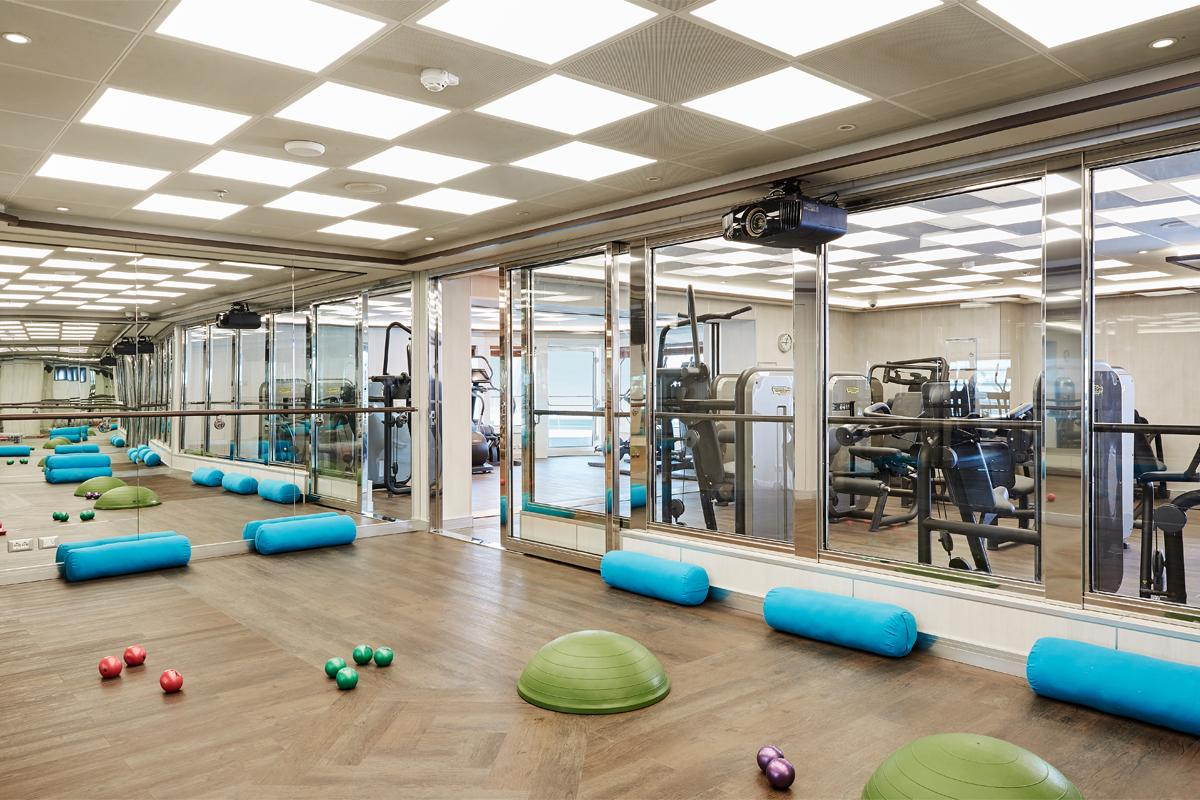
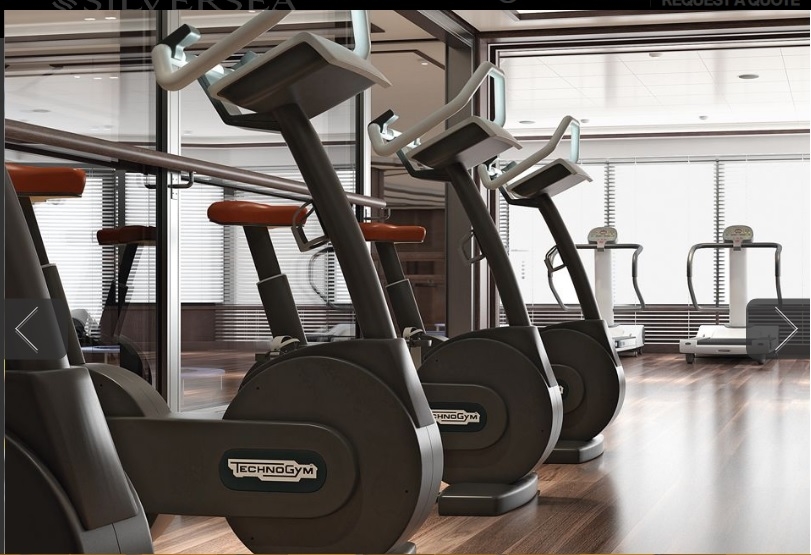
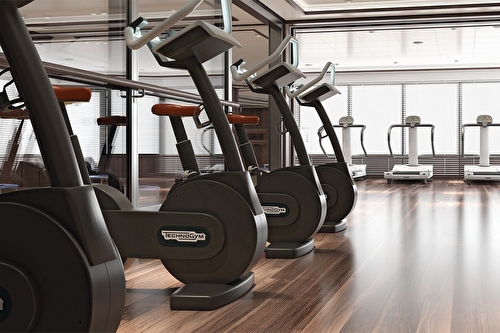
  • Fitness center
    fitness center
    More
  • Venetian lounge
    venetian lounge
    More
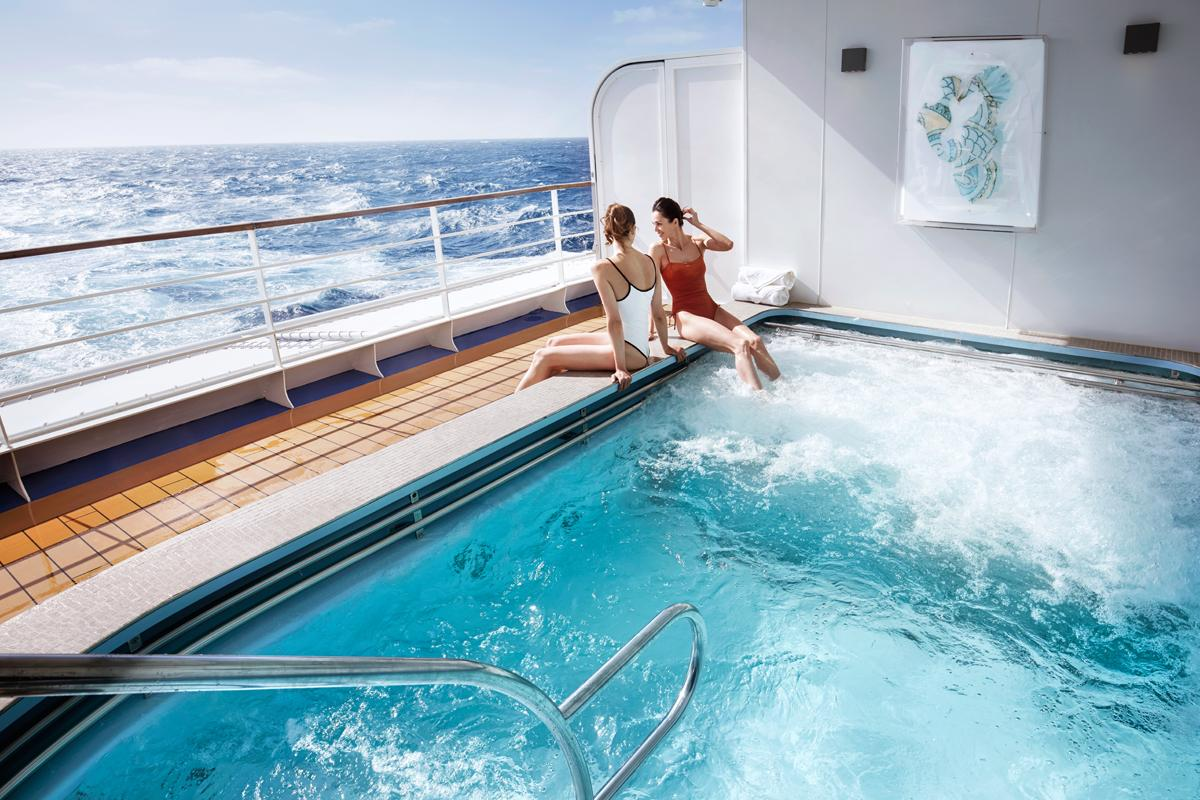
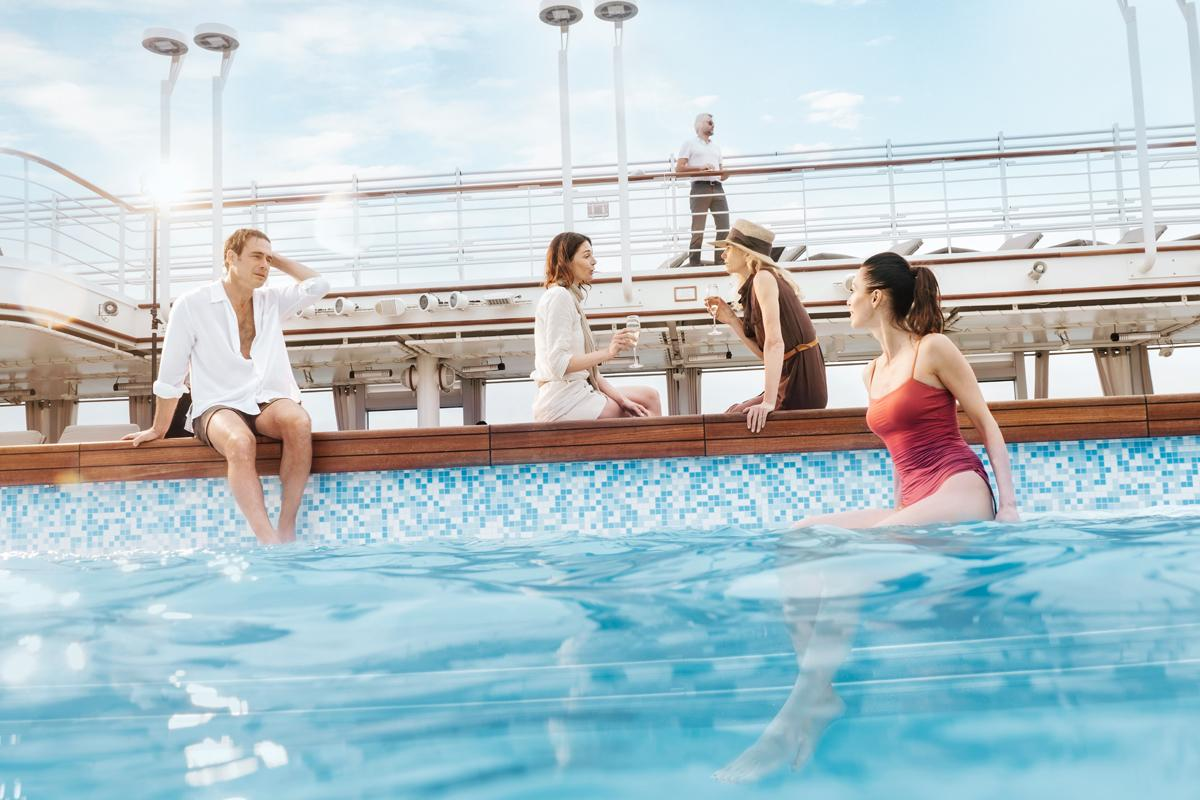
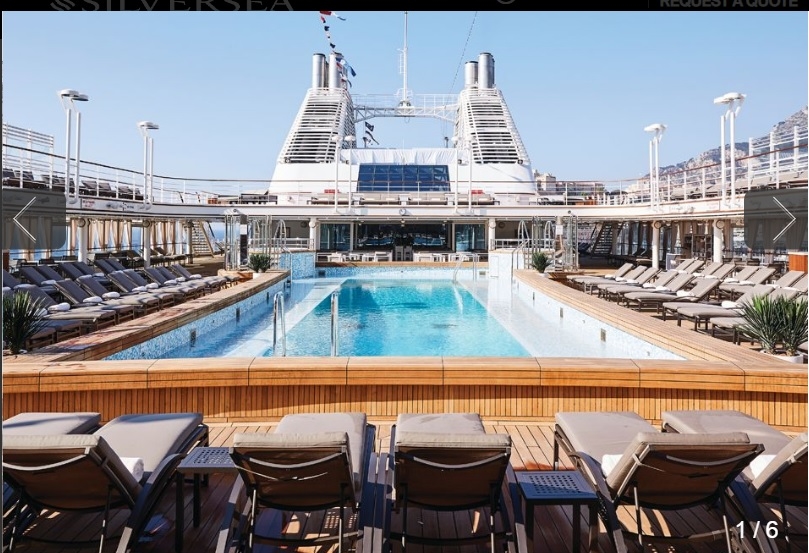
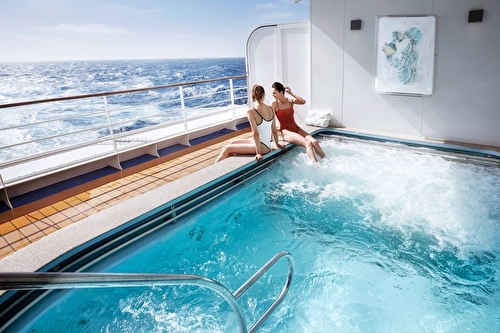
  • Pool deck & jacuzzi area
    pool deck & jacuzzi area
    More
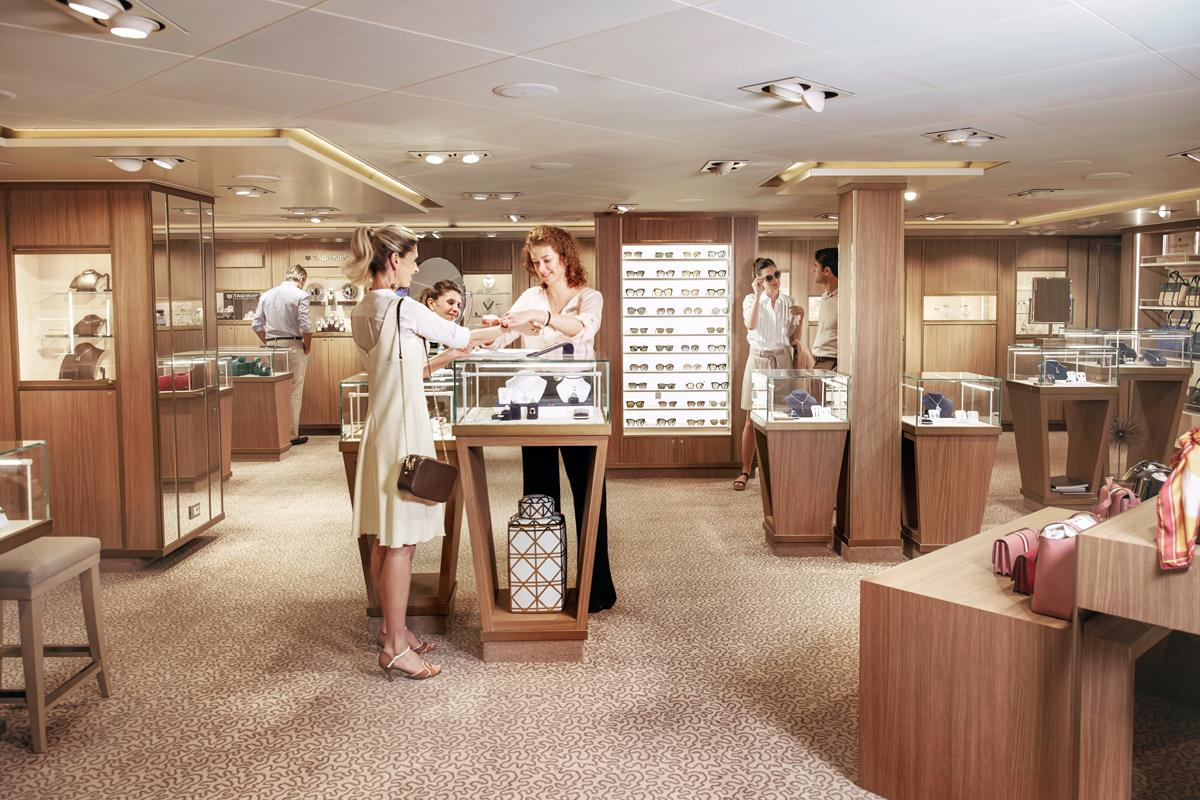
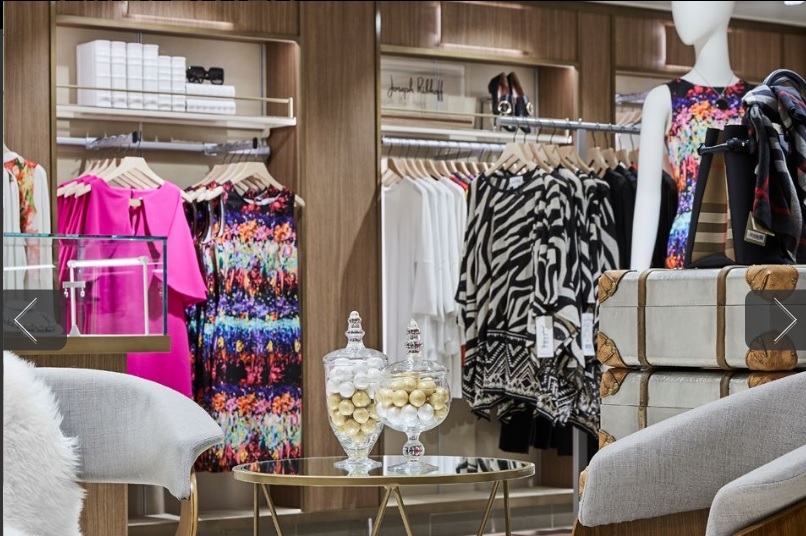
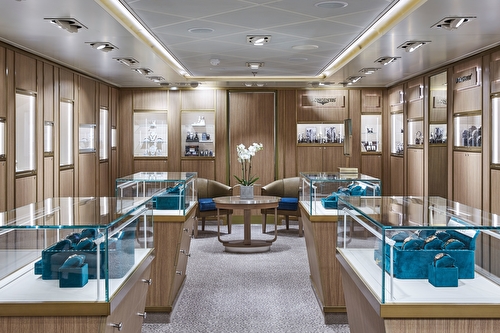
  • Boutique
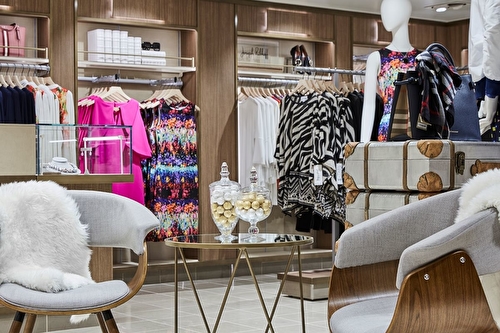
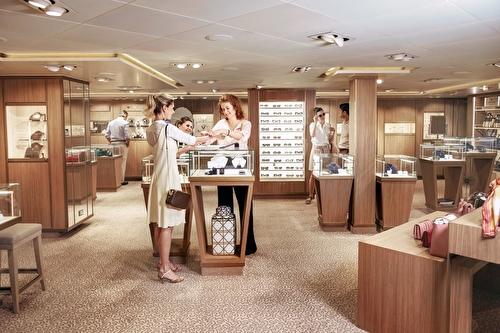
    boutique
    More
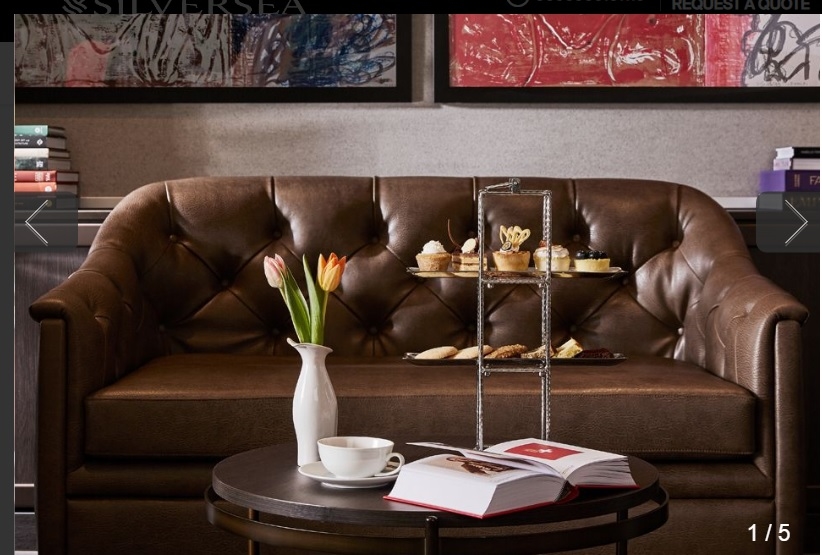
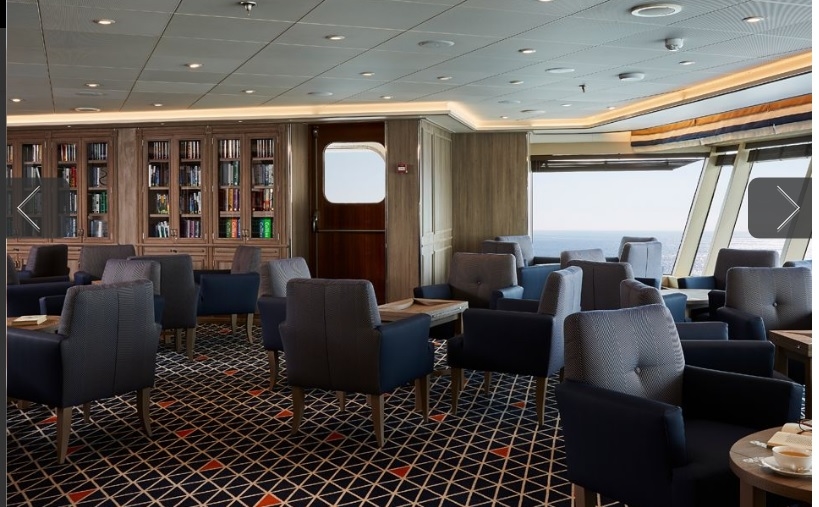
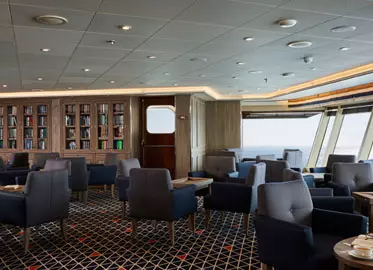
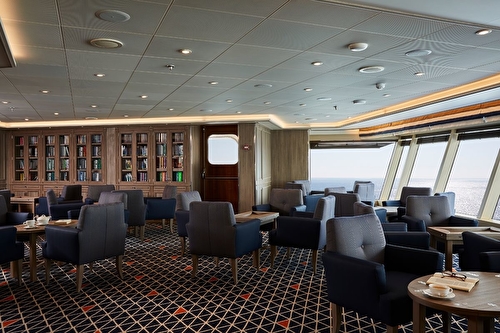
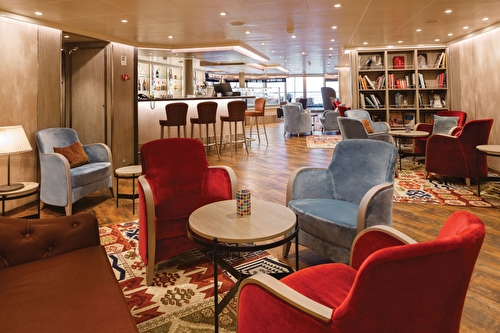
  • Observation library
    observation library
    More
  • Zagara beauty salon
    zagara beauty salon
    More

Staterooms

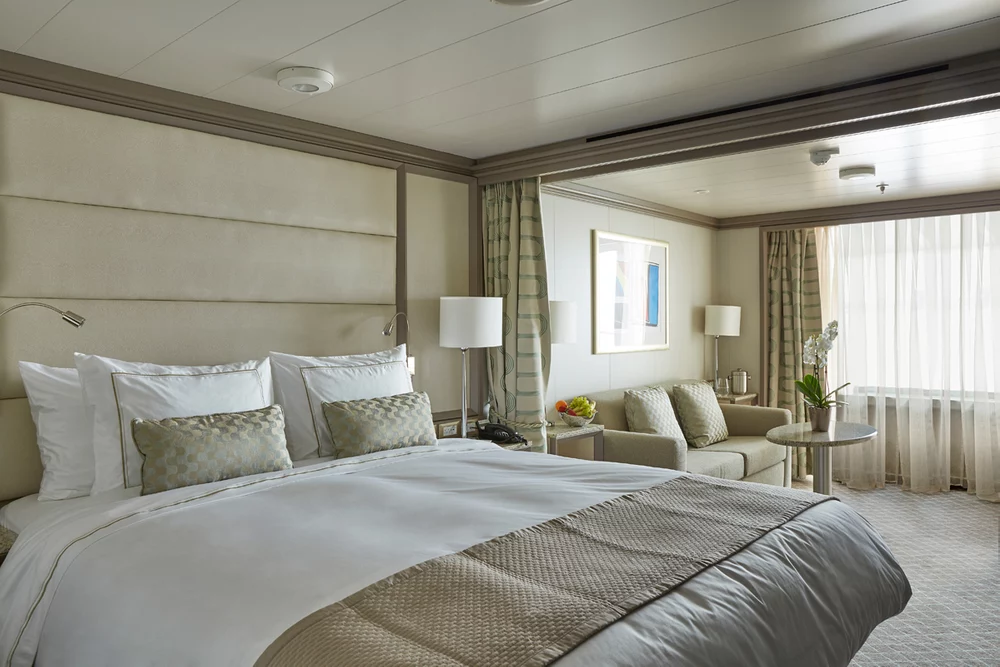
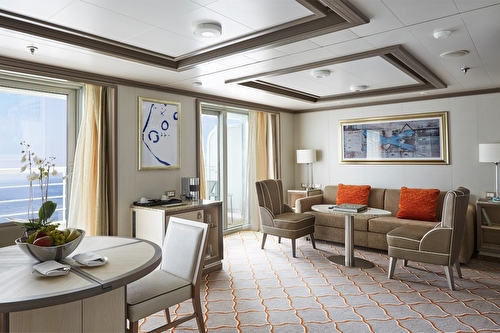
suite

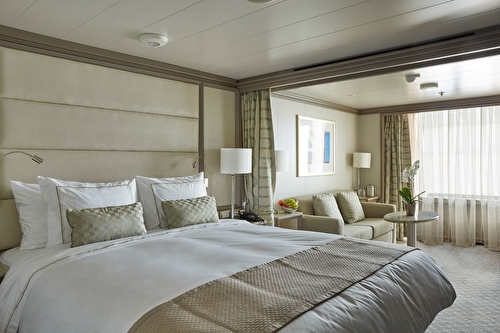
The Vista Suite provides generous living space for all travellers. The Vista Suite offers all the c ... omfort and attention to detail that you can expect aboard. A generous expanse of interior comforts — elegant décor, stunning marble bathroom and ample seating area, make this a cosy home away from home. The seating area of the Vista Suite has plenty of room to relax, while large picture windows frame panoramic ocean views, the perfect backdrop for breakfast in bed! 3 Wheelchair Accessible Suites (407, 409, 417) Sitting area. Twin beds or queen-sized bed. Marble bathroom with vanity, full-sized bath, separate shower. Wheelchair accessible suite has a marble bathroom with vanity and separate shower (no full-sized bath). A choice of pillows. Walk-in wardrobe with personal safe. Writing desk. Two 42” / 106 cm flat-screen HD TVs. Interactive Media Library. Unlimited Standard Wifi.

More

Thank you!

I am also interested in the following:

How would you like us to contact you?:

Traveller information

Additional information

Call 13 70 79 or enquire to book this cruise

Passenger first name limit

Due to cruise line restrictions for online bookings, we ask that passengers with first names exceeding 10 characters to please ring us on 1300 269 432 so we can help you complete your booking.

Close
Passenger last name limit

Due to cruise line restrictions for online bookings, we ask that passengers with last names exceeding 15 characters to please ring us on 1300 269 432 so we can help you complete your booking.

Close
Passenger name limit

Due to cruise line restrictions for online bookings, we ask that passengers with first names exceeding 10 characters and/or last names exceeding 15 characters to please ring us on 
1300 269 432 so we can help you complete your booking.

Close