

71-Day Epic Atlantic: South Ge

  • 21st March 2028
  • 71 Nights
  • Ushuaia
  • Seabourn Venture
Seabourn

Balcony price from

$83,197*/per person

Suite price from

$122,297*/per person

* based on twinshare stateroom

Displayed prices exclude Travel Expert Service Fee (as applicable). Fees are calculated at checkout.

World360 Rewards Earn & redeem points on all travel* with World360 Rewards – join free today!

Your itinerary

  • Ushuaia
  • Ushuaia
  • The Seabourn Falkland Island Experience
  • Port Stanley
  • The Seabourn South Georgia Experience
  • The Seabourn South Georgia Experience
  • The Seabourn South Georgia Experience
  • Inaccessible Island, St Helena
  • Tristan da Cunha, Saint Helena
  • Nightingale Island, St Helena
  • Jamestown, St Helena, Ascension & Tristan
  • Scenic Cruising
  • Mindelo, Cape Verde
  • Santa Cruz de Tenerife
  • Santa Cruz de Tenerife
  • Funchal
  • Lisbon
  • Cherbourg
  • Plymouth. UK
  • Lundy Island, United Kingdom
  • Skomer Island, Wales
  • Bantry, Ireland
  • Schull, Ireland
  • Cape Clear Island, Ireland
  • Kinsale, Ireland
  • Calf of Man, Isle of Man
  • Belfast, Northern Ireland
  • Calf of Man, Isle of Man
  • Douglas, l.O.M.
  • Brodick, Isle of Arran
  • Rathlin Island
  • Baile Mor
  • Staffa, Scotland, UK
  • Tobermory, Scotland, UK
  • Isle of Eigg
  • St. Kilda, Scotland, UK
  • Scenic Cruising
  • Stornoway, Lewis, Scotland
  • Kirkwall, United Kingdom
  • Copinsay Island, Scotland
  • Edinburgh
  • Edinburgh
  • Invergordon (Inverness), Scotland, United Kingdom
  • Kirkwall, United Kingdom
  • Fair Isle
  • Mousa, Shetland Islands
  • Isle of Noss
  • Lerwick, Shetlands
  • Lerwick, Shetlands
  • Tvoroyri, Faroe Islands
  • Torshavn, Faroe Island
  • Torshavn, Faroe Island
  • Torshavn, Faroe Island
  • Klaksvik
  • Seydisfjordur, Iceland
  • Siglufjorour, Iceland
  • Patreksfjorour, Iceland
  • Dynjandi, Iceland
  • Grundarfjordur
  • Reykjavik
Day 1

21st Mar '28

Ushuaia
The southernmost city in the world, Ushuaia is the capital of Argentine Tierra del Fuego and an important naval base boasting a strategic as well as a picturesque location on the shores of Ushuaia Bay and the Beagle Channel. This rustic coastal town is set among waterfalls, glaciers, snow-clad mountains and beech forests, and the nutrient-rich local waters abound with marine life. Though the houses here are painted warm, pastel colors, the weather is chilly year-round and winter sports such as downhill and cross-country skiing and skating are popular. Ushuaia’s principal industries are raising sheep, logging, fishing and trapping. It became a boomtown with 30,000 residents in the late 1980’s when the government sought to increase Argentina’s presence near Antarctica by giving tax breaks to citizens who settled here. More
Less
Arrive

0:00

Depart

0:00

Day 2

22nd Mar '28

Ushuaia
The southernmost city in the world, Ushuaia is the capital of Argentine Tierra del Fuego and an important naval base boasting a strategic as well as a picturesque location on the shores of Ushuaia Bay and the Beagle Channel. This rustic coastal town is set among waterfalls, glaciers, snow-clad mountains and beech forests, and the nutrient-rich local waters abound with marine life. Though the houses here are painted warm, pastel colors, the weather is chilly year-round and winter sports such as downhill and cross-country skiing and skating are popular. Ushuaia’s principal industries are raising sheep, logging, fishing and trapping. It became a boomtown with 30,000 residents in the late 1980’s when the government sought to increase Argentina’s presence near Antarctica by giving tax breaks to citizens who settled here. More
Less
Arrive

0:00

Depart

20:00

Day 3

23rd Mar '28

At Sea
Less
Arrive

0:00

Depart

0:00

Day 4

24th Mar '28

The Seabourn Falkland Island Experience
Less
Arrive

7:00

Depart

17:00

Day 5

25th Mar '28

Port Stanley
An archipelago of over 700 islands spread over 4,700 square miles lies about 300 miles east of the coast of Argentina. Its political affiliation is with the United Kingdom, and it is named the Falkland Islands, although this is disputed by Argentina, which calls the island group Islas Malvinas. The islands were the focus of a short, violent military confrontation between the two nations in 1982 which resulted in many lives lost. Most visitors come to the islands attracted by the severe beauty of the landscape and the unusual wildlife to be seen there, especially colonies of penguins. Port Stanley, the capital, is a plucky outpost supporting the hardy islanders who farm and fish and, lately, newcomers set on exploiting the recently discovered oil reserves offshore. More
Less
Arrive

8:00

Depart

20:00

Day 6

26th Mar '28

At Sea
Less
Arrive

0:00

Depart

0:00

Day 7

27th Mar '28

At Sea
Less
Arrive

0:00

Depart

0:00

Day 8

28th Mar '28

The Seabourn South Georgia Experience
Less
Arrive

7:00

Depart

17:00

Day 9

29th Mar '28

The Seabourn South Georgia Experience
Less
Arrive

7:00

Depart

17:00

Day 10

30th Mar '28

The Seabourn South Georgia Experience
Less
Arrive

7:00

Depart

17:00

Day 11

31st Mar '28

At Sea
Less
Arrive

0:00

Depart

0:00

Day 12

1st Apr '28

At Sea
Less
Arrive

0:00

Depart

0:00

Day 13

2nd Apr '28

At Sea
Less
Arrive

0:00

Depart

0:00

Day 14

3rd Apr '28

At Sea
Less
Arrive

0:00

Depart

0:00

Day 15

4th Apr '28

Inaccessible Island, St Helena
Inaccessible Island is an extinct volcano, last active six million years ago, with Cairn Peak reaching 449 m. The island is 12.65 km² in area, rising out of the South Atlantic Ocean 31 km south-west of Tristan da Cunha. More
Less
Arrive

7:00

Depart

11:30

Day 15

4th Apr '28

Tristan da Cunha, Saint Helena
Saint Helena, Ascension and Tristan da Cunha is a British Overseas Territory located in the South Atlantic and consisting of the island of Saint Helena, Ascension Island and the archipelago of Tristan da Cunha including Gough Island. More
Less
Arrive

13:00

Depart

18:00

Day 16

5th Apr '28

Nightingale Island, St Helena
Nightingale Island is an active volcanic island in the South Atlantic Ocean, 3 square kilometres in area, part of the Tristan da Cunha group of islands. They are administered by the United Kingdom as part of the overseas territory of Saint Helena, Ascension and Tristan da Cunha More
Less
Arrive

7:00

Depart

12:00

Day 17

6th Apr '28

At Sea
Less
Arrive

0:00

Depart

0:00

Day 18

7th Apr '28

At Sea
Less
Arrive

0:00

Depart

0:00

Day 19

8th Apr '28

At Sea
Less
Arrive

0:00

Depart

0:00

Day 20

9th Apr '28

Jamestown, St Helena, Ascension & Tristan
Less
Arrive

9:00

Depart

23:00

Day 21

10th Apr '28

At Sea
Less
Arrive

0:00

Depart

0:00

Day 22

11th Apr '28

At Sea
Less
Arrive

0:00

Depart

0:00

Day 23

12th Apr '28

Scenic Cruising
Less
Arrive

7:00

Depart

11:00

Day 24

13th Apr '28

At Sea
Less
Arrive

0:00

Depart

0:00

Day 25

14th Apr '28

At Sea
Less
Arrive

0:00

Depart

0:00

Day 26

15th Apr '28

At Sea
Less
Arrive

0:00

Depart

0:00

Day 27

16th Apr '28

At Sea
Less
Arrive

0:00

Depart

0:00

Day 28

17th Apr '28

Mindelo, Cape Verde
The most important city on the Cape Verde island of São Vicente, Mindelo originally thrived as a coal depot for steamships plying the Atlantic. With the advent of diesel engines, its importance waned, although it is still an important port for the maritime trade. The island is volcanic, dry and mostly low. The town has replica of Lisbon’s Belem Tower, located near the fish market, in an interesting part of the city. The late Cape Verdean singer Cesaria Evora started her career singing in the taverns of Mindelo, and later brought the uniquely lilting Cape Verdean form of fado music to the world through her bestselling records and concert tours. More
Less
Arrive

7:00

Depart

17:00

Day 29

18th Apr '28

At Sea
Less
Arrive

0:00

Depart

0:00

Day 30

19th Apr '28

At Sea
Less
Arrive

0:00

Depart

0:00

Day 31

20th Apr '28

Santa Cruz de Tenerife
The old town is a treasury of 16th and 17th century buildings, and not just churches. Do go inside the fortified-looking Iglesia del Salvador, however, to see its ornate, Islamic-style Mudejar ceiling, one of the best in the islands. A short way outside town is the Sanctuary of the Virgin of the Snows, one of the most important sites on the island. The waterfront is a good place to find ancient houses with elaborate iron balconies, many now converted to restaurants and shops. Many visitors tour the island’s dormant volcanoes, or the odd, erosion caldera called La Cumbrecita, a UNESCO Biosphere Site. An excursion to the village of Mazo rewards with a fine island museum containing examples of local handicrafts and especially the fabulous indigenous embroidery. Just beyond the museum is a handicrafts school, an excellent place to acquire a handcrafted souvenir of your Canary Islands adventure. More
Less
Arrive

8:00

Depart

0:00

Day 32

21st Apr '28

Santa Cruz de Tenerife
The old town is a treasury of 16th and 17th century buildings, and not just churches. Do go inside the fortified-looking Iglesia del Salvador, however, to see its ornate, Islamic-style Mudejar ceiling, one of the best in the islands. A short way outside town is the Sanctuary of the Virgin of the Snows, one of the most important sites on the island. The waterfront is a good place to find ancient houses with elaborate iron balconies, many now converted to restaurants and shops. Many visitors tour the island’s dormant volcanoes, or the odd, erosion caldera called La Cumbrecita, a UNESCO Biosphere Site. An excursion to the village of Mazo rewards with a fine island museum containing examples of local handicrafts and especially the fabulous indigenous embroidery. Just beyond the museum is a handicrafts school, an excellent place to acquire a handcrafted souvenir of your Canary Islands adventure. More
Less
Arrive

0:00

Depart

12:00

Day 33

22nd Apr '28

Funchal
The Madeira Archipelago, consisting of the islands Madeira, Porto Santo and Desertas, is situated in the Atlantic, about 400 miles from the African coast and 560 miles from Lisbon. Discovered by the Portuguese in 1419, Madeira, the largest of the islands, became of great importance to Portugal for its sugar production and later on for the cultivation of wine. The unusually temperate oceanic climate and extraordinary scenery had Northern Europeans flocking to Madeira as early as the 18th century to spend the winter months. The winning combination of high, rocky peaks, steep green ravines and waterfalls in the interior, with the flowering charm of Funchal still attracts nearly half a million visitors each year. More
Less
Arrive

8:00

Depart

17:00

Day 34

23rd Apr '28

At Sea
Less
Arrive

0:00

Depart

0:00

Day 35

24th Apr '28

Lisbon
The great period of “the Discoveries” accounted for phenomenal wealth brought back from India, Africa and Brazil by the great Portuguese navigators. Gold, jewels, ivory, porcelain and spices helped finance grand new buildings and impressive monuments in Lisbon, the country’s capital city. As you sail up the Tagus River, be on deck to admire Lisbon’s panorama and see some of the great monuments lining the river. Lisbon is one of Europe’s smallest capital cities but considered by many visitors to be one of the most likeable. Spread over a string of seven hills, the city offers a variety of faces, including a refreshing no-frills simplicity reflected in the people as they go unhurriedly through their day enjoying a hearty and delicious cuisine accompanied by the country’s excellent wines. More
Less
Arrive

7:00

Depart

17:00

Day 36

25th Apr '28

At Sea
Less
Arrive

0:00

Depart

0:00

Day 37

26th Apr '28

At Sea
Less
Arrive

0:00

Depart

0:00

Day 38

27th Apr '28

Cherbourg
The seaport and naval station of Cherbourg is situated along the English Channel northwest of Paris at the mouth of the Divette River. Believed to rest on the site of an ancient Roman station, Cherbourg has been occupied since ancient times and was frequently contested by the French and English in the Middle Ages because of its strategic location. Most recently passed to France in the late 18th century, the town was extensively fortified by Louis XVI. During WWII the Germans held Cherbourg until it was captured by the American forces shortly after the Normandy landings. Following a vast rehabilitation program that returned it to working condition, Cherbourg became an important Allied supply port. Today, Cherbourg is important for transatlantic shipping, shipbuilding, electronics and telephone equipment manufacturing, yachting and commercial fishing. More
Less
Arrive

7:00

Depart

17:00

Day 39

28th Apr '28

Plymouth. UK
Plymouth, the largest city in Devon, has a long maritime history. Construction on the Royal Naval Dockyard was begun by William III in the late 17th century, and the site continues to serve as a naval base today. Excellent views of Plymouth Sound, with its many bays and inlets, may be enjoyed from the grassy esplanade known as the Hoe. Although heavy bombing destroyed much of Plymouth during World War II, a fascinating part of the past may still be seen in the Barbican, the oldest surviving section of the city. The Mayflower Steps mark the spot from which the Pilgrims sailed for the New World in 1620. You may wish to take a look inside the massive Royal Citadel, built by Charles II in 1666. The city houses Europe’s premier oceanography institute with an unrivalled aquarium. An excursion into the lovely Devonshire countryside should prove a most pleasant diversion. More
Less
Arrive

7:00

Depart

17:00

Day 40

29th Apr '28

Lundy Island, United Kingdom
A delightful escape from the hubbub of the modern world, three-and-a-half-mile-long Lundy Island is located where the Atlantic Ocean meets the Bristol Channel. Roads are undisturbed by cars. Theres a small village, a Victorian church, even a 13th-century castle. The surrounding waters are home to Great Britains first marine nature reserve. On this granite outcropping, there are farms and open moorlands. Seals blanket the eastern shore. Owned by Britains National Trust and maintained by the Landmark Trust, the island evokes a more tranquil time. More
Less
Arrive

12:00

Depart

20:00

Day 41

30th Apr '28

Skomer Island, Wales
Surrounded by high dramatic sea cliffs, treeless Skomer Island is a National Nature Reserve and one of the finest wildlife sites in the country. This is truly a birders paradise! It’s best known for its large population of breeding seabirds, most notably some 600,000 Manx shearwaters and 20,000 Atlantic puffins, the largest puffin colony in Britain. Nesting razorbills, fulmars, Storm petrels and gannets, as well as the endemic Skomer vole are found here. It is surrounded by nutrient rich waters where harbour porpoises and magnificent whales come to feed. Grey seals are also plentiful on Skomer, especially during the pupping season in September. Currently uninhabited, the island has several important archeological sites. Stone circles, standing stones and the remnants of prehistoric houses, date ancient human settlements as far back as 5,000 years. The volcanic basaltic rocks of which Skomer is comprised date from the Silurian Period around 440 million years ago. More
Less
Arrive

7:00

Depart

15:00

Day 42

1st May '28

Bantry, Ireland
Bantry Bay, framed by the Sheep’s Head Hills and the Caha Mountains, offers one of the Ireland’s most magnificent seascapes and picturesque harbors. As with other areas on Ireland’s south-west coast, Bantry claims an ancient connection to the sixth-century Saint Breandán the Navigator, who was, in Irish folklore, the first person to discover America. A highlight of the area is stately Bantry House and Garden Estate. The magnificent garden is laid out in the Italian style over seven terraces. In addition to the many spirited Irish pubs are the Bantry Museum and the architecture of St. Brendan’s and St. Finbarr’s Churches. There are pristine, white-sand beaches, interspersed with jagged outcrops of rock and bordered by the verdant-green hills that make Ireland famous. County Cork is renowned for its megalithic stone circles and standing stones. Historic castles dot the landscape. The coastline of Cork is also home to basking sharks and fin, pilot, and minke whales. More
Less
Arrive

7:00

Depart

20:00

Day 43

2nd May '28

Schull, Ireland
Less
Arrive

7:00

Depart

17:00

Day 44

3rd May '28

Cape Clear Island, Ireland
Less
Arrive

7:00

Depart

17:00

Day 45

4th May '28

Kinsale, Ireland
Less
Arrive

7:00

Depart

17:00

Day 46

5th May '28

Calf of Man, Isle of Man
Less
Arrive

12:00

Depart

20:00

Day 47

6th May '28

Belfast, Northern Ireland
Belfast, Northern Ireland’s largest urban area is situated on Ireland’s eastern coast. To the northwest, the city is flanked by hills, including Cavehill, thought to be Jonathan Swift’s inspiration for his novel, “Gulliver’s Travels.” Belfast’s location is ideal for the shipbuilding industry that once made it famous. The Titanic was built here in 1912, at the largest shipyard in the world. Until the Good Friday Agreement of 1998 was reached, the worst of Ireland’s “troubles” was experienced in Belfast, which suffered almost half the conflict’s resulting deaths. Since that time, however, Belfast’s city center has emerged into an attractive pedestrian-oriented environment with street musicians and the like, and a revitalized river front. More
Less
Arrive

7:00

Depart

22:00

Day 48

7th May '28

Calf of Man, Isle of Man
Less
Arrive

7:00

Depart

12:00

Day 48

7th May '28

Douglas, l.O.M.
Douglas is the capital of the Isle of Man. Mann, as it is also called, is a British Crown Dependency, with its own parliament and postage stamps (a popular souvenir). Here visitors can sample means of transport ranging from horse-drawn trams, to steam trains and the high-speed motorcycles that compete in the renowned Isle of Man TT races. In summer the town maintains much of the seaside resort charm of an earlier period, including the Victorian-era Grand Union Camera Obscura, now restored for your amusement. More
Less
Arrive

14:00

Depart

20:00

Day 49

8th May '28

Brodick, Isle of Arran
Brodick is the main village on the Isle of Arran, in the Firth of Clyde, Scotland. It is halfway along the east coast of the island, in Brodick Bay below Goat Fell, the tallest mountain on Arran. The name is derived from the Norse “breda-vick” meaning “Broad Bay”. More
Less
Arrive

7:00

Depart

18:00

Day 50

9th May '28

Rathlin Island
Rathlin Island is an island and civil parish off the coast of County Antrim in Northern Ireland. It is Northern Ireland’s northernmost point. More
Less
Arrive

7:00

Depart

17:00

Day 51

10th May '28

Baile Mor
Less
Arrive

7:00

Depart

12:00

Day 51

10th May '28

Staffa, Scotland, UK
The tiny island of Staffa, part of the Inner Hebrides, is celebrated for its stunning geology. Vikings named it Stafyi-øy meaning ‘stave island,’ as its rock formations reminded them of the vertically placed logs used to construct their houses. Staffa is made up completely of hexagonal columnar basalt. Sixty-five million years ago, erupting lava cooled quickly, forming these distinctive shapes. Hexagons are most often associated with honeycombs in beehives, however, they are also characteristic in volcanic formations. Over time, a weakness in the rock was eroded by fierce Atlantic waves, creating legendary Fingal’s Cave. It was once known as ‘The Musical Cave’ for the wonderful sounds of the sea water reverberating against the sides of its large cavern. The island was first promoted by Sir Joseph Banks, who was Captain James Cook’s naturalist in 1772. In the 19th century, Jules Verne, William Wordsworth, John Keats, Alfred Lord Tennyson, Queen Victoria, Prince Albert, the artist JMW Turner and 19-year old Felix Mendelssohn also visited Staffa More
Less
Arrive

13:00

Depart

19:00

Day 52

11th May '28

Tobermory, Scotland, UK
Tiny, tidy Tobermory welcomes you to the Isle of Mull, largest of the Inner Hebrides. The colorful town is curved around its harbor, and the Mull Museum is a good place to start discovering more about the island, as well as its maritime and crofting background. Iona Abbey is an atmospheric relic of ancient times, with a Gothic and Romanesque nave. Nearby Duart Castle is one of the oldest inhabited castle in Ireland, the seat of Clan MacClean. The central keep was built in 1360. Glengorm Castle is scenically situated overlooking the sea and the distant Outer Hebrides. Retire to the small Tobermory Distillery, one of Scotland’s earliest, for a taste of single malt whisky, then keep an eye out for a glimpse of the magnificent white-tailed sea eagles recently re-introduced on the island. More
Less
Arrive

7:00

Depart

14:00

Day 52

11th May '28

Isle of Eigg
Less
Arrive

15:00

Depart

19:00

Day 53

12th May '28

St. Kilda, Scotland, UK
The St Kilda volcanic archipelago has the highest sea cliffs in Britain and the most important seabird breeding colonies in northwestern Europe. The entire archipelago is owned by the National Trust for Scotland and is one of the few UNESCO World Heritage Sites chosen for both its natural and cultural qualities. In spite of its extreme isolation, some 40 miles (64 km) off of the remote Hebrides, there has been permanent habitation here for 2,000 years. The one-time population of hardy Kildians were finally forced to leave because of starvation. Their abandoned stone huts stand as silent witnesses to past settlement, but two of their ancient sheep species, dating from the Neolithic and Iron Ages, continue to thrive here. Some one million nesting seabirds breed in St Kilda, including the largest colony of guillemots on earth, and the largest colony of gannets, fulmars, Leach’s petrels and Atlantic puffins in Britain. The St Kilda wren and the St Kilda field mouse are species found only here. More
Less
Arrive

7:00

Depart

17:00

Day 53

12th May '28

Scenic Cruising
Less
Arrive

17:30

Depart

19:30

Day 54

13th May '28

Stornoway, Lewis, Scotland
Stornoway, on the Isle of Lewis in the Outer Hebrides, was founded by Vikings in the 9th century. But the Hebridean culture goes back much further, as testified by the circles of standing stones that are found on the island, and shards of pottery dated from at least 5,000 years in the past. There are remnants of various historic periods to be seen here, including traditional blackhouses, an ancient design, some of which were incredibly still in use into the 1970s. Lews Castle, which overlooks the town, is a more modern copy of a Tudor manse, which was built by a former owner of the island. Latta’s Mill, a 19th century overshot water mill, has been reconstructed and operates as an attraction. The main occupations on Lewis are fishing, farming, and production of Harris Tweed, a traditional cloth named for another nearby Hebrides isle. More
Less
Arrive

7:00

Depart

17:00

Day 55

14th May '28

Kirkwall, United Kingdom
Kirkwall is the largest town of Orkney, an archipelago to the north of mainland Scotland. The name Kirkwall comes from the Norse name Kirkjuvágr, which later changed to Kirkvoe, Kirkwaa and Kirkwall. More
Less
Arrive

7:00

Depart

22:00

Day 56

15th May '28

Copinsay Island, Scotland
Less
Arrive

7:00

Depart

15:00

Day 57

16th May '28

Edinburgh
Two miles distant from its ancient seaport of Leith lies Edinburgh, Scotland’s national capital. The Scottish capital since the 15th century, Edinburgh is comprised of two distinct areas – the Old Town, dominated by a medieval fortress, and the neoclassical New Town, whose development from the 18th century onwards had a far-reaching influence on European urban planning. The harmonious juxtaposition of these two contrasting historic areas, each with many important buildings, is what gives the city its unique character. Always favored by geography, Edinburgh is ideally situated on the Firth of Forth, an inlet from the North Sea, and built on extinct volcanoes surrounded by woods, rolling hills and lakes. On a clear day, there are glorious vistas from each of these hilltops. Looming above the city is the striking fairy tale castle built on the site of a 7th-century fortress. Towards the Middle Ages life within the fortress spilled onto the long ridge running to the foot of Arthur’s Seat, which crowns Holyrood Park. The city’s most legendary citizens are the arch Presbyterian John Knox and Mary Queen of Scots, who dominated the Edinburgh of the late 16th century. Edinburgh’s delightful city center is a joy to explore on foot. Every alley reveals impressive steeples, jagged, chimney-potted skylines, or lovely rotund domes. More
Less
Arrive

8:45

Depart

0:00

Day 58

17th May '28

Edinburgh
Two miles distant from its ancient seaport of Leith lies Edinburgh, Scotland’s national capital. The Scottish capital since the 15th century, Edinburgh is comprised of two distinct areas – the Old Town, dominated by a medieval fortress, and the neoclassical New Town, whose development from the 18th century onwards had a far-reaching influence on European urban planning. The harmonious juxtaposition of these two contrasting historic areas, each with many important buildings, is what gives the city its unique character. Always favored by geography, Edinburgh is ideally situated on the Firth of Forth, an inlet from the North Sea, and built on extinct volcanoes surrounded by woods, rolling hills and lakes. On a clear day, there are glorious vistas from each of these hilltops. Looming above the city is the striking fairy tale castle built on the site of a 7th-century fortress. Towards the Middle Ages life within the fortress spilled onto the long ridge running to the foot of Arthur’s Seat, which crowns Holyrood Park. The city’s most legendary citizens are the arch Presbyterian John Knox and Mary Queen of Scots, who dominated the Edinburgh of the late 16th century. Edinburgh’s delightful city center is a joy to explore on foot. Every alley reveals impressive steeples, jagged, chimney-potted skylines, or lovely rotund domes. More
Less
Arrive

0:00

Depart

17:00

Day 59

18th May '28

Invergordon (Inverness), Scotland, United Kingdom
Invergordon, the port for Inverness, is located in the northern part of Scotland on the Moray Firth. The quaint town of Inverness has reminders of such historical figures as St. Columba, Mary Queen of Scots, and Oliver Cromwell. Its attractions include a 17th-century clock tower, part of a fort erected by Cromwells army and the 19th-century cathedral. Regarded as the “Capital of the Highlands,” the town holds many traditional Scottish events each summer. More
Less
Arrive

10:00

Depart

18:00

Day 60

19th May '28

Kirkwall, United Kingdom
Kirkwall is the largest town of Orkney, an archipelago to the north of mainland Scotland. The name Kirkwall comes from the Norse name Kirkjuvágr, which later changed to Kirkvoe, Kirkwaa and Kirkwall. More
Less
Arrive

7:00

Depart

22:00

Day 61

20th May '28

Fair Isle
Fair Isle is an island in Shetland, in northern Scotland. It lies about halfway between mainland Shetland and Orkney. It is known for its bird observatory and a traditional style of knitting. The island has been owned by the National Trust for Scotland since 1954. More
Less
Arrive

7:00

Depart

18:00

Day 62

21st May '28

Mousa, Shetland Islands
Mousa is a small island in Shetland, Scotland, uninhabited since the nineteenth century. The island is known for the Broch of Mousa, an Iron Age round tower, and is designated as a Special Protection Area for storm-petrel breeding colonies. More
Less
Arrive

7:00

Depart

12:00

Day 62

21st May '28

Isle of Noss
Less
Arrive

13:00

Depart

17:00

Day 62

21st May '28

Lerwick, Shetlands
Lerwick, Britain’s most northerly town, and is a small, bustling, cosmopolitan seaport with a population of over 7,000 people and fine architecture. Shetland Museum, located on Hay’s Dock, is an award- winning attraction. Discover the island’s many secrets through its exhibits, and take a look in the boat shed, where you can see demonstrations of traditional boat building. Also of interest is the stone-walled town hall, built in 1884, displaying an impressive array of beautifully intricate stained glass. Towering St. Magnus Cathedral, constructed in 1863, is likewise well worth a visit. People have lived and prospered here since Neolithic times. The site of Clickimin Broch, a hollow-stone-walled structure, was a Late Bronze Age farmstead of the 7th century BCE. Historic Fort Charlotte, built in 1653, is a five-sided fortress, with cannon batteries pointing out to sea. The Shetland Textile Museum, with its fine weaving, and the quaint Crofters Museum will detail life in a much gentler time. The name Lerwick is derived from Norse and means ‘bay of clay.’ More
Less
Arrive

18:00

Depart

0:00

Day 63

22nd May '28

Lerwick, Shetlands
Lerwick, Britain’s most northerly town, and is a small, bustling, cosmopolitan seaport with a population of over 7,000 people and fine architecture. Shetland Museum, located on Hay’s Dock, is an award- winning attraction. Discover the island’s many secrets through its exhibits, and take a look in the boat shed, where you can see demonstrations of traditional boat building. Also of interest is the stone-walled town hall, built in 1884, displaying an impressive array of beautifully intricate stained glass. Towering St. Magnus Cathedral, constructed in 1863, is likewise well worth a visit. People have lived and prospered here since Neolithic times. The site of Clickimin Broch, a hollow-stone-walled structure, was a Late Bronze Age farmstead of the 7th century BCE. Historic Fort Charlotte, built in 1653, is a five-sided fortress, with cannon batteries pointing out to sea. The Shetland Textile Museum, with its fine weaving, and the quaint Crofters Museum will detail life in a much gentler time. The name Lerwick is derived from Norse and means ‘bay of clay.’ More
Less
Arrive

0:00

Depart

16:00

Day 64

23rd May '28

Tvoroyri, Faroe Islands
Less
Arrive

9:00

Depart

18:00

Day 64

23rd May '28

Torshavn, Faroe Island
A distant outpost of Denmark, the Faroe Islands suddenly appear out of the misty North Atlantic, nearly 200 miles from the nearest landfall. Of the twenty-two islands in the group, seventeen are inhabited, with a population of 17,000 residing in the capital city of Torshavn. Irish monks discovered the islands in the 8th century and became the first settlers, only to be driven out by Viking explorers a century later. The traditions and legends of their Viking forefathers are kept alive in a language so close to old Norse that Faroe Islanders can still read the ancient texts inscribed centuries ago. The name Faroe comes from faereyjar, the Old Norse word meaning “Sheep Islands.” With thousands of sheep dotting the hillsides, the name remains apt today. While sheep are important to the economy, the real wealth of the islands comes from the fishing industry. A fleet of over 300 trawlers and line-fishing boats bring in an average annual haul of 245,000 tons of cod and herring. Ultra-modern processing and freezing plants do the job of getting the product to market in the most efficient manner. More
Less
Arrive

23:00

Depart

0:00

Day 65

24th May '28

Torshavn, Faroe Island
A distant outpost of Denmark, the Faroe Islands suddenly appear out of the misty North Atlantic, nearly 200 miles from the nearest landfall. Of the twenty-two islands in the group, seventeen are inhabited, with a population of 17,000 residing in the capital city of Torshavn. Irish monks discovered the islands in the 8th century and became the first settlers, only to be driven out by Viking explorers a century later. The traditions and legends of their Viking forefathers are kept alive in a language so close to old Norse that Faroe Islanders can still read the ancient texts inscribed centuries ago. The name Faroe comes from faereyjar, the Old Norse word meaning “Sheep Islands.” With thousands of sheep dotting the hillsides, the name remains apt today. While sheep are important to the economy, the real wealth of the islands comes from the fishing industry. A fleet of over 300 trawlers and line-fishing boats bring in an average annual haul of 245,000 tons of cod and herring. Ultra-modern processing and freezing plants do the job of getting the product to market in the most efficient manner. More
Less
Arrive

0:00

Depart

0:00

Day 66

25th May '28

Torshavn, Faroe Island
A distant outpost of Denmark, the Faroe Islands suddenly appear out of the misty North Atlantic, nearly 200 miles from the nearest landfall. Of the twenty-two islands in the group, seventeen are inhabited, with a population of 17,000 residing in the capital city of Torshavn. Irish monks discovered the islands in the 8th century and became the first settlers, only to be driven out by Viking explorers a century later. The traditions and legends of their Viking forefathers are kept alive in a language so close to old Norse that Faroe Islanders can still read the ancient texts inscribed centuries ago. The name Faroe comes from faereyjar, the Old Norse word meaning “Sheep Islands.” With thousands of sheep dotting the hillsides, the name remains apt today. While sheep are important to the economy, the real wealth of the islands comes from the fishing industry. A fleet of over 300 trawlers and line-fishing boats bring in an average annual haul of 245,000 tons of cod and herring. Ultra-modern processing and freezing plants do the job of getting the product to market in the most efficient manner. More
Less
Arrive

0:00

Depart

4:00

Day 66

25th May '28

Klaksvik
Less
Arrive

8:00

Depart

18:00

Day 67

26th May '28

At Sea
Less
Arrive

0:00

Depart

0:00

Day 68

27th May '28

Seydisfjordur, Iceland
The remote town of Seydisfjördur is perched at the end of a narrow twisting fjord in East Iceland. A very picturesque village of 700 people, it is known for its thriving arts scene and large number of resident artists. Tourism is on the rise as well, as its natural setting of mountains and waterfalls is simply breathtaking. Surrounded by impressive 1,085 meter (3,560’) tall snow-capped mountains, Seydisfjördur is home to the Technical Museum of Iceland and hosts populations of both eider ducks and Atlantic puffins. It was settled by Norwegian fishermen in 1848 and quickly became an important trading center between Iceland and Europe. It is known throughout Iceland for its colorful Norwegian-style wooden houses. The first telegraph cable connecting Iceland to Europe made landfall here in 1906. A large dam was constructed here in 1913, which produced power for the country’s first high voltage AC power plant, a revolutionary achievement for its time. More
Less
Arrive

8:00

Depart

17:00

Day 69

28th May '28

Siglufjorour, Iceland
Siglufjörður is the northernmost town on the Icelandic mainland, a small fishing village of some 1,200 people. Founded in 1918, it was in the past the capital of the North Atlantic herring fishing industry. The Síldarminjasafnið Herring Era Museum, one of Iceland’s largest seafaring and industrial museums, houses three different areas where one can learn about both the traditional and the modern herring industry. A collection of many historic fishing vessels and artifacts is proudly displayed by the people of Siglufjörður, detailing how herring was salted, processed and collected. The small harbor with its colorful fishing boats and the red-roofed steeple of the Lutheran church dominate the village-scape. The natural beauty of the area includes high mountains that rim the fjord, freshwater lakes, the Hólsá river, black sand beaches, and a wealth of birdlife all around. This northernmost region of Iceland is renowned for some of the largest and most dramatic waterfalls in the country. More
Less
Arrive

9:00

Depart

19:00

Day 70

29th May '28

Patreksfjorour, Iceland
Less
Arrive

8:00

Depart

15:00

Day 70

29th May '28

Dynjandi, Iceland
Less
Arrive

18:00

Depart

21:00

Day 71

30th May '28

Grundarfjordur
The charming small fishing village of Grundarfjörður is located in the middle of the Snæfellsnes Peninsula and thus provides easy access to Stykkishólmur, Snæfellsbær and the Snæfellsnes National Park. Its best-known landmark is undoubtedly the peak of Mt. Kirkjufell. Translated as ‘church mountain,’ Kirkjufell is the most easily recognizable peak, and one of the most photographed mountains in Iceland. During summer months a Viking Village is built in the center of town where Viking re-enactments occur quite regularly. During the Á góðri stund town festival in July, the town’s 900 residents decorate their houses in red, blue, yellow, and green, transforming the town into a spinning kaleidoscope of color. The town first began trade in 1786, and around 1800, French merchants came to Iceland and settled in Grundarfjörður, where they constructed a church and a hospital. The town has prospered through the fishing industry for a long time. The surrounding sea is rich with birdlife & marine life throughout the year. More
Less
Arrive

8:00

Depart

17:00

Day 72

31st May '28

Reykjavik
Warmed by the Gulf Stream as well as by highly active thermal hot springs and volcanoes, Iceland is somewhat misnamed. While it is a stark and barren country with three huge areas of glaciers, one theory is that early Norsemen sought to mislead other potential settlers by giving a pleasant name to fierce, inhospitable Greenland, and a forbidding name to the imminently habitable Iceland. Irish monks and hermits established themselves here in the 8th century, but left a century later when the pagan Norsemen arrived. Europe’s first Parliament of General Assembly, the Althing, was established in the year 930 and still functions as the legislative body, although it was suspended by the Danes at the end of the 18th century and not reconvened until 1843. Reykjavik was the site picked by the island’s first permanent resident, Ingolfur Arnarson in 874, and is home to more than half of the island’s total population. The world’s northernmost capital, Reykjavik is proud of its virtual lack of air pollution. Both electrical power and home heating are derived from the geothermal activity on the island. The city’s large swimming pools are always warm, and in the countryside exotic fruits such as grapes and bananas are cultivated in greenhouses made cozy with the help of underground hot springs. More
Less
Arrive

7:00

Depart

0:00

Your ship - The Seabourn Venture

Description Food and Drink Entertainment Relaxation Fitness Recreational Technology Other
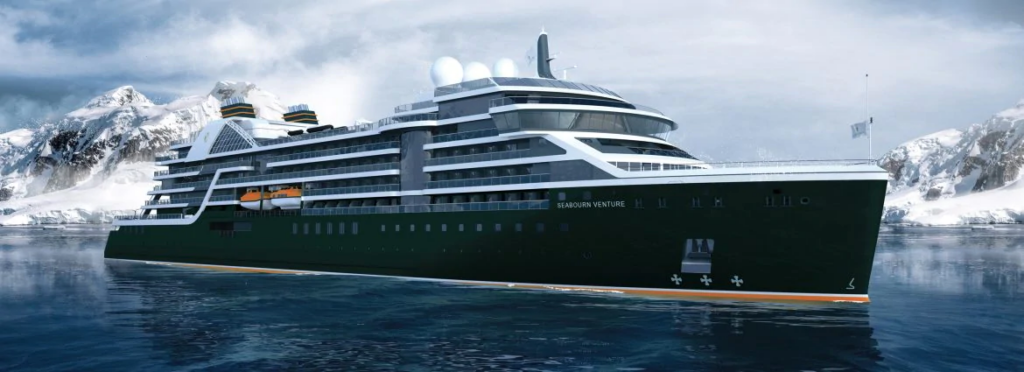
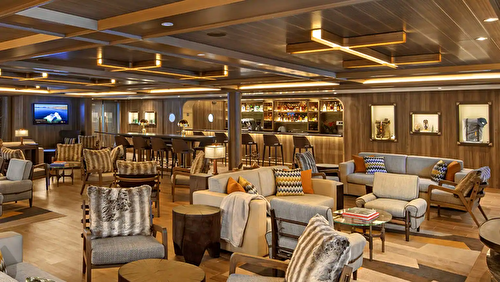
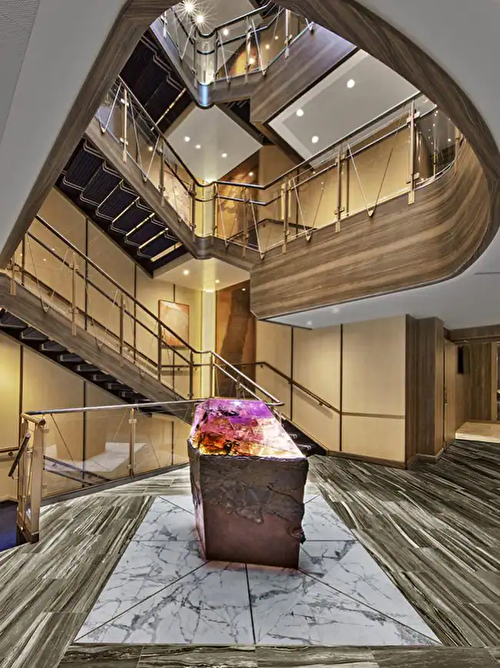
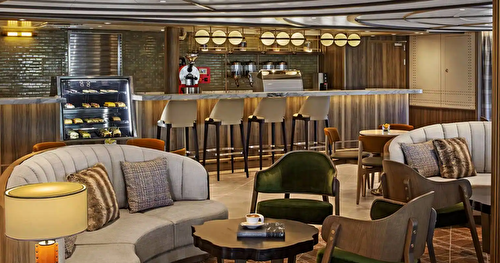
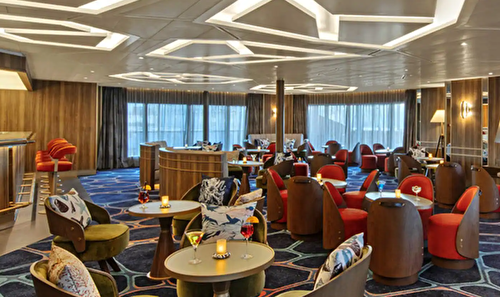
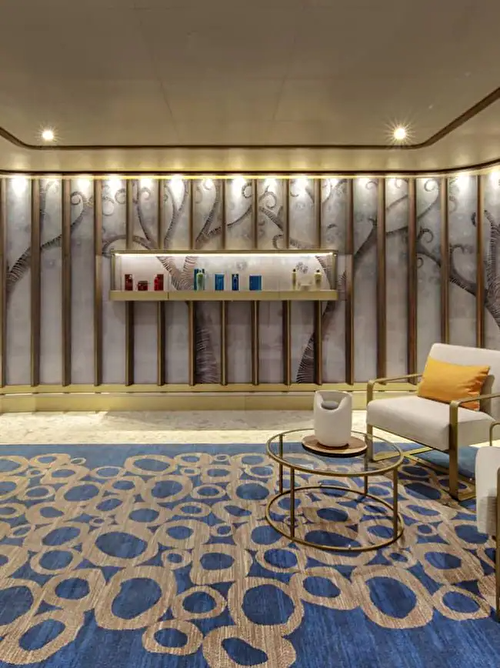
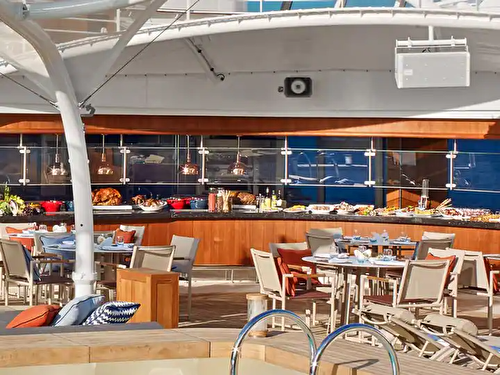
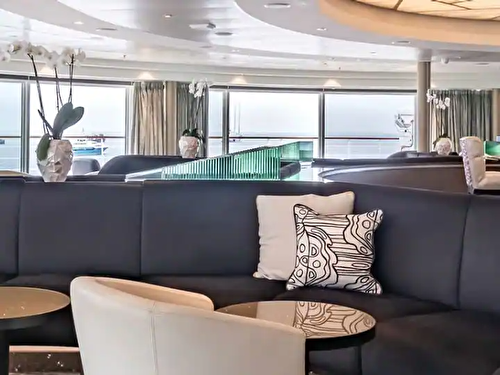
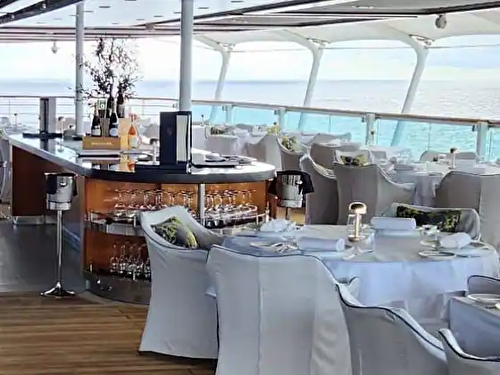
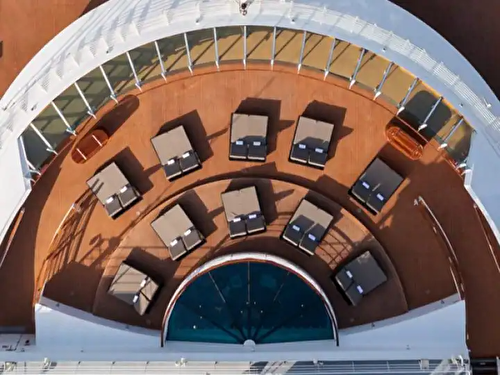
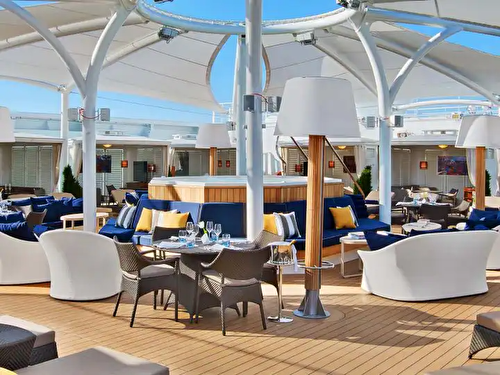
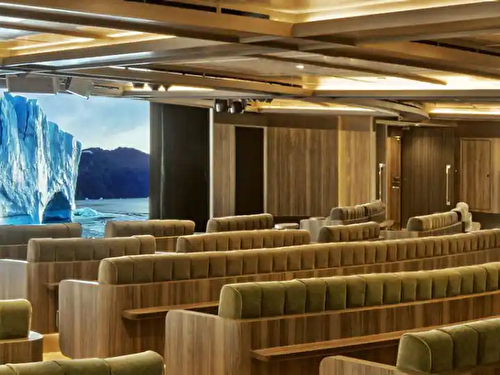
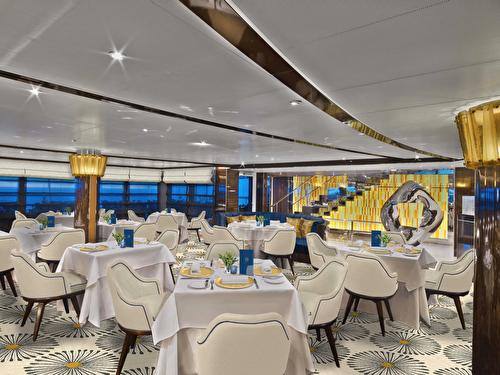
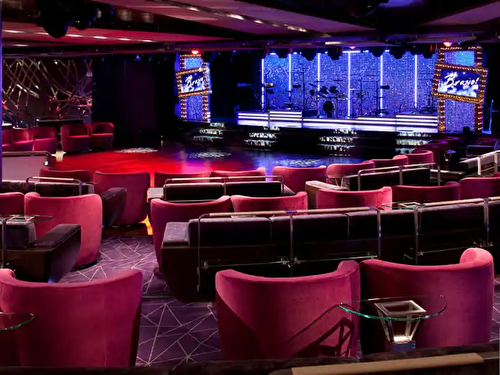
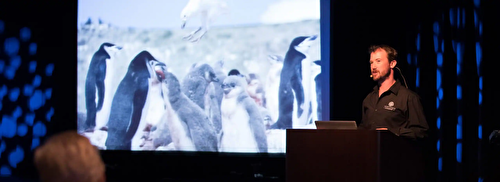
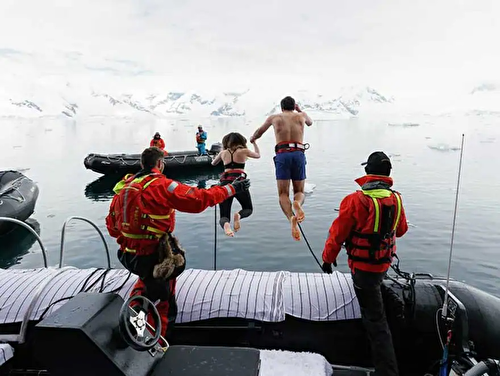
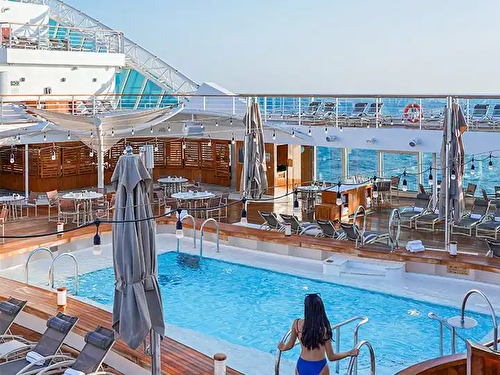
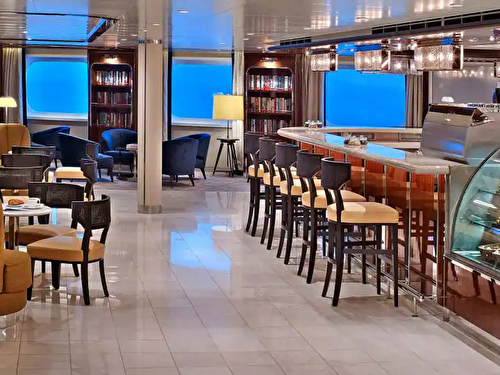
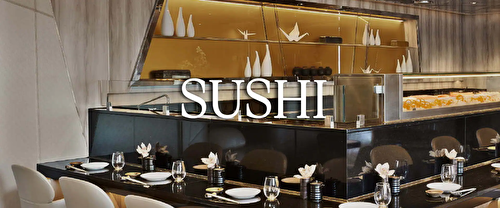
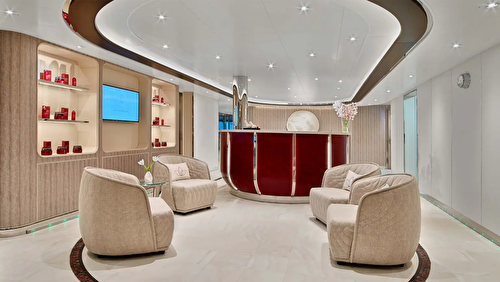
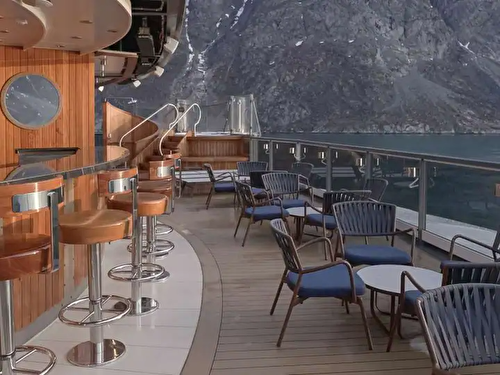
Seabourn’s ultra-luxury purpose-built expedition ship Seabourn Venture, paying tribute to the remote destinations visited by the brand’s highly successful expedition and Ventures by Seabo... excursion programs and the fascinating places yet to be explored in the future. Seabourn Venture is scheduled to launch in June 2021, with a second yet-to-be-named sister ship slated to launch in May 2022. Both ships will be designed and built for diverse environments to PC6 Polar Class standards and will include a plethora of modern hardware and technology that will extend the ships global deployment and capabilities. The new ships, which are being built by T. Mariotti, will be a brand new innovative design, created specifically for the ultra-luxury expedition traveler, and will include many features that have made Seabourn ships so successful. A new and exciting offering will be two custom-built submarines carried onboard, providing an unforgettable view of the world beneath the ocean’s surface. The ships will also be designed to carry a complement of double sea kayaks, mountain bikes and ebikes as well as 24 Zodiacs that can accommodate all onboard guests at once, which will allow for a truly immersive experience. Each ship will feature 132 all veranda, all ocean-front suites. More Less
  • Earth & ocean
    earth & ocean
    More
  • In-suite dining
    in-suite dining
    More
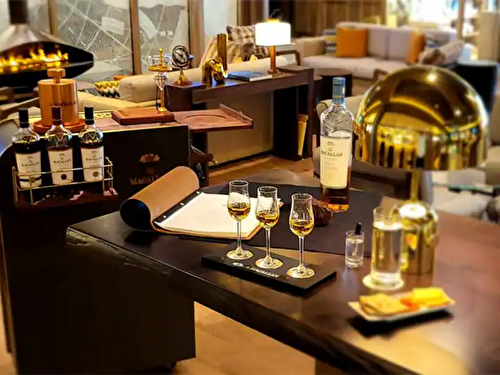
  • Observation bar
    observation bar
    More
  • Sky bar
    sky bar
    More
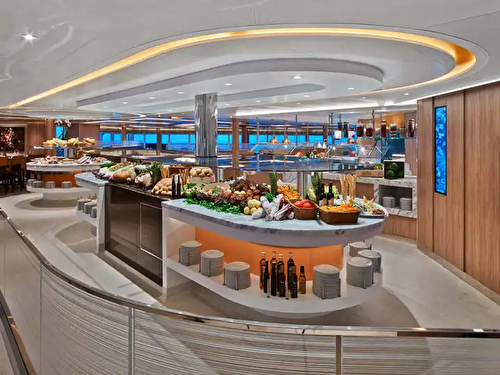
  • The colonnade
    the colonnade
    More
  • The restaurant
    the restaurant
    More
  • The retreat
    the retreat
    More
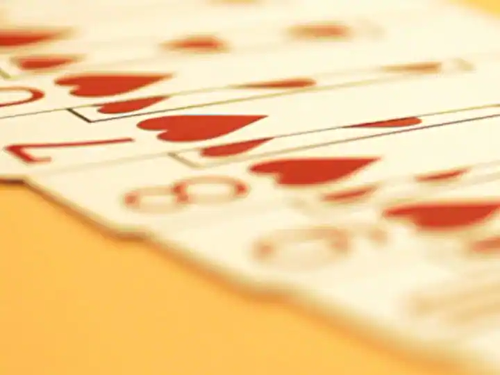
  • Card room
    card room
    More
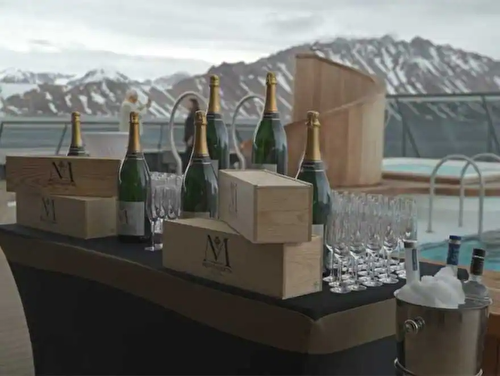
  • Caviar in the surf
    caviar in the surf
    More
  • Discovery center
    discovery center
    More
  • Evenings under the stars
    evenings under the stars
    More
  • Seabourn conversations
    seabourn conversations
    More
  • Seabourn square
    seabourn square
    More
  • The club
    the club
    More
  • Pool
    pool
    More
  • Spa & wellness
    spa & wellness
    More
  • Sun terrace
    sun terrace
    More
  • The patio
    the patio
    More
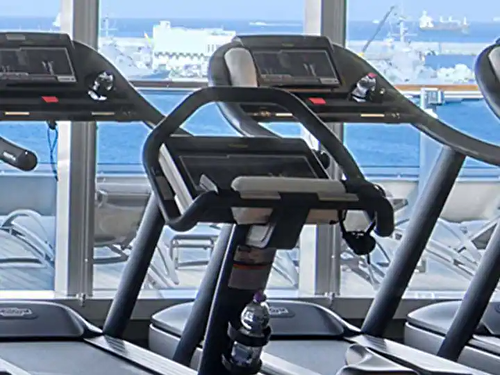
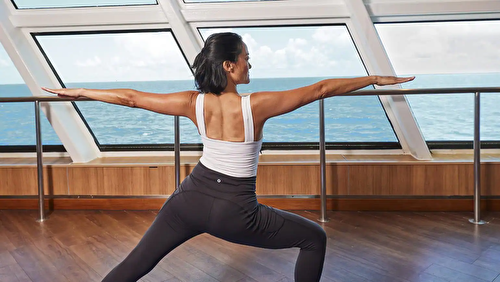
  • Fitness center
    fitness center
    More
  • Marina day
    marina day
    More
  • Seabourn source
    seabourn source
    More
  • Shops
    shops
    More
  • Submarines
    submarines
    More
  • Whirlpool
    whirlpool
    More
  • Shopping with the chef
    shopping with the chef
    More
  • Sushi
    sushi
    More

Staterooms

suite

Deck 7 Suites 735, 736; Total space: 1,044 sq. ft. (97 sq. m.) including veranda of 129 sq. ft. (12 ... sq. m.) All Wintergarden Suites onboard Seabourn Venture feature a comfortable living area; private veranda; queen-size bed or two twin beds; walk-in closet; personal safe; interactive TV with music and movies; fully stocked bar and refrigerator; writing desk with personalized stationery; makeup vanity; spacious bathroom, separate tub and shower, plush robes, slippers, luxury health and beauty products, hairdryer and 110/220V AC outlets.

More

balcony

Decks 7, 8; Approximate total space: 355 sq. ft. (33 sq. m.) including veranda of 75 sq. ft. (7 sq. ... m.)* All Veranda Suites onboard Seabourn Venture feature a comfortable living area; private veranda; queen-size bed or two twin beds; walk-in closet; personal safe; interactive TV with music and movies; fully stocked bar and refrigerator; writing desk with personalized stationery; makeup vanity; spacious bathroom, separate tub and shower, plush robes, slippers, luxury health and beauty products, hairdryer and 110/220V AC outlets. *Some veranda sizes vary.

More

Thank you!

I am also interested in the following:

How would you like us to contact you?:

Traveller information

Additional information

Call 13 70 79 or enquire to book this cruise

Passenger first name limit

Due to cruise line restrictions for online bookings, we ask that passengers with first names exceeding 10 characters to please ring us on 1300 269 432 so we can help you complete your booking.

Close
Passenger last name limit

Due to cruise line restrictions for online bookings, we ask that passengers with last names exceeding 15 characters to please ring us on 1300 269 432 so we can help you complete your booking.

Close
Passenger name limit

Due to cruise line restrictions for online bookings, we ask that passengers with first names exceeding 10 characters and/or last names exceeding 15 characters to please ring us on 
1300 269 432 so we can help you complete your booking.

Close