



28-Day Southern Japan & South Korea Collectors Voyage

  • 27th February 2028
  • 28 Nights
  • Tokyo (Yokohama)
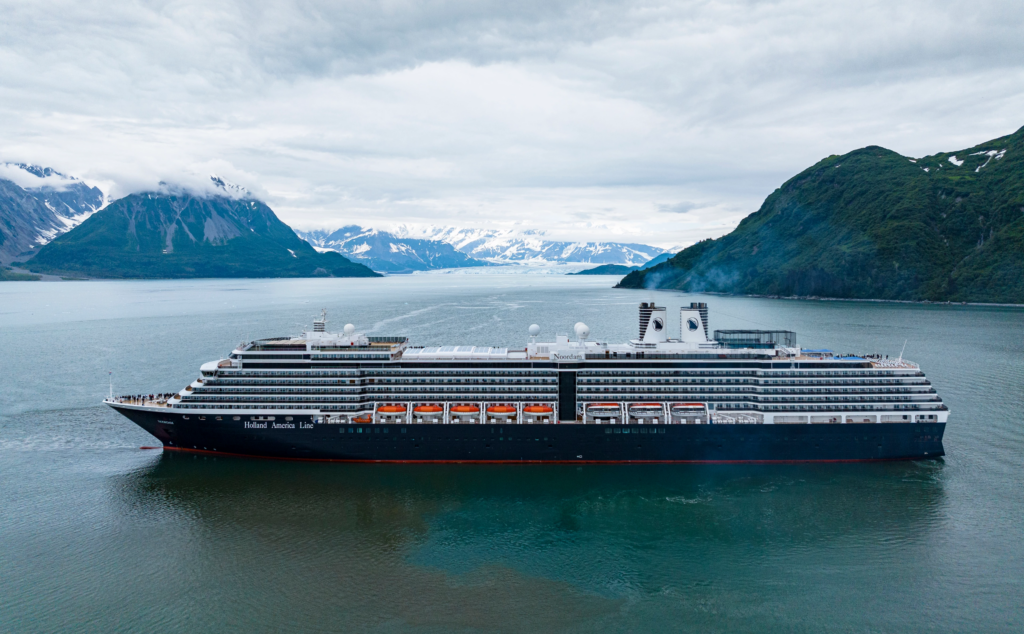
  • Noordam
Holland America Line

Inside price from

$8,549*/per person

Balcony price from

$10,879*/per person

Outside price from

$9,069*/per person

Suite price from

$13,509*/per person

* based on twinshare stateroom

Displayed prices exclude Travel Expert Service Fee (as applicable). Fees are calculated at checkout.

World360 Rewards Earn & redeem points on all travel* with World360 Rewards – join free today!

Your itinerary

  • Tokyo (Yokohama)
  • Shimizu
  • Osaka, Japan
  • Osaka, Japan
  • Kagoshima
  • Nagasaki
  • Busan
  • Fukuoka (Hakata), Japan
  • Scenic Cruising Kanmon Strait
  • Hiroshima, Japan
  • Kochi, Japan
  • Nagoya
  • Tokyo (Yokohama)
  • Kochi, Japan
  • Kagoshima
  • Nagasaki
  • Seoul (Incheon)
  • Seoul (Incheon)
  • Jeju (Cheju) City
  • Busan
  • Fukuoka (Hakata), Japan
  • Scenic Cruising Kanmon Strait
  • Osaka, Japan
  • Tokyo (Yokohama)
Day 1

27th Feb '28

Tokyo (Yokohama)
Until the mid-19th century, Japan lived in isolation, closed off from the rest of the world, and Yokohama was a mere fishing village. But in 1853, American naval officer Matthew Perry demanded the country open to foreign trade, and Yokohama was changed forever. The city quickly emerged as an international trading center, and while today it is often overshadowed by nearby Tokyo, it continues to be one of Japan’s liveliest, and most international, destinations. With its microbreweries and international restaurants, Yokohama has a decidedly different feel from many other Japanese cities. From Yokohama, it’s a quick trip to peaceful Kamakura, home to Daibutsu, Japan’s second-largest bronze Buddha, and to the important Shinto shrine Tsurugaoka Hachimangu. Head to Hakone National Park on a clear day and you’ll be rewarded with picture-postcard views of majestic Mt. Fuji. Tokyo is the largest city on earth and packed with some of the world’s best shops, museums and restaurants, big and small. While the bright neon lights and the bustle of contemporary Tokyo may be what comes to mind when you think of the city, there is another side. Tokyo’s historic gardens and neighborhoods of traditional homes on narrow lanes speak to a timeless Japan that has survived into the 21st century. More
Less
Arrive

0:00

Depart

19:00

Day 2

28th Feb '28

Shimizu
A thriving harbor town for centuries, Shimizu is best known for its incredible scenic beauty. Take an excursion to Miho no Matsubara and enjoy stunning views of Mount Fuji and expansive black sand beaches; stroll through the graceful gardens and unique art installations of Tokachi Millennium Forest; and visit Kongofukuji Temple, first built by Kobo-daishi in 822 and rebuilt from 1662. More
Less
Arrive

8:00

Depart

16:00

Day 3

29th Feb '28

Osaka, Japan
Think of Osaka, Japan (accent on the O), as a combination of Los Angeles and Chicago. It very definitely has L.A.’s second-city complex, but its attitude is pure Chicago. The only business that matters is business, and so what if the Hanshin Tigers, the local baseball team, are frequently the worst professional athletes in the world? They’re the home team. People in Osaka laugh louder, play harder and drink more than Tokyo’s most decadent dreams. Osaka even has its own dialect, one the rest of the country calls “dirty Japanese,” one entirely different than even Kobe’s—and Kobe is an Osaka suburb. Nothing is old in Osaka. The place was flattened during the war (and then again in 1962 and 1989, by Godzilla). During the reconstruction, they forgot to include much in the way of parks or green space, and the sheer amount of concrete and steel sights can get overwhelming. But Osaka has its attractions and interesting things to do. Sumo wrestlers wait for trains, reeking of chanko-nabe (traditional sumo food; pure energy and calories), just daring the official railway pushers to push them. Yakuza (Japanese gangsters) get train cars to themselves, but if you get on with them, it’s like you’re invisible. Busy markets, the visual noise of neon and nonstop action on shopping streets offer insight into the energy and ambition of Osaka. And if all that isn’t enough, Osaka is less than an hour from some of the most beautiful temples, shrines and ancient Japanese tourist attractions in the world—a thousand years of Japanese history—waiting in the old capitals of Kyoto and Nara. More
Less
Arrive

10:00

Depart

0:00

Day 4

1st Mar '28

Osaka, Japan
Think of Osaka, Japan (accent on the O), as a combination of Los Angeles and Chicago. It very definitely has L.A.’s second-city complex, but its attitude is pure Chicago. The only business that matters is business, and so what if the Hanshin Tigers, the local baseball team, are frequently the worst professional athletes in the world? They’re the home team. People in Osaka laugh louder, play harder and drink more than Tokyo’s most decadent dreams. Osaka even has its own dialect, one the rest of the country calls “dirty Japanese,” one entirely different than even Kobe’s—and Kobe is an Osaka suburb. Nothing is old in Osaka. The place was flattened during the war (and then again in 1962 and 1989, by Godzilla). During the reconstruction, they forgot to include much in the way of parks or green space, and the sheer amount of concrete and steel sights can get overwhelming. But Osaka has its attractions and interesting things to do. Sumo wrestlers wait for trains, reeking of chanko-nabe (traditional sumo food; pure energy and calories), just daring the official railway pushers to push them. Yakuza (Japanese gangsters) get train cars to themselves, but if you get on with them, it’s like you’re invisible. Busy markets, the visual noise of neon and nonstop action on shopping streets offer insight into the energy and ambition of Osaka. And if all that isn’t enough, Osaka is less than an hour from some of the most beautiful temples, shrines and ancient Japanese tourist attractions in the world—a thousand years of Japanese history—waiting in the old capitals of Kyoto and Nara. More
Less
Arrive

0:00

Depart

21:00

Day 5

2nd Mar '28

At Sea
Less
Arrive

0:00

Depart

0:00

Day 6

3rd Mar '28

Kagoshima
Situated at the southern tip of Japan, Kagoshima is the capital of the prefecture of the same name and famous for its dramatic views of Sakurajima, an active volcano that smolders across the bay. One of the most popular activities is taking a ferry to Sakurajima and hiking on the 100-year-old lava flow that is now a grassy peninsula. Kagoshima, however, offers much more than the volcano’s almost overwhelming beauty. The food scene provides opportunities to experience the area’s rich culinary culture and features dishes using locally caught fish and regional specialties, like satsuma a’ge (deep-fried fish cake) and shōchū, a traditional beverage made at more than 100 distilleries in Kagoshima alone. Although the city was officially founded in 1889, it has an even longer history that is reflected in the 17th-century gardens of Sengan-en. More recent events are covered at a museum dedicated to the kamikaze pilots who flew out of Kagoshima. Other popular attractions include the City Aquarium, the Museum of the Meiji Restoration with its exhibits exploring local history and the City Museum of Art with its collection that covers both local contemporary and older art. With so much to do, visitors may want to consider the Cute transit card. Available at tourist information offices, one-day Cute cards cover city buses, trams and Sakurajima ferries and also provide discounted admission to several attractions. More
Less
Arrive

8:00

Depart

17:00

Day 7

4th Mar '28

Nagasaki
City of melancholy memories. Visit Glover House, where Puccini’s Madame Butterfly reputedly awaited her errant Lt. Pinkerton; pay tribute to lives lost in WWII at Peace Memorial Park. Sample shore excursions: Nagasaki Half-day Tour; Sakai Bridge & 99 Islands;Arita, Birthplace of Ceramics. More
Less
Arrive

8:00

Depart

20:00

Day 8

5th Mar '28

Busan
South Korea’s second-largest city (after the capital, Seoul), Busan is located in the southeastern corner of the country along the Sea of Japan. It combines a vibrant, big-city atmosphere with a famously laid-back attitude and subtropical landscapes. Often described as the “San Francisco of Korea,” thanks mainly to its hilly terrain and close-knit neighborhoods, it offers visitors a little of everything: fashionable boutiques, dynamic culture and buzzy nightlife, as well as sandy beaches, hot springs and nearby mountains crossed with hiking trails and dotted with temples. Cultural highlights include the Gamcheon Cultural Village; the spectacular Haedong Yonggungsa Temple, built into the side of a cliff; and Art Street in Sinchang-dong, which hosts art competitions, exhibitions and cultural events such as the annual Busan International Film Festival. Those who enjoy hiking can explore the famed cliffs of Taejongdae Park, while the white sand beaches at Gwangalli and Haeundae are ideal places to relax by the seashore. Foodies will love Busan, too, not just for its excellent restaurants but also for the many atmospheric markets: the low-key Millak Hoe Town Market, tourist spots like Jagalchi Fish Market and the market at Haeundae with its ramshackle stalls selling gukpab (a traditional rice soup). More
Less
Arrive

8:00

Depart

21:00

Day 9

6th Mar '28

Fukuoka (Hakata), Japan
Less
Arrive

8:00

Depart

21:00

Day 10

7th Mar '28

Scenic Cruising Kanmon Strait
Less
Arrive

0:00

Depart

0:00

Day 11

8th Mar '28

Hiroshima, Japan
Located in the southwest of Japan, Hiroshima, the main city of the Chugoku region, is set within a striking natural landscape of mountains, sea and rivers. Home to more than one million inhabitants, it’s famous as the site of the explosion of the world’s first atomic bomb, dropped by the U.S. in August 1945. This cataclysm is sensitively documented at the Hiroshima Peace Memorial Park and associated Hiroshima Peace Memorial Museum. The city offers visitors a great deal more than the tragedy of the recent past. In addition to the memorials to the events of World War II, there are an array of shrines and temples, as well as the city’s reconstructed castle, which was originally founded in the 16th century.Nature lovers will be charmed by the historic Shukkei-en Garden, commissioned in 1620, and Miyajima island, one of the most scenic spots in Japan. The city is home to a number of art institutions, including the Hiroshima Museum of Art, which houses a collection of Impressionist and Japanese oil paintings, the Hiroshima City Museum of Contemporary Art and the quirky Mazda Museum. There is also an array of excellent restaurants and bars—the city is known for its okonomiyaki, a type of savory pancake—as well as a popular oyster festival each year. More
Less
Arrive

7:00

Depart

18:00

Day 12

9th Mar '28

Kochi, Japan
High atop a hill in Kochi sits 17th-century Kochi Castle, once the seat of the Yamauchi lords. Explore this historic site and enjoy panoramic views of the city, then dine on sushi at Hirome Market. More
Less
Arrive

8:00

Depart

21:00

Day 13

10th Mar '28

At Sea
Less
Arrive

0:00

Depart

0:00

Day 14

11th Mar '28

Nagoya
Fast-paced Nagoya offers outstanding food, shopping and entertainment. Feast on misokatsu (pork cutlets). Shop for electronics, manga and anime treasures. Tour Nogoya Castle‘s Honmaru Palace, the first castle to be designated a national treasure More
Less
Arrive

7:00

Depart

16:00

Day 15

12th Mar '28

Tokyo (Yokohama)
Until the mid-19th century, Japan lived in isolation, closed off from the rest of the world, and Yokohama was a mere fishing village. But in 1853, American naval officer Matthew Perry demanded the country open to foreign trade, and Yokohama was changed forever. The city quickly emerged as an international trading center, and while today it is often overshadowed by nearby Tokyo, it continues to be one of Japan’s liveliest, and most international, destinations. With its microbreweries and international restaurants, Yokohama has a decidedly different feel from many other Japanese cities. From Yokohama, it’s a quick trip to peaceful Kamakura, home to Daibutsu, Japan’s second-largest bronze Buddha, and to the important Shinto shrine Tsurugaoka Hachimangu. Head to Hakone National Park on a clear day and you’ll be rewarded with picture-postcard views of majestic Mt. Fuji. Tokyo is the largest city on earth and packed with some of the world’s best shops, museums and restaurants, big and small. While the bright neon lights and the bustle of contemporary Tokyo may be what comes to mind when you think of the city, there is another side. Tokyo’s historic gardens and neighborhoods of traditional homes on narrow lanes speak to a timeless Japan that has survived into the 21st century. More
Less
Arrive

8:00

Depart

19:00

Day 16

13th Mar '28

At Sea
Less
Arrive

0:00

Depart

0:00

Day 17

14th Mar '28

Kochi, Japan
High atop a hill in Kochi sits 17th-century Kochi Castle, once the seat of the Yamauchi lords. Explore this historic site and enjoy panoramic views of the city, then dine on sushi at Hirome Market. More
Less
Arrive

7:00

Depart

16:00

Day 18

15th Mar '28

Kagoshima
Situated at the southern tip of Japan, Kagoshima is the capital of the prefecture of the same name and famous for its dramatic views of Sakurajima, an active volcano that smolders across the bay. One of the most popular activities is taking a ferry to Sakurajima and hiking on the 100-year-old lava flow that is now a grassy peninsula. Kagoshima, however, offers much more than the volcano’s almost overwhelming beauty. The food scene provides opportunities to experience the area’s rich culinary culture and features dishes using locally caught fish and regional specialties, like satsuma a’ge (deep-fried fish cake) and shōchū, a traditional beverage made at more than 100 distilleries in Kagoshima alone. Although the city was officially founded in 1889, it has an even longer history that is reflected in the 17th-century gardens of Sengan-en. More recent events are covered at a museum dedicated to the kamikaze pilots who flew out of Kagoshima. Other popular attractions include the City Aquarium, the Museum of the Meiji Restoration with its exhibits exploring local history and the City Museum of Art with its collection that covers both local contemporary and older art. With so much to do, visitors may want to consider the Cute transit card. Available at tourist information offices, one-day Cute cards cover city buses, trams and Sakurajima ferries and also provide discounted admission to several attractions. More
Less
Arrive

8:00

Depart

18:00

Day 19

16th Mar '28

Nagasaki
City of melancholy memories. Visit Glover House, where Puccini’s Madame Butterfly reputedly awaited her errant Lt. Pinkerton; pay tribute to lives lost in WWII at Peace Memorial Park. Sample shore excursions: Nagasaki Half-day Tour; Sakai Bridge & 99 Islands;Arita, Birthplace of Ceramics. More
Less
Arrive

8:00

Depart

18:00

Day 20

17th Mar '28

At Sea
Less
Arrive

0:00

Depart

0:00

Day 21

18th Mar '28

Seoul (Incheon)
Once upon a time, Incheon was a quiet seaside village, pretty typical for Korea. The men went fishing, the women made kimchi. There were maybe a couple thousand people altogether in the region. And then it got caught in the middle of a war. Incheon is where, late in 1950, the U.S. Marines landed, marking the beginning of the end of the Korean War, a war that ultimately claimed more than 40,000 American soldiers’ lives and an undetermined number of Koreans. After the fighting, when Incheon had a chance to dig itself out from the mud and shrapnel, it became part of the Korean economic miracle, the country’s first official free-enterprise zone. With its perfect natural port, flat landscape and 3 million residents, it’s become as much a part of the Seoul megalopolis now as it is a place of its own. Visit Incheon with a Korean War vet, and they likely won’t recognize a thing, except maybe a small area around Freedom Park. Where once there were rice ponds, there are now high-rise apartment buildings. Even the beach the Marines landed on has been filled and reshaped to make more room for the Korean economic miracle. But there’s an entire generation haunted by this place, and it’s well worth looking around. More
Less
Arrive

8:00

Depart

0:00

Day 22

19th Mar '28

Seoul (Incheon)
Once upon a time, Incheon was a quiet seaside village, pretty typical for Korea. The men went fishing, the women made kimchi. There were maybe a couple thousand people altogether in the region. And then it got caught in the middle of a war. Incheon is where, late in 1950, the U.S. Marines landed, marking the beginning of the end of the Korean War, a war that ultimately claimed more than 40,000 American soldiers’ lives and an undetermined number of Koreans. After the fighting, when Incheon had a chance to dig itself out from the mud and shrapnel, it became part of the Korean economic miracle, the country’s first official free-enterprise zone. With its perfect natural port, flat landscape and 3 million residents, it’s become as much a part of the Seoul megalopolis now as it is a place of its own. Visit Incheon with a Korean War vet, and they likely won’t recognize a thing, except maybe a small area around Freedom Park. Where once there were rice ponds, there are now high-rise apartment buildings. Even the beach the Marines landed on has been filled and reshaped to make more room for the Korean economic miracle. But there’s an entire generation haunted by this place, and it’s well worth looking around. More
Less
Arrive

0:00

Depart

17:00

Day 23

20th Mar '28

Jeju (Cheju) City
Jeju, formerly Cheju, may not be familiar to most Americans, but for Korean travelers the country’s largest island and home to one of 12 UNESCO World Heritage Sites is a popular destination. The island is roughly the size of Maui and has much in common with the Hawaiian islands. Like them, it is a volcanic island—it first emerged from the sea some two million years ago and the volcano Hallasan, which reaches a height of 1,950 meters, is the tallest peak in South Korea. It also shares the mild subtropical climate of Hawaii—even in winter, temperatures rarely drop below freezing—and offers a similar broad range of activities whether in the warm ocean water or exploring the island’s interior on well-marked and maintained trails. Jeju has long been known as the “Island of Gods” after a legendary lost race from whom the island’s inhabitants are said to have descended. Perhaps this history helps explain the super-human feats of the haenyeo, women divers who harvest abalone from the sea floor without the use of scuba gear. Remarkable giants can still be spotted here with humpback and orca whales common in this part of the East China Sea. More
Less
Arrive

12:00

Depart

19:00

Day 24

21st Mar '28

Busan
South Korea’s second-largest city (after the capital, Seoul), Busan is located in the southeastern corner of the country along the Sea of Japan. It combines a vibrant, big-city atmosphere with a famously laid-back attitude and subtropical landscapes. Often described as the “San Francisco of Korea,” thanks mainly to its hilly terrain and close-knit neighborhoods, it offers visitors a little of everything: fashionable boutiques, dynamic culture and buzzy nightlife, as well as sandy beaches, hot springs and nearby mountains crossed with hiking trails and dotted with temples. Cultural highlights include the Gamcheon Cultural Village; the spectacular Haedong Yonggungsa Temple, built into the side of a cliff; and Art Street in Sinchang-dong, which hosts art competitions, exhibitions and cultural events such as the annual Busan International Film Festival. Those who enjoy hiking can explore the famed cliffs of Taejongdae Park, while the white sand beaches at Gwangalli and Haeundae are ideal places to relax by the seashore. Foodies will love Busan, too, not just for its excellent restaurants but also for the many atmospheric markets: the low-key Millak Hoe Town Market, tourist spots like Jagalchi Fish Market and the market at Haeundae with its ramshackle stalls selling gukpab (a traditional rice soup). More
Less
Arrive

8:00

Depart

17:00

Day 25

22nd Mar '28

Fukuoka (Hakata), Japan
Less
Arrive

8:00

Depart

21:00

Day 26

23rd Mar '28

Scenic Cruising Kanmon Strait
Less
Arrive

0:00

Depart

0:00

Day 27

24th Mar '28

Osaka, Japan
Think of Osaka, Japan (accent on the O), as a combination of Los Angeles and Chicago. It very definitely has L.A.’s second-city complex, but its attitude is pure Chicago. The only business that matters is business, and so what if the Hanshin Tigers, the local baseball team, are frequently the worst professional athletes in the world? They’re the home team. People in Osaka laugh louder, play harder and drink more than Tokyo’s most decadent dreams. Osaka even has its own dialect, one the rest of the country calls “dirty Japanese,” one entirely different than even Kobe’s—and Kobe is an Osaka suburb. Nothing is old in Osaka. The place was flattened during the war (and then again in 1962 and 1989, by Godzilla). During the reconstruction, they forgot to include much in the way of parks or green space, and the sheer amount of concrete and steel sights can get overwhelming. But Osaka has its attractions and interesting things to do. Sumo wrestlers wait for trains, reeking of chanko-nabe (traditional sumo food; pure energy and calories), just daring the official railway pushers to push them. Yakuza (Japanese gangsters) get train cars to themselves, but if you get on with them, it’s like you’re invisible. Busy markets, the visual noise of neon and nonstop action on shopping streets offer insight into the energy and ambition of Osaka. And if all that isn’t enough, Osaka is less than an hour from some of the most beautiful temples, shrines and ancient Japanese tourist attractions in the world—a thousand years of Japanese history—waiting in the old capitals of Kyoto and Nara. More
Less
Arrive

7:00

Depart

23:00

Day 28

25th Mar '28

At Sea
Less
Arrive

0:00

Depart

0:00

Day 29

26th Mar '28

Tokyo (Yokohama)
Until the mid-19th century, Japan lived in isolation, closed off from the rest of the world, and Yokohama was a mere fishing village. But in 1853, American naval officer Matthew Perry demanded the country open to foreign trade, and Yokohama was changed forever. The city quickly emerged as an international trading center, and while today it is often overshadowed by nearby Tokyo, it continues to be one of Japan’s liveliest, and most international, destinations. With its microbreweries and international restaurants, Yokohama has a decidedly different feel from many other Japanese cities. From Yokohama, it’s a quick trip to peaceful Kamakura, home to Daibutsu, Japan’s second-largest bronze Buddha, and to the important Shinto shrine Tsurugaoka Hachimangu. Head to Hakone National Park on a clear day and you’ll be rewarded with picture-postcard views of majestic Mt. Fuji. Tokyo is the largest city on earth and packed with some of the world’s best shops, museums and restaurants, big and small. While the bright neon lights and the bustle of contemporary Tokyo may be what comes to mind when you think of the city, there is another side. Tokyo’s historic gardens and neighborhoods of traditional homes on narrow lanes speak to a timeless Japan that has survived into the 21st century. More
Less
Arrive

8:00

Depart

0:00

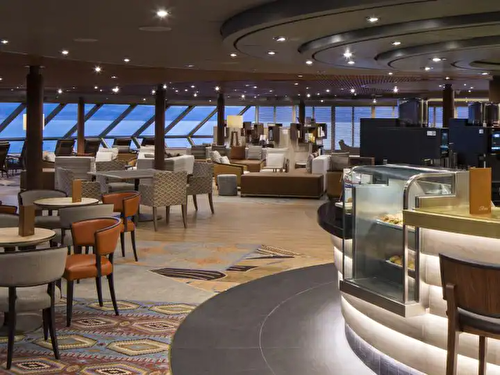
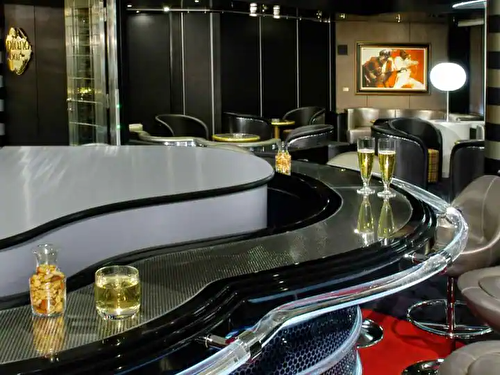
Your ship - The Noordam

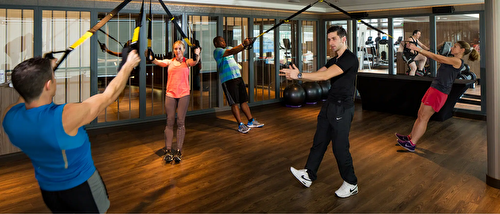
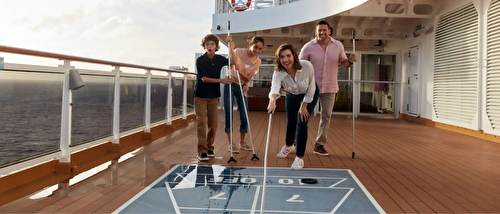
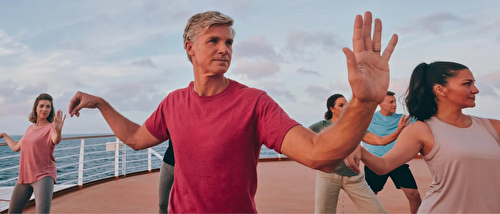
Description Food and Drink Entertainment Relaxation Fitness Recreational Technology Other
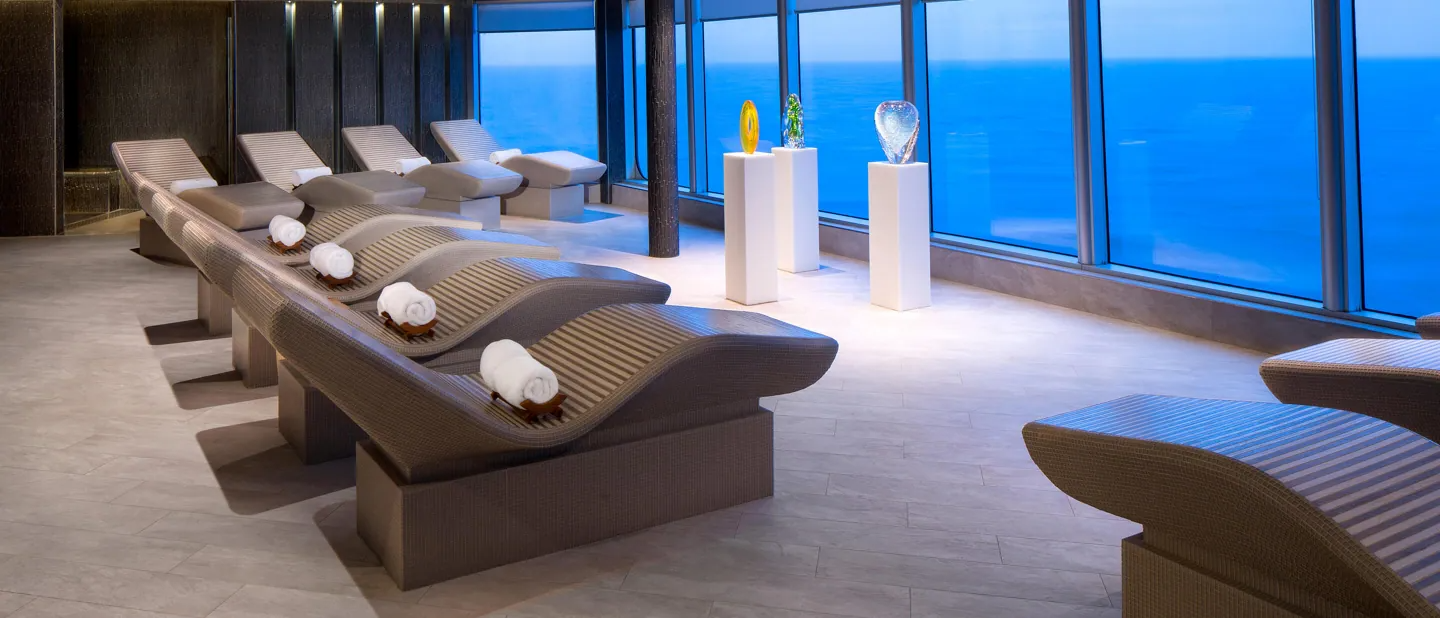
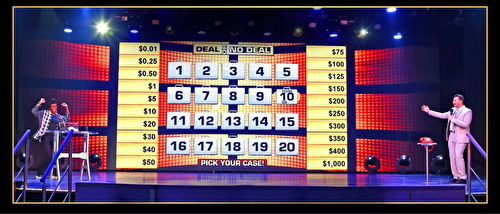
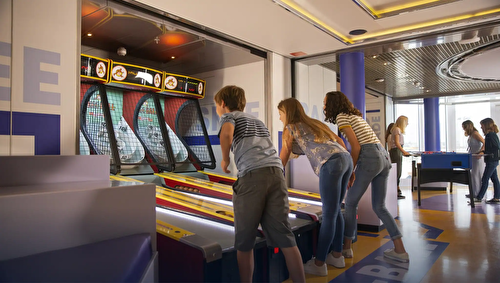
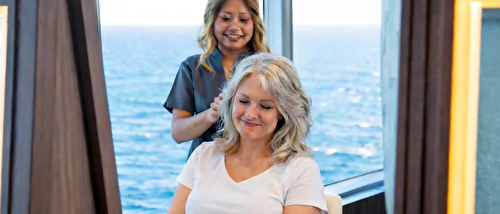
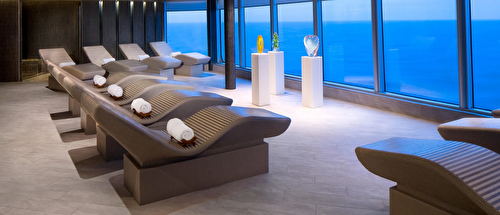
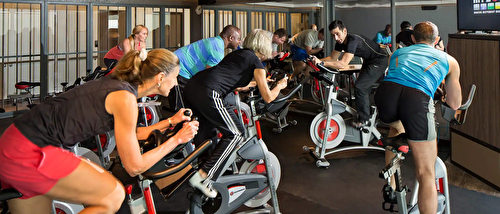
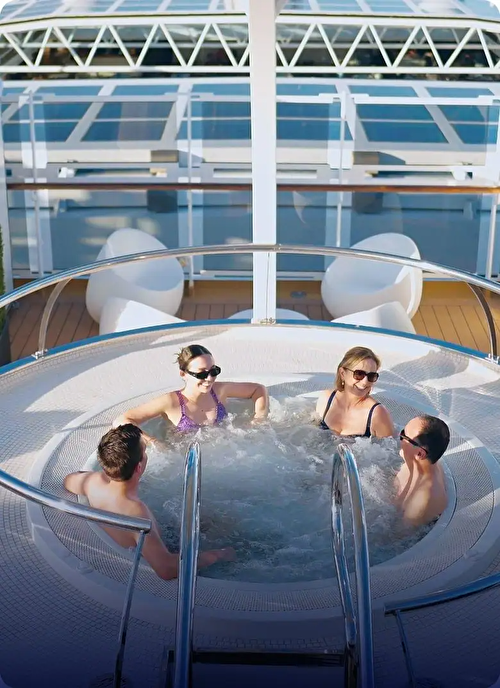
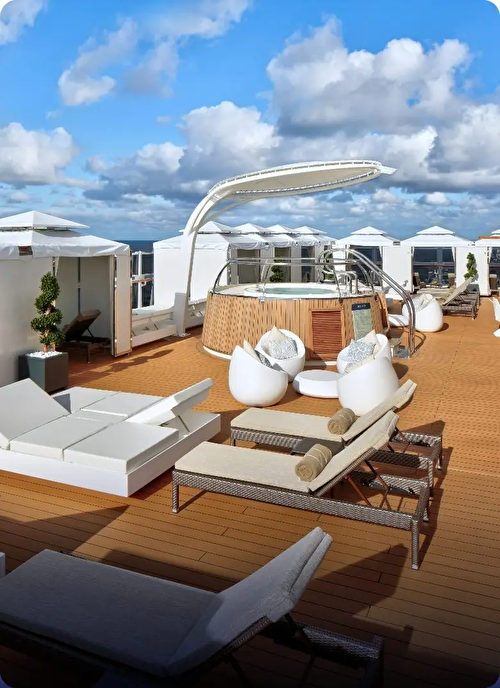
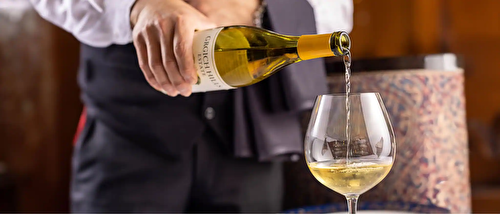
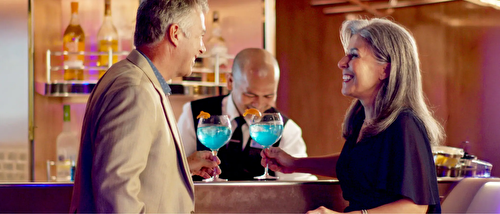
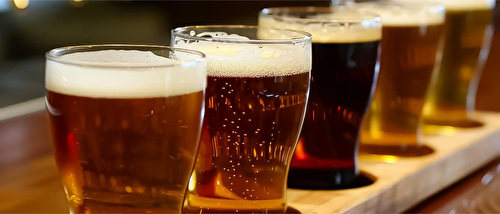
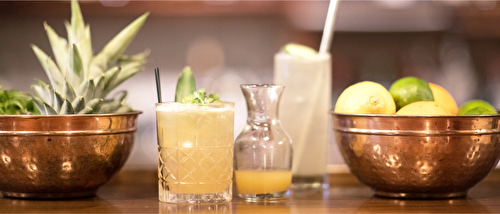
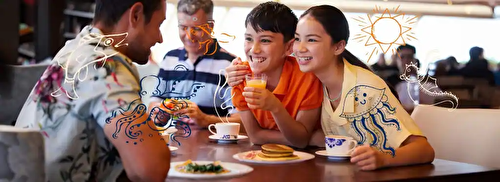
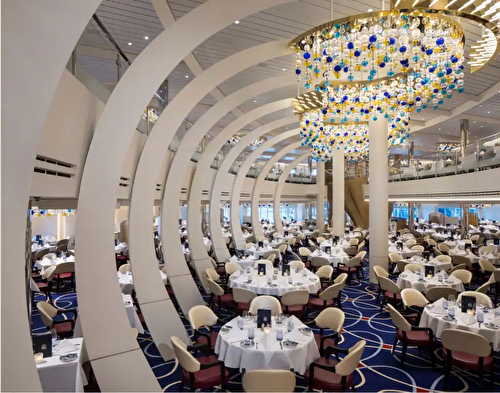
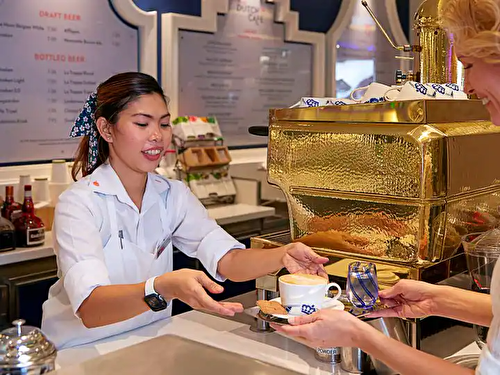
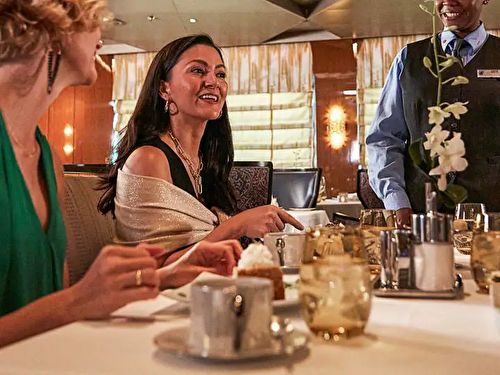
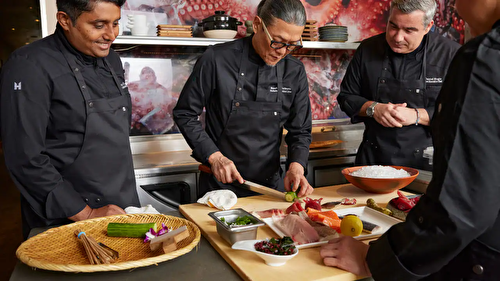
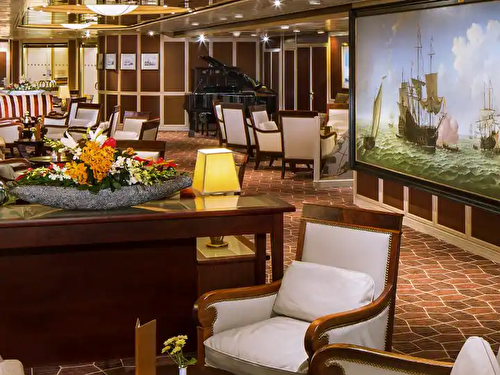
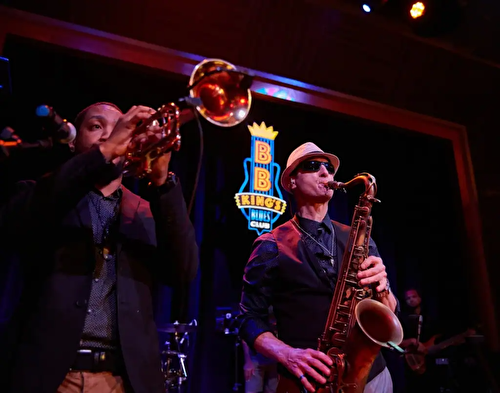
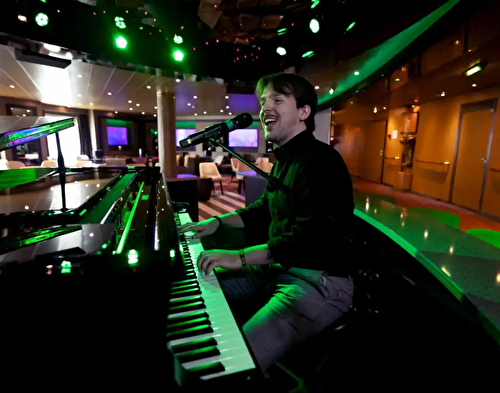
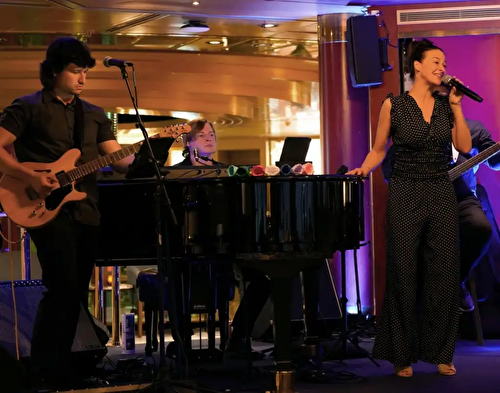
Named for the Northern compass point, Noordam features museum-quality art — from 19th-century oils to contemporary photographs of music greats Dizzy Gillespie and B.B. King. Guests onboard can ...oy regional cooking demonstrations and food and wine tastings with EXC Port to Table programming. Explore the world’s wonders through BBC Earth Experiences. Take yoga or Pilates in our Fitness Center. Savor the sounds of Music Walk and the delights of our specialty restaurants. More Less
  • 24-hour room service
    24-hour room service
    More
  • Canaletto
    canaletto
    More
  • Dive in
    dive in
    More
  • Lido market
    lido market
    More
  • Morimoto by sea
    morimoto by sea
    More
  • Pinnacle grill
    pinnacle grill
    More
  • The dining room
    the dining room
    More
  • Billboard onboard
    billboard onboard
    More
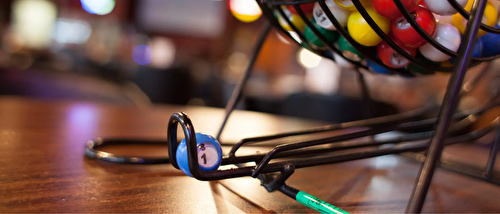
  • Bingo
    bingo
    More
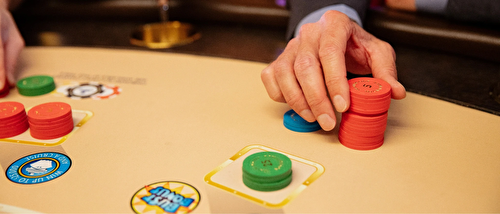
  • Casino action
    casino action
    More
  • Kids club
    kids club
    More
  • Rolling stone lounge
    rolling stone lounge
    More
  • Roulette
    roulette
    More
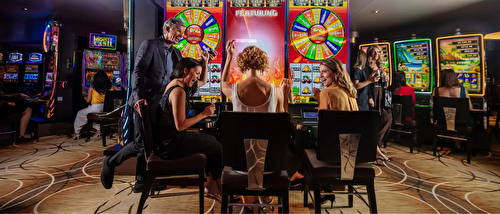
  • Slots
    slots
    More
  • Step one dance company
    step one dance company
    More
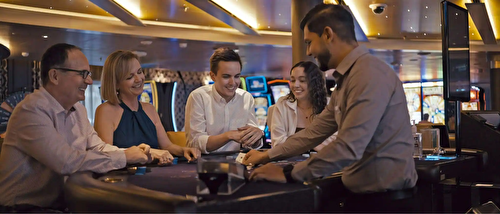
  • Table games
    table games
    More
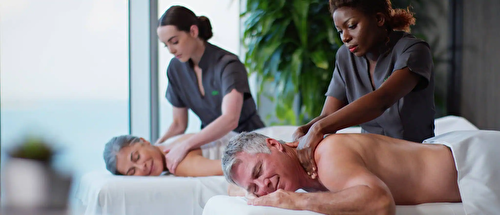
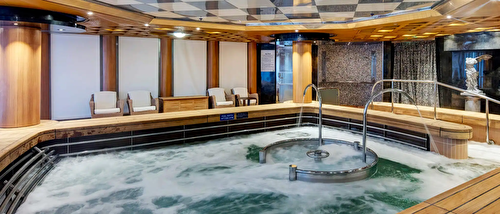
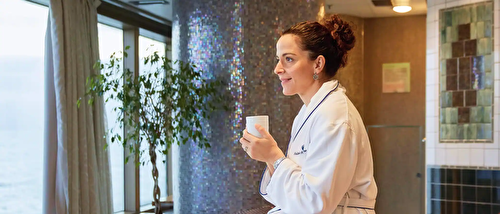
  • Thermal suite
    thermal suite
    More
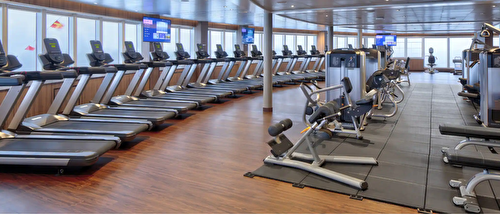
  • Fitness center
    fitness center
    More
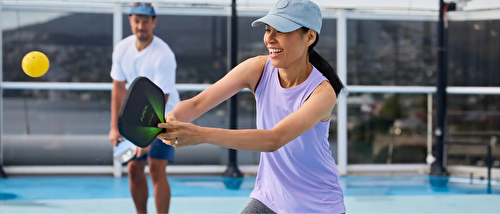
  • Pickleball at sea
    pickleball at sea
    More
  • Surf
    surf
    More
  • World stage
    world stage
    More

Staterooms

outside

Approximately 174-180 sq. ft. These large staterooms include two lower beds convertible to one que ... en-size bed—our Signature Mariner’s Dream bed with plush Euro-Top mattresses, premium massage shower heads and a host of amenities. The view is fully obstructed. The configuration of staterooms may vary from the images shown.

More

inside

Approximately 151-233 sq. ft. These spacious staterooms include two lower beds convertible to one ... queen-size bed—our Signature Mariner’s Dream bed with plush Euro-Top mattresses, premium massage shower heads and a host of amenities. The configuration of staterooms may vary from the images shown.

More

suite

Approximately 372-384 sq. ft. including verandah These large, comfortable suites feature a spaciou ... s sitting area with floor-to-ceiling windows overlooking a private verandah, two lower beds convertible to one queen-size bed—our signature Mariner’s Dream bed with plush Euro-Top mattresses, and one sofa bed for one person. The bathroom includes a dual-sink vanity, full-size whirlpool bath and shower, and an additional shower stall. The configuration of staterooms may vary from the images shown.

More

balcony

Approximately 212-359 sq. ft. including verandah Filled with light from floor-to-ceiling windows o ... verlooking a private verandah, these staterooms include a sitting area, two lower beds convertible to one queen-size bed—our signature Mariner’s Dream bed with plush Euro-Top mattresses, and bath tub with premium massage showerheads. The configuration of staterooms may vary from the images shown.

More

Thank you!

I am also interested in the following:

How would you like us to contact you?:

Traveller information

Additional information

Call 13 70 79 or enquire to book this cruise

Passenger first name limit

Due to cruise line restrictions for online bookings, we ask that passengers with first names exceeding 10 characters to please ring us on 1300 269 432 so we can help you complete your booking.

Close
Passenger last name limit

Due to cruise line restrictions for online bookings, we ask that passengers with last names exceeding 15 characters to please ring us on 1300 269 432 so we can help you complete your booking.

Close
Passenger name limit

Due to cruise line restrictions for online bookings, we ask that passengers with first names exceeding 10 characters and/or last names exceeding 15 characters to please ring us on 
1300 269 432 so we can help you complete your booking.

Close