



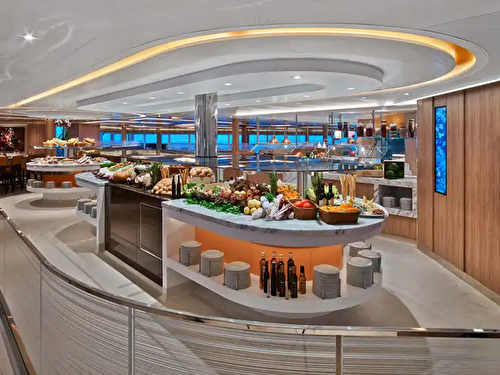

28-Day JapanS Cherry Blossom Exploration

  • 10th March 2029
  • 28 Nights
  • Tokyo
  • Seabourn Encore
Seabourn

Balcony price from

$35,498*/per person

Suite price from

$70,098*/per person

* based on twinshare stateroom

Displayed prices exclude Travel Expert Service Fee (as applicable). Fees are calculated at checkout.

World360 Rewards Earn & redeem points on all travel* with World360 Rewards – join free today!

Your itinerary

  • Tokyo, Japan
  • Matsuyama
  • Scenic Cruising Kanmon Straits
  • Hiroshima, Japan
  • Fukuoka (Hakata), Japan
  • Yeosu, South Korea
  • Nagasaki
  • Yatsushiro, Japan
  • Kagoshima
  • Kobe
  • Kobe
  • Shimizu, Japan
  • Tokyo, Japan
  • Kochi, Japan
  • Hososhima (Miyazaki), Japan
  • Kagoshima
  • Nagasaki
  • Busan
  • Scenic Cruising Kanmon Straits
  • Fukuoka (Hakata), Japan
  • Hiroshima, Japan
  • Kobe
  • Kobe
  • Shimizu, Japan
  • Tokyo, Japan
Day 1

10th Mar '29

Tokyo, Japan
Less
Arrive

0:00

Depart

19:00

Day 2

11th Mar '29

At Sea
Less
Arrive

0:00

Depart

0:00

Day 3

12th Mar '29

Matsuyama
Less
Arrive

10:00

Depart

23:00

Day 4

13th Mar '29

Scenic Cruising Kanmon Straits
Less
Arrive

0:00

Depart

0:00

Day 4

13th Mar '29

Hiroshima, Japan
Hiroshima means “wide island” in Japanese. The city was established in the 16th Century on Japan’s largest island, Honshu, and grew into an important shipping center and prefecture capital, boasting a fine castle. Although it was an important city in Japan throughout the imperial period, its reputation in the greater world was burned into history when it became to target of the first atomic bombing of a civilian target in August of 1945. The United States airplane Enola Gay dropped a nuclear device nicknamed “Little Boy” on the city that morning, obliterating everything within a two-kilometer radius and directly killing 80,000 people. Approximately 70 percent of Hiroshima’s buildings were destroyed. Within a year, injury and radiation illness had killed an additional 90, 000 to 116,000 citizens. The attacks on Hiroshima and nearby Nagasaki quickly led to the surrender of Japan and effectively precipitated the end of World War II in Asia. Within a few years, Hiroshima had begun to rebuild, and the city became the focus of an international movement to eliminate nuclear weapons from future wars. Relics of its past such as the impressive Hiroshima Castle and the tranquil Shukkeien Garden were rebuilt, and the city undertook the construction of a Memorial Peace Park, which today attracts visitors from around the world. The park, which holds a museum and a memorial “Atomic Dome” constructed on the closest remaining building to the blast site, is a moving and impactful place of pilgrimage in this re-born City of Peace. One notable feature is a colorful memorial to Sadako Sasaki, a young woman whose dying wishes for world peace were recounted in the story A Thousand Paper Cranes. More
Less
Arrive

7:00

Depart

16:00

Day 5

14th Mar '29

Fukuoka (Hakata), Japan
Located on the northern tip of Japan’s Kyushu Island, Hakata harbor’s location close to the Asian mainland made it an important port from very ancient times, serving the early administrative center at Dazaifu near by. In the 13th century, the Mongol Kublai Khan tried twice to subdue the city, but his attacks were both foiled by typhoons, which earned the last one the name Kamikaze, meaning “Divine Wind.” In the late 19th century, Hakata and the nearby samurai city of Fukuoka were merged. Today Fukuoka is a large, modern and eminently livable city that still benefits from its proximity to Korea and other “Asian Tiger” economies. Attractions for visitors include a park surrounding the ruins of the samurai Fukuoka Castle; the Shokufuji Temple, Japan’s first Zen temple; and the Japanese Garden and Gokoku Shrine in Ohori Park. The Genko Historical Museum holds displays of Japanese and Mongol armor from the period of the Mongol invasions. Modern highlights include the shopping and entertainment complex of Canal City and the waterfront Momochi Seaside Park development. Near by, the old 7th Century city of Dazaifu offers the Dazaifu Tenmangu Shrine with 6,000 flowering plum trees, the tranquil Komyozenji Temple with a lovely Zen garden, and the impressive, modern Kyushu National Museum. More
Less
Arrive

9:00

Depart

18:00

Day 6

15th Mar '29

Yeosu, South Korea
Old Yeosu City, founded in 1949, and Yeocheon City, founded in 1986, were merged into a new city in 1998. The city of Yeosu consists of the Yeosu peninsula as well as 317 islands (49 inhabited, 268 uninhabited). Lying about midway along the southern coast of South Korea, it is separated from Namhae County in South Gyeongsang Province to the east by a natural waterway. Yeosu translates to “Beautiful Waters.” More
Less
Arrive

7:00

Depart

17:00

Day 7

16th Mar '29

Nagasaki
Nagasaki is situated on the West Coast of Kyushu on a scenic bay. Located closest to the Asian mainland, it has historically been an important trading center and highly influenced by Chinese culture. When Japan chose to isolate itself from the Western world for two hundred years starting in the mid 1600’s, Nagasaki was the only port open to foreign vessels. In recent history, Nagasaki was the second city after Hiroshima to be destroyed by an atomic bomb, bringing an end to World War II. More
Less
Arrive

7:00

Depart

18:00

Day 8

17th Mar '29

Yatsushiro, Japan
Less
Arrive

8:00

Depart

18:00

Day 9

18th Mar '29

Kagoshima
Capital of Japan’s southernmost prefecture, Kagoshima faces the Kinko-wan Bay and the active Sakurajima Volcano. Kagoshima played an important role in Japanese history, starting in the early 7th century when Bounotsu Port was a base for trading with China and other Asian nations. The region, formerly known as Satsuma was dominated by 29 generations Shimazu lords for over 700 years until the 1867 Meiji Restoration. Between the 9th and 15th centuries, Satsuma was an important trading port with the countries of east Asia, as well as Europe, becoming one of Japan’s earliest points of contact with the West. More
Less
Arrive

8:00

Depart

18:00

Day 10

19th Mar '29

At Sea
Less
Arrive

0:00

Depart

0:00

Day 11

20th Mar '29

Kobe
Kobe has been an important port city for many centuries, and was one of the first Japanese ports to be opened to foreign trade in the late Edo Period. Today, Kobe is one of Japan’s ten largest cities. Sustaining heavy damage from the devastating Great Hanshin Earthquake of 1995, the city has fully recovered, and remains one of Japan’s more cosmopolitan cities. A typical Japanese harbor town, foreign culture was introduced here centuries ago, and Kobe’s food and architecture posses a diverse and exotic flavor. More
Less
Arrive

6:30

Depart

0:00

Day 12

21st Mar '29

Kobe
Kobe has been an important port city for many centuries, and was one of the first Japanese ports to be opened to foreign trade in the late Edo Period. Today, Kobe is one of Japan’s ten largest cities. Sustaining heavy damage from the devastating Great Hanshin Earthquake of 1995, the city has fully recovered, and remains one of Japan’s more cosmopolitan cities. A typical Japanese harbor town, foreign culture was introduced here centuries ago, and Kobe’s food and architecture posses a diverse and exotic flavor. More
Less
Arrive

0:00

Depart

21:00

Day 13

22nd Mar '29

At Sea
Less
Arrive

0:00

Depart

0:00

Day 14

23rd Mar '29

Shimizu, Japan
Sprawling, semi-rural Shimizu Ward is dominated by forested coastal mountains, with hiking trails and ropeway rides to dramatic viewpoints above Suruga Bay. Miho Beach Park is popular for swimming and water sports in summer, and there are baseball and soccer fields nearby, plus an aquarium at the Marine Science Center. Busy fisheries supply sushi bars and seafood markets with local specialties like sakura shrimp. More
Less
Arrive

8:00

Depart

18:00

Day 15

24th Mar '29

Tokyo, Japan
Less
Arrive

8:00

Depart

19:00

Day 16

25th Mar '29

At Sea
Less
Arrive

0:00

Depart

0:00

Day 17

26th Mar '29

Kochi, Japan
Japan’s Shikoku island is a popular place of pilgrimage among Japanese Buddhists. Kochi has three of the 88 temples on the route. Chikurinji Temple, with its five-story pagoda, is one of them. Located on Mount Godaisan, it also features an adjacent botanical garden. The town is most famous for its castle, originally built in the early 17th century, but largely rebuilt following a fire in the mid-18th century. It is one of only 12 existing feudal-period castles in Japan. South of the town, Katsurahama beach is a popular destination, although swimming is not allowed due to strong currents. A picturesque shrine located on a high point overlooking the sea is the perfect postcard image of rural Japan. The beach is also a good spot to enjoy Katsuo no Tataki, the traditional local dish of lightly grilled and seasoned bonito tuna. More
Less
Arrive

8:00

Depart

18:00

Day 18

27th Mar '29

Hososhima (Miyazaki), Japan
Less
Arrive

8:00

Depart

18:00

Day 19

28th Mar '29

Kagoshima
Capital of Japan’s southernmost prefecture, Kagoshima faces the Kinko-wan Bay and the active Sakurajima Volcano. Kagoshima played an important role in Japanese history, starting in the early 7th century when Bounotsu Port was a base for trading with China and other Asian nations. The region, formerly known as Satsuma was dominated by 29 generations Shimazu lords for over 700 years until the 1867 Meiji Restoration. Between the 9th and 15th centuries, Satsuma was an important trading port with the countries of east Asia, as well as Europe, becoming one of Japan’s earliest points of contact with the West. More
Less
Arrive

8:00

Depart

18:00

Day 20

29th Mar '29

Nagasaki
Nagasaki is situated on the West Coast of Kyushu on a scenic bay. Located closest to the Asian mainland, it has historically been an important trading center and highly influenced by Chinese culture. When Japan chose to isolate itself from the Western world for two hundred years starting in the mid 1600’s, Nagasaki was the only port open to foreign vessels. In recent history, Nagasaki was the second city after Hiroshima to be destroyed by an atomic bomb, bringing an end to World War II. More
Less
Arrive

9:00

Depart

19:00

Day 21

30th Mar '29

Busan
Busan is the second largest city in South Korea, and the country’s seaside connection to Japan and the West. Lovely urban scenery, the Pusan International Film Festival, and near-by hot springs has made Busan a popular leisure destination. Busan has the sophistication of a major city, as well as famous beaches that lure visitors from all over the world. The city is a microcosm of South Korea, a nation whose economic success often obscures, to Westerners, one of Asia’s most sophisticated and venerable cultures. More
Less
Arrive

8:00

Depart

18:00

Day 22

31st Mar '29

Scenic Cruising Kanmon Straits
Less
Arrive

0:00

Depart

0:00

Day 22

31st Mar '29

Fukuoka (Hakata), Japan
Located on the northern tip of Japan’s Kyushu Island, Hakata harbor’s location close to the Asian mainland made it an important port from very ancient times, serving the early administrative center at Dazaifu near by. In the 13th century, the Mongol Kublai Khan tried twice to subdue the city, but his attacks were both foiled by typhoons, which earned the last one the name Kamikaze, meaning “Divine Wind.” In the late 19th century, Hakata and the nearby samurai city of Fukuoka were merged. Today Fukuoka is a large, modern and eminently livable city that still benefits from its proximity to Korea and other “Asian Tiger” economies. Attractions for visitors include a park surrounding the ruins of the samurai Fukuoka Castle; the Shokufuji Temple, Japan’s first Zen temple; and the Japanese Garden and Gokoku Shrine in Ohori Park. The Genko Historical Museum holds displays of Japanese and Mongol armor from the period of the Mongol invasions. Modern highlights include the shopping and entertainment complex of Canal City and the waterfront Momochi Seaside Park development. Near by, the old 7th Century city of Dazaifu offers the Dazaifu Tenmangu Shrine with 6,000 flowering plum trees, the tranquil Komyozenji Temple with a lovely Zen garden, and the impressive, modern Kyushu National Museum. More
Less
Arrive

7:00

Depart

17:00

Day 23

1st Apr '29

Hiroshima, Japan
Hiroshima means “wide island” in Japanese. The city was established in the 16th Century on Japan’s largest island, Honshu, and grew into an important shipping center and prefecture capital, boasting a fine castle. Although it was an important city in Japan throughout the imperial period, its reputation in the greater world was burned into history when it became to target of the first atomic bombing of a civilian target in August of 1945. The United States airplane Enola Gay dropped a nuclear device nicknamed “Little Boy” on the city that morning, obliterating everything within a two-kilometer radius and directly killing 80,000 people. Approximately 70 percent of Hiroshima’s buildings were destroyed. Within a year, injury and radiation illness had killed an additional 90, 000 to 116,000 citizens. The attacks on Hiroshima and nearby Nagasaki quickly led to the surrender of Japan and effectively precipitated the end of World War II in Asia. Within a few years, Hiroshima had begun to rebuild, and the city became the focus of an international movement to eliminate nuclear weapons from future wars. Relics of its past such as the impressive Hiroshima Castle and the tranquil Shukkeien Garden were rebuilt, and the city undertook the construction of a Memorial Peace Park, which today attracts visitors from around the world. The park, which holds a museum and a memorial “Atomic Dome” constructed on the closest remaining building to the blast site, is a moving and impactful place of pilgrimage in this re-born City of Peace. One notable feature is a colorful memorial to Sadako Sasaki, a young woman whose dying wishes for world peace were recounted in the story A Thousand Paper Cranes. More
Less
Arrive

9:00

Depart

19:00

Day 24

2nd Apr '29

At Sea
Less
Arrive

0:00

Depart

0:00

Day 25

3rd Apr '29

Kobe
Kobe has been an important port city for many centuries, and was one of the first Japanese ports to be opened to foreign trade in the late Edo Period. Today, Kobe is one of Japan’s ten largest cities. Sustaining heavy damage from the devastating Great Hanshin Earthquake of 1995, the city has fully recovered, and remains one of Japan’s more cosmopolitan cities. A typical Japanese harbor town, foreign culture was introduced here centuries ago, and Kobe’s food and architecture posses a diverse and exotic flavor. More
Less
Arrive

6:30

Depart

0:00

Day 26

4th Apr '29

Kobe
Kobe has been an important port city for many centuries, and was one of the first Japanese ports to be opened to foreign trade in the late Edo Period. Today, Kobe is one of Japan’s ten largest cities. Sustaining heavy damage from the devastating Great Hanshin Earthquake of 1995, the city has fully recovered, and remains one of Japan’s more cosmopolitan cities. A typical Japanese harbor town, foreign culture was introduced here centuries ago, and Kobe’s food and architecture posses a diverse and exotic flavor. More
Less
Arrive

0:00

Depart

19:00

Day 27

5th Apr '29

At Sea
Less
Arrive

0:00

Depart

0:00

Day 28

6th Apr '29

Shimizu, Japan
Sprawling, semi-rural Shimizu Ward is dominated by forested coastal mountains, with hiking trails and ropeway rides to dramatic viewpoints above Suruga Bay. Miho Beach Park is popular for swimming and water sports in summer, and there are baseball and soccer fields nearby, plus an aquarium at the Marine Science Center. Busy fisheries supply sushi bars and seafood markets with local specialties like sakura shrimp. More
Less
Arrive

8:00

Depart

18:00

Day 29

7th Apr '29

Tokyo, Japan
Less
Arrive

8:00

Depart

0:00

Your ship - The Seabourn Encore

Description Food and Drink Entertainment Relaxation Fitness Recreational Technology Other
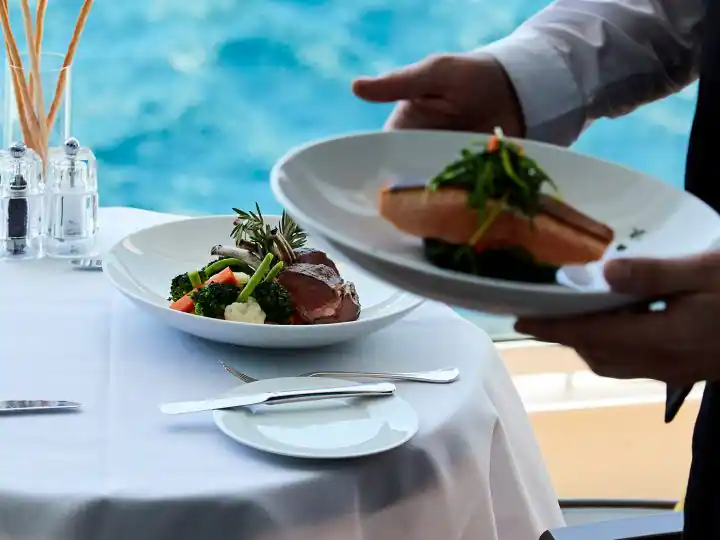
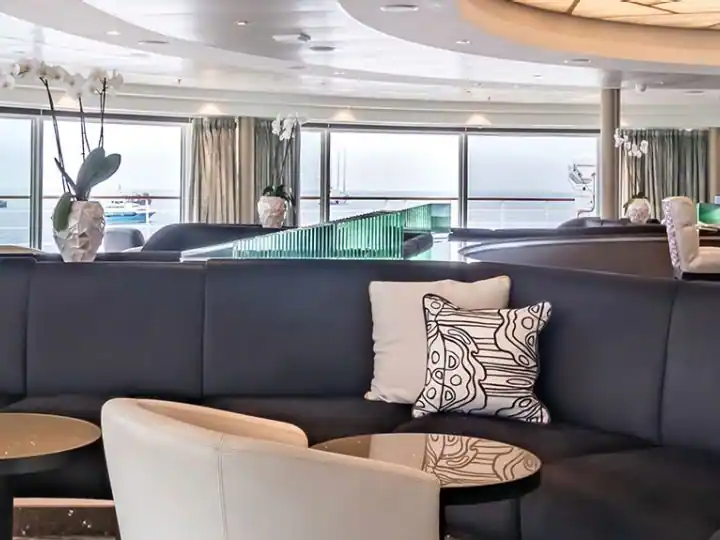
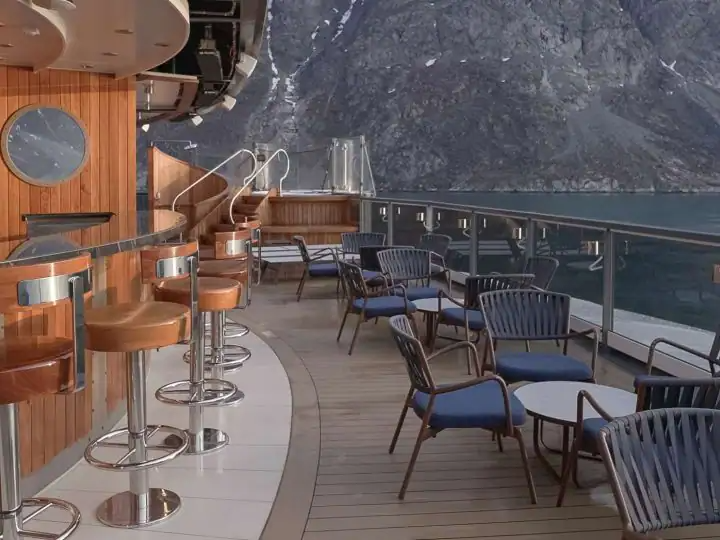
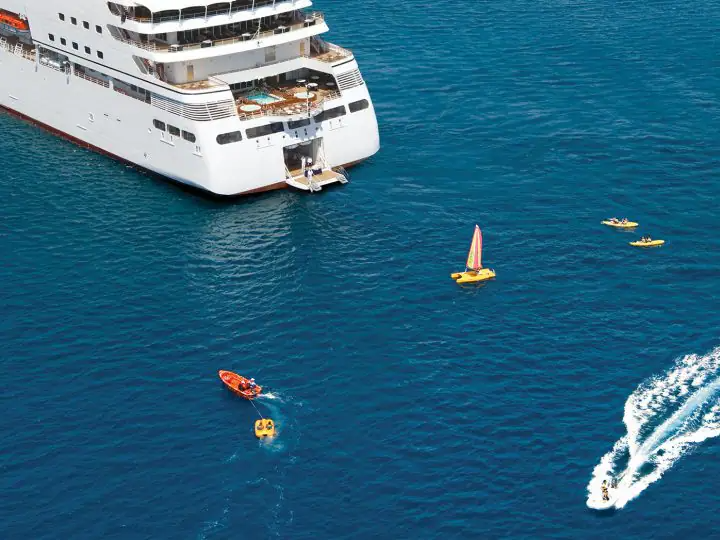
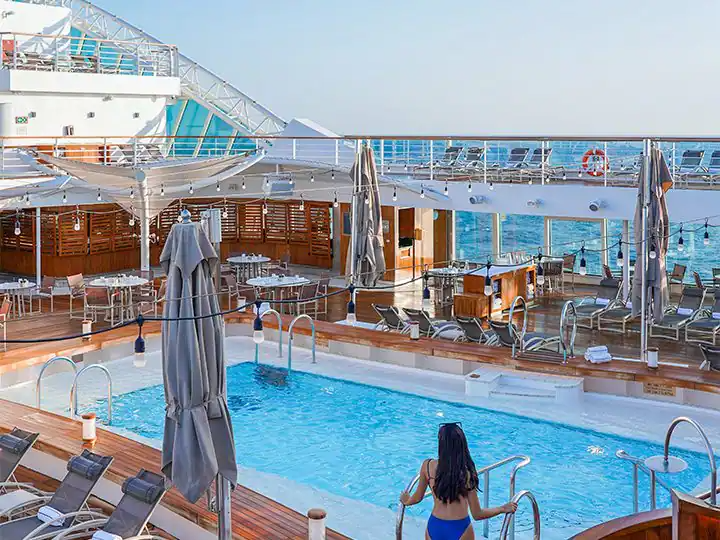
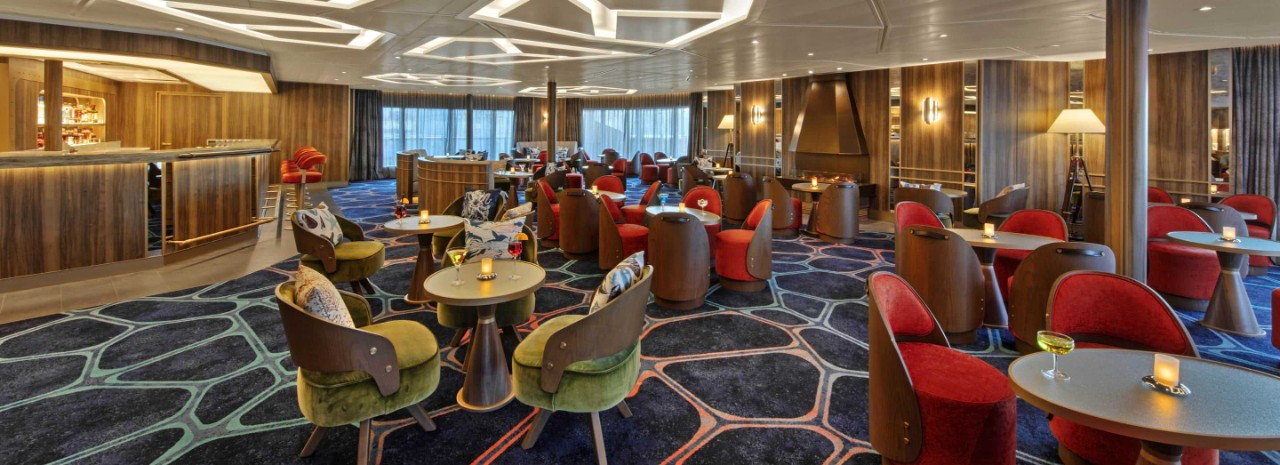
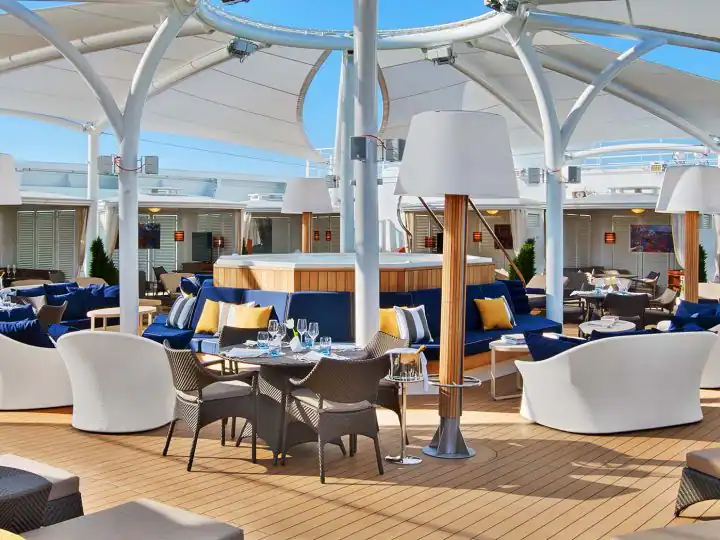
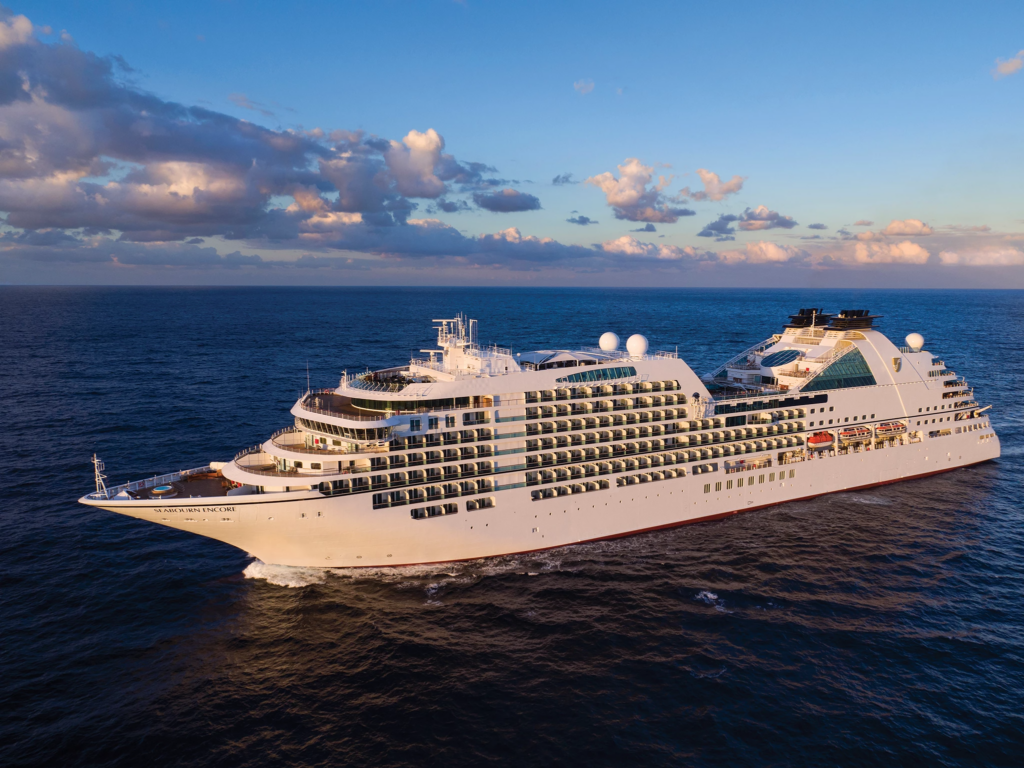
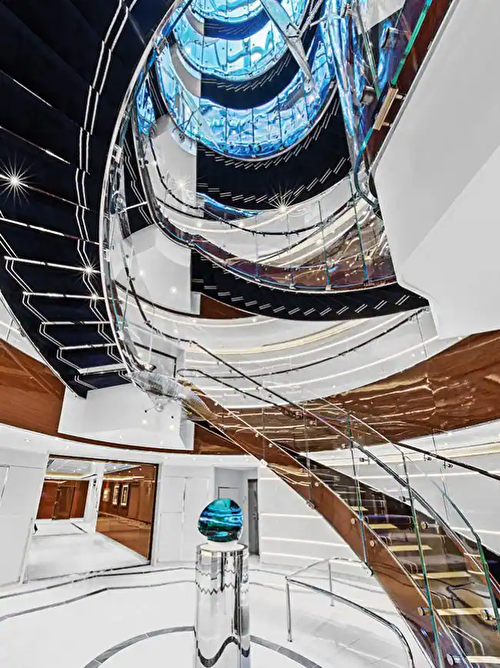
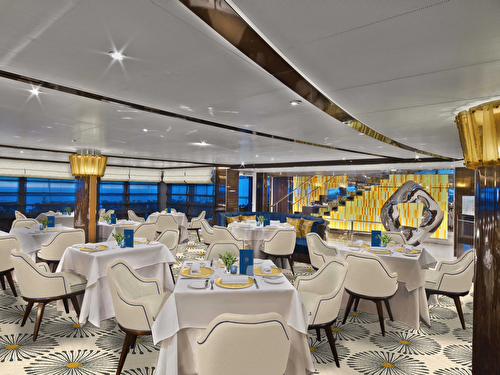
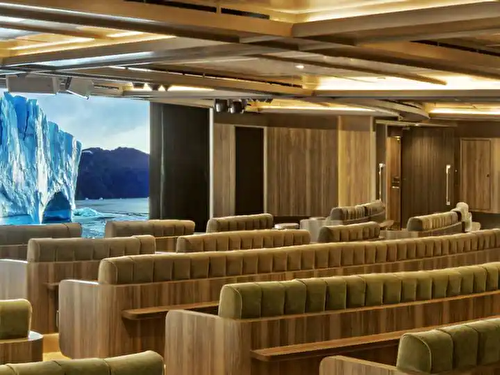
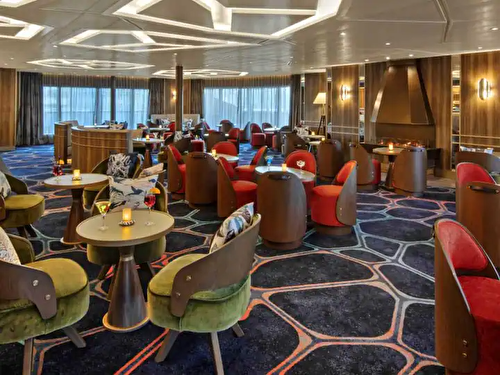
Seabourn Encore is as strikingly beautiful and as excitingly innovative as any Seabourn has ever debuted. She crowns a fleet of luxury cruise ships that is already the newest, most modern and most acc...med in the ultra-luxury segment. Modeled on the award-winning trio of ships introduced with Seabourn Odyssey, Seabourn Encore represents another welcome stage in the evolution of small ship cruising, which Seabourn pioneered and has consistently expanded and enriched for all of our small ship cruises. More Less
  • In-suite dining
    in-suite dining
    More
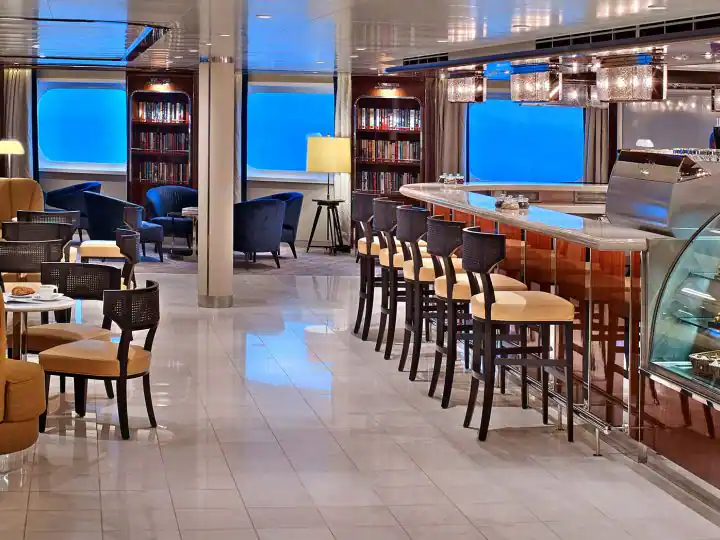
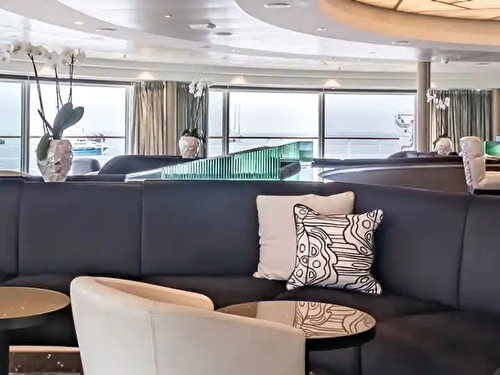
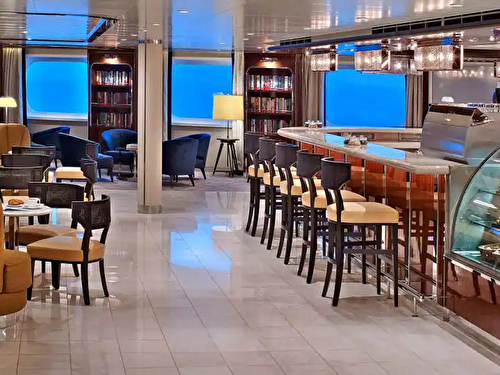
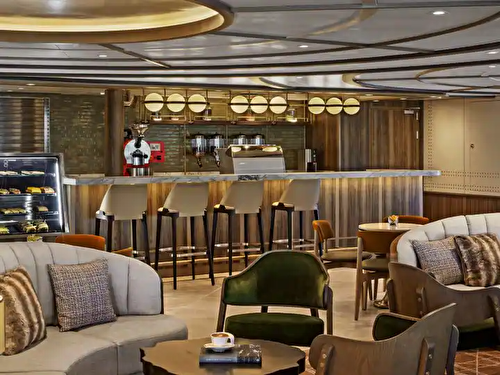
  • Observation bar
    observation bar
    More
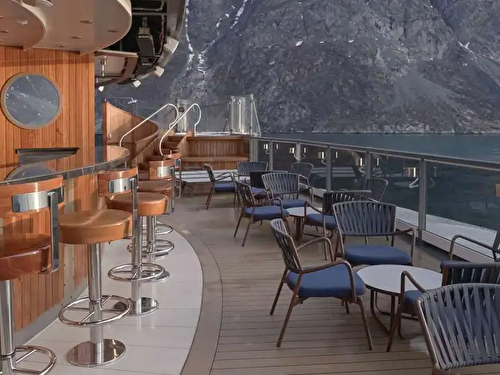
  • Sky bar
    sky bar
    More
  • Solis
    solis
    More
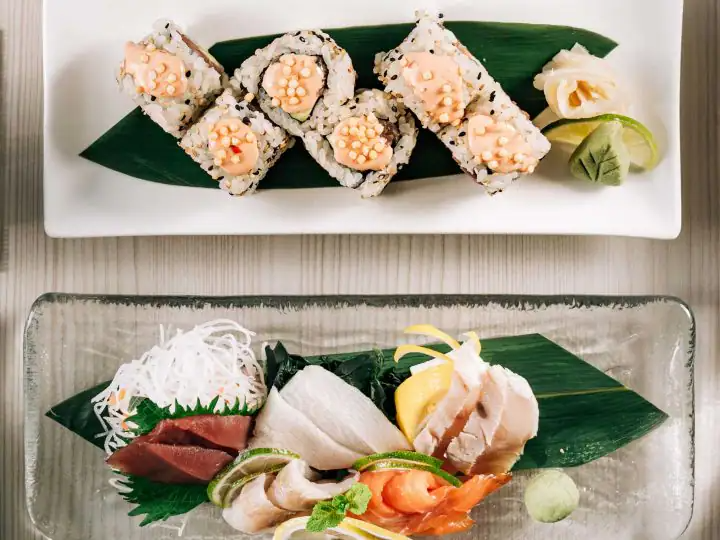
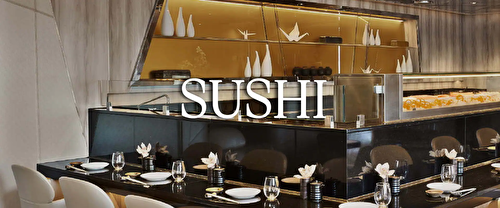
  • Sushi
    sushi
    More
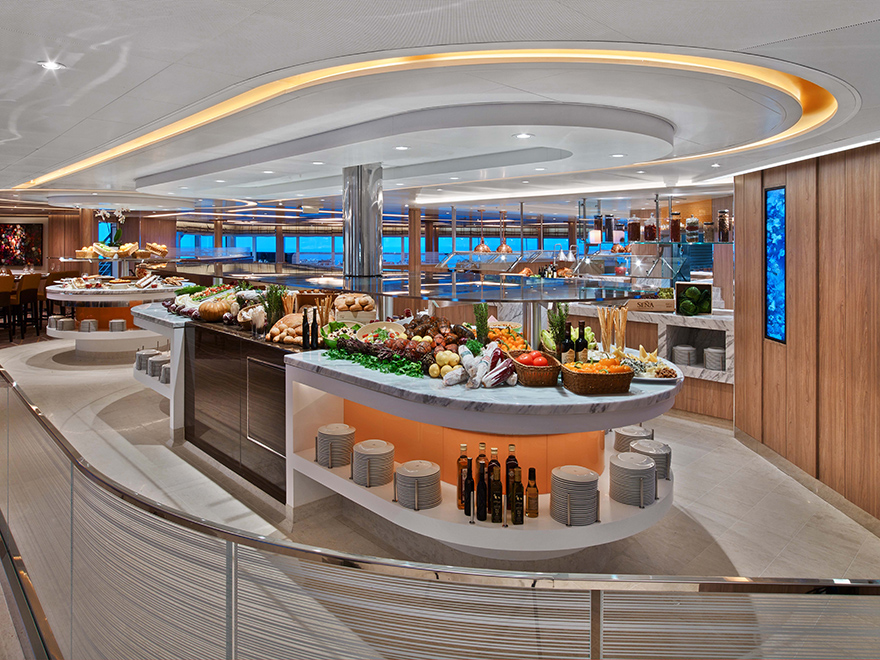
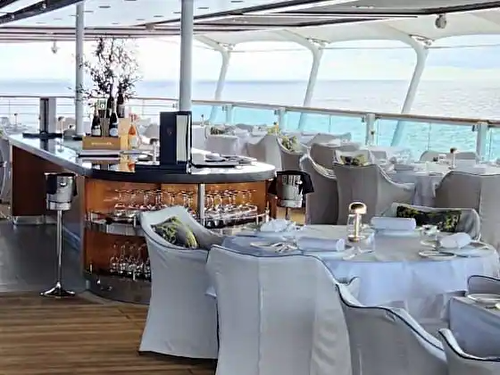
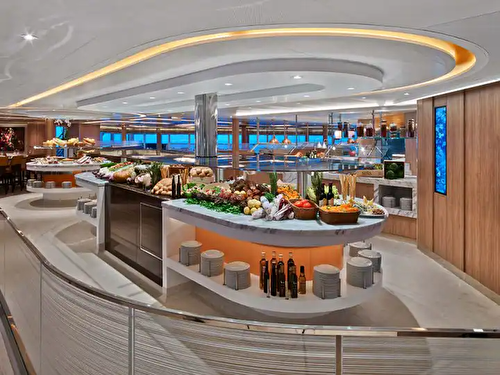
  • The colonnade
    the colonnade
    More
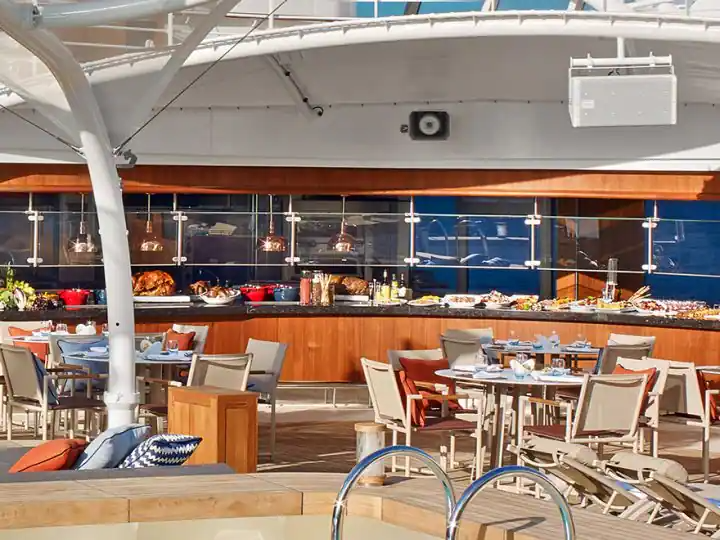
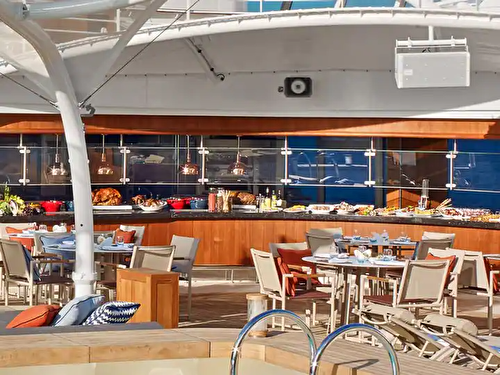
  • The patio
    the patio
    More
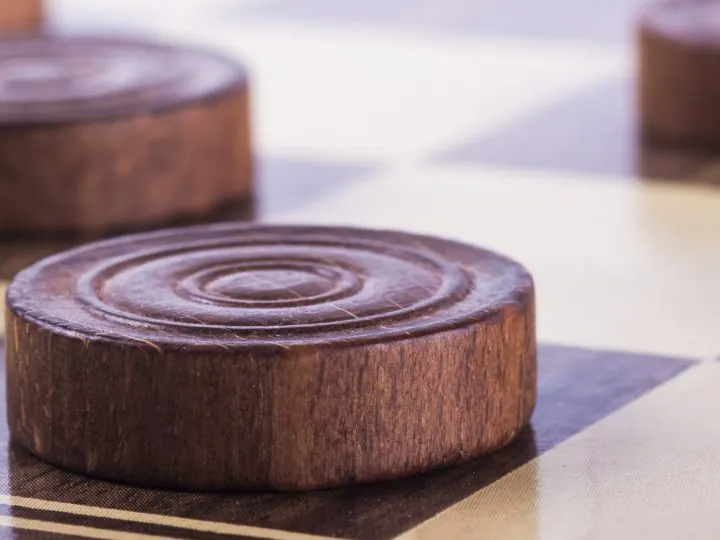
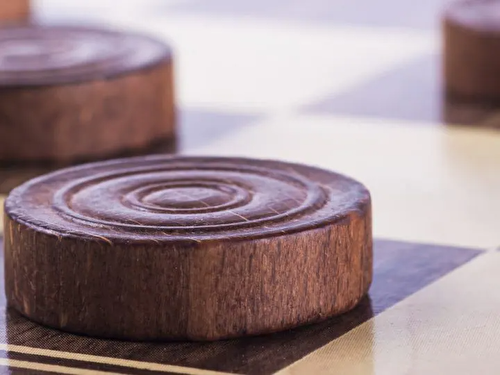
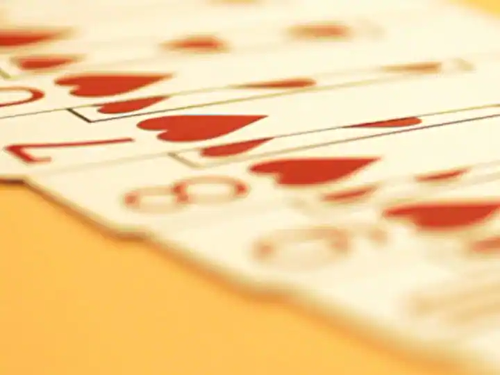
  • Card room
    card room
    More
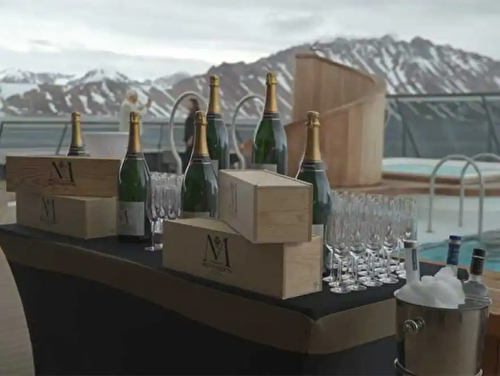
  • Caviar in the surf
    caviar in the surf
    More
  • Evenings under the stars
    evenings under the stars
    More
  • Marina day
    marina day
    More
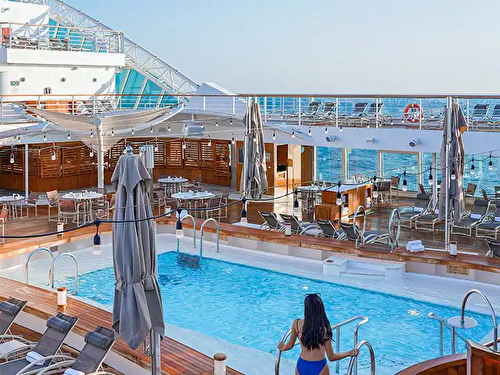
  • Pool
    pool
    More
  • Seabourn source
    seabourn source
    More
  • Seabourn square
    seabourn square
    More
  • Shops
    shops
    More
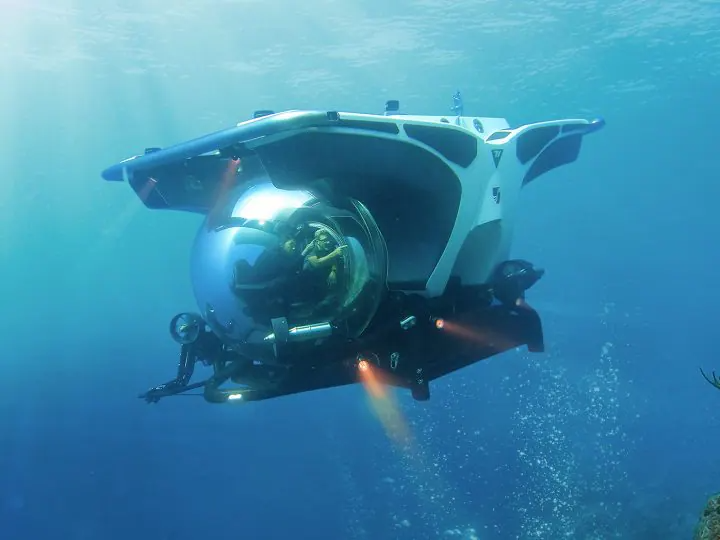
  • Submarines
    submarines
    More
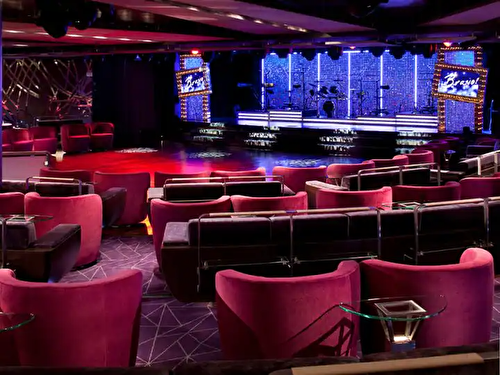
  • The club
    the club
    More
  • The retreat
    the retreat
    More
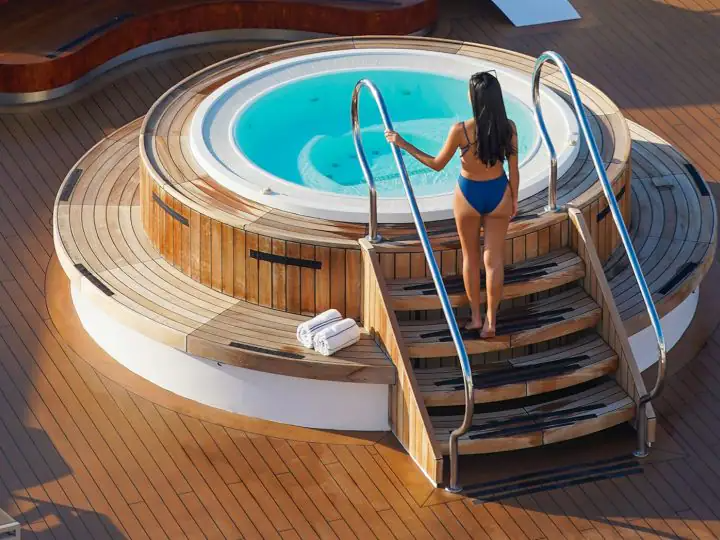
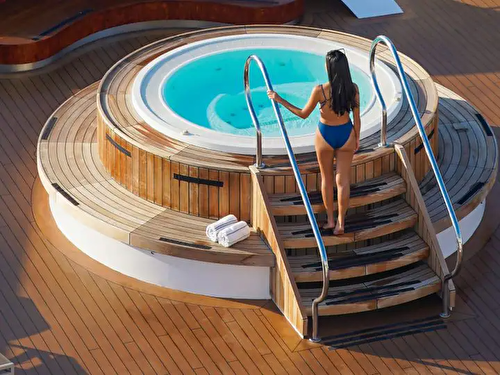
  • Whirlpool
    whirlpool
    More
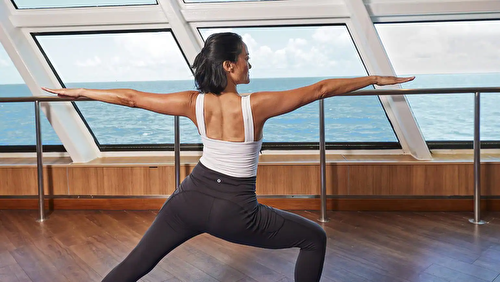
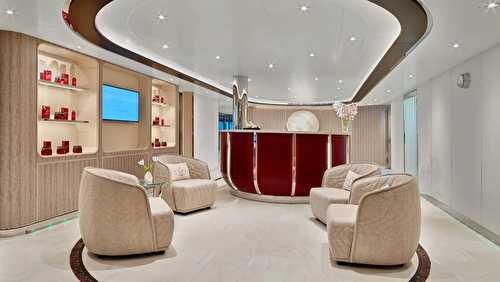
  • Spa & wellness
    spa & wellness
    More
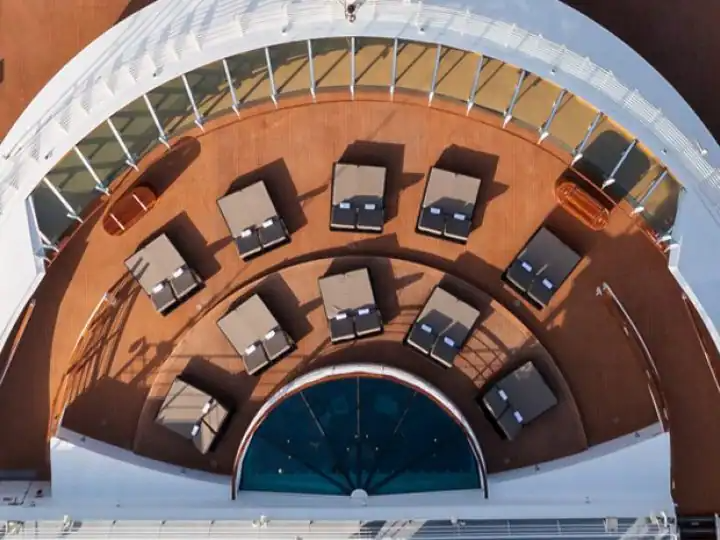
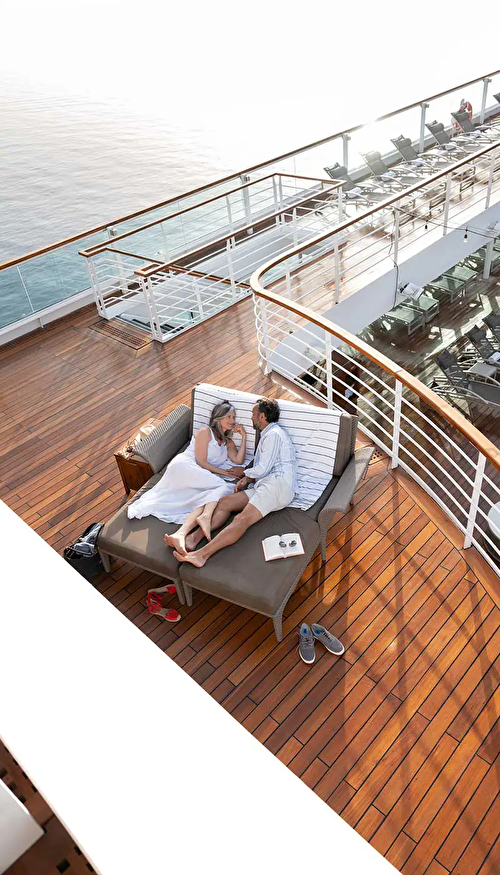
  • Sun terrace
    sun terrace
    More
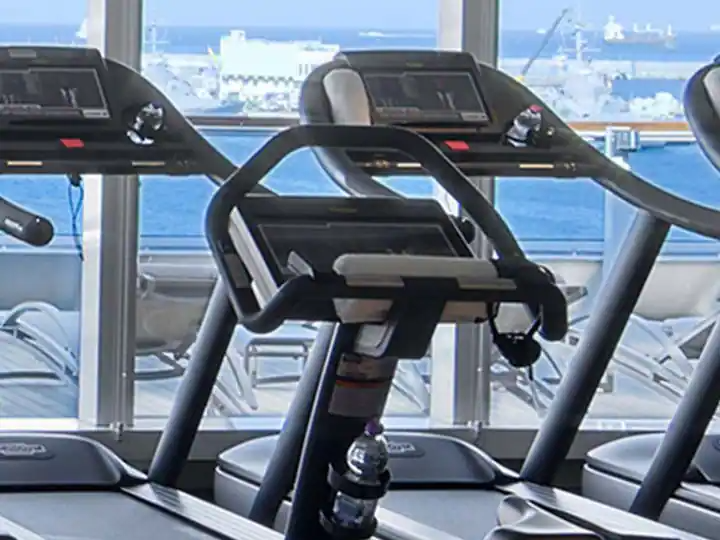
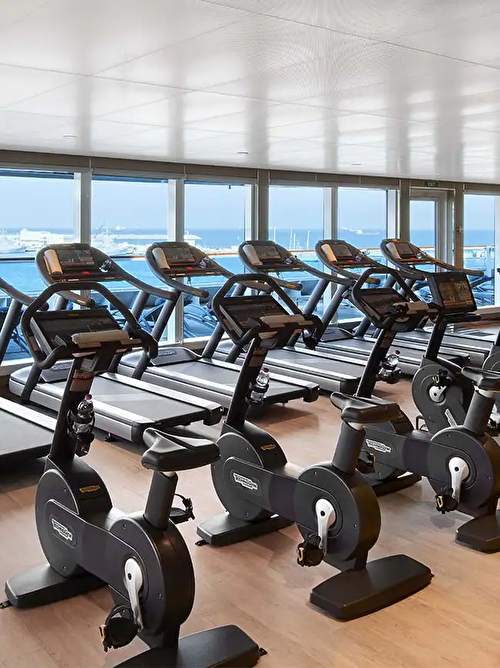
  • Fitness center
    fitness center
    More
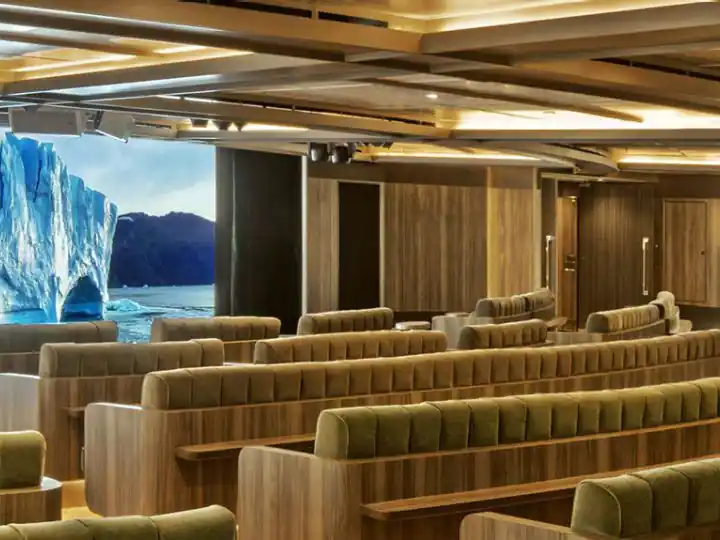
  • Seabourn conversations
    seabourn conversations
    More
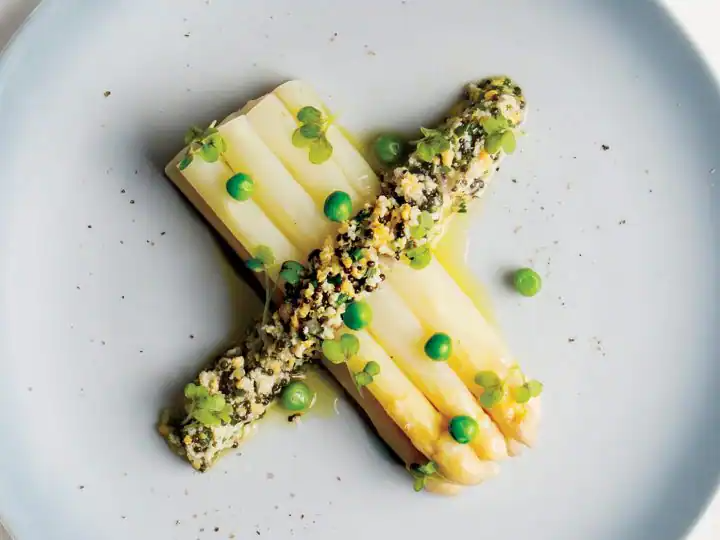
  • Shopping with the chef
    shopping with the chef
    More
  • Discovery center
    discovery center
    More
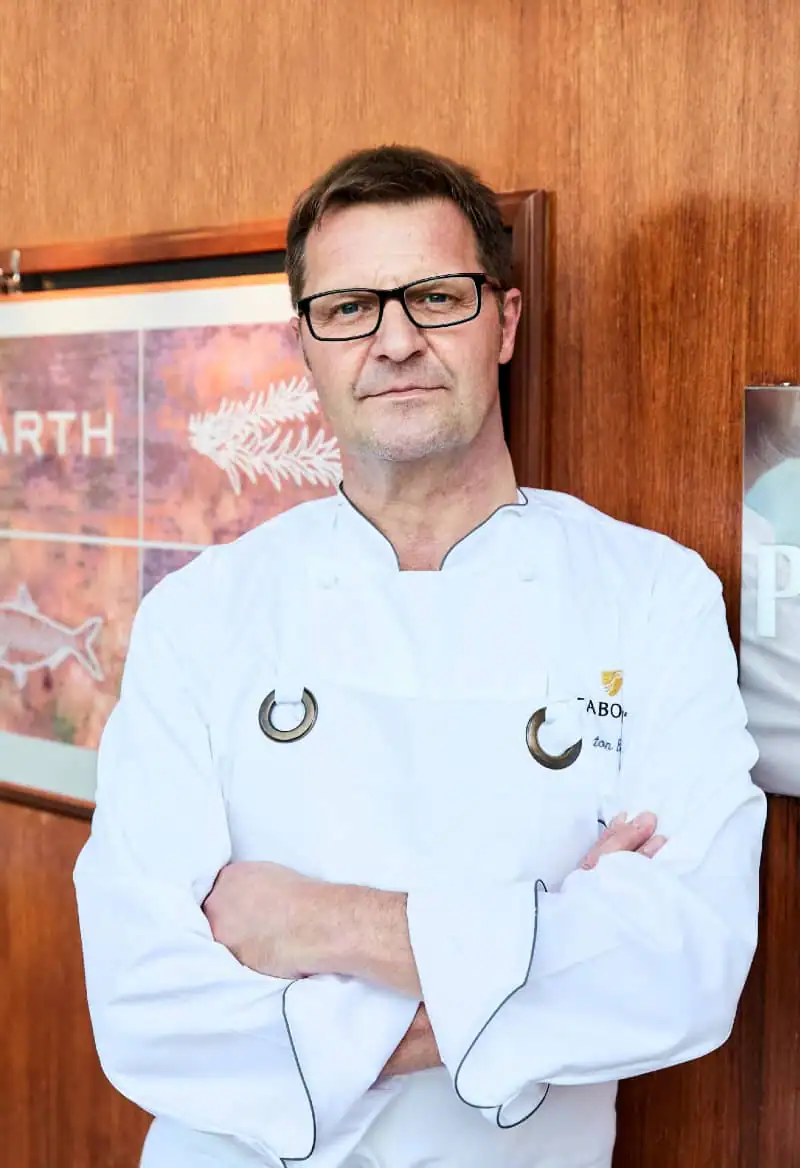
  • Chef tony
    chef tony
    More
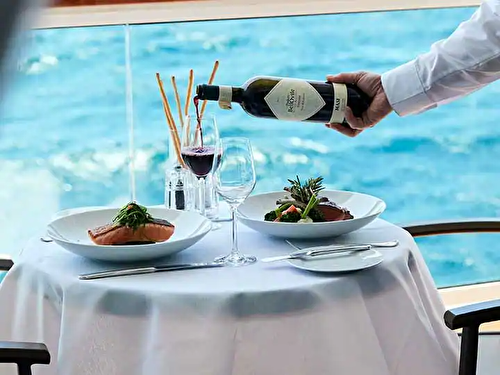
  • The restaurant
    the restaurant
    More

Staterooms

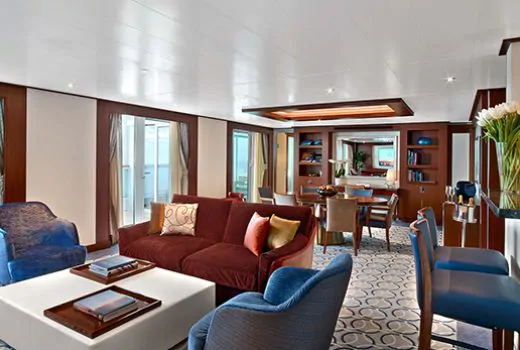
suite

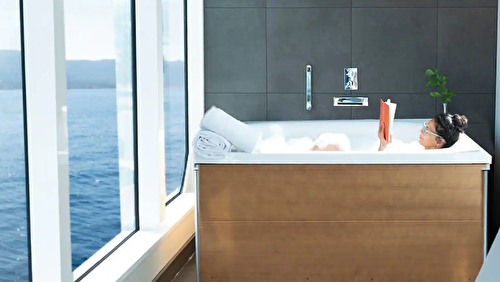
Located on Deck 8; mid-ship suites 846 and 849 inside space of 989 square feet (92 square meters) p ... lus one veranda of 197 square feet (18 square meters) Wintergarden Suites feature: Large windows Dining for six Whirlpool bathtub Guest bath Convertible sofa bed for one Pantry with wet bar Glass-enclosed solarium with tub and day bed Two closets Two flat-screen TVs Complimentary Internet/Wi-Fi service.

More
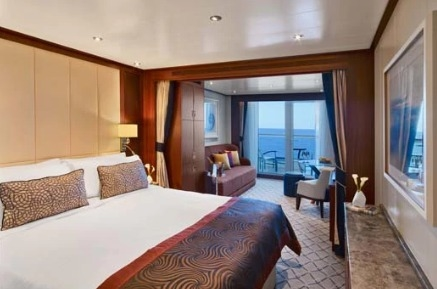
balcony

Located on Decks 8,9,10,11; total inside space of between 246 and 302 square feet (23 and 28 square ... meters) plus one veranda of between 68 and 83 square feet (6 and 7 square meters) All Veranda Suites feature A full-length window Glass door to private veranda Comfortable living area Queen-size bed or two twin beds Dining table for two Walk-in closet Interactive flat-screen television with music and movies Fully stocked bar and refrigerator Makeup vanity Spacious bathroom with separate tub and shower

More

Thank you!

I am also interested in the following:

How would you like us to contact you?:

Traveller information

Additional information

Call 13 70 79 or enquire to book this cruise

Passenger first name limit

Due to cruise line restrictions for online bookings, we ask that passengers with first names exceeding 10 characters to please ring us on 1300 269 432 so we can help you complete your booking.

Close
Passenger last name limit

Due to cruise line restrictions for online bookings, we ask that passengers with last names exceeding 15 characters to please ring us on 1300 269 432 so we can help you complete your booking.

Close
Passenger name limit

Due to cruise line restrictions for online bookings, we ask that passengers with first names exceeding 10 characters and/or last names exceeding 15 characters to please ring us on 
1300 269 432 so we can help you complete your booking.

Close