

The
La
La

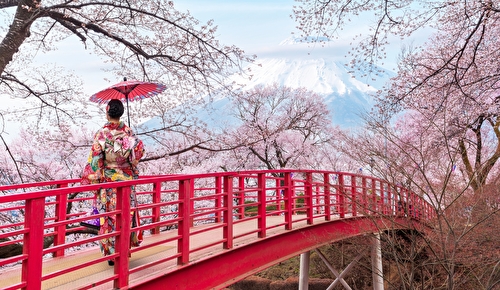
Highlights of Asia Featuing Japan Cherry Blossoms

  • 6th March 2029
  • 29 Nights
  • Singapore
  • Silver Moon
Silversea

Suite price from

Sold Out

* based on twinshare stateroom

Displayed prices exclude Travel Expert Service Fee (as applicable). Fees are calculated at checkout.

World360 Rewards Earn & redeem points on all travel* with World360 Rewards – join free today!

Your itinerary

  • Singapore
  • Ho Chi Minh City, Vietnam
  • Ho Chi Minh City, Vietnam
  • Hong Kong
  • Keelung, Taiwan
  • Ishigaki Island, Japan
  • Naha
  • Naze, Amani Oshima Japan
  • Kobe
  • Tokyo (Yokohama)
  • Kobe
  • Nagasaki
  • Busan
  • Sakaiminato
  • Kanazawa
  • Niigata
  • Akita, Japan
  • Hakodate
  • Miyako, Japan
  • Tokyo (Yokohama)
Day 1

6th Mar '29

Singapore
Advanced, airy and elevated, Singapore is a spectacular, futuristic vision of utopian city life. A healthy population of almost six million call it home, but this is a city designed with space to breathe, and gorgeous outdoor parks, massive indoor greenhouses and beautiful recreational spaces spread between the City of Gardens’ skyscrapers and soaring structures. Once a quiet fishing village, now a glistening island city-state and an international beacon of science, education and technology. View less Singapore is almost intimidatingly clean – and the hyper-efficient public transport system whips residents and visitors across the city’s neighbourhoods in a heartbeat. Glorious fountains and audacious skyscrapers loom up – nodding to traditional feng shui beliefs – and putting on dazzling illuminated displays after dark. The lush green botanical gardens are a spectacular UNESCO World Heritage Site, covering 52 hectares and decorated with impressive colourful orchids. Or breathe in more of the freshest air by heading up to wander the canopy strung bridges of MacRitchie Reservoir Park. Head for the iconic Marina Bay – a landmark of the city crowned by three interconnected towers, which watch out over island sprinkled waters. Jaunt between Little India and the atmospheric Chinatown in minutes, where beautiful temples – like the Chinese Thian Hock Keng Temple and Hindu Sri Mariamman Temple add rich cultural intrigue. Singapore’s cuisine is a mouthwatering fusion of its Indian, Chinese, Indonesian, and Malay influences, taking and enhancing the best of each. Enjoy dishes in towering restaurants, or toast the glowing skyline with the city’s eponymous gin-soaked cocktail – a Singapore Sling. More
Less
Arrive

0:00

Depart

0:00

Day 2

7th Mar '29

At Sea
Less
Arrive

0:00

Depart

0:00

Day 3

8th Mar '29

At Sea
Less
Arrive

0:00

Depart

0:00

Day 4

9th Mar '29

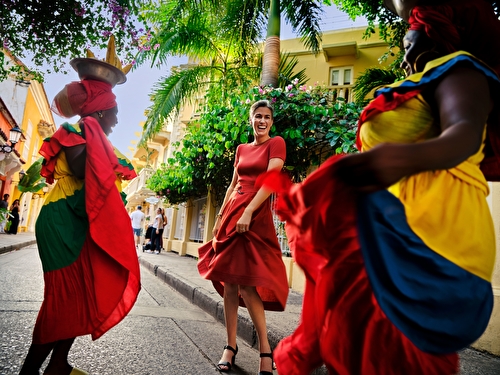
Ho Chi Minh City, Vietnam
A chaotic, enchanting swirl of sensory stimulation – Ho Chi Minh City is a place of incense-infused temples, colonial architecture, warm people and delicious street food. Formerly known as Saigon, the city was affectionately-labelled the Pearl of the Orient by the French. Afternoons here drift by lazily on the gentle chaos of the River Saigon, as taxi boats and motor canoes flit up and down, and parks fill out with locals playing jianzi, kicking shuttlecocks back and forth. View less The French colonial imprint is evidenced in the Saigon Notre Dame Basilica, which stands out with its grand double bell towers and red brick hue. Just across the road, you’ll also find the celebrated Ho Chi Minh Post office, which was erroneously credited as a Gustav Eifel creation. In reality, the architect was another Frenchman, Alfred Foulhoux. The French also caffeinated this city with coffee culture, and a refreshing iced coffee, from the innumerable coffee shops, will perk you up instantly. Taste the street food to get under Ho Chi Minh City’s skin, with humble restaurants serving up rich flavours – from the Vietnamese take on the baguette, a banh mi sandwich – to the local staple of pho, a delicious noodle soup. The Tortoise pagoda is a tranquil escape and a serene place of worship for Vietnamese who practice Buddhism and Taoism, while the Vietnamese medical museum has a fascinating collection of remedies and potions – some dating back to Stone Age. Journey out to learn more of the Vietnam War at the Remnants Museum and Cu Chi tunnels. Offering a vivid glimpse of conditions, and the ingenuity and resilience of the soldiers, you’ll learn of the guerrilla war campaign raged from within this claustrophobic, 70-mile network of war tunnels. More
Less
Arrive

0:00

Depart

0:00

Day 5

10th Mar '29

Ho Chi Minh City, Vietnam
A chaotic, enchanting swirl of sensory stimulation – Ho Chi Minh City is a place of incense-infused temples, colonial architecture, warm people and delicious street food. Formerly known as Saigon, the city was affectionately-labelled the Pearl of the Orient by the French. Afternoons here drift by lazily on the gentle chaos of the River Saigon, as taxi boats and motor canoes flit up and down, and parks fill out with locals playing jianzi, kicking shuttlecocks back and forth. View less The French colonial imprint is evidenced in the Saigon Notre Dame Basilica, which stands out with its grand double bell towers and red brick hue. Just across the road, you’ll also find the celebrated Ho Chi Minh Post office, which was erroneously credited as a Gustav Eifel creation. In reality, the architect was another Frenchman, Alfred Foulhoux. The French also caffeinated this city with coffee culture, and a refreshing iced coffee, from the innumerable coffee shops, will perk you up instantly. Taste the street food to get under Ho Chi Minh City’s skin, with humble restaurants serving up rich flavours – from the Vietnamese take on the baguette, a banh mi sandwich – to the local staple of pho, a delicious noodle soup. The Tortoise pagoda is a tranquil escape and a serene place of worship for Vietnamese who practice Buddhism and Taoism, while the Vietnamese medical museum has a fascinating collection of remedies and potions – some dating back to Stone Age. Journey out to learn more of the Vietnam War at the Remnants Museum and Cu Chi tunnels. Offering a vivid glimpse of conditions, and the ingenuity and resilience of the soldiers, you’ll learn of the guerrilla war campaign raged from within this claustrophobic, 70-mile network of war tunnels. More
Less
Arrive

0:00

Depart

0:00

Day 6

11th Mar '29

At Sea
Less
Arrive

0:00

Depart

0:00

Day 7

12th Mar '29

At Sea
Less
Arrive

0:00

Depart

0:00

Day 8

13th Mar '29

Hong Kong
A spectacular, serrated skyline of soaring towers and neon lights, Hong Kong is a vibrant, immersive metropolis and cultural hub. Dramatic harbour-front light shows transform the waterfront’s gleaming buildings into a colourful canvas – best seen from the Star Ferry, when the Symphony of Lights blares into life each evening. A city where future and tradition collides – perhaps best illustrated by the skyscrapers that feature gaping holes, designed to allow spirit dragons to soar from the hills to the waterfront unimpeded. View less Wander flowing shopping streets, wade through sprawling markets and soak up the neon glory of this one-of-a-kind city – which continues to reach for the sky. Hong Kong’s dense jumble of activity is one of its main appeals, but once you’ve felt the thrill of rising to towering observation decks, to see the soaring city from above, it’s surprisingly easy to find peace among Hong Kong’s intense urban wonders. Victoria Peak is the highest point and it offers staggering views down over the city and harbour. The Peak Tram funicular can ferry you to the top, to the vantage point which was historically adored by the rich for the cooler air found here, away from the busy bustle of the city streets. Many elaborate temples add a tranquil element to Hong Kong’s whirr, and Tin Hau temple has a surprisingly urban location, considering its dedication to the Goddess of the Sea. It did once occupy the shorefront, but the city’s growth saw land reclaimed from the sea around it, leaving the temple marooned inland. Having been leased to the British for 99 years, milky tea is a revered tradition here – enjoy your cup with a serving of local dim sum.While it’s easy to think all the bright lights are the sum of today’s Hong Kong, you need only walk or board a tram for the short jaunt west into Western to discover a side of Hong Kong that is more traditionally Chinese but no less high-energy. You’ll discover the real Hong Kong to the east of Central, too, in Wan Chai, Causeway Bay, and beyond. Amid the residential towers are restaurants, shopping malls, bars, convention centers, a nice smattering of museums, and—depending on fate and the horse you wager on—one of Hong Kong’s luckiest or unluckiest spots, the Happy Valley Racecourse. Kowloon sprawls across a generous swath of the Chinese mainland across Victoria Harbour from Central. Tsim Sha Tsui, at the tip of Kowloon peninsula, is packed with glitzy shops, first-rate museums, and eye-popping views of the skyline across the water. Just to the north are the teeming market streets of Mong Kok and in the dense residential neighborhoods beyond, two of Hong Kong’s most enchanting spiritual sights, Wong Tai Sin Temple and Chi Lin Nunnery. As you navigate this huge metropolis (easy to do on the excellent transportation network), keep in mind that streets are usually numbered odd on one side, even on the other. There’s no baseline for street numbers and no block-based numbering system, but street signs indicate building numbers for any given block. More
Less
Arrive

0:00

Depart

0:00

Day 9

14th Mar '29

At Sea
Less
Arrive

0:00

Depart

0:00

Day 10

15th Mar '29

Keelung, Taiwan
Located on the north coast of Taiwan, and embraced by lush green mountains, Keelung City is Taiwan’s second-biggest port and a major gateway to Taipei’s glittering lights and spectacular skyscrapers. It can get a little damp here at times – the city is known as the ‘Rainy Port’ after all – but even the elements fail to dampen the spirits in this Taiwanese hotbed of tradition, modernity and rich culture. View less Keelung is famous for its Mid-Summer Ghost festival – when dragons decorated with flowers and spitting pyrotechnics are paraded through the streets. Flickering lanterns glitter on the water’s waves, creating a beautiful, ethereal scene. If you do linger in Keelung, witness the city coming to life as the sun dips – and Keelung Miaokou night market floods with people below a blinding wash of lights. Most will choose to take the ride to the country’s capital, Taipei, and visit this mesmerising modern city, which blends influences from around the world. A quirky city of museums and countless bustling markets. Stands and stalls work late into the night, serving up every food you can imagine. Wander between the salivating smells and rising flames of open fires, which cook up everything from fried oysters to chicken and fish pastries – as you ride the all-out sensory assault of the city’s bustling markets. Incredible temples are sprinkled across Taipei, such as Bao-An Temple, a peaceful, incense-infused place of colourful artistry. The country’s heritage is reflected in towering new architecture like the tiered pagoda of the Taipei 101 skyscraper, which dominates the skyline from every angle. More
Less
Arrive

0:00

Depart

0:00

Day 11

16th Mar '29

Ishigaki Island, Japan
Ishigaki is a city in Okinawa Prefecture, Japan, and includes Ishigaki Island and the disputed Senkaku Islands territory. Ishigaki City is the political, cultural, and economic centre of the Yaeyama Islands. At approximately 85 square miles (221 square kilometres) Ishigaki City covers all of Ishigaki Island. Ishigaki Island is part of the island chain comprising the Yaeyama Archipelago, and surrounded by coral reefs. Its highest point is Omoto, an approximately 1,726-foot-high (about 526-metre-high) mountain located on Ishigaki Island, and the tallest mountain in the Okinawa Prefecture. View less Together with Kabira Bay, Mount Omoto is a nationally-designated Place of Scenic Beauty. The uninhabited Senkaku Islands are located approximately 93 miles (about 150 kilometres) north of Ishigaki Island, and have an area of approximately 2.4 square miles (about 6.3 square kilometres). More
Less
Arrive

0:00

Depart

0:00

Day 12

17th Mar '29

Naha
The Southwest Islands stretch like stepping-stones from Japan to Taiwan across the East China Sea. They have long been a bridge between the two cultures, as well as a source of tension over who should hold sway. In 1372, an Okinawan king began paying tribute to the Chinese court, a practice that continued for hundreds of years. But by the 17th century, Japanese power was on the rise and the Satsuma kingdom of southern Kyushu soon invaded and annexed the islands. More
Less
Arrive

0:00

Depart

0:00

Day 13

18th Mar '29

Naze, Amani Oshima Japan
Amami Oshima is something of an enigma for historians. No one can accurately place its age: stone tools suggest habitation as early as the Japanese Paleolithic period (pre-10,000 BC), while other artefacts, including pottery, indicate human presence much later, from the bronze age onwards. Great clumps of the sub-tropical cycad plant — one of the oldest surviving species in the world, said to be over 250 million years old — cover the island in profusion, immediately conjuring up images of dinosaurs chomping on the enormous leaves. View less In other words, it’s very, very old. You won’t find the island’s port, Naze, mentioned in many guidebooks, nor indeed will you find much documentation about the island itself. Despite being the largest island in the Amami archipelago, tourism has not stretch this far. Closer to Taiwan than Tokyo, Amami Oshima is about as far off the beaten track as it gets. Do not expect the usual Japanese hybrid of techno wizardry versus ancient tradition here. Moreover, splendid coastline and verdant forested interior. There is superb diving and snorkelling to be had in the clear, coral-encrusted waters off the island, and many little-used, golden-sanded beaches to picnic on. The unspoilt slopes of Amami’s Kinsakubaru forest are filled with bright, healthy looking plants, many of which even the most ardent botanist would have trouble naming. Purple Lidth’s jay, Ryukyu robin, the orange-crowned Akahige, or the striking red-backed Ryukyu Akashobin, all live peacefully in the treetops. More
Less
Arrive

0:00

Depart

0:00

Day 14

19th Mar '29

At Sea
Less
Arrive

0:00

Depart

0:00

Day 15

20th Mar '29

Kobe
The Japanese city of Kobe needs no introduction. The name is synonymous with its home grown superstar. We are not talking of its stunning shrines, cherry trees laden with blossom during sakura or effervescent city, buzzing with life 24/7. We are of course talking of a much more grass roots hero – its eponymous beef. The delicacy might have put the city on the map, but there is far more to Kobe than its meat. Naturally, Kobe wears its cuisine as a badge of honour. View less Its port history has given it a gastronomy that is quite different from its neighbours. Seafood and sushi is naturally some of the freshest and most diverse you can find, but Kobe’s multi-cultural nature (the city is home to 98 different nationalities) means that it has one of the most diverse gastronomic cultures in Japan. Bread and bakeries are also an (unexpected) delicacy. Additionally, Sake is taken very seriously – Kobe even has its own museum dedicated to the national spirit. Historically, Kobe has always been a key city for Japan. Renamed in 1889, it was known as Owada no Tomari during the Nara Period (710-784 C.E.). Kobe’s location on the calm Inland Sea between Osaka and Kyoto has proven to be pivotal in Japanese history; it is mentioned in famous literary works such as The Tale of Genji (from approximately late 9th century) and the Taiheiki (14th century). The city and region are home to many attractions including the Himeji Castle (widely considered to be Japan’s most beautiful feudal castle), a short ride away. More
Less
Arrive

0:00

Depart

0:00

Day 16

21st Mar '29

At Sea
Less
Arrive

0:00

Depart

0:00

Day 17

22nd Mar '29

Tokyo (Yokohama)
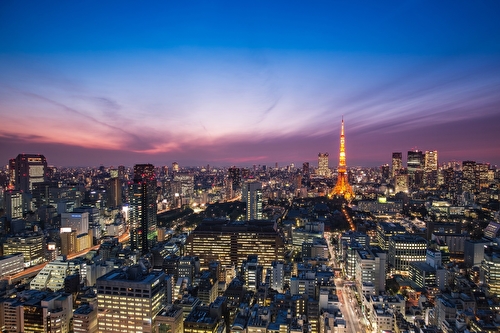
Dense and delightful, there’s nowhere else like Japan’s kinetic capital – a city where ancient traditions blend seamlessly with a relentless pursuit for the future’s sharpest edge. See the city from above, as elevators rocket you up to towering viewing platforms, from which you can survey a vast urban ocean, interspersed with sky-scraping needles. Look out as far as the distant loom of Mount Fuji’s cone on clear days. View less Futuristic – second-accurate – transport seamlessly links Tokyo’s 14 districts, while the glow of flashing advertisement boards, clanks of arcade machines, and waves of humanity flowing along its streets, adds to the sense of mesmerising, dizzying and glorious sensory overload. One of Tokyo’s most iconic sights, don’t miss the flood of people scrambling to cross Shibuya’s famous intersection. Join the choreographed dance, as crowds of briefcase-carrying commuters are given the green light to cross at the same time – bathed in the light of massive neon advertisements. The culture is immensely rich and deep, with 7th-century, lantern-decorated temples, stunning palaces and tranquil scarlet shrines waiting below cloaks of incense and nestling between soaring skyscrapers. Restaurants serve up precisely prepared sushi, and wafer-thin seafood slivers, offering a unique taste of the country’s refined cuisine. Settle into traditional teahouses, to witness intricate ceremonies, or join the locals as they fill out karaoke bars to sing the night away. In the spring, cherry blossom paints a delicate pink sheen over the city’s innumerable parks and gardens. More
Less
Arrive

0:00

Depart

0:00

Day 18

23rd Mar '29

At Sea
Less
Arrive

0:00

Depart

0:00

Day 19

24th Mar '29

Kobe
The Japanese city of Kobe needs no introduction. The name is synonymous with its home grown superstar. We are not talking of its stunning shrines, cherry trees laden with blossom during sakura or effervescent city, buzzing with life 24/7. We are of course talking of a much more grass roots hero – its eponymous beef. The delicacy might have put the city on the map, but there is far more to Kobe than its meat. Naturally, Kobe wears its cuisine as a badge of honour. View less Its port history has given it a gastronomy that is quite different from its neighbours. Seafood and sushi is naturally some of the freshest and most diverse you can find, but Kobe’s multi-cultural nature (the city is home to 98 different nationalities) means that it has one of the most diverse gastronomic cultures in Japan. Bread and bakeries are also an (unexpected) delicacy. Additionally, Sake is taken very seriously – Kobe even has its own museum dedicated to the national spirit. Historically, Kobe has always been a key city for Japan. Renamed in 1889, it was known as Owada no Tomari during the Nara Period (710-784 C.E.). Kobe’s location on the calm Inland Sea between Osaka and Kyoto has proven to be pivotal in Japanese history; it is mentioned in famous literary works such as The Tale of Genji (from approximately late 9th century) and the Taiheiki (14th century). The city and region are home to many attractions including the Himeji Castle (widely considered to be Japan’s most beautiful feudal castle), a short ride away. More
Less
Arrive

6:00

Depart

21:00

Day 20

25th Mar '29

At Sea
Less
Arrive

0:00

Depart

0:00

Day 21

26th Mar '29

Nagasaki
You will want to be on deck as the ship cruises into this splendid natural harbor, which has played such an important role in the history of this city, and Japan as a whole. The accidental arrival of an off-course Portuguese ship in 1543 was the beginning of Nagasaki’s longtime role as Japan’s “Door to the West.” The missionary St. Francis Xavier visited briefly, and there was a substantial number of converts during the period known as the “Christian Century.” Eventually the Japanese authorities perceived the growing influence of Christianity to be a threat, leading to the banning of the religion. The Catholic Spanish and Portuguese were expelled in favor of the Dutch, who were felt to be more interested in trade than religion. All contact with foreigners was forbidden, and no Japanese were allowed to travel abroad. The only exception was the closely watched Dutch enclave of Dejima. Through this small outpost a trickle of Western thought and science continued to filter into the country, and Nagasaki became an important scientific and artistic center. When the city was again opened to the West in 1859, Nagasaki was quickly reestablished as a thriving industrial center, especially in shipbuilding, the industry that made it a prime target in World War II. More
Less
Arrive

8:00

Depart

19:00

Day 22

27th Mar '29

Busan
“A tapestry of kaleidoscopic colours, intense seafood flavours, and urban beach bliss, Busan rolls across a glorious natural setting on the Korean Peninsula’s south-east. One of the largest and busiest ports in the world, 3.5 million people call South Korea’s second city home, and the amiable locals help to lend the city its quirky, offbeat outlook. A spacious, playful and cosmopolitan place, Busan is a lively, liveable city, cradled by lush mountains and endless ocean scenery. Haedong Yonggung Temple nestles on a dramatic cliffside, just above the crumbling rocks and crashing waves of the East Sea. Dating back to 1376, the temple’s multi-storey pagoda is adorned with lions – each representing a different emotion. Elsewhere, lanterns glitter in the night sky around Mount Geumjeongsan, freshly released from the beautiful Beomeosa Temple, which was established in AD 678. The hillside shantytown of Gamcheon Culture Village has completed an improbable transformation, blossoming from a sea of makeshift homes for Korean war refugees, into a colourful explosion of creativity and curiosity. Local artists have been let loose to create interactive installations, and the entire area is now an expansive canvas for expression. Lose yourself among vibrant alleyways of flamingo-pink, lemon-yellow and baby-blue painted facades in this unique area. Sample bibimbap, fiery-hot beef and rice, from street food vendors, before relaxing on one of South Korea’s best beaches – Haeundae’s banana bend of sand. Metallic skyscrapers offer an unusual backdrop to this pristine expanse of golden powder and are mirrored by elaborate sandcastles and sculptures during the annual sand festival – when spontaneous water fights and firework displays also take place. Gwangalli beach is another urban option, laying out spectacular views of the reaching Gwangan Bridge – the country’s second largest bridge. At night, 16,000 bulbs bathe this engineering marvel in colour.” More
Less
Arrive

7:00

Depart

17:00

Day 23

28th Mar '29

Sakaiminato
Sakaiminato is a city in Tottori Prefecture, Japan More
Less
Arrive

9:00

Depart

19:00

Day 24

29th Mar '29

Kanazawa
The capital of the Ishikawa Prefecture, Kanazawa once rivalled Kyoto and Edo (Tokyo) as a town rich in cultural achievements. Kanazawa escaped destruction during World War II and accordingly has been able to preserve many of the old districts in good shape. The city is famous because of Kenrokuen. Located next to Kanazawa Castle, Kenrokuen is classified as “One of the Three Gardens of Japan”. The garden has an artificial pond, and hills and houses are dotted within the 11.4 hectares. View less It has Japan’s oldest fountain using natural water pressure and a tea-house dating back to 1774. Close by is the Higashi Chaya Gai Geisha District, designated a National Cultural Asset and the biggest of the Geisha districts of Kanazawa. Some of the houses not only retain the original structure, but still are used as Geisha houses. Some of the streets have traditional shops creating a nostalgic atmosphere. Kanazawa is also known for its lacquer ware, Kutani-style pottery, gold-leaf workmanship and delicately painted silk kimonos. More
Less
Arrive

8:00

Depart

18:00

Day 25

30th Mar '29

Niigata
A sophisticated sake capital, Niigata is an intoxicating, creative place of Japanese traditions and flavours. Learn of the many crafts and creativities that are practised here, from kite-making to alcohol fermentation and ceramic work, and immerse yourself in the beautiful coastline and waterfall-laced mountains of Niigata prefecture. The city evolves with each season, taking on a new appearance – whether it’s the thick layers of snow during winter, or the cherry blossoms of spring. View less Look out for the gorgeous curved black roof tiers of Shibata Castle, rising from a picturesque bed of pale-pink flowers. Sitting overlooking the Sea of Japan, out towards the intrigues of Sado Island, where the rare Toki bird – with its scythe-like beak – lives protected. This busy port city is famous for the high-quality and pure taste of its rice. As a result, sake produced here is among Japan’s finest, and distilleries will teach you the artistry behind its creation, and to appreciate the subtle flavours. Pia Bandai market is a bustling place to take a stroll and sip a morning coffee. Japan’s first public park, Hakusan Park was built in 1873 and is perfect for whiling away an afternoon, among drifting lotus flowers and swaying trees. Appreciate a magical tea ceremony in the Edo-era Shimizu-en Gardens, or savour the tranquillity of the peaceful Hakusan Shrine – dedicated to the god of marriage. More
Less
Arrive

8:00

Depart

18:00

Day 26

31st Mar '29

Akita, Japan
Say the word Akita and you would be forgiven for thinking immediately of the lovable dog of the same name. But in fact, visitors to Akita will be treated not to a friendly furry face, rather to a beautiful city located on the northern tip of the island, around 500 km north of Tokyo. Lucky visitors will arrive in time for the superb sakura (cherry blossom), and surely there can be no sight more lovely than the elegant dip of the cherry trees alongside ancient Samurai residences. Akita is also home to a 2km tunnel of blossoming trees that run along the banks of the Hinokinai River, which is said to “bring a grown man to his knees and weep at its beauty”. If to you, Japan is synonymous with peace and serenity, then a trip to one of the onsens is a superb bucket list experience. Buses and taxis are easily available in the centre of town that will take you to Mizusawa, Oyu and Oyasukyo hot springs, some of the loveliest onsens in the country. Some of the superb sights in Akita are: Senshu Park, on the former site of Kubota Castle, the elegant red-brick folk Museum (housing works by block printer Katsuhira Tokushi (1907-1971) and metalwork by Sekiya Shiro (1907-1994) and the Old Kaneko Family Home. The Akita Museum of Art opened in 2012 and is home to the largest canvas painting in the world, Events of Atika, by Foujita (1886-1968). The painting measures a staggering 3.65 x 20.5 m (12 x 67 ft). The Museum also has many works by European masters such as Goya, Rubens, Rembrandt and Picasso. More
Less
Arrive

7:00

Depart

19:00

Day 27

1st Apr '29

Hakodate
Gaze down over Hakodate, from the heights of its namesake peak – Mount Hakodate – to see the city stretching out spectacularly, with back-to-back twin bays splitting the ocean. Hakodate port was one of the first to open Japan up to the world, and to international trade in 1859 – a fact reflected in the architecture, with its influences from the West and beyond. The port area is a redbrick wash of warehouses turned shopping malls, all observed by the onion domes of the city’s Russian Orthodox church. More
Less
Arrive

7:30

Depart

18:30

Day 28

2nd Apr '29

Miyako, Japan
Miyako is a city located in Iwate Prefecture, Japan. As of 1 April 2020, the city had an estimated population of 51,150, and a population density of 41 persons per km². The total area of the city is 1,259.15 square kilometers. More
Less
Arrive

8:00

Depart

18:00

Day 29

3rd Apr '29

At Sea
Less
Arrive

0:00

Depart

0:00

Day 30

4th Apr '29

Tokyo (Yokohama)
Dense and delightful, there’s nowhere else like Japan’s kinetic capital – a city where ancient traditions blend seamlessly with a relentless pursuit for the future’s sharpest edge. See the city from above, as elevators rocket you up to towering viewing platforms, from which you can survey a vast urban ocean, interspersed with sky-scraping needles. Look out as far as the distant loom of Mount Fuji’s cone on clear days. View less Futuristic – second-accurate – transport seamlessly links Tokyo’s 14 districts, while the glow of flashing advertisement boards, clanks of arcade machines, and waves of humanity flowing along its streets, adds to the sense of mesmerising, dizzying and glorious sensory overload. One of Tokyo’s most iconic sights, don’t miss the flood of people scrambling to cross Shibuya’s famous intersection. Join the choreographed dance, as crowds of briefcase-carrying commuters are given the green light to cross at the same time – bathed in the light of massive neon advertisements. The culture is immensely rich and deep, with 7th-century, lantern-decorated temples, stunning palaces and tranquil scarlet shrines waiting below cloaks of incense and nestling between soaring skyscrapers. Restaurants serve up precisely prepared sushi, and wafer-thin seafood slivers, offering a unique taste of the country’s refined cuisine. Settle into traditional teahouses, to witness intricate ceremonies, or join the locals as they fill out karaoke bars to sing the night away. In the spring, cherry blossom paints a delicate pink sheen over the city’s innumerable parks and gardens. More
Less
Arrive

8:00

Depart

0:00

Your ship - The Silver Moon

The
La
La
Description Food and Drink Entertainment Relaxation Fitness Other
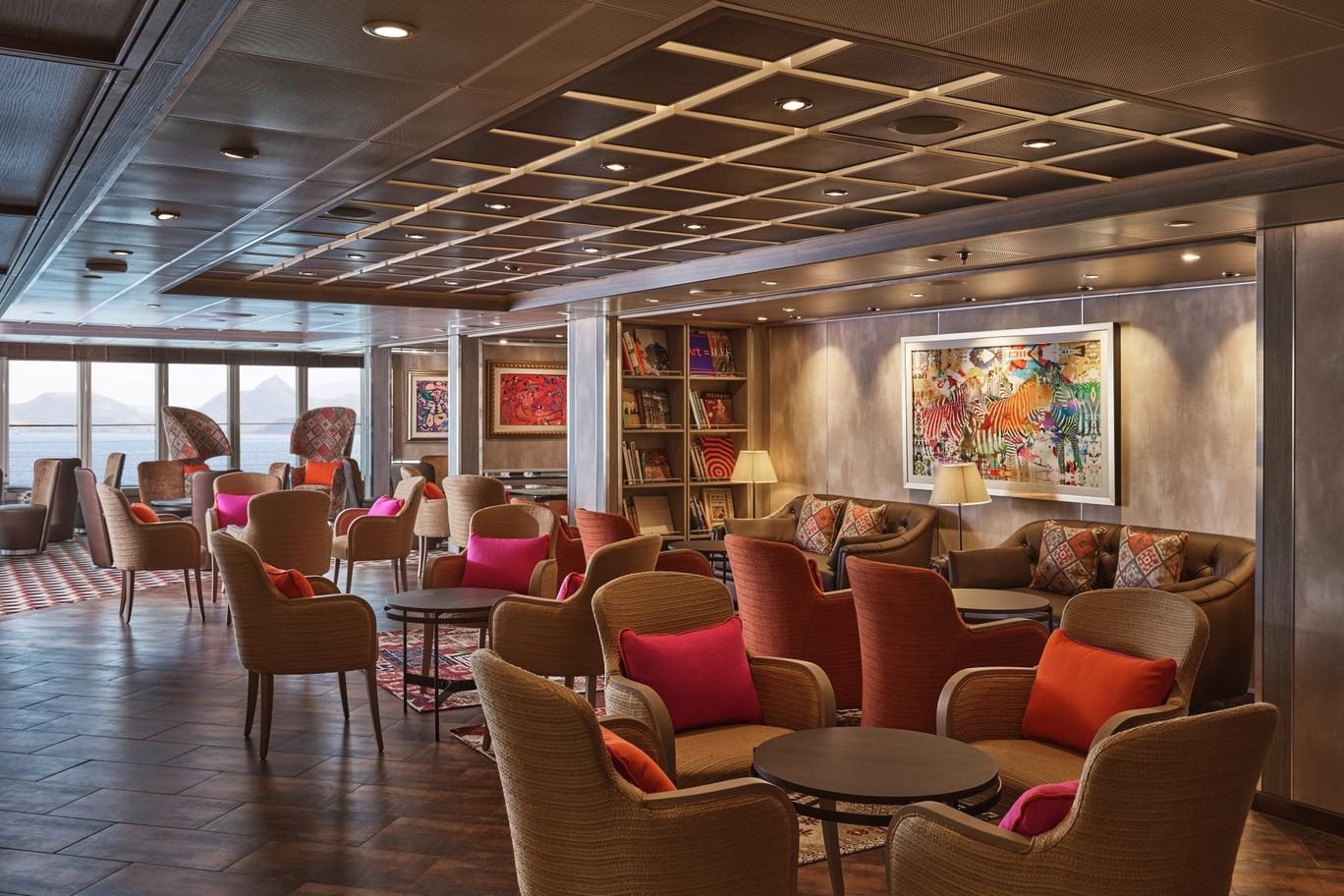
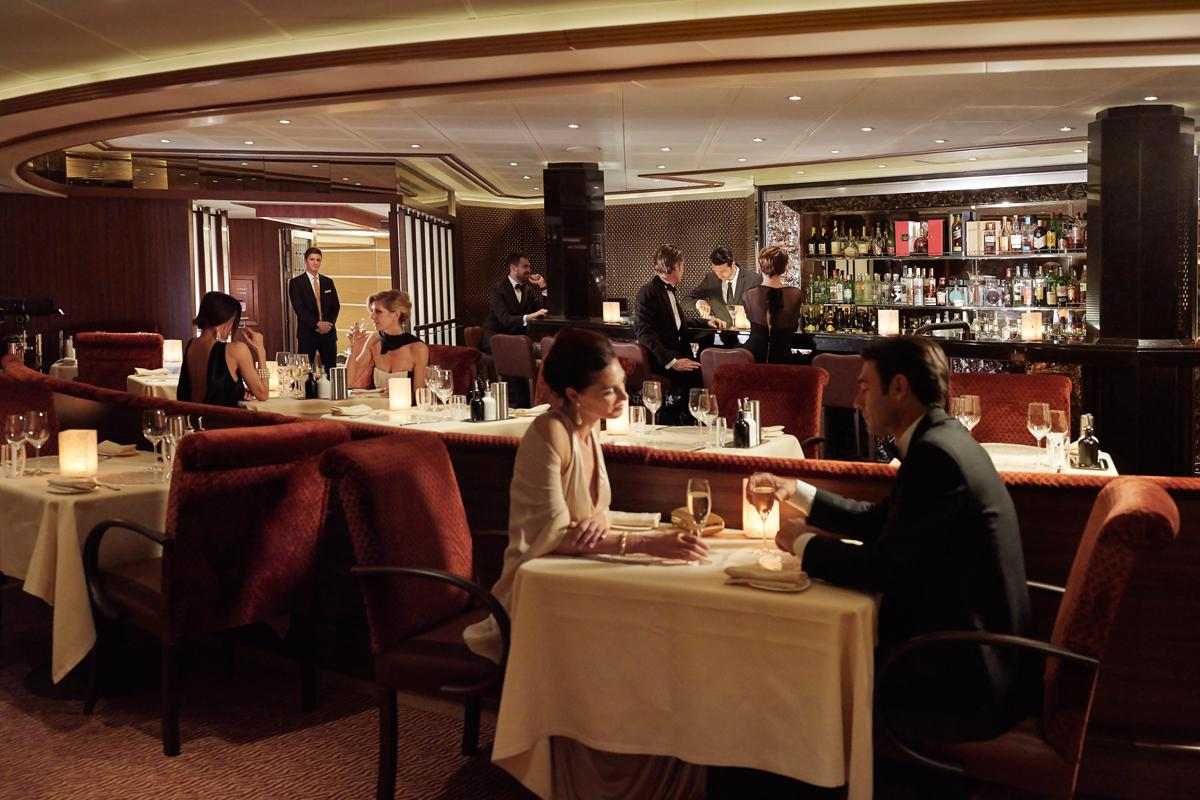
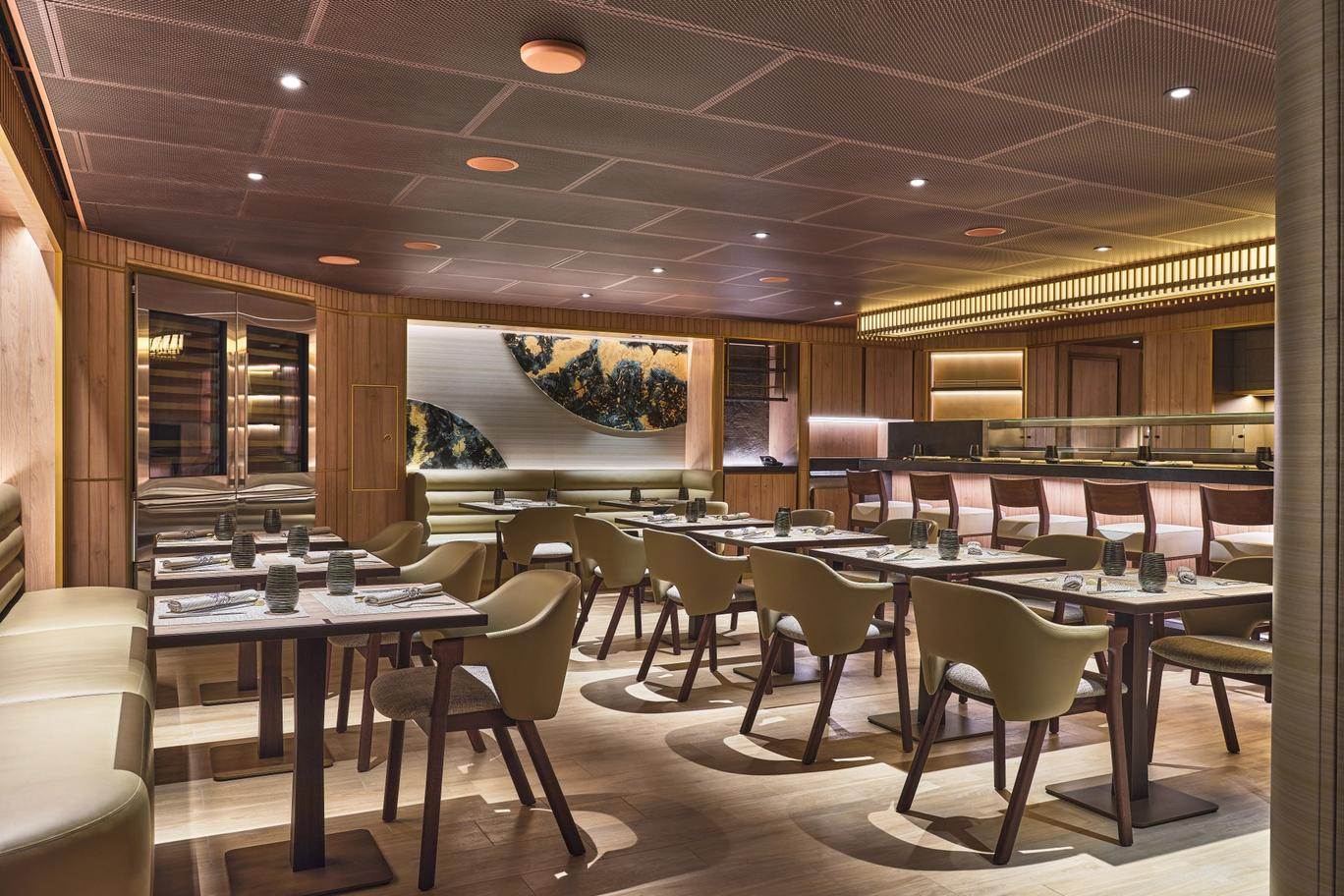
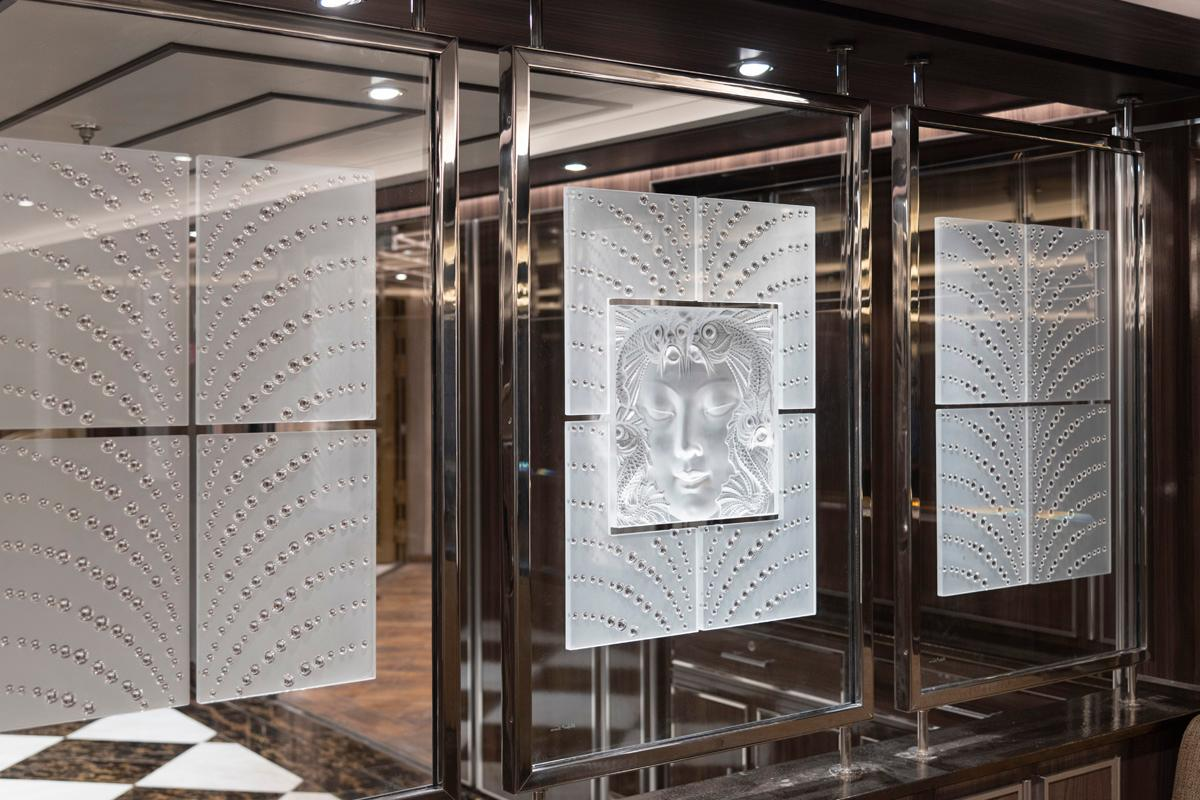
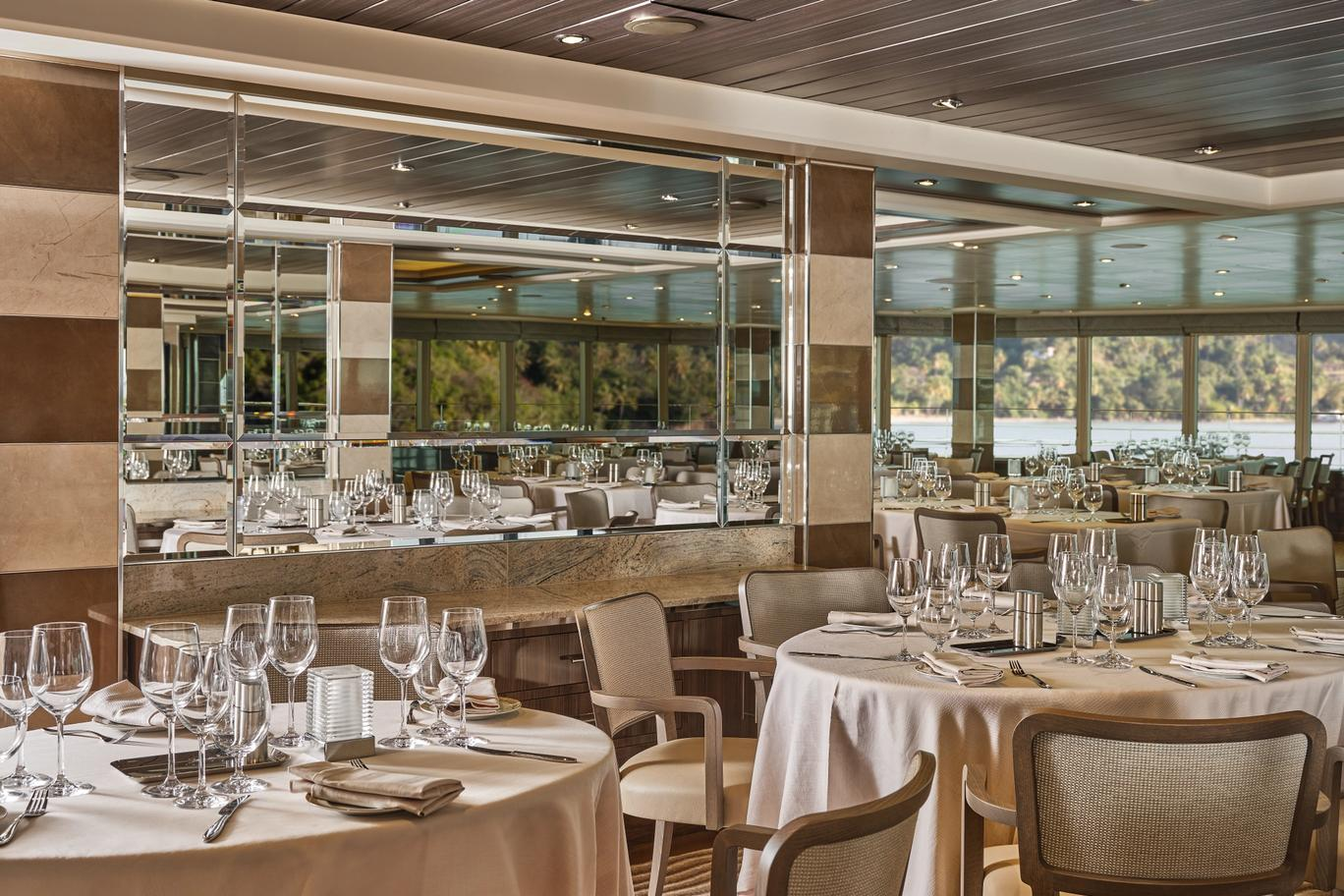
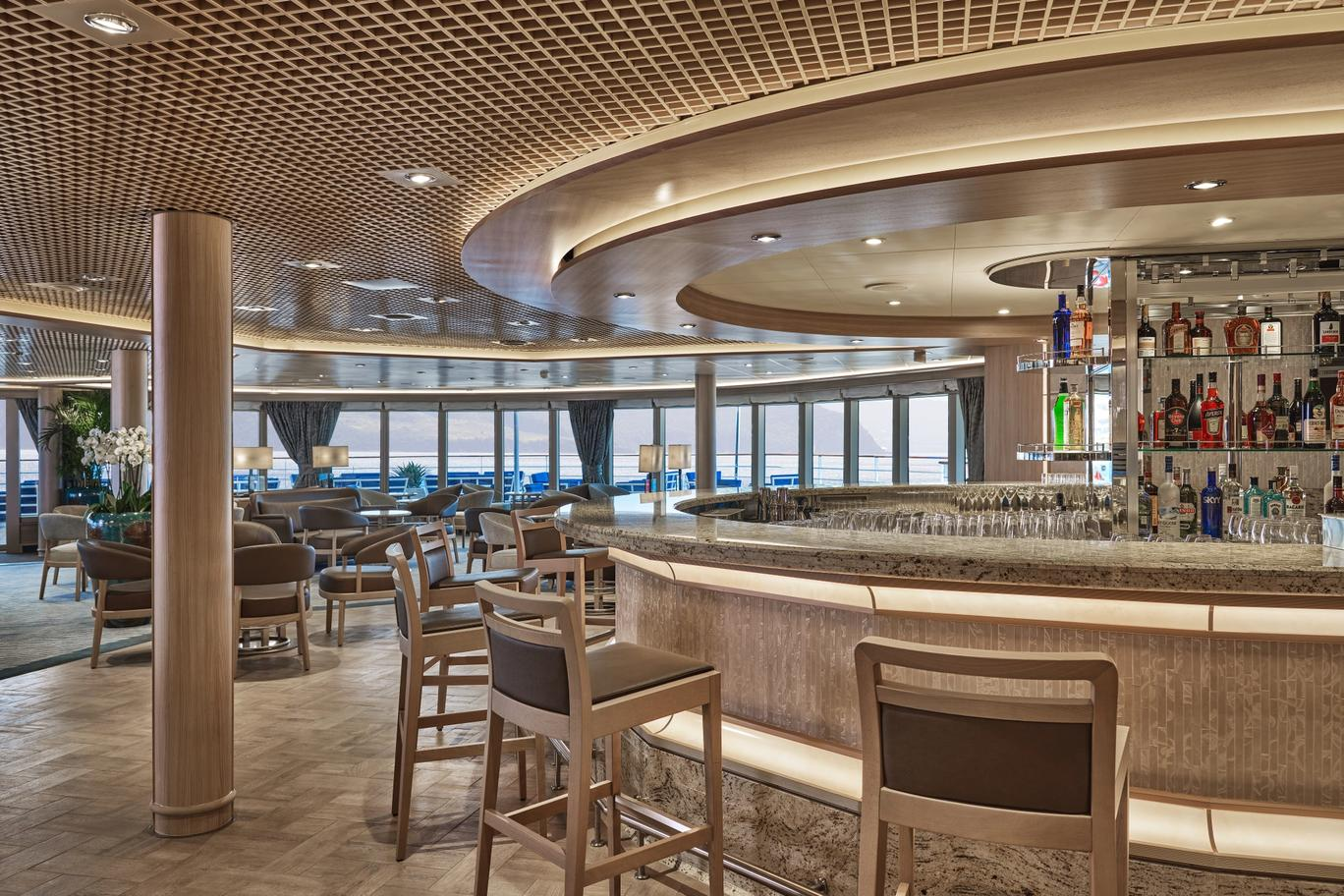
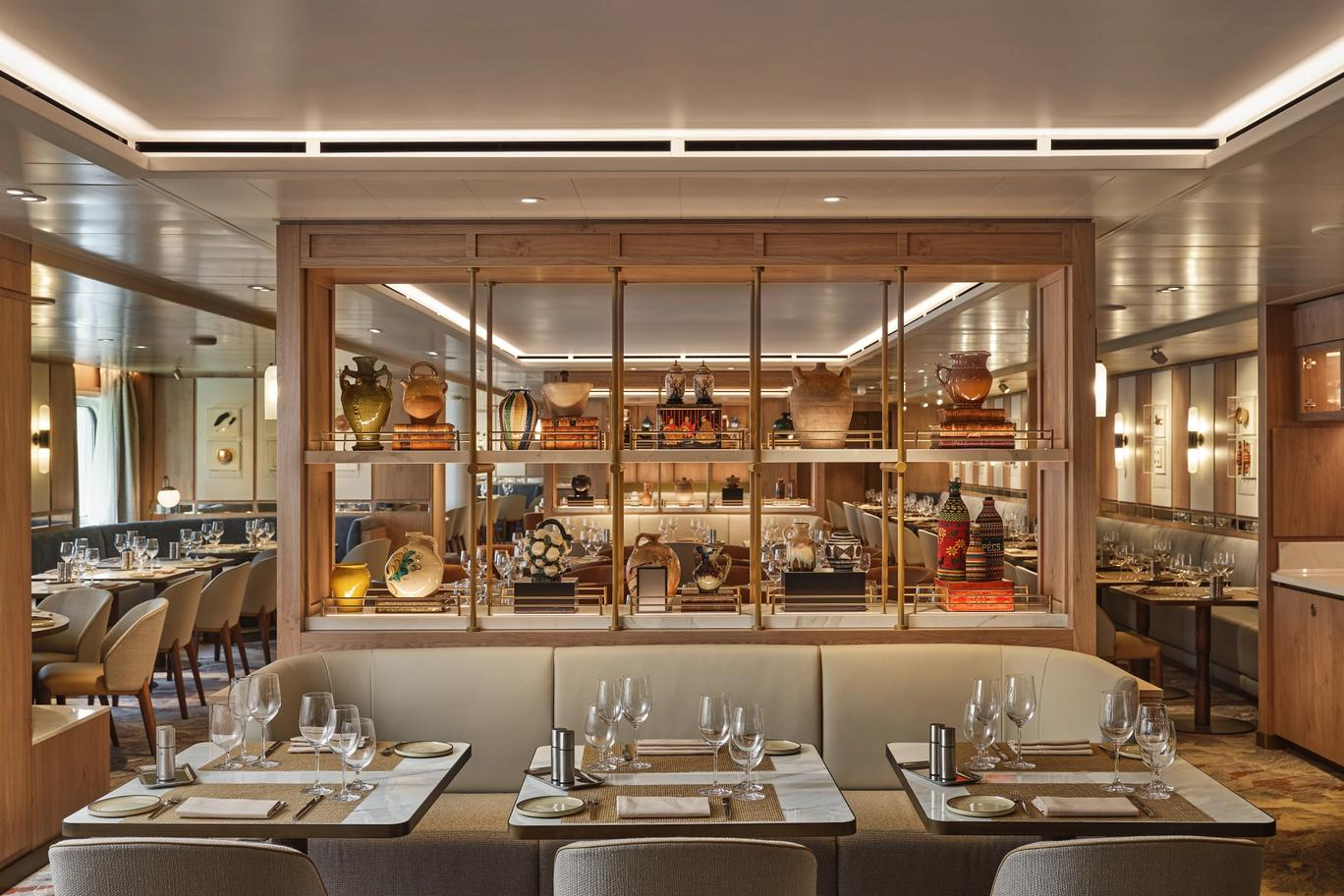
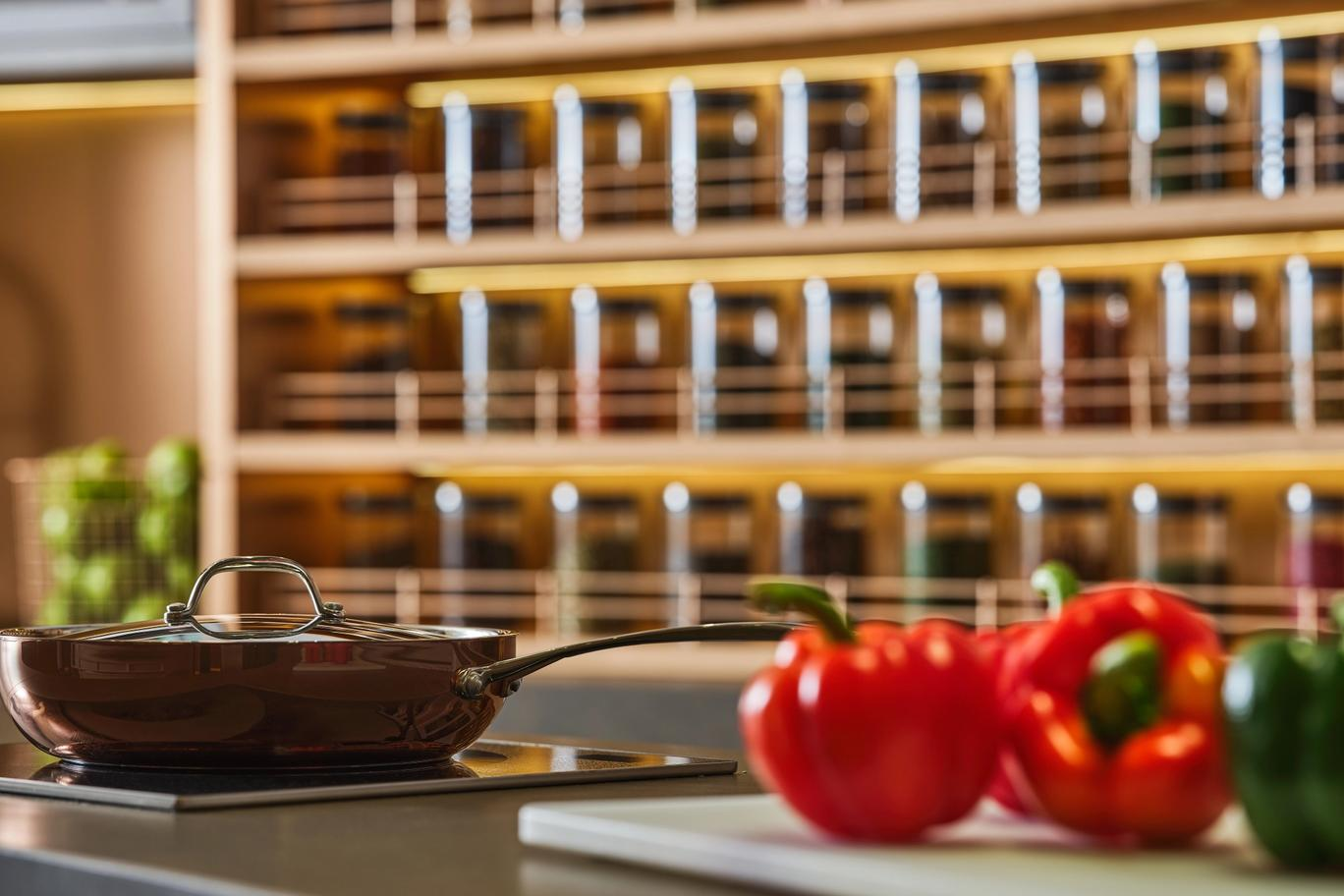
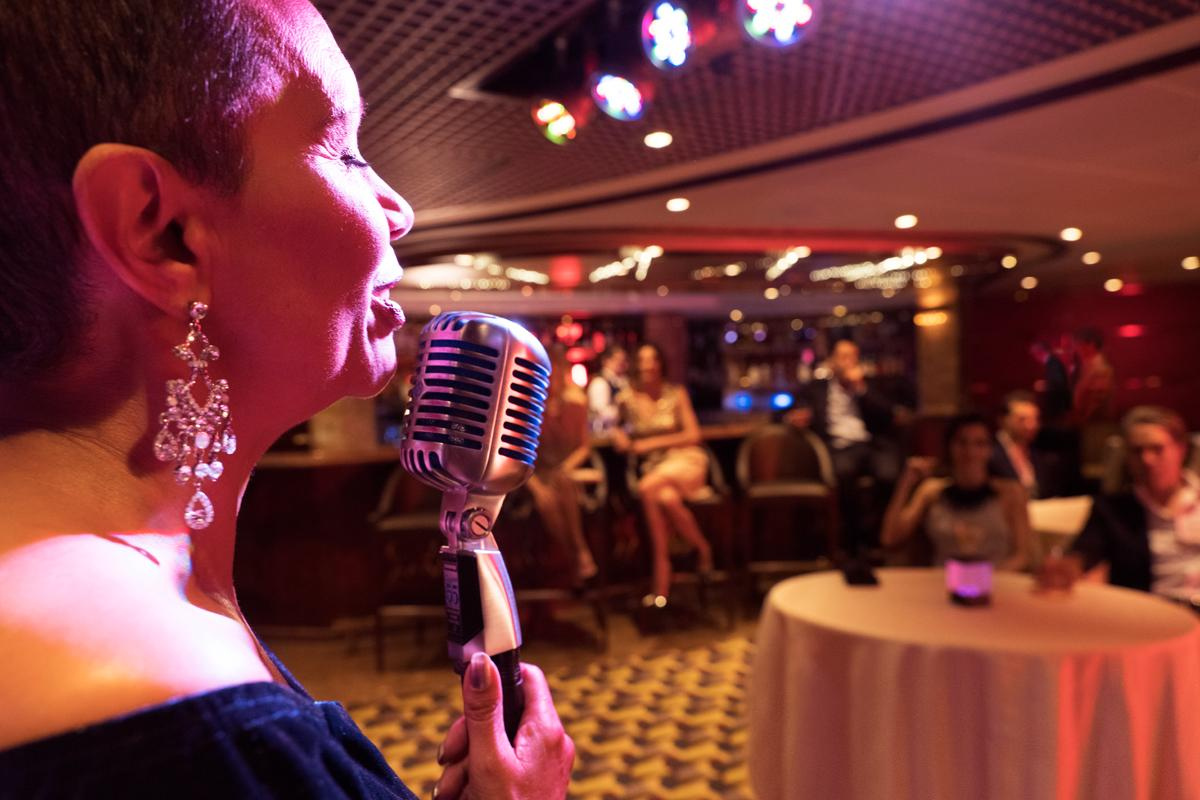
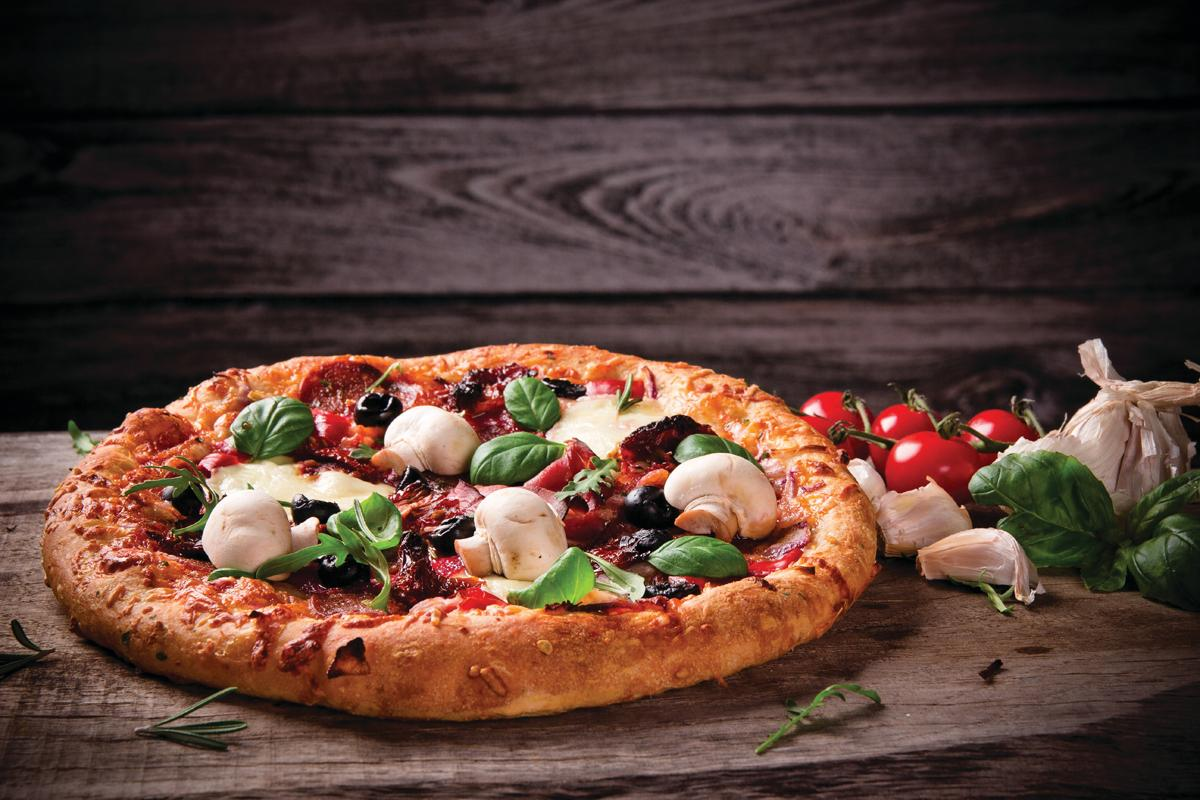
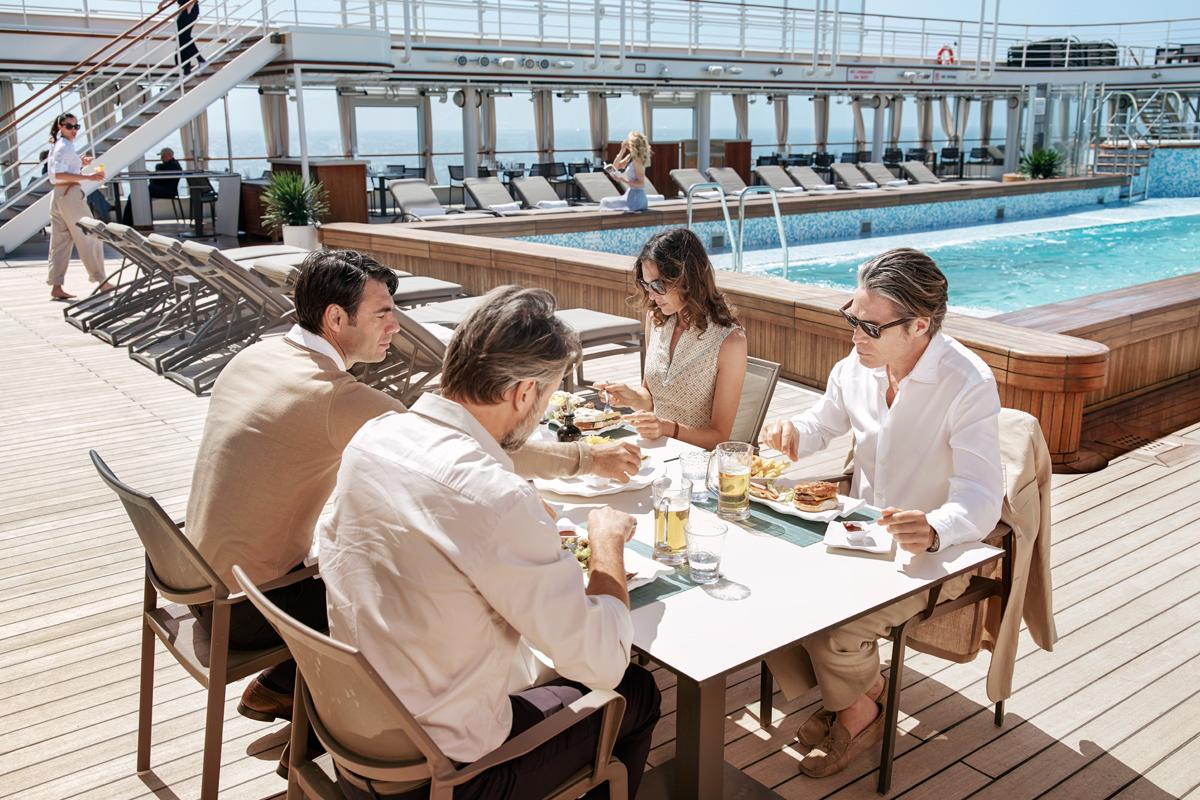
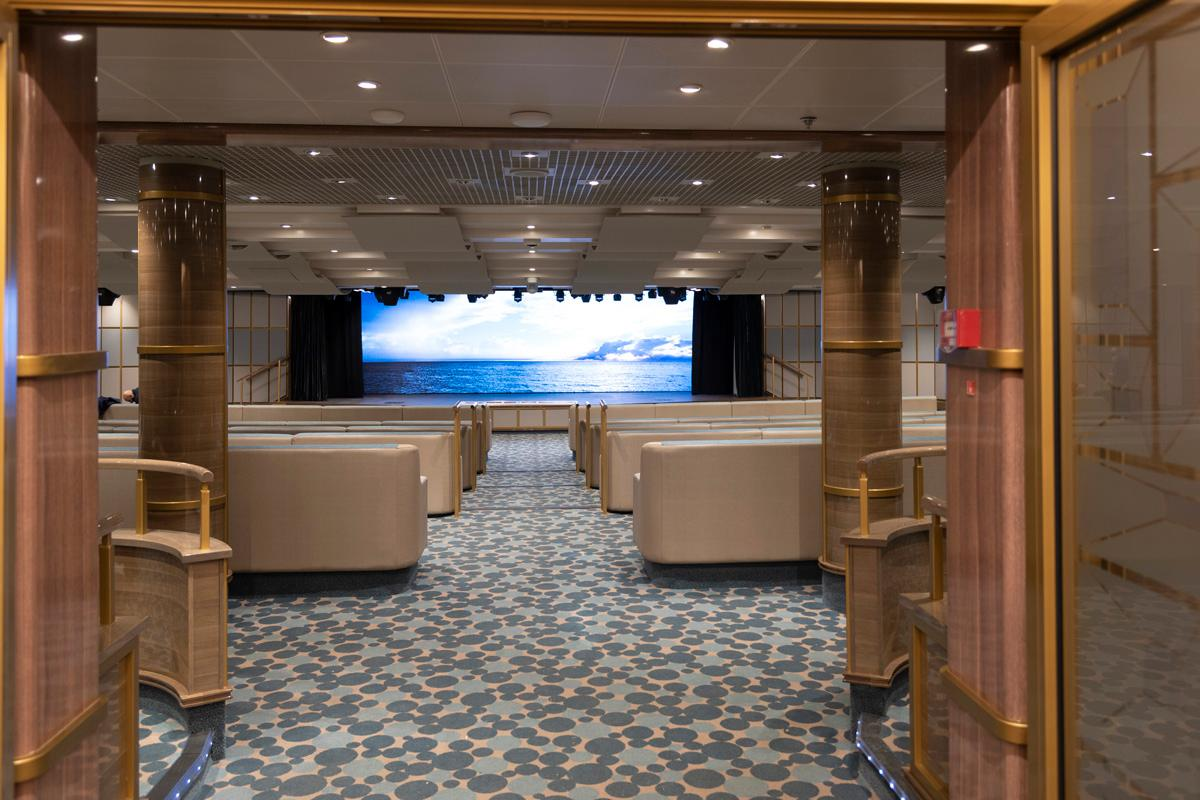
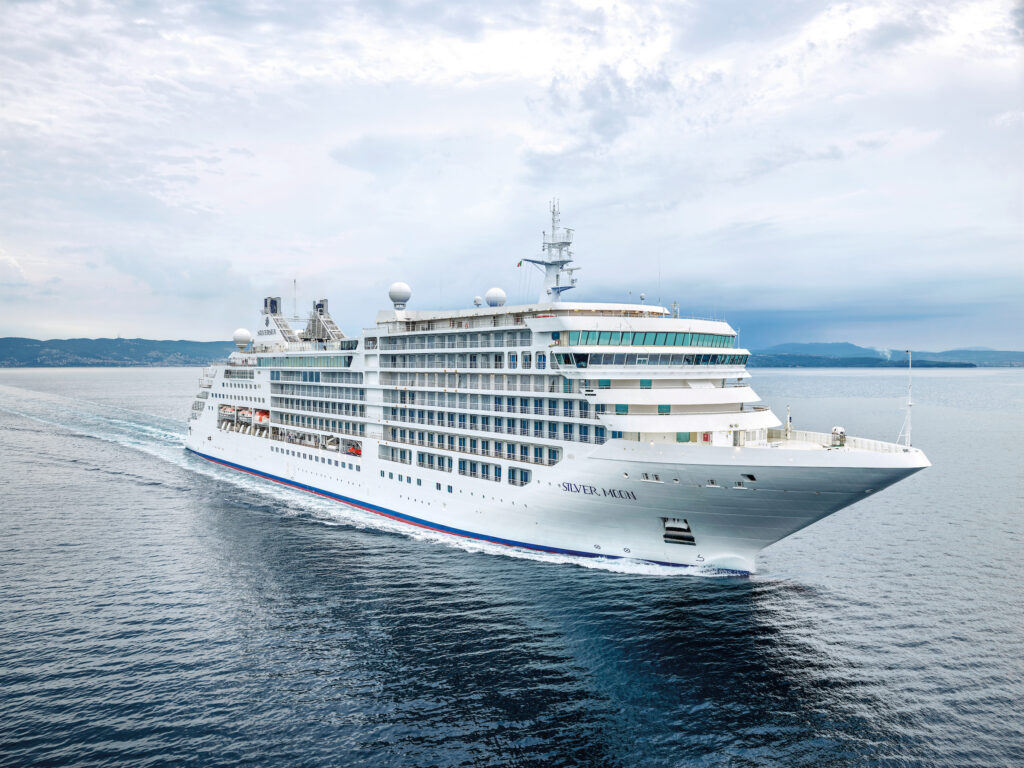
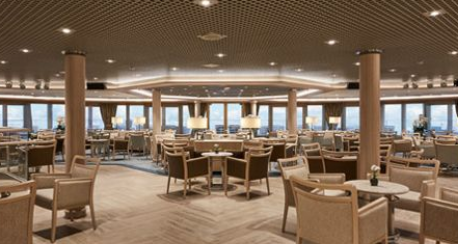
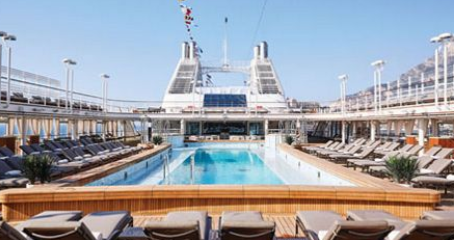
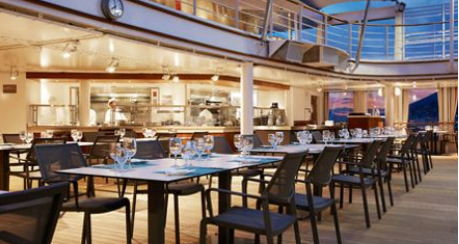
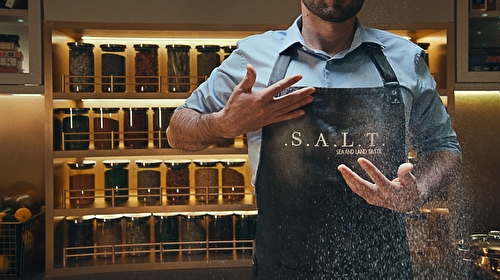
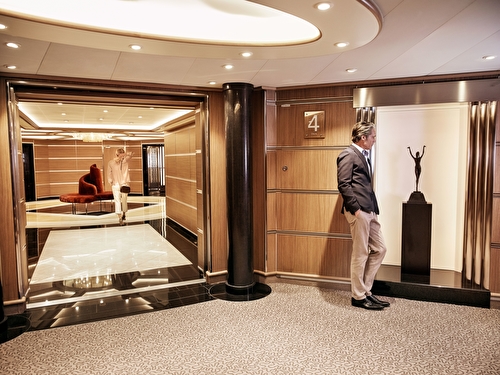
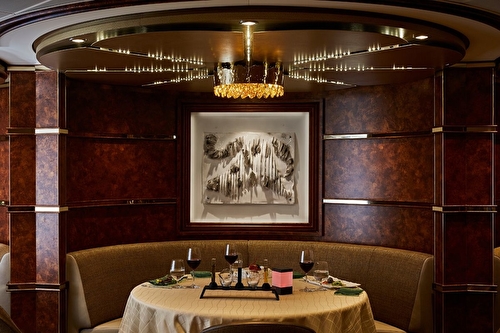
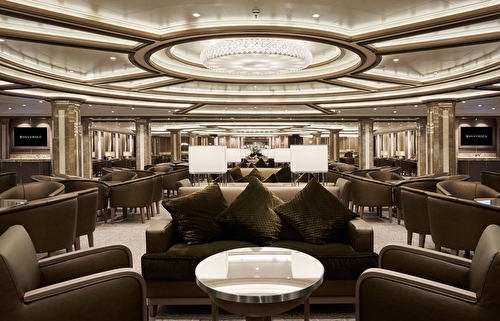
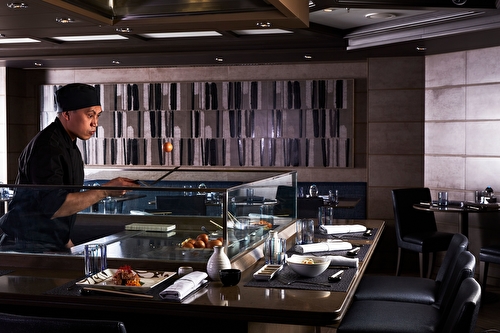
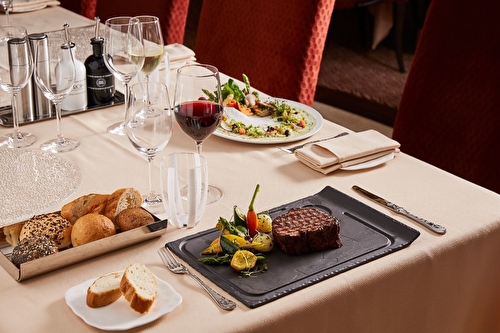
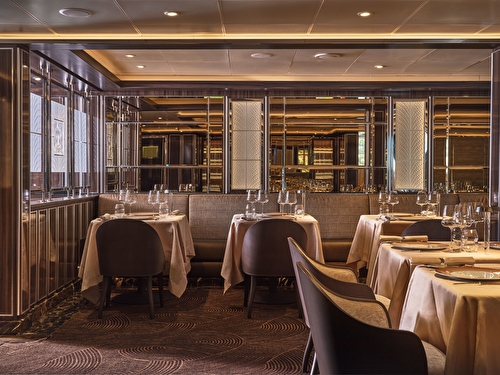
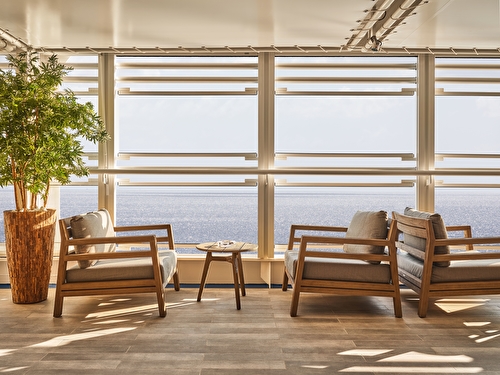
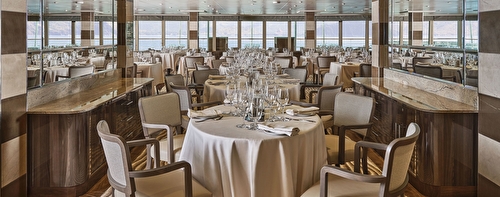
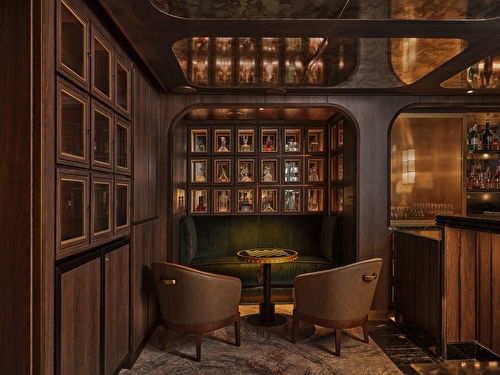
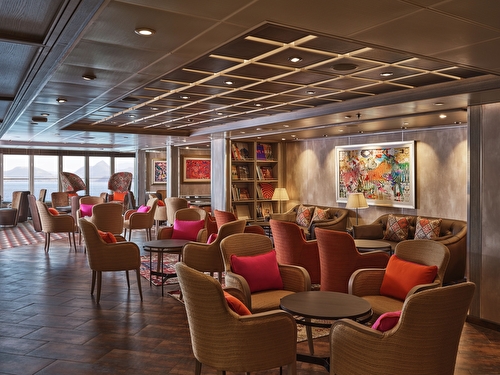
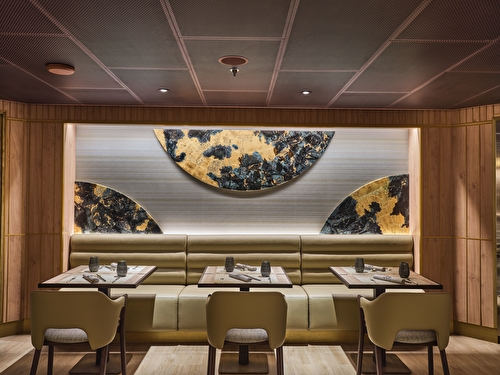
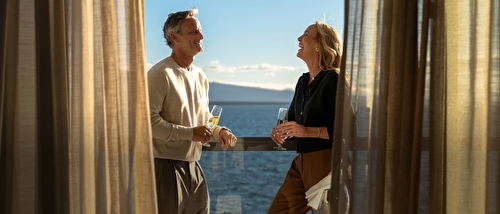
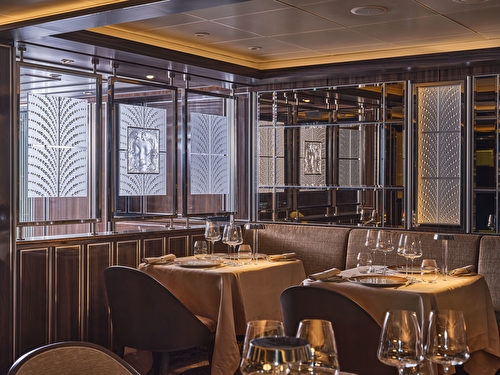
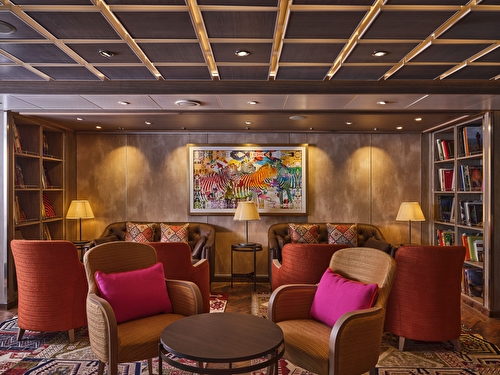
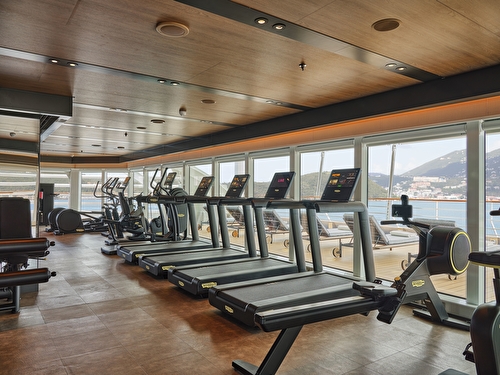
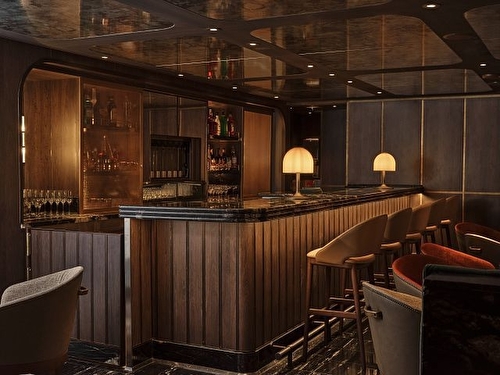
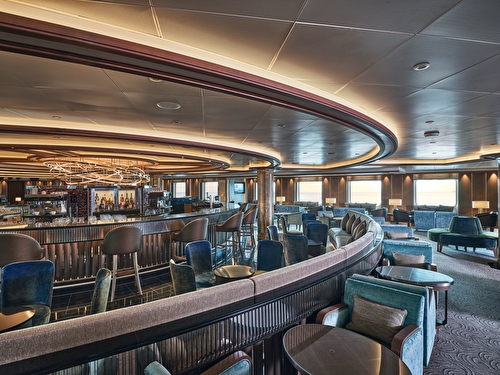
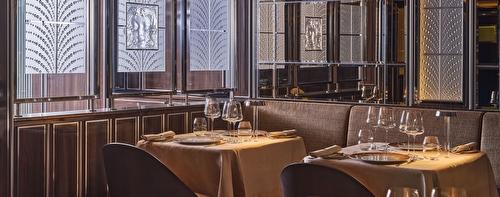
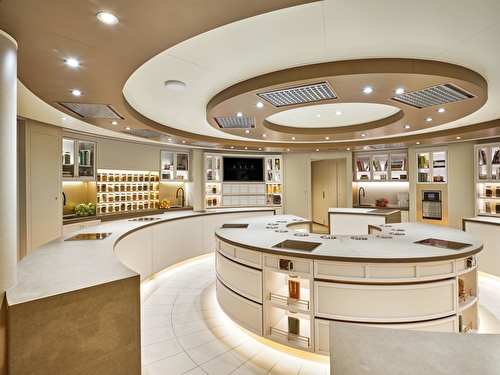
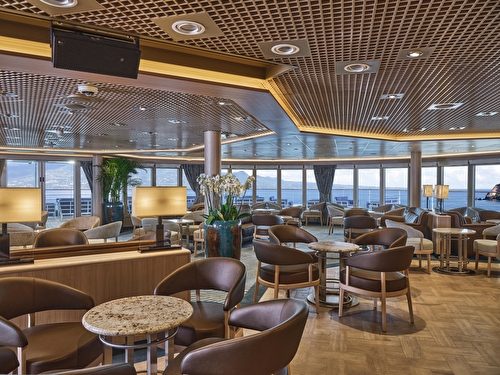
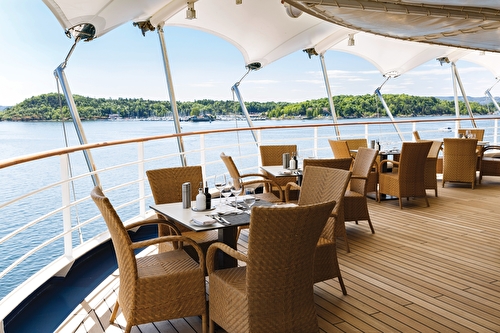
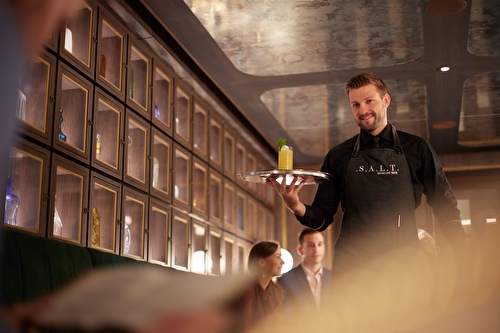
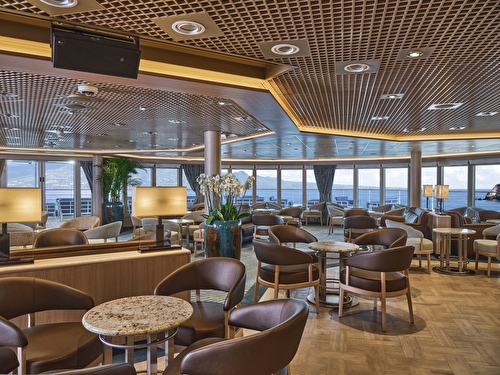
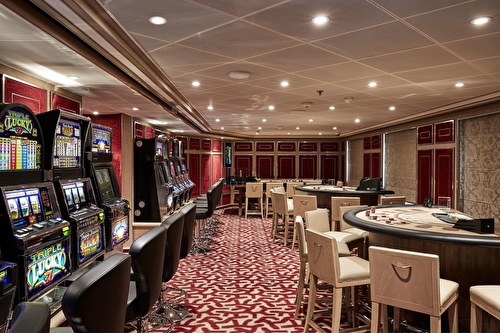
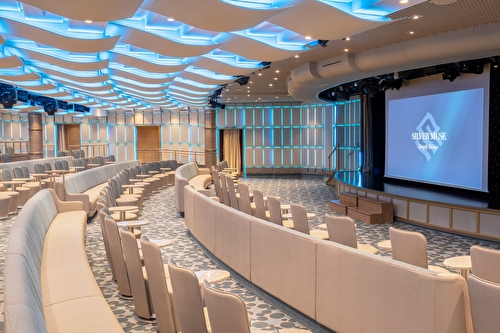
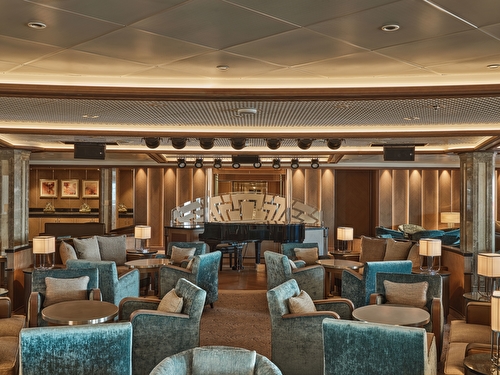
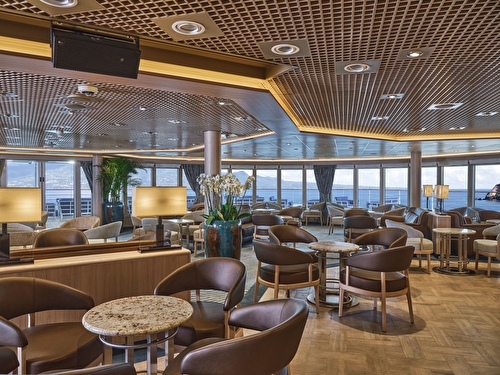
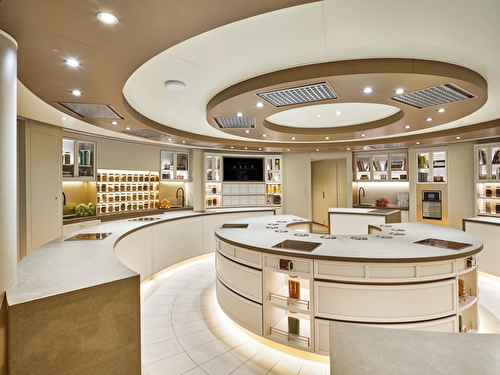
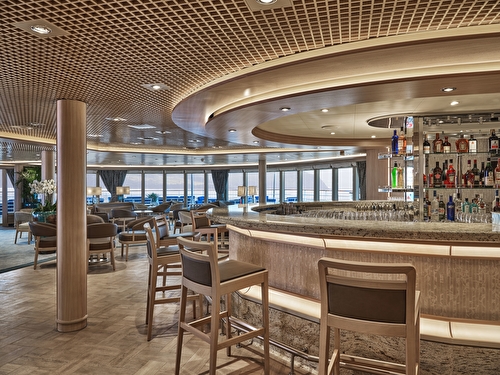
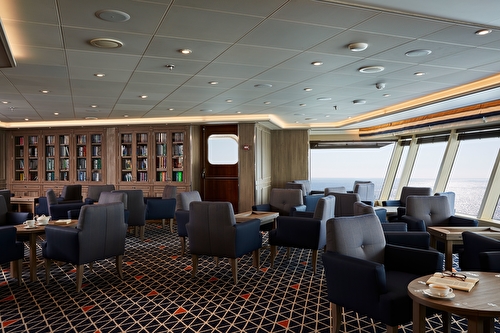
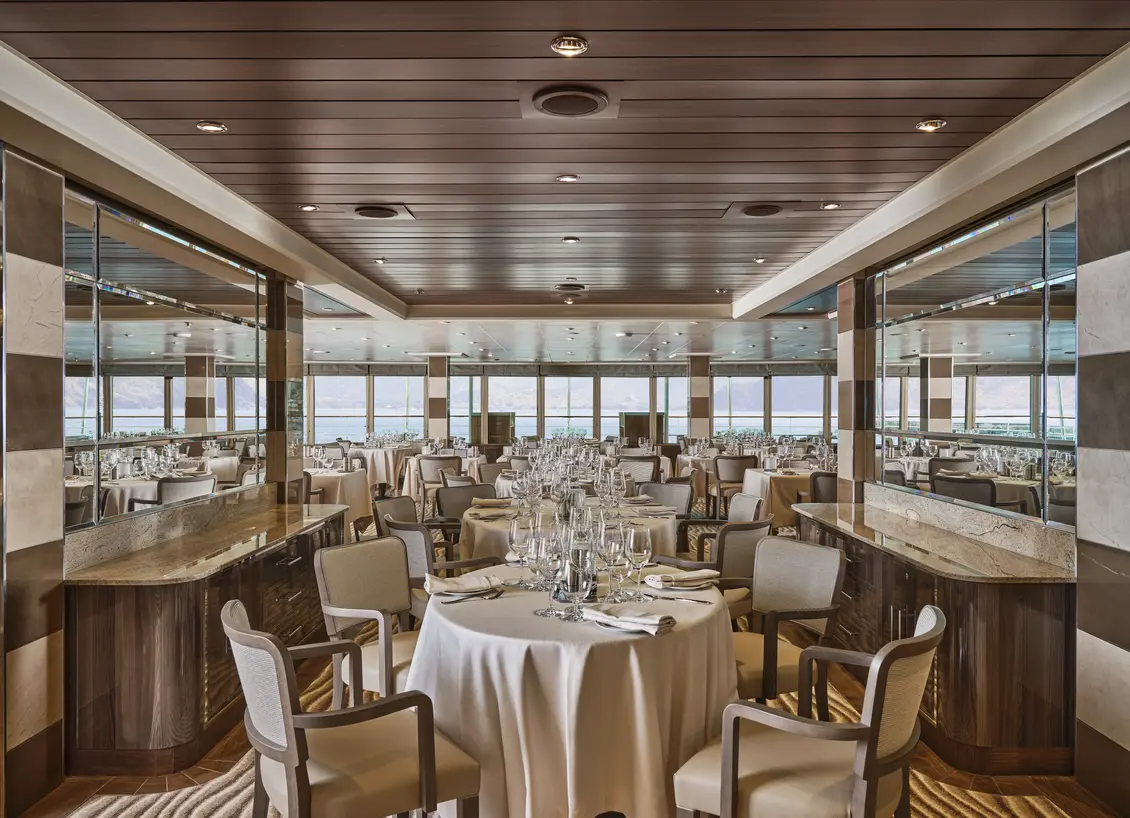
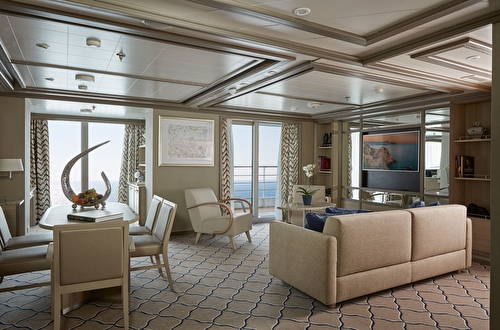
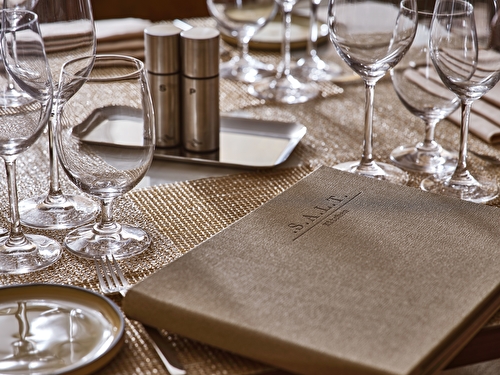
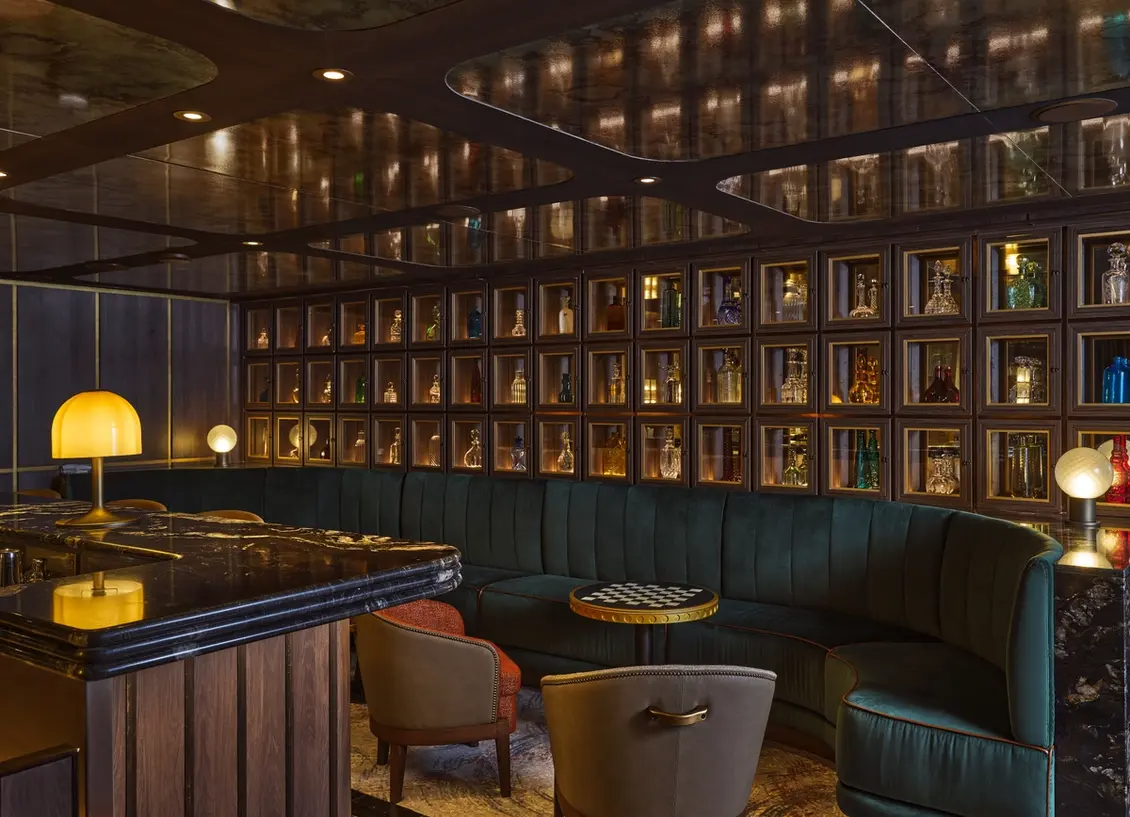
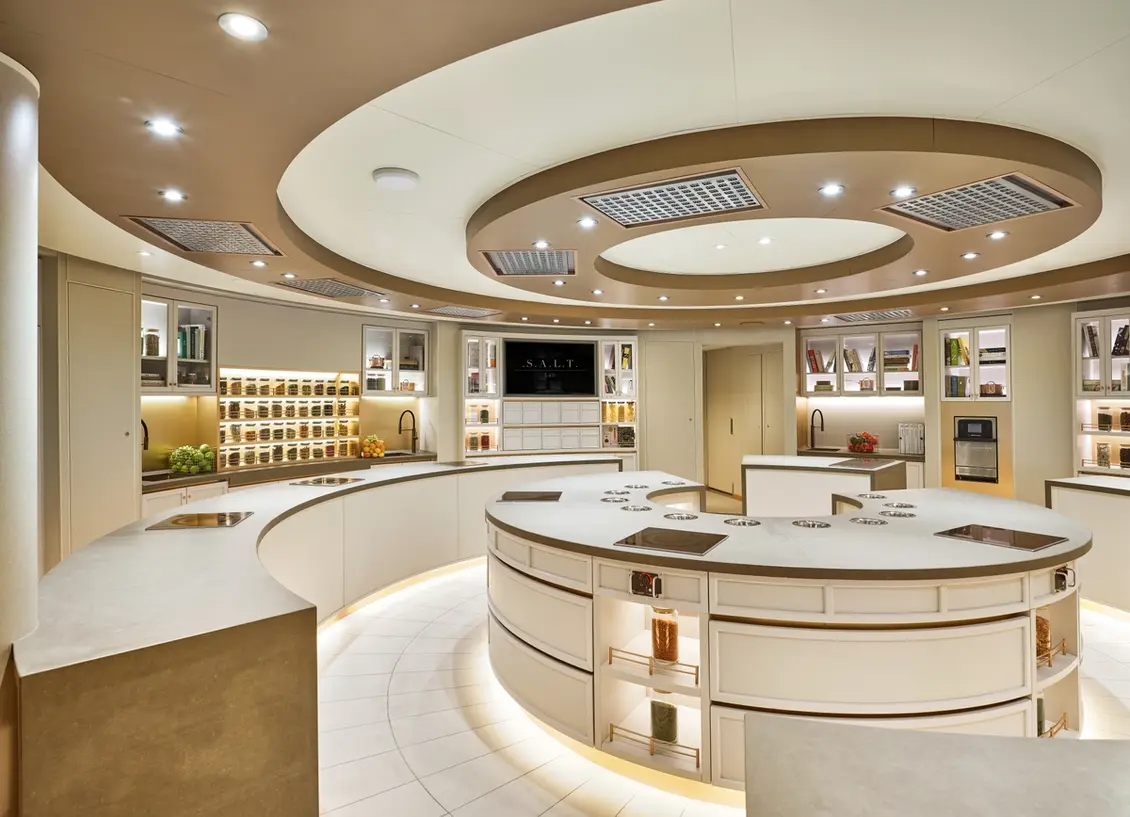
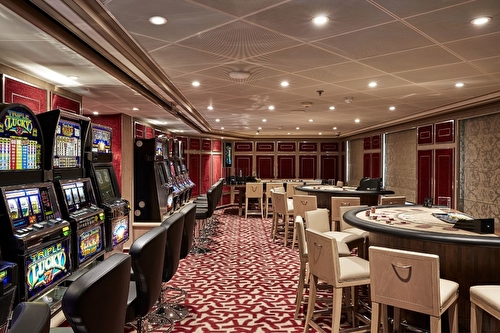
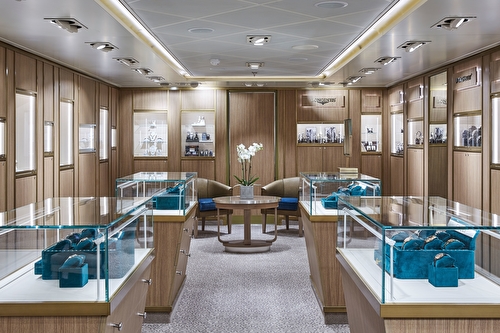
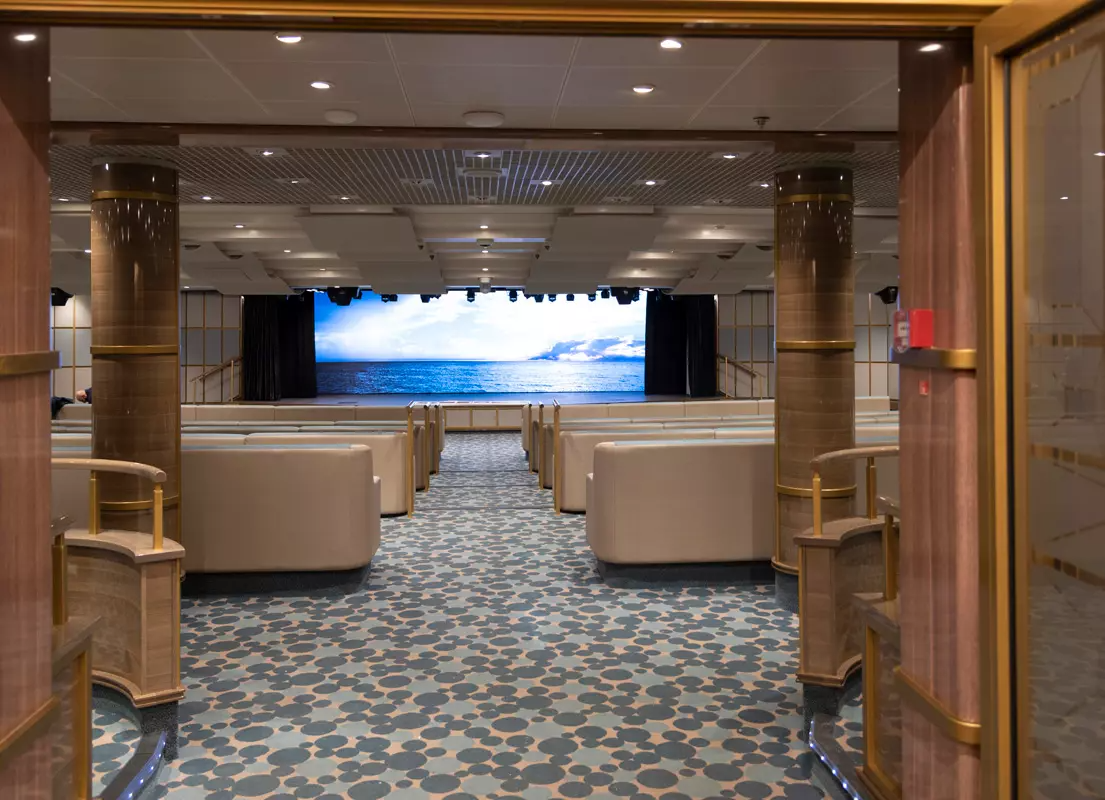
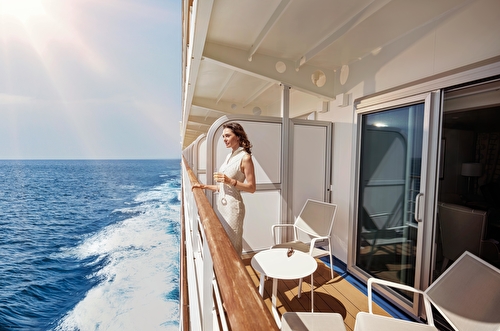
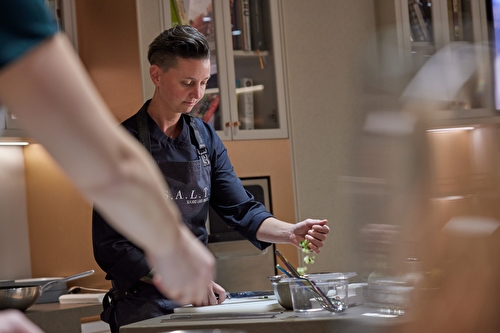
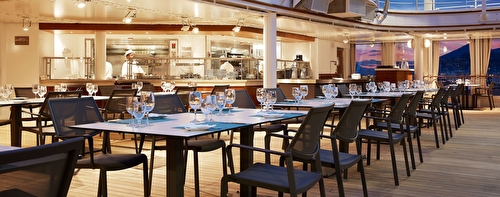
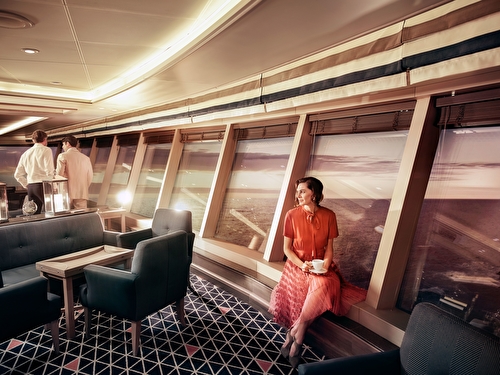
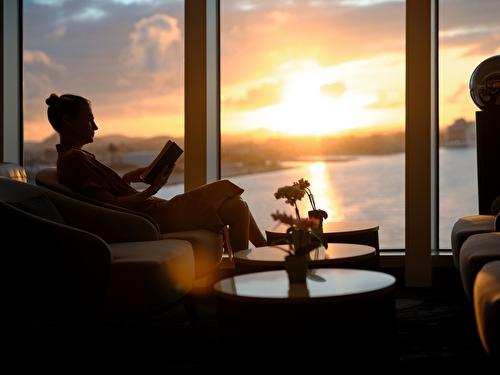
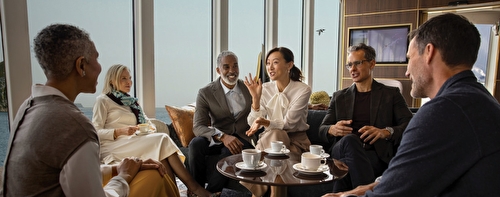
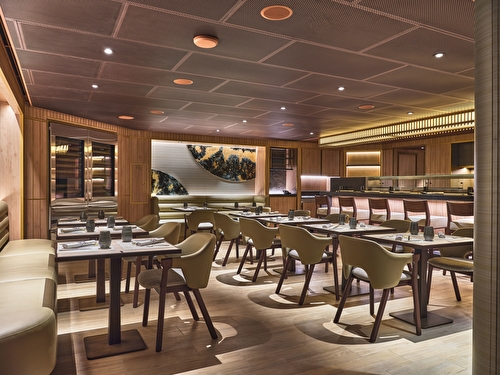
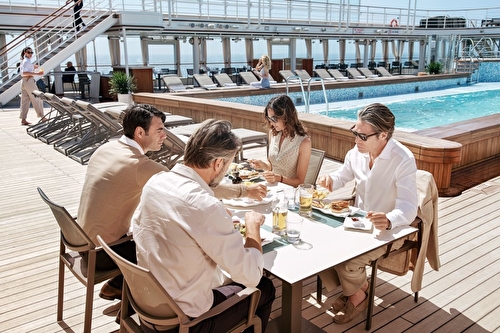
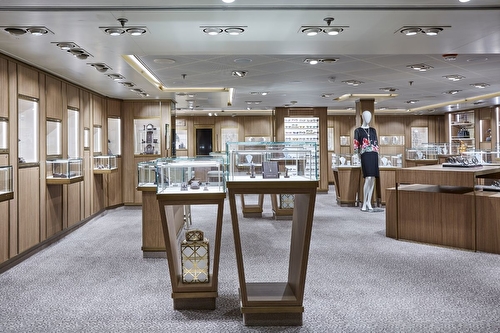
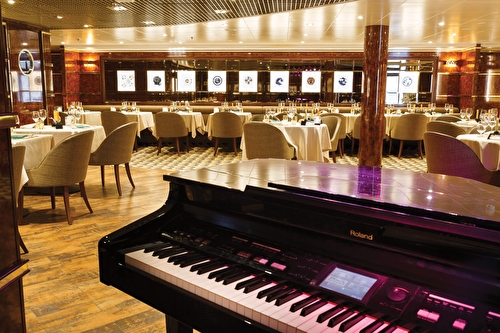
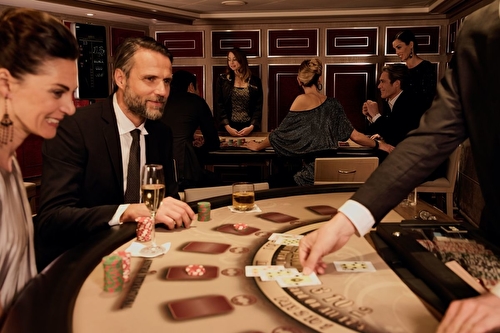
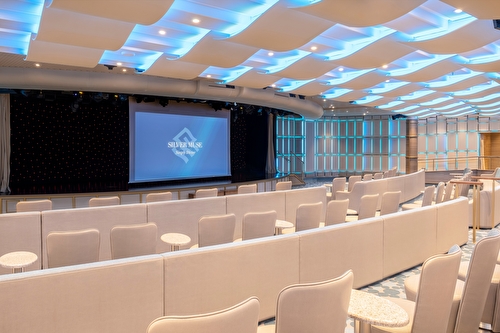
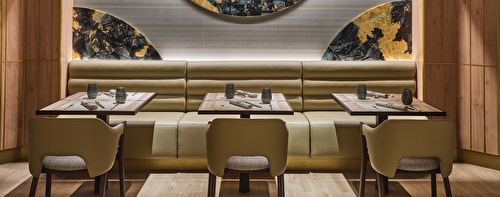
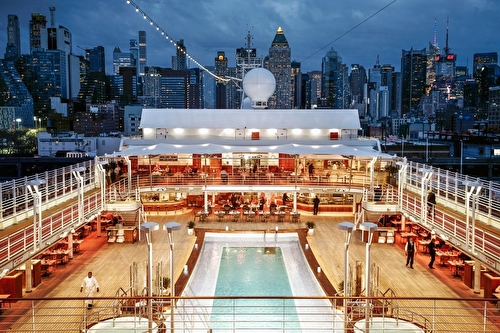
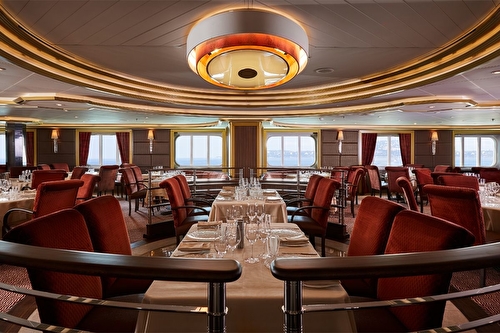
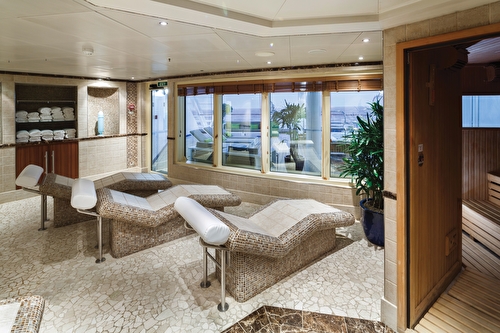
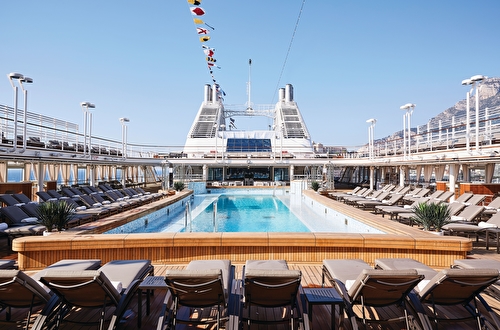
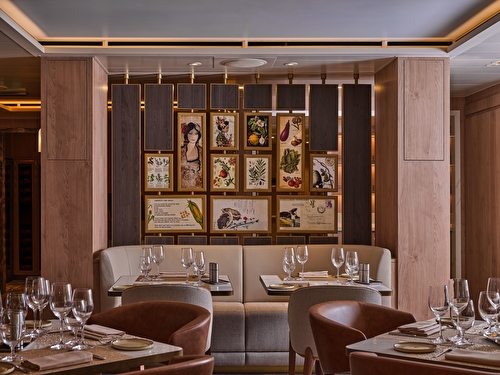
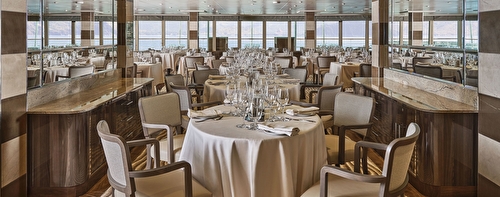
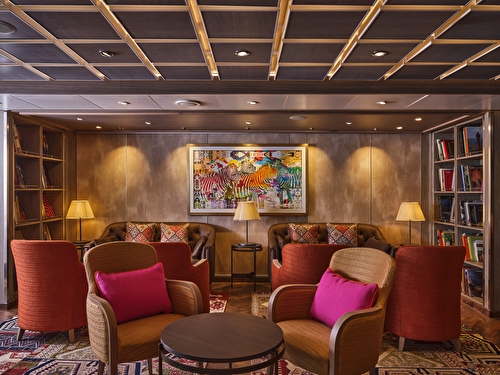
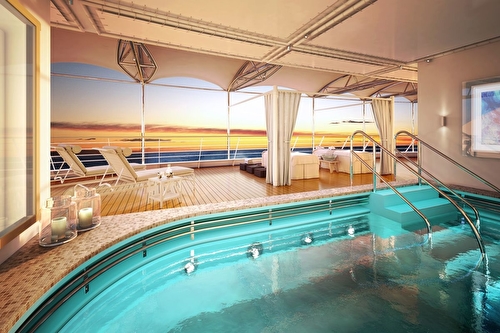
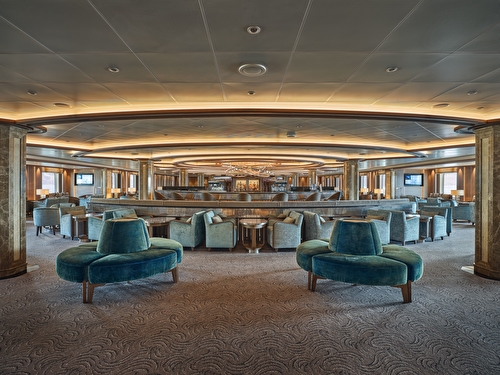
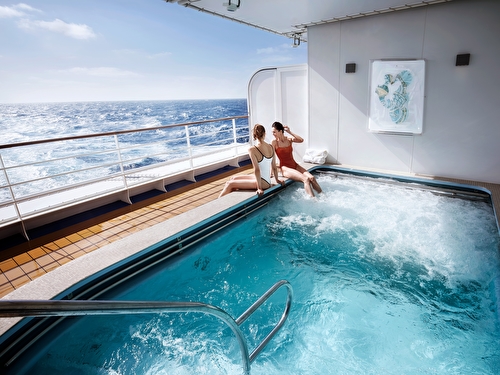
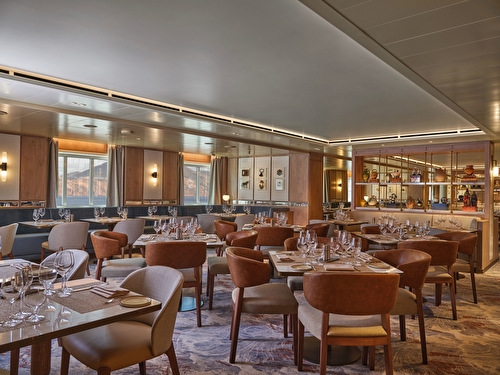
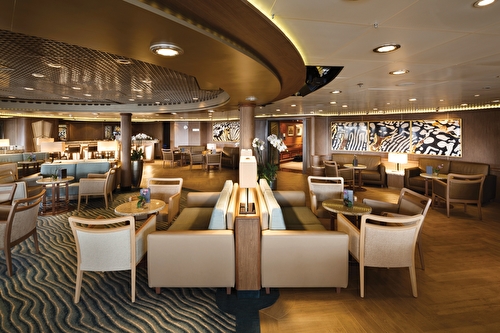
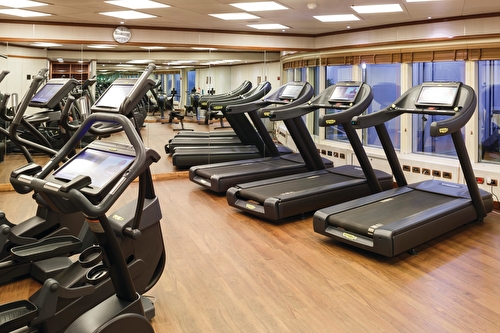
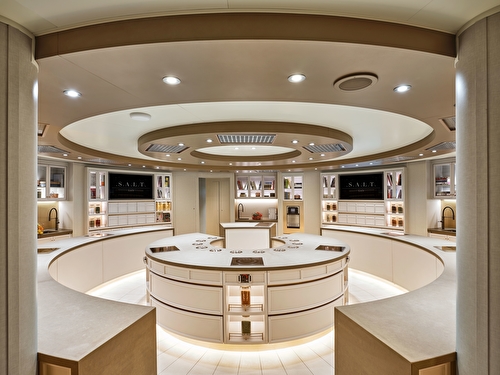
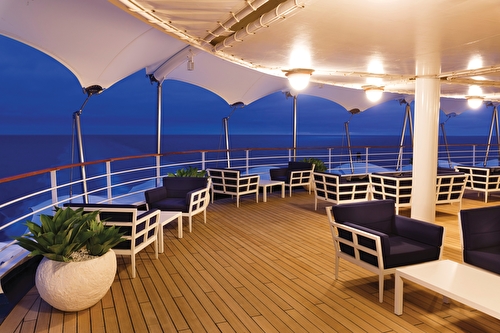
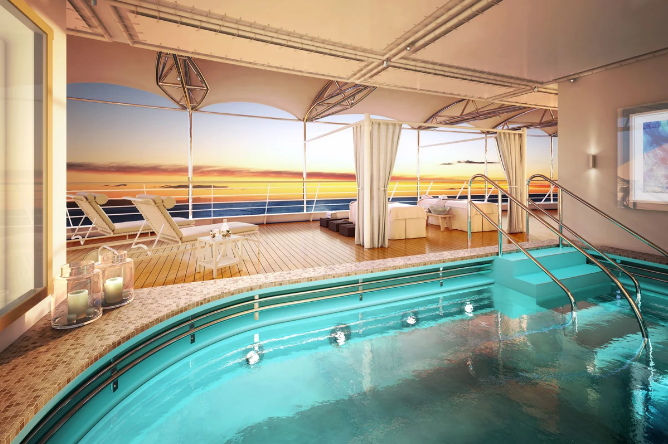
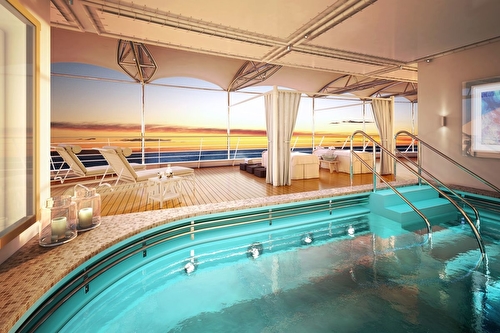
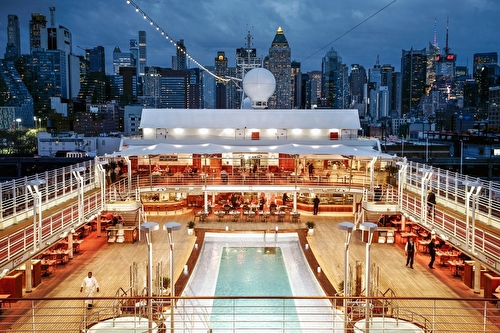
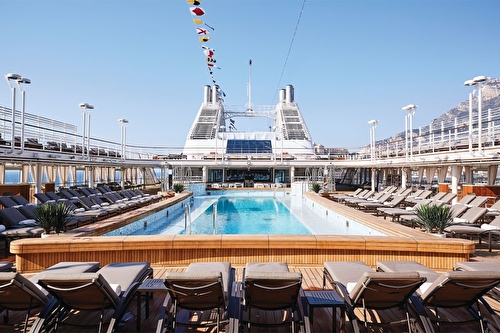
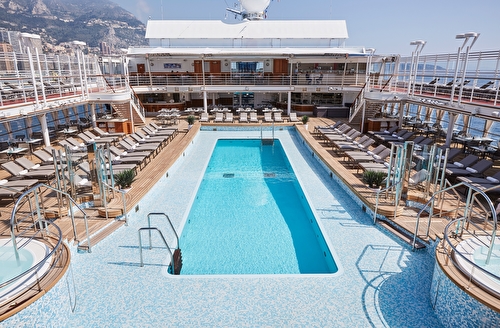
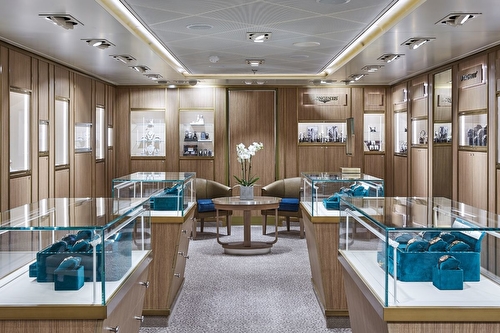
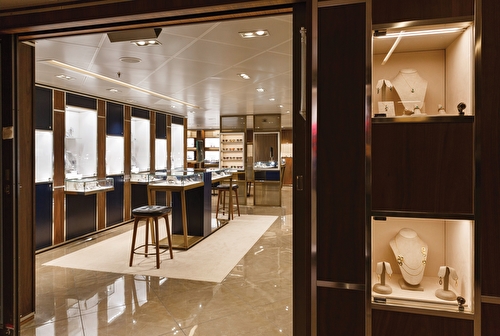
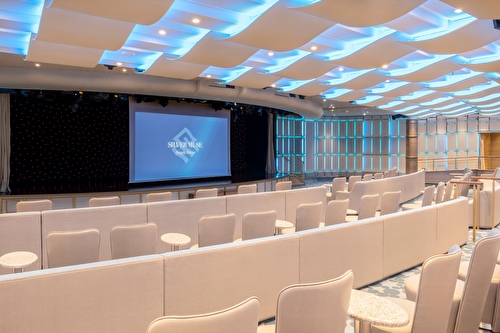
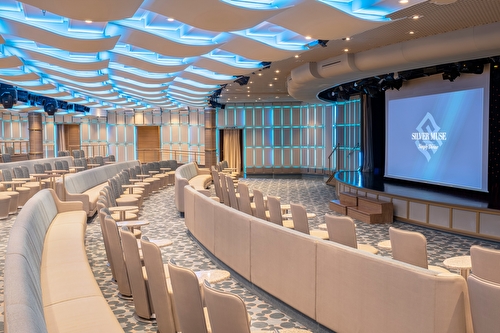
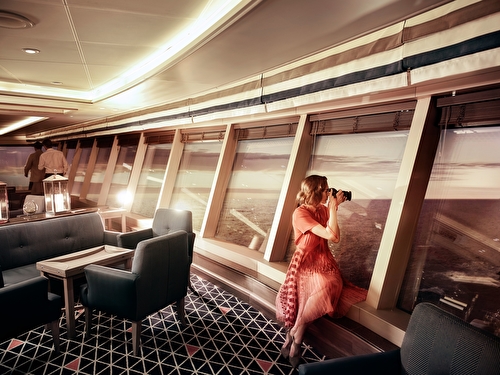
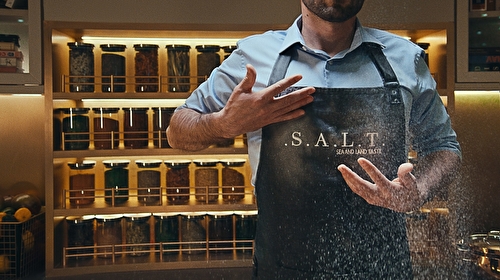
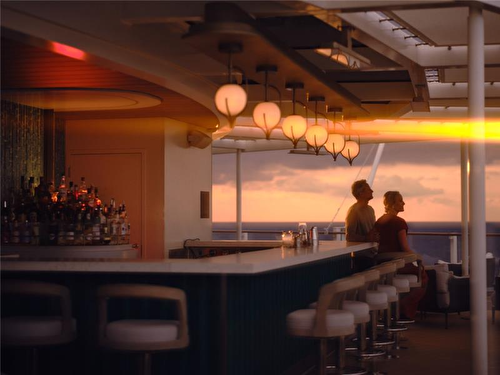
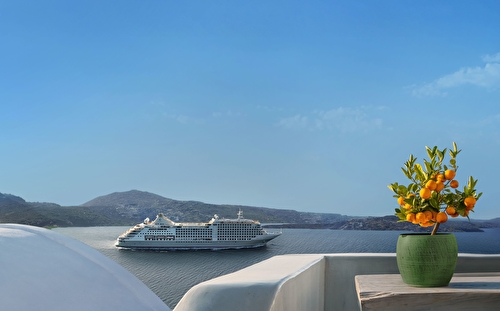
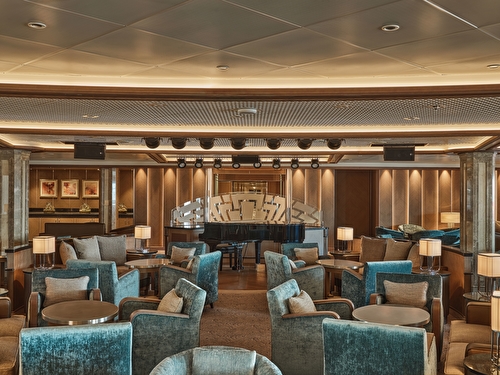
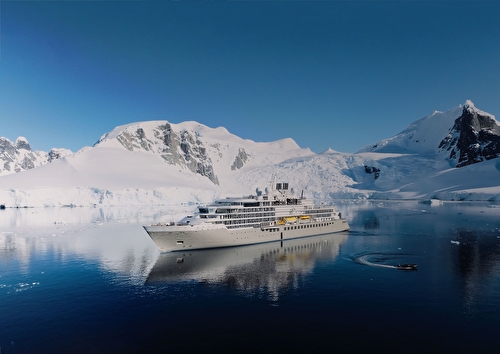
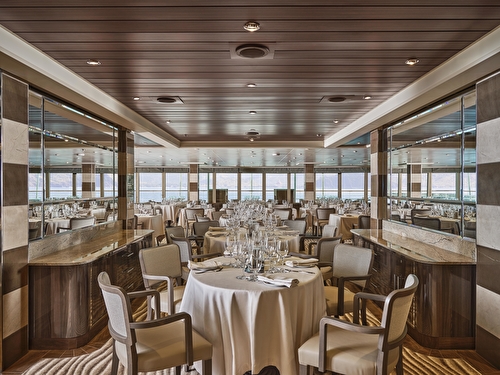
Building on the phenomenal success of Silver Muse, Silver Moon mirrors her sister ship and establishes a new era of Silversea. At 40,700 gross tons and with a capacity to accommodate 596 passengers on...ard, Silver Moon maintains the small-ship intimacy and spacious all-suite accommodation, which are the hallmarks of the Silversea experience. Silver Moon also features the all-new Sea And Land Taste (S.A.L.T.) programme – an immersive culinary concept that enables guests to travel deeper through a range of destination-based gastronomic experiences. Get ready for a new world of travel. More Less
  • Arts café
    arts café
    More
  • Atlantide
    atlantide
    More
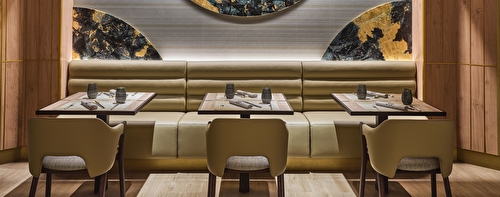
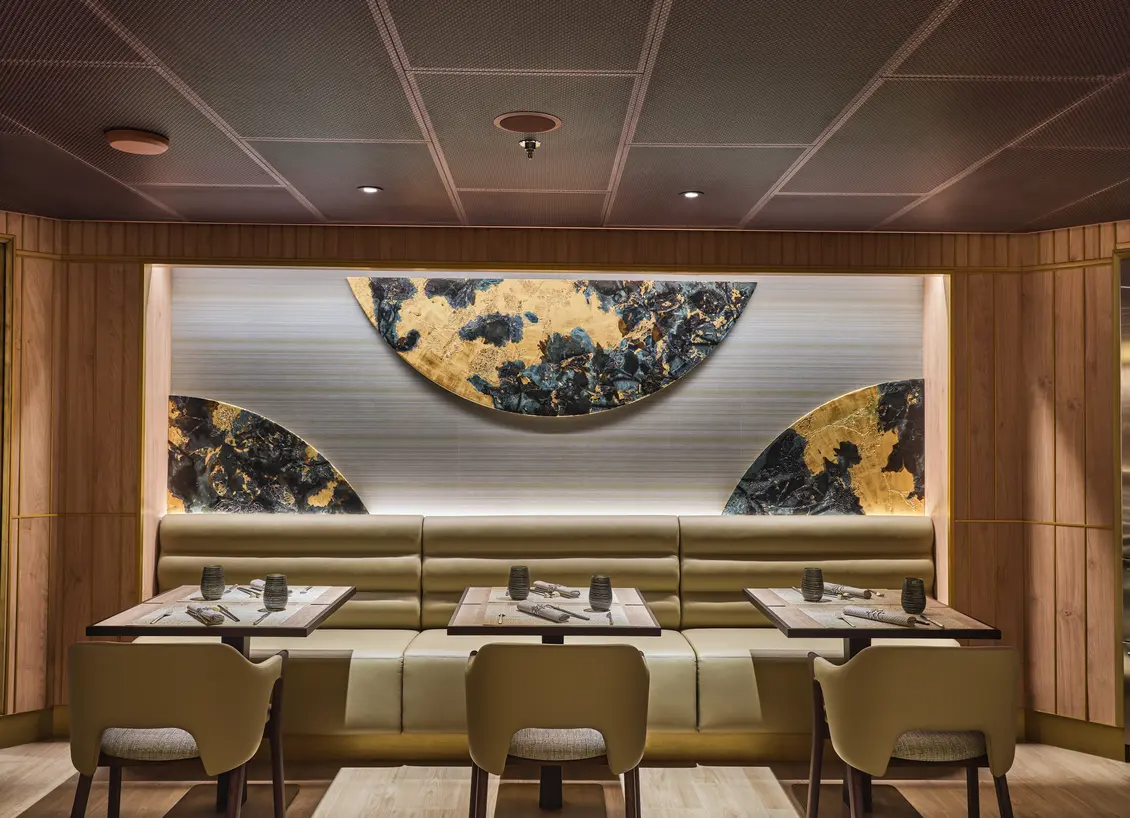
  • Kaiseki
    kaiseki
    More
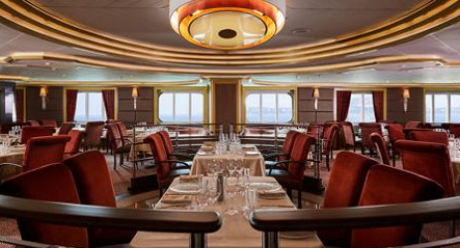
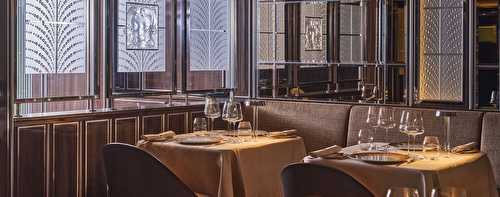
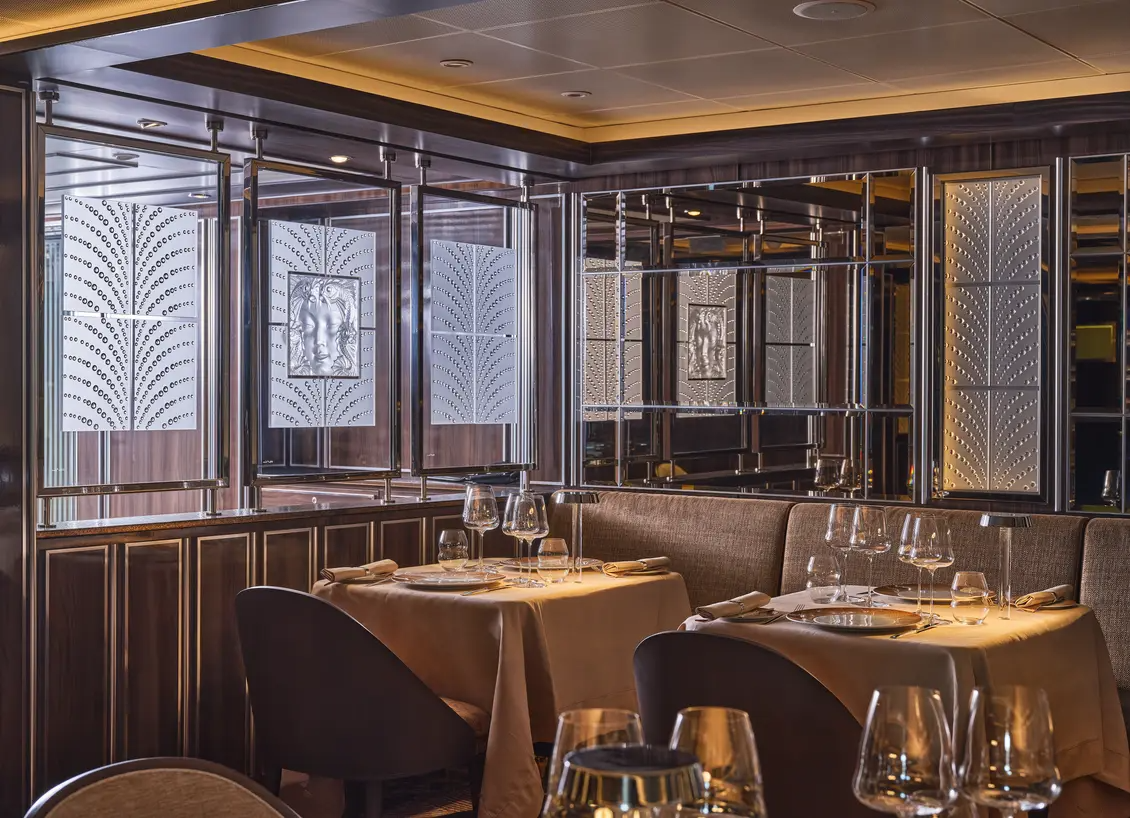
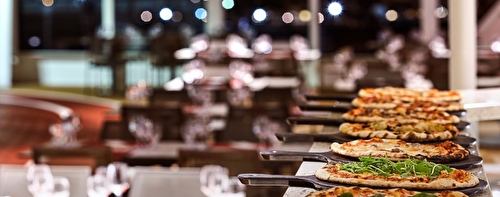
  • La dame
    la dame
    More
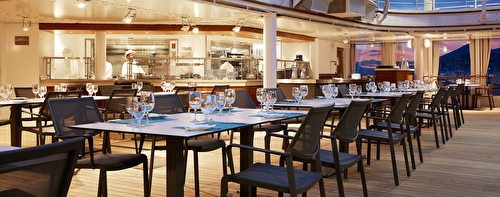
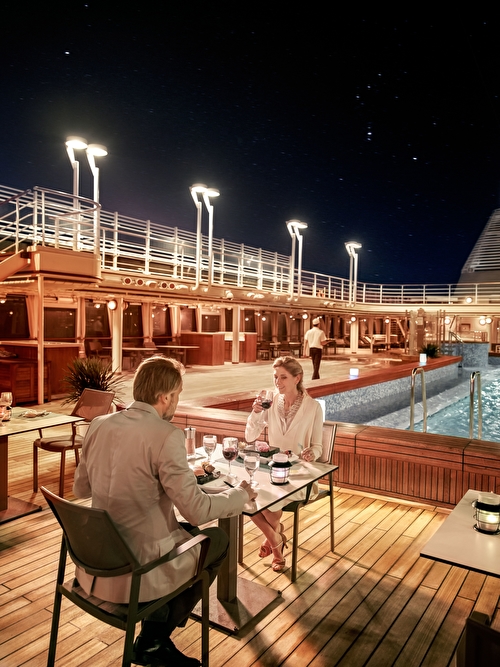
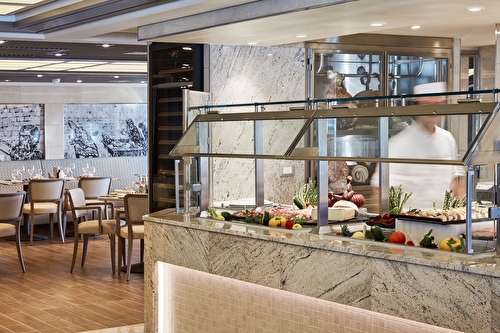
  • La terrazza
    la terrazza
    More
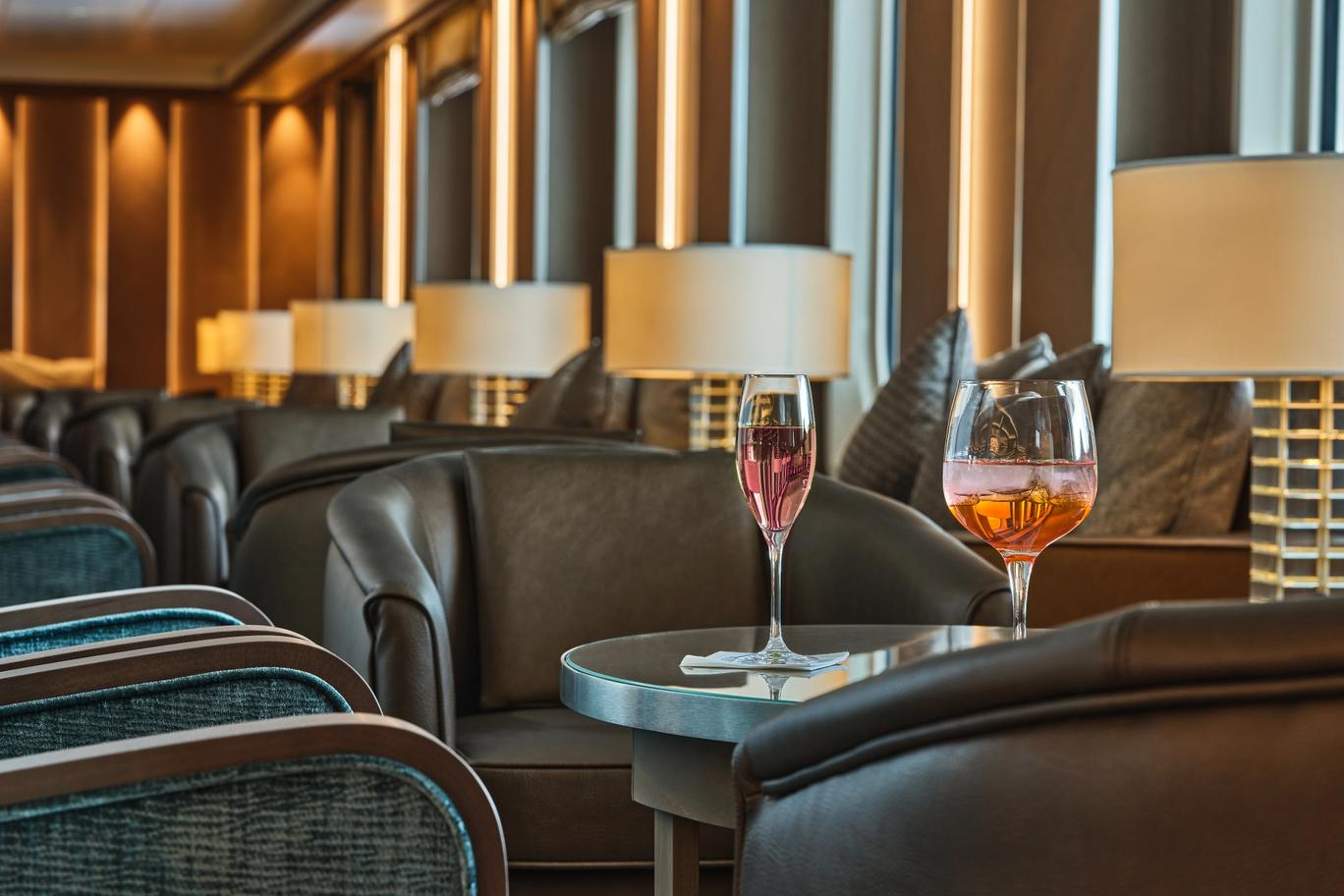
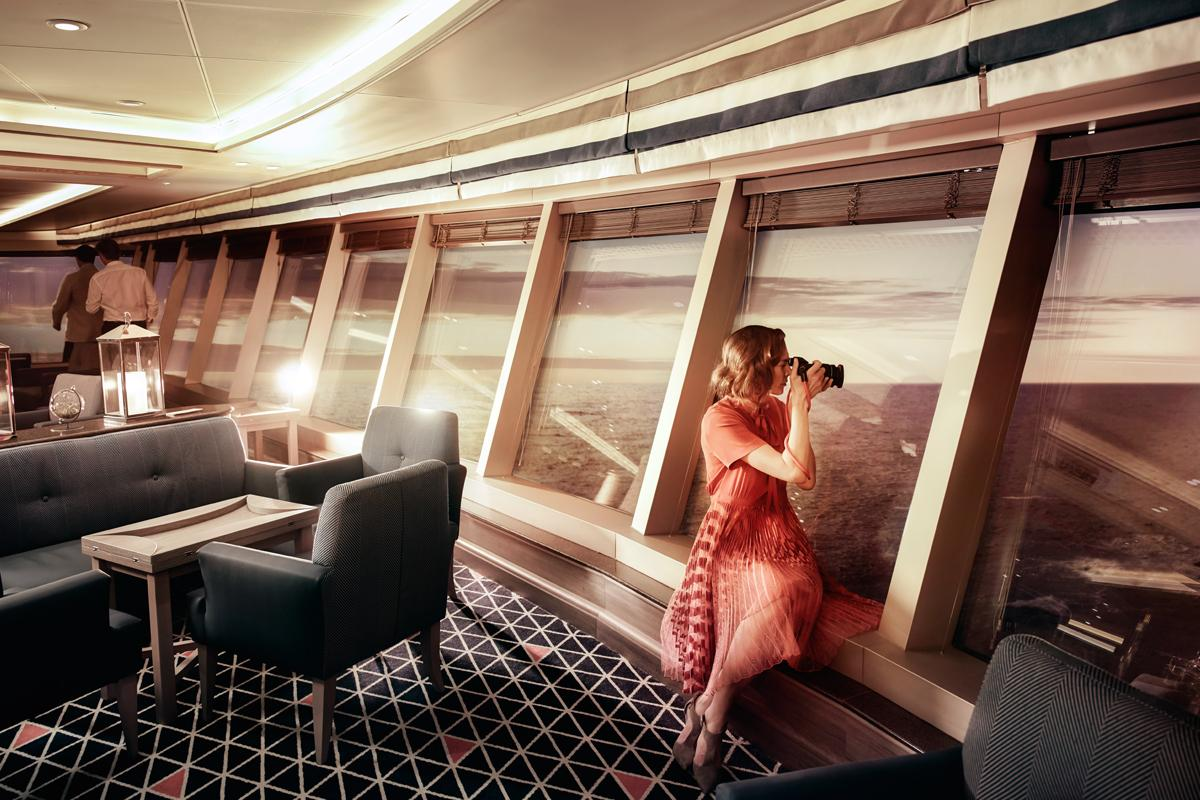
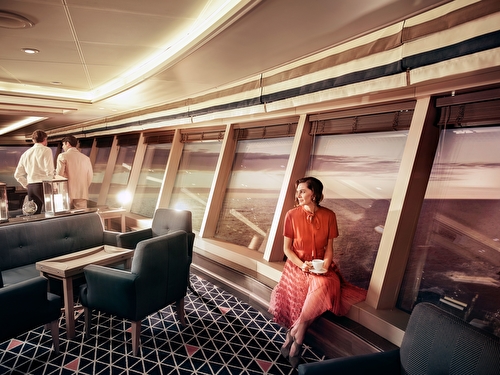
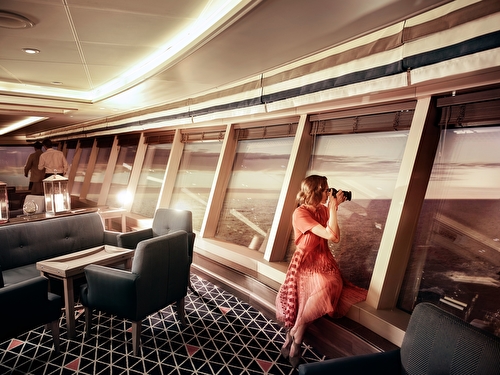
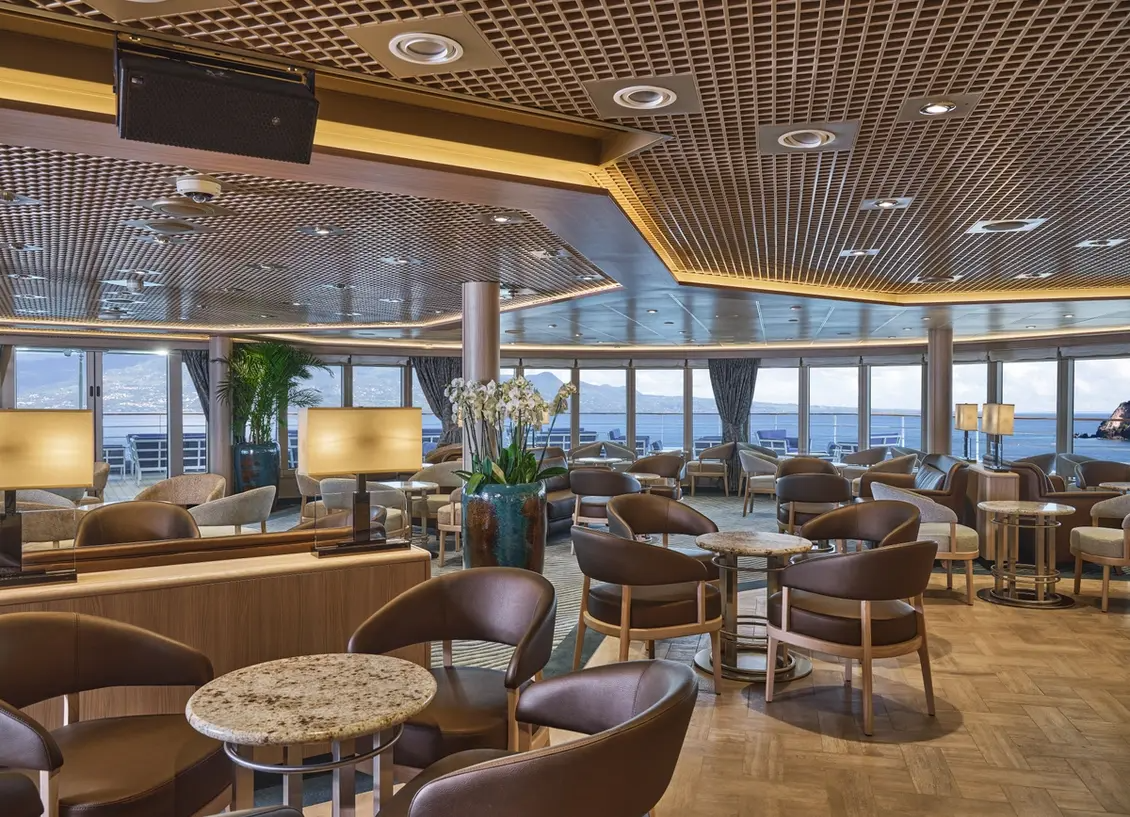
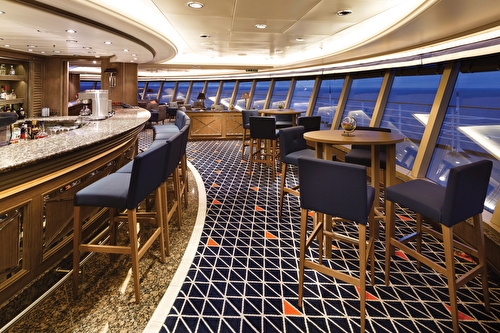
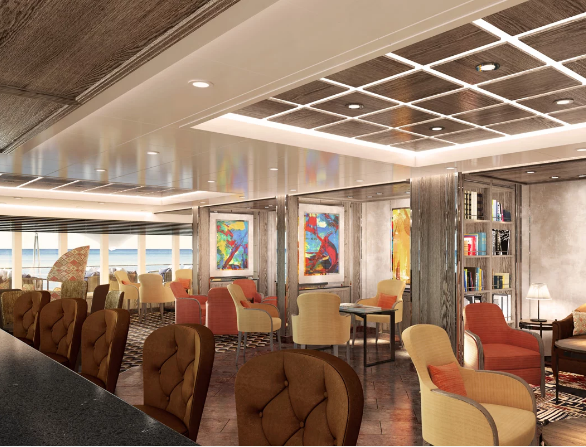
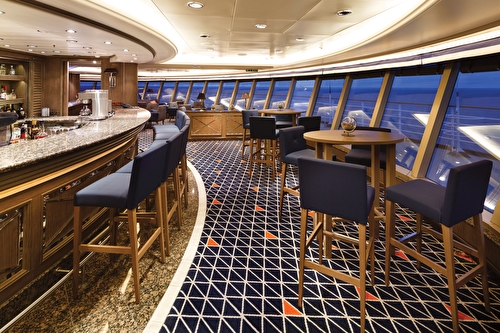
  • Panorama lounge
    panorama lounge
    More
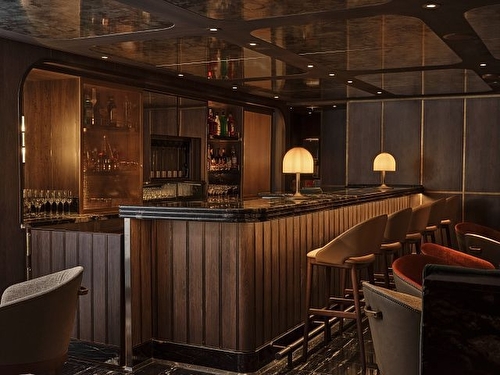
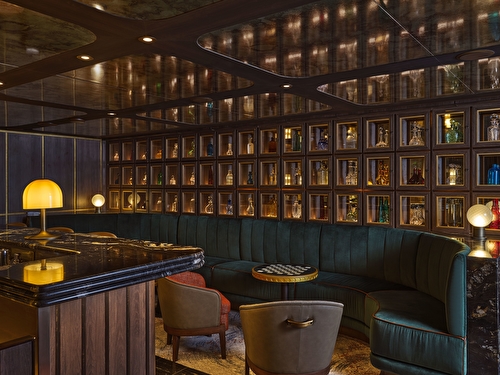
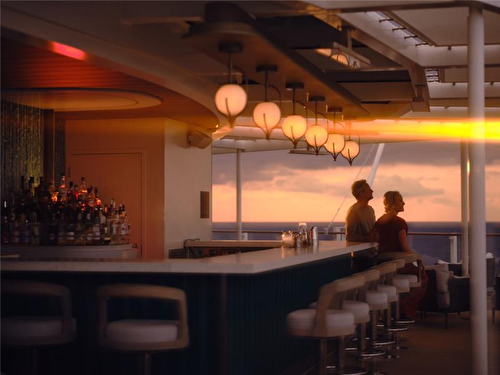
  • S.a.l.t. bar
    s.a.l.t. bar
    More
  • S.a.l.t. kitchen
    s.a.l.t. kitchen
    More
  • S.a.l.t. lab
    s.a.l.t. lab
    More
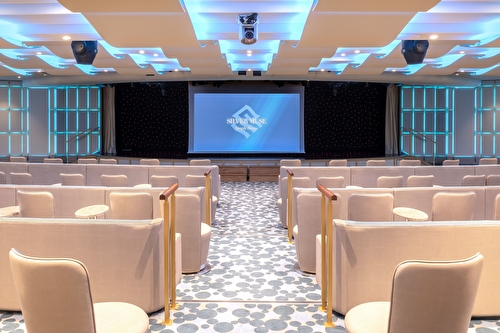
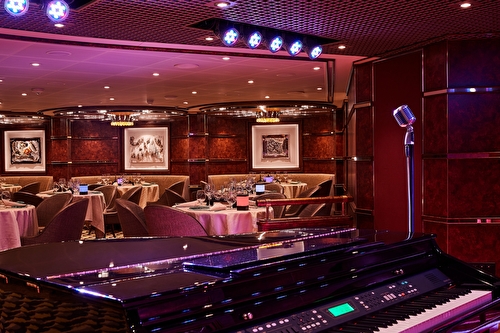
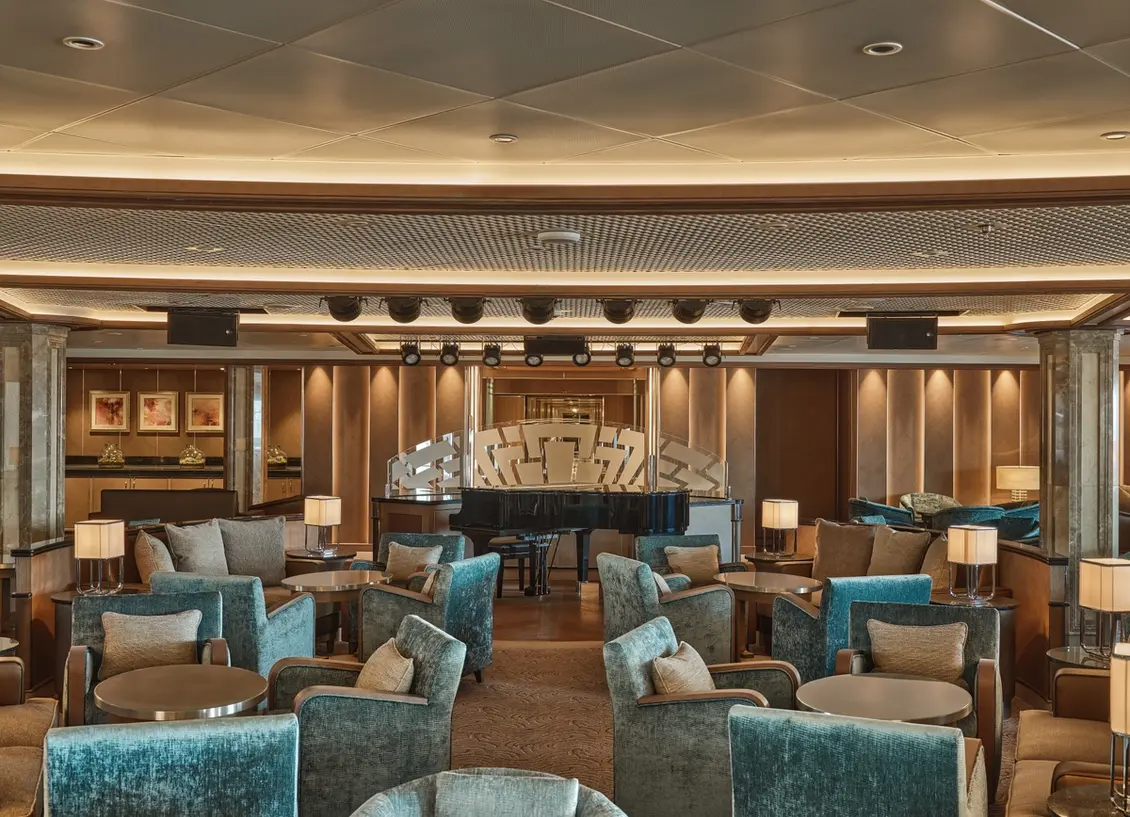
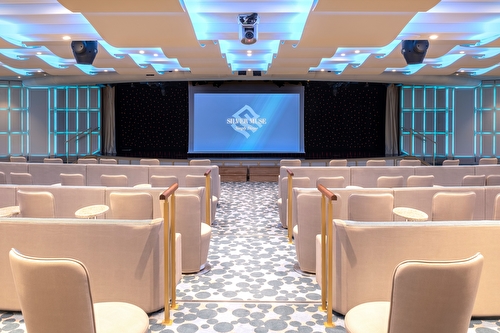
  • Silver note
    silver note
    More
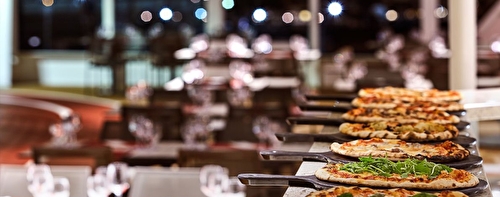
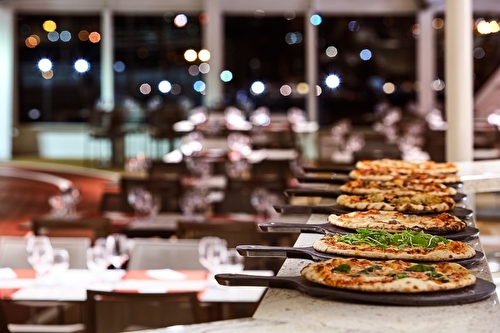
  • Spaccanapoli
    spaccanapoli
    More
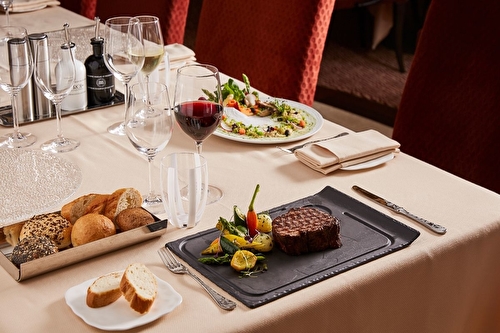
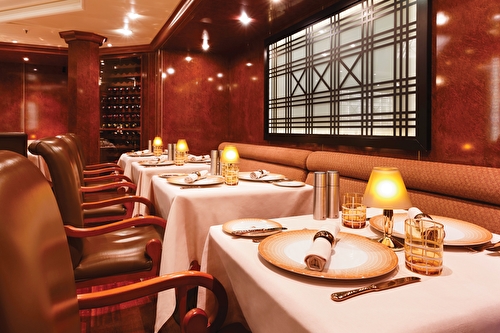
  • The grill
    the grill
    More
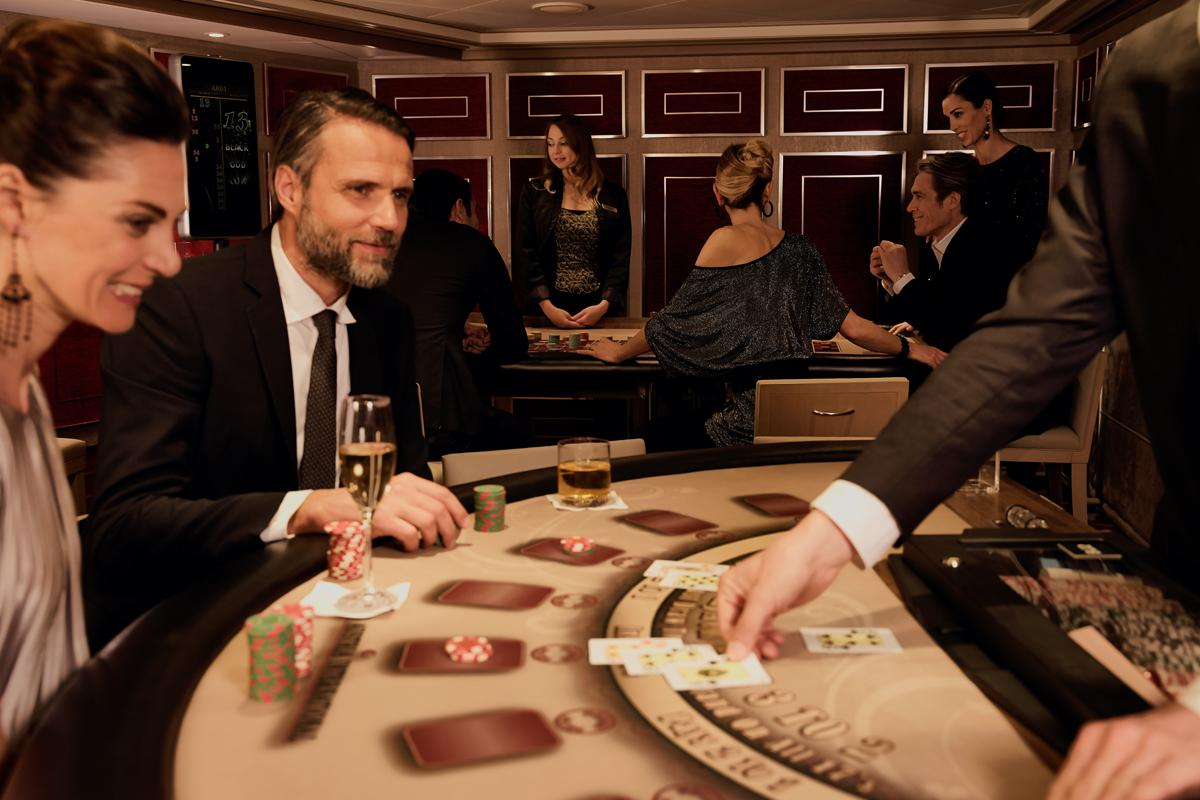
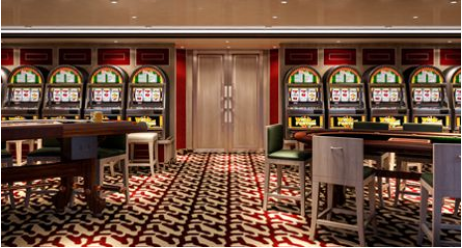
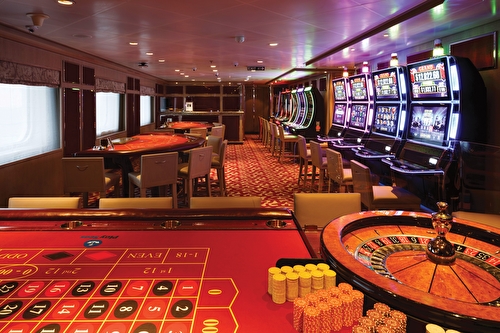
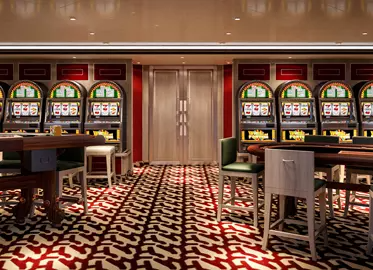
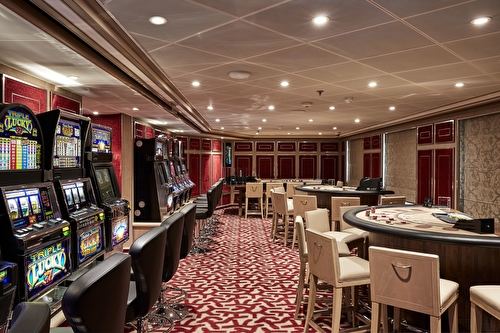
  • Casino
    casino
    More
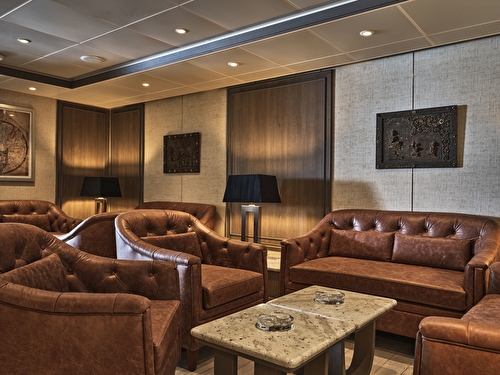
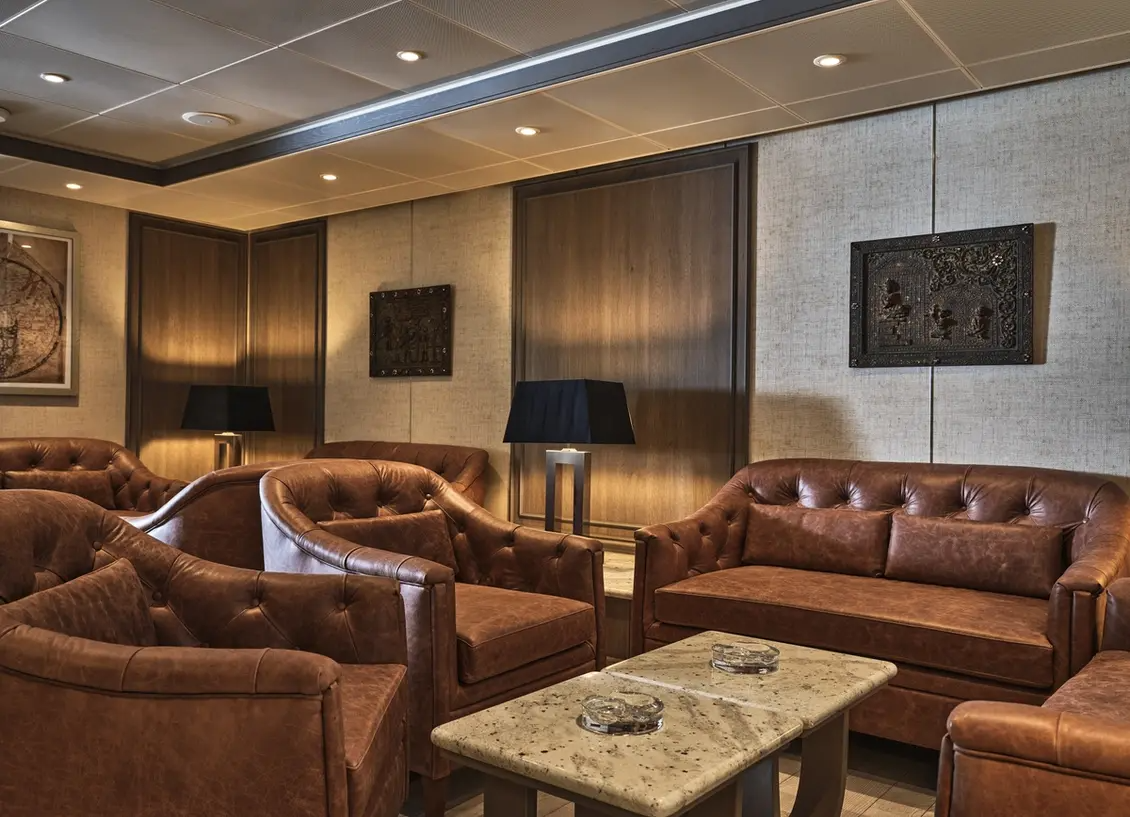
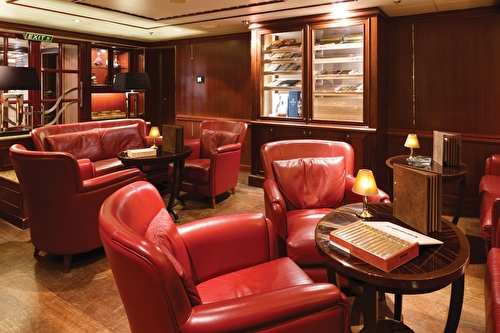
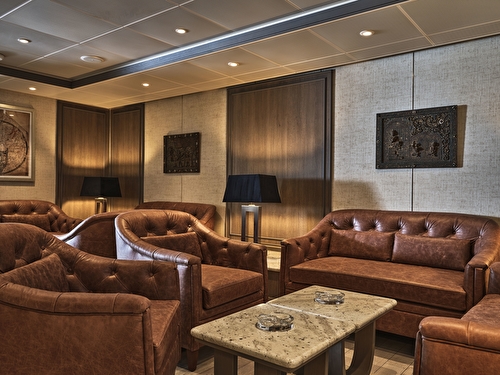
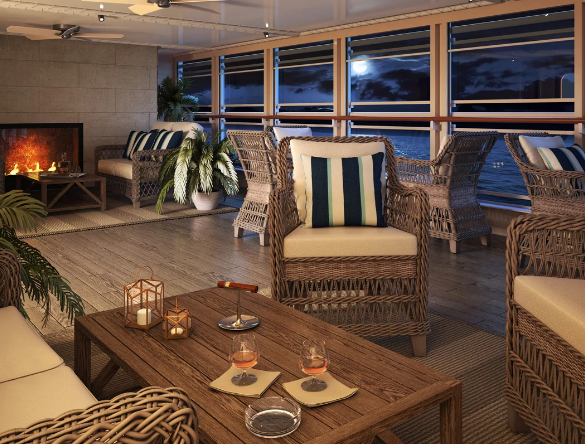
  • Connoisseur’s corner
    connoisseur’s corner
    More
  • Dolce vita
    dolce vita
    More
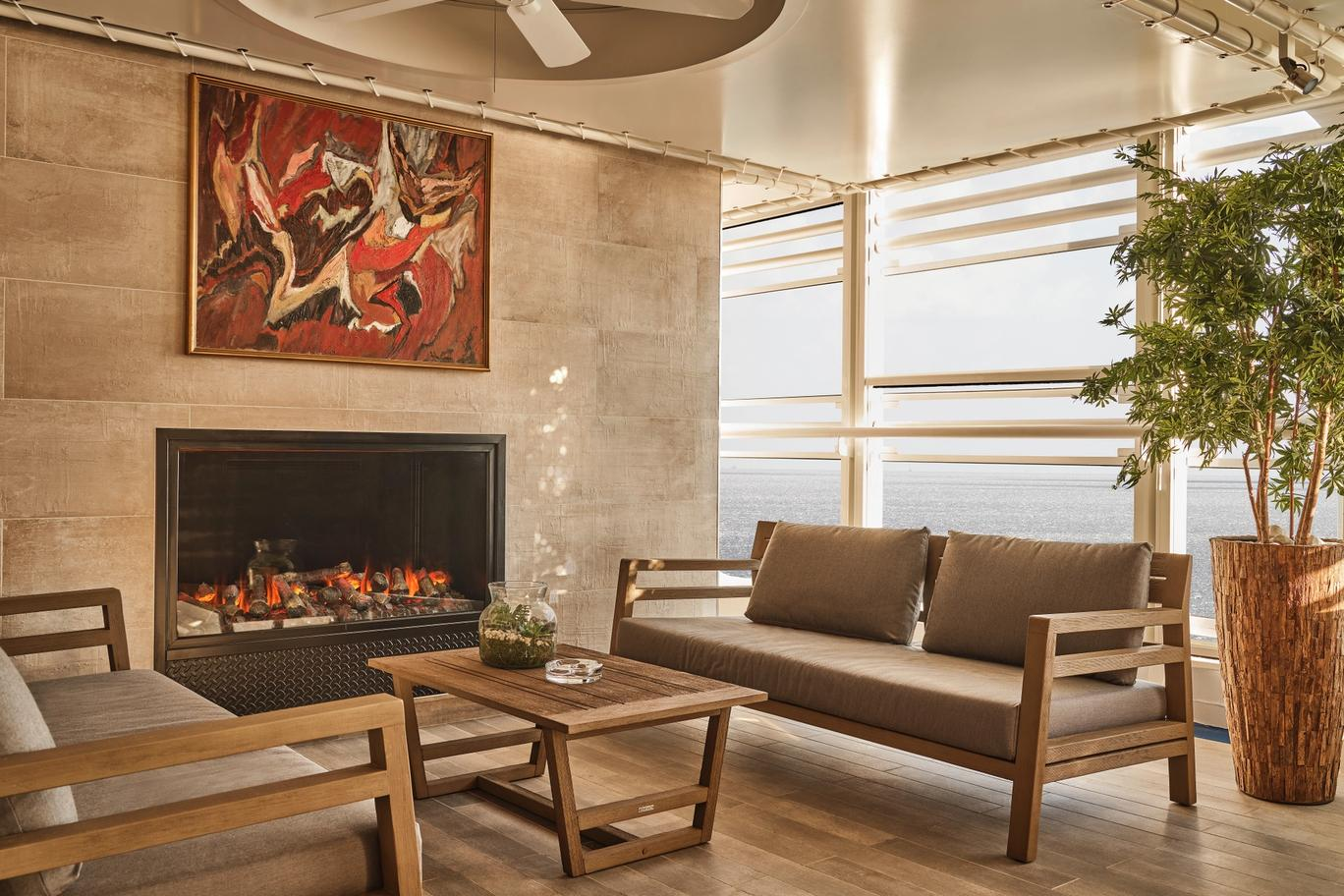
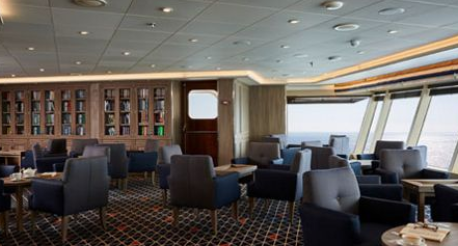
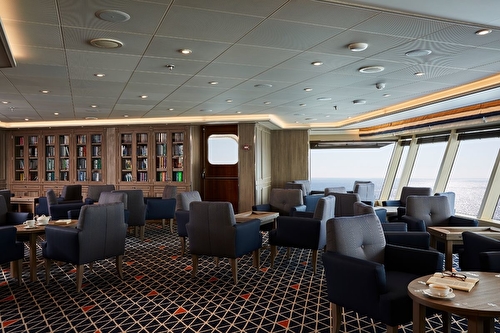
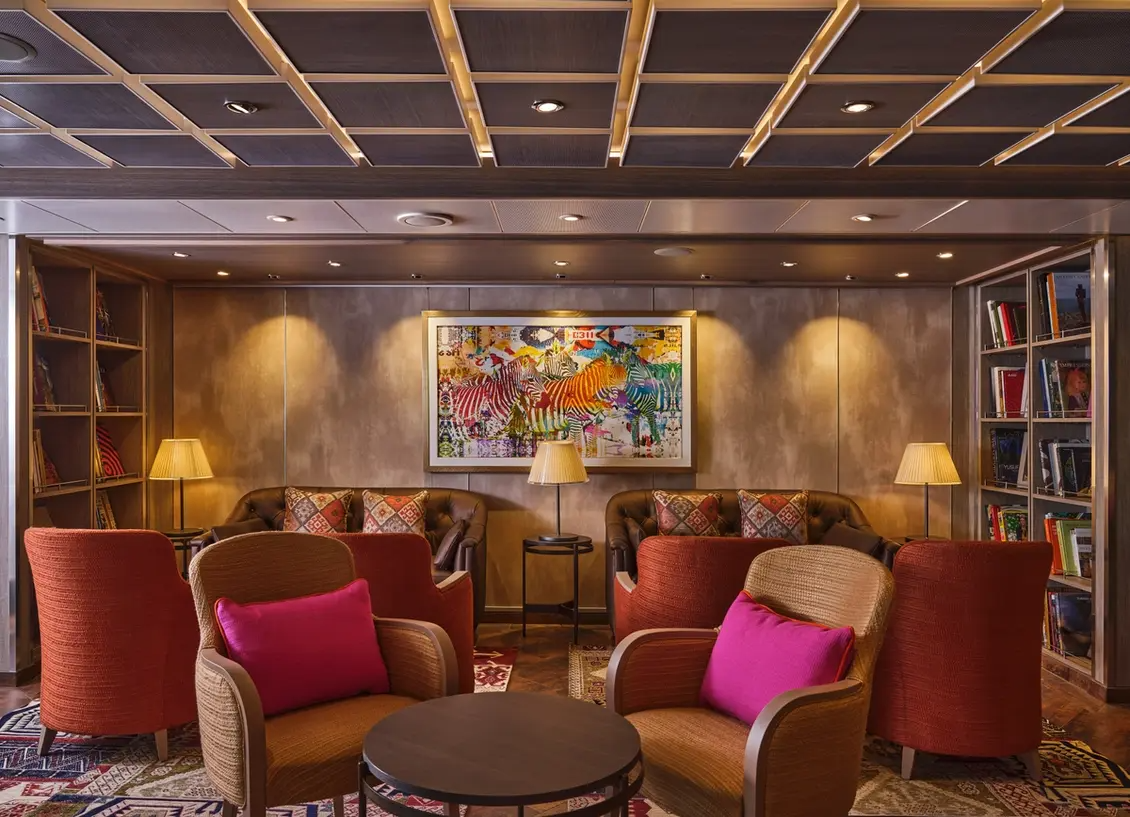
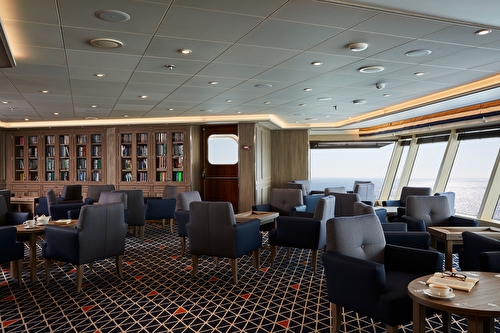
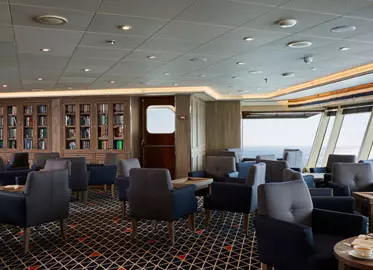
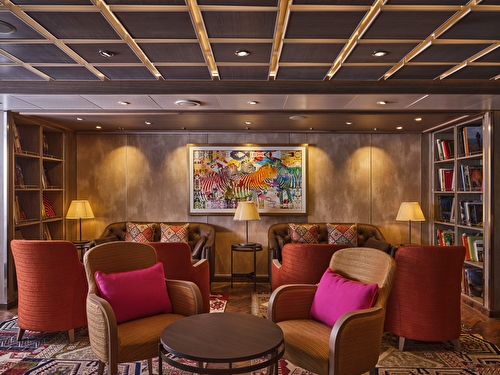
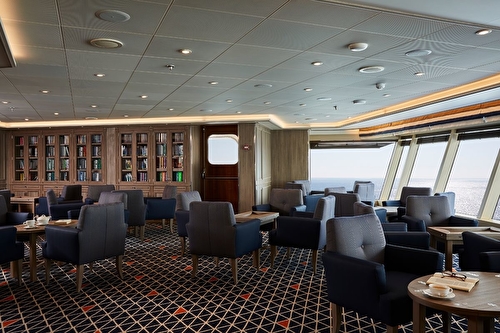
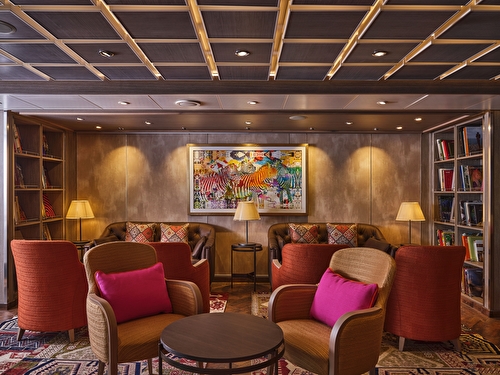
  • Observation library
    observation library
    More
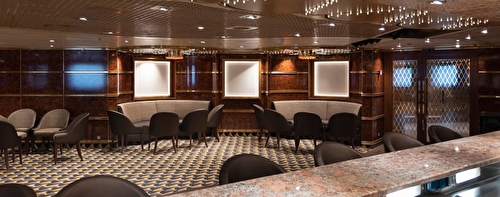
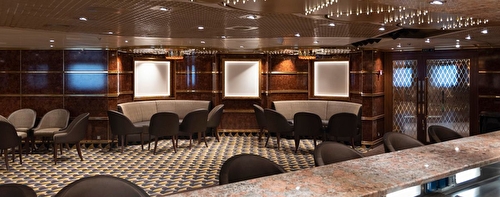
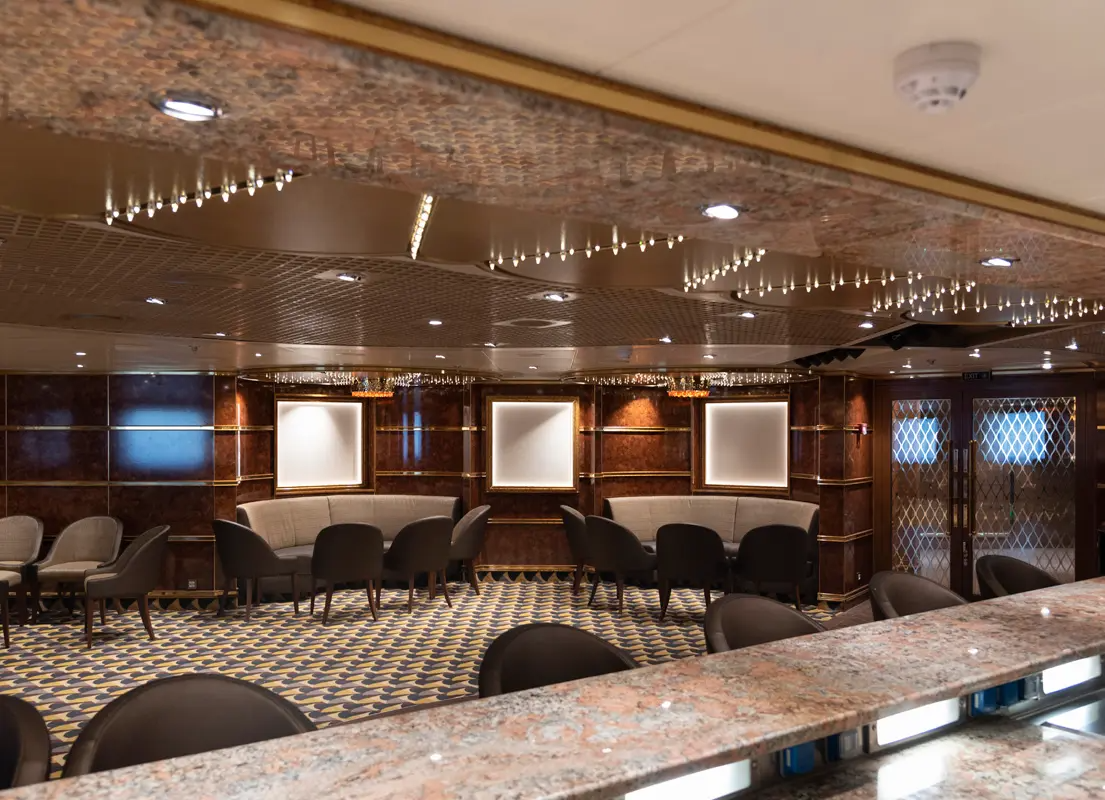
  • Venetian lounge
    venetian lounge
    More
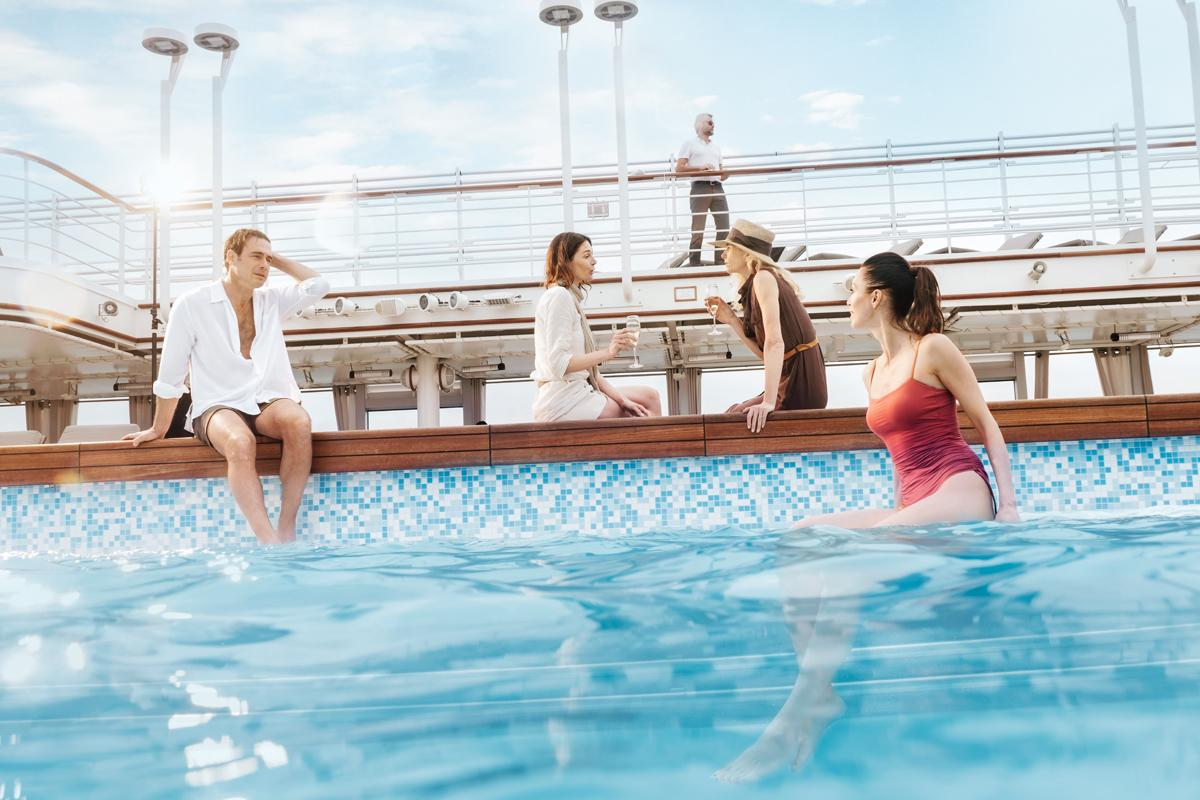
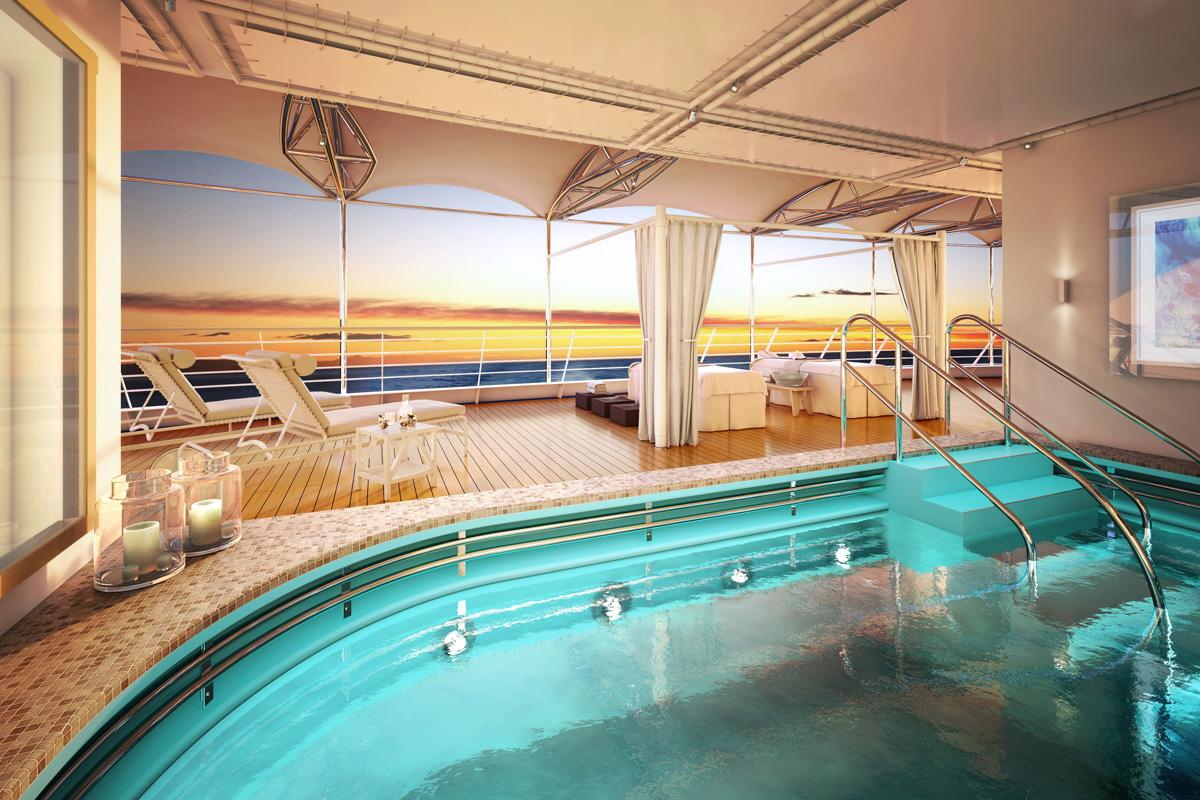
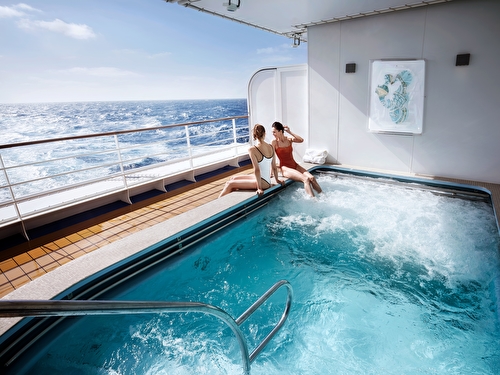
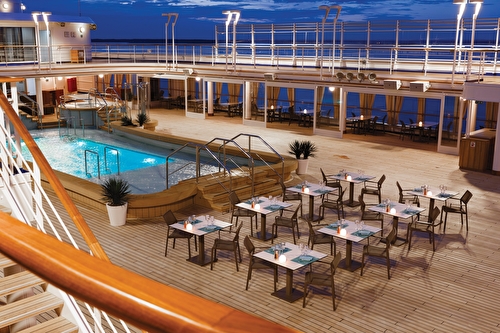
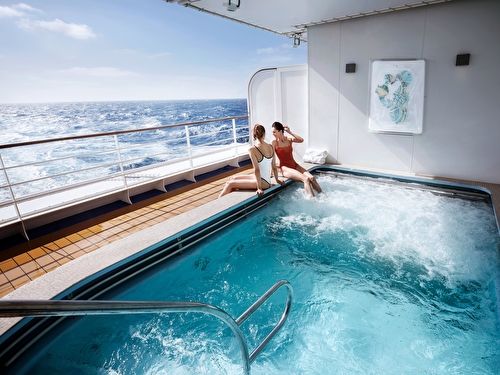
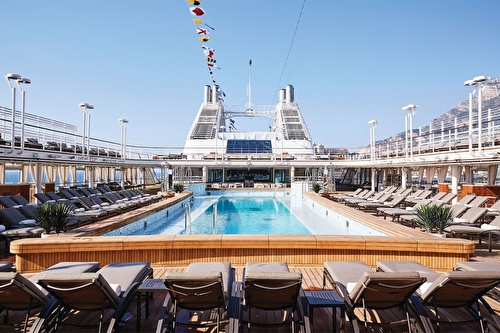
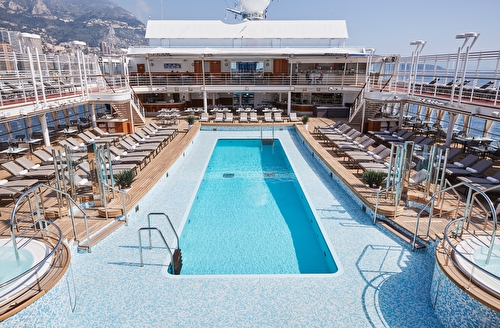
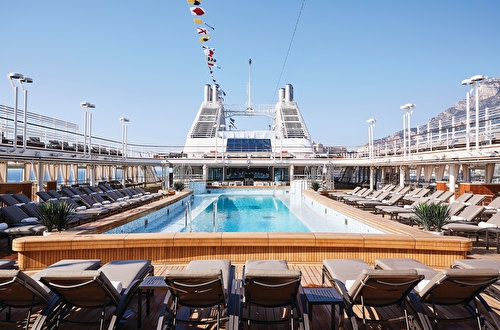
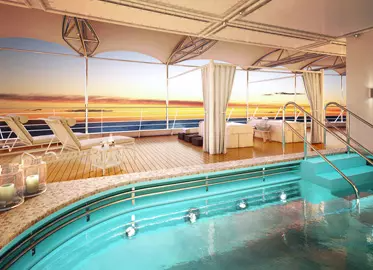
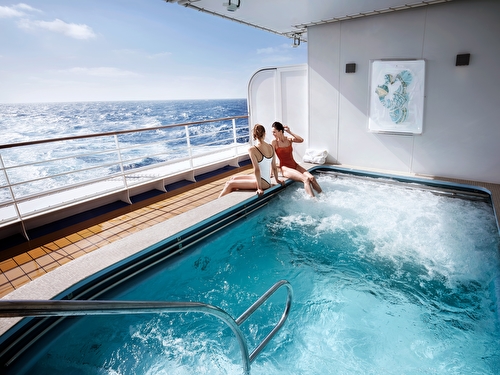
  • Pool deck & jacuzzi area
    pool deck & jacuzzi area
    More
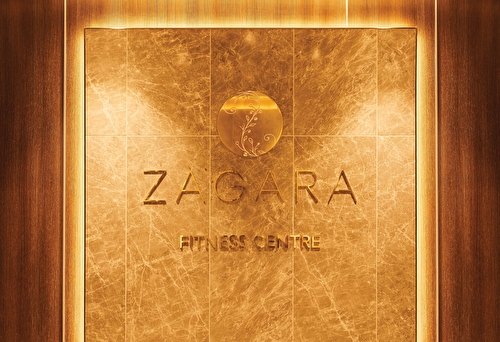
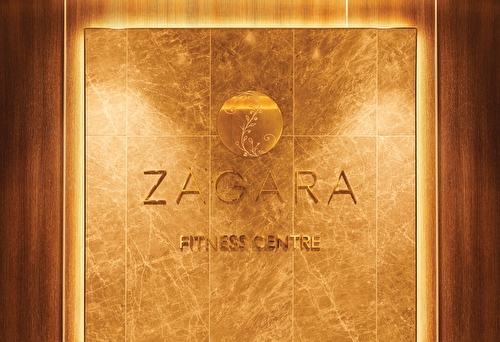
  • Zagara beauty salon
    zagara beauty salon
    More
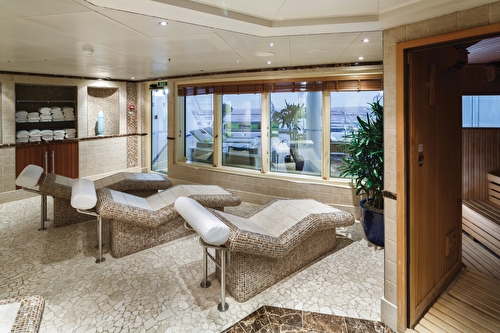
  • Zagara beauty spa
    zagara beauty spa
    More
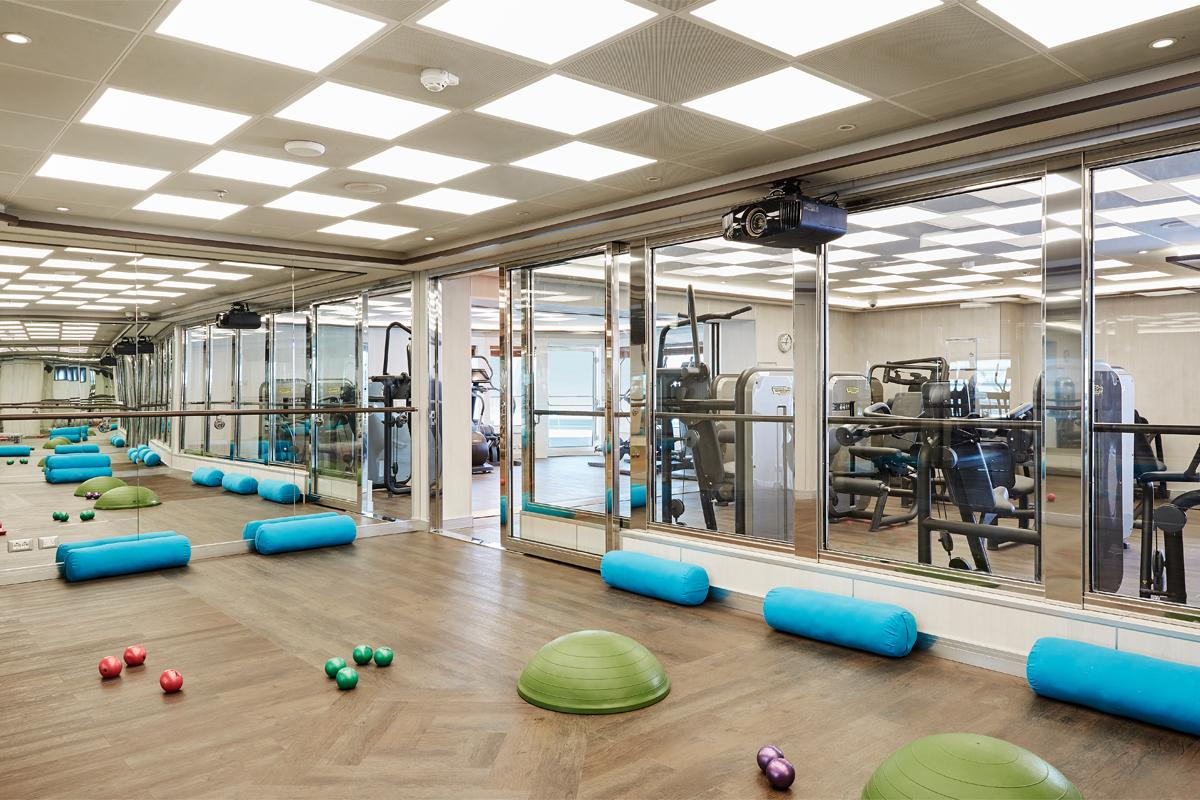
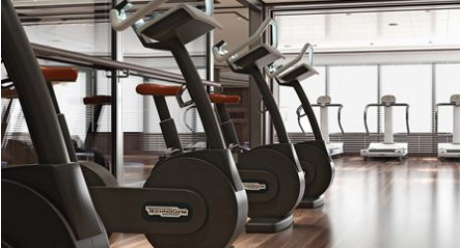
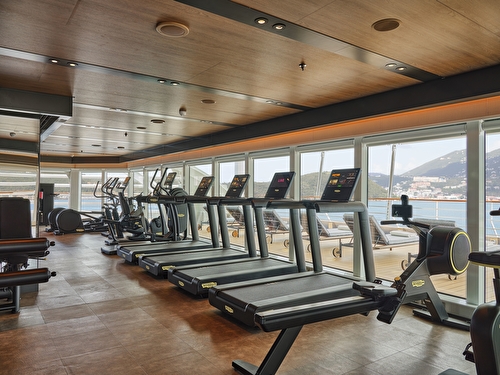
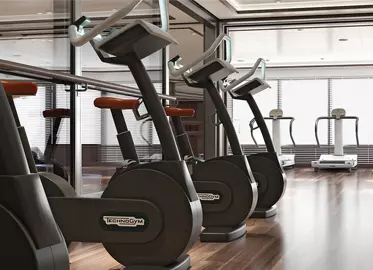
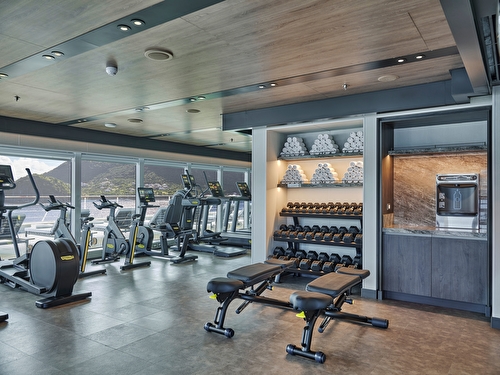
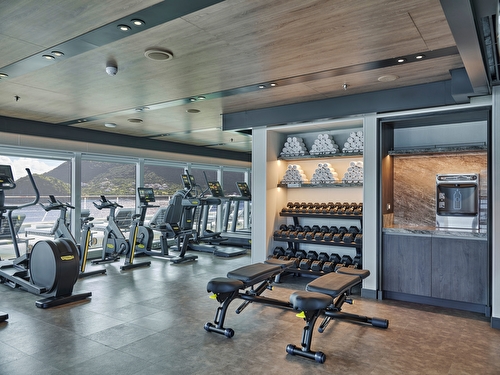
  • Fitness center
    fitness center
    More
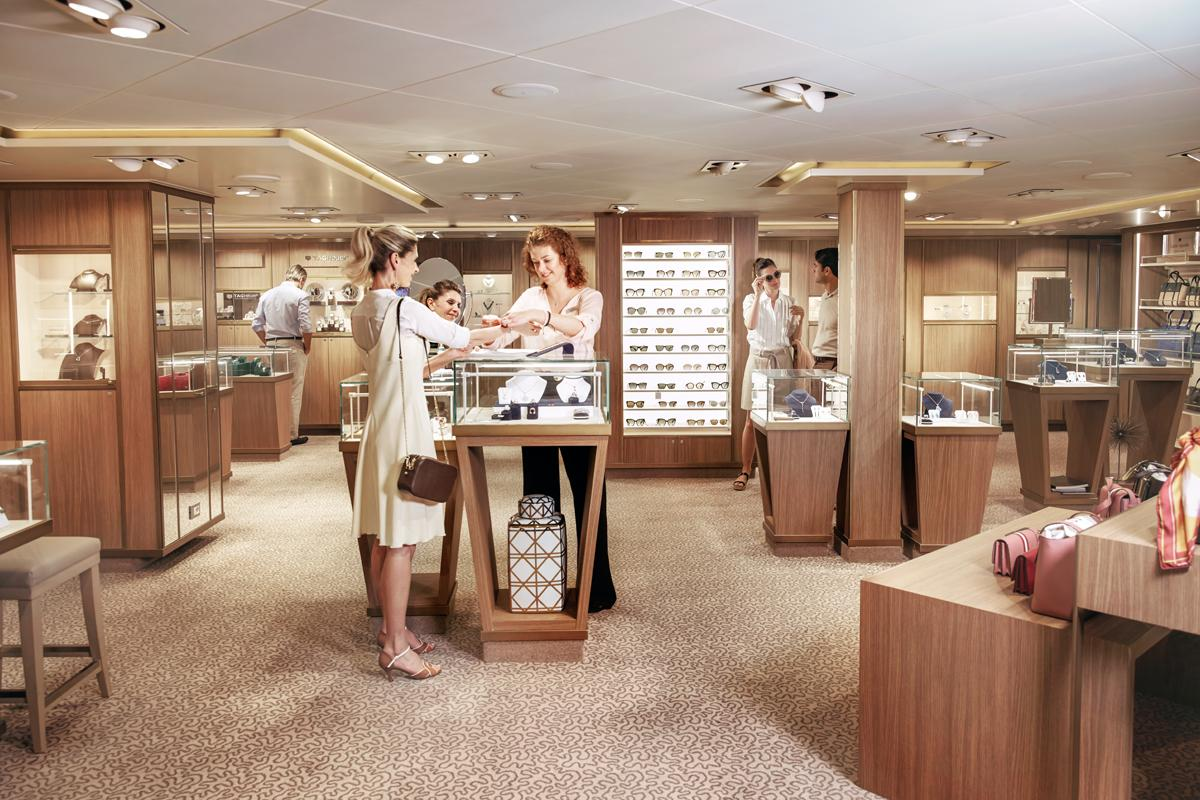
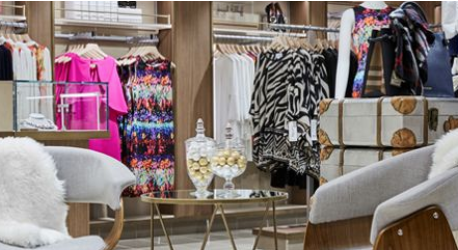
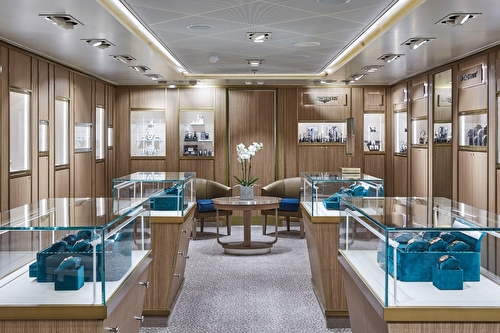
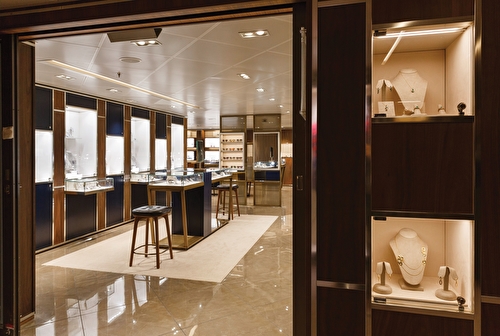
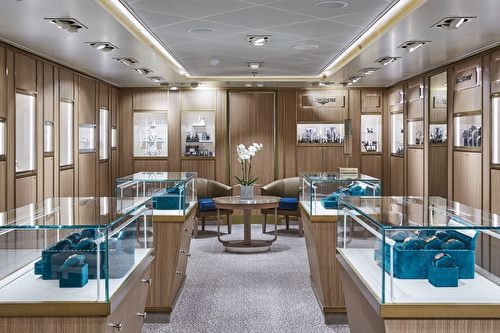
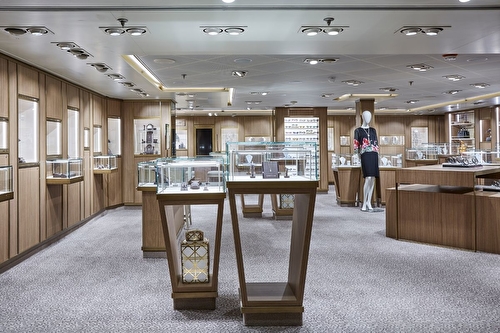
  • Boutique
    boutique
    More

Staterooms

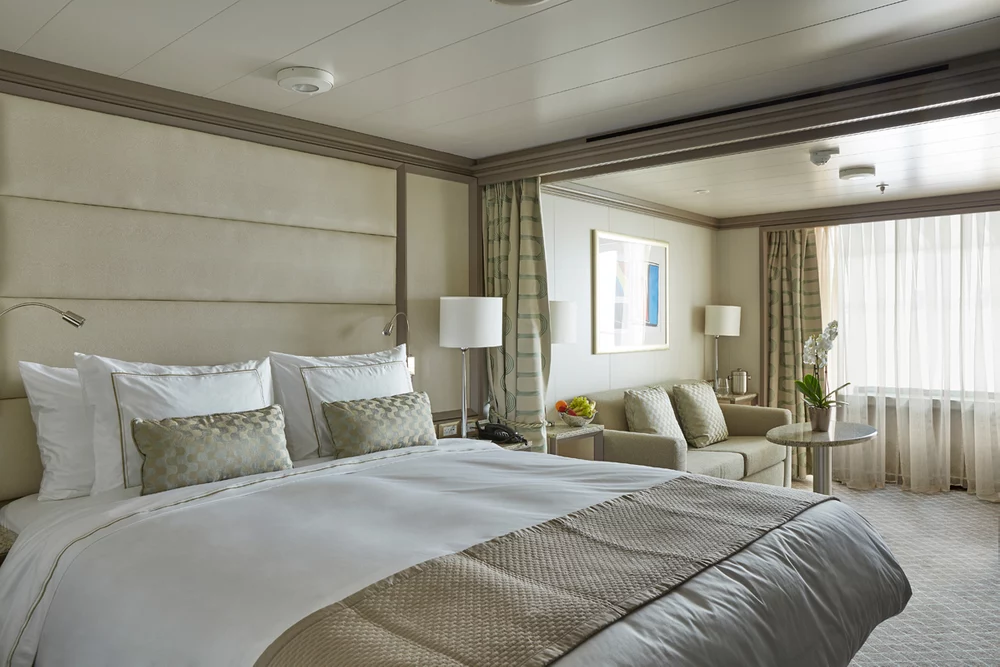
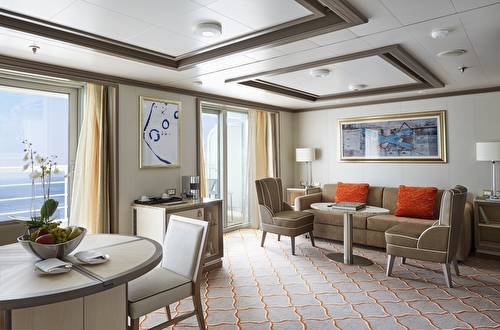
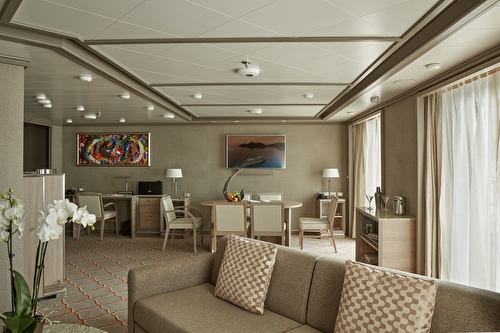
suite

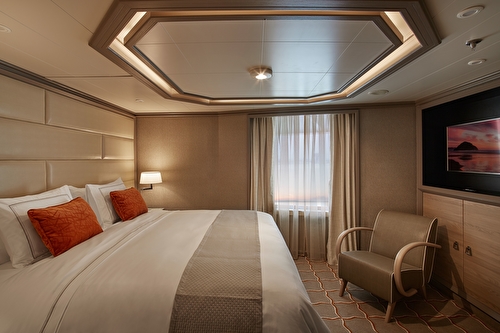
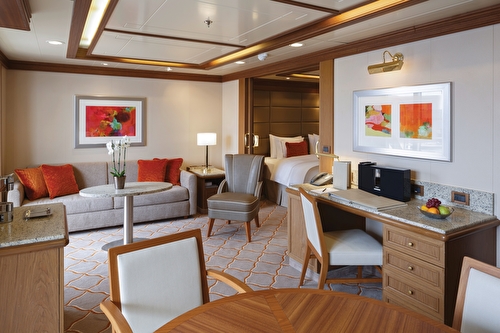
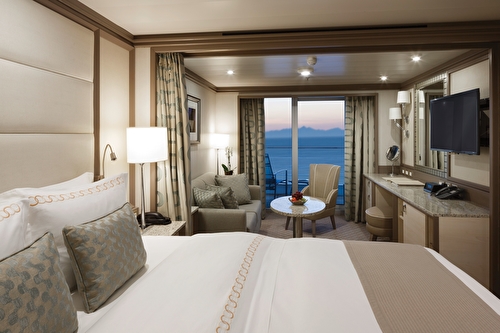
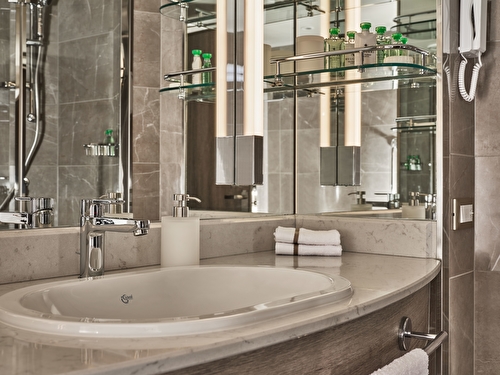
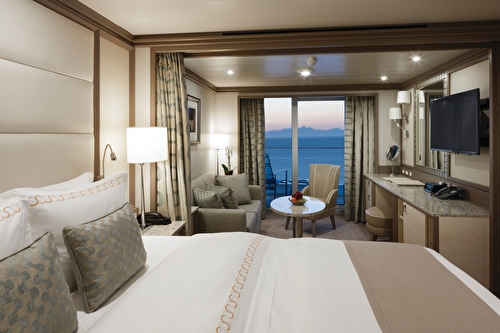
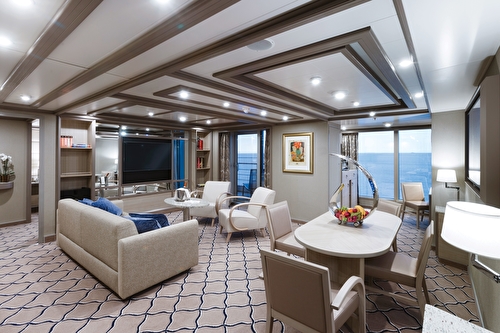
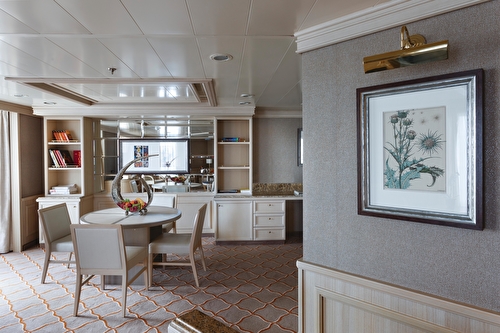
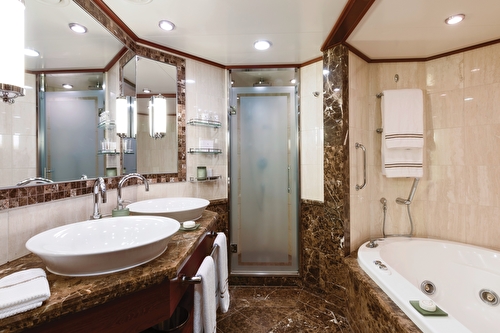
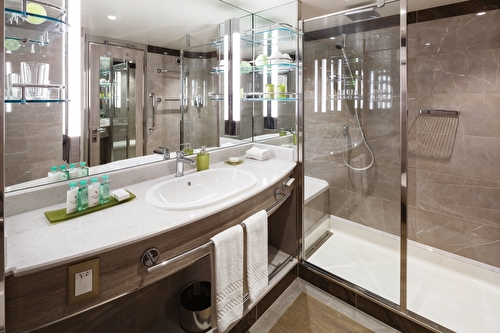
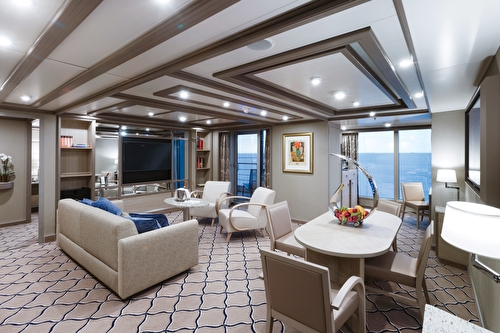
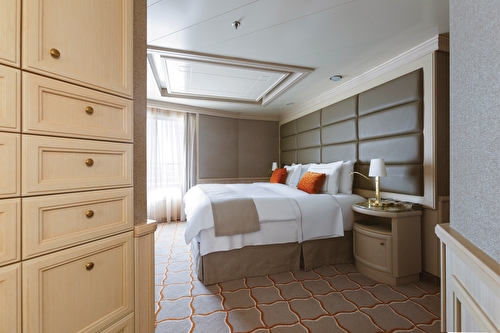
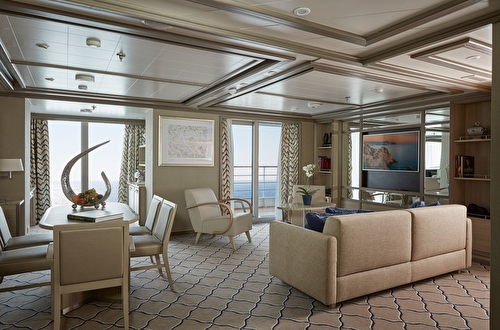
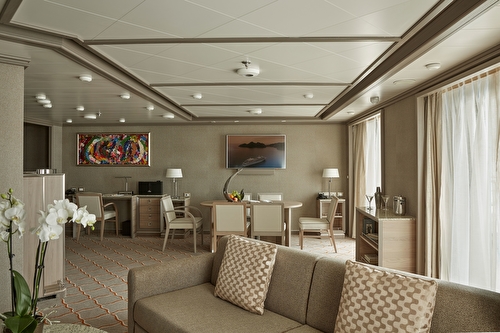
The Vista Suite provides generous living space for all travellers. The Vista Suite offers all the c ... omfort and attention to detail that you can expect aboard. A generous expanse of interior comforts — elegant décor, stunning marble bathroom and ample seating area, make this a cosy home away from home. The seating area of the Vista Suite has plenty of room to relax, while large picture windows frame panoramic ocean views, the perfect backdrop for breakfast in bed! 3 Wheelchair Accessible Suites (407, 409, 417). Sitting area. Twin beds or queen-sized bed. Marble bathroom with vanity, full-sized bath, separate shower. Wheelchair accessible suite has a marble bathroom with vanity and separate shower (no full-sized bath). Walk-in wardrobe with personal safe; wheelchair accessible suites fitted with cupboards and wardrobe with personal safe. Writing desk. One 40” / 102 cm flat-screen HD TV. Interactive Media Library. Unlimited Standard Wifi.

More

Thank you!

I am also interested in the following:

How would you like us to contact you?:

Traveller information

Additional information

Call 13 70 79 or enquire to book this cruise

Passenger first name limit

Due to cruise line restrictions for online bookings, we ask that passengers with first names exceeding 10 characters to please ring us on 1300 269 432 so we can help you complete your booking.

Close
Passenger last name limit

Due to cruise line restrictions for online bookings, we ask that passengers with last names exceeding 15 characters to please ring us on 1300 269 432 so we can help you complete your booking.

Close
Passenger name limit

Due to cruise line restrictions for online bookings, we ask that passengers with first names exceeding 10 characters and/or last names exceeding 15 characters to please ring us on 
1300 269 432 so we can help you complete your booking.

Close