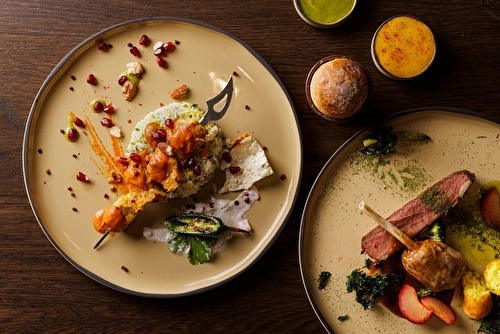
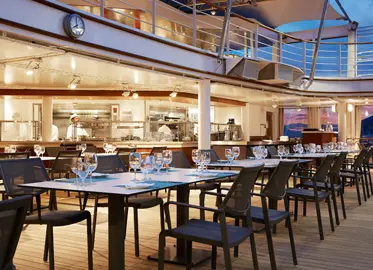
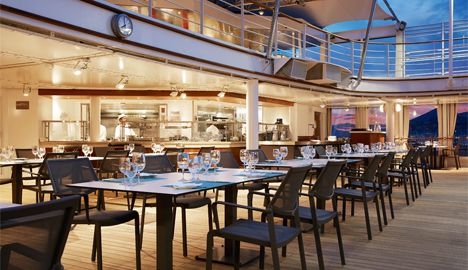




La
The

Philippines & Indonesia

  • 4th January 2029
  • 15 Nights
  • Hong Kong
  • Silver Muse
Silversea

Suite price from

$14,550*/per person

* based on twinshare stateroom

Displayed prices exclude Travel Expert Service Fee (as applicable). Fees are calculated at checkout.

World360 Rewards Earn & redeem points on all travel* with World360 Rewards – join free today!

Your itinerary

  • Hong Kong
  • Vigan
  • Manila
  • Manila
  • Coron, Palawan, Philippines
  • Puerto Princesa
  • Sandakan
  • Sandakan
  • Makassar, Indonesia
  • Komodo
  • Lembar, Lombok
  • Benoa (Denpasar)
Day 1

4th Jan '29

Hong Kong
A spectacular, serrated skyline of soaring towers and neon lights, Hong Kong is a vibrant, immersive metropolis and cultural hub. Dramatic harbour-front light shows transform the waterfront’s gleaming buildings into a colourful canvas – best seen from the Star Ferry, when the Symphony of Lights blares into life each evening. A city where future and tradition collides – perhaps best illustrated by the skyscrapers that feature gaping holes, designed to allow spirit dragons to soar from the hills to the waterfront unimpeded. View less Wander flowing shopping streets, wade through sprawling markets and soak up the neon glory of this one-of-a-kind city – which continues to reach for the sky. Hong Kong’s dense jumble of activity is one of its main appeals, but once you’ve felt the thrill of rising to towering observation decks, to see the soaring city from above, it’s surprisingly easy to find peace among Hong Kong’s intense urban wonders. Victoria Peak is the highest point and it offers staggering views down over the city and harbour. The Peak Tram funicular can ferry you to the top, to the vantage point which was historically adored by the rich for the cooler air found here, away from the busy bustle of the city streets. Many elaborate temples add a tranquil element to Hong Kong’s whirr, and Tin Hau temple has a surprisingly urban location, considering its dedication to the Goddess of the Sea. It did once occupy the shorefront, but the city’s growth saw land reclaimed from the sea around it, leaving the temple marooned inland. Having been leased to the British for 99 years, milky tea is a revered tradition here – enjoy your cup with a serving of local dim sum.While it’s easy to think all the bright lights are the sum of today’s Hong Kong, you need only walk or board a tram for the short jaunt west into Western to discover a side of Hong Kong that is more traditionally Chinese but no less high-energy. You’ll discover the real Hong Kong to the east of Central, too, in Wan Chai, Causeway Bay, and beyond. Amid the residential towers are restaurants, shopping malls, bars, convention centers, a nice smattering of museums, and—depending on fate and the horse you wager on—one of Hong Kong’s luckiest or unluckiest spots, the Happy Valley Racecourse. Kowloon sprawls across a generous swath of the Chinese mainland across Victoria Harbour from Central. Tsim Sha Tsui, at the tip of Kowloon peninsula, is packed with glitzy shops, first-rate museums, and eye-popping views of the skyline across the water. Just to the north are the teeming market streets of Mong Kok and in the dense residential neighborhoods beyond, two of Hong Kong’s most enchanting spiritual sights, Wong Tai Sin Temple and Chi Lin Nunnery. As you navigate this huge metropolis (easy to do on the excellent transportation network), keep in mind that streets are usually numbered odd on one side, even on the other. There’s no baseline for street numbers and no block-based numbering system, but street signs indicate building numbers for any given block. More
Less
Arrive

0:00

Depart

0:00

Day 2

5th Jan '29

At Sea
Less
Arrive

0:00

Depart

0:00

Day 3

6th Jan '29

Vigan
Vigan, the capital of the Province of Ilocos Sur, is located on the west coast of Luzon Island. It has the most intact examples of a planned Spanish colonial town in Asia, which was established in the 16th century. Vigan’s location at the river delta of the Abra River along the north-western coastline of the main island of Luzon, made this an important trading post before the colonial era. View less The city’s architecture reflects the melding of cultural elements from within the Philippines and China region with those of Europe and Mexico. This combination has created a unique culture and townscape unique within East and South-East Asia. The City is unique for having preserved much of its Hispanic colonial character and historic urban lay out. More
Less
Arrive

0:00

Depart

0:00

Day 4

7th Jan '29

Manila
The city sprawls eastward from Manila Bay. Its streets range from multi-lane boulevards to maze-like alleys. In this metropolis of 12 million, the contrast between spacious well-maintained elite communities like Forbes Park and overcrowded slum areas such as Tondo is immense. Occupied over the decades by the Spanish, Americans, British and Japanese, East now meets West, giving the city its unique character. The Walled City, a medieval fortified town, was the heart and soul of the country for more than 300 years. This city fortress, surrounded by moats and turreted walls 30 feet thick, was known as Intramuros. Only members of the Castilian upper class, friars, soldiers and government administrators were privileged to live inside the walls; natives had to live in the outlying boroughs. More
Less
Arrive

0:00

Depart

0:00

Day 5

8th Jan '29

Manila
The city sprawls eastward from Manila Bay. Its streets range from multi-lane boulevards to maze-like alleys. In this metropolis of 12 million, the contrast between spacious well-maintained elite communities like Forbes Park and overcrowded slum areas such as Tondo is immense. Occupied over the decades by the Spanish, Americans, British and Japanese, East now meets West, giving the city its unique character. The Walled City, a medieval fortified town, was the heart and soul of the country for more than 300 years. This city fortress, surrounded by moats and turreted walls 30 feet thick, was known as Intramuros. Only members of the Castilian upper class, friars, soldiers and government administrators were privileged to live inside the walls; natives had to live in the outlying boroughs. More
Less
Arrive

0:00

Depart

0:00

Day 6

9th Jan '29

Coron, Palawan, Philippines
“Dramatic rock protrusions rear from turquoise sea – while endless sweeps of golden sand, and underwater worlds of colourful life – make Coron a place that you can’t help but dive into. A snorkeler and scuba diver’s paradise, ghostly shipwrecks lie below the glorious waters here, swirling with life and stories. With complex coral reefs, towering cliffs, and turquoise waters blotched with emerald greens, Coron is a vibrant and revitalising escape of spectacular islands and pristine beaches. With limestone cliffs jutting into the air, Kayangan Lake is already beautiful enough from the surface – but it’s a whole other world in the depths of the freshwater lake. Dive in to see the underlying world in all of its colourful glory, or sail across the surface and observe the beauty through the glass-like water. Elsewhere, Lake Barracuda is a unique diving experience, where you can swim among a swirl of intertwining fresh and saltwater and feel the sudden shifts in temperature as you move. Experienced divers should head out to the dozens of ghostly Japanese wrecks that have lain still on these sea-beds ever since they were sunken by a US air assault, as the Pacific War raged. All of that swimming, diving and beachside relaxation is hard work – so visit Maquinit Hot Springs to dissolve any stresses in the thermally heated waters, which will poach any sore muscles back to health. A Buko Shake’s blend of coconut, milk and ice is always refreshing – especially when sipped on your choice of Coron’s isolated beach paradises.” More
Less
Arrive

0:00

Depart

0:00

Day 7

10th Jan '29

Puerto Princesa
Home to a New Wonder of the World – the amazing underground river that flows close by – Palawan’s capital promises a relentless assault of natural glory. Founded by the Spanish in 1872, Puerto Princesa is one of the Philippines’s largest centres – but the Green City is also one of the country’s most spacious and lush. Whether it’s the innovative environmental credentials, or the dense vegetation clinging to scenic limestone cliffs nearby, Puerto Princesa welcomes you to a rich, green, and astonishingly beautiful corner of the world. View less The underground river of glowing emerald water slices into the limestone rock and runs through inky darkness for five miles, amid dark stalactites and elaborate natural rock sculptures. A subterranean wonder, sail into the cave in a canoe to witness this UNESCO World Heritage Site firsthand and explore a gaping interior, where bats flutter overhead. The scenery is just as impressive above the earth, with tropical beaches and rainforest-cloaked waterfalls nearby. Travel between attractive bays and islands, alive with diverse flora, as well as monkeys and monitor lizards wandering freely. Island hop the stunning sandy isles that pepper the turquoise water of Honda Bay, to investigate characterful idylls that beg to be snorkelled, surrounded by seawater stocked with starfish. Puerto Princesa itself is dotted with cultural and historical sites – including the harrowing World War II history of Plaza Cuartel. Where a massacre of American soldiers took place. Elsewhere, you can visit the thought-provoking Iwahig Prison and Penal Colony – which aims to reform prisoners through farming and agricultural practices. Head for the Baywalk to try some local foods, and to soak up the palm-lined waterfront atmosphere. More
Less
Arrive

0:00

Depart

0:00

Day 8

11th Jan '29

At Sea
Less
Arrive

0:00

Depart

0:00

Day 9

12th Jan '29

Sandakan
The town of Sandakan, once claimed to have the greatest concentration of millionaires anywhere in the world during its heyday as a timber centre, began on its present site in 1879, after an earlier settlement accidentally burned down. The region had been known for centuries for its pearls, camphor, bee’s wax, sea cucumbers and edible birds’ nests. This attracted traders from the nearby Sulu sultanate and from as far away as China. More
Less
Arrive

0:00

Depart

0:00

Day 10

13th Jan '29

Sandakan
The town of Sandakan, once claimed to have the greatest concentration of millionaires anywhere in the world during its heyday as a timber centre, began on its present site in 1879, after an earlier settlement accidentally burned down. The region had been known for centuries for its pearls, camphor, bee’s wax, sea cucumbers and edible birds’ nests. This attracted traders from the nearby Sulu sultanate and from as far away as China. More
Less
Arrive

0:00

Depart

0:00

Day 11

14th Jan '29

At Sea
Less
Arrive

0:00

Depart

0:00

Day 12

15th Jan '29

Makassar, Indonesia
Once the gateway to Indonesia, Makassar is teeming with vestiges of its Dutch colonial past. The port, also known by its one-time name Ujung Pandang, was part of the Dutch East India Company from 1699 the early 1800s, and then as a part of the Netherlands Indies (or Dutch East Indies) until its liberation after WWII. View less Street signs follow the traditional European alphabet, so any visitor not versed in the city’s official language of Makassarese needn’t worry about getting lost! Fort Rotterdam on the western coast of the city is perhaps Makassar’s most iconic landmark. It was from here that trades between Holland and Indonesia was struck and the fort has played a large role in Makassar’s development. Originally named Benteng or Fort Jumpandang, the fort was built in 1545, but has been expanded many times over its long history. Because of the fort’s enormity, it became Indonesia’s centre for stockpiling spices prior to their dispatch to Europe. The building is unmissable – one stroll down the (very pleasant) boulevard will take you right to its gates. If you feel the call of the wild while in Makassar, fear not, as the Bantimurung Bulusaraung National Park is just 50 kilometres away. The limestone hills, steep karts walls and tropical heat have made the park an ideal breeding ground for butterflies. The park is also home to an immense 15 x 20 metre waterfall that is said to “lift the spirits of all who see it”. Next to the waterfall is Goa Mimpi or The Dream Cave, which has millennia old cave art. More
Less
Arrive

0:00

Depart

0:00

Day 13

16th Jan '29

At Sea
Less
Arrive

0:00

Depart

0:00

Day 14

17th Jan '29

Komodo
Komodo, the volcanic island of giant lizards, lies 320 miles (515 kilometres) east of Bali. Komodo is 25 miles (40 kilometres) long and 12 miles (19 kilometres) wide; its parched hills ascend to a height of 2,410 feet (734 metres). Komodo is home to a community of some 2000 people who make their living primarily from fishing. The island is the centrepiece of the Komodo National Park, where you will find the most tangible legacy left behind from the Jurassic Era. View less Komodo Island was little-known and the Komodo dragons were only a myth until the giant lizards were scientifically described in 1912 . Extinct almost everywhere else, the island attracts thousands of visitors from all over the world who come to see the Komodo dragons in their natural habitat. Komodo National Park has been declared a UNESCO World Heritage Site and Biosphere Reserve. The Komodo dragon’s great bulk and weight are its most unique characteristics; even hatchlings average 20 inches (51 centimetres) in length. The adult male can reach 10 feet (3 metres) and weigh up to 330 pounds (150 kilos). Females attain only two-thirds of this size, and lay up to 30 eggs at a time. With their saw-like teeth, these fierce creatures are able to rip apart a deer, goat or wild pig. The animals have an uncanny sense of smell, and are considered among the world’s most intelligent reptiles. They are quite agile over short distances, and can move swiftly to capture their prey. The Indonesian Directorate of Nature Conservation (PPA) administers Komodo National Park. Park Rangers must escort all visitors; independent exploration of the park is not permitted. More
Less
Arrive

0:00

Depart

0:00

Day 15

18th Jan '29

Lembar, Lombok
An island of startling contradictions and contrasts, Lombok exudes an aura of the staid and the rural, a genteel way of life in a quiet backwater. Located to the east and across a deep strait from its illustrious neighbor Bali, the island of Lombok offers unique culture, beautiful landscapes and a far less frenetic, pressured atmosphere than Bali. However, savvy travelers agree that Lombok’s calm existence may soon come to an end, as it is fast becoming the new “in place” after Bali. View less The island was once ruled by a series of Sasak princes who spent their time fending off successive invasions from Sumbawanese and Makassarese attackers. In 1740, the Balinese established a stronghold here and imposed their culture on the Sasaks. Later, Lombok came under Dutch rule until the country achieved independence. The western part of the almost circular island is well irrigated by mountain streams and artesian springs. Here Balinese and Sasaks have sculpted handsome rice terraces; Hindu temples vie for attention with glistening white mosques rising from picturesque rural villages. More dramatic is the southern coast with beautiful sandy bays set between rocky outcrops. Most of Lombok’s attractions are concentrated in the western district of the island, within a nine-mile radius of the capital, Mataram. Members of Lombok’s polyglot population – Sasak, Balinese, Chinese and Arab – continue their laid-back, traditional ways. More
Less
Arrive

0:00

Depart

0:00

Day 16

19th Jan '29

Benoa (Denpasar)
Thanks to its spectacular natural beauty and rich culture, Bali has long been Indonesia’s most popular destination. Stone inscriptions dating from around the 9th century A.D. are the earliest records found on Bali; by that time, the island was already developing irrigation systems and a lifestyle that drew many comparisons to what visitors find here today. More
Less
Arrive

0:00

Depart

0:00

Your ship - The Silver Muse

La
The
Description Food and Drink Entertainment Relaxation Fitness Recreational Other
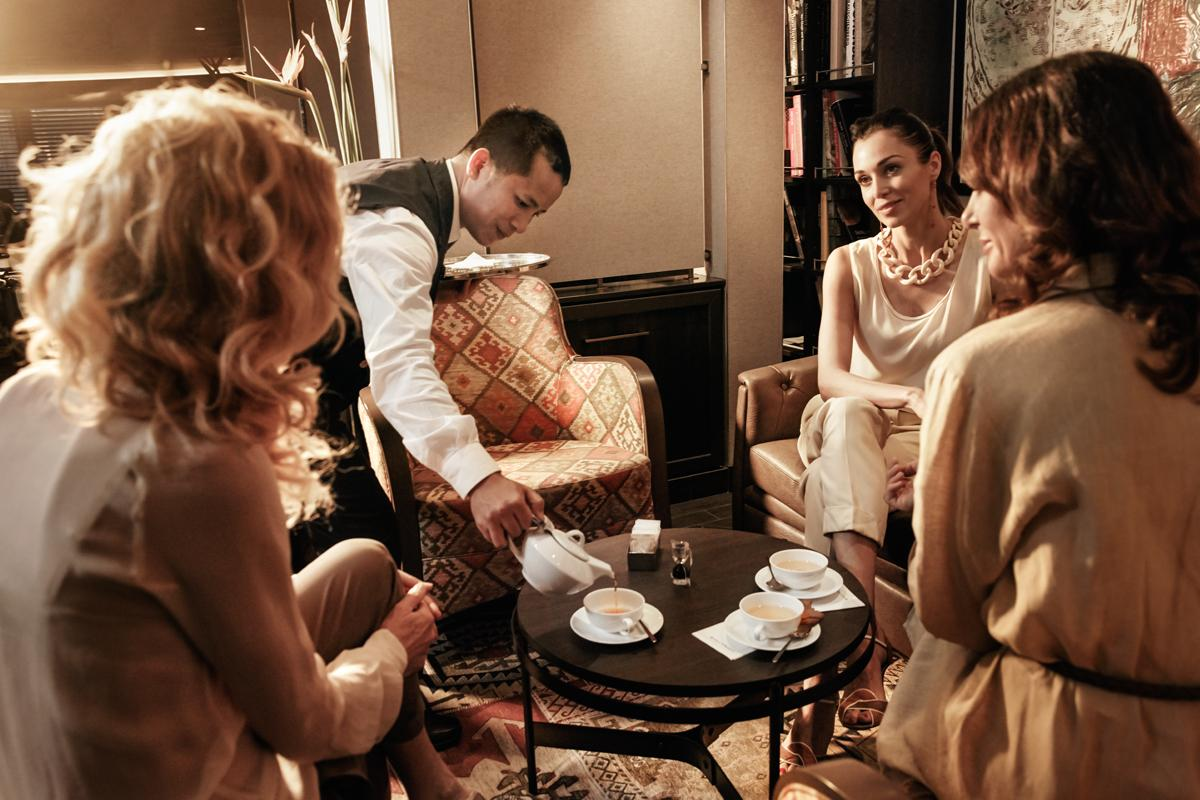
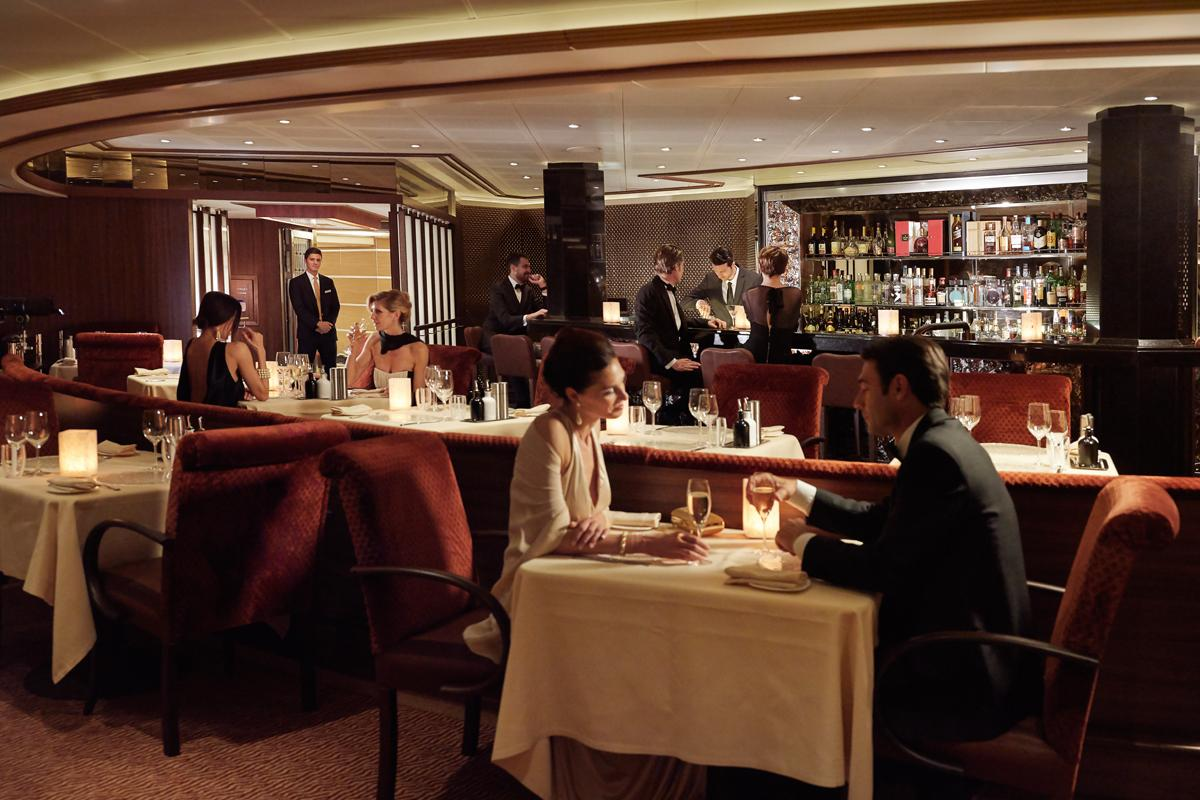
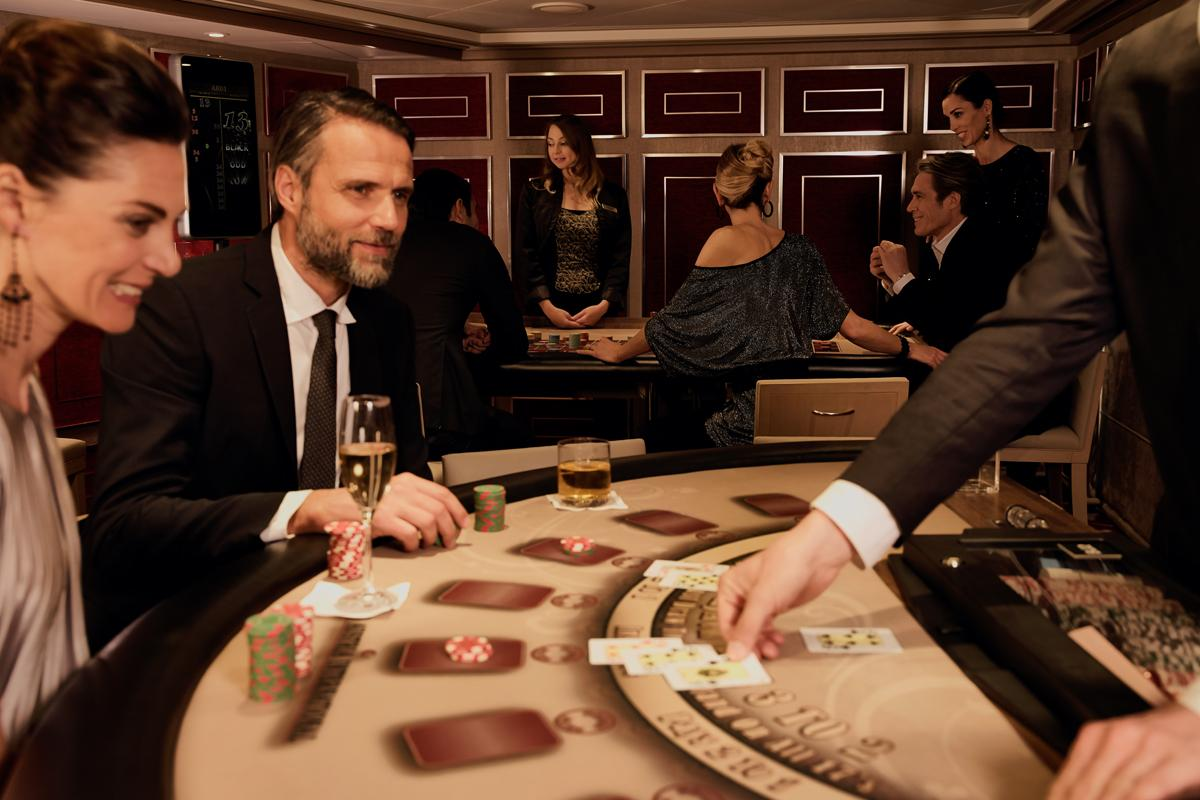
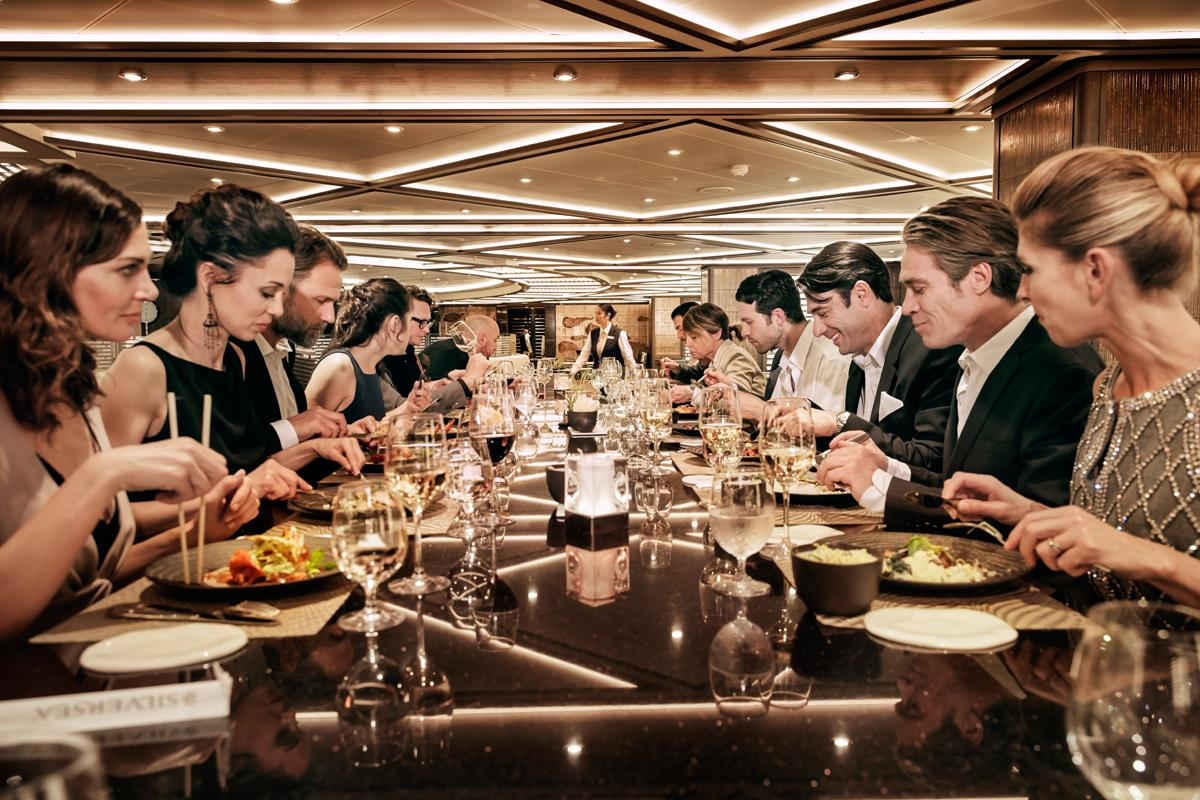
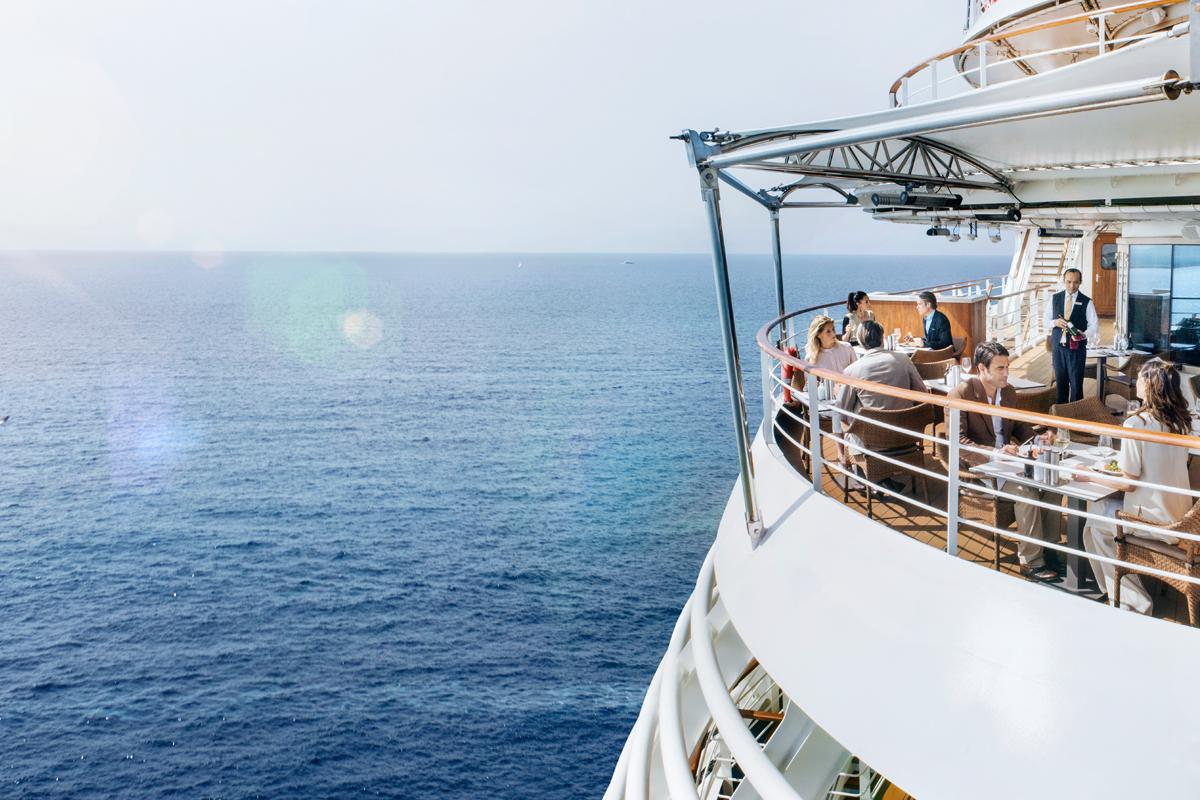
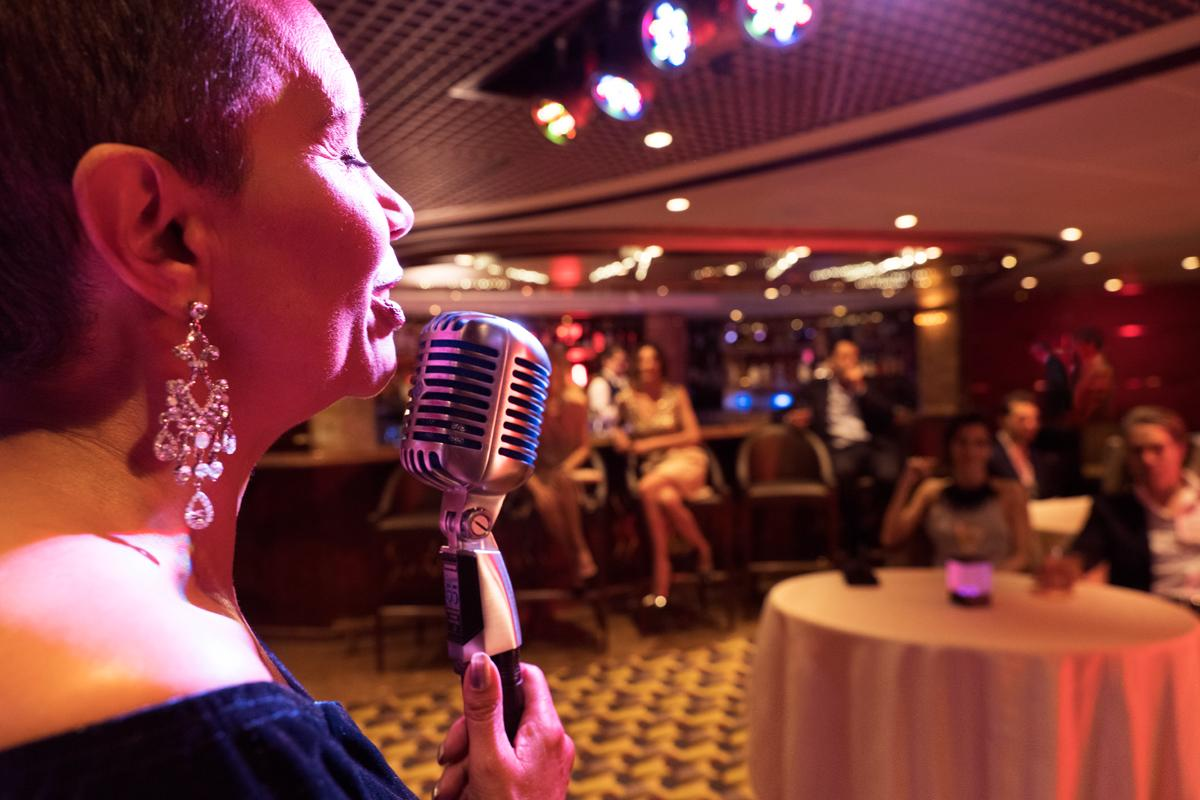
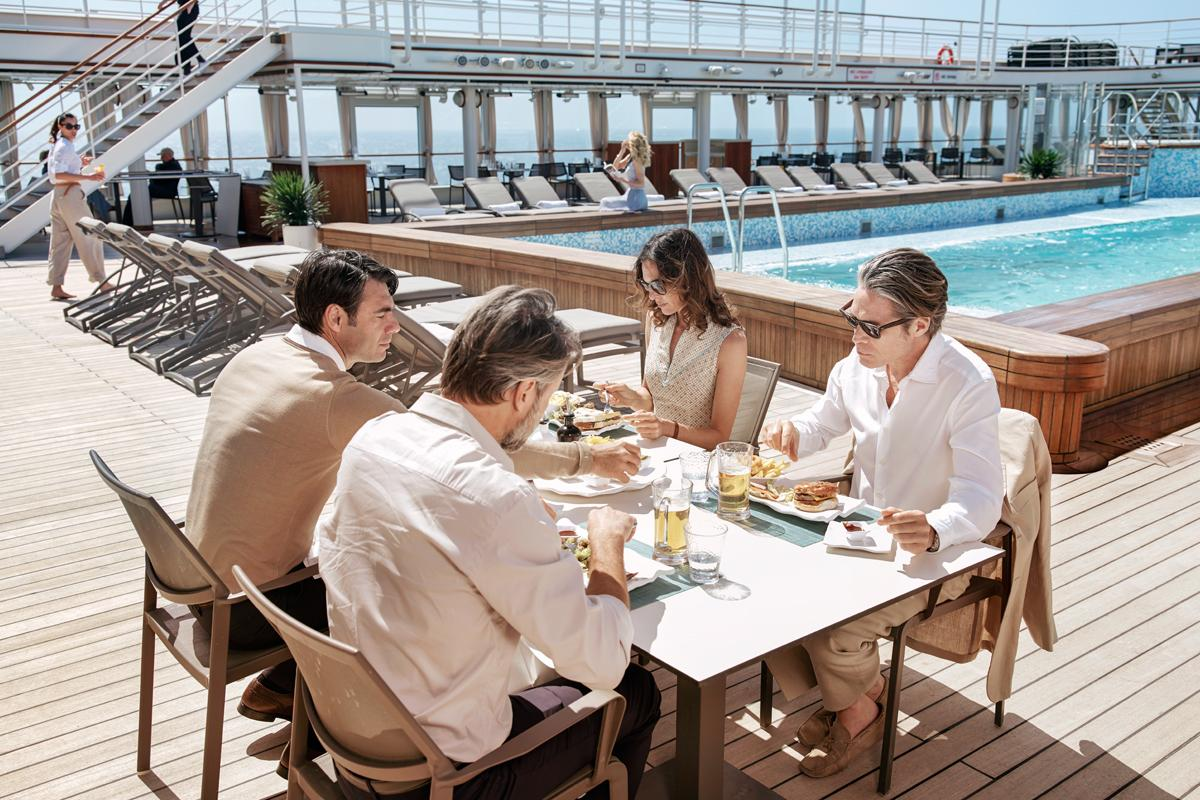
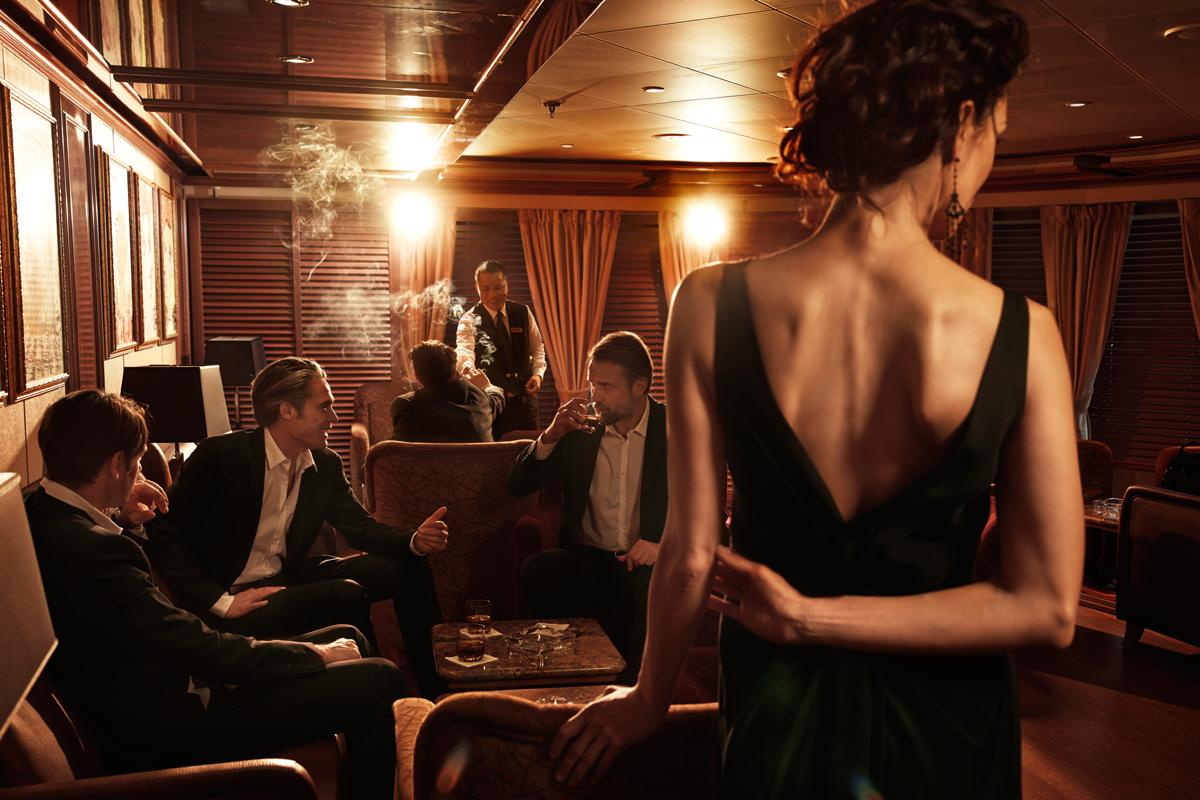
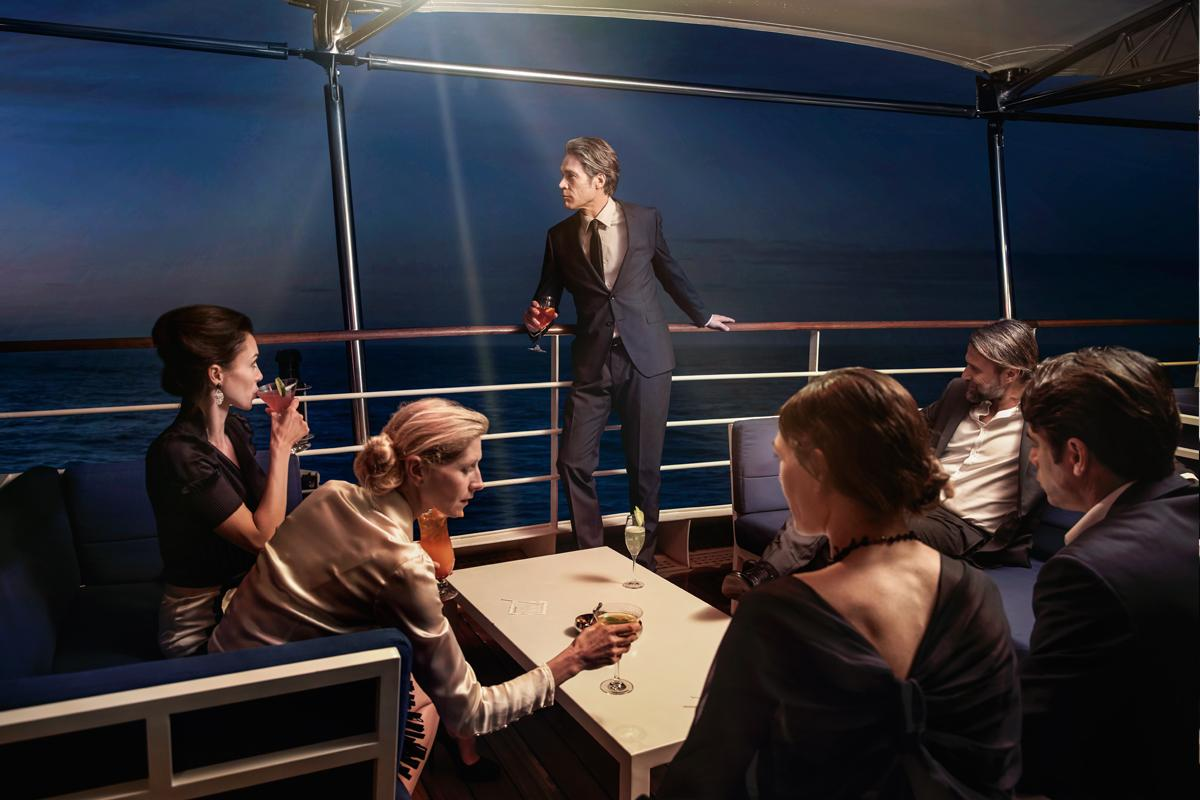
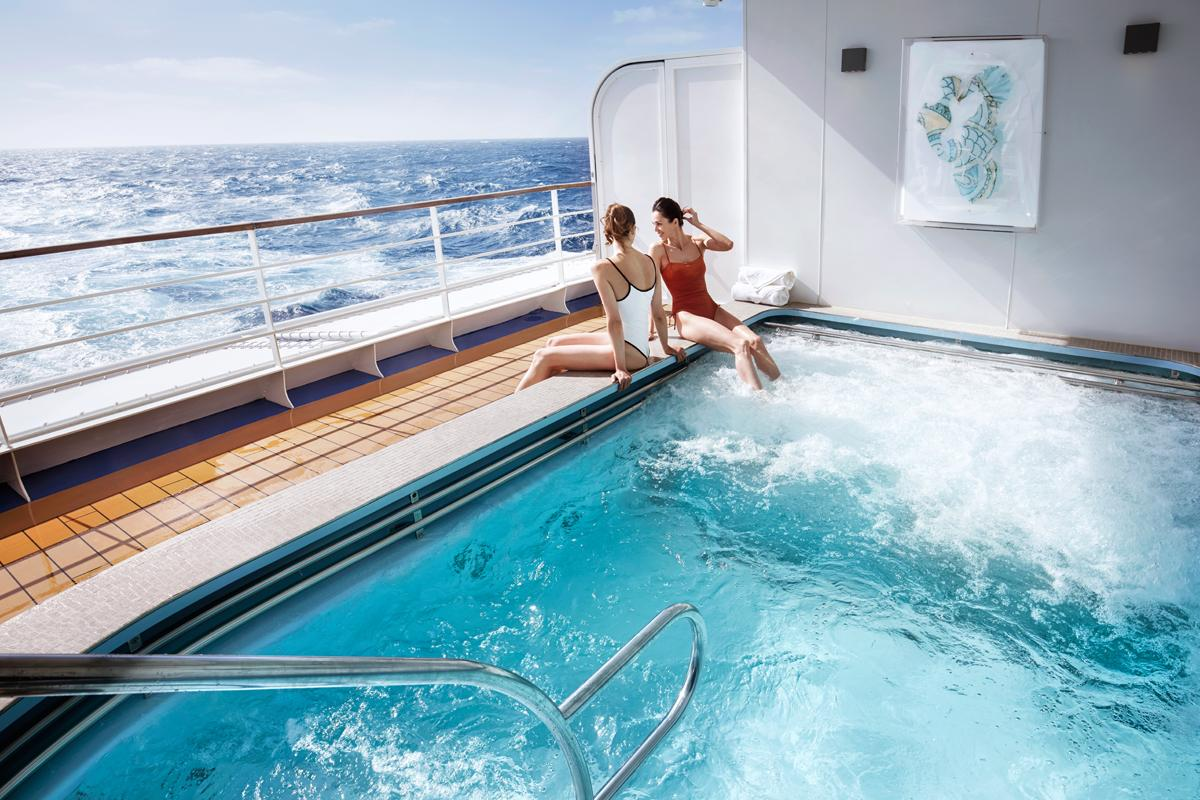
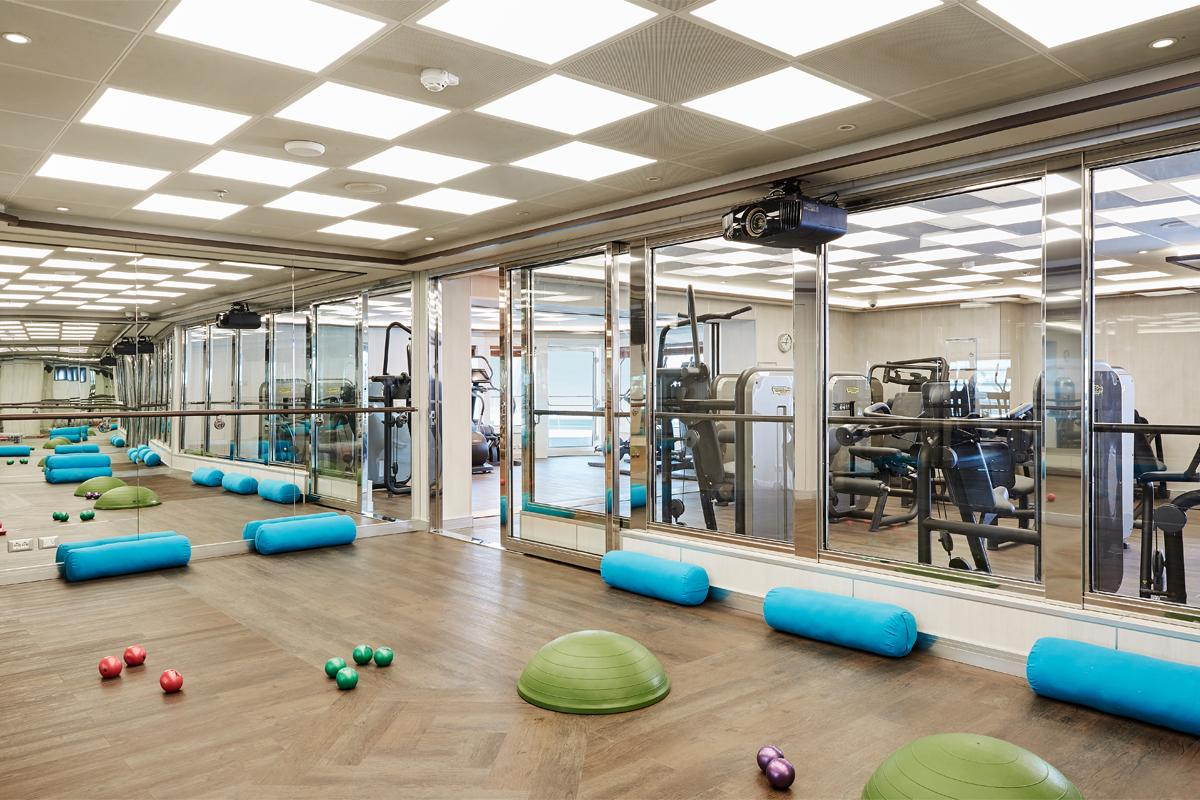
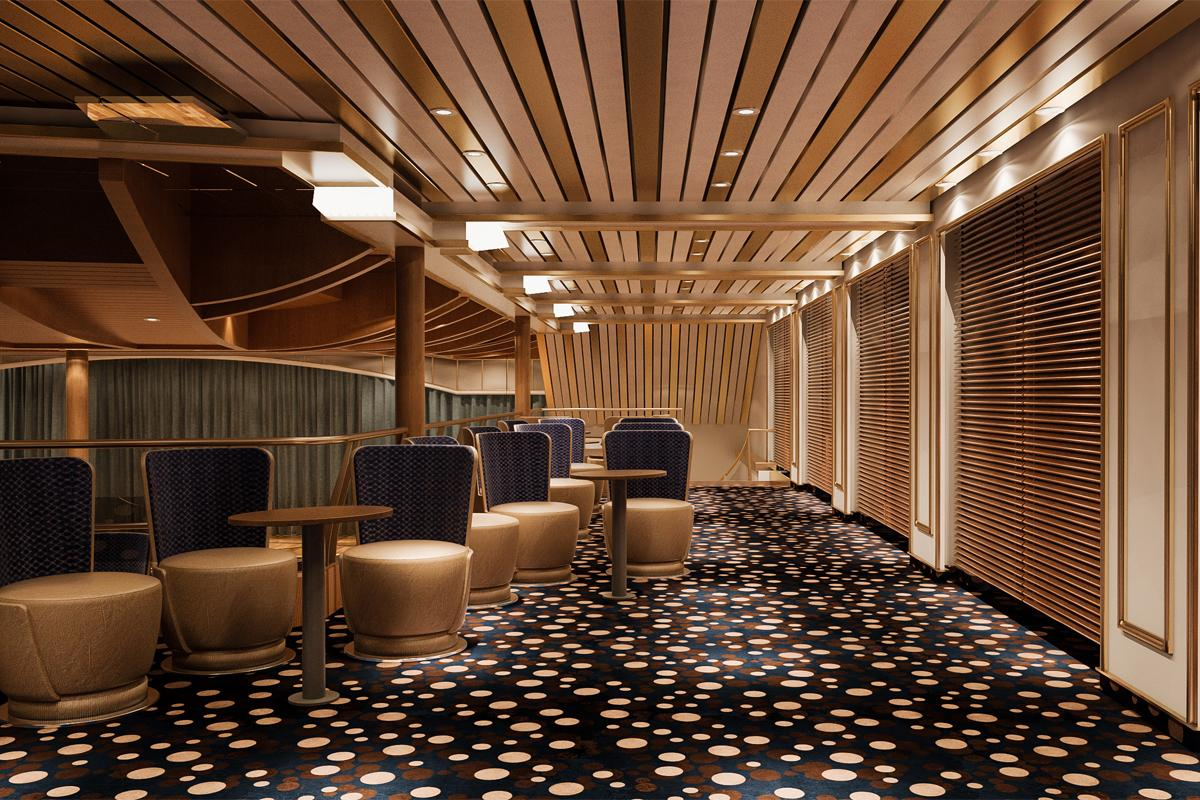
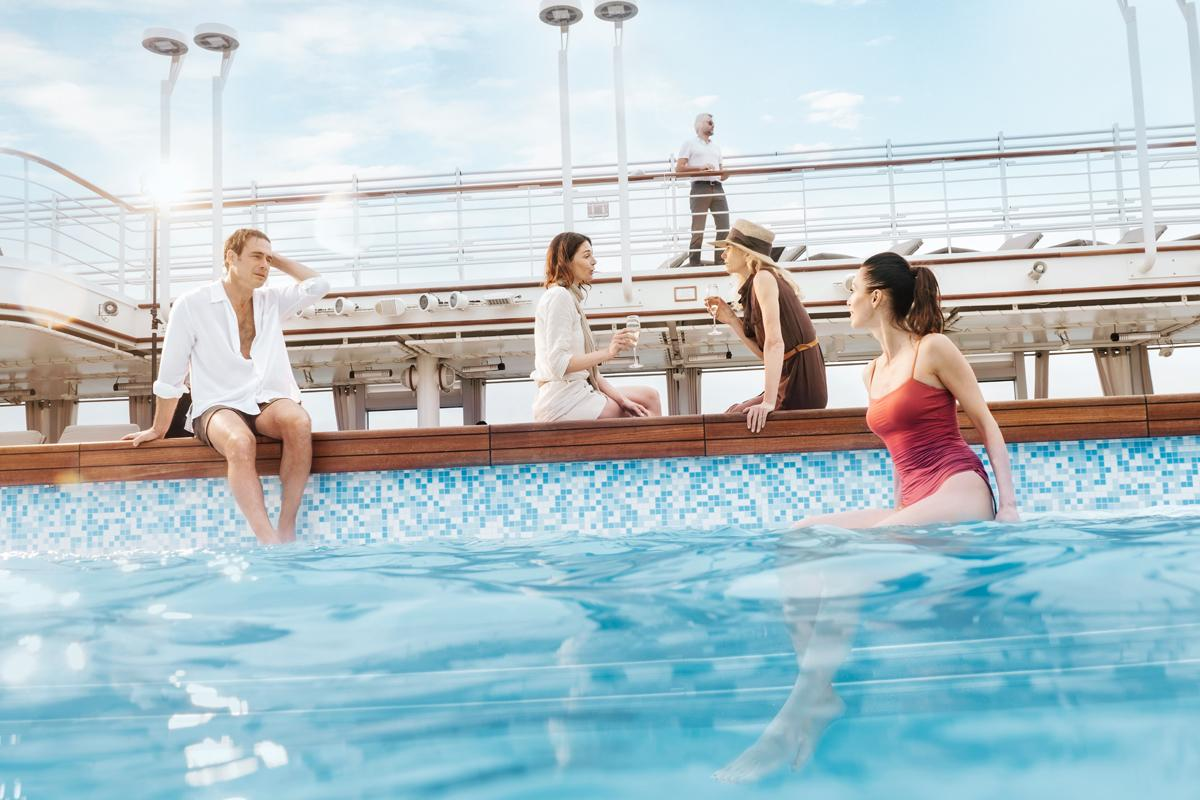
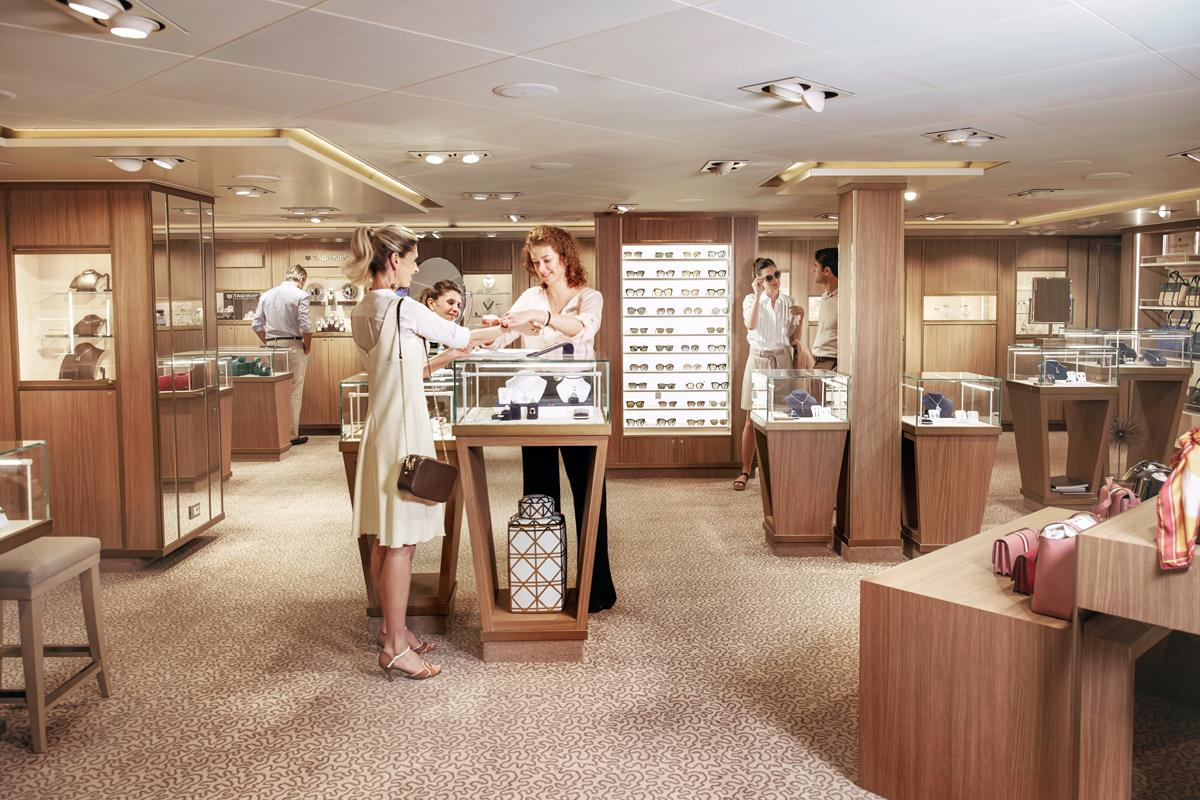
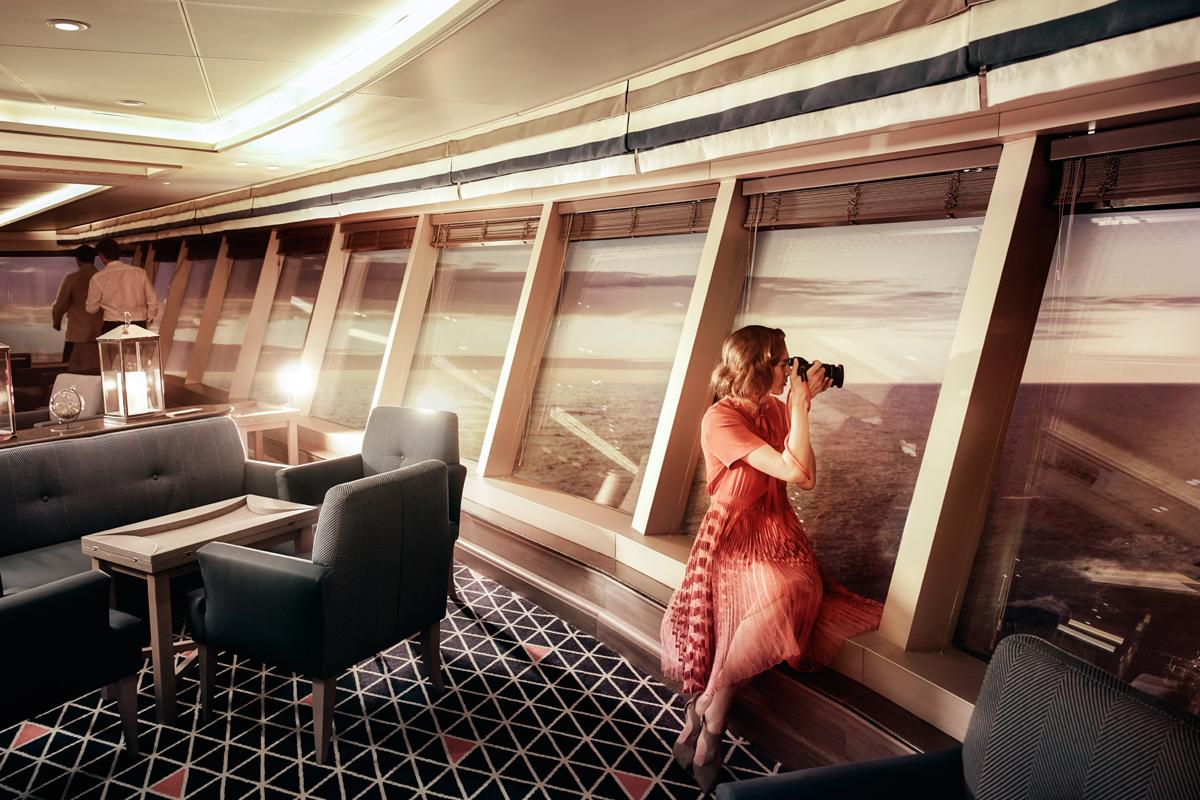
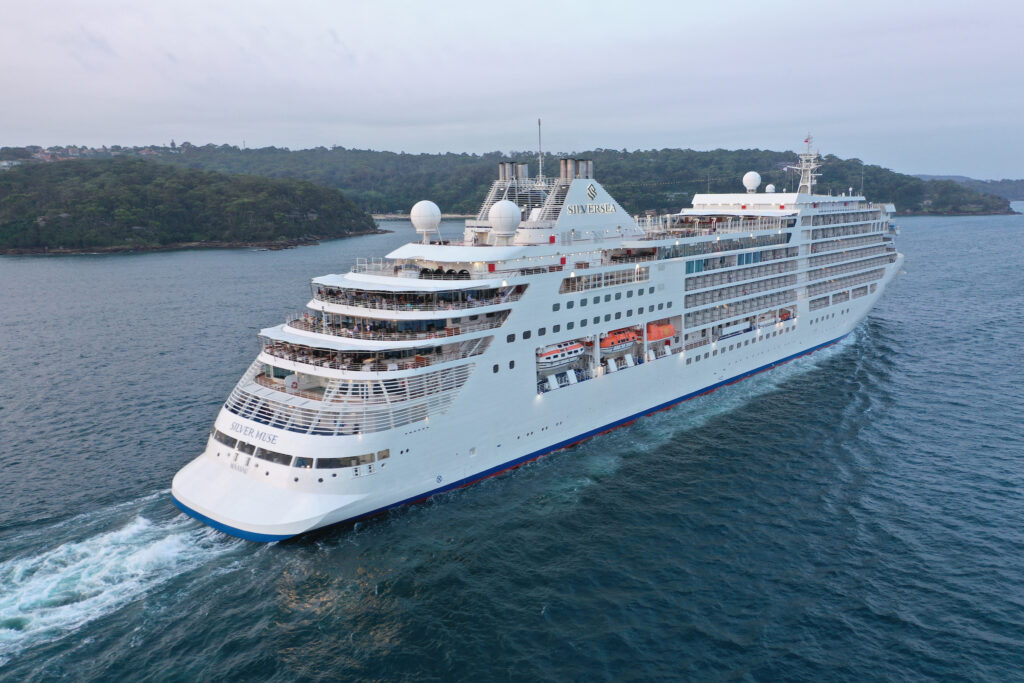
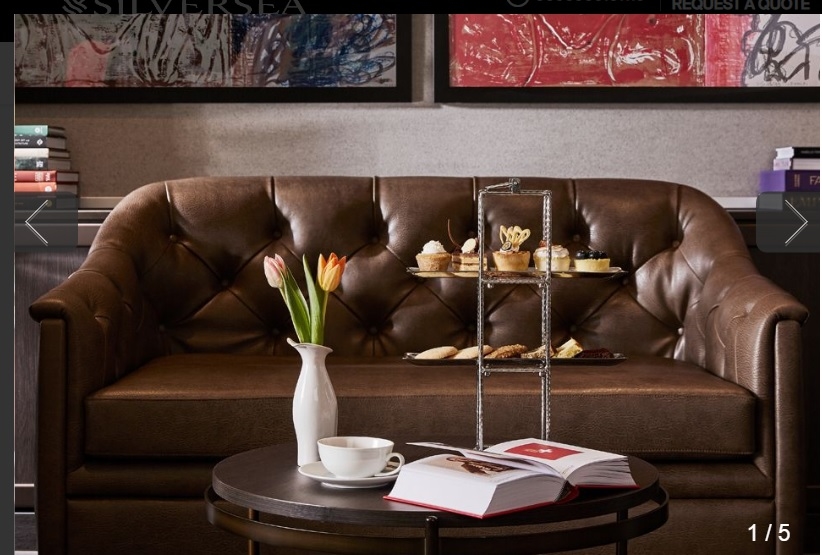
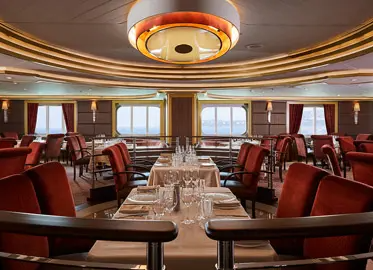
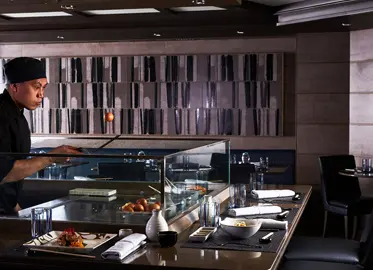
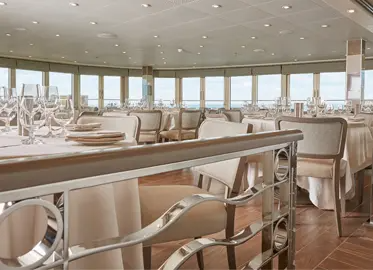
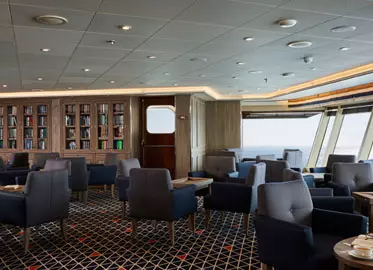
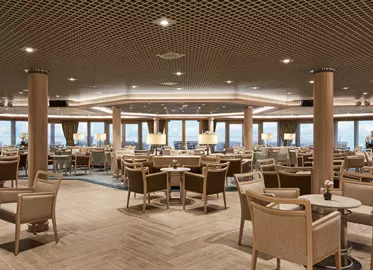
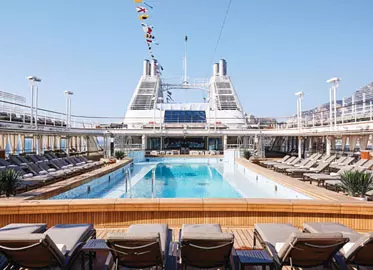
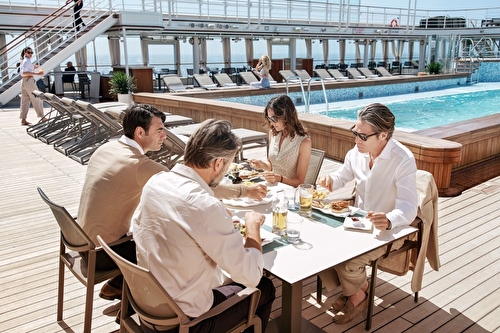
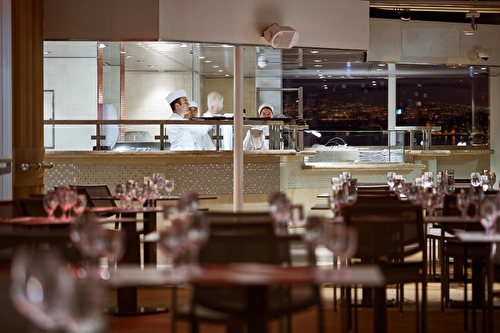
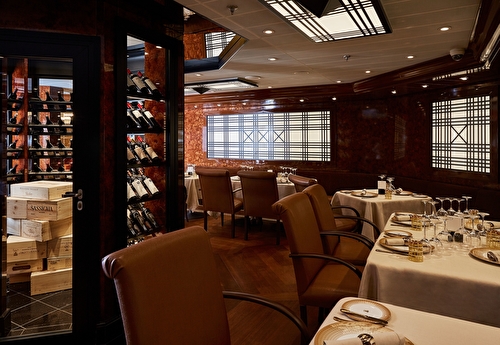
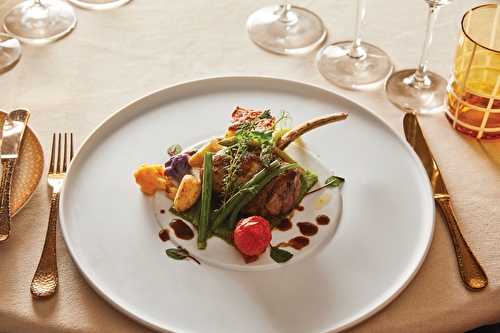
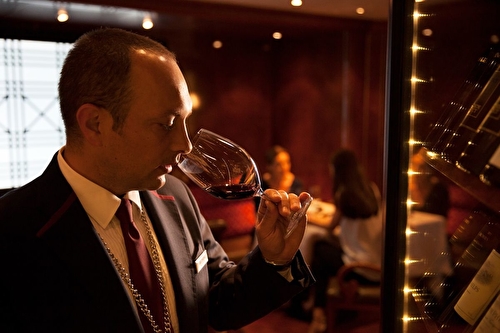
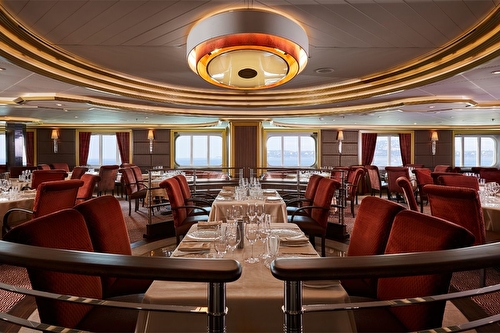
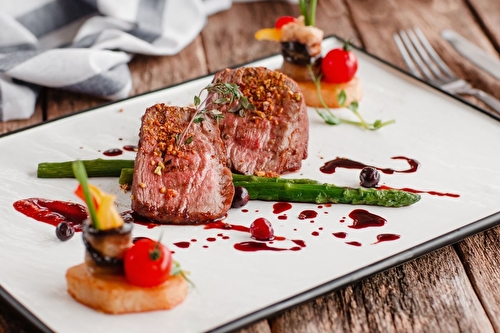
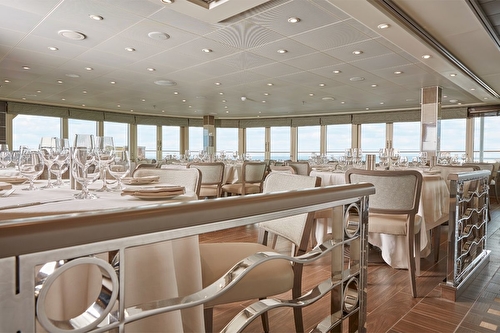
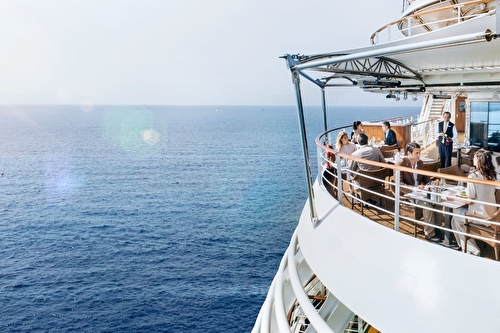
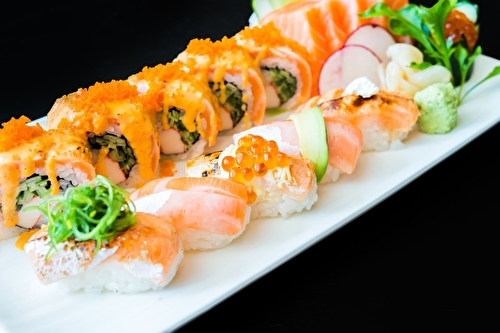
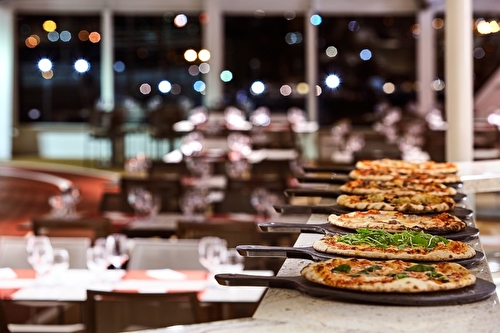
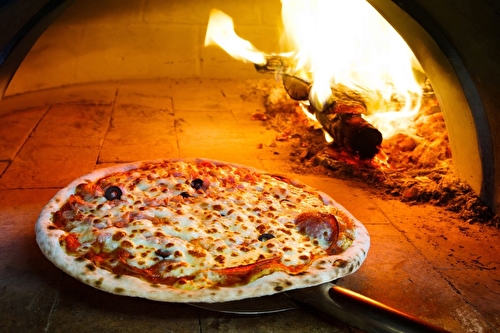
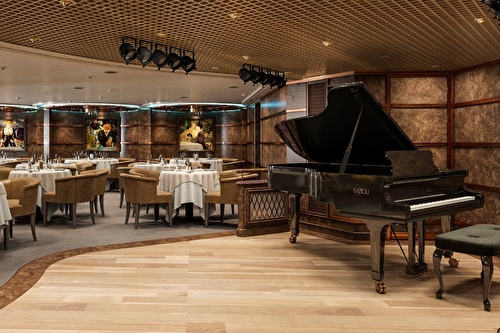
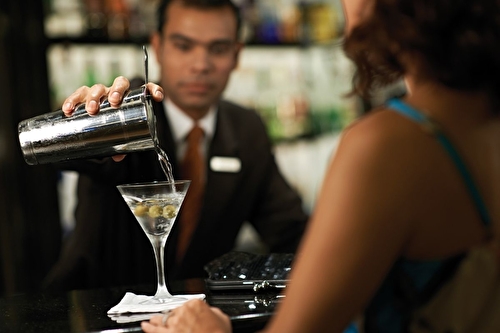
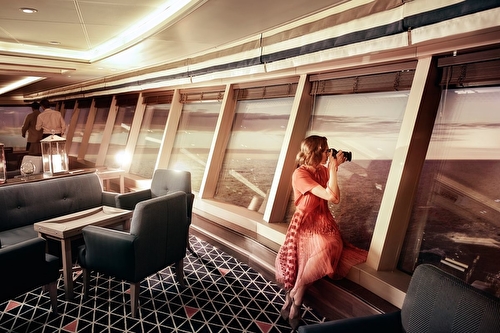
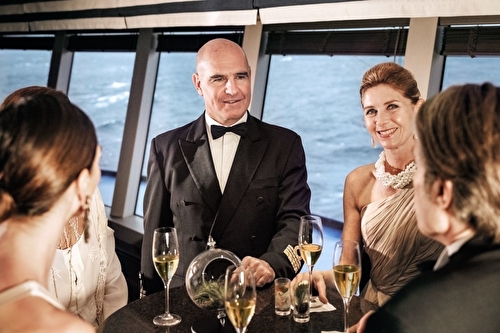
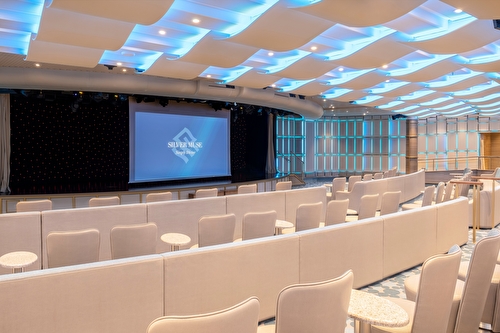
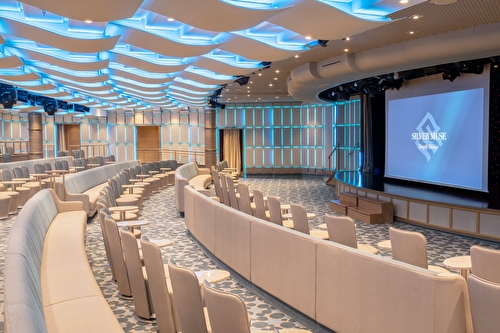
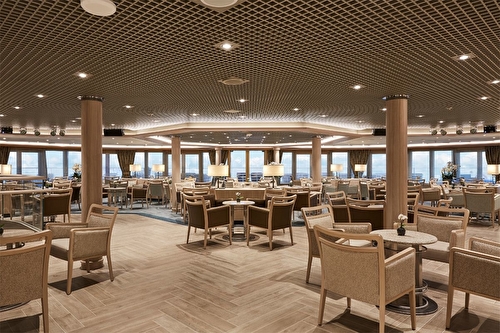
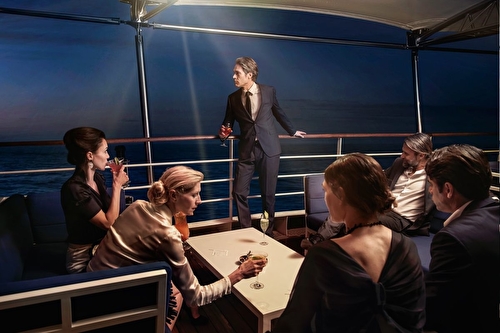
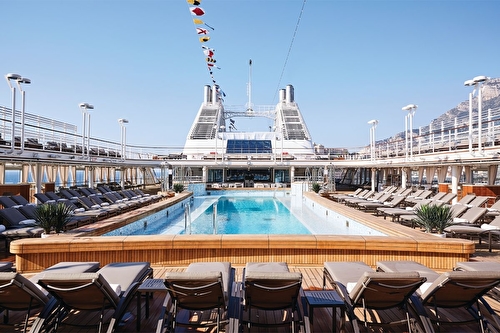
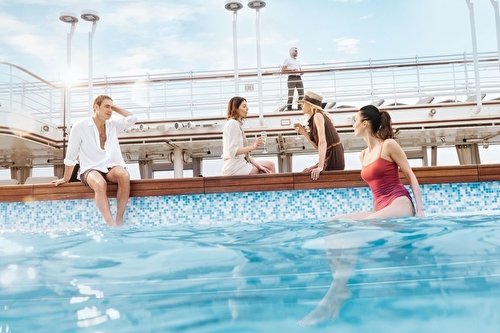
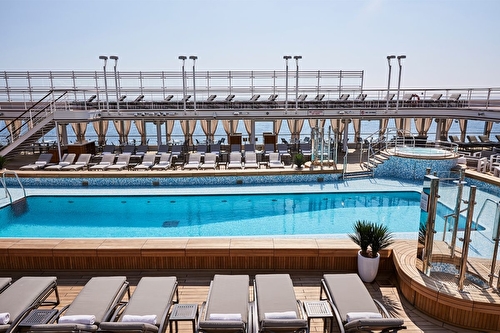
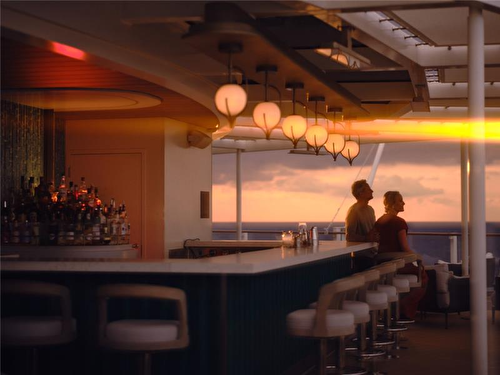
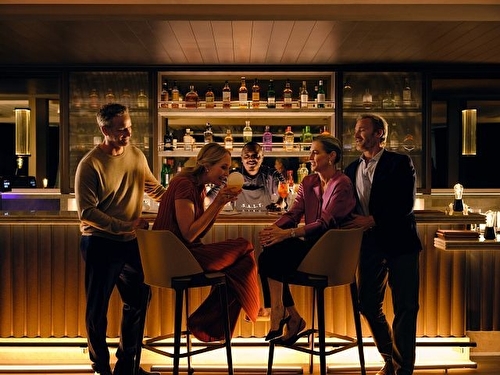
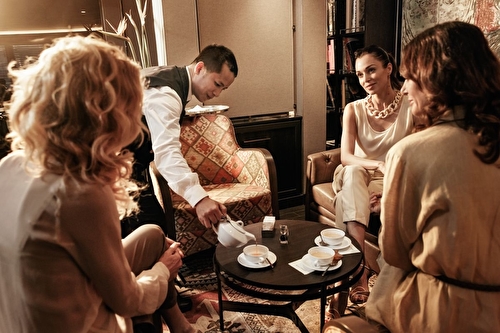
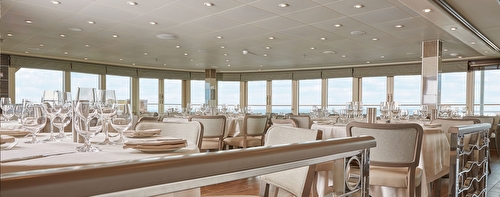
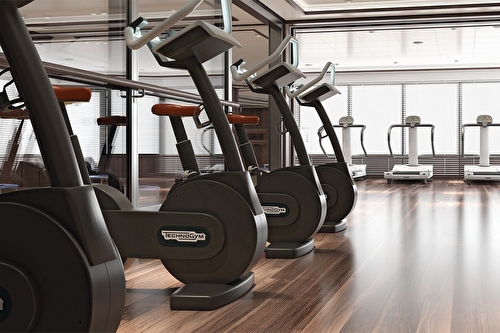
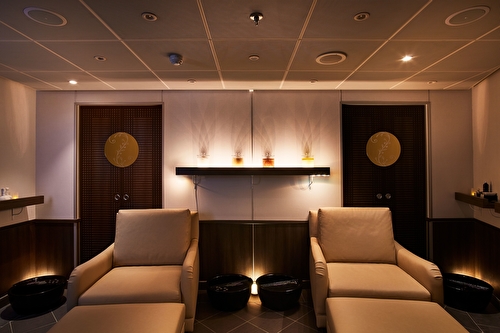
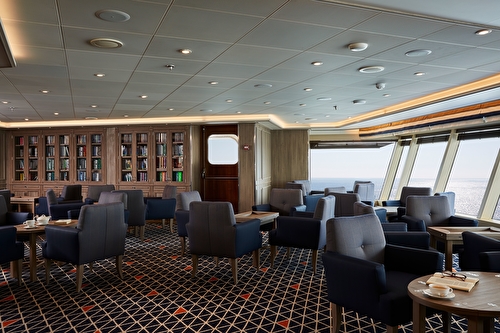
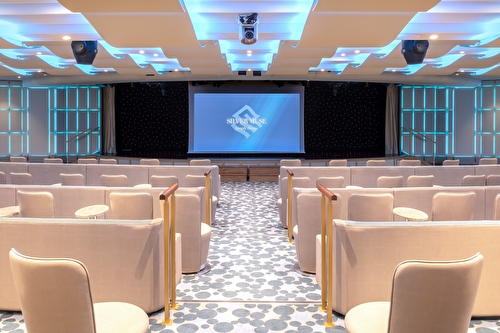
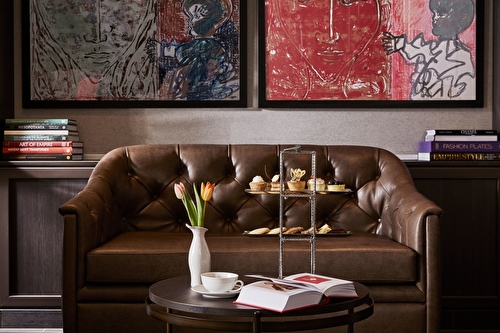
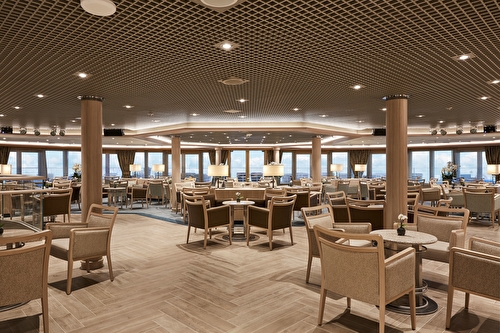
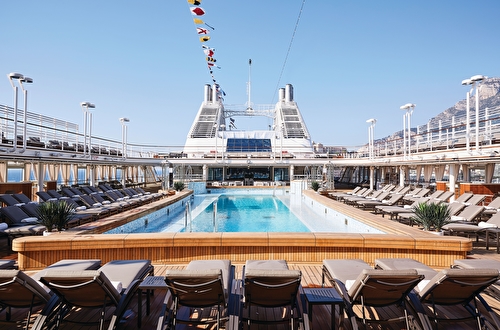
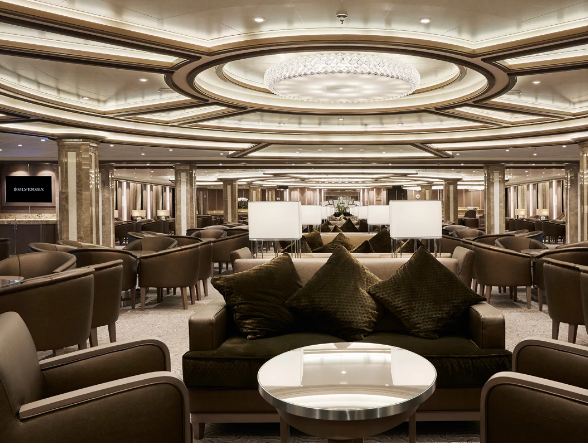
Silver Muse is without question an inspirational work of art. The best place between sea and sky, eight dining venues, spacious outdoor areas and up-to-the-minute technology makes her simply divine. ...versea Cruises is happy to present our new flagship, Silver Muse. Delivered in spring of 2017, the new ultra-luxury ship was built by Fincantieri and at 40,700 grt accommodates 596 guests. Representing an exciting evolution of Silver Spirit, Silver Muse redefines ultra-luxury ocean travel – enhancing the small-ship intimacy and spacious all-suite accommodations that are the hallmarks of the Silversea experience. The addition of Silver Muse expands Silversea’s fleet to nine ships, and once again significantly raises the bar in the ultra-luxury cruise market with a wealth of enhancements to the onboard experience, while satisfying the uncompromising requirements for comfort, service, and quality of the world’s most discerning travellers. More Less
  • Arts café
    arts café
    More
  • Atlantide
    atlantide
    More
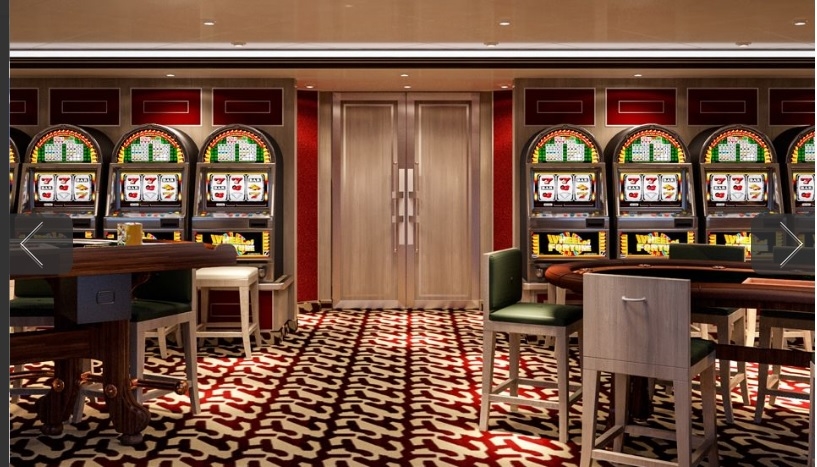
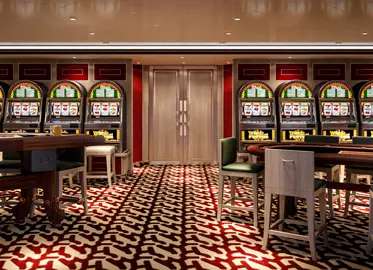
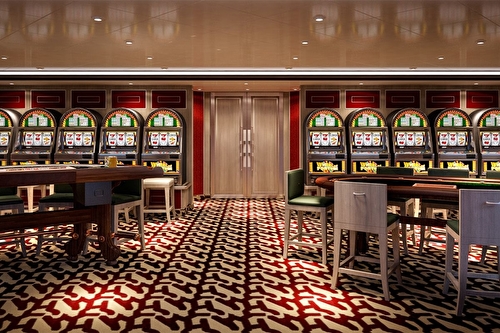
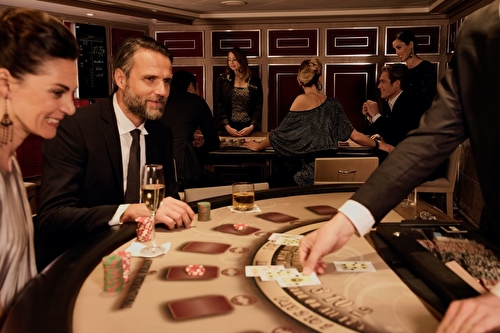
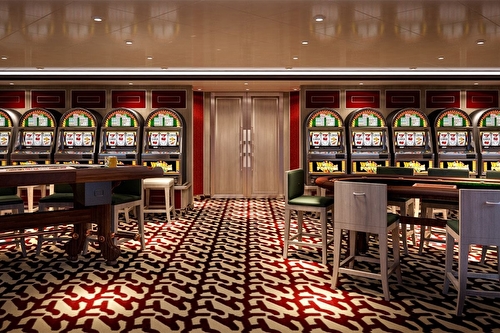
  • Casino
    casino
    More
  • Dolce vita
    dolce vita
    More
  • Indochine
    indochine
    More
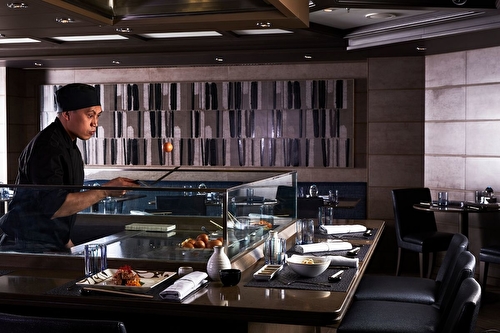
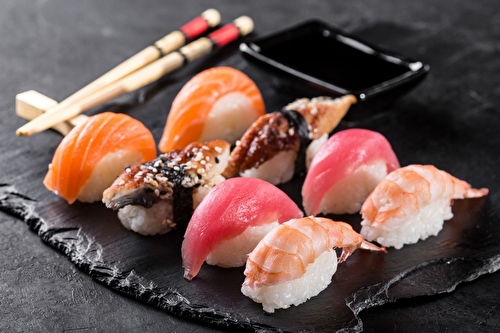
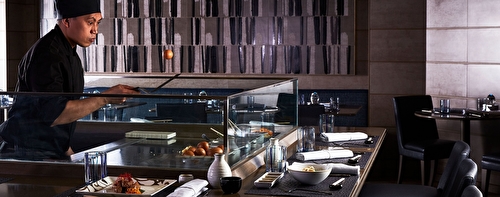
  • Kaiseki
    kaiseki
    More
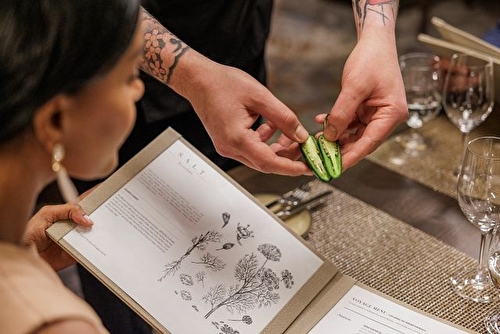
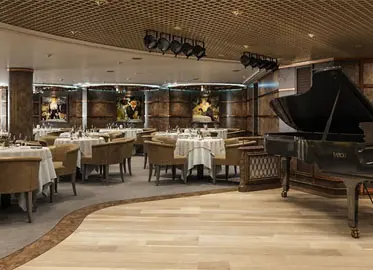
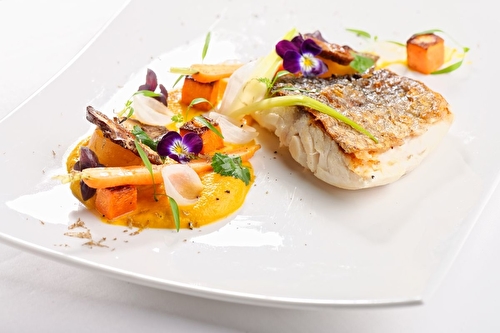
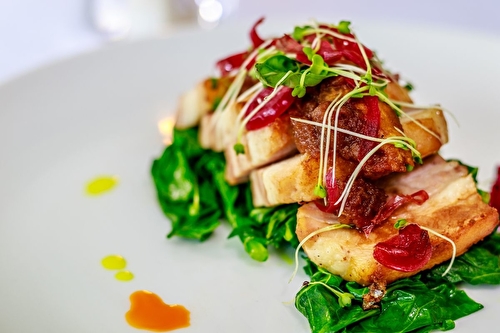
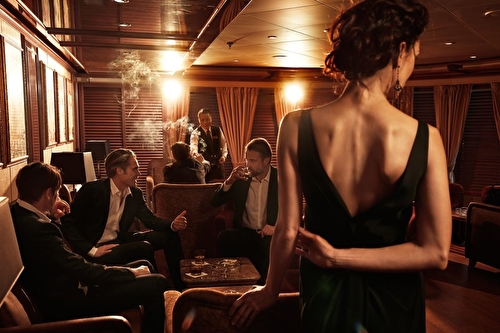
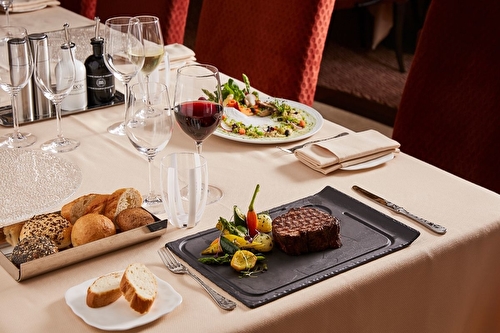
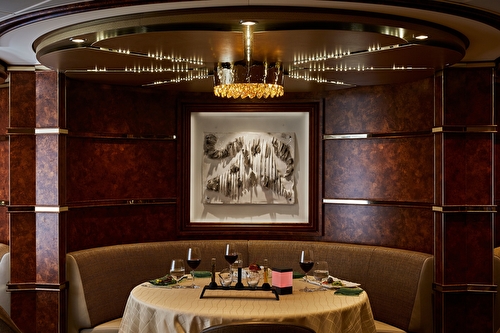
  • La dame
    la dame
    More
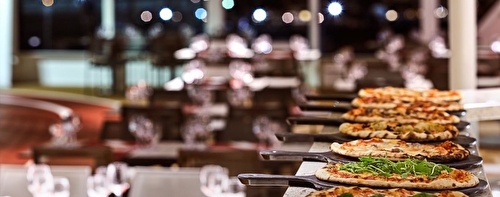
  • La terrazza
    la terrazza
    More
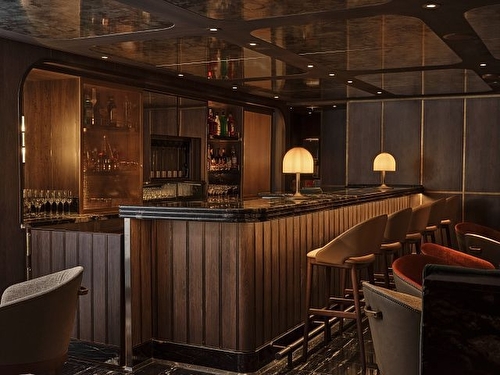
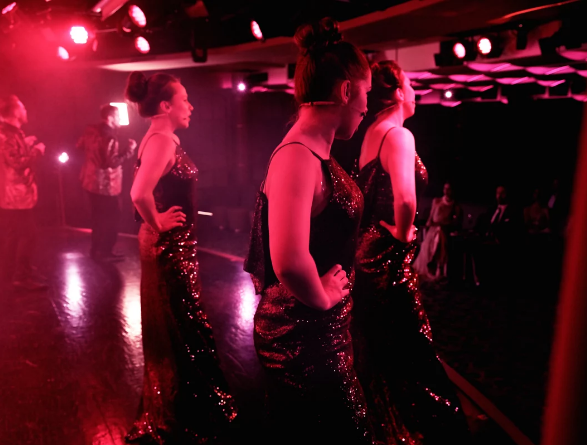
  • Silver note
    silver note
    More
  • Spaccanapoli
    spaccanapoli
    More
  • The grill
    the grill
    More
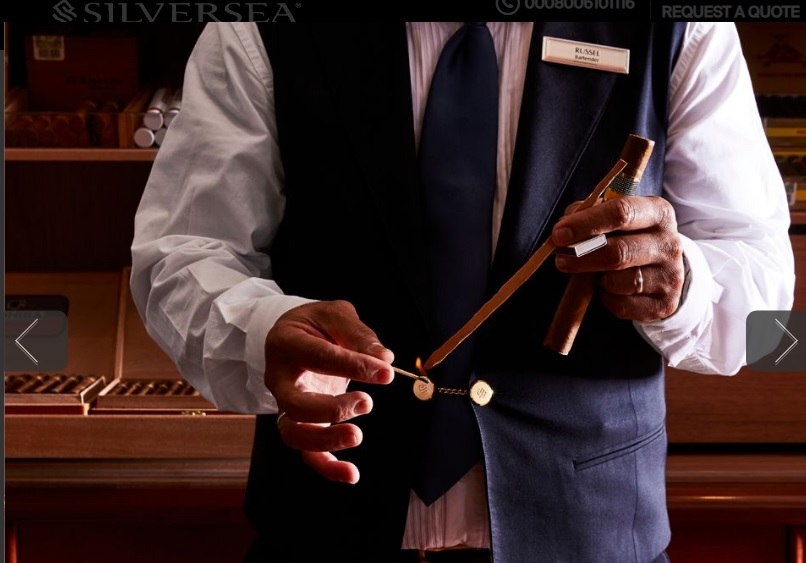
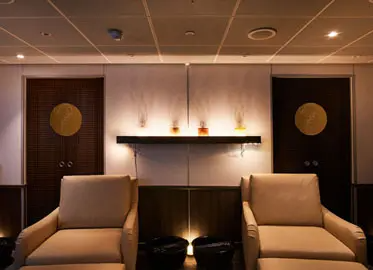
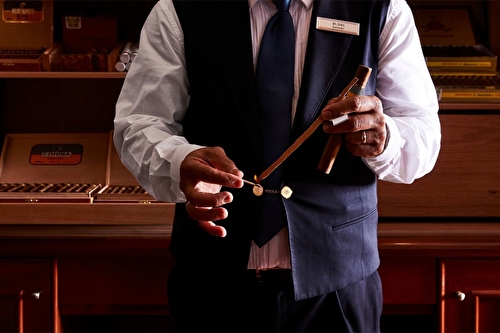
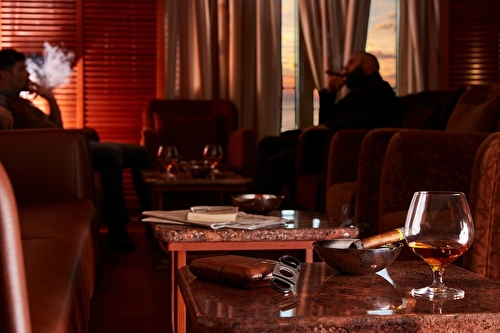
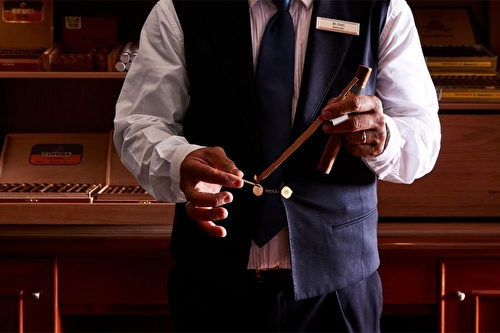
  • Connoisseur’s corner
    connoisseur’s corner
    More
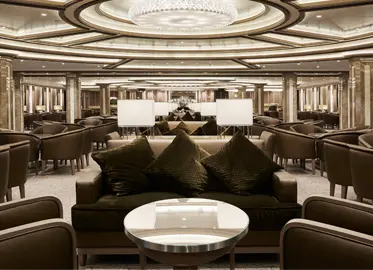
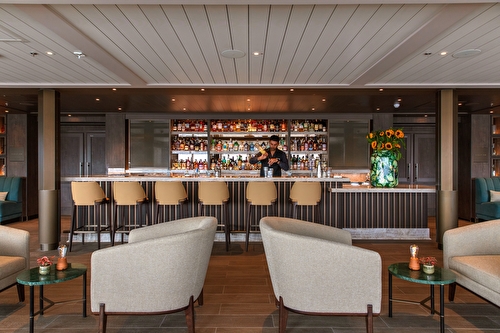
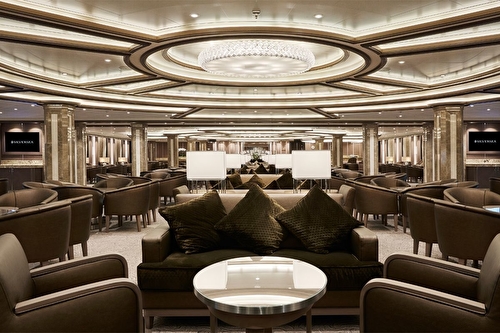
  • Panorama lounge
    panorama lounge
    More
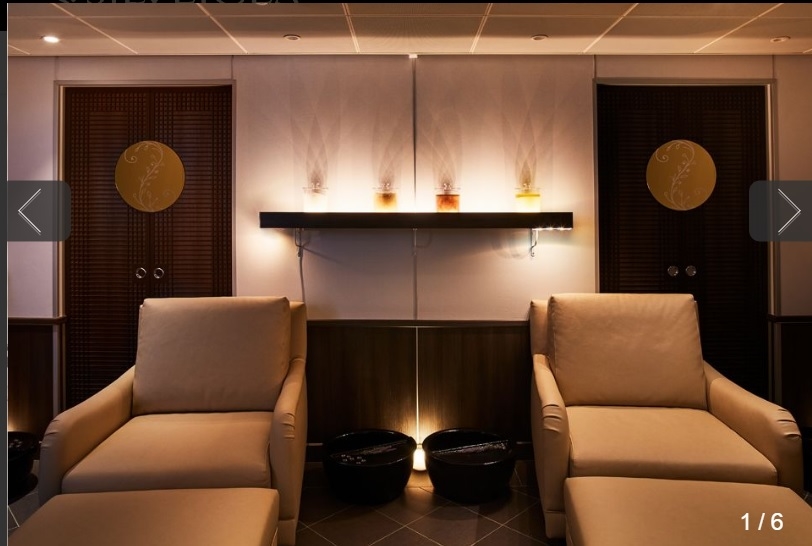
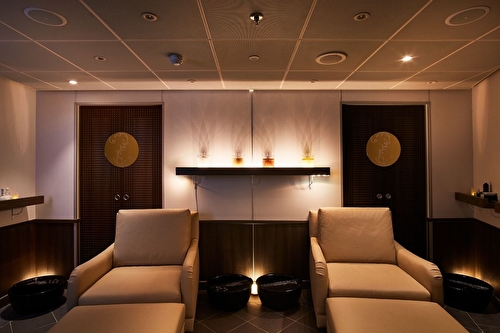
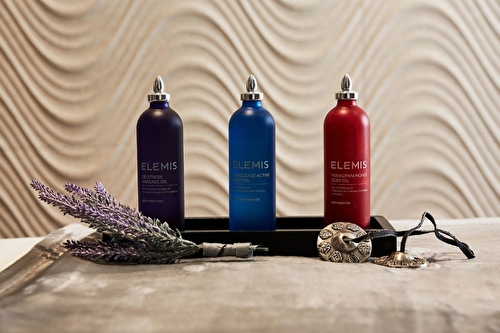
  • Zagara beauty spa
    zagara beauty spa
    More
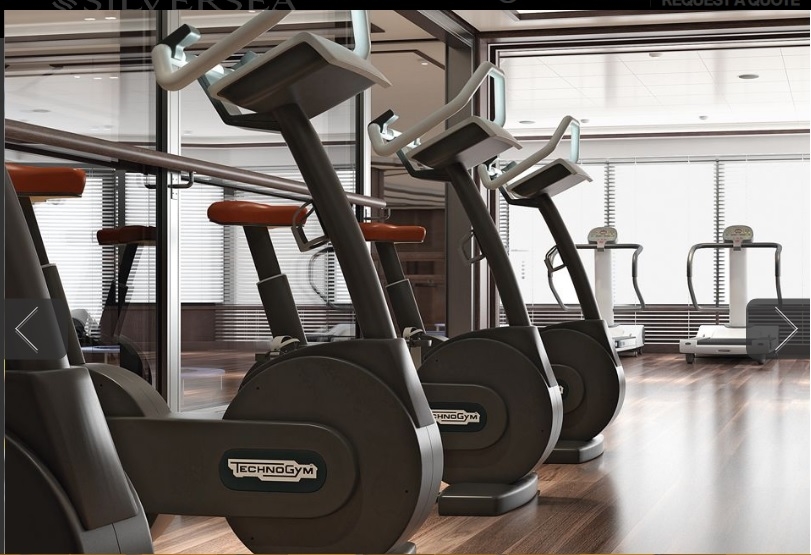
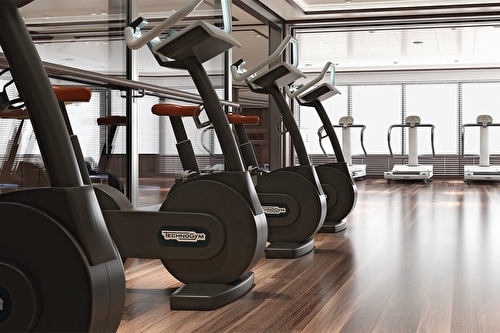
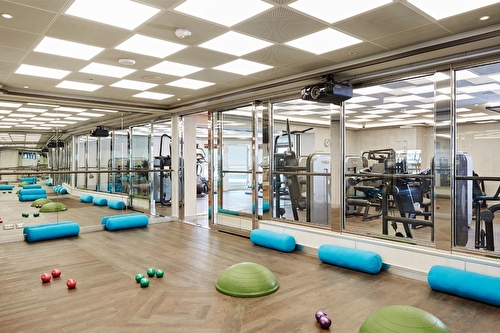
  • Fitness center
    fitness center
    More
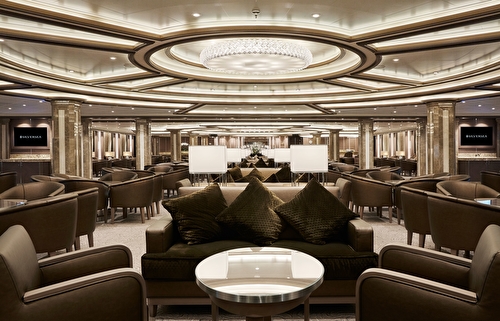
  • Venetian lounge
    venetian lounge
    More
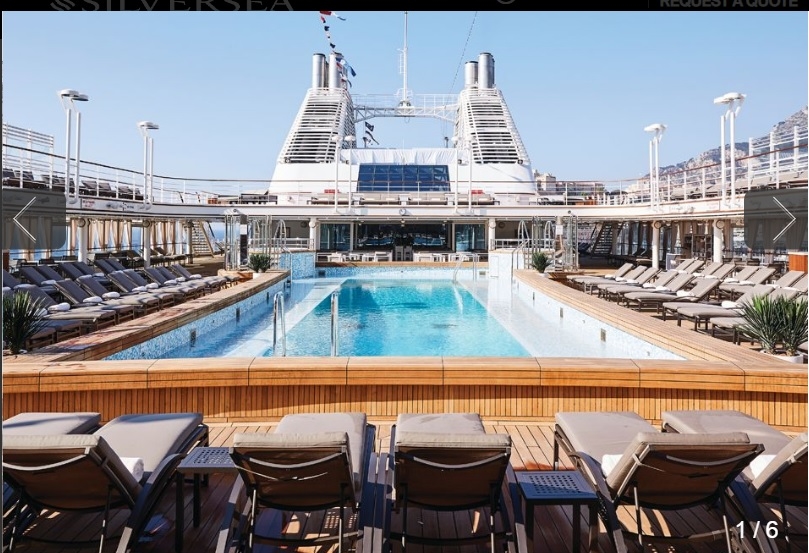
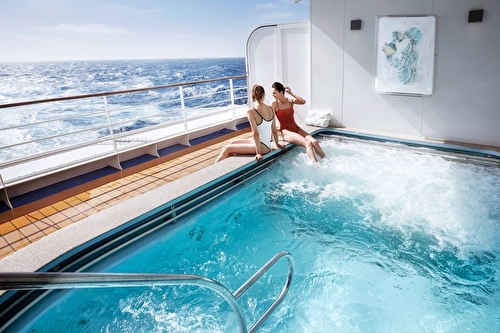
  • Pool deck & jacuzzi area
    pool deck & jacuzzi area
    More
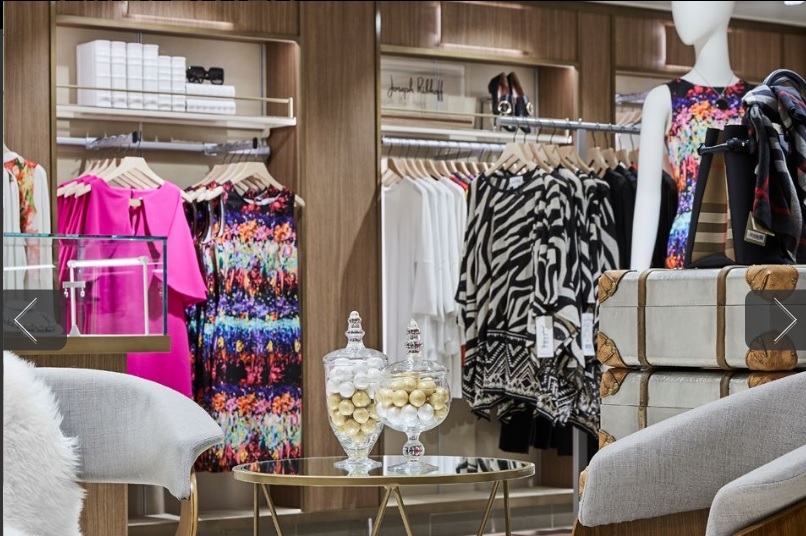
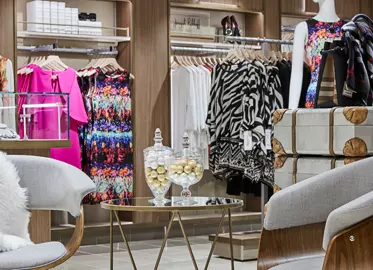
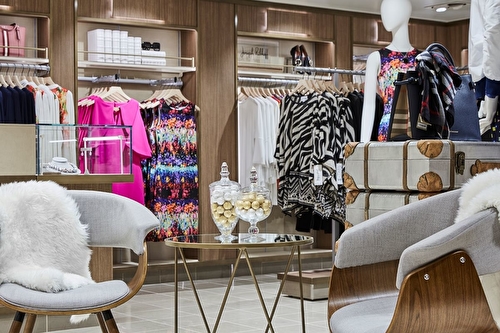
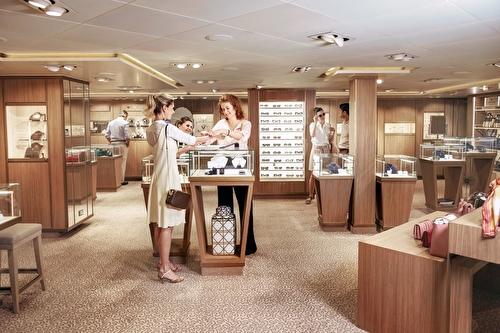
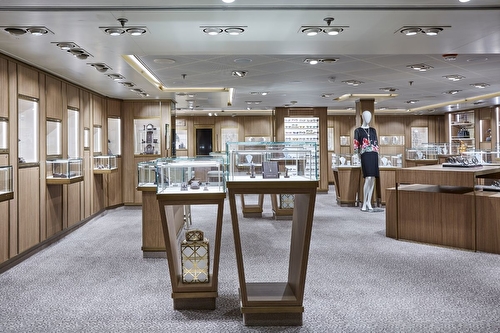
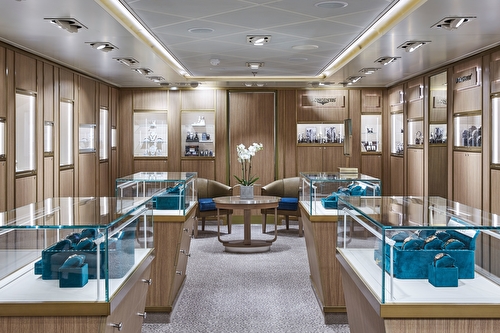
  • Boutique
    boutique
    More
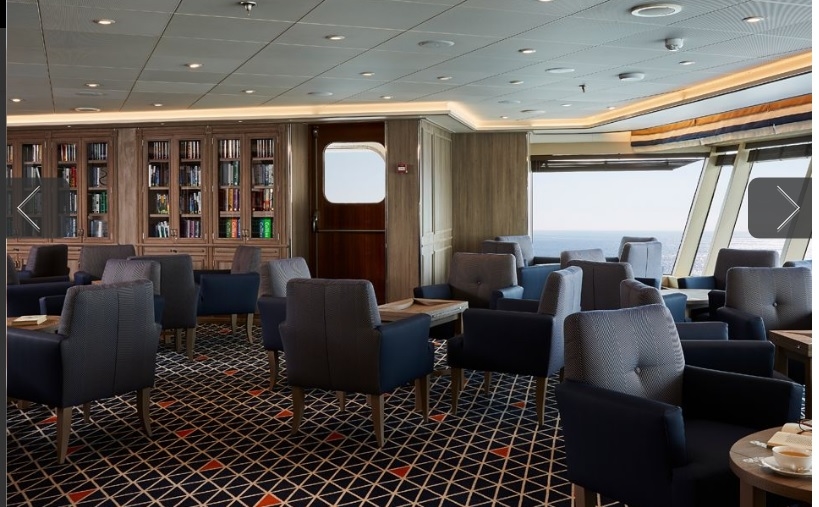
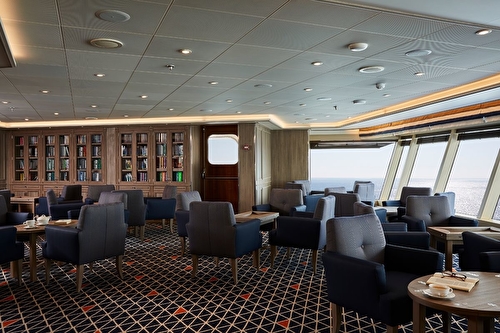
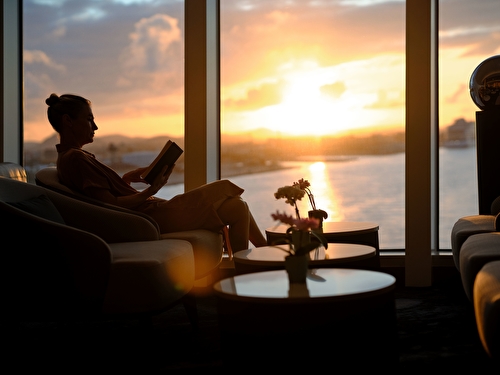
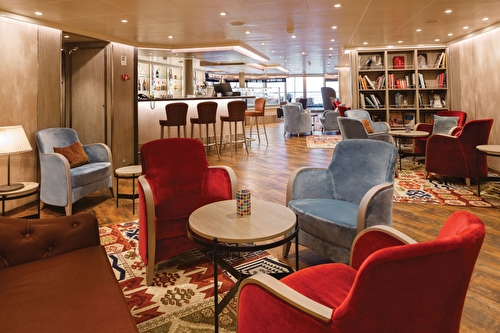
  • Observation library
    observation library
    More
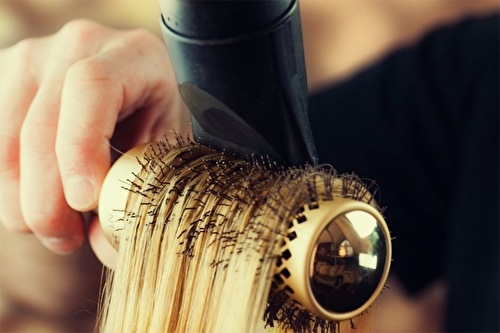
  • Zagara beauty salon
    zagara beauty salon
    More

Staterooms

suite

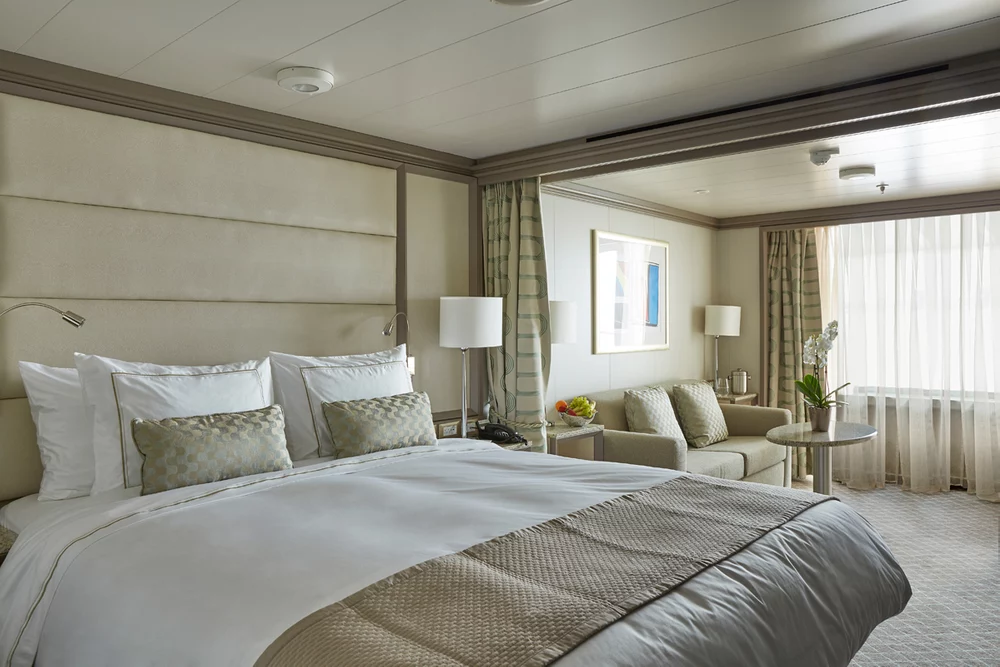
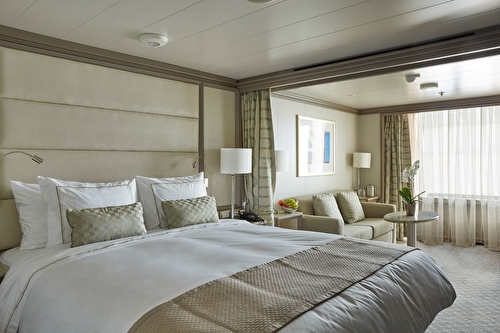
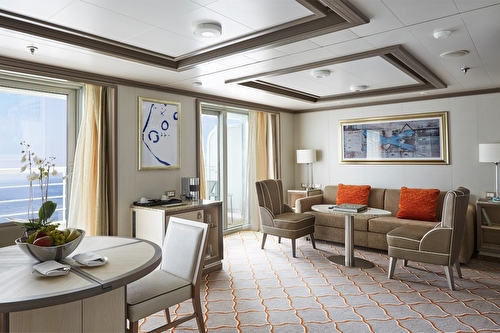
The Vista Suite provides generous living space for all travellers. The Vista Suite offers all the c ... omfort and attention to detail that you can expect aboard. A generous expanse of interior comforts — elegant décor, stunning marble bathroom and ample seating area, make this a cosy home away from home. The seating area of the Vista Suite has plenty of room to relax, while large picture windows frame panoramic ocean views, the perfect backdrop for breakfast in bed! 3 Wheelchair Accessible Suites (407, 409, 417) Sitting area. Twin beds or queen-sized bed. Marble bathroom with vanity, full-sized bath, separate shower. Wheelchair accessible suite has a marble bathroom with vanity and separate shower (no full-sized bath). A choice of pillows. Walk-in wardrobe with personal safe. Writing desk. Two 42” / 106 cm flat-screen HD TVs. Interactive Media Library. Unlimited Standard Wifi.

More

Thank you!

I am also interested in the following:

How would you like us to contact you?:

Traveller information

Additional information

Call 13 70 79 or enquire to book this cruise

Passenger first name limit

Due to cruise line restrictions for online bookings, we ask that passengers with first names exceeding 10 characters to please ring us on 1300 269 432 so we can help you complete your booking.

Close
Passenger last name limit

Due to cruise line restrictions for online bookings, we ask that passengers with last names exceeding 15 characters to please ring us on 1300 269 432 so we can help you complete your booking.

Close
Passenger name limit

Due to cruise line restrictions for online bookings, we ask that passengers with first names exceeding 10 characters and/or last names exceeding 15 characters to please ring us on 
1300 269 432 so we can help you complete your booking.

Close